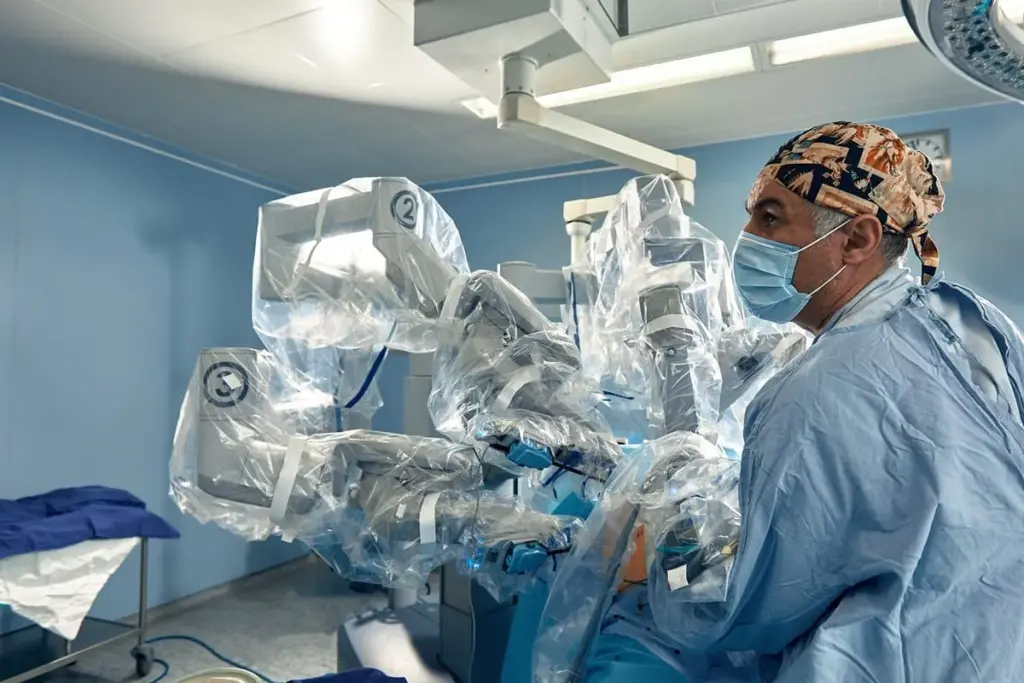
Did you know that patients having minimally invasive surgery often stay in the hospital less than those with open surgery? Studies show that the average stay after robotic surgery can be much shorter. Some patients might even go home in just a day or two.
The time you spend in the hospital after robotic surgery depends on a few things. These include the type of surgery, your health, and if any complications arise. But thanks to new robotic surgery recovery methods, many patients can go home sooner. This helps avoid infections and other problems that can happen in the hospital.
Key Takeaways
- Patients undergoing robotic surgery often experience shorter hospital stays.
- The average hospital stay can vary depending on the type of procedure and patient’s health.
- Advances in robotic surgery techniques have improved patient outcomes.
- Minimally invasive surgery reduces the risk of hospital-acquired infections.
- Robotic surgery recovery is generally faster compared to traditional open surgery.
Understanding Robotic Surgery: A Modern Approach
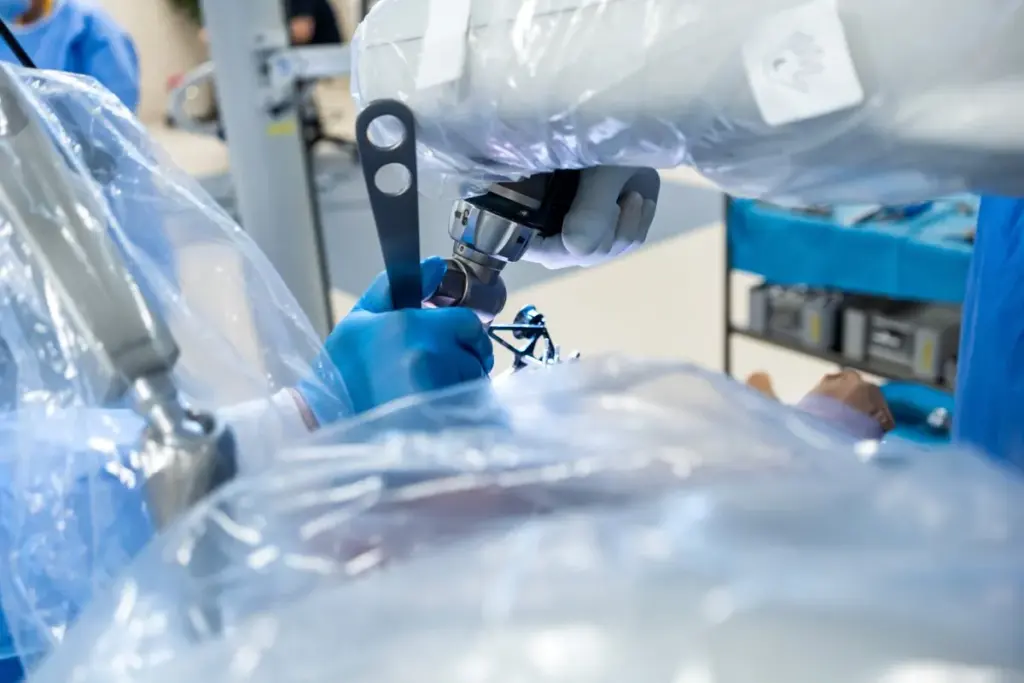
Robotic-assisted surgery has changed the medical world. It gives surgeons better precision and control in complex surgeries. This new way of surgery is changing how operations are done, helping patients a lot.
What Is Robotic-Assisted Surgery?
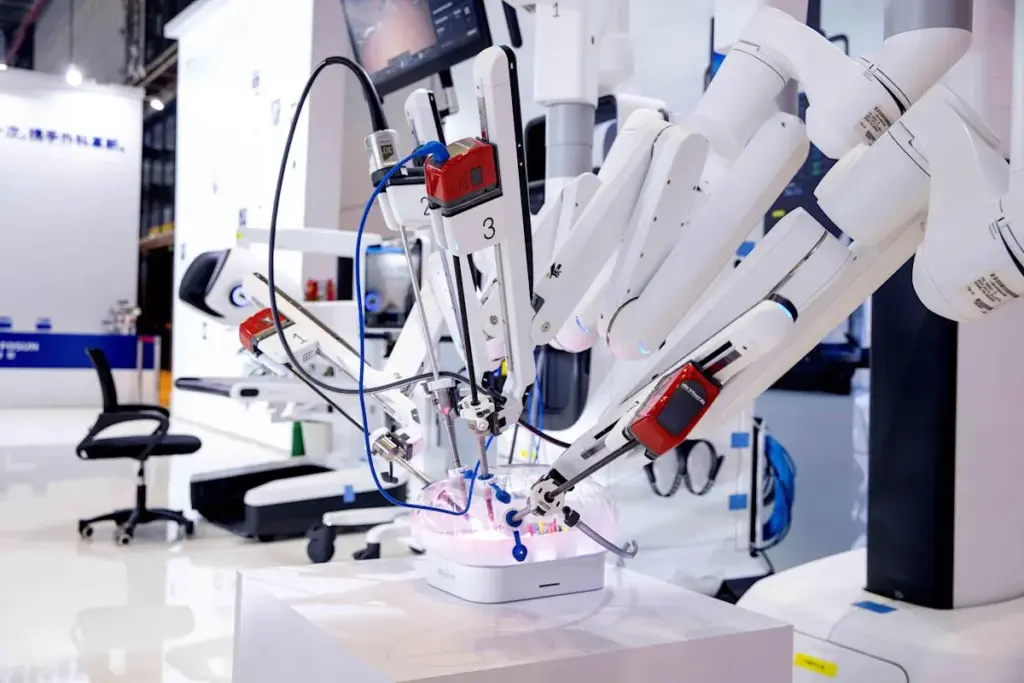
Robotic-assisted surgery is a new kind of surgery. It uses a robotic system to help with operations. The system has a console for the surgeon, robotic arms for the patient, and a vision system for clear 3D images.
The surgeon controls the robotic arms from the console. This lets them do precise and delicate work. It’s a big step forward in surgery.
This surgery has many benefits. It leads to less blood loss, less pain after surgery, and shorter hospital stays. The robotic system’s clear images and precise tools help surgeons do complex tasks better.
How Robotic Surgery Differs from Traditional Procedures
Robotic surgery is different from traditional and laparoscopic surgery. It offers a high-definition 3D view of the surgery area. This clear view helps surgeons do their work more accurately.
The robotic tools also move more freely than traditional ones. This makes it easier for surgeons to do complex tasks. Plus, the system removes the surgeon’s natural tremors, making the surgery more precise.
In summary, robotic-assisted surgery is a big step forward. It offers a less invasive and more precise option for patients compared to traditional surgery.
Factors Affecting Hospital Stay Duration
The time you spend in the hospital after robotic surgery can change a lot. Knowing what affects it can help both patients and doctors get ready for what comes next.
Type of Procedure
The kind of robotic surgery you have done is key to how long you’ll stay in the hospital. Each surgery is different in how complex it is and how long it takes to get better. For example:
- Robotic hysterectomy and prostatectomy usually mean a shorter stay than more complex surgeries like robotic cardiac or lung surgery.
- How simple or complex the surgery is also affects how long it takes to recover.
Patient’s Overall Health and Age
Your health and age are big factors in how well you recover from robotic surgery. Generally:
- Older people or those with health issues might need to stay longer for extra care and recovery.
- Younger people with fewer health problems usually get better faster and can go home sooner.
A study found that “The patient’s health before surgery, any health problems they have, and their overall health status really affect how well they can recover from surgery.”
This shows why checking health before surgery is so important.
Potential Complications
Even though robotic surgery is usually safe, problems can happen. These can make your stay in the hospital longer. Some common issues include:
- Infections
- Bleeding
- Problems with specific organs
Quickly finding and treating these problems is key to keeping your stay in the hospital as short as possible.
Hospital Protocols and Surgeon Experience
The rules at the hospital and the surgeon’s experience also play a big part in your recovery and how long you stay. Experienced surgeons often have better results and shorter stays because they know how to handle problems well.
Also, hospitals with good Enhanced Recovery After Surgery (ERAS) protocols can make your stay shorter. They focus on managing pain, getting you moving early, and helping with nutrition.
Average Hospital Stay Durations by Procedure Type
The time you spend in the hospital after robotic surgery depends on the surgery type. Each surgery has its own needs and recovery path. This affects how long you’ll stay in the hospital.
Robotic Hysterectomy
A robotic hysterectomy is a surgery to remove the uterus. It’s done with a robot. Most people stay in the hospital for 1 to 2 days. Some might go home the same day, based on their health and the surgery’s complexity.
Factors influencing hospital stay: Your health, any complications, and the surgeon’s advice.
Robotic Prostatectomy
Robotic prostatectomy is a surgery to remove the prostate gland with robotic help. You usually stay in the hospital for 1 to 2 days. It’s less painful and you recover faster than with traditional surgery.
Recovery considerations: Avoid hard work and heavy lifting for weeks after surgery.
Robotic Cardiac Surgery
Robotic cardiac surgery includes many procedures, like fixing the mitral valve or bypassing coronary arteries. Staying in the hospital can take 3 to 5 days or more. It depends on the surgery’s complexity and your health.
Post-operative care: Watching your heart, managing pain, and moving early are key.
Robotic Lung Surgery
Robotic lung surgery treats lung cancer by removing tumors or lung tissue. You’ll likely stay in the hospital for 2 to 4 days. It’s less invasive and you recover faster.
Nursing care: Focuses on pain, breathing, and watching for complications.
|
Surgical Procedure |
Average Hospital Stay |
Key Considerations |
|---|---|---|
|
Robotic Hysterectomy |
1-2 days |
Patient’s overall health, presence of complications |
|
Robotic Prostatectomy |
1-2 days |
Less pain, quicker recovery |
|
Robotic Cardiac Surgery |
3-5 days or more |
Complexity of surgery, patient’s condition |
|
Robotic Lung Surgery |
2-4 days |
Less trauma, quicker recovery |
In conclusion, how long you stay in the hospital after robotic surgery depends on the surgery, your health, and any complications. Knowing these factors helps you prepare for your recovery.
What to Expect After Robotic Lung Surgery
The recovery journey starts right after surgery, focusing on pain control and watching for complications. Knowing what to expect helps patients get ready for their hospital stay and home care.
Immediate Post-Operative Period
Patients go to the recovery room after surgery. Here, they are watched closely by doctors and nurses. This time is key for managing pain and checking for any early signs of problems.
Doctors give pain management drugs to help with discomfort. They also keep an eye on oxygen levels, heart rate, and blood pressure to ensure a smooth recovery.
Hospital Monitoring and Care
In the hospital, patients get a lot of care, including:
- Regular checks on vital signs and wound healing
- Pain management through medication and other methods
- Getting up and moving to prevent blood clots and pneumonia
- Help with nutrition to aid in recovery
The healthcare team works together to handle any issues that come up. They make sure patients get the best care possible.
Typical Discharge Timeline
Most patients stay in the hospital for a few days after surgery. The typical discharge timeline depends on health, surgery complexity, and recovery speed.
|
Day |
Typical Activities |
Care Focus |
|---|---|---|
|
1-2 |
Rest, pain management |
Monitoring, pain control |
|
2-3 |
Early mobilization, breathing exercises |
Preventing complications, wound care |
|
3+ |
Increased mobility, discharge planning |
Preparing for home care, follow-up appointments |
Common Challenges and Solutions
Patients might face challenges like pain, tiredness, and breathing issues after surgery. Solutions include:
- Following the pain management plan
- Doing gentle exercises to improve lung function and mobility
- Eating a nutritious diet to support healing
By knowing these challenges and working with their healthcare team, patients can better handle their recovery.
What to Expect After a Robotic Hysterectomy
After a robotic hysterectomy, many patients wonder about their recovery. This includes the hospital stay, symptoms after surgery, and follow-up care. Knowing what to expect can help ease worries and make recovery smoother.
First 24 Hours Post-Surgery
The first 24 hours after surgery are key for recovery. Patients are watched closely in the hospital for any problems. They also get pain medicine as needed.
Common experiences during this time include:
- Mild to moderate pain
- Nausea and vomiting
- Fatigue
- Vaginal bleeding or spotting
Hospital Care Protocol
Hospital care after a robotic hysterectomy focuses on comfort and safety. This includes:
- Pain management through medication
- Monitoring of vital signs
- Early mobilization to prevent complications
- Nutritional support
One patient said, “The care I received in the hospital was exceptional. The nurses were attentive, and the pain management was effective.”
“I was surprised by how quickly I was able to move around after surgery. The hospital staff were very supportive.”
Discharge Criteria
Patients usually leave the hospital 1-2 days after surgery. This depends on how well they’re recovering and if there are no complications. To be discharged, patients must meet certain criteria, such as:
- Stable vital signs
- Adequate pain control with oral medication
- Ability to urinate and pass stool
- No signs of infection
|
Discharge Criteria |
Description |
|---|---|
|
Stable Vital Signs |
Heart rate, blood pressure, and temperature within normal ranges |
|
Adequate Pain Control |
Effective management of pain with oral medication |
|
Normal Bodily Functions |
Ability to urinate and have bowel movements |
Managing Common Post-Operative Symptoms
Managing symptoms after a robotic hysterectomy is important for a comfortable recovery. Symptoms can include:
- Vaginal bleeding
- Abdominal discomfort
- Fatigue
Tips for managing these symptoms:
- Rest and avoid heavy lifting
- Follow a balanced diet
- Stay hydrated
Understanding what to expect after a robotic hysterectomy helps patients prepare for recovery. This ensures a smoother and more comfortable healing journey.
The Complete Robotic Surgery Recovery Timeline
After robotic surgery, patients go through different recovery phases. Each phase is important for a good outcome. The recovery process has several stages, each with its own goals and milestones.
Hospital Phase (Days 1-3)
The first recovery phase starts right after surgery. Patients are watched closely in the hospital. This time is key for managing pain, avoiding problems, and making sure the patient is ready to go home. The length of the hospital stay depends on the surgery and the patient’s health.
Key aspects of the hospital phase include:
- Pain management through medication
- Monitoring of vital signs and wound healing
- Early mobilization to prevent blood clots and promote healing
Early Home Recovery (Weeks 1-2)
After leaving the hospital, patients start the early home recovery phase. They continue to heal and slowly get back to their usual activities. It’s important to follow the surgeon’s advice on rest, medication, and appointments.
Patients can expect:
- Gradual improvement in pain levels
- Increased mobility and ability to perform daily tasks
- Follow-up care to monitor the healing process
Full Recovery Period (Weeks 3-6)
As patients move into the full recovery phase, they keep getting stronger and can do more. The recovery speed varies based on age, health, and surgery complexity.
During this phase, patients may:
- Resume most daily activities
- Experience a reduction in fatigue
- Continue to follow up with their healthcare provider
Long-term Recovery Considerations
The final recovery stage is about long-term healing and getting back to full strength. This can take months. Patients should keep following their surgeon’s advice on exercise, diet, and care.
Long-term considerations include:
- Maintaining a healthy lifestyle to support recovery
- Gradually increasing physical activity
- Attending follow-up appointments to monitor long-term outcomes
Post-Operative Care in the Hospital Setting
Robotic surgery patients get advanced post-operative care in the hospital. This care aims to reduce pain and prevent problems. It’s tailored to each patient, focusing on pain, wound healing, and recovery.
Pain Management Protocols
Managing pain well is key for a smooth recovery. Hospitals use multimodal analgesia to control pain. This method combines different treatments to lessen opioid use and side effects.
Patients are watched closely to adjust their pain care as needed. The goal is to keep pain manageable. This lets patients recover comfortably and help with their care.
Monitoring Vital Signs and Wound Healing
Keeping an eye on vital signs is vital after surgery. This includes heart rate, blood pressure, and oxygen levels. It helps doctors spot and fix any issues quickly.
Wound healing is also watched closely. Doctors check the surgical site for signs of infection or other problems. They use the right wound care to help it heal.
Preventing Complications
Stopping complications is a big part of post-operative care. This includes using antibiotics to prevent infection. It also means using anticoagulants and encouraging early movement to avoid blood clots.
Patients learn about signs of complications and when to ask for help. This lets them play a big role in their recovery. They can seek help when they need it.
Enhanced Recovery After Surgery (ERAS) Protocols
Enhanced Recovery After Surgery (ERAS) protocols have changed how patients heal after robotic surgery. These guidelines aim to make recovery better, cut down on complications, and shorten hospital stays.
Pre-Surgery Preparation
Getting ready for surgery is key in ERAS protocols. Patients learn about the importance of eating well, staying hydrated, and being active before surgery. This includes:
- Nutritional counseling: Patients get advice on the best foods to eat before surgery to stay healthy.
- Hydration: They’re told to drink lots of fluids to stay hydrated.
- Physical activity: Patients are encouraged to stay active to boost their health.
During Hospital Stay
While in the hospital, patients get special care following ERAS protocols. This includes:
- Pain management: They use effective pain control to reduce discomfort.
- Early mobilization: Patients start moving and being active soon after surgery.
- Nutritional support: They get help with nutrition to aid in their recovery.
Impact on Discharge Timing
ERAS protocols have a big impact on when patients can go home. By improving recovery and cutting down on complications, patients leave the hospital sooner.
|
Procedure |
Average Hospital Stay (Traditional) |
Average Hospital Stay (ERAS) |
|---|---|---|
|
Robotic Hysterectomy |
2-3 days |
1-2 days |
|
Robotic Prostatectomy |
2-3 days |
1-2 days |
|
Robotic Cardiac Surgery |
5-7 days |
3-5 days |
Evidence-Based Benefits of ERAS
The benefits of ERAS protocols are well-supported by research. Studies show that ERAS can lead to:
- Reduced hospital stay: ERAS can cut hospital stay by up to 30%.
- Fewer complications: ERAS can lower the chance of complications.
- Improved patient outcomes: ERAS can improve patient results, including less sickness and death.
Overall, ERAS protocols have changed how patients recover from robotic surgery. They make recovery better, reduce complications, and cut down on hospital time. This leads to better patient outcomes and lower healthcare costs.
Minimizing Hospital Stay: Fast-Track Recovery Programs
Fast-track recovery programs are changing how we care for patients after robotic surgery. They aim for shorter hospital stays. These programs use many strategies to help patients recover quickly and well.
Early Mobilization Techniques
Early mobilization is key in fast-track recovery. It means moving patients soon after surgery. This helps avoid problems like deep vein thrombosis and speeds up healing.
- Patients are often encouraged to sit up or walk within a few hours of surgery.
- Physical therapists may work with patients to develop personalized mobilization plans.
- Early mobilization has been shown to reduce muscle loss and improve overall recovery outcomes.
Optimized Pain Control Strategies
Managing pain well is important for a shorter hospital stay. Fast-track recovery programs use different pain control methods to keep patients comfortable.
Multimodal analgesia, which uses various pain relief medications, is common. It helps reduce opioid use and side effects.
Nutritional Considerations for Faster Healing
Nutrition is key for recovery. Patients are often told to eat a specific diet that helps healing and prevents problems.
|
Nutritional Element |
Benefit |
|---|---|
|
Protein |
Supports tissue repair and healing |
|
Hydration |
Essential for maintaining bodily functions and preventing dehydration |
|
Vitamins and Minerals |
Crucial for immune function and overall health |
Psychological Aspects of Recovery
The mental side of recovery is often ignored but is very important. Fast-track recovery programs understand how mental health affects physical recovery.
Support from family, friends, and healthcare professionals is vital. It makes a big difference in a patient’s recovery. By focusing on both physical and mental health, fast-track recovery programs help patients get back to normal faster.
Potential Complications That May Extend Hospital Stay
Knowing about complications after robotic surgery helps manage hospital stays better. Robotic surgery is less invasive and can lead to quicker recovery. But, there are risks patients should know about.
Infection Risks and Prevention
Infection is a big risk after surgery, including robotic surgery. Signs of infection include redness, swelling, more pain, and fever. Hospitals use strict protocols to prevent this, like antibiotics and a clean environment.
Patients can help prevent infection too. They should keep the surgical site clean and report any infection signs to their healthcare team right away.
Bleeding Concerns
Bleeding is another risk after robotic surgery. Excessive bleeding might need more surgery or blood transfusions. Surgeons use advanced tools to reduce bleeding risks.
It’s important to watch for bleeding signs like unusual bruising or swelling. Patients should tell their healthcare provider about these symptoms.
Organ-Specific Complications
Robotic surgery can lead to complications based on the surgery type. For example, prostate surgery might cause urinary incontinence. Cardiac surgery could affect heart function.
Knowing these risks helps manage recovery expectations. Healthcare teams provide personalized care to reduce these risks and quickly address any issues.
When to Alert Your Healthcare Team
It’s important for patients to know when to seek help after robotic surgery. Warning signs include severe pain, trouble breathing, severe bleeding, or infection signs. Patients should contact their healthcare team if they notice these symptoms.
“Prompt recognition and management of complications are key for the best outcomes after robotic surgery.”
— Expert Opinion
Being aware of complications and taking steps to prevent them can help ensure a smoother recovery.
Preparing for Discharge: What You Need to Know
Getting ready for discharge is key to your recovery. It helps you take care of yourself at home after robotic surgery.
Discharge Criteria and Evaluation
Your healthcare team will check if you’re ready to go home. They look at your health to see if you meet the discharge criteria. This includes:
- Stable vital signs
- Ability to manage pain with oral medication
- Successful passage of urine or bowel movements (if applicable)
- Adequate mobility and ability to perform basic self-care
Home Care Instructions
When you go home, you’ll get specific home care instructions. These are based on your needs. They cover:
- Wound care and dressing changes
- Activity levels and restrictions
- Nutritional advice and hydration
- Signs of complications to watch for
Follow-up Appointments
Follow-up appointments are important for checking on your recovery. Your healthcare provider will set these up. They’ll tell you about:
- The timing and frequency of follow-up visits
- Any necessary tests or examinations
- Removing sutures or staples (if applicable)
Medication Management
Managing your medication is critical for a smooth recovery. You’ll get info on:
- The medications you’re prescribed, including dosage and frequency
- Potential side effects and how to manage them
- Interactions with other medications or supplements
By following these guidelines, you can safely and successfully return home. This sets you up for a full recovery.
Optimizing Your Robotic Surgery Recovery at Home
Creating a good environment at home is key when recovering from robotic surgery. The steps you take can greatly affect your recovery.
Creating a Recovery-Friendly Environment
To make your home recovery-friendly, start by cleaning and decluttering. Make sure your living space is well-ventilated. This helps prevent infections and keeps you calm.
Key considerations include:
- Clearing walkways to prevent tripping hazards
- Setting up a comfortable resting area with necessary amenities within reach
- Ensuring easy access to essential items like water, medications, and a phone
Activity Guidelines and Restrictions
Finding the right balance between rest and activity is important. Rest is key, but gentle exercises can help prevent problems and aid healing.
It’s recommended to:
- Avoid heavy lifting, bending, or strenuous activities as advised by your healthcare provider
- Gradually increase your mobility with short walks and gentle stretches
- Follow a schedule that balances rest with gentle activity
Nutrition and Hydration for Healing
Eating a balanced diet is vital for healing. Drinking enough water is also important. It helps remove medications and lowers the risk of complications.
Nutritional tips include:
- Consuming a variety of fruits, vegetables, whole grains, and lean proteins
- Staying hydrated by drinking plenty of water throughout the day
- Avoiding excessive caffeine and sugary drinks
Recovery Exercises and Physical Therapy
Gentle exercises and physical therapy can greatly help your recovery. They improve mobility and lower the risk of complications. Always follow your healthcare provider’s exercise plan.
Benefits of recovery exercises include:
- Improved circulation and reduced risk of blood clots
- Enhanced strength and flexibility
- Better overall physical and mental well-being
By focusing on these areas, you can improve your recovery at home. This will help you get the best results after robotic surgery.
Conclusion: The Future of Hospital Stays After Robotic Surgery
The world of robotic surgery is changing fast. New tech and surgical methods are coming out. This means patients often stay in the hospital less and get better quicker.
Robotic surgery is getting better and better. It’s more precise and less invasive. This makes procedures more popular, leading to faster recovery and better results for patients.
The future of robotic surgery looks bright. Scientists and engineers are working hard to make robots even better. As they do, patients will see even quicker recoveries and possibly shorter hospital stays.
Knowing how long you’ll stay in the hospital and keeping up with robotic surgery news helps. It lets you plan your surgery better and make smart choices about your care.
FAQ
What is the average hospital stay after robotic surgery?
The time you stay in the hospital after robotic surgery depends on several things. These include the type of surgery, your health, and any complications. Usually, it’s a few hours to a few days.
How does robotic surgery compare to traditional surgical methods?
Robotic surgery is less invasive than traditional surgery. It has smaller cuts, less blood loss, and quicker recovery times. This makes it a better option for many patients.
What factors influence the duration of hospital stay after robotic surgery?
Several things can affect how long you stay in the hospital. These include the surgery type, your health, age, and any complications. Also, hospital rules and the surgeon’s experience play a role.
What can I expect after robotic lung surgery?
After robotic lung surgery, you’ll likely stay in the hospital for 2-5 days. You’ll be watched for any problems and get help with pain. You might face challenges like pain, tiredness, and breathing issues.
What is the recovery process like after a robotic hysterectomy?
After a robotic hysterectomy, you’ll usually stay in the hospital for 1-2 days. You’ll need to manage pain and fatigue. You’ll also slowly get back to your normal activities.
How long does it take to fully recover from robotic surgery?
Recovery time from robotic surgery varies by procedure. But, it usually takes 3-6 weeks. It’s important to follow a gradual return to activities, eat well, and stay hydrated to heal properly.
What is Enhanced Recovery After Surgery (ERAS) protocol?
ERAS is a plan to help you recover better. It prepares you before surgery, gives you standard care in the hospital, and aims to shorten your stay.
What are fast-track recovery programs, and how do they minimize hospital stay?
Fast-track programs focus on early movement, pain control, nutrition, and mental support. They help you recover faster and spend less time in the hospital.
What are the possible complications that may extend hospital stay?
Complications like infections, bleeding, and organ issues can keep you in the hospital longer. It’s important to watch for signs and tell your healthcare team right away.
How can I optimize my recovery at home after robotic surgery?
To recover well at home, make your space comfortable, follow activity guidelines, eat well, and do exercises as told. This helps your body heal faster.
What should I expect during post-operative care in the hospital?
In the hospital, you’ll get help with pain, watch your vital signs, and care for your wound. You’ll also learn how to avoid complications. Always ask your healthcare team if you have questions.
How do I prepare for discharge after robotic surgery?
To get ready for discharge, meet the hospital’s criteria, get instructions for home care, schedule follow-ups, and understand your medications. This ensures a smooth transition home.
References
National Center for Biotechnology Information. Evidence-Based Medical Insight. Retrieved from https://pmc.ncbi.nlm.nih.gov/articles/PMC11374824/[1


 Departments
 Related Videos
 Our Doctors
 News
News