

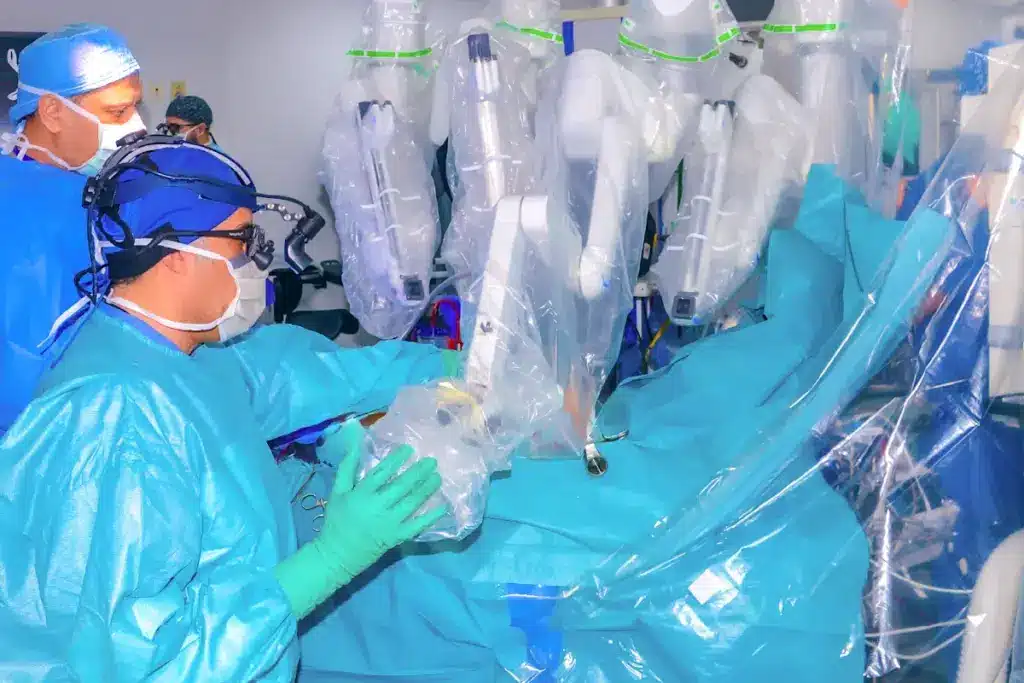
Robotic surgery has changed the medical world. It gives patients a gentler way to get surgery compared to old methods. This new way means less pain after surgery.
In the Houston area, people who get robotic surgical procedures feel less pain and heal faster. They do better than those who had old-style surgery or standard laparoscopic surgery.
The reason for this is the advanced techniques in robotic surgery. These allow for more precise and smaller cuts.
Key Takeaways
- Robotic surgery results in less postoperative pain.
- Faster recovery times are associated with robotic surgical procedures.
- Smaller incisions are made possible by advanced robotic surgery techniques.
- Robotic surgery offers a less invasive alternative to traditional surgery.
- Patients in the Houston area have benefited from these advancements.
Understanding Robotic Surgery: A Modern Surgical Approach
Modern surgery has made a big leap with robotic technology. This has improved what surgeons can do and how well patients do. Robotic surgery uses a robotic device to help with operations. It’s a precise and less invasive way compared to old methods.
Definition and Basic Principles
Robotic surgery uses a robotic system. This includes a console for the surgeon, robotic arms for the patient, and a vision system. The da Vinci Robotic System is famous for its precision and flexibility.
The main idea of robotic surgery is to make surgery better. It does this by improving how surgeons see, move, and control. The robotic system makes the surgeon’s hand movements into tiny, precise actions in the operating room.
Evolution from Traditional to Robotic Techniques
The move to robotic surgery came from wanting more precision and less blood loss. Old surgery methods needed big cuts, causing more damage and longer recovery times.
Robotic surgery fixes these problems. It uses smaller cuts, lowers infection risk, and reduces scars. The precision of robotic systems also lets surgeons do complex tasks that were hard or impossible before.
|
Aspect |
Traditional Surgery |
Robotic Surgery |
|---|---|---|
|
Incision Size |
Large |
Small |
|
Precision |
Limited by human hand |
Enhanced by robotic technology |
|
Recovery Time |
Longer |
Shorter |
|
Blood Loss |
More |
Less |
As robotic tech gets better, we’ll see more improvements in surgery. This will lead to even better results for patients having robotic-assisted surgery.
The Technology Behind Robotic Surgery
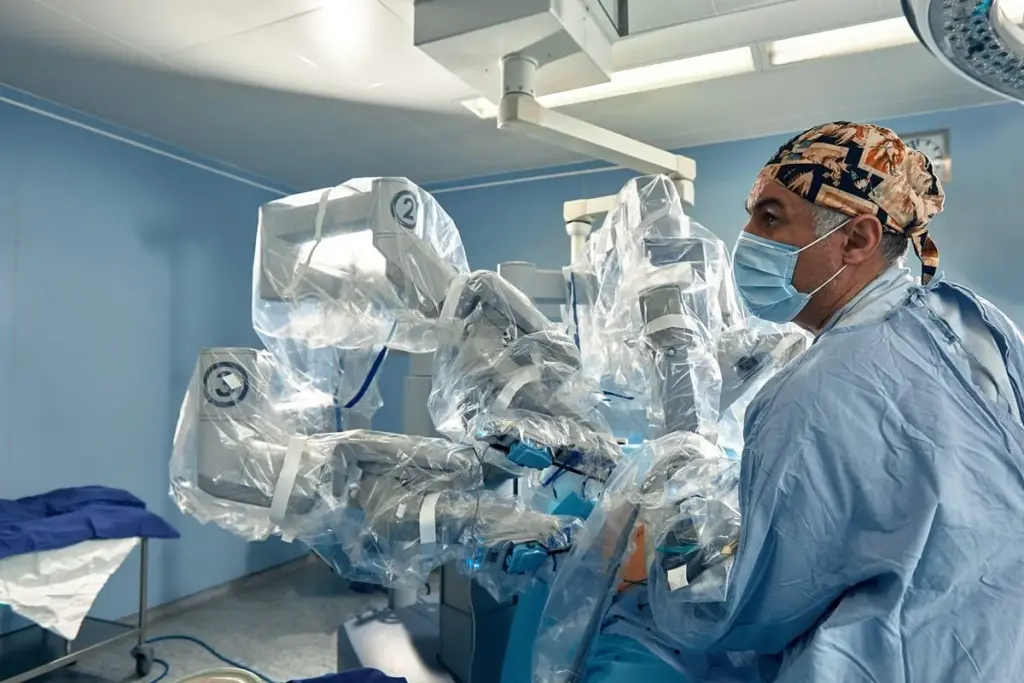
Robotic surgery has changed the medical world. It’s more precise and less invasive, thanks to systems like the da Vinci Robotic System. This tech has improved surgery a lot, helping both patients and doctors.
The da Vinci Robotic System Explained
The da Vinci Robotic System is a top choice for robotic surgery worldwide. It’s been used in surgeries, including in Houston, for 20 years. It has three main parts: the console, the robot, and the vision system.
Console, Robot, and Vision Components
The console lets the surgeon control the robotic arms. These arms have small, wristed tools that move like the surgeon’s hands. The robot has four arms for surgery, giving great dexterity and flexibility. The vision system shows a 3D high-definition view of the surgery area, helping the surgeon see better.
The surgeon’s console is made for easy use. It lets the surgeon control the robotic arms with precision. The system turns the surgeon’s hand movements into real-time actions of the instruments, ensuring accuracy and control.
“The da Vinci System has revolutionized the way we perform surgery, giving us unmatched visualization and control.”
A Surgeon
Other Prominent Robotic Surgical Systems
While the da Vinci System leads, other systems like RoboDoc and MAKO are also important. They’re used for orthopedic surgeries and other specialties. These systems help in different ways.
As robotic surgery grows, we’ll see new tech advancements. These could make these systems even better, leading to better results for patients.
Pain Comparison: Robotic vs. Traditional Surgery
Robotic surgery is seen as a less painful option compared to traditional surgery. This section explores the pain differences between robotic and traditional surgery.
Pain Mechanisms in Surgical Procedures
Surgical pain comes from tissue damage, inflammation, and nerve injury during surgery. The severity of this damage affects how much pain a patient feels after surgery.
Robotic surgery aims to reduce tissue damage with its precise movements and smaller incisions. This could mean less pain for patients.
How Robotic Surgery Minimizes Tissue Trauma
The robotic system allows for more accurate dissection and stitching. This reduces damage to surrounding tissues. This is a key benefit of minimally invasive surgery, which aims to lessen post-operative pain.
Robotic instruments also cause less bleeding and tissue damage. This leads to a smoother recovery.
Scientific Studies on Post-Operative Pain Levels
Many studies have looked at pain levels after robotic and traditional surgery. They found that robotic surgery patients often feel less pain and need less pain meds.
|
Surgical Approach |
Average Pain Score |
Use of Pain Medication |
|---|---|---|
|
Robotic Surgery |
3.2 |
60% |
|
Traditional Surgery |
5.5 |
80% |
These studies show robotic surgery can greatly reduce pain. This supports the trend towards minimally invasive surgical procedures.
The Minimally Invasive Nature of Robotic-Assisted Surgery
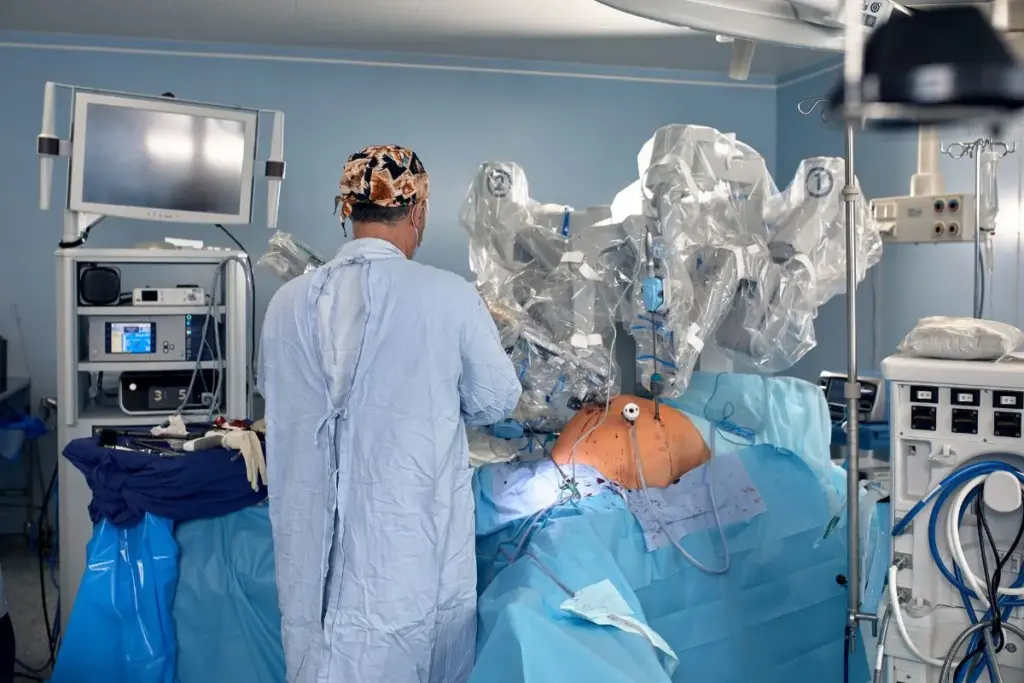
Robotic-assisted surgery has made a big leap in minimally invasive surgery. It offers many benefits to patients, like less pain and faster recovery.
Smaller Incisions, Less Pain
Robotic-assisted surgery uses smaller incisions than traditional surgery. These small cuts mean less tissue trauma and less pain after surgery.
Typical Incision Sizes and Locations
Procedures with robotic systems have incisions of 0.5 to 1 cm. These are placed to hide scars and cause less damage.
Reduced Muscle and Tissue Damage
Robotic systems help surgeons avoid harming nearby tissues. This reduced muscle and tissue damage means less pain and quicker healing.
|
Surgical Approach |
Typical Incision Size |
Tissue Damage |
Post-Operative Pain |
|---|---|---|---|
|
Robotic-Assisted |
0.5-1 cm |
Minimal |
Lower |
|
Traditional Open Surgery |
10-30 cm |
Significant |
Higher |
Precision and Its Impact on Patient Comfort
The precision of robotic-assisted surgery reduces tissue damage and improves outcomes. It allows for more accurate procedures, making patients more comfortable and reducing complications.
Robotic-assisted surgery is getting better, showing more benefits in minimally invasive techniques. Patients can expect less pain and a quicker return to their daily lives.
Common Robotic Surgical Procedures and Their Pain Profiles
Robotic surgery has brought about many new procedures. Each one has its own pain level and recovery time. These surgeries are less invasive, which can mean less pain after.
Robotic Prostatectomy
Robotic prostatectomy is a treatment for prostate cancer. It uses a robotic system for precise surgery. This can lead to less pain and quicker healing than traditional surgery.
Robotic Hysterectomy
Robotic hysterectomy is used for gynecological issues. It uses small incisions, which can reduce pain and recovery time. Patients often feel less pain and stay in the hospital less.
Robotic Cardiac Surgery
Robotic cardiac surgery is a big step forward for heart treatments. It includes surgeries like CABG and mitral valve repair. These are done with more precision, which can mean less pain and faster healing.
Robotic Gastrointestinal Surgery
Robotic gastrointestinal surgery includes many procedures. It uses advanced technology for detailed surgery. This can lead to less pain and quicker recovery.
Robotic Orthopedic Procedures
Robotic orthopedic surgery is becoming more common. It’s used for joint replacements and other surgeries. The robotic system’s precision can result in less pain and faster healing.
In summary, robotic surgery offers many benefits for pain and recovery. Knowing the pain levels of each procedure helps patients and doctors make better choices.
The Patient Experience: Pain Management During Recovery
The patient experience after robotic surgery is key. It focuses on managing pain well. Robotic surgery is known for being less invasive. This means less damage to tissues and a better recovery for patients.
Immediate Post-Operative Period
Patients who have robotic surgery often feel less pain right after. This is because the surgery uses smaller cuts. This leads to less tissue damage and trauma. Studies show these patients need less pain medicine at first.
Medication and Non-Pharmaceutical Pain Control
Managing pain after surgery involves medicine and other methods. At first, medicine is often needed. But, many can switch to over-the-counter medication within 48 hours. Programs like Enhanced Recovery After Surgery (ERAS) help cut down on opioid use and speed up recovery.
- Using physical therapy and relaxation techniques can also help reduce pain medication needs.
- Teaching patients about pain management is important for a smooth recovery.
- Getting support from healthcare providers is key in addressing pain concerns.
Timeline for Pain Reduction and Return to Activities
The time it takes for pain to lessen and for patients to get back to normal varies. But, most see a big drop in pain within the first few weeks. Here’s what patients can generally expect:
- They can start with light activities in 1-2 weeks.
- They can do more strenuous activities in 3-6 weeks.
- They will keep getting better over the next few months.
It’s vital for patients to follow their surgeon’s advice on care and pain management. This ensures the best results.
Benefits of Robotic Surgery Beyond Pain Reduction
Robotic surgery has changed the medical world in many ways. It’s not just about less pain. This new method brings many benefits that make surgery better for patients.
Reduced Blood Loss and Transfusion Needs
Robotic surgery means less blood loss during and after surgery. The robots help surgeons be more precise. This means less damage to tissues and fewer blood transfusions needed.
Minimally invasive techniques used in robotic surgery also help. They cause less tissue damage, which means less bleeding. Studies show patients need fewer transfusions than those with traditional surgery.
Lower Infection Rates
Robotic surgery has fewer infections because it’s less invasive. Smaller cuts mean less chance of germs getting in. Plus, the robots help surgeons avoid damaging tissues, which also lowers infection risk.
The use of surgical robotics lets surgeons do complex tasks with better vision and control. This makes the surgery area cleaner and safer.
Shorter Hospital Stays
Patients after robotic surgery usually stay in the hospital less time. The surgery is less invasive, so the body heals faster. This means quicker recovery times.
|
Surgical Type |
Average Hospital Stay |
Recovery Time |
|---|---|---|
|
Robotic Surgery |
1-2 days |
2-4 weeks |
|
Traditional Open Surgery |
3-5 days |
6-8 weeks |
Improved Cosmetic Outcomes
Robotic surgery means smaller, more precise cuts. This leads to better-looking scars. Patients are often happier with how they look after surgery.
Robotic surgery offers more than just less pain. It makes surgery safer, more efficient, and more comfortable. As technology gets better, robotic surgery will keep improving patient care.
Potential Risks and Complications Affecting Pain Levels
Robotic surgery has many benefits but also risks and complications. These can affect how much pain a patient feels. It’s important for both patients and doctors to know about these risks.
Technical Limitations of Robotic Systems
Robotic surgery systems are advanced but have limits. These can impact how well the surgery goes. Some of these limits include:
- Instrument limitations: The design of robotic tools can limit the surgeon’s control.
- System malfunctions: Sometimes, the system can fail, which can make surgery longer or less precise.
- Visualization constraints: The quality of the video feed can make it hard for the surgeon to see details.
Surgeon Experience and Learning Curve
The skill of the surgeon and how long it takes to learn robotic surgery are key. Important factors include:
- Training and expertise: Surgeons need a lot of training to get good at robotic surgery.
- Procedure duration: How long surgery takes can depend on the surgeon’s experience with the robotic system.
Impact on Procedure Duration
Robotic surgery can take longer than traditional surgery, at least at first. This longer time can make patients more uncomfortable and in pain after surgery.
Correlation with Complication Rates
As surgeons get more practice with robotic systems, they have fewer complications. This shows how important training and experience are. It also means patients might feel less pain.
Rare but Serious Complications
Even though they are rare, serious problems can happen with robotic surgery. These can include:
- Internal injuries: Damage to internal organs or structures that wasn’t meant to happen.
- Infection: As with any surgery, there’s a chance of getting an infection after.
- Adhesions: Tissue adhesions can form after surgery, causing pain or discomfort.
Knowing about these risks and complications is key to managing patient pain and expectations. By understanding and addressing these issues, doctors can give better care and support to patients having robotic surgery.
Is Robotic Surgery Right for You? Pain Considerations
Thinking about surgery? Knowing about the pain with robotic surgery can help you decide. This modern surgery might mean less pain and faster healing. But, it’s not for everyone.
Medical Conditions Most Suitable for Robotic Approaches
Robotic surgery works best for some health issues. These include:
- Prostate problems, like cancer
- Gynecological issues, like fibroids and endometriosis
- Some gastrointestinal surgeries
- Cardiac surgeries that need precise work
Patient Factors That Influence Pain Outcomes
Several things can affect how much pain you’ll feel after robotic surgery. Knowing these can help manage your pain better.
Age and Overall Health
Age and health matter a lot for recovery and pain. Younger, healthier people usually heal faster and feel less pain.
Previous Surgeries and Pain Tolerance
If you’ve had surgery before, your pain and recovery might be different. Talking to your surgeon about this is key for managing pain.
Questions to Ask Your Surgeon About Pain Management
It’s important to talk about pain management with your surgeon. Ask them:
- What pain levels should I expect during recovery?
- What pain relief options are there?
- How can I reduce pain and ensure a smooth recovery?
Understanding pain factors and talking to your surgeon can help you decide if robotic surgery is right for you.
Conclusion: The Future of Pain Management in Robotic Surgery
Robotic surgery is getting better at managing pain and improving patient results. The future looks bright, with new tech aimed at less pain and quicker healing.
Robotic systems are getting smarter, allowing surgeons to do complex tasks with more accuracy. This means less damage to tissues and faster recovery times. The use of artificial intelligence and better imaging will make surgery even more precise.
Managing pain well is key in robotic surgery. With the latest tech, doctors can make surgery less painful and less invasive. As robotic surgery keeps improving, it will change pain management for the better, leading to happier and healthier patients.
FAQ
What is robotic surgery and how does it differ from traditional surgery?
Robotic surgery is a modern way to perform surgery. It uses a robotic system, like the da Vinci, to help surgeons. This method has smaller cuts, less damage to tissues, and better precision than traditional surgery.
How does robotic surgery minimize tissue trauma and reduce postoperative pain?
Robotic surgery uses small cuts and precise tools. This means less damage to muscles and tissues. As a result, patients often feel less pain after surgery.
What are the benefits of robotic surgery beyond pain reduction?
Robotic surgery also reduces blood loss and the need for blood transfusions. It lowers infection rates and shortens hospital stays. Plus, it can lead to better-looking scars.
Are there any other benefits of robotic surgery?
Yes, robotic surgery can also reduce the risk of complications. It allows for more precise procedures. This can lead to better outcomes for patients.
Are there any risks or complications with robotic surgery?
Yes, robotic surgery has its own set of risks. These include technical issues with the robotic system and a learning curve for surgeons. Rare but serious complications can also occur.
How do I determine if robotic surgery is suitable for my specific medical condition?
To decide if robotic surgery is right for you, consider the type of procedure and your health. Talk to your surgeon about their experience with robotic surgery. It’s important to discuss your options and ask about pain management.
What can I expect in terms of pain management during recovery from robotic surgery?
You’ll likely use a mix of medicines and non-medical methods to manage pain. The time it takes to feel better and return to normal activities varies. It depends on the surgery and your individual situation.
How does the da Vinci robotic system work?
The da Vinci system is a complex robotic tool for surgery. It has a surgeon’s console, a cart for the patient, and a vision system. It offers clear 3D images, precise tools, and better control. This helps surgeons do complex tasks easily.
Are there other robotic surgical systems available?
Yes, other systems like Medtronic and Johnson & Johnson’s are available. They have different features and are used for specific procedures or specialties.
Can robotic surgery be used for a wide range of surgical procedures?
Yes, robotic surgery is used for many procedures. This includes prostate, hysterectomy, heart, and orthopedic surgeries. Whether it’s right for you depends on your condition and the surgeon’s experience.
























