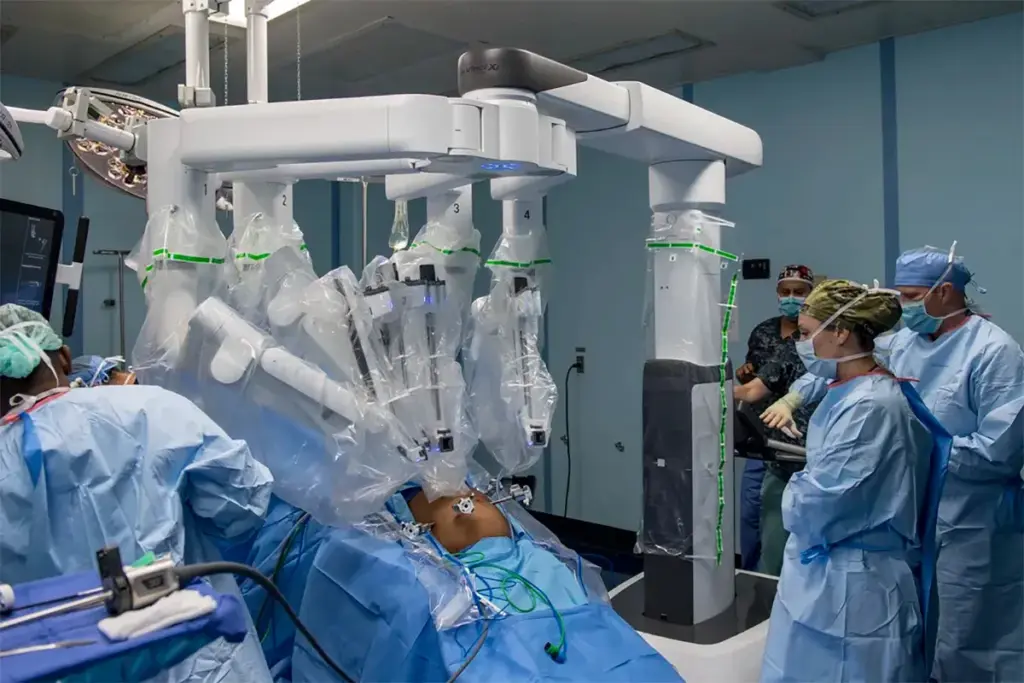
Robotic surgery is getting more popular, with over 1.2 million procedures done worldwide in 2022. This shows that more people trust this technology. Both doctors and patients are seeing its benefits.
Surgical robots have changed the game. They bring precision, flexibility, and control that old methods can’t. Now, robot-assisted surgery is used in many areas, from urology to heart surgery.
Key Takeaways
- The number of robotic surgeries has seen a significant increase in recent years.
- Surgical robots offer enhanced precision and control.
- Robot assisted surgery is being adopted across multiple medical specialties.
- The technology is improving patient outcomes and reducing recovery times.
- Robotic surgery is becoming a preferred option for many surgeons.
The Current Landscape of Robotic Surgery in the United States
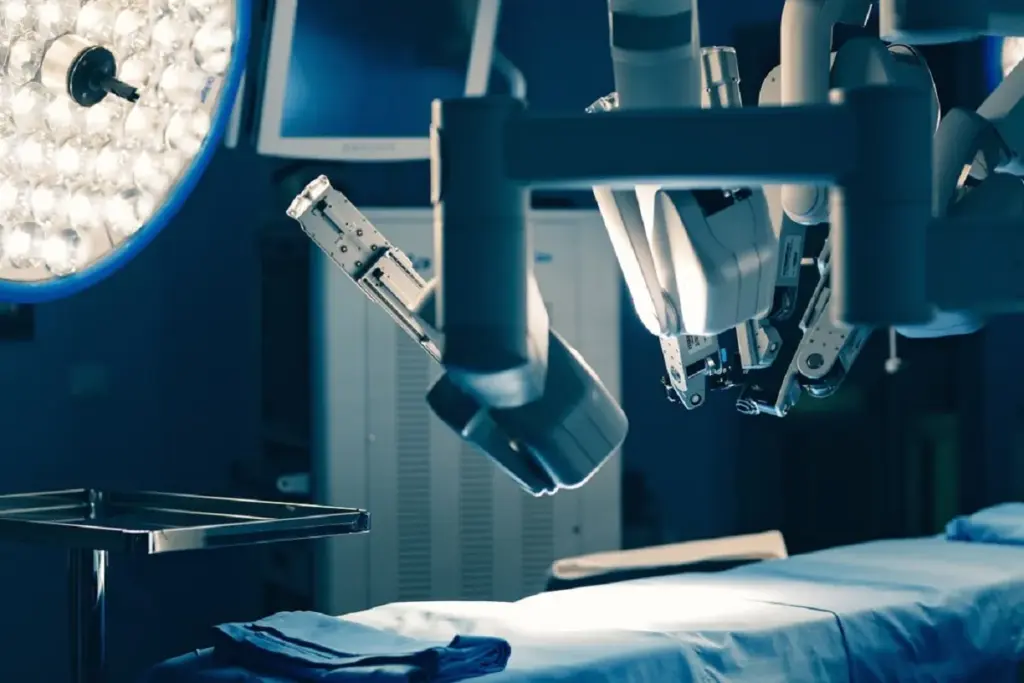
Surgical robotics has changed the medical world, with the U.S. at the forefront. The use of robotic systems in surgery has led to more minimally invasive procedures. This has improved patient results and surgeon skills.
Key Statistics and Growth Trends
The number of robotic surgeries in the U.S. has jumped over the last ten years. Recent data shows a big increase in robotic surgery use across different medical fields.
Annual Procedure Volumes
The number of robotic surgeries done each year has skyrocketed. “The use of robotic surgery has increased by over 20% annually in the U.S.”, showing a strong trend. This growth is due to robotic surgery’s benefits, like better precision and shorter recovery times for patients.
Year-over-Year Growth Rates
The growth rate of robotic surgery procedures year after year is impressive. This steady growth shows more trust in robotic surgery from healthcare providers and patients.
As a leading expert noted,
“Robotic surgery is not just a tool, it’s a paradigm shift in how we approach surgery.”
This view is supported by the rising numbers and wider use of robotic surgery in the U.S.
Historical Development of Surgical Robotics
The journey of robotic surgery started in the early 1990s with the first prototypes. This was the start of a new chapter in surgical technology. It opened doors to more precise and less invasive surgeries.
From First Prototypes to Modern Systems
The first robotic surgery systems were simple compared to today’s advanced tech. Over time, big improvements were made. Now, robot-assisted surgery is a key part of medical care. Modern surgical robots have better control, vision, and dexterity.
Milestone Advancements in Robotic Surgery Technology
Important steps forward include better interfaces and robotic surgery machines that can do complex tasks with high accuracy.
FDA Approval Timeline
- 1999: First FDA approval for a robotic surgery system
- 2000s: Subsequent approvals for various surgical specialties
Key Technological Breakthroughs
|
Year |
Breakthrough |
|---|---|
|
1997 |
Introduction of the first robotic surgery system |
|
2003 |
Advancements in 3D visualization |
|
2010 |
Enhanced robotic arms for complex procedures |
Most Common Applications of Robotic Surgery
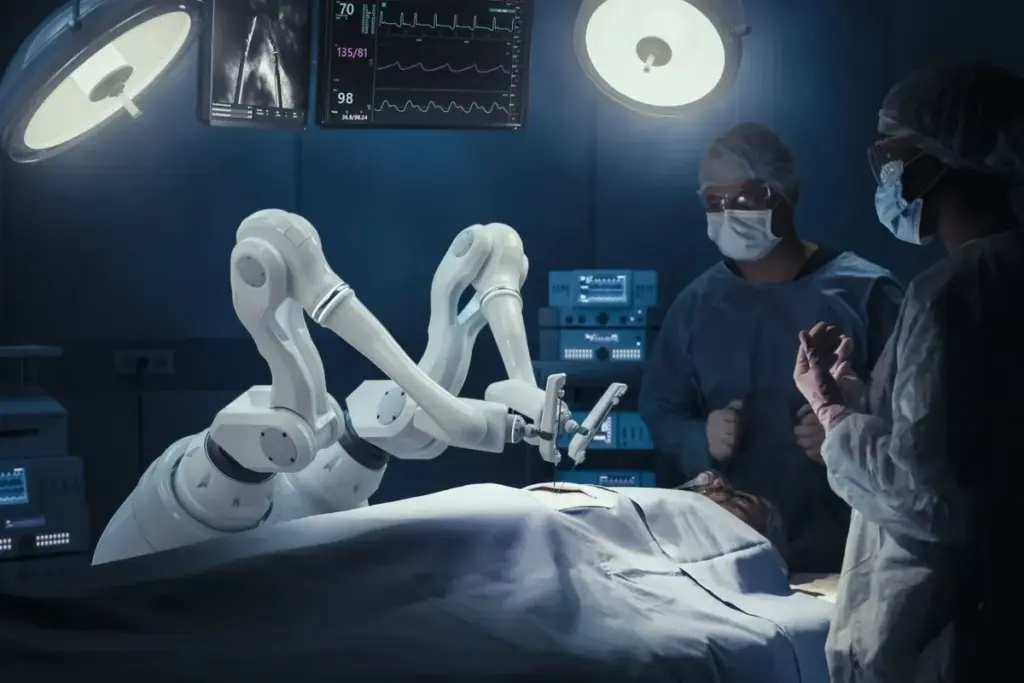
Robotic surgery is now used in many medical fields. This section will look at its use in urology, gynecology, and general surgery.
Urological Procedures
Robotic surgery is a big deal in urology. It’s often used for prostate and kidney surgeries.
Prostatectomy Statistics
Recent data shows robotic-assisted prostatectomy is a big part of prostate cancer surgery.
Kidney Surgery Applications
Robotic kidney surgery has big benefits. It means less blood loss and shorter hospital stays.
Gynecological Operations
Robotic surgery is also key in gynecology. It’s used for hysterectomies and other surgeries.
Hysterectomy Frequency
Many gynecologists prefer robotic-assisted hysterectomy. It’s precise and less invasive.
Other Gynecological Applications
Robotic surgery is used in many gynecological procedures. It leads to better results and faster recovery.
General Surgery Applications
Robotic systems are used in general surgery too. They’re used for colorectal and gallbladder surgeries.
Colorectal Procedures
Robotic colorectal surgery offers better dexterity and vision. This leads to better patient outcomes.
Gallbladder and Hernia Repairs
Robotic-assisted gallbladder and hernia repairs are becoming more common. They’re less invasive.
|
Surgical Specialty |
Procedure |
Robotic Surgery Benefits |
|---|---|---|
|
Urology |
Prostatectomy |
Reduced blood loss, shorter hospital stay |
|
Gynecology |
Hysterectomy |
Minimally invasive, faster recovery |
|
General Surgery |
Colorectal Surgery |
Enhanced dexterity, better visualization |
Robotic Surgery Adoption Across Medical Specialties
Robotic-assisted surgery is changing how surgeries are done in many fields. It brings better precision, flexibility, and visibility. This makes robotic surgery popular in many surgical areas.
Cardiothoracic Surgery
In cardiothoracic surgery, robots help with heart surgeries like bypass grafting and valve repair. This method is minimally invasive, which means patients recover faster. A top cardiothoracic surgeon calls it a “game-changer,” showing its benefits.
Orthopedic Surgery
Orthopedic surgery benefits from robots, mainly in joint replacements. Robots help make precise cuts and place implants correctly. This makes implants last longer and work better.
Neurosurgery
In neurosurgery, robots aid in delicate brain surgeries. They offer enhanced dexterity and control. This is key for surgeries on sensitive brain areas.
Otolaryngology (Head and Neck Surgery)
Robotic surgery helps in complex head and neck surgeries in otolaryngology. It offers improved access and visualization. This leads to better results in surgeries like tumor removals.
The use of robotic surgery in these fields shows its wide range of benefits. As technology grows, we’ll see more ways robotic surgery helps in medicine.
Leading Robotic Surgery Systems and Their Market Share
The surgical robotics market is led by Intuitive Surgical’s da Vinci System. Other companies are also making a mark. Robotic-assisted surgery has changed the medical world, bringing precision and less invasiveness.
The Dominance of Intuitive Surgical’s da Vinci System
Intuitive Surgical’s da Vinci System is a leader in robotic surgery. It has a big market share thanks to its advanced tech and wide use.
Installation Base Statistics
The da Vinci System is found in thousands of places around the world. Its widespread use shows its key role in surgery today.
Procedure Volume Distribution
The da Vinci System is used for many surgeries. It’s used for urological, gynecological, and general surgeries. This means it’s used a lot every year.
Emerging Competitors in the Surgical Robotics Market
Even though Intuitive Surgical’s da Vinci System is a big name, others are joining the race. Companies like Medtronic and others are making waves in surgical robotics.
Medtronic’s Systems
Medtronic has created robotic surgery systems that rival Intuitive Surgical’s. Their systems aim to improve surgery precision and patient results.
Other Notable Platforms
More companies are coming into the surgical robotics market. They bring new tech and solutions. This competition is expected to grow the market even more.
Benefits Driving the Adoption of Robotic Surgery
Robotic surgery is becoming more popular for good reasons. It helps both doctors and patients, leading to better results and more options for less invasive surgery.
Advantages for Surgeons
Robotic surgery gives doctors better tools, making them work smarter and less hard during tough surgeries.
Enhanced Visualization and Control
The robotic system offers high-definition 3D visualization. This lets surgeons do precise work like dissection and suturing. They can control the robotic arms with high accuracy, making complex operations possible.
Reduced Physical Strain
Robotic surgery cuts down on the physical effort for doctors. They work from a console, which reduces fatigue and keeps them focused during long surgeries.
Patient Outcome Improvements
Robotic surgery also benefits patients, leading to better results because of its precision and minimally invasive nature.
Reduced Recovery Times
Patients who have robotic surgery usually have shorter hospital stays and faster recovery times. This is because of the smaller cuts and less damage to tissues.
Decreased Complication Rates
The accuracy of robotic surgery means fewer complications. The risk of infection and blood loss is lower. Studies show a drop in complication rates compared to traditional surgery.
These advantages have made robotic surgery more common in many medical fields. It improves how doctors work and the results for patients.
Limitations and Challenges to Wider Robotic Surgery Implementation
Robotic surgery has made big strides, but it’s not without its hurdles. The high cost, need for special training, and a steep learning curve are major obstacles.
Cost Barriers and Economic Considerations
Buying and keeping up robotic surgery systems is expensive. Hospitals and healthcare places have to think about the upfront cost and the ongoing bills.
Initial Investment Requirements
Getting a robotic surgery system can cost up to $2 million. This doesn’t include the cost of tools and accessories.
Maintenance and Per-Procedure Costs
Keeping the system running and the cost of tools for each surgery add up. This makes robotic surgery a pricey choice.
|
Cost Component |
Estimated Cost |
|---|---|
|
Initial System Cost |
$2 million |
|
Instrument Cost per Procedure |
$1,000 – $2,000 |
|
Annual Maintenance |
$100,000 – $200,000 |
Training Requirements and Learning Curves
Surgeons and their teams need special training for robotic surgery. This training covers both the theory and the practical skills.
Surgeon Certification Processes
Certification for surgeons includes hands-on training and tests. It makes sure they’re good at robotic surgery.
Team Training Considerations
The whole surgical team, including nurses and technicians, must learn to help during robotic surgeries.
Comparing Traditional and Robotic Surgery Usage Rates
Looking at traditional and robotic surgery shows big differences in how often they’re used. As tech in medicine gets better, knowing these differences helps us see what the future of surgery might hold.
Statistical Comparison with Laparoscopic Surgery
Robotic surgery is often matched up against laparoscopic surgery because they’re both minimally invasive. Recent studies show robotic surgery is growing fast, with a 10% annual increase. Laparoscopic surgery, on the other hand, is growing at a slower rate of 2-3%.
|
Surgical Technique |
Growth Rate |
Average Recovery Time |
|---|---|---|
|
Robotic Surgery |
10% |
2-4 days |
|
Laparoscopic Surgery |
2-3% |
3-6 days |
Comparison with Open Surgical Procedures
Robotic surgery beats open surgery in recovery time and pain after surgery. A study showed patients after robotic surgery stayed in the hospital for 2 days. Those who had open surgery stayed for 5-7 days.
Robotic surgery is getting more popular because of its benefits over old methods. But, the choice between robotic, laparoscopic, and open surgery depends on the patient’s needs and the surgeon’s skills.
The Economics of Robotic Surgery
Robotic surgery is becoming more common, and it’s important to understand its financial side. Hospitals face big costs when they start using these systems. These costs include the initial purchase price and ongoing expenses.
Hospital Investment and Return Analysis
Hospitals have to think hard about spending money on robotic surgery systems. The upfront costs include the system itself, training for staff, and maintenance.
Break-Even Point Calculations
To make the investment worth it, hospitals calculate the break-even point. This depends on how many surgeries are done with the robot. Doing a lot of surgeries can help pay off the investment faster.
Marketing and Competitive Advantages
Robotic surgery can also give hospitals an edge over others. It attracts patients who want the newest technology. Good marketing can show off the benefits of robotic surgery, bringing in more patients.
Insurance Coverage and Patient Costs
The cost of robotic surgery also depends on insurance and what patients pay out of pocket. Insurance plans differ in what they cover for robotic surgery.
Medicare and Medicaid Policies
Medicare and Medicaid policies are key to making robotic surgery affordable for patients. Knowing these policies is vital for healthcare providers.
Private Insurance Trends
Private insurance trends also affect the cost of robotic surgery. As more private insurers start covering it, patients pay less. This could lead to more people wanting these surgeries.
In summary, the economics of robotic surgery involve many financial aspects. These include the costs for hospitals, what insurance covers, and what patients pay. By understanding these, healthcare providers can make smart choices about using robotic surgery.
Future Trends in Robotic Surgery Adoption
The future of robotic surgery looks bright, thanks to new technologies and more doctors using it. Many trends will shape the future of robotic surgery.
Technological Innovations on the Horizon
New tech will be key in robotic surgery’s future. Advances in AI and machine learning will make robots more precise and powerful.
AI Integration Possibilities
AI could change surgery with its predictive analytics. It will help doctors make better choices during operations.
Miniaturization and Specialization
Robots are getting smaller, making surgeries less invasive. This means patients might heal faster and have fewer problems.
Projected Growth Patterns
Robotic surgery will keep growing, with some areas leading the charge. Hospitals and healthcare providers need to know where to invest.
Specialty-Specific Forecasts
Urology and gynecology will keep using robotic surgery a lot. Orthopedic and cardiothoracic surgery will also grow fast.
Global Adoption Predictions
Worldwide, robotic surgery will grow based on tech and healthcare policies. New markets will open up for growth.
Conclusion
Robotic surgery has changed how surgeries are done today. It’s used in many areas, like urology, gynecology, and general surgery. This shows how fast this field is growing in the U.S.
The future of robotic surgery is bright. New tech and more people wanting less invasive surgeries will help it grow. We’ll see better robots and better surgery results.
Robotic surgery helps patients get better faster and recover quicker. But, there are hurdles like high costs and training needs. Despite these, robotic surgery could make surgeries better for everyone.
FAQ
What is robotic surgery?
Robotic surgery, also known as robot-assisted surgery, is a type of surgery. It uses a robotic system to help the surgeon during the procedure.
How does robotic surgery work?
Robotic surgery uses a system like Intuitive Surgical’s da Vinci System. It gives surgeons high-definition 3D vision, precise tools, and better dexterity.
What are the benefits of robotic surgery?
Robotic surgery has many benefits. It leads to shorter recovery times, fewer complications, less blood loss, and smaller incisions. This means less scarring and trauma for the patient.
What are the most common applications of robotic surgery?
Robotic surgery is often used for urological, gynecological, and general surgery. This includes procedures like cholecystectomies and hernia repairs.
Is robotic surgery safe?
Yes, robotic surgery is safe when done by skilled surgeons. It has complication rates similar to or lower than traditional surgery.
How long does it take to recover from robotic surgery?
Recovery times vary. But robotic surgery usually means shorter hospital stays and faster recovery compared to traditional surgery.
Is robotic surgery covered by insurance?
Insurance coverage for robotic surgery depends on the provider and policy. Many plans cover it for certain procedures and conditions.
What are the limitations of robotic surgery?
Robotic surgery has some limitations. It can be expensive, requires surgeon training, and may face technical issues.
Can any surgeon perform robotic surgery?
No, surgeons need specialized training and certification for robotic surgery. It demands a high level of skill and expertise.
What is the future of robotic surgery?
Robotic surgery’s future looks promising. It will see more technological advancements, wider adoption, and integration with artificial intelligence and other technologies.
How does robotic surgery compare to traditional open surgery?
Robotic surgery causes less trauma and blood loss than traditional surgery. It also leads to faster recovery times but may be more expensive.
How does robotic surgery compare to laparoscopic surgery?
Robotic surgery offers better dexterity, precision, and visualization than laparoscopic surgery. Both are minimally invasive with their own benefits and drawbacks.
Reference
National Center for Biotechnology Information. Evidence-Based Medical Insight. Retrieved from https://pmc.ncbi.nlm.nih.gov/articles/PMC10720792/[7