
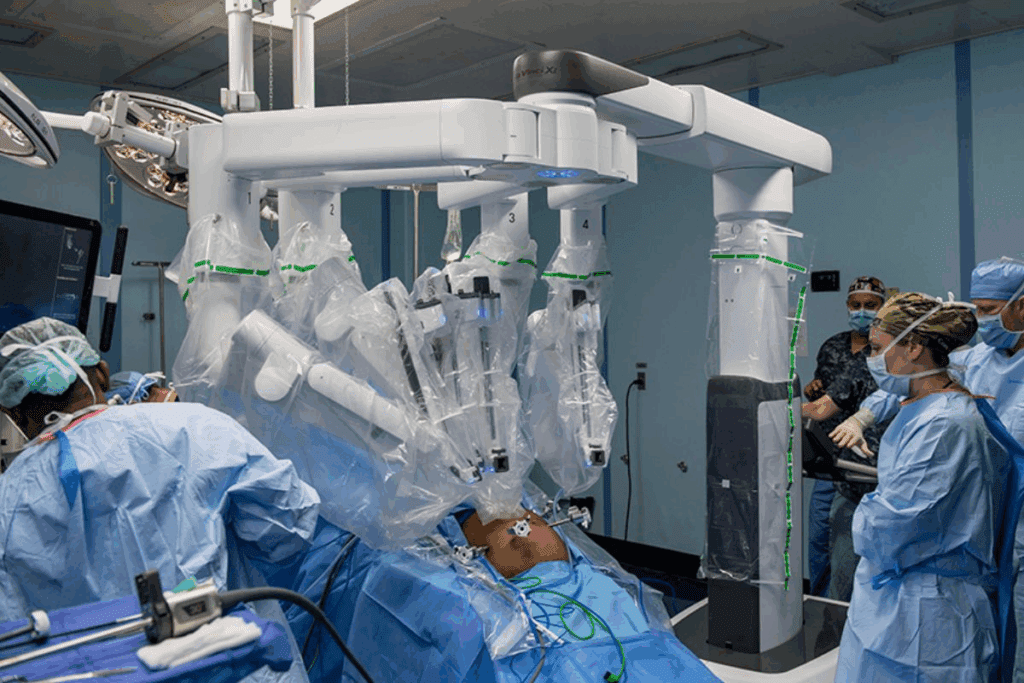
More doctors are adopting Robotic Surgery to improve precision and reduce recovery time. These advanced tools allow surgeons to perform complex procedures with greater accuracy. At our healthcare center, we use Robotic Surgery to provide patients with the highest quality care and the best possible outcomes.
Key Takeaways
- The adoption of robotic surgery is on the rise in 2025.
- Advanced surgery technology is improving patient outcomes.
- Robotic systems are making operations more precise and reducing recovery times.
- We are committed to delivering world-class healthcare through innovation.
- The trend towards robotic surgery is expected to continue growing.
The Current State of Surgical Robotics in Healthcare
Surgical robotics is key in today’s healthcare, making surgeries more precise and improving patient results. It has changed surgery, making it more precise and less invasive.
Historical Development of Surgical Robotics
The journey of surgical robotics started many years ago, with big steps forward in recent times. Early robots were simple, but today’s robots are advanced, giving better control and vision.
The first robotic surgery was done in the 1990s, starting a new chapter in surgery. Now, systems like the da Vinci Surgical System are common.
Transition from Traditional to Robotic-Assisted Procedures
The move to robotic surgery is because of its benefits. It means less recovery time, less blood loss, and smaller cuts. Robotic surgery also makes complex surgeries easier.
As technology gets better, we’re seeing more specialized robots for different surgeries.
A report by The Business Research Company shows the diagnostic ultrasound market is growing fast. It’s expected to hit $9.81 billion by 2029. This shows a trend towards using more advanced medical tech, like robotic surgery.
| Aspect | Traditional Surgery | Robotic-Assisted Surgery |
| Precision | Limited by human dexterity | Enhanced precision with robotic instruments |
| Recovery Time | Longer recovery periods | Reduced recovery time due to minimally invasive techniques |
| Blood Loss | More significant blood loss | Less blood loss due to precise incisions |
Robotic Surgery Market Landscape in 2025

The robotic surgery market is set to grow a lot by 2025. More people want less invasive surgeries, which robotic systems offer. The Business Research Company says this demand is key to the market’s growth.
Global Market Size and Growth Projections
The robotic surgery market worldwide will see big growth in 2025. Advances in tech, more chronic diseases, and quicker recovery times are driving this. As more hospitals use robotic systems, the market will keep growing.
Market Size Projections:
| Year | Market Size (USD Billion) | Growth Rate (%) |
| 2023 | 4.5 | 12.1 |
| 2024 | 5.1 | 13.3 |
| 2025 | 5.8 | 14.5 |
Key Industry Players and Competitive Dynamics
The robotic surgery market is very competitive. Big names like Intuitive Surgical, Medtronic, and Johnson & Johnson lead the way. They push innovation and adoption forward. The competition is shaped by product range, tech advancements, and partnerships.
Major Industry Players:
- Intuitive Surgical
- Medtronic
- Johnson & Johnson
- Stryker Corporation
- CMR Surgical
Regional Adoption Patterns in the United States
The U.S. is a big market for robotic surgery. It has top players, advanced healthcare, and good payment policies. The use of robotic systems varies by region, with big hospitals leading.
As the robotic surgery market changes in 2025, knowing these trends is key. It’s important for everyone in healthcare to understand.
Next-Generation Robotic Surgery Systems
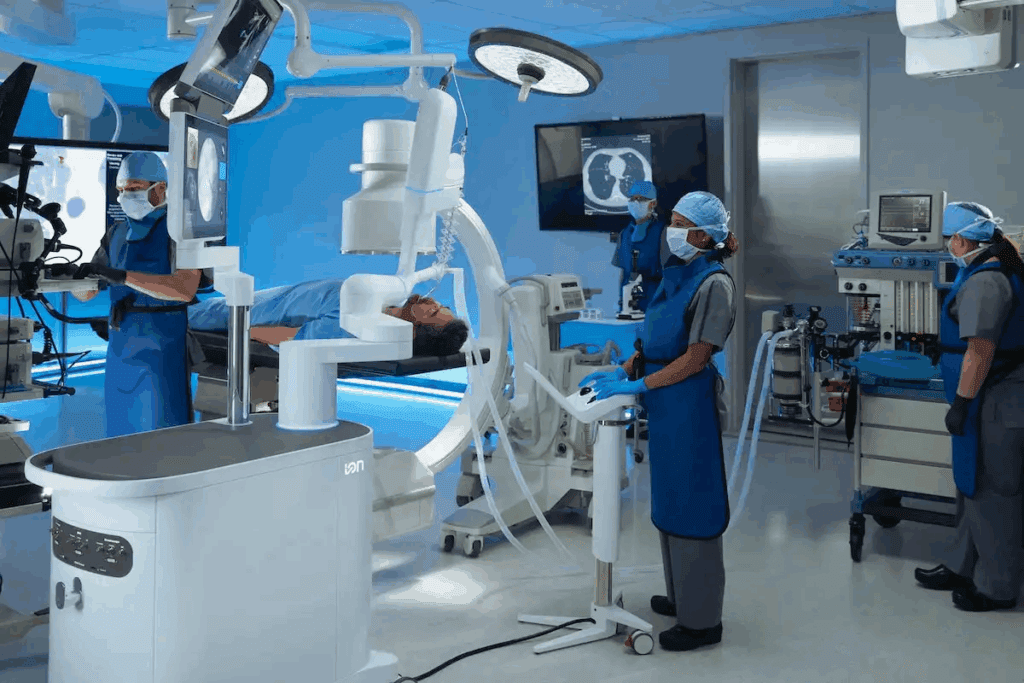
Next-generation robotic surgery systems are changing the game in precision surgery. These advanced systems aim to fix past issues and add new features. This makes surgeries better for patients.
Evolution Beyond the Da Vinci Surgical System
The Da Vinci Surgical System has been key in robotic surgery. But, new systems are going beyond it. They use artificial intelligence and machine learning for more precise surgeries.
These new systems also offer better dexterity, clearer views, and easier use for surgeons. This is key for complex surgeries that need great precision.
Emerging Platforms and Specialized Systems
New platforms are making waves in robotic surgery. They’re made for specific areas like orthopedic or neurosurgery. These systems are made to solve the unique problems of each field.
| Platform | Specialty | Key Features |
| Medtronic Hugo | General Surgery | Modular design, enhanced visualization |
| CMR Versius | General and Colorectal Surgery | Modular, open, and flexible design |
| Johnson & Johnson Ottava | Multiple Specialties | Advanced AI integration, multi-port capability |
Miniaturization and Portability Advancements
Miniaturization and portability are big trends in robotic surgery. Smaller robots can be used in many places, like clinics and remote areas. This makes robotic surgery more accessible.
Miniaturization leads to less invasive procedures. This can cut down recovery times and improve results. Portability lets hospitals have many robots for different needs. This makes robotic surgery more versatile.
As we keep innovating in robotic surgery, new tech will be key. The next steps in robotic surgery systems will greatly improve patient care and outcomes.
Artificial Intelligence Integration in Surgical Robotics
The use of artificial intelligence (AI) in surgical robotics is changing surgery. AI is making robotic surgery more precise, safe, and effective. This is a big step forward in surgery.
AI-Powered Surgical Planning and Navigation
AI is helping make surgical planning and navigation better. It looks at imaging data before surgery to plan the best approach. During surgery, AI helps the team stay on track.
The benefits of AI in planning include:
- More precise planning before surgery
- More accurate surgery
- Less chance of complications
- Better results for patients
Machine Learning for Intraoperative Decision Support
Machine learning is being used in robotic surgery to help during surgery. It looks at data from the surgery and the patient’s health. This helps surgeons make better decisions.
Some key uses of machine learning in surgery include:
- Checking tissue in real-time
- Finding important structures automatically
- Forecasting possible problems
Predictive Analytics for Surgical Outcomes
Predictive analytics, powered by AI, forecast surgery outcomes and risks. It looks at many surgeries to predict complications and other outcomes.
Using predictive analytics in surgery has many benefits, including:
- Better choosing patients for robotic surgery
- Improving care before surgery
- Planning better care after surgery
- Improving surgical techniques
As we add more AI to robotic surgery, care is getting better. AI helps plan, make decisions, and predict outcomes. This is making surgery more precise, safe, and effective.
Advancements in Minimally Invasive Robotic Surgery
Robotic technology is changing the face of surgery. It’s making surgeries less invasive and more precise. This means patients can recover faster and have better results.
Single-Port Robotic Surgery Innovations
Single-port robotic surgery is a big leap forward. It lets surgeons do complex surgeries through just one cut. This cuts down on scars and pain after surgery.
Robotic systems for single-port surgery give surgeons better control and views. This helps them handle tough cases with more accuracy.
New tools and platforms are key to single-port surgery’s growth. They let more surgeries be done with less invasion. This improves patient results and the surgery experience.
Natural Orifice Transluminal Endoscopic Surgery (NOTES)
NOTES is another area where robots are making a big difference. It does surgery through natural openings, avoiding cuts. Robotic-assisted NOTES could make surgeries even less invasive.
Robots and NOTES are just starting to work together. But the future looks bright. As tech gets better, we’ll see more of these surgeries. This will lead to better care and results for patients.
Specialty-Specific Applications of Robotic Surgery
Robotic surgery is changing how we treat patients in many fields. It brings precision, flexibility, and less invasive methods to medical care. This is helping doctors in different areas to do their jobs better.
Orthopedic Robotic Surgery Advancements
Robotic surgery is making a big difference in orthopedics. It helps with joint replacements and other surgeries. This technology allows for better planning and execution, leading to better results and quicker recovery times.
For example, robotic knee replacement surgery helps place implants perfectly. This can make the prosthetic last longer and improve patient happiness.
| Procedure | Robotic Assistance Benefits | Potential Outcomes |
| Knee Replacement | Accurate implant positioning | Improved prosthetic longevity |
| Hip Replacement | Precise bone preparation | Reduced risk of complications |
Cardiac and Vascular Robotic Applications
In cardiac and vascular surgery, robots help with surgeries like coronary artery bypass grafting. These surgeries can be less invasive, leading to less pain and quicker recovery for patients.
Robotic-assisted cardiac surgery represents a significant advancement in the treatment of complex heart conditions, providing a less invasive option than traditional surgery.
Oncological Robotic Surgery Developments
Robotic surgery is becoming more common in cancer treatment. It’s used for cancers like prostate, kidney, and gynecological. The precision of robotic systems helps in removing tumors while saving healthy tissue.
In robotic prostatectomy, surgeons get better vision and control. This can lead to better results and fewer complications.
Gynecological and Urological Robotic Procedures
In gynecology and urology, robotic surgery is used for many procedures. It helps with surgeries like hysterectomies and prostatectomies. The robotic method can reduce blood loss, pain, and hospital stays.
As technology improves, we’ll see more uses of robotic surgery. This could lead to even better patient care and more treatment options.
Remote Surgery and Telesurgical Capabilities
The arrival of 5G technology is changing robotic surgery. It now allows for remote surgeries with very little delay. This change is making surgery more available and reaching more people than before.
5G and Beyond: Enabling Low-Latency Remote Procedures
5G networks are key for remote surgery. They offer fast, reliable connections for surgeons to control robots in real-time. 5G technology is much faster than older systems, cutting down on delays and improving control during surgeries.
With 5G, delays are as low as 1 ms. This is vital for the quick feedback needed in remote surgeries. The reliability of 5G networks means these surgeries can be as precise as those done in person.
Cross-Border and Rural Healthcare Applications
Remote surgery is opening new ways to deliver healthcare, mainly in rural areas and across borders. Using robotic surgery systems and 5G, surgeons can now operate on patients far away. This helps bring healthcare to places that were hard to reach before.
Telesurgery is also changing cross-border healthcare. It lets patients get care from top specialists around the world without leaving home. This is great for those needing complex surgeries that aren’t available locally.
As we keep exploring remote surgery, it’s clear it’s changing healthcare. It’s making specialized care more accessible and improving health outcomes. Remote surgery is set to have a big impact on healthcare’s future.
Haptic Feedback and Sensory Enhancements
Robotic surgery is getting better with haptic feedback and sensory enhancements. These changes make surgeries more precise and safe.
Haptic feedback technology lets surgeons feel what they’re doing during robotic surgery. This is a big step up from old methods that relied on just seeing things.
Advanced Tactile Sensation in Robotic Instruments
New robotic tools can feel and send back tiny touches. This lets surgeons know more about the tissues they’re working with.
Enhanced tactile feedback means surgeons can do more precise work. They can feel when tissues resist, helping them avoid harming important parts.
Visual and Auditory Augmentation Technologies
Robotic surgery now includes visual and auditory upgrades. These help surgeons get real-time info and make better choices during surgery.
Visual augmentation uses clear images and augmented reality for a better view. Auditory augmentation warns surgeons about sudden changes or problems.
Together, these tools are making robotic surgery more complete. Surgeons get a lot of info that helps them do better work and improve patient care.
The Economics of Robotic Surgery in 2025
Looking at the money side of robotic surgery in 2025, we see it’s getting more complex. More hospitals are using robotic surgery because it can help patients heal faster. But, the cost of these systems is a big worry.
The money side of robotic surgery is complex. It’s not just the cost of the system. There are also ongoing costs like maintenance and training. Hospitals need to carefully check if the benefits are worth the money.
Cost-Effectiveness Analysis and ROI for Hospitals
When looking at the cost of robotic surgery, we must consider all expenses. This includes the system’s price, upkeep, and the cost of parts. We also need to think about the time and training needed for staff.
Hospitals must see if the money spent on robotic surgery will pay off. They look at how it can save money or bring in more. For example, robotic surgery can lead to shorter stays and fewer complications, which can save money.
Research shows that while robotic surgery costs a lot upfront, it can save money in the long run. Shorter stays and fewer complications can cut healthcare costs. Plus, better outcomes can make a hospital more attractive to patients.
Insurance Coverage and Reimbursement Evolution
Insurance coverage is another key part of robotic surgery’s economics. As more hospitals use it, insurance companies are starting to cover it more. But, how much they cover can vary a lot.
Reimbursement for robotic surgery is changing as more research proves its benefits. Insurance companies are likely to cover more as studies show it improves patient care and saves money.
For hospitals and healthcare providers, knowing about insurance and reimbursement is key. They need to keep up with policy changes and push for better coverage when needed.
Patient Benefits and Outcomes of Robotic Surgery
Robotic surgery brings many benefits to patients. These include shorter recovery times and fewer complications. This technology is changing how we do surgery in many areas.
Reduced Recovery Time and Hospital Stays
One big plus of robotic surgery is how fast patients recover and get out of the hospital. This is because there’s less damage to tissues and blood loss. This leads to quicker healing and shorter stays.
A study showed robotic surgery patients stayed in the hospital for 2.5 days on average. This is compared to 5 days for those who had open surgery.
Decreased Complications and Surgical Site Infections
Robotic surgery also means fewer complications and infections. The precision and control of robotic systems help surgeons do complex tasks better. This reduces the chance of problems.
| Surgical Approach | Complication Rate | Infection Rate |
| Robotic-Assisted | 5% | 2% |
| Traditional Open Surgery | 10% | 5% |
Quality of Life Improvements and Patient Satisfaction
Robotic surgery also improves patients’ quality of life and satisfaction. The small incisions and less pain mean less discomfort after surgery. This makes patients happier with their experience.
A survey found patients were very happy with robotic surgery. They liked the small cuts, less pain, and being able to get back to normal faster.
Robotic surgery is making a big difference in patient care. It helps patients recover faster, have fewer problems, and be happier. This technology is changing surgery for the better.
Training and Education Ecosystem for Robotic Surgery
Robotic surgery is becoming more common. A strong education system is key for its success. We’re focusing on creating a complete education system for robotic surgery.
Virtual Reality and Simulation-Based Learning Platforms
Virtual reality (VR) and simulation platforms have changed how surgeons train. These tools give surgeons a real-like setting to practice. VR training simulators help by saving money, being more accessible, and helping surgeons remember more.
VR and simulation platforms are getting more popular for robotic surgery training. They let surgeons practice complex surgeries safely. This helps lower risks and improve patient care.
Certification and Credentialing Standards
Certification and credentialing are vital for surgeons to safely perform robotic surgery. We’re setting up standard certification programs. These will be a mark of quality for robotic surgery training.
| Certification Level | Description | Requirements |
| Basic | Introduction to robotic surgery principles | Completion of online training module |
| Advanced | Hands-on training with robotic surgery simulators | Completion of simulation training program |
| Expert | Proctored robotic surgery cases | Completion of proctored cases and written examination |
Fellowship Programs and Specialized Training
Fellowship programs and specialized training are key for advanced robotic surgery skills. They offer hands-on experience, mentorship, and networking.
We aim to create detailed fellowship programs. These will give surgeons the skills to excel in robotic surgery. By combining learning, simulation, and hands-on practice, surgeons will be ready to give top care to patients.
Regulatory Framework for Advanced Surgical Robotics
Surgical robotics are evolving fast, and so is the regulatory framework. It’s important to balance safety and innovation. We’re seeing big changes in how these systems are approved and monitored.
Technological progress and the need for robotic surgeries are driving these changes. Regulatory bodies are working with the industry to create a framework that supports innovation and keeps patients safe.
FDA Approval Processes and Regulatory Changes
The FDA is key in approving robotic surgical systems. In recent years, the FDA has updated its guidelines. These changes ensure these systems are safe and work well in hospitals.
“The FDA’s commitment to fostering innovation while ensuring safety is reflected in its evolving regulatory framework for robotic surgery. By working closely with manufacturers and healthcare providers, the FDA aims to facilitate the development of cutting-edge technologies that improve patient outcomes.”
The FDA has different approval paths, like pre-market approval (PMA) and 510(k) clearance. The right path depends on the system’s features and use. Manufacturers must show their systems are safe and work well to get approval.
Substantial equivalence to existing devices
| Regulatory Pathway | Description | Requirements |
| Pre-Market Approval (PMA) | Rigorous review process for high-risk devices | Clinical data, safety, and efficacy evidence |
| 510(k) Clearance | Premarket notification for moderate-risk devices |
International Regulatory Harmonization Efforts
Robotic surgery is growing worldwide, and so is the need for global standards. Different countries have different rules, making it hard for manufacturers to sell their products everywhere.
There are efforts to make standards the same around the world. Regulatory agencies and the industry are working together. Harmonization can make it easier to use robotic surgical systems globally by removing barriers.
Harmonization helps with faster and cheaper approval processes. This means new technologies can be used sooner, helping patients everywhere get better care.
Ethical Considerations in Advanced Robotic Surgery
Robotic surgery is growing fast, raising big ethical questions. Issues like patient autonomy and informed consent are key. We must tackle these to make sure healthcare is fair and right.
Patient Autonomy and Informed Consent Challenges
Robotic surgery can be hard for patients to grasp. It’s vital for doctors to explain the good and bad sides clearly. Informed consent must cover all the details, including robotic use.
Doctors can use tools like pictures and detailed guides to help. This helps patients understand and builds trust.
Addressing Healthcare Disparities and Access
Robotic surgery might widen healthcare disparities if not everyone can get it. We need to make sure it’s available to all. Ways to do this include raising awareness and making more hospitals use it.
We also need to lower costs and make sure insurance covers it. This way, everyone can get the latest in surgery.
Looking ahead, we must keep checking on the ethics of robotic surgery. This ensures it’s used right and helps all patients.
Challenges and Limitations in Robotic Surgery Adoption
Robotic surgery has many benefits but faces technical and collaborative hurdles. These obstacles must be overcome for successful use and better patient care.
Technical Obstacles and Engineering Solutions
Robotic surgery systems are complex. Problems like instrument malfunction, system latency, and visual distortion can affect surgery success.
Engineers are working hard to improve these systems. They focus on miniaturization, sensor technology, and high-speed data transmission to solve these issues.
| Technical Challenge | Engineering Solution |
| Instrument Malfunction | Redundancy in critical systems, improved durability |
| System Latency | Advanced data compression, 5G connectivity |
| Visual Distortion | High-definition imaging, enhanced lighting systems |
Human-Robot Collaboration and Workflow Integration
Good teamwork between humans and robots is key for robotic surgery success. Surgeons and robots must work together well.
Integrating robotic technology into surgery smoothly is important. This means training programs for surgeons, standardized protocols, and continuous monitoring of system performance.
To improve robotic surgery, we must tackle both technical and teamwork challenges. As we progress, finding solutions for better robotic technology integration in surgery is vital.
The Future of Robotic Surgery Beyond 2025
Robotic surgery is on the verge of a new era. New technologies will change its future beyond 2025. We’re seeing a big change towards more advanced robotic systems.
Emerging Technologies on the Horizon
Artificial Intelligence (AI) and Machine Learning (ML) will be key in robotic surgery’s future. They will make surgeries more precise and tailored to each patient. This will lead to better results and shorter recovery times.
Some new technologies that will shape robotic surgery include:
- Advanced navigation systems
- Enhanced imaging capabilities
- Miniaturization of robotic instruments
- Development of more intuitive user interfaces
The future of robotic surgery is in combining with AI and ML for better care.
The integration of AI and ML in robotic surgery will revolutionize the way we approach surgical procedures, making them more precise and less invasive.”
Potential Paradigm Shifts in Surgical Care Delivery
By 2025, surgical care will change a lot. Robotic surgery will become a big part of healthcare. It will focus on:
| Paradigm Shift | Description | Impact |
| Personalized Surgery | Tailoring surgical procedures to individual patient needs | Improved patient outcomes |
| Remote Surgery | Enabling surgeons to perform procedures remotely using advanced robotic systems | Increased access to specialized care |
| Predictive Analytics | Using data analytics to predict surgical outcomes and optimize care pathways | Reduced complications and improved recovery times |
As robotic surgery grows, we’ll see more teamwork. Surgeons, engineers, and data scientists will work together. They will create new solutions for care.
Conclusion
Robotic surgery is changing healthcare in big ways. It has grown a lot, thanks to new tech like artificial intelligence. Now, surgeries are less invasive and can be done from far away.
More doctors are using robotic surgery, and patients are getting better faster. The tech is getting better too, making surgeries more precise. The future looks bright for robotic surgery.
Robotic surgery is used in many areas, like fixing bones, hearts, and fighting cancer. It makes patients heal faster and live better. This tech is a big step forward in healthcare.
As robotic surgery gets more popular, we’ll see even more advanced tools. It’s important for everyone involved to keep up with the latest in robotic surgery. This way, we can make the most of it.
FAQ
What is robotic surgery and how does it differ from traditional surgery?
Robotic surgery is a new way to do surgery. It uses a robotic system to help surgeons. This method is different because it’s more precise, less invasive, and patients recover faster.
What are the benefits of robotic surgery?
Robotic surgery has many benefits. It means patients can get back to their lives faster. They also have fewer complications and infections. Plus, patients are happier with their outcomes.
What are the most common applications of robotic surgery?
Robotic surgery is used in many areas. This includes orthopedic, cardiac, and vascular surgeries. It’s also used in oncology, gynecology, and urology.
How does artificial intelligence integrate with robotic surgery?
Artificial intelligence is making robotic surgery even better. It helps with planning and navigation. It also supports surgeons during operations and predicts outcomes.
What is the current state of remote surgery and telesurgical capabilities?
Remote surgery is becoming more common. Thanks to 5G, doctors can perform surgeries from far away. This helps people in rural areas get better care.
How is robotic surgery regulated?
Robotic surgery follows strict rules. The FDA checks these systems to make sure they’re safe and work well. There are also international rules to follow.
What are the challenges and limitations in robotic surgery adoption?
There are a few hurdles to overcome. Technical issues and how to work with robots are big challenges. But, engineers and doctors are finding ways to solve these problems.
What is the future of robotic surgery beyond 2025?
The future looks bright for robotic surgery. New technologies will make it even better. We can expect smaller and more portable robots, changing how we do surgery.
How will robotic surgery impact healthcare disparities and access?
Robotic surgery can help more people get the care they need. It’s a chance to bring advanced surgery to places that need it most.
What is the cost-effectiveness of robotic surgery?
People are looking into how cost-effective robotic surgery is. They’re studying how it affects hospitals and insurance. This will help understand its value.
Reference
- Wah, J. N. K. (2025). The rise of robotics and AI-assisted surgery in modern healthcare. PMC – National Center for Biotechnology Information. https://pmc.ncbi.nlm.nih.gov/articles/PMC12181090/


 Departments
 Related Videos
 Our Doctors
 News
News