
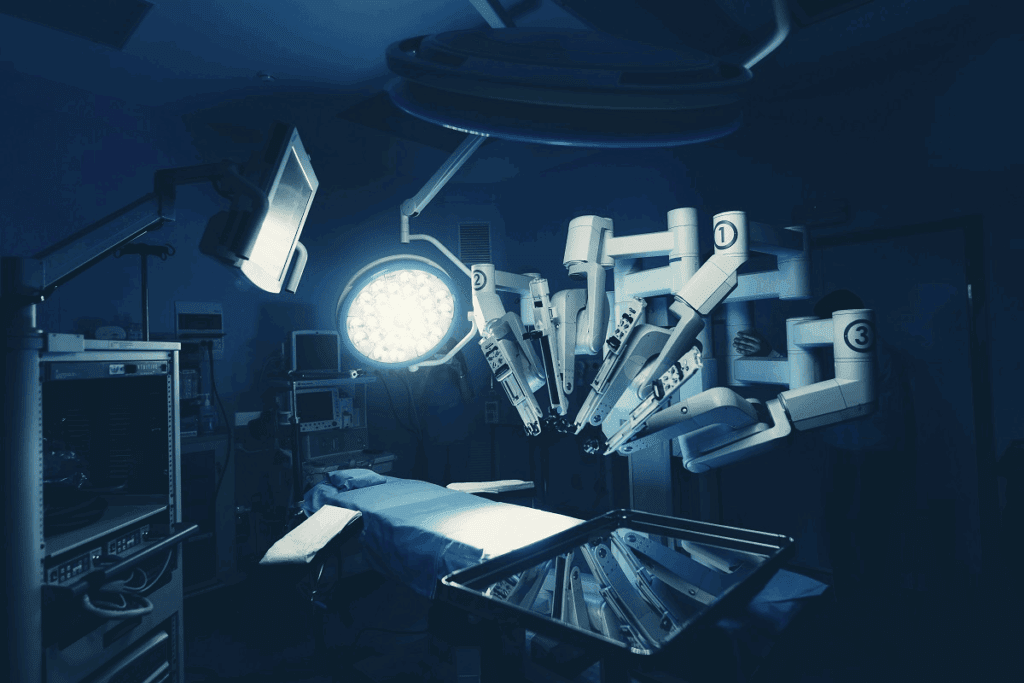
The healthcare world is on the verge of a big change. Robots in healthcare are key to changing how we care for patients and the results we get.
Many healthcare places are using robots to make medical work more precise and efficient.
Robotic assistance in hospitals is used in many ways. It helps in surgical procedures, makes patient rehab better, and makes hospital work smoother.
Adding healthcare robots to the mix is making care better. It’s also cutting down on recovery times and making patients happier.
Key Takeaways
- Robots are being increasingly used in healthcare to improve patient outcomes.
- Robotic assistance is making medical procedures more precise.
- Healthcare robots are making hospital work smoother and improving patient care.
- The use of robots in healthcare is reducing recovery times.
- Robotic technology is changing the healthcare industry.
The Evolution of Robotics in Healthcare
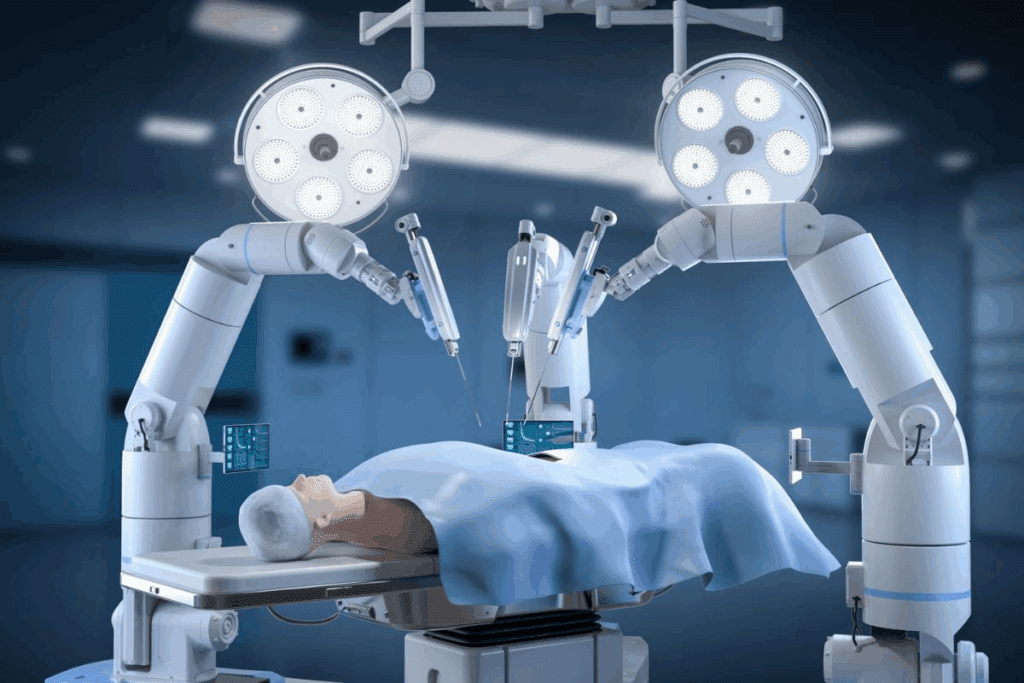
Robots have been in medical settings for over 30 years. They have changed a lot, making healthcare better in many ways.
Historical Development of Medical Robots
The first robots in healthcare were for surgery. Robotic systems like ROBODOC, from the late 1980s, were used for orthopedic surgery. These early robots helped create the advanced technology we see today.
As time went on, robots got more complex. The 1990s saw the start of laparoscopic surgery. This made robots even more important in operating rooms.
| Year | Milestone | Impact |
| 1980s | Introduction of ROBODOC | First robotic system for orthopedic surgery |
| 1990s | Adoption of laparoscopic surgery | Increased use of robotic technology in surgery |
| 2000s | Development of da Vinci Surgical System | Enhanced precision in complex surgical procedures |
Current State of Healthcare Robotics
Healthcare robotics is growing fast. Robots are used for more than surgery now. They help with patient care, rehabilitation, and even diagnosis. Today’s robots are more precise, flexible, and can do complex tasks.
AI and machine learning have made robots even better. Modern robots can learn, adapt, and work with little human help.
As healthcare keeps changing, robots will play a bigger role. This will lead to better patient care and more efficient healthcare.
Understanding Robots for Surgery
Surgical robots have changed the medical world. They make operations more precise and controlled. These machines help surgeons do complex tasks with better accuracy and less invasion.
Types of Surgical Robots
There are many types of surgical robots, each for different surgeries. The most well-known are:
- Robotic arms: These hold and move surgical tools, giving surgeons more control and skill.
- Laparoscopic robots: For surgeries that need small cuts, these robots help make recovery faster.
- Orthopedic robots: Made for bone and joint surgeries, these robots help with tasks like joint replacements.
How Surgical Robots Function
Surgical robots use advanced tech like high-definition 3D visualization and precise robotic arms. Surgeons use hand controls and foot pedals to control the robots from a console.
The da Vinci Surgical System is a famous example. It’s used in many hospitals. It gives surgeons better vision and precision, making complex surgeries easier.
Key Players in Surgical Robotics
Several companies are at the forefront of surgical robotics. Intuitive Surgical, maker of the da Vinci System, is a leader. Other important players are:
- Medtronic: Known for their innovative robotic-assisted surgical systems.
- Stryker: Offers advanced robotic systems for orthopedic surgeries.
- Johnson & Johnson: Developing robotic solutions for various surgical specialties.
Advantages of Robotic Surgery
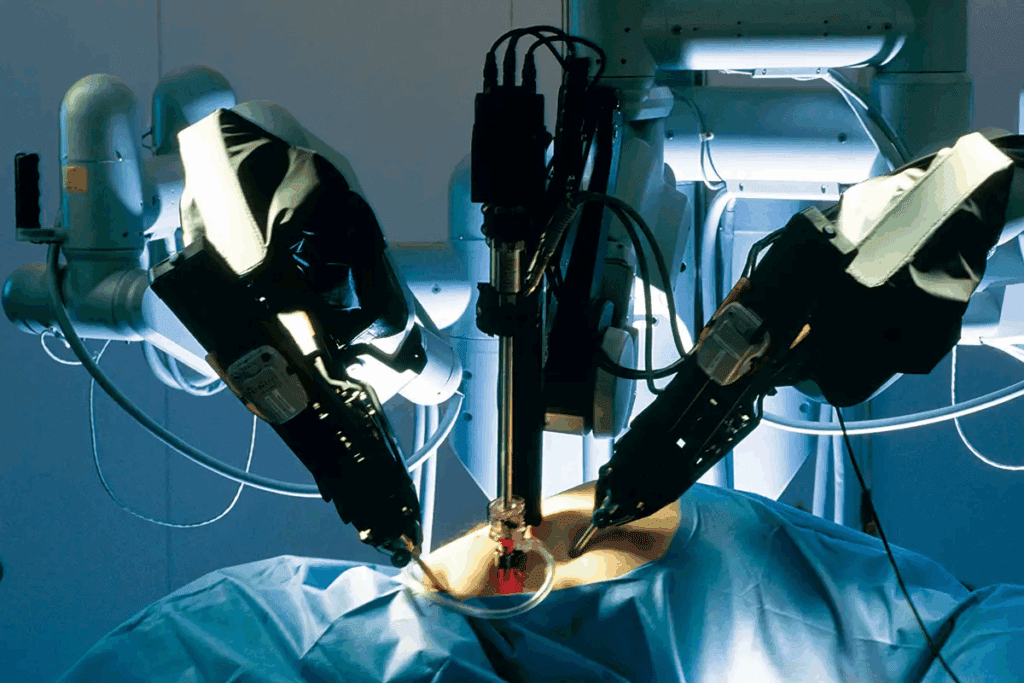
Robotic surgery brings many benefits, like better precision and less invasive procedures. It also means patients can recover faster. This method has changed the medical field a lot, helping both patients and doctors.
Enhanced Precision and Control
Robotic surgery is great because it improves precision and control. The tools used in these surgeries are very accurate. This makes dissections and suturing more precise.
Precision is key in surgery. It affects how well the surgery goes. Systems like the da Vinci Surgical System give surgeons a clear, 3D view. This helps them do complex tasks more accurately.
Minimally Invasive Procedures
Robotic surgery leads to minimally invasive procedures. This means less damage to tissues and less trauma for the patient. It also lowers the risk of complications and helps healing happen faster.
The good things about robotic surgery include:
- Smaller cuts, which means less scarring
- Less blood loss during surgery
- Lower chance of getting an infection
- Less pain after surgery
Faster Recovery Times
Patients who have robotic surgery usually get better faster than those who don’t. The less invasive nature of robotic surgery means less harm to the body. This lets patients get back to their normal lives sooner.
“Robotic surgery has been a game-changer in our hospital, allowing us to perform complex procedures with greater precision and less invasiveness. The recovery times for our patients have significantly improved.”
A study shows how robotic surgery can lead to faster recovery times compared to traditional surgery:
| Surgical Method | Average Recovery Time | Complication Rate |
| Robotic Surgery | 2-3 weeks | 5% |
| Traditional Surgery | 6-8 weeks | 15% |
Robotic surgery has many benefits. It improves patient outcomes and makes surgeries better for doctors. As technology gets better, robotic surgery will likely play an even bigger role in healthcare.
Robots in Patient Care and Monitoring
Advanced robotics is changing healthcare by improving patient care and monitoring. Robots are now part of many patient care tasks, changing how we get medical help.
Automated Patient Monitoring Systems
Healthcare uses automated systems to watch over patients’ health. These systems keep an eye on vital signs and alert doctors to any issues. This helps doctors act fast when needed.
Key Features of Automated Monitoring Systems:
- Continuous monitoring of vital signs
- Real-time data analysis and alerts
- Integration with electronic health records
| Feature | Description | Benefit |
| Continuous Monitoring | Tracking vital signs in real-time | Early detection of health changes |
| Real-time Alerts | Alerts for significant health changes | Timely medical intervention |
| EHR Integration | Seamless data transfer to patient records | Comprehensive patient data |
Robots for Medication Delivery
Robots help deliver medicines to patients, making healthcare staff’s jobs easier. They also cut down on mistakes with medicines. These robots know exactly what medicine to give and when.
- Reduced medication errors
- Increased efficiency in medication administration
- Enhanced patient safety
Robots are making patient care better by doing tasks like monitoring and delivering medicines. As technology gets better, robots will play an even bigger role in healthcare. This will lead to even better care for patients.
Robots for Elderly Care
As the world’s population ages, robots are becoming key in caring for the elderly. They can offer companionship, help with daily tasks, and keep an eye on health. This is a big help for older adults.
Companionship Robots
Companionship robots aim to give emotional support to the elderly. They can fight loneliness and isolation, common in older adults living alone. For example, Paro, a robot that looks like a seal, provides comfort and interaction.
“Robots can offer a sense of companionship and social interaction, which is vital for the mental and emotional health of the elderly.”
Assistance with Daily Activities
Robots can greatly help the elderly with daily tasks, boosting their independence. They can assist with bathing, dressing, and feeding. This makes it easier for older adults to stay in their homes longer.
- Assisting with mobility and transfers
- Helping with household chores
- Providing reminders for medication
Monitoring Health Conditions
Robots with health monitoring tech can track vital signs and spot emergencies like falls. This allows for quick action, ensuring the elderly get medical help when needed.
| Health Monitoring Feature | Description | Benefit |
| Vital Sign Tracking | Monitors heart rate, blood pressure, etc. | Early detection of health issues |
| Fall Detection | Alerts caregivers in case of a fall | Prompt medical response |
| Medication Reminders | Reminds patients to take medication | Improved medication adherence |
Robots in elderly care are improving life quality for older adults and helping caregivers. As tech advances, robots will likely play an even bigger role in caring for the elderly.
Robotic Assistance in Hospitals
Robots are changing how hospitals work. They help staff do their jobs better and care for patients more effectively.
Logistics and Supply Management
Robots are big help in managing supplies and logistics in hospitals. They carry medicines, lab samples, and other important items. This cuts down on staff work and lowers the chance of mistakes.
- Automated guided vehicles (AGVs) move around the hospital, bringing supplies and equipment where they’re needed.
- These robots use sensors and navigation tech to get around safely and efficiently.
Disinfection and Cleaning Robots
Robots are also used for cleaning and disinfection in hospitals. They help keep places clean and germ-free. This is key to stopping infections that patients can get in the hospital.
Key Features of Disinfection Robots:
- They use UV-C light to kill germs and other harmful organisms.
- They can clean big areas and many rooms fast and well.
- They work with hospital schedules to make sure rooms get cleaned on time.
Using robots for cleaning and disinfection helps hospitals fight infections. This makes hospitals safer for everyone.
Robots for Healthcare Diagnosis
Robots have made a big leap in healthcare diagnosis. They help doctors make more accurate and timely diagnoses. The mix of robots and artificial intelligence (AI) is changing how we diagnose diseases. It makes diagnosis more precise and efficient.
AI-Powered Diagnostic Tools
AI tools are now used to look at medical data, find patterns, and predict outcomes. They can handle huge amounts of data fast. This helps doctors spot diseases sooner and more accurately than before.
Key benefits of AI-powered diagnostic tools include:
- Enhanced diagnostic accuracy
- Faster analysis of medical images and data
- Improved patient outcomes through early detection
Robots in Medical Imaging
Robots are also helping in medical imaging. They help place imaging equipment, cutting down on the need for extra scans. This makes the imaging process more comfortable for patients.
The use of robots in medical imaging offers several advantages, including:
- Increased precision in image capture
- Reduced radiation exposure for patients and staff
- Enhanced flexibility in imaging procedures
By combining AI with robotic technology, healthcare providers can greatly improve their diagnostic skills. This leads to better care and outcomes for patients.
Robots in Physical and Rehabilitation Therapy
Robots are changing how we do physical therapy. They help patients with disabilities, injuries, or after surgery. This makes therapy more effective.
Exoskeletons for Mobility Assistance
Exoskeletons are robotic suits that help people who can’t walk. They support the body and help with standing and walking.
Key Features of Exoskeletons:
- Adjustable support levels to accommodate different patient needs
- Advanced sensors to detect and respond to patient movements
- Customizable to fit various body types and sizes
Exoskeletons help those with spinal cord injuries or neurological disorders. They offer a chance to move and be independent again.
Robots for Therapeutic Exercises
Robots help with exercises too. They do repetitive, precise movements that help patients recover. These robots can do many exercises, tailored to each patient’s needs.
Benefits of Robots in Therapeutic Exercises:
| Benefit | Description |
| Precision | Robots can perform exercises with high precision, reducing the risk of injury. |
| Repetition | Robots can repeat exercises multiple times without fatigue, ensuring consistent therapy. |
| Customization | Robotic systems can be adjusted to meet the specific needs of each patient. |
Robots in physical and rehabilitation therapy are making healthcare better. They offer new ways to help patients and make therapy more efficient.
AI-Powered Robots in Healthcare
The mix of AI and robotics is changing healthcare. It makes robots better and more useful in many health tasks.
Machine Learning Applications
Machine learning is a part of AI that lets robots get smarter over time. In healthcare, it helps robots understand patient data, guess what might happen, and make treatment plans just for each patient.
Predictive Analytics is a big deal here. Robots can look at lots of data to guess when a patient might get worse. They can find patients at high risk and suggest ways to prevent problems.
| Application | Description | Benefit |
| Predictive Analytics | Analyzing patient data to predict outcomes | Early intervention and prevention |
| Personalized Medicine | Tailoring treatment plans to individual patients | Improved patient outcomes |
| Robot-Assisted Surgery | Enhancing surgical precision with machine learning | Reduced recovery time |
Natural Language Processing for Patient Interaction
Natural Language Processing (NLP) is key for AI to talk to humans better. In healthcare, NLP helps robots chat with patients, get what they need, and answer them right.
Chatbots and Virtual Assistants show NLP in action. They help with simple questions, remind patients about meds, and even offer support.
AI and robots together are changing healthcare. They make care better, outcomes better, and make work easier for doctors. As AI grows, we’ll see even more cool uses of robots in healthcare.
Robots for Chronic Disease Management
Robots are changing how we manage chronic diseases. They help by monitoring patients from afar and giving treatments automatically.
Remote Monitoring Solutions
Robots help track patients’ health constantly. This is great for diseases like diabetes and heart issues. Robotic systems collect data on health metrics, helping doctors make better choices.
“Robots in remote monitoring cut down on hospital visits,” a study found. Telepresence robots let doctors talk to patients from anywhere, making monitoring better.
Automated Treatment Administration
Robots also help with giving treatments. They can give medicine on time, helping patients stick to their plans. This is key for those with many medicines.
- Robots give medicine right, cutting down on mistakes.
- They update patient records in real-time.
- They alert doctors if there are any problems with medicine.
A medical expert said, “Robots in treatment make care safer and more efficient. They let doctors focus on harder tasks.”
Robots and Healthcare Data Management
Robots are changing how we manage healthcare data. They help collect and analyze data more efficiently. This is because they can handle the huge amounts of data generated in healthcare.
Data Collection and Analysis
Robots in healthcare use advanced sensors and tech. They gather detailed data on patient conditions and treatment outcomes. This data is then analyzed to improve patient care and healthcare services.
Key aspects of data collection and analysis include:
- Monitoring patient vital signs and health indicators
- Tracking the effectiveness of treatments and interventions
- Analyzing operational data to optimize healthcare delivery
This data analysis improves patient outcomes and healthcare systems overall.
Privacy and Security Considerations
Robots handle a lot of sensitive healthcare data. It’s important to keep this data private and secure. Healthcare organizations must use strong data protection to avoid unauthorized access and breaches.
Key privacy and security considerations include:
- Implementing encryption and secure data storage solutions
- Establishing strict access controls and authentication protocols
- Regularly updating software and systems to protect against cyber threats
By focusing on these areas, healthcare providers can protect patient data. This builds trust in using robots for managing healthcare data.
Challenges and Limitations of Healthcare Robots
Healthcare robots are promising but face many challenges. They are becoming key in healthcare but struggle with technical, ethical, and financial issues. These hurdles must be overcome for their safe and effective use.
Technical Challenges
Healthcare robots face big technical hurdles. They need reliable and secure software and hardware. Issues like system failures, cyber threats, and compatibility problems can affect their performance and safety.
Reliability and cybersecurity are key. A system failure or hack could harm patients or breach data. It’s vital to design these robots with strong security and test them thoroughly.
| Technical Issue | Description | Potential Impact |
| System Failures | Malfunction of robot components | Disruption of healthcare services |
| Cybersecurity Threats | Unauthorized access to robot systems | Data breaches, patient harm |
| Compatibility Issues | Incompatibility with existing infrastructure | Increased implementation costs |
Ethical Considerations
Healthcare robots raise ethical considerations. Concerns include patient privacy, consent, and the risk of replacing human caregivers. It’s important to ensure robots respect patient autonomy and dignity.
The use of robots in care can lead to depersonalization if not managed. Finding a balance between robot efficiency and human interaction is essential.
Cost and Accessibility Issues
The cost of healthcare robots is a big challenge. High costs can make them inaccessible to many, including small facilities or those in low-resource settings.
To address cost and accessibility issues, new financing models are needed. These should make robots more affordable and accessible to more healthcare providers.
The Future of Robotics in Healthcare
Emerging technologies in robotics are set to change healthcare in the next few years. Robotics will keep playing a key role in the healthcare world.
Innovations on the Horizon
The next wave of robots will bring big changes to healthcare. Some new technologies include:
- Advanced AI algorithms for better diagnosis and treatment plans
- Improved robotic systems for complex surgeries
- Personalized robots for patient care and companionship
A report by McKinsey & Company says robots will make healthcare more efficient and cheaper. Robots can do routine tasks, freeing up doctors to focus on more important work.
“The future of healthcare is not just about treating illnesses, but about creating a more personalized and responsive care environment. Robotics will be at the forefront of this transformation.”
Predicted Impact on Healthcare Delivery
Robots in healthcare will change how we deliver care. Some expected changes include:
| Area of Impact | Predicted Outcome |
| Patient Care | Improved patient outcomes due to more precise and personalized care |
| Surgical Procedures | Enhanced precision and reduced recovery times |
| Healthcare Costs | Reduced costs due to increased efficiency and reduced complications |
As robotics keeps getting better, we’ll see huge improvements in healthcare. The future of robotics in healthcare looks very promising.
Conclusion
Robots are changing healthcare, making patient care better and outcomes more positive. They bring new ways to improve surgery, watch over patients, and help with therapy.
Robots are used in many healthcare areas, like surgery, care, and finding diseases. They help make care better, cut down recovery times, and boost patient results.
The future of healthcare looks bright with more robots. As they get smarter and fit better into healthcare, they’ll play a big part in how we care for people.
In short, the future of robots in healthcare is bright. Their growth and use will greatly change the industry.
FAQ
What is the role of robots in healthcare?
Robots are changing healthcare by making it more precise and improving patient care. They help in surgery, patient care, and hospital tasks. This makes healthcare better and more efficient.
How do robots improve surgical procedures?
Robots make surgery more precise and less invasive. This leads to faster recovery times. They also provide real-time data, helping surgeons make better decisions.
What are the benefits of robotic surgery?
Robotic surgery is precise, reduces blood loss, and causes less trauma. It makes complex surgeries easier and more accurate for surgeons.
How are robots used in patient care and monitoring?
Robots help monitor patients, track vital signs, and deliver medication. They also offer companionship and emotional support. This improves the patient care experience.
What is the role of robots in elderly care?
Robots provide companionship and help with daily tasks for the elderly. They also monitor health conditions. This improves their quality of life and allows them to live independently.
How do robots support hospital staff?
Robots manage hospital logistics, clean environments, and assist with administrative tasks. They help reduce the workload of healthcare professionals, making workflows smoother.
What is the potential of AI-powered diagnostic tools?
AI tools can revolutionize healthcare by analyzing large datasets and making predictions. They improve diagnostic accuracy and enable early intervention.
How are robots used in physical and rehabilitation therapy?
Robots help with mobility and support exercises in therapy. They provide personalized assistance, aiding in recovery from injuries or surgery.
What are the challenges associated with healthcare robots?
Challenges include technical issues, ethical concerns, and cost and accessibility. Addressing these is key to safe and effective use in healthcare.
What is the future of robotics in healthcare?
Robotics in healthcare is promising, with new technologies expected to transform care. Robots will continue to improve patient outcomes and streamline workflows.
How do robots improve healthcare data management?
Robots collect and analyze data, identifying patterns and making predictions. This informs clinical decisions and improves patient outcomes.
What is the role of robots in chronic disease management?
Robots enhance remote monitoring and automate treatment in chronic disease management. They improve outcomes and reduce complications.
How do robots assist in medical imaging?
Robots provide precise movements for high-quality imaging. This improves diagnostic accuracy and informs clinical decisions.
Reference:
Cambridge University Hospitals NHS Foundation Trust. Bladder care and management. https://www.cuh.nhs.uk/patient-information/bladder-care-and-management/