Last Updated on November 27, 2025 by Bilal Hasdemir
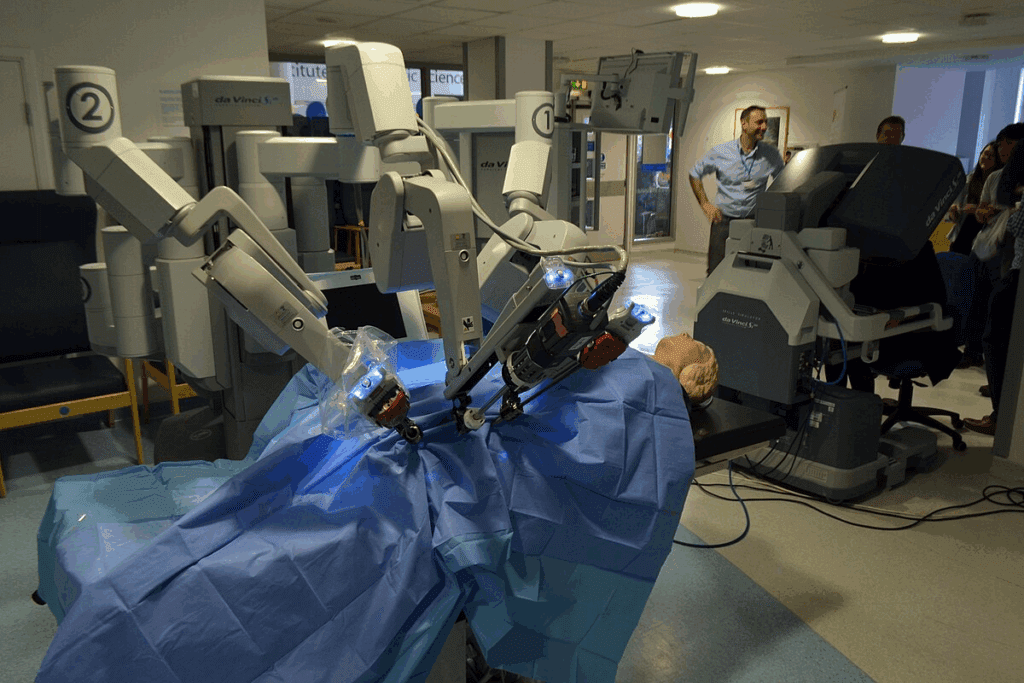
Did you know that robots are increasingly being used to make life easier? They help with hard tasks and dangerous missions. New tech in robotics and AI is changing how we work and live.
Robots in healthcare solutions are making patients’ lives better. They offer precise care and help. Robots also tackle workplace issues by doing repetitive tasks, boosting productivity, and making places safer.
Key Takeaways
- Robots are being used to solve complex problems across various industries.
- Advances in robotics and AI are driving significant changes in business and society.
- The use of robots is improving workplace safety and productivity.
- Robots are providing precise care and assistance in healthcare settings.
- The deployment of robots is expected to continue growing in the coming years.
The Current State of Robotics and Automation
The world of robotics and automation has changed a lot. Technology has grown fast, making robots smarter and better at solving tough problems.
The Evolution from Simple Machines to Intelligent Problem-Solvers
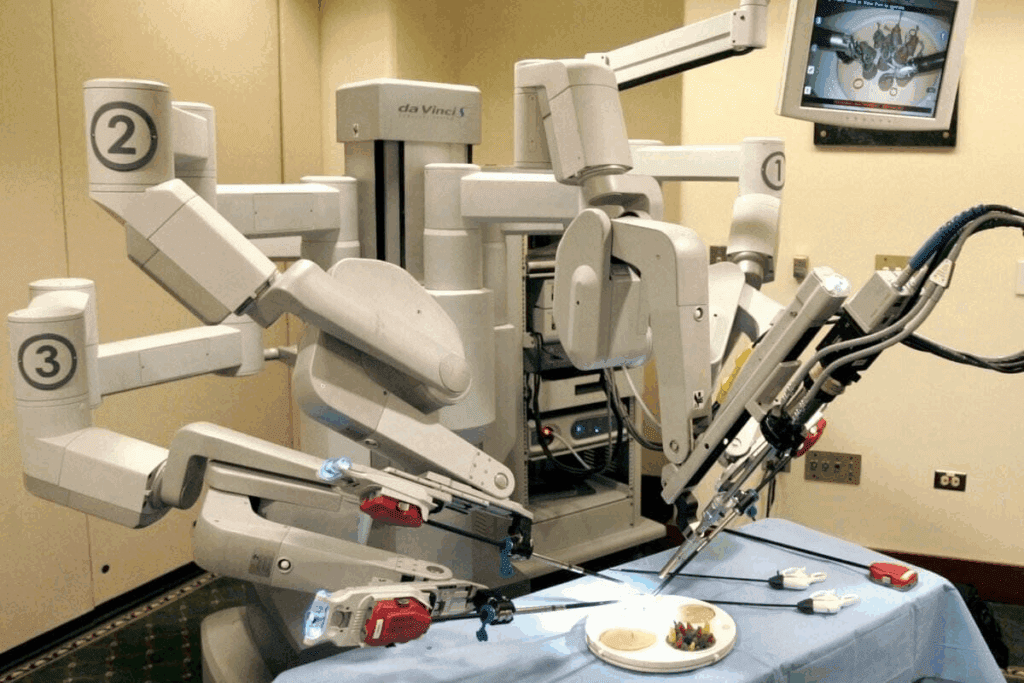
The industrial revolution began in the 1800s with big changes like railroads and electricity. But, it wasn’t until after World War II that automation really took off. Factories changed to help with the war, and then automation grew fast.
Now, robots are more than simple machines. They are smart problem-solvers with advanced AI and machine learning.
The main reasons for this change are better sensors, more dexterous robots, and AI. These improvements let robots do things humans used to do alone.
Key advancements include:
- Enhanced sensor capabilities for better environmental perception
- Advanced AI algorithms for complex decision-making
- Improved robotic dexterity for handling delicate or complex tasks
Key Technologies Driving Modern Robotics
Several key technologies are leading the robotics revolution. Artificial Intelligence (AI) and Machine Learning (ML) are key. They let robots learn, adapt, and make choices on their own.
Other important technologies are:
- Advanced sensor technologies for real-time data collection
- High-performance computing for processing complex algorithms
- Collaborative robots (cobots) designed to work safely alongside humans
These technologies make robots more efficient and better at solving complex problems in many fields.
Robots in Manufacturing: Solving Production Challenges
Robots are key in modern manufacturing, solving long-standing problems. They started in 1961 at General Motors. Now, their use is growing fast in factories worldwide.
Overcoming Precision and Consistency Issues
Keeping production lines precise and consistent is a big challenge. Robots help a lot here. They use advanced sensors and AI to work accurately, cutting down on mistakes.
Robots bring many benefits:
- They make products better by being precise.
- They help make fewer mistakes because they work the same way every time.
- They can work faster without losing quality.
Addressing Labor Shortages in Industrial Settings
Many factories struggle with not having enough workers. Robots are a good fix for this problem. They can do jobs that are hard for people or need too much precision.
| Industry | Labor Shortage Challenge | Robotic Solution |
| Automotive | Welding and assembly line tasks | Robotic arms for welding and part assembly |
| Electronics | Component assembly and inspection | Robotic systems for precise component handling |
Efficiency Improvement Through Robotic Integration
Adding robots to factories makes things more efficient. They take over simple tasks, freeing up people for more important work. This makes production better and safer.
The future of manufacturing is bright with robots getting better. As they get smarter and work together, they’ll help solve more problems. This will lead to even more innovation and efficiency in making things.
Robots in Healthcare Solutions: Transforming Patient Care
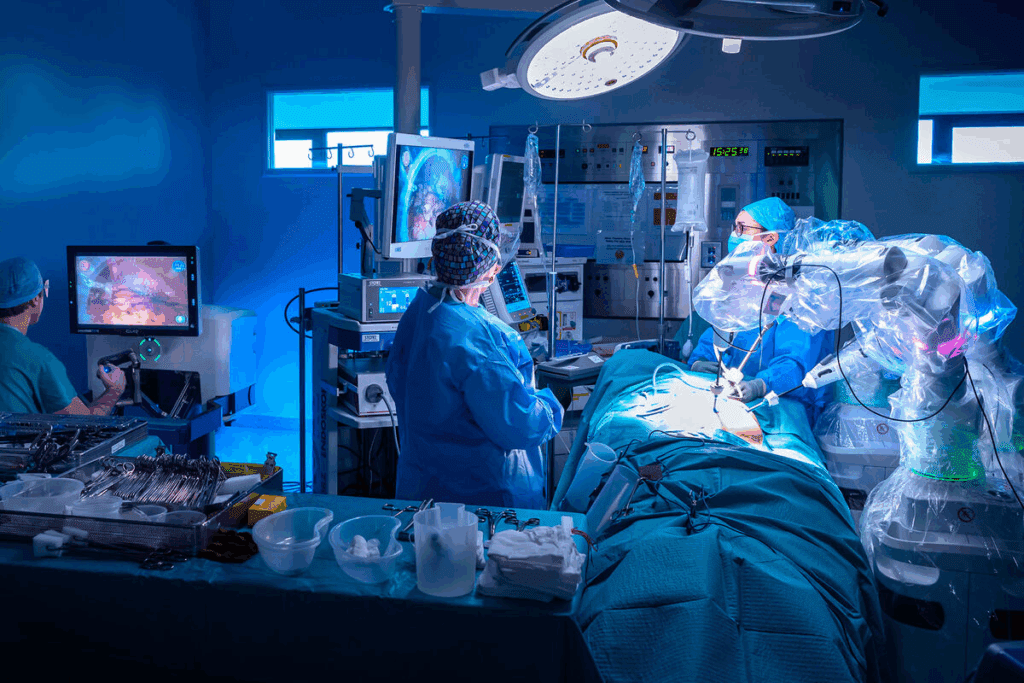
Robots are changing patient care by making it more precise and effective. They are used in many healthcare areas, like surgeries and patient care. This helps improve health outcomes.
Surgical Robots: Enhancing Precision and Reducing Complications
Surgical robots help doctors do complex surgeries with better accuracy. For example, they are used in prostate cancer surgery. This technology lets surgeons do their jobs better, lowering the chance of problems and improving results.
The benefits of using surgical robots are clear:
- They offer better precision and control
- They reduce blood loss and trauma
- Patients recover faster
Patient Care and Monitoring Automation
Robots help with patient care and monitoring, like watching vital signs and reminding patients to take medicine. This frees up doctors and nurses to focus on more important tasks.
Robots in patient care bring many advantages:
- They keep an eye on patient health all the time
- They help with daily tasks
- They make patients feel more connected
Medication Management and Distribution Systems
Robots help manage and give out medicine in hospitals and care homes. They make sure patients get the right medicine at the right time.
“The use of robots in medication management has significantly reduced errors and improved patient safety.” – Healthcare Professional
Rehabilitation and Physical Therapy Assistance
Robots aid in physical therapy and rehabilitation, giving patients tailored and precise therapy. This helps patients heal faster and more effectively.
The benefits of using robots in therapy are:
- They create personalized plans
- They ensure precise exercises
- They boost patient motivation and participation
Robots for Dangerous Environments: Protecting Human Lives
Robots are now key in keeping humans safe in risky places. They can do many tasks in dangerous spots, like dealing with harmful substances or going through disaster areas.
Hazardous Material Handling and Containment
Robots are being used more to handle and keep safe harmful materials. They can use special tools to manage toxic stuff and contaminated items safely.
- Safe Handling: Robots can handle hazardous materials without risking human exposure.
- Precision: With advanced tools, robots can do precise tasks in dirty places.
- Containment: Robots help keep harmful materials in check, stopping more contamination.
Disaster Response and Search and Rescue Operations
After disasters, robots are key in finding survivors and helping. They can go through rubble to find people, check damage, and bring needed supplies.
- Robots are sent to disaster areas.
- They find survivors and see how bad the damage is.
- Robots bring important supplies to those stuck.
Safety in Hazardous Areas: Mining, Nuclear, and Chemical Facilities
Robots are used in risky places like mines, nuclear sites, and chemical plants. They check equipment, watch the environment, and do maintenance.
- Inspection: Robots check equipment and buildings in dangerous places.
- Monitoring: They watch the environment to avoid accidents.
- Maintenance: Robots do maintenance, cutting downtime and making things safer.
Deep Sea and Space Exploration: Going Where Humans Cannot
Robots lead in exploring deep sea and space, places humans can’t go. They gather data, do experiments, and help us learn about these unknown places.
For example, underwater robots dive deep, and space rovers like NASA’s Perseverance explore Mars. They give us important info about these strange worlds.
Solving Labor Shortages Across Industries
Labor shortages are hitting many sectors hard. Automation and robotics are stepping up to help. They’re filling key gaps in the workforce, keeping operations running smoothly and efficiently.
Critical Workforce Gaps Filled by Automation
Robots are tackling labor shortages in fields like manufacturing, healthcare, and logistics. They take on the boring and repetitive tasks. This lets humans do more important and creative work.
Key areas where robots are making an impact include:
- Assembly line production
- Material handling and packaging
- Patient care and monitoring in healthcare
- Warehouse management and inventory control
Economic Benefits and Challenges
Robots bring both good and bad to the workforce. They can make things more efficient, cut down on costs, and improve quality. But, they also cost a lot upfront and might replace some jobs if not managed right.
| Economic Benefits | Economic Challenges |
| Increased productivity | High initial investment |
| Reduced labor costs | Job displacement |
| Enhanced product quality | Need for skilled maintenance personnel |
The Complementary Relationship Between Human and Robot Workers
The best use of robots is when they work alongside humans. Together, they can do more and innovate better.
In manufacturing, for example, robots handle the tough or dangerous jobs. Humans then focus on checking quality, keeping things running, and solving tricky problems.
Robots for Repetitive and Precision Tasks
Robots have changed many fields by doing repetitive and precise tasks. They work well alone or with people, always doing tasks right.
Micro and Nano-Scale Operations
Robots are great at tiny tasks where being precise is key. These jobs, like putting things together or checking them, are hard for people.
Examples of micro and nano-scale operations include:
- Assembly of microelectromechanical systems (MEMS)
- Nano-scale material manipulation
- Precision inspection in semiconductor manufacturing
Reducing Human Error in Critical Processes
Human mistakes can be big problems in important areas like healthcare and aerospace. Robots help by doing tasks the same way every time.
| Industry | Critical Process | Role of Robots |
| Healthcare | Surgical procedures | Robotic-assisted surgery enhances precision |
| Aerospace | Component assembly | Robots ensure accurate assembly of complex components |
| Automotive | Welding and painting | Robots perform tasks with consistent quality |
Consistency in Quality-Sensitive Applications
Robots are also key in areas where quality matters a lot. They keep tasks precise, making sure products are up to standard.
In summary, robots are essential in many fields. They improve efficiency, cut down on mistakes, and keep quality high.
Agricultural Challenges Addressed by Robotics
Robots are changing farming, making it better and more efficient. They help with planting, harvesting, and managing crops. They also solve the problem of not having enough workers.
Automated Planting, Monitoring, and Harvesting
Robots are used for planting, watching over crops, and harvesting. They use advanced tech like GNSS and SatEO. This leads to less waste and better crops.
Automated planting systems plant seeds perfectly. Monitoring robots spot problems like diseases early with their sensors and cameras.
Resource Optimization and Sustainable Farming
Robots help farmers use water, fertilizers, and pesticides better. This makes farming greener. Precision agriculture techniques help farmers use less while keeping yields high.
This saves resources and cuts down on environmental harm. It’s good for the planet and keeps farming productive.
Solving Seasonal Labor Shortages
Robots help with the lack of workers during certain seasons. For example, harvesting robots pick fruits and veggies on time. This cuts down on the need for manual labor.
It also saves money and makes farming more efficient. Robots are a big help in solving labor shortages.
Crop Disease and Pest Management
Robots are key in keeping crops healthy. They use sensors and AI to find diseases and pests early. This means less pesticides are needed.
Early detection and management of crop health issues boosts yields and quality. It makes farming more sustainable and cuts down on chemical use.
Supply Chain and Logistics Solutions
Robots are making supply chains better by improving resilience and customer happiness. They help automate tasks like warehouse management and last-mile delivery. This makes the supply chain more efficient.
Warehouse Automation and Inventory Management
Robots are changing warehouse work by handling tasks like inventory management and sorting. They work all day, every day, boosting productivity and cutting costs. Robots with AI can even guess what inventory you’ll need next.
Automation in warehouses means fewer mistakes in order fulfillment. Robots pack items with great accuracy, making customers happier. They also keep track of inventory in real-time, helping businesses make better choices.
Last-Mile Delivery Innovations
Robots are key in making last-mile delivery better. They use autonomous delivery robots and drones for fast, efficient package delivery. These robots can get through cities quickly, saving time and money.
Robots in last-mile delivery also make things easier for customers. They offer updates in real-time. Plus, they can work any time, making delivery more flexible and convenient.
Supply Chain Resilience Through Robotics
Robots help supply chains be more flexible and adaptable. They can quickly adjust to changes in demand or supply chain issues. Robots can even do different tasks, keeping operations running smoothly.
Robots can also work in tough or dangerous places, like extreme temperatures. This makes supply chains more resilient and keeps workers safe.
Addressing Transportation and Distribution Bottlenecks
Robots are solving problems in transportation and distribution. They use automated guided vehicles and sorting systems to move goods faster. This reduces congestion and makes distribution more efficient.
By automating simple tasks, robots let humans focus on more important work. This not only boosts productivity but also makes workers happier.
Robots for Elderly Care: Addressing the Aging Population Crisis
Robots are helping with elderly care by giving companionship, help, and health checks. The world is facing a big challenge with an aging society. Robots are becoming key in meeting the complex needs of the elderly.
Companionship and Social Interaction Benefits
Robots offer companionship and social interaction, which is very important. For example, Paro, a robotic seal, brings emotional comfort and encourages social interaction. It helps reduce loneliness and isolation, common in the elderly.
- Enhance emotional well-being
- Encourage social interaction
- Provide a sense of companionship
Mobility Assistance and Fall Prevention
Robots help with mobility and prevent falls, a big risk for the elderly. Exoskeletons and robotic walkers improve mobility and balance. They are great in rehabilitation, helping the elderly regain strength and confidence.
“The integration of robots in elderly care represents a significant shift towards more personalized and effective care strategies.” –
Expert in Geriatric Care
Medication Management and Health Monitoring
Robots are also making a big difference in medication management and health monitoring. They can remind the elderly to take their medicine, check health signs, and alert caregivers in emergencies. This improves health outcomes and eases the burden on caregivers.
| Robotics Application | Benefits |
| Companionship Robots | Reduce loneliness, enhance emotional well-being |
| Mobility Assistance Robots | Improve mobility, prevent falls |
| Health Monitoring Robots | Enhance health management, reduce caregiver burden |
Reducing Caregiver Burden and Healthcare Costs
Robots automate parts of elderly care, easing the burden on caregivers. They can focus on more complex and personal care. Robots also improve health outcomes and prevent hospitalizations, lowering healthcare costs.
In conclusion, robots are key in solving elderly care challenges. They offer companionship, mobility help, health monitoring, and reduce caregiver burden. Robots greatly improve the quality of life for the elderly.
Environmental Problem-Solving Through Robotics
Robots are now helping solve many environmental problems. They are key to keeping our planet healthy. By doing tasks that are hard or harmful for humans, robots help protect our environment.
Ocean Cleanup and Pollution Monitoring
Ocean pollution is a big problem. Robots are cleaning up the ocean by picking up plastic and other pollutants. Autonomous underwater vehicles (AUVs) also check the water quality and find where pollution comes from. This helps focus cleanup efforts.
Waste Management and Recycling Automation
Robots help sort and process waste in recycling centers. Advanced robotic systems can tell different types of waste apart. This makes recycling better and cuts down on landfill waste. It also keeps people safe from harmful materials.
Reforestation and Ecosystem Restoration
Planting trees is important for fighting climate change. Robots, like drones and tree planters, can plant trees much faster than people. They also check on the trees to help them grow. This helps fix damaged ecosystems.
Energy Efficiency and Sustainable Solutions
Robots are also making things more energy-efficient. For example, they help make products in a way that uses less energy. Smart robots can change how they work based on energy use. This helps make manufacturing more green.
Using robots in these ways helps us solve big environmental problems. It’s a step towards a greener future.
Data Collection and Analysis: Solving Information Challenges
Robots are changing how we handle information. They help gather and analyze data better than ever. This is thanks to advanced robotics in many industries.
Scientific Research Applications
Robots help in places humans can’t go. For example, underwater vehicles explore the ocean. They collect samples and watch marine life.
Robots also explore space. They gather data from planets and asteroids. This helps us learn more about the universe.
Precision and reliability are key. Robots work without getting tired. They collect lots of data for science.
Environmental Monitoring and Climate Data
Robots are key in tracking the environment. They monitor weather, forests, and oceans. This helps us understand climate change.
They give real-time data. This helps scientists and leaders make better choices. It’s about saving the environment and fighting climate change.
Industrial Inspection and Preventive Maintenance
In factories, robots check things out. They look at pipelines, bridges, and buildings. They find problems early, saving time and money.
Robots also make things safer. They do dangerous jobs instead of people. This keeps workers safe.
Security and Surveillance Solutions
Robots are used for security too. They watch places, find intruders, and handle threats. In public areas, they help keep things orderly.
AI with robotics makes them even better. They can analyze data quickly and act on their own.
Education and Research Development Challenges
Robots are now used in schools to help with many challenges. They improve STEM learning and help students with special needs. This new use of robots opens up new ways for research, learning, and support.
STEM Education Enhancement
Robots are making STEM education more fun and easy to understand. They help students get involved and learn better. For example, robotics kits let students design, build, and program their own robots.
Key benefits of robots in STEM education include:
- Increased student engagement
- Improved understanding of complex concepts
- Development of problem-solving and critical thinking skills
- Enhanced collaboration and teamwork
Research Acceleration and Laboratory Automation
Robots are speeding up research and making labs more efficient. They handle routine tasks, letting researchers focus on important work. This makes research faster and more accurate.
| Application | Benefits |
| Laboratory Automation | Increased efficiency, improved accuracy, enhanced reliability |
| Research Assistance | Accelerated research process, improved data quality |
Personalized Learning and Educational Support
Robots are helping with personalized learning and support. They use AI to adjust to each student’s needs. This means they can offer better support and feedback.
Robots in education do more than just help with schoolwork. They also provide emotional and social support, which is very important for students with special needs.
Accessibility Solutions for Special Education Needs
Robots are being made to help students with special needs. They offer companionship and interactive experiences. This improves the lives of these students.
The Future of Robotic Problem-Solving
Robots are getting better and are being used in many fields. They do tasks that are hard or dangerous for humans. This makes work safer and helps people stay healthy.
Robots are key in disaster situations. They can go into dangerous places to find people and bring them help. They are also helping in space by collecting data and samples from other planets.
Using robots makes things more efficient and safer for humans. As technology grows, robots will solve even more complex problems. They will help in search and rescue and in space missions.
Robots in disaster response and space exploration open up new ways to solve problems. They help us create a safer and more sustainable world.
FAQ
What are the primary benefits of using robots in manufacturing?
Robots in manufacturing solve many problems. They ensure tasks are done with precision and speed. This reduces errors and boosts productivity.
How are robots being used in healthcare?
Robots in healthcare change patient care in many ways. They help in surgeries, monitor patients, manage medicines, and aid in rehabilitation. This leads to better care and outcomes.
Can robots be used in hazardous environments?
Yes, robots are great for dangerous places like mines and nuclear sites. They handle risky materials and help in emergencies. This keeps humans safe.
How can robots help address labor shortages?
Robots fill gaps in the workforce, making tasks more efficient. They do repetitive jobs, letting humans focus on creative tasks. This improves work quality and reduces stress.
What are the benefits of using robots in agriculture?
Robots in farming improve planting, monitoring, and harvesting. They help manage resources and fight diseases. This boosts crop yields and reduces waste.
How are robots being used in supply chain and logistics?
Robots help in warehouses and delivery. They manage inventory, cut costs, and speed up deliveries. This makes supply chains more efficient.
Can robots be used to care for the elderly?
Yes, robots help the elderly with companionship, mobility, and health checks. They ease the burden on caregivers and lower healthcare costs. This improves the elderly’s quality of life.
How can robots contribute to environmental problem-solving?
Robots help clean oceans, manage waste, plant trees, and save energy. They monitor and reduce environmental harm. This supports sustainable living.
What role can robots play in education and research?
Robots enhance STEM learning, speed up research, and offer personalized education. They make complex topics easier and more engaging. This boosts student success and research.
How are robots used in data collection and analysis?
Robots aid in scientific studies, environmental monitoring, and inspections. They gather and analyze data, giving insights for better decisions and innovation.
What are the future uses of robots?
Robots will help in disaster relief, space exploration, and more. They will improve safety, efficiency, and innovation in various fields.
Reference:
Cambridge University Hospitals NHS Foundation Trust (CUH)While focused on bladder care, this source emphasizes how robotics and care technologies improve precision and patient assistance in healthcare. This reflects robotics’ capacity to provide precise care and medical assistance.https://www.cuh.nhs.uk/patient-information/bladder-care-and-management/