
Robotic surgery has changed the medical world, with over 6 million procedures done globally using robots. The Da Vinci Surgical System leads as the top robot for this surgery.
The Da Vinci System has changed surgery a lot. It makes surgeries more precise and cuts down recovery time. It’s a big step forward, giving patients better, less invasive surgery options.
The Da Vinci system is a big deal in robotic surgery. It gives surgeons better views and control.
Key Takeaways
- The Da Vinci Surgical System is the most widely used robot in robotic surgery.
- Robotic surgery has performed over 6 million procedures worldwide.
- The Da Vinci system enhances precision and reduces recovery times.
- It offers patients minimally invasive options with improved outcomes.
- The system provides surgeons with enhanced visualization and dexterity.
The Evolution of Surgical Robots
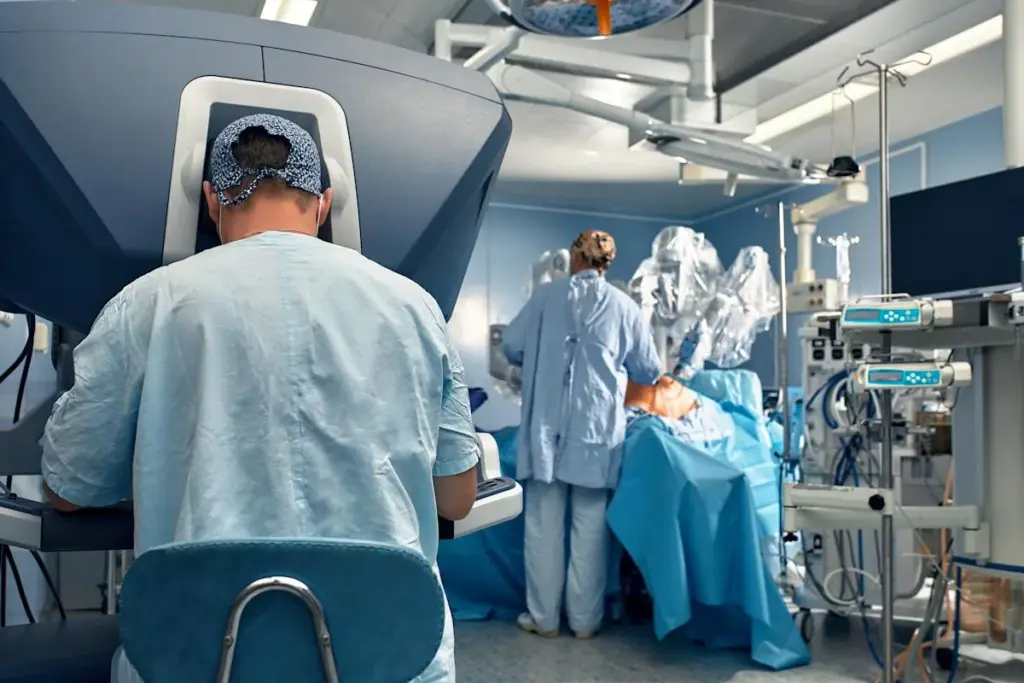
Surgery has changed a lot with the arrival of surgical robots. These robots have made surgeries more precise and better for patients. They have improved care and results for everyone.
Early Development of Surgical Robotics
The idea of robotic surgery started in the 1980s. The first robotic surgery happened in the late 1980s. The PUMA 560 robot was used for brain biopsies, starting robotic surgery.
As technology got better, so did surgical robots. Computer-assisted surgery came along, making surgeries more accurate and less invasive. This was a big step towards today’s robotic surgery.
Transition from Manual to Robotic Surgery
The move to robotic surgery was for better precision, less recovery time, and less scarring. The Da Vinci Surgical System is a key example of advanced surgery. It gives surgeons a clear, 3D view of the area they’re working on.
- Improved precision and dexterity
- Enhanced visualization through 3D imaging
- Minimally invasive procedures reducing recovery time
As we keep moving forward in surgical robotics, we’ll see even better technology and care. The mix of technology and medicine will lead to more advanced and effective surgeries.
Understanding Robotic Surgery
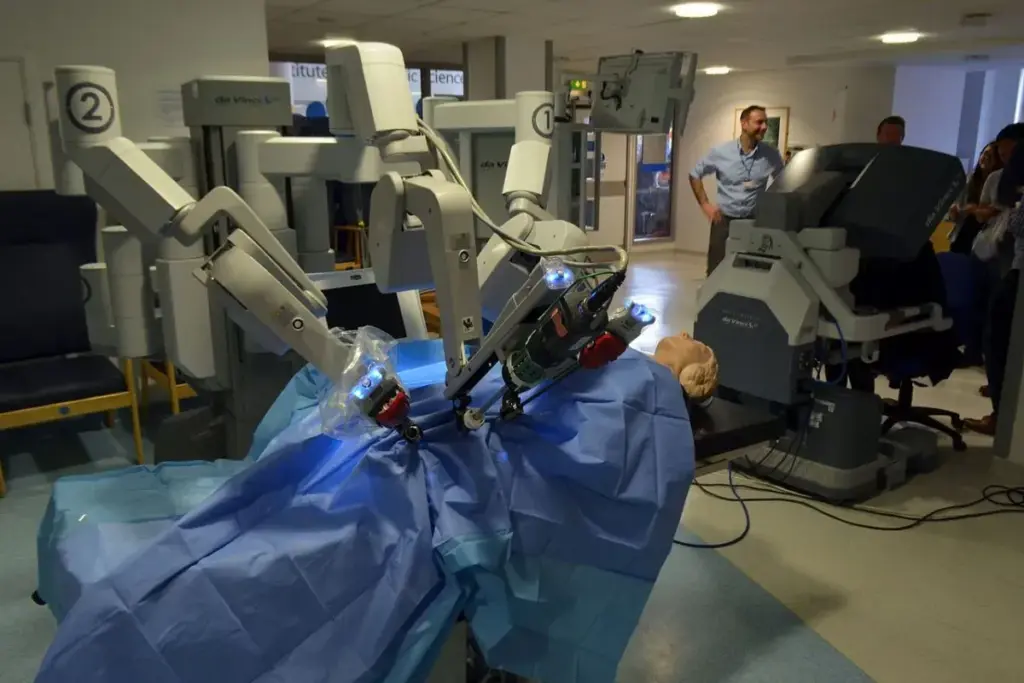
Robotic-assisted surgery is changing how we care for patients. It uses advanced technology and cuts down on recovery times. Let’s explore what robotic surgery is and how it differs from traditional surgery.
Definition and Basic Principles
Robotic surgery, or robot-assisted surgery, lets surgeons do complex procedures with better precision and control. The system turns the surgeon’s hand movements into precise actions inside the patient’s body. This technology makes operations more detailed and less invasive, lowering the risk of problems and speeding up healing.
The core of robotic surgery is a console where the surgeon controls the robotic arms. There’s also a cart with the arms and instruments, and a 3D vision system. This setup gives a clear view of the surgical area, helping with precise dissection and suturing.
Advantages Over Traditional Surgery
Robotic surgery has many benefits over traditional surgery. It leads to shorter recovery times, less blood loss, and smaller scars. The robotic system’s precision and flexibility allow for complex procedures that traditional methods can’t handle.
Patients enjoy shorter hospital stays, less pain, and quicker recovery. Surgeons benefit from the ergonomic design, which reduces fatigue, and the better vision, which enhances their skill in delicate operations.
The Da Vinci Surgical System: The World’s Leading Surgical Robot
The Da Vinci Surgical System has changed the game in robotic surgery. It brings advanced tech and precision to the table. This system lets surgeons do complex surgeries with better control and skill.
History and Development
The Da Vinci System was introduced in the late 1990s by Intuitive Surgical, Inc. It got FDA approval in 2000. Over the years, it has evolved into more advanced versions, each improving outcomes.
The need for precise and less invasive surgery drove its development. Today, it’s a key player in robotic surgery, used worldwide.
Key Components and Technology
The Da Vinci System has several important parts. These include the surgeon’s console, the patient-side cart, and the vision system. The surgeon’s console gives a 3D view of the surgery site, allowing for precise control.
- The patient-side cart has robotic arms that mimic the surgeon’s movements, adding dexterity and flexibility.
- The vision system offers high-definition 3D visualization, letting surgeons see the site in great detail.
Market Dominance and Statistics
The Da Vinci System is a big name in robotic surgery. There are over 6,000 systems installed worldwide. It’s used in millions of surgeries every year.
- More than 75% of robotic surgeries in the U.S. use the Da Vinci System.
- It’s been used in millions of surgeries globally, in fields like urology, gynecology, and general surgery.
The Da Vinci System’s market lead shows its tech superiority and value. As robotic surgery grows, the Da Vinci System leads the way, pushing innovation and setting standards.
Generations of the Da Vinci Surgical System
The Da Vinci Surgical System has evolved over the years. Each new generation has brought big improvements in robotic surgery.
Original Da Vinci System
The first Da Vinci System came out in the late 1990s. It changed surgery by giving surgeons better precision and control. It had three-dimensional visualization and EndoWrist instruments that felt like real hands.
Da Vinci S and Si Models
The Da Vinci S and Si models improved things even more. They had high-definition 3D vision and better tools. The Da Vinci Si also had dual console capability for training and teamwork.
Da Vinci X System
The Da Vinci X System was a big step up. It kept the Si’s tech but was more compact. It had increased flexibility and faster setup times.
Da Vinci Xi – The Latest Generation
The Da Vinci Xi is the newest and best version. It has improved patient-side cart design, enhanced visualization, and advanced instrumentation. It makes complex surgeries easier, making it great for many procedures.
Over the years, the Da Vinci Surgical System has made huge strides in robotic surgery. It has given patients and surgeons a powerful tool to improve healthcare.
How the Da Vinci Surgical System Works
The Da Vinci Surgical System changes how we do surgery. It uses advanced technology for precise and controlled operations. The system enhances precision and control, allowing surgeons to perform complex tasks more effectively than before.
Surgeon Console Operation
The surgeon console is the heart of the Da Vinci System. Surgeons use it to control the robotic arms. They see the surgery in 3D, thanks to the console’s high-definition view.
Key features of the surgeon console include:
- High-definition, 3D visualization
- Intuitive controls for precise movement
- Ergonomic design for surgeon comfort
Patient-Side Cart Functionality
The patient-side cart has robotic arms for the tools. These arms move like the surgeon’s hands, making the surgery precise.
The patient-side cart’s functionality includes:
- Robotic arms with multiple degrees of freedom
- Interchangeable surgical instruments
- Stable and precise movement
Vision System Technology
The vision system gives a clear view of the surgery area. It uses a high-definition camera to show images on the surgeon’s console in real-time.
The vision system’s key components are:
|
Component |
Description |
|---|---|
|
High-definition camera |
Captures detailed images of the surgical site |
|
Real-time image transmission |
Provides the surgeon with immediate visual feedback |
The Da Vinci Surgical System’s parts work together. They help surgeons do complex surgeries with more precision and control.
Common Surgical Procedures Using the Da Vinci Robot
The Da Vinci Robot is a key tool in many surgeries. It’s used in urology and gynecology. Its advanced tech makes it perfect for complex operations.
Urological Procedures
The Da Vinci Robot helps with surgeries like prostate and kidney removals. It offers clear 3D vision and precise tools. This means surgeons can do these delicate tasks with less invasion.
For example, robotic prostate surgery is now common for prostate cancer. It helps patients recover faster and lowers the risk of problems.
|
Procedure |
Benefits |
Recovery Time |
|---|---|---|
|
Robotic Prostatectomy |
Minimally invasive, precise |
1-2 weeks |
|
Robotic Nephrectomy |
Less blood loss, less pain |
2-4 weeks |
Gynecological Surgeries
In gynecology, the Da Vinci Robot is used for surgeries like hysterectomies and treatments for endometriosis. It gives surgeons a clear view of the area. This helps them do complex tasks more accurately.
Robotic-assisted hysterectomy is faster and has fewer complications than traditional surgery. This means patients can get back to normal sooner.
General Surgery Applications
The Da Vinci Robot is also used in general surgery. It’s used for gallbladder removals and hernia repairs. Its precision and flexibility help reduce risks and speed up healing.
Surgeons like how it helps with tricky maneuvers in tight spaces. This makes it great for many general surgeries.
|
General Surgery Procedure |
Benefits |
Recovery Time |
|---|---|---|
|
Robotic Cholecystectomy |
Less postoperative pain |
1-2 weeks |
|
Robotic Hernia Repair |
Reduced risk of recurrence |
2-4 weeks |
Benefits of Da Vinci Robotic Surgery
Da Vinci robotic surgery is a big step forward in surgery. It offers many benefits for both patients and doctors. The system’s design and how it works make surgery better for everyone.
Enhanced Precision and Control
The Da Vinci system is known for its enhanced precision and control. It lets surgeons do complex surgeries with more accuracy. The robotic arms move like a surgeon’s hands, giving them the needed dexterity.
A leading surgeon said, “The Da Vinci system’s precision is unmatched. It lets us do delicate surgeries with confidence.” This precision is key for surgeries that need careful dissection or rebuilding.
Minimally Invasive Approach
Da Vinci robotic surgery is known for its minimally invasive approach. It uses small cuts, which means less damage to tissue and faster healing. This also means less pain after surgery and less scarring.
- Smaller incisions lower the risk of infection and complications
- Less tissue damage means faster recovery
- Less pain after surgery makes patients more comfortable
Patient Recovery Advantages
The benefits of Da Vinci robotic surgery also help with recovery. Patients often have faster recovery times and shorter hospital stays. The surgery’s minimally invasive nature and precision play big roles in these benefits.
“Robotic surgery has changed how we do complex surgeries. It offers patients a faster and more comfortable recovery.”Renowned Surgeon
Thanks to Da Vinci robotic surgery, patients can get back to their normal lives quicker. They face fewer complications and less pain.
Limitations and Challenges of the Da Vinci System
The Da Vinci Surgical System has many benefits but also faces challenges. These issues affect its use in hospitals. It’s important to understand these problems to improve robotic surgery.
Cost Considerations
The Da Vinci System is very expensive. The cost of buying it, maintaining it, and training staff is high. This makes it hard for many hospitals to afford.
Patients also face high costs. Robotic surgery can be pricier than traditional methods. This might make it harder for patients to get the surgery they need.
|
Cost Component |
Estimated Cost |
|---|---|
|
Initial System Cost |
$1.5 – $2.5 million |
|
Annual Maintenance |
$100,000 – $200,000 |
|
Disposable Instruments |
$1,000 – $2,000 per procedure |
Learning Curve for Surgeons
Surgeons need a lot of training to use the Da Vinci System. The learning process is hard, even for experienced doctors. This requires a big investment in training and practice.
Learning to use the system is not just about technical skills. Surgeons must also get used to its unique interface and feedback. This can take a lot of time and effort.
Technical Limitations
The Da Vinci System is advanced but can have technical problems. These issues are rare but can affect surgeries. Fixing these problems and keeping the system running smoothly is essential.
The system’s size and range of motion also have limits. These can affect the types of surgeries it can do. Understanding these limitations helps us see the need for constant improvement.
By knowing these challenges, we can better understand the complexities of robotic surgery. This knowledge helps us work towards making it better and more accessible.
Other Major Robots in Surgical Applications
Robotic surgery isn’t just one system; there are many others like ROSA and Mako. These robots are changing surgery by giving surgeons new tools and skills.
Medtronic’s Hugo RAS System
Medtronic’s Hugo RAS System is a modular robotic surgical system. It’s flexible and can be customized for different surgeries. This makes it very precise and useful for many procedures.
The Hugo RAS System can be set up in many ways. This lets hospitals make it fit their needs. This flexibility is key in the changing world of robotic surgery.
Senhance Surgical System
The Senhance Surgical System is another big name in robotic surgery. It has advanced imaging and an ergonomic design. These features help surgeons do complex surgeries better.
This system gives surgeons a lot of control and precision. It’s great for surgeries in gynecology and urology.
ROSA Robotic Surgical Assistant
The ROSA Robotic Surgical Assistant is used in many surgeries, like neurosurgery and orthopedic procedures. It helps surgeons with precise assistance, making complex operations easier.
ROSA is known for its flexibility and accuracy. It’s a valuable tool in the operating room.
Mako Robotic-Arm Assisted Surgery
Mako Robotic-Arm Assisted Surgery is mainly used for orthopedic surgeries, like joint replacements. It helps plan and do surgeries with precise execution. This leads to better results for patients.
The Mako system gives surgeons real-time feedback and control. This makes the surgery more accurate.
These robotic systems are changing surgery for the better. They offer advanced tools and improve patient care. As technology grows, we’ll see even more uses of robotic surgery in the future.
Comparing Leading Surgical Robots
Looking at the top surgical robots shows a mix of tech, price, and results. It’s key for doctors and patients to know these differences as robotic surgery gets better.
Technical Specifications Comparison
The tech behind surgical robots is different, affecting what they can do. The Da Vinci Surgical System stands out for its clear 3D vision and precise tools.
Other robots, like Medtronic’s Hugo RAS and the Senhance Surgical System, bring new features. These include better flexibility and designs that help surgeons work easier.
|
Surgical Robot |
3D Vision |
Instrument Precision |
Surgeon Console Features |
|---|---|---|---|
|
Da Vinci Surgical System |
High-Definition |
High Precision |
Ergonomic Design, HD Visualization |
|
Medtronic’s Hugo RAS |
High-Resolution |
Advanced Flexibility |
Modular Design, Customizable |
|
Senhance Surgical System |
3D Visualization |
High Accuracy |
Enhanced Ergonomics, Eye-tracking |
Cost and Accessibility Factors
The price of surgical robots is a big deal. The Da Vinci System, a leader, is pricey, with costs for upkeep and training.
New robots like the Hugo RAS might be cheaper. But, their value is being looked at closely.
Cost Comparison:
- Da Vinci Surgical System: High initial investment, significant maintenance costs
- Medtronic’s Hugo RAS: Potentially lower initial cost, modular design reduces maintenance costs
- Senhance Surgical System: Competitive pricing, with a focus on reusability
Surgical Outcome Differences
Results from surgeries can differ with each robot. This is because of their tech and the skill of the surgeon.
Studies have shown the Da Vinci System does well in tough surgeries. Newer robots are trying to match these results.
In the end, picking a surgical robot is about tech, cost, and what the team and patients need.
The Impact of Robots on Modern Surgery
Robotic technology has changed surgery for the better, improving patient results. Robotic systems bring new precision and control to surgeries. This has made a big difference in the medical world.
Clinical Studies and Evidence
Many studies show how good robotic surgery is. For example, a study in the Journal of Robotic Surgery found it causes less blood loss and fewer problems than old methods.
“Robotic surgery represents a significant advancement in surgical care, providing patients with minimally invasive options that reduce recovery time and improve outcomes.”
A table below shows how robotic surgery compares to traditional surgery:
|
Surgical Method |
Blood Loss |
Complication Rate |
Recovery Time |
|---|---|---|---|
|
Robotic Surgery |
Minimal |
Low |
Short |
|
Traditional Surgery |
Moderate |
Moderate |
Long |
Patient Experiences and Testimonials
People who have had robotic surgery are very happy with it. They say they feel less pain and recover faster than with old surgery methods.
For instance, a man who had robotic prostate surgery said: “The robotic surgery was a game-changer for me. I was back on my feet within days, and the precision of the procedure was evident in my quick recovery.”
These stories, along with scientific proof, show how much robotic surgery has changed medicine.
Training and Certification for Robotic Surgery
Training and certification are key for surgeons to use robotic surgery well. As these systems get more advanced, training is more important than ever.
Surgeon Training Requirements
Surgeons need special training for robotic surgery. This includes learning theory, practicing hands-on, and getting advice from experts. The goal is to make sure surgeons can give the best care to their patients.
Key components of surgeon training include:
- Understanding the robotic system’s mechanics and technology
- Mastering the surgeon’s console and its various functions
- Developing skills for precise dissection and suturing
- Familiarity with troubleshooting common technical issues
Simulation and Practice Systems
Simulation and practice systems are key in robotic surgery training. They let surgeons practice in a safe space, lowering the chance of problems in real surgeries. These systems use virtual and augmented reality for a real feel.
The benefits of simulation training include:
- Enhanced dexterity and hand-eye coordination
- Improved understanding of the robotic system’s capabilities
- Reduced training time and increased confidence
Using simulation and practice systems helps surgeons get better at robotic surgery. This leads to better care for patients.
We know robotic surgery is always changing. So, training and certification must keep up. By staying ahead, we help surgeons learn new things. This benefits patients all over the world.
The Future of Surgical Robots
Surgical robots are on the verge of a new era. This is thanks to AI and new robotic systems. The future of robotic surgery looks very promising.
Advancements in Technology
New technologies will change surgical robots a lot. We’ll see better imaging, more precise arms, and easier controls for surgeons. These changes will make robots better and help patients heal faster.
Artificial Intelligence (AI) is also a big deal. AI can look at lots of data and give surgeons insights during surgery. This could lead to better decisions and fewer mistakes.
AI Integration in Surgical Robotics
AI will make surgical robots even better. AI can make robots more precise, allowing for more complex surgeries. It can also help predict how well a patient will do, leading to better treatment plans.
AI will also help create autonomous robotic systems. These systems can do some tasks on their own. While fully autonomous surgery is debated, AI can greatly help surgeons.
Predicted Market Trends
The market for surgical robots is expected to grow a lot. This is because more people want less invasive surgeries and the tech keeps getting better. As it becomes more affordable, more hospitals will use robotic surgery.
The competition in this market will also grow. New companies will join, and old ones will offer more. This competition will push for even more innovation, giving healthcare providers more choices.
Conclusion
Robotic surgery, led by systems like the Da Vinci Surgical System, is changing surgery. We’ve looked at how it has evolved, its benefits, and challenges. It’s becoming more important in today’s medicine.
The Da Vinci Surgical System is leading this change. It offers better precision, a less invasive method, and faster patient recovery. New technologies and innovations will keep improving robotic surgery.
With AI and other advancements, surgery will get even better. We expect more growth and progress in this area. Robotic surgery will be key in shaping future medical practices.
FAQ
What is robotic surgery?
Robotic surgery is a modern way to do surgery. It uses a robotic system to help surgeons. This makes operations more precise and easier to do.
What is the Da Vinci Surgical System?
The Da Vinci Surgical System is a robotic tool for surgery. It’s known for its accuracy and ability to do complex surgeries with less invasion.
How does the Da Vinci Surgical System work?
The Da Vinci System has a surgeon console and a vision system. The surgeon controls the robotic arms from the console. This lets them see the surgery site clearly.
What are the benefits of Da Vinci robotic surgery?
Da Vinci surgery is precise and minimally invasive. It reduces blood loss and pain. Patients recover faster. It also makes complex surgeries possible.
What are the limitations of the Da Vinci Surgical System?
The Da Vinci System is expensive and hard to learn. It’s complex and requires special training. These factors can limit its use.
Are there other robotic systems used in surgery?
Yes, there are other systems like Medtronic’s Hugo RAS System and Senhance Surgical System. These offer different solutions for surgery.
How is robotic surgery trained and certified?
Surgeons get special training for robotic surgery. They learn through simulation and hands-on practice. This ensures they know how to use the system well.
What is the future of surgical robots?
The future of surgical robots looks bright. New technologies and AI will improve them. This will lead to better patient care and more uses for robots in surgery.
What are the advantages of robotic surgery for patients?
Robotic surgery is kinder to the body. It causes less pain and faster recovery. It also lets surgeons do complex tasks with more accuracy.
How does robotic surgery compare to traditional surgery?
Robotic surgery is more precise and less invasive. But, it needs special training and equipment. It’s not for every surgery or patient.
What is the role of AI in robotic surgery?
AI will be key in robotic surgery’s future. It will improve precision and outcomes. AI could also lead to new robotic systems and uses.
Reference
JAMA Network. Evidence-Based Medical Insight. Retrieved from https://jamanetwork.com/journals/jamasurgery/fullarticle/2773171


 Departments
 Related Videos
 Our Doctors
 News
News