

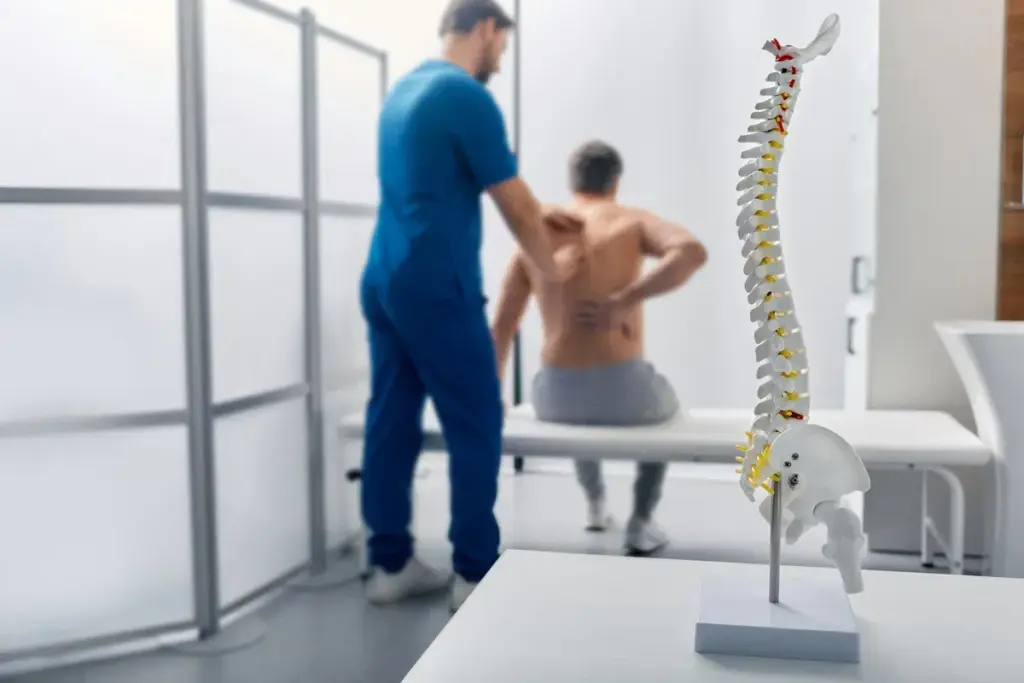
Spine degeneration affects millions worldwide, causing significant discomfort and impacting daily life. Recent studies indicate it’s a leading cause of disability in many countries, highlighting the need for support and understanding.
We understand the complexities of spine degeneration and its effects on individuals. It impacts the skeletal system, leading to chronic back pain and reduced mobility. This significantly affects quality of life.
Key Takeaways
- Spine degeneration is a widespread condition with significant global impact.
- It is recognized as a leading cause of disability worldwide.
- The condition affects the skeletal system, leading to chronic back pain.
- Comprehensive support and understanding are key for those affected.
- Spine degeneration can significantly impact daily life and mobility.
What Constitutes Spine Degeneration
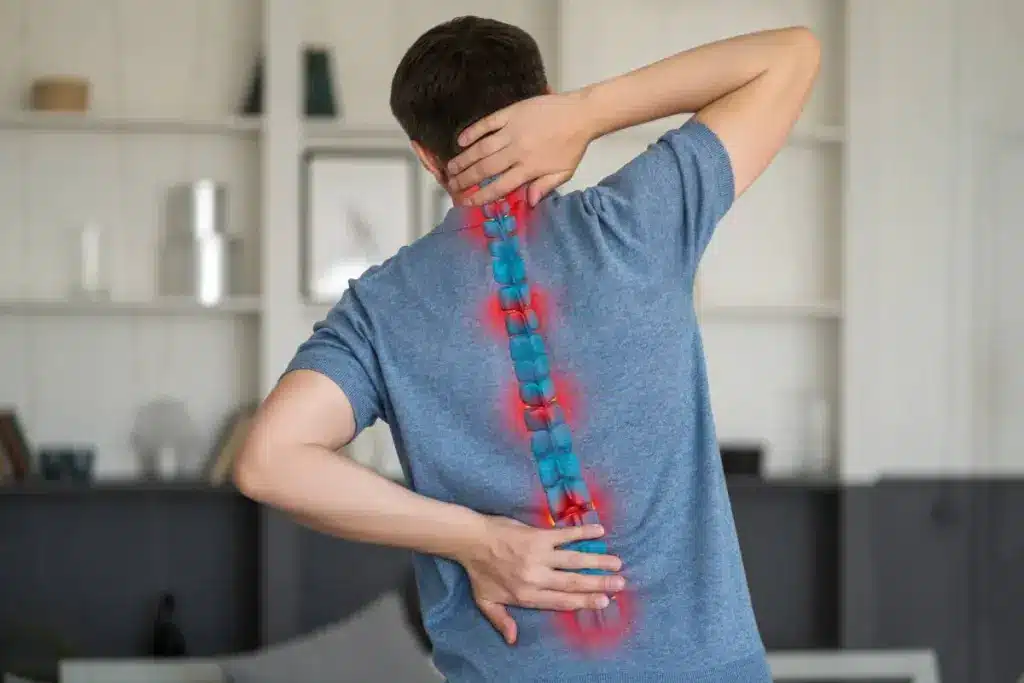
Spine degeneration is a broad term that covers many conditions affecting the vertebrae and muscles. It can greatly reduce a person’s quality of life.
Medical Definition and Classification
Spine degeneration is when the spine’s structure and function slowly get worse. This can cause problems like degenerative disc disease and spinal stenosis. Doctors group spine degeneration based on how severe it is and which parts of the spine are affected.
Degenerative changes can happen in different spine areas, like the neck, upper back, and lower back. Doctors look at disc degeneration, facet joint arthritis, and other changes to classify it.
Prevalence in the United States
In the United States, spine degeneration is common, mainly among older adults. Research shows it gets more common with age, hitting a big part of people over 50.
The exact number of people with spine degeneration varies by condition and study. But, it’s thought that millions of Americans deal with some form of it.
|
Condition |
Prevalence |
Common Age of Onset |
|---|---|---|
|
Degenerative Disc Disease |
Common among adults over 40 |
40-60 years |
|
Spinal Stenosis |
Affects approximately 250,000 adults in the US |
50-70 years |
|
Facet Joint Arthritis |
Prevalent among older adults |
60+ years |
Knowing how common and classified spine degeneration is helps doctors create better treatment plans. This improves how well patients do.
The Anatomy of the Spine and Degenerative Processes
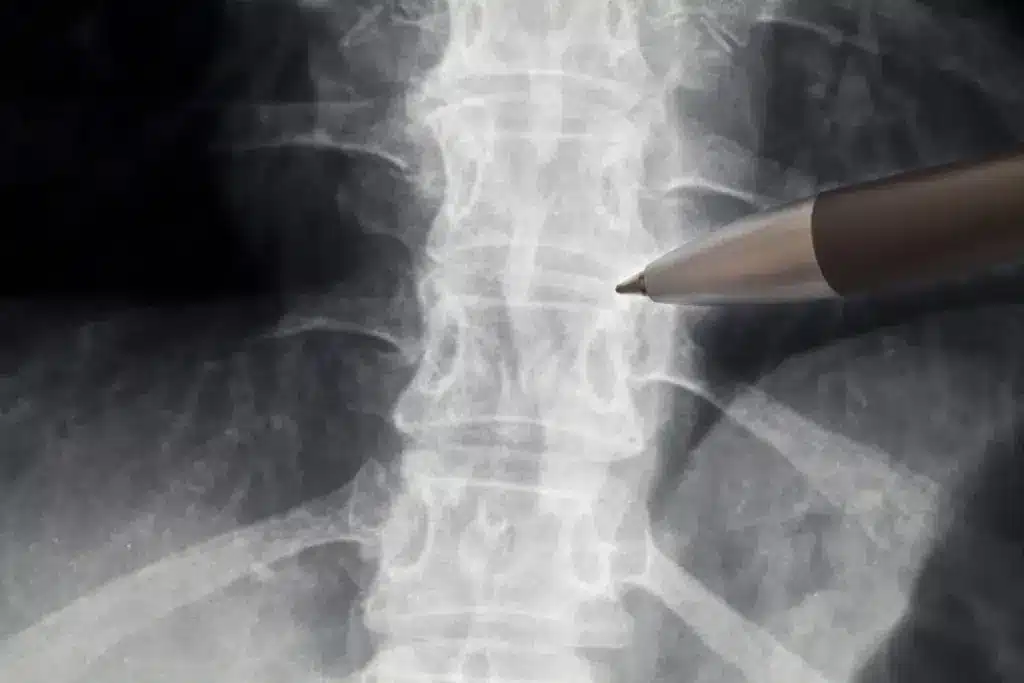
Knowing how the spine works is key to understanding degenerative changes. The spine, or vertebral column, is made up of vertebrae, discs, and ligaments. These parts work together to support, flex, and protect the body.
Structure and Function of Vertebrae
The spine has 33 vertebrae, divided into five sections: cervical, thoracic, lumbar, sacrum, and coccyx. Each section has a special role. The cervical spine helps with upper body movement and supports the head.
Key components of vertebrae include:
- The vertebral body, which bears the majority of the load.
- The vertebral arch, which forms the posterior wall of the spinal canal.
- Spinous and transverse processes, which serve as attachment points for muscles and ligaments.
The Cervical Spine and Upper Body Mobility
The cervical spine, with seven vertebrae, is vital for upper body movement. It lets us turn our head and nod. It supports the head and allows for a wide range of motion.
The cervical spine’s structure allows for:
- Flexion and extension movements.
- Rotation and lateral bending.
- Support for the head and neck.
How Degeneration Affects the Skeletal System
Degenerative changes in the spine can harm the skeletal system. This can lead to conditions like degenerative disc disease and osteoarthritis. These issues can cause reduced mobility, chronic pain, and a lower quality of life.
|
Degenerative Change |
Effect on Skeletal System |
|---|---|
|
Disc Degeneration |
Loss of disc height, reduced mobility |
|
Osteoarthritis |
Joint pain, stiffness, and inflammation |
|
Spondylolisthesis |
Vertebral misalignment, nerve compression |
Understanding these degenerative processes is key to finding effective treatments. This knowledge helps improve patient outcomes.
Common Types of Spinal Degenerative Conditions
Spinal degeneration includes many conditions that harm the spine’s structure and function. These issues can cause a lot of back pain and make daily tasks hard. We’ll look at the most common spinal degenerative conditions and how they affect the spine.
Degenerative Disc Disease
Degenerative disc disease happens when the discs between vertebrae lose height and flexibility. This leads to pain and less mobility. It’s a natural aging process but can speed up due to injury or repetitive strain.
Symptoms include long-term back pain, stiffness, and less flexibility. Sometimes, it can cause herniated discs, which press on nerves and cause pain that spreads.
Spinal Stenosis
Spinal stenosis is when the spinal canal narrows, putting pressure on the spinal cord and nerves. It often comes from degenerative changes like disc bulging and facet joint growth.
Symptoms include pain, numbness, and weakness in the back, legs, or arms. In severe cases, it can make daily activities very hard.
Anterolisthesis and Spondylolisthesis
Anterolisthesis and spondylolisthesis are when a vertebra slips out of place, possibly pressing on nerves. Anterolisthesis is when a vertebra slides forward onto the one below it. Spondylolisthesis involves a defect in the pars interarticularis.
Symptoms include lower back pain, stiffness, and nerve symptoms like numbness or tingling in the legs.
“Spondylolisthesis is often linked to degenerative changes, and its severity can vary, impacting symptoms and disability.”
Facet Joint Arthritis
Facet joint arthritis is when the facet joints, which connect vertebrae, get inflamed and degenerate. This condition causes pain and stiffness, mainly in the neck or lower back.
Symptoms include pain, stiffness, and less mobility in the affected area. It can also cause pain in other areas, like the buttocks or thighs.
Knowing about these common spinal degenerative conditions is key to managing and treating them. Each condition has its own symptoms and needs a detailed diagnosis to find the right treatment.
Symptoms and Clinical Manifestations
Spine degeneration can cause many symptoms that make life hard. As it gets worse, people may feel pain, numbness, and weakness. These symptoms can really hurt a person’s quality of life.
Chronic Back Pain Patterns
Back pain is a big problem with spine degeneration. The pain can feel like a dull ache or a sharp stab. It can change based on what’s happening in the spine.
Characteristics of chronic back pain in spine degeneration:
- Pain that gets worse with activity and feels better when resting
- Pain that spreads to the buttocks, thighs, or legs
- Pain that gets worse in certain positions or when moving
Nerve Compression Symptoms
Nerve compression is a big symptom of spine degeneration. When nerves get squished or irritated, it can cause numbness, tingling, and weakness in the arms and legs.
Nerve compression symptoms can manifest as:
- Numbness or tingling in the arms or legs
- Muscle weakness that makes daily tasks hard
- Loss of reflexes in the affected areas
Effects on Arm Bones and Hand Bones
Spine degeneration, mainly in the neck, can hurt the arm and hand bones. When nerves get compressed, it can cause pain, numbness, and weakness in the arms and hands.
|
Symptom |
Description |
|---|---|
|
Pain |
Radiating pain from the neck to the arms and hands |
|
Numbness/Tingling |
Sensations of numbness or tingling in the fingers and hands |
|
Weakness |
Muscle weakness affecting grip strength and dexterity |
Impact on Leg Bones and Lower Extremity Function
Changes in the lower back can hurt the leg bones and lower body. Symptoms include pain, numbness, and weakness in the legs. This can make moving and doing daily tasks hard.
Knowing these symptoms is key to diagnosing and treating spine degeneration. We’ll look at how to diagnose and treat it in the next parts.
Diagnostic Approaches for Spine Degeneration
Diagnosing spine degeneration needs a detailed approach. We use advanced imaging and physical checks. This helps us find out how bad the degeneration is and plan the best treatment.
Imaging Technologies
Imaging is key in finding spine degeneration. We use different tools, like:
- Magnetic Resonance Imaging (MRI): MRI shows soft tissues well, like discs and nerves. It spots degenerative changes.
- Computed Tomography (CT) scans: CT scans show bones clearly. They help find degenerative changes like osteophytes.
- X-rays: X-rays check vertebrae alignment and spot degenerative signs, like disc narrowing.
Physical and Neurological Assessments
Physical and neurological checks are also vital. They show how degeneration affects a patient’s function and nerves.
In a physical exam, we look at:
- Range of motion: We check how flexible and mobile a patient is.
- Muscle strength: We test arm and leg muscle strength.
- Reflexes: We check for any nerve problems by testing reflexes.
Neurological tests check how a patient feels and moves. This includes:
- Sensory testing: We check for pain, temperature, and vibration sense.
- Motor function testing: We look at muscle strength, tone, and coordination.
Differential Diagnosis Considerations
When diagnosing, we also think about other possible causes. This includes:
- Infections: Like osteomyelitis or discitis.
- Tumors: Both benign and malignant can affect the spine.
- Inflammatory conditions: Such as ankylosing spondylitis or rheumatoid arthritis.
By using imaging, physical, and neurological tests, we can accurately diagnose spine degeneration. We consider other possible causes too. This helps us create effective treatment plans. Patients may be checked in different positions, like the supine position, to see how they’re doing.
Treatment Modalities for Spine Degeneration
Managing spine degeneration needs a mix of treatments. Each patient is different, so we tailor plans to fit their needs.
Conservative Management Approaches
First, we try non-invasive treatments. This helps ease symptoms and boost function. We suggest:
- Physical therapy to strengthen back muscles and improve flexibility
- Medications such as NSAIDs to reduce pain and inflammation
- Lifestyle changes like losing weight and quitting smoking
- Alternative therapies like acupuncture and chiropractic care
Building strong back muscles is key. They help support the spine, easing pain and improving posture. We recommend exercises like:
- Pelvic tilts
- Bridge exercises
- Planks
Surgical Interventions
If non-invasive methods don’t work, surgery might be needed. Surgery is for severe cases or nerve compression. Procedures include:
- Discectomy to remove a herniated disc
- Spinal fusion to stabilize the spine
- Laminectomy to relieve pressure on the spinal cord
Choosing surgery depends on the patient’s health, degeneration level, and symptoms.
Emerging Treatments and Research
New treatments for spine degeneration are being researched. These include:
- Biologic therapies, such as stem cell injections
- Minimally invasive surgical techniques
- Advanced imaging technologies to improve diagnostic accuracy
We keep up with these advancements. This way, we can offer our patients the latest treatments to enhance their quality of life.
Functional Limitations Caused by Spine Degeneration
Spine degeneration affects more than just the spine. It impacts mobility and daily life in big ways. This condition’s effects reach beyond physical health, touching many areas of life.
Impact on Mobility and Daily Activities
Spine degeneration makes simple tasks hard. Bending, lifting, or standing for long times can be tough. People with severe spine degeneration often face:
- Reduced flexibility and range of motion
- Difficulty in maintaining balance
- Chronic pain that worsens with movement
- Weakness in the muscles supporting the spine
This can make daily tasks hard to do without help. It affects independence and overall happiness.
Work-Related Restrictions
Spine degeneration limits work abilities. Common restrictions include:
- Lifting heavy objects or performing tasks that involve bending
- Standing or sitting for long periods
- Doing activities that need repetitive spine movements
These limits might require work changes or early retirement.
Effects on Quality of Life
Spine degeneration’s effects on mobility, daily tasks, and work can lower quality of life. Chronic pain and limited mobility can cause:
- Social isolation from not being able to join in activities
- Mental health issues like depression and anxiety
- Less happiness with life
Healthcare providers stress the need for a full approach to manage spine degeneration. This includes treating physical symptoms and the broader life impacts.
“The impact of spine degeneration on daily life is multifaceted, requiring a holistic treatment plan that considers the individual’s physical, emotional, and social needs.”
— Expert in Physical Medicine
Understanding spine degeneration’s effects helps us support people. We aim to help them keep a good quality of life despite this condition.
Legal Framework: When Is Spine Degeneration Considered a Disability?
Figuring out if spine degeneration is a disability involves complex rules. It’s not just about the medical diagnosis. It also looks at how the condition impacts daily life and work tasks.
Americans with Disabilities Act Criteria
The Americans with Disabilities Act (ADA) sets the rules for disability. It says someone has a disability if they have a physical or mental issue that limits major life activities. For spine degeneration, this could mean trouble with moving, lifting, or doing daily tasks.
Social Security Administration Standards
The Social Security Administration (SSA) has its own rules for deciding if someone is disabled. They use these rules for Social Security Disability Insurance (SSDI) and Supplemental Security Income (SSI). The SSA checks if you can do substantial work and how well you can function.
Medical-Legal Considerations
Medical and legal aspects are key in deciding if spine degeneration is a disability. They look at medical records, tests, and sometimes expert opinions. It’s about how severe the condition is and how it affects your daily life.
Dealing with spine degeneration and legal issues can be tough. Knowing the ADA and SSA rules helps prepare for disability benefits.
Qualifying for Disability Benefits with Spine Degeneration
Getting disability benefits for spine degeneration takes several steps and detailed records. People must show that their condition makes it hard to work. This is a complex process.
Required Medical Documentation
Having the right medical records is key to a successful claim. This includes detailed medical history, test results, and doctor’s statements. These records should show how bad the spine degeneration is, its effect on movement, and any other health issues.
A complete medical history is important. It should include:
- Details about symptoms and how long they last
- Results from tests like MRI or CT scans
- Notes on treatments and if they worked
- Any side effects from medicines
Functional Capacity Evaluations
Functional capacity evaluations (FCEs) check if someone can do work tasks. These tests are important to see how spine degeneration affects work ability.
FCEs look at:
|
Category |
Description |
Assessment Criteria |
|---|---|---|
|
Physical Ability |
Lifting, carrying, standing, and walking skills |
How much weight can be lifted, distance walked, time standing |
|
Postural Tasks |
Ability to bend, stoop, crouch, and climb |
How often and for how long can these postures be maintained |
|
Functional Tasks |
Doing daily tasks and job-specific duties |
How well and accurately tasks are done |
Vocational Considerations
Vocational considerations are important in deciding disability. The Social Security Administration (SSA) looks at if someone can do their old job or any other job in the country.
“The SSA looks at age, education, work history, and how well someone can work to decide if they can adapt to a job.” – SSA Guidelines
Common Reasons for Claim Denials
Knowing why claims are denied can help make a stronger case. Reasons include:
- Not enough medical proof
- Medical records that don’t match up
- Not following doctor’s advice
- Not showing clear work limitations
By fixing these issues, people can increase their chances of winning a disability claim.
Root Insurance Coverage for Spine Degeneration Disability
Root insurance helps those with spine degeneration disabilities a lot. It’s key to know the details of insurance coverage when dealing with spine degeneration.
Policy Provisions for Degenerative Spine Conditions
Root Insurance has special rules for spine conditions. It’s important to check your policy to see what’s covered and what’s not.
“Insurance policies differ a lot in covering spine conditions,” says an insurance expert. “Knowing the details is key to getting the right support.”
Claim Filing Process and Requirements
To file a claim for spine degeneration with Root Insurance, we need to prepare well. We must collect detailed medical records, like diagnoses and treatment plans.
- Fill out claim forms carefully and fully.
- Include all needed medical records.
- Follow the insurance provider’s claim submission rules.
Having all info right and complete makes the claim process smoother.
Appeals Process for Denied Claims
If a claim is turned down, we can appeal. First, we need to know why it was denied, which the insurance company should tell us.
“The appeals process is key to getting the benefits you deserve,” says a legal expert on insurance claims. “It takes patience and persistence.”
The appeals process means adding more info, clearing up any confusion, and sometimes going to an appeals board. Getting professional help is very helpful during this time.
Workplace Accommodations for Spine Degeneration
Workplace accommodations can greatly improve the daily work life of those with spine degeneration. These changes are not just helpful; they are often essential. They ensure that employees can keep working effectively.
Ergonomic Modifications
Ergonomic modifications are key in workplace accommodations. They adjust the workspace to meet individual needs, easing spine strain. Examples include:
- Adjustable chairs and desks
- Monitor stands to reduce neck strain
- Keyboard trays to promote proper typing posture
Ergonomic assessments help find the best modifications for each employee.
Flexible Work Arrangements
Flexible work arrangements also help those with spine degeneration. They allow for changes in work schedules or environments to meet individual needs.
|
Flexible Arrangement |
Benefit |
|---|---|
|
Telecommuting |
Reduces commuting strain and allows for a comfortable home workspace |
|
Flexible Hours |
Allows employees to work during periods of least discomfort |
|
Job Sharing |
Reduces the number of hours an individual must work, sharing responsibilities |
Assistive Technologies
Assistive technologies are vital for supporting employees with spine degeneration. These include:
- Voice recognition software to reduce typing
- Automated tools to minimize manual handling
- Adaptive keyboards and mice designed for comfort
Legal Rights to Reasonable Accommodation
The Americans with Disabilities Act (ADA) gives employees with spine degeneration the right to reasonable accommodations. These must not be too hard for the employer. Employers must provide accommodations that work well and are possible.
By making these workplace changes, employers can help employees with spine degeneration. This improves their productivity and job happiness. It’s a win-win for both the employee and the company.
Living with Spine Degeneration
Managing spine degeneration needs a mix of strategies to keep life quality high. As the condition worsens, people must change their daily habits. This helps lessen pain and slows down the degeneration.
Adaptive Techniques for Daily Activities
Adapting daily tasks is key for those with spine degeneration. Simple steps like keeping good posture and stretching often can help a lot. Using ergonomic furniture also reduces spine strain.
For example, a back support can keep the lower back in its natural shape. This is important when sitting or standing.
Also, breaking big tasks into smaller ones helps. Using tools like grabbers or reachers can ease the strain on the spine.
Spine Specialist
Strengthening the Muscular System to Support the Spine
Building muscle around the spine is critical. Gentle exercises like yoga or physical therapy can boost flexibility and strength. Focus on the core muscles to support the spine better.
- Regular exercise, like walking or swimming, boosts fitness.
- Strength training, focusing on the core, builds muscle.
- Good posture reduces spine strain.
Optimal Positions Including Supine Position
Keeping the right positions is key to comfort and preventing degeneration. The supine position, or lying on the back, is often advised. It helps ease spine pressure.
When sleeping, a supportive mattress and pillows keep the spine aligned. This is important for comfort and health.
|
Position |
Benefits |
Precautions |
|---|---|---|
|
Supine |
Reduces pressure on the spine, promotes relaxation |
Avoid using too many pillows under the knees |
|
Lying on the side |
Can help reduce pressure on the spine |
Use a pillow between the knees to maintain alignment |
|
Standing |
Maintains natural posture |
Avoid standing for long periods, take regular breaks |
Managing Cauda Equina and Severe Complications
Cauda equina syndrome is a serious issue that needs quick medical help. It causes severe back pain, numbness in the legs, and problems with bladder or bowel control. Quick treatment, often surgery, is needed to avoid lasting damage.
Managing spine degeneration well means making lifestyle changes, getting medical help, and using adaptive techniques. Understanding the condition and using these strategies can help people live active and meaningful lives despite the challenges.
Case Studies: Successful Disability Claims for Spine Degeneration
Case studies help us see what makes disability claims for spine degeneration successful. They show us the importance of detailed medical records. These examples are real and give us a deeper look into these complex cases.
Documented Severe Cases
Many case studies show how important it is to document severe spine degeneration. For example, a 45-year-old construction worker with advanced degenerative disc disease got disability benefits. He had to submit lots of medical records, like MRI scans and doctor statements.
Another case was about a patient with spinal stenosis. They got disability and stopped doing work that made their condition worse. These stories highlight the need for:
- Comprehensive medical documentation
- Detailed physician statements
- Evidence of functional limitations
Combination with Other Conditions
Spine degeneration often happens with other health problems, making claims harder. A case study showed a patient with spine degeneration and fibromyalgia. The two conditions together really affected their ability to work and live daily.
Medical Expert
For successful claims, it’s important to look at all health issues together.
Lessons from Approved Claims
Looking at approved claims for spine degeneration, we find some key factors:
- Thorough and consistent medical documentation
- Clear evidence of functional limitations
- Effective legal representation
Understanding these points can help people with spine degeneration. It can make their disability claims process better and increase their chances of success.
Conclusion
Spine degeneration is a complex condition that affects a person’s quality of life and work ability. It’s important to know its causes, symptoms, diagnosis, and treatment options. This knowledge helps in managing the condition and dealing with disability claims. We’ve looked at the different parts of spine degeneration. This includes its medical definition, how common it is, and the impact it has on daily life. Knowing these details helps people navigate the process of getting disability benefits and managing their condition. Managing spine degeneration well requires a complete approach. This includes non-surgical treatments, surgery, and making work adjustments. Understanding the condition and its effects is essential for getting the right support and benefits.
FAQ
What is spine degeneration, and how does it affect the body?
Spine degeneration is when the spine wears out. It affects the vertebrae, discs, and muscles. This can cause long-term back pain, nerve problems, and less mobility. It can make daily tasks harder and lower your quality of life.
Is spine degeneration considered a disability under the Americans with Disabilities Act?
Spine degeneration might be seen as a disability if it really limits your life. For example, if it makes it hard to walk, stand, or lift. Each case is looked at differently.
What are the common symptoms of spine degeneration?
Symptoms include long-term back pain and stiffness. You might also feel numbness or tingling in your arms or legs. This can make it hard to move your hands or legs.
How is spine degeneration diagnosed?
Doctors use your medical history, physical checks, and scans like X-rays or MRI. They need to make sure it’s not something else.
What treatment options are available for spine degeneration?
Treatments range from physical therapy and pain management to surgery. New research looks into regrowing tissue and less invasive methods.
Can strengthening back muscles help manage spine degeneration?
Yes, strong back muscles can help support your spine. This can reduce pain and improve how you move. Physical therapy and exercises are often suggested.
How does spine degeneration impact work capabilities?
It can make work hard, like lifting or standing for a long time. You might need changes at work, like better chairs or tools.
What is the process for qualifying for disability benefits with spine degeneration?
To get disability benefits, you need detailed medical records and tests. The Social Security Administration has rules to follow.
How can individuals with spine degeneration manage their condition in daily life?
Use techniques like staying in the right position and using tools to help. Keeping your muscles strong and managing nerve problems is also key.
What are the common reasons for disability claim denials?
Claims are often denied for lack of medical proof or not showing how it affects your job. It’s important to show how it limits you.
Can spine degeneration be considered a disability if it co-exists with other medical conditions?
Yes, if you have spine degeneration and other health issues, it might be seen as a disability. It depends on how much it limits your life.
References
National Center for Biotechnology Information. Evidence-Based Medical Insight. Retrieved from https://pmc.ncbi.nlm.nih.gov/articles/PMC7940625/

























