
Rosuvastatin is a strong medicine that helps lower bad cholesterol (LDL) and triglycerides. It also raises good cholesterol (HDL). As a statin, it’s key in managing cholesterol levels. But, rosuvastatin can have side effects that both patients and doctors need to know about. Learn the 9 important rosuvastatin side effects you need to know. Understand the difference between common muscle pain and rare reactions.
Recent studies have found serious side effects of rosuvastatin. These include muscle pain, liver issues, and changes in kidney function. At Liv Hospital, we think it’s vital to know about both common and rare side effects. This ensures treatment is safe and works well.
Key Takeaways
- Rosuvastatin is used to manage cholesterol levels by lowering LDL and triglycerides.
- Common and rare side effects are associated with rosuvastatin treatment.
- Understanding these side effects is key for safe and effective treatment.
- Recent research has highlighted various adverse reactions, including muscle pain and liver enzyme changes.
- Monitoring and awareness are key to mitigating risks.
Understanding Rosuvastatin: Uses and Mechanism of Action
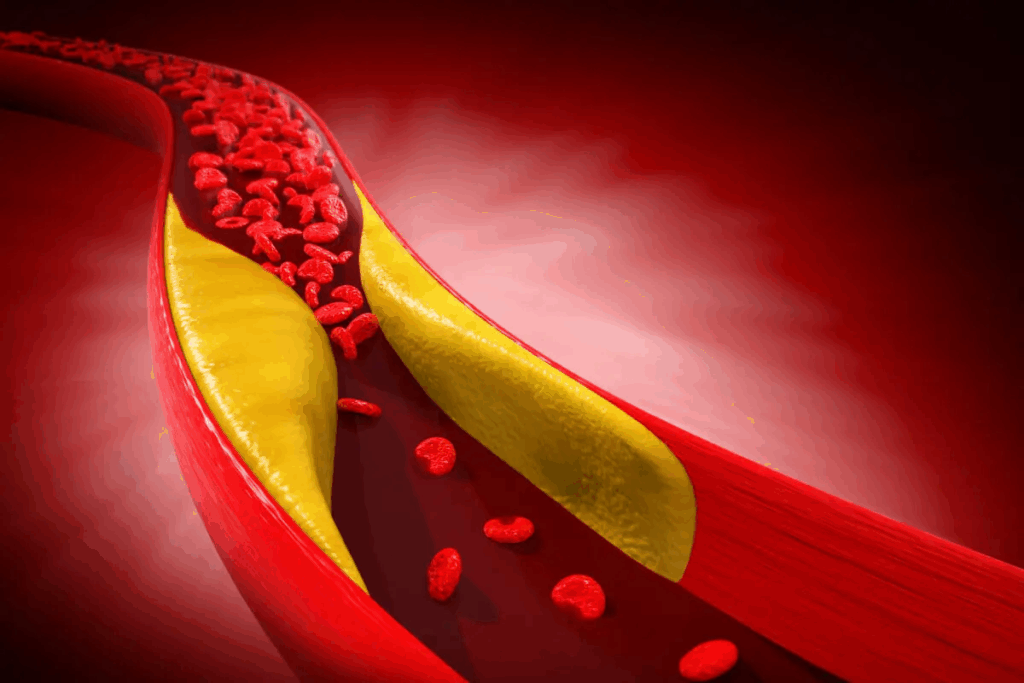
To understand how rosuvastatin works, we need to know what it is and its role in managing cholesterol. Rosuvastatin is a statin medication. It’s used to lower cholesterol levels and prevent heart disease.
What is Rosuvastatin (Crestor and Generic Forms)
Rosuvastatin is known by the brand name Crestor and also comes in generic forms. The generics have the same active ingredient and work just as well as Crestor but might cost less. This makes rosuvastatin more affordable for many people.
How Rosuvastatin Works to Lower Cholesterol
Rosuvastatin blocks the enzyme HMG-CoA reductase in the liver. This enzyme is key in making cholesterol. By stopping this enzyme, rosuvastatin cuts down cholesterol production. This lowers LDL (bad) cholesterol in the blood, helping manage high cholesterol and reduce heart disease risk.
Typical Dosages and Administration
Rosuvastatin comes in 5mg, 10mg, and 20mg tablets. The usual starting dose is 10mg or 20mg a day. Doctors adjust the dose based on how well the patient responds and how they feel. It’s important to take rosuvastatin exactly as directed to get the most benefit and avoid side effects.
Dosage | Common Use |
5mg | Initial dose for patients requiring less intensive statin therapy |
10mg | Standard starting dose for most patients |
20mg | Higher dose for patients requiring more intensive LDL lowering |
Overview of Rosuvastatin Side Effects: Latest Research (2024-2025)
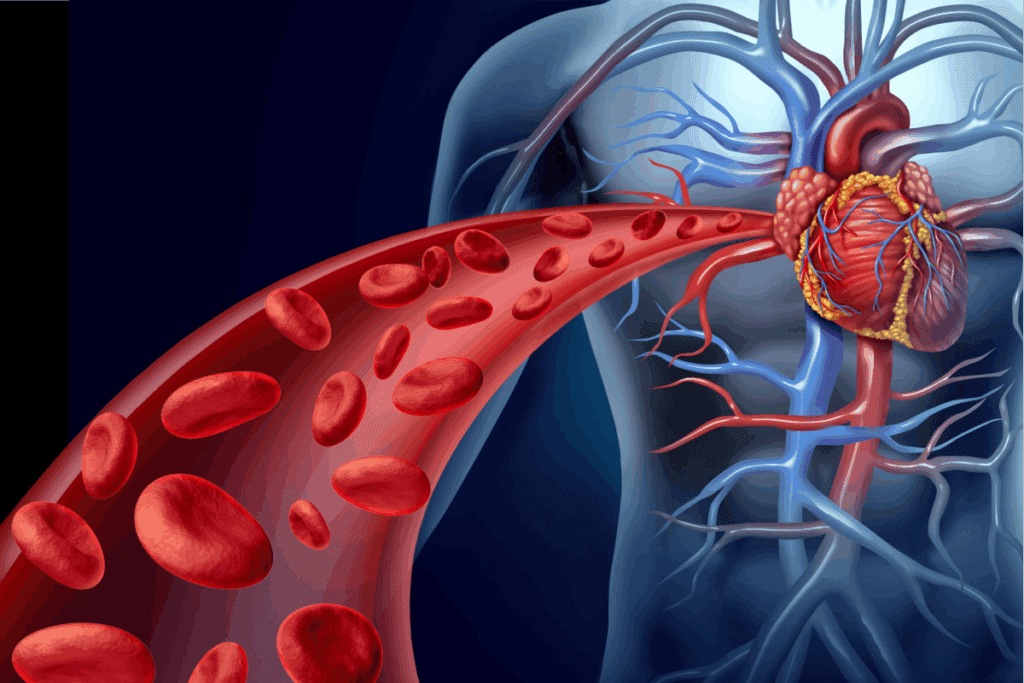
Research on rosuvastatin side effects has been ongoing, with new data in 2024-2025. It’s key to look at how often and how severe these side effects are. We also need to consider FDA reports on adverse events.
Frequency and Severity of Adverse Reactions
Recent studies show rosuvastatin is mostly safe but many patients have side effects. Muscle-related side effects like muscle pain are a big worry. Some studies found more cases than before.
FDA Adverse Event Reports
FDA reports give us a clear view of rosuvastatin’s safety in real life. Muscle side effects are common, showing the need for close patient watch.
Comparing Crestor vs. Generic Rosuvastatin Side Effects
Studies comparing Crestor to generic rosuvastatin found similar side effects. But, some research points to a small difference in side effect rates. This might be due to how they’re made or their ingredients.
As we keep an eye on rosuvastatin’s safety, both brand and generic versions need careful thought. This ensures the best results for patients.
Side Effect #1: Muscle Pain and Weakness
Rosuvastatin, a statin medication, can cause muscle pain and weakness. This side effect, known as myalgia, can be mild or severe. It affects daily life differently for each person.
Myalgia: Symptoms and Prevalence
Myalgia from rosuvastatin shows as muscle pain, tenderness, or weakness. Studies show many patients experience this side effect. Symptoms can be mild or severe, impacting daily activities.
Many clinical studies have looked at myalgia in rosuvastatin users. While exact numbers vary, muscle side effects are a big concern.
Elevated Creatine Phosphokinase Levels
High creatine phosphokinase (CPK) levels are another muscle side effect. CPK is an enzyme in muscle cells. High CPK levels can signal muscle damage.
Checking CPK levels is key for patients on rosuvastatin. Doctors often test blood for CPK levels, even if patients don’t show symptoms.
Risk Factors for Muscle-Related Side Effects
Some factors increase the risk of muscle side effects from rosuvastatin. These include age, gender, dosage, and drug interactions. Knowing these risk factors helps doctors care for patients better.
Risk Factor | Description | Impact on Muscle-Related Side Effects |
Age | Older adults | Increased risk due to decreased muscle mass and renal function |
Dosage | Higher doses of rosuvastatin | Higher risk of muscle-related side effects |
Drug Interactions | Concomitant use of certain medications | Increased risk due to drug interactions |
Understanding muscle pain and weakness helps doctors manage rosuvastatin therapy better. Regular checks and educating patients are key to reducing these side effects.
Side Effect #2: Liver Function Abnormalities
Rosuvastatin is usually safe but can affect liver function. It’s important to watch for any changes. This is because it impacts cholesterol levels, which can affect the liver.
Liver Enzyme Elevations: Frequency and Significance
Rosuvastatin might raise liver enzyme levels, which could mean liver damage. Though rare, this happens in some patients. It’s key to check liver health often to avoid serious issues.
“Statins, including rosuvastatin, have been linked to liver enzyme increases,” a study found. “But how serious these changes are can vary.”
Monitoring Recommendations for Liver Function
It’s important to keep an eye on liver health in patients taking rosuvastatin. Blood tests are used to check liver enzyme levels. Doctors will weigh the benefits against the risks, considering each patient’s health.
When Liver Changes Require Medical Attention
Big increases in liver enzymes or signs of liver damage need quick doctor visits. Patients should know the signs, like jaundice or severe belly pain. If these happen, they should get medical help right away.
Knowing about rosuvastatin’s liver effects and monitoring closely helps doctors keep treatment safe. This way, they can reduce risks and ensure patients are treated well.
Side Effect #3: Kidney-Related Complications
Rosuvastatin is a statin medication used to lower cholesterol. It can cause kidney problems like proteinuria and hematuria. It’s important to know how it affects the kidneys.
Proteinuria and Hematuria: Causes and Detection
Proteinuria and hematuria are kidney issues seen in some rosuvastatin users. Higher doses increase the risk, mainly in those with kidney problems. It’s key to check kidney function regularly.
The exact reasons for these issues in rosuvastatin users are unclear. But, it’s thought the drug might harm the kidneys in some. Doctors use urinalysis to find protein or blood in the urine.
Is Rosuvastatin Bad for Kidneys? Research Findings
Studies on rosuvastatin and kidney function show mixed results. Some say it protects the kidneys, while others worry it might harm them. A 2024 study found rosuvastatin slightly raises the risk of kidney problems.
It’s important to consider rosuvastatin’s benefits against its risks to the kidneys. Those with kidney disease should be watched closely while taking it.
Does Rosuvastatin Make You Pee More? Urinary Changes
Some people taking rosuvastatin pee more often. The exact reason is not known, but it might affect kidney function or urine production. Anyone with urinary changes should talk to their doctor.
To summarize, here are the main points about rosuvastatin and kidney function:
- Higher doses of rosuvastatin may increase the risk of proteinuria and hematuria.
- Regular monitoring of kidney function is key for rosuvastatin users.
- Those with pre-existing kidney disease need close monitoring.
Side Effect #4: Gastrointestinal Disturbances
Rosuvastatin is usually well-tolerated but can cause stomach issues in some people. These problems can affect how well a patient sticks to their treatment plan.
Common Digestive System Reactions
Side effects like nausea, abdominal pain, and constipation are common with rosuvastatin. How often and how bad these symptoms are can vary from person to person.
Managing GI Discomfort from Rosuvastatin
One way to ease stomach discomfort is to take rosuvastatin with food. This can help lessen nausea and stomach pain. Eating a balanced diet and drinking plenty of water can also help reduce these side effects.
Timing of Medication to Reduce GI Side Effects
When you take rosuvastatin might also help lessen stomach problems. Taking it in the evening can be beneficial. It helps avoid peak drug levels during the day when you’re more likely to eat.
One patient found that taking rosuvastatin with dinner greatly reduced their nausea. Using these strategies can help manage stomach side effects effectively.
Side Effect #5: Neurological and Cognitive Effects
Rosuvastatin is usually well-tolerated but can cause neurological side effects. These include memory changes and headaches in some people. We will look into these effects to understand their impact.
Memory Changes and Cognitive Function
Some people taking rosuvastatin have noticed memory changes and cognitive impairment. Studies are being done to understand the connection between statins and cognitive effects. A study in the Journal of Clinical Lipidology found that some patients experienced cognitive issues that went away when they stopped taking the drug.
Headaches and Other Neurological Symptoms
Headaches are another side effect reported by some users of rosuvastatin. Other symptoms include dizziness and confusion. It’s important for patients to talk to their healthcare provider about any new or worsening symptoms.
Research on Statin-Associated Cognitive Impairment
Research on statin-associated cognitive impairment is ongoing. The FDA has looked into reports of cognitive side effects, like memory loss and confusion, linked to statins. While a direct cause hasn’t been found, patients should be aware of these possible effects.
Neurological Symptom | Frequency | Clinical Significance |
Memory Changes | Rare | Reversible upon discontinuation |
Headaches | Uncommon | May require medical evaluation |
Cognitive Impairment | Rare | Resolves with cessation of therapy |
Side Effect #6: Respiratory Issues and Coughing
The link between rosuvastatin and respiratory side effects, like coughing, is being studied. Rosuvastatin is mainly used to lower cholesterol. But its effects on the lungs are not as well-known.
Does Rosuvastatin Cause Coughing? Evidence Review
There’s not much direct proof that rosuvastatin causes coughing. Yet, some studies have found respiratory side effects from statins. A detailed look at clinical trials and reports is needed to see if rosuvastatin might cause coughing.
Distinguishing Rosuvastatin-Induced Cough from Other Causes
Telling if a cough is from rosuvastatin or something else is hard. Many things can cause a cough, like infections, allergies, or the environment. A doctor needs to check carefully to find out why someone taking rosuvastatin is coughing.
Cause of Cough | Characteristics | Diagnostic Approach |
Rosuvastatin-induced | Onset after starting rosuvastatin, no other clear cause | Exclude other causes, assess temporal relationship |
Respiratory Infection | Fever, sputum production, other symptoms | Clinical evaluation, possibly chest X-ray |
Allergic | Seasonal or environmental correlation | Allergy testing, environmental assessment |
Side Effect #7: Skin Reactions and Allergic Responses
Some people taking rosuvastatin may get skin reactions. These can be mild or severe. In rare cases, they can be very serious.
Rosuvastatin Skin Rash: Appearance and Treatment
A rosuvastatin skin rash looks like a red, itchy, or blistering spot on the skin. If you get a rash, see your doctor right away. They might stop the medicine or give you something else to help.
Severe Allergic Reactions: Warning Signs
Rarely, rosuvastatin can cause severe allergic reactions like anaphylaxis. Look out for signs like trouble breathing, a fast heartbeat, swelling, and feeling very dizzy. If you see these, get help fast.
Side Effect #8: Diabetes and Blood Sugar Effects
Research shows that rosuvastatin might change how the body handles sugar. This is important for people with diabetes to watch closely. Rosuvastatin, a statin, can affect many body processes, including blood sugar levels.
Impact on Glucose Metabolism
Studies indicate rosuvastatin can change how the body uses sugar. The exact reasons are not clear. It’s thought that statins like rosuvastatin might make it harder for insulin to work, which can affect blood sugar. Diabetic patients should be aware of these effects to manage their condition well.
Monitoring Recommendations for Diabetic Patients
Diabetic patients on rosuvastatin need to check their blood sugar often. It’s important for them to work with their doctor to adjust their diabetes care plan. A study suggests, “It’s key to keep an eye on blood sugar levels in diabetic patients taking statins like rosuvastatin.”
Side Effect #9: Rhabdomyolysis and Other Rare Serious Reactions
Rosuvastatin can cause serious side effects, like rhabdomyolysis and other life-threatening reactions. Rhabdomyolysis is when muscle tissue breaks down. This can harm the kidneys and cause other problems.
Recognizing Symptoms of Rhabdomyolysis
Symptoms of rhabdomyolysis include severe muscle pain, weakness, and dark urine. If you’re taking rosuvastatin, watch for these signs. Seek medical help right away if you notice them.
Other Life-Threatening Side Effects
Rosuvastatin can also cause severe allergic reactions and liver damage. It’s important to watch for these signs regularly. This helps catch problems early.
Emergency Response to Severe Reactions
If you have symptoms of rhabdomyolysis or other serious side effects, get emergency help. This might mean stopping rosuvastatin and getting care to manage symptoms. It helps prevent more harm.
Symptom | Description | Action |
Severe Muscle Pain | Muscle pain that is unusually severe or persistent | Seek immediate medical attention |
Dark Urine | Urine that is dark or tea-colored | Seek immediate medical attention |
Weakness | Unusual or persistent muscle weakness | Seek immediate medical attention |
As noted by the FDA,
“Rhabdomyolysis is a serious syndrome due to direct or indirect muscle injury. It results from the death of muscle fibers and release of their contents into the bloodstream.”
Patients should be aware of this risk. Watch for any signs of muscle damage.
Dosage-Specific Side Effects: 5mg, 10mg, and 20mg Comparisons
Different doses of rosuvastatin, like 5mg, 10mg, and 20mg, have unique side effects. Doctors need to know these differences. It helps them find the right balance between treating the condition and avoiding side effects.
Rosuvastatin Calcium 5mg Side Effects
The 5mg dose is for those needing a smaller amount. This could be because of age, kidney issues, or other health reasons. At this level, you might feel mild muscle pain and stomach problems. This dose usually has fewer serious side effects than higher ones.
Side Effects of Rosuvastatin 10mg Tablet (Rosuvas 10mg)
The 10mg dose is often the first choice for many. At this amount, you might see liver enzyme levels go up. Some people also get headaches or feeling tired. It’s important to check liver health when starting this treatment.
Rosuvastatin 20mg Side Effects and Risk Factors
The 20mg dose is for those needing stronger treatment. This dose can lead to more muscle problems, like muscle pain and, very rarely, muscle damage. It’s key to watch closely and teach patients about these risks.
Balancing Efficacy and Side Effects When Choosing Dosage
Choosing the right rosuvastatin dose is a careful decision. Doctors must consider how well it works against the chance of side effects. Things like age, other health issues, and medicines taken together are important in making this choice.
Dosage | Common Side Effects | Risk Factors |
5mg | Mild muscle pain, GI disturbances | Age, renal impairment |
10mg | Headaches, fatigue, liver enzyme elevation | Liver disease, concomitant medications |
20mg | Muscle-related side effects, rhabdomyolysis | High-risk patients, concomitant use of certain medications |
Conclusion: Weighing Benefits Against Risks of Rosuvastatin Therapy
Rosuvastatin is a common drug for lowering bad cholesterol and heart risk. It works well in preventing heart problems but can cause side effects in some. We talked about common and rare side effects like muscle pain, liver issues, and kidney problems.
To get the most from rosuvastatin, weighing its good points against the bad is key. This means picking the right patients, watching for side effects, and changing doses if needed. Knowing the risks and benefits helps doctors make better choices for their patients.
Choosing to use rosuvastatin should be a personal decision for each patient. It depends on their health history, risk factors, and what they hope to achieve. By carefully considering both sides, we can make treatment better and healthier for everyone.
FAQ
What are the common side effects of rosuvastatin?
Common side effects include muscle pain and weakness. Liver function issues and stomach problems are also common. Some people may also experience headaches and memory changes.
Does rosuvastatin cause coughing?
There’s not much direct evidence that rosuvastatin causes coughing. But, some people might have breathing problems. It’s important to figure out if the cough is from rosuvastatin or something else.
Is rosuvastatin bad for kidneys?
Studies show mixed results on rosuvastatin’s effect on kidneys. Some studies found it might cause protein and blood in urine. But, more research is needed to understand its impact.
What are the side effects of rosuvastatin 10mg tablet?
Side effects of the 10mg tablet are similar to other doses. These include muscle pain, liver issues, and stomach problems. How often and how severe these side effects are can vary.
How does rosuvastatin affect blood sugar levels?
Rosuvastatin can affect how the body handles sugar. People with diabetes should watch their blood sugar closely while taking rosuvastatin.
What are the symptoms of rhabdomyolysis, a rare but serious side effect of rosuvastatin?
Rhabdomyolysis symptoms are severe muscle pain, weakness, and dark urine. If you have these, get medical help right away.
Can rosuvastatin cause skin rash or allergic reactions?
Yes, some people may get a skin rash or allergic reactions from rosuvastatin. Severe reactions need immediate doctor’s care.
How can I manage gastrointestinal discomfort from rosuvastatin?
To ease stomach discomfort, take rosuvastatin with food. Avoid big meals and eat a balanced diet.
What are the differences in side effects between Crestor and generic rosuvastatin?
Crestor and generic rosuvastatin have similar side effects because they both have rosuvastatin. But, reactions can differ from person to person.
How do I balance efficacy and side effects when choosing a rosuvastatin dosage?
Talk to your doctor to find the right dosage. They’ll consider your needs and medical history to balance benefits and side effects.
References
National Center for Biotechnology Information. Evidence-Based Medical Guidance. Retrieved from https://pubmed.ncbi.nlm.nih.gov/20104931/
National Center for Biotechnology Information. Evidence-Based Medical Guidance. Retrieved from https://pubmed.ncbi.nlm.nih.gov/20104931/



 Departments
 Related Videos
 Our Doctors
 News
News