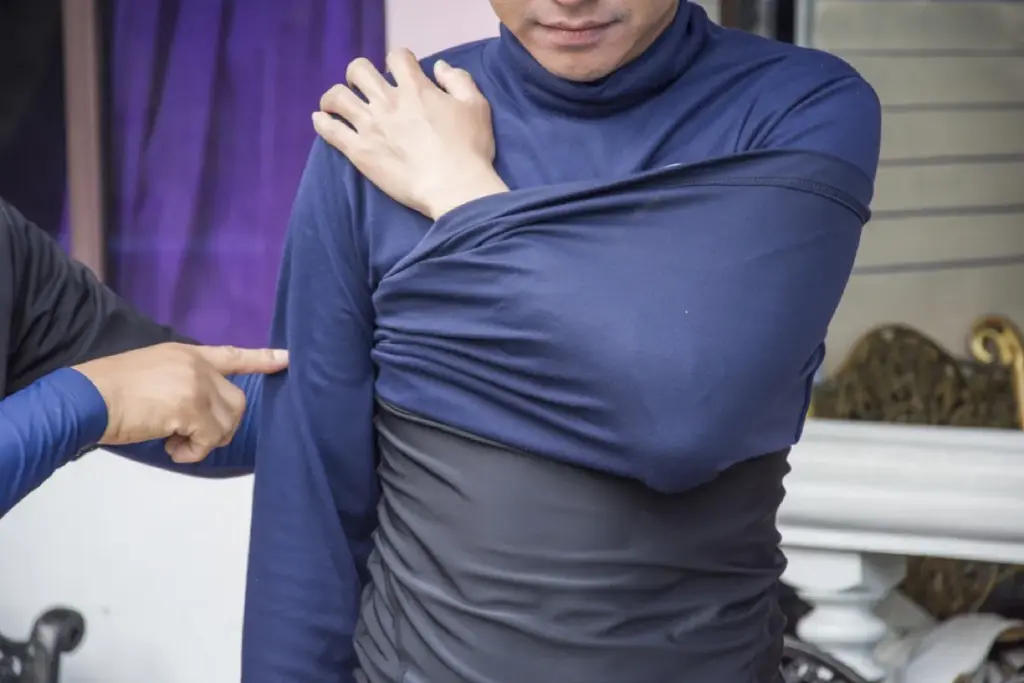
Every year, about 2 million people in the U.S. get help for torn rotator cuff injuries. This shows how common and serious this problem is. Shoulder injuries can really hurt, affecting athletes and everyday people alike.
Rotator cuff repair is a surgery to fix the muscles and tendons around the shoulder. This area is key for moving and keeping the shoulder stable. When it’s hurt, it can really change how you live.
Our goal is to help you understand rotator cuff surgery and the benefits it can provide. We’ll explain what happens during the surgery and what you can expect. Our hope is to help you make good choices about your health.
Key Takeaways
- Rotator cuff injuries are common and can significantly impact daily life.
- The rotator cuff is a complex structure critical for shoulder mobility and stability.
- Rotator cuff repair surgery aims to restore the integrity of the shoulder joint.
- Understanding the procedure can help individuals make informed healthcare decisions.
- Rotator cuff repair can greatly improve life for those with severe injuries.
Understanding the Rotator Cuff Anatomy

To understand rotator cuff injuries, we must first know what the rotator cuff is. It’s a group of muscles and tendons around the shoulder. They keep the upper arm bone in the shoulder socket.
The Four Rotator Cuff Muscles
The rotator cuff has four muscles, each with its own role. They help move and stabilize the shoulder.
- Supraspinatus: This muscle helps lift the arm at the start.
- Infraspinatus: It helps rotate the arm outward.
- Teres Minor: This muscle also helps rotate the arm outward and keeps the shoulder stable.
- Subscapularis: The subscapularis muscle is important for rotating the arm inward and keeping the shoulder stable.
Function of the Rotator Cuff in Shoulder Movement
The rotator cuff muscles are vital for shoulder movement and stability. They help with lifting, rotating, and stabilizing the arm. Their work keeps the upper arm bone in the shoulder socket, preventing dislocation and allowing smooth movement.
Common Weak Points in Rotator Cuff Structure
The rotator cuff can get injured easily. The supraspinatus tendon is often strained or injured. This can happen from doing the same overhead movements over and over or from sudden injuries. Over time, the tendons can weaken, making them more likely to tear.
Knowing these weak points helps in preventing and treating rotator cuff injuries.
Common Causes of Rotator Cuff Injuries

Knowing why rotator cuff injuries happen is key to treating them well. These injuries can come from sudden trauma, gradual wear, or repetitive stress. We’ll dive into these causes to understand rotator cuff damage better.
Acute Traumatic Injuries
Acute injuries to the rotator cuff often happen from falls, sports accidents, or direct shoulder impacts. These injuries cause immediate pain and weakness, needing quick medical help. For example, falling onto an outstretched arm can lead to a torn rotator cuff.
Degenerative Tears
Degenerative tears in the rotator cuff happen with age and wear. As we get older, our rotator cuff tendons weaken and tear more easily. This is common in older adults and can get worse with repetitive strain and other factors.
Repetitive Stress Injuries
Repetitive stress injuries happen from repeated motions or actions that strain the rotator cuff tendons. This is common in people who do overhead tasks or play sports that involve throwing or repetitive arm movements. Over time, these stresses can cause inflammation and damage to the rotator cuff.
Risk Factors for Rotator Cuff Damage
Several factors can increase the chance of rotator cuff damage. These include age, job, sports, and past injuries. Knowing these risk factors helps prevent injuries and makes treatment decisions easier.
|
Cause/Risk Factor |
Description |
Commonly Affected Groups |
|---|---|---|
|
Acute Traumatic Injuries |
Sudden injuries from falls or accidents |
Athletes, individuals with accidental falls |
|
Degenerative Tears |
Tears due to aging and wear |
Older adults |
|
Repetitive Stress Injuries |
Injuries from repeated motions or strain |
Individuals with overhead jobs, athletes in throwing sports |
|
Age |
Increased risk with older age |
Older adults |
|
Occupation/Sports |
Jobs or sports involving repetitive strain |
Construction workers, athletes in certain sports |
Recognizing Rotator Cuff Tear Symptoms
It’s important to know the signs of a rotator cuff tear to get help quickly. These injuries can really affect your life, making simple tasks hard and taking away your independence.
Pain Patterns and Characteristics
Pain in the shoulder is a big sign of a rotator cuff tear. The pain can feel like a dull ache and get worse with certain movements. It might also bother you more at night, making it hard to sleep.
Look out for these pain signs:
- Pain that spreads down your arm
- Pain that gets worse when you move your arm overhead
- Pain that bothers you at night or when you rest on the affected shoulder
Weakness and Limited Range of Motion
People with rotator cuff tears often feel weak in their shoulder. This weakness makes it hard to lift things or do movements that need shoulder strength. They also might find it tough to move their shoulder as much as usual.
|
Symptom |
Description |
|---|---|
|
Weakness |
Reduced strength in the shoulder, making it difficult to lift or rotate the arm. |
|
Limited Range of Motion |
Decreased ability to move the shoulder through its normal range, affecting daily activities. |
Differences Between Partial and Complete Tears
Knowing the difference between partial and complete rotator cuff tears is key. A partial tear only damages part of the tendon. A complete tear goes all the way through the tendon.
Key differences include:
- The extent of tendon damage
- The severity of symptoms, with complete tears often presenting more significant weakness and pain
- Treatment approaches, with complete tears potentially requiring surgical intervention more frequently than partial tears
When to Seek Medical Attention
Knowing when to see a doctor is important for treating rotator cuff tears. If you have ongoing pain, feel very weak, or notice your shoulder isn’t working right, get help.
Signs you should see a doctor right away include:
- Sudden, severe pain after a fall or injury
- Can’t move your arm or do daily tasks because of pain or weakness
- Big swelling or bruising around your shoulder
Diagnosis of Rotator Cuff Injuries
Diagnosing rotator cuff injuries involves several steps. We use physical exams, imaging studies, and look at other possible causes. This helps us understand how these injuries are found.
Physical Examination Techniques
A detailed physical exam is the first step. We check how well the shoulder moves and its strength. We also do special tests like the Neer and Hawkins-Kennedy tests.
- Range of motion assessment
- Strength testing
- Special tests such as the Neer test and Hawkins-Kennedy test
Imaging Methods
Imaging studies are key in confirming rotator cuff injuries. We use X-rays, MRI, and ultrasound. Each helps in different ways.
- X-ray: To rule out other causes of shoulder pain, such as fractures or arthritis
- MRI: Provides detailed images of soft tissues, including tendons and muscles
- Ultrasound: Useful for assessing tendon integrity and detecting tears
|
Imaging Modality |
Primary Use in Rotator Cuff Diagnosis |
Advantages |
|---|---|---|
|
X-ray |
Ruling out bone-related issues |
Quick, widely available |
|
MRI |
Assessing soft tissue damage |
High detail, thorough assessment |
|
Ultrasound |
Evaluating tendon integrity |
Dynamic assessment, no radiation |
Differential Diagnosis Considerations
When diagnosing rotator cuff injuries, we must think of other shoulder problems. These include adhesive capsulitis, impingement syndrome, and cervical spine disorders. By looking at symptoms and imaging, we can find the right diagnosis and treatment.
Non-Surgical Treatment Options for Rotator Cuff Tears
Many people with rotator cuff tears find relief in non-surgical treatments. These methods aim to lessen pain, boost function, and improve life quality.
Rest and Activity Modification
Resting the shoulder is often the first step. Rest and activity modification are key to avoid further injury and aid healing. This means avoiding heavy lifting and overhead activities that make pain worse.
Physical Therapy Approaches
Physical therapy is essential for treating rotator cuff tears without surgery. A good physical therapy plan can improve shoulder movement, strengthen muscles, and help healing. Our therapists create custom exercise plans that include:
- Range of motion exercises to keep or improve flexibility
- Strengthening exercises for the rotator cuff and scapular stabilizers
- Functional training to improve daily activities
Medication Management
Medicines can help manage pain and swelling from rotator cuff tears. Common medicines include:
|
Medication Type |
Purpose |
|---|---|
|
NSAIDs (e.g., ibuprofen, naproxen) |
Reduce pain and inflammation |
|
Acetaminophen |
Relieve pain |
|
Corticosteroids (oral or injectable) |
Potent anti-inflammatory effects |
Steroid Injections and Other Interventions
In some cases, steroid injections are suggested to cut down inflammation and ease pain. Other treatments might include platelet-rich plasma (PRP) therapy or ultrasound-guided procedures to deliver treatments directly to the affected area.
Combining these non-surgical treatments can lead to significant symptom improvement and better life quality. It’s vital to work with healthcare experts to find the best treatment plan for each person.
When is Rotator Cuff Repair Surgery Necessary?
When non-surgical treatments don’t work, surgery might be needed. Doctors look at how bad the tear is, the patient’s health, and how the injury affects daily life.
Indications for Surgical Intervention
Surgery is often needed for big rotator cuff tears that cause a lot of pain and weakness. These symptoms can make it hard to do everyday things or sleep well. The size and where the tear is, plus muscle loss, help decide if surgery is needed.
Some key reasons for surgery include:
- Large or massive tears that won’t heal with just treatment
- Significant weakness or loss of function in the affected shoulder
- Failure of non-surgical treatments to alleviate symptoms
- Traumatic injuries resulting in acute tears
Factors Affecting Surgical Decisions
Many things affect the decision to have rotator cuff repair surgery. These include the patient’s age, health, how active they are, and what they hope to get from surgery. Surgeons also look at the tear’s size, location, and if it’s a partial or full-thickness tear.
|
Factor |
Description |
Impact on Surgical Decision |
|---|---|---|
|
Age |
Patient’s age and its implications on healing and recovery |
Older patients may have a higher risk of complications, affecting the decision |
|
Tear Size and Location |
The extent and position of the rotator cuff tear |
Larger tears or those in critical areas may necessitate surgery |
|
Activity Level |
The patient’s level of physical activity and its demands on the shoulder |
More active patients may benefit from surgery to restore function |
Timing Considerations for Optimal Outcomes
When to have rotator cuff repair surgery is very important. Early surgery is often best for acute injuries or big tears to prevent more damage. For long-term conditions, the timing depends on how well non-surgical treatments work and the patient’s health.
Optimal timing considerations include:
- Prompt surgery for acute, traumatic tears to maximize the chance of healing
- Careful planning for patients with chronic tears, balancing the risks and benefits of surgery
- Considering the patient’s rehabilitation chances and what they hope to achieve
Healthcare providers carefully look at these factors and signs to decide the best treatment for rotator cuff injuries. This ensures the best results for those having rotator cuff repair surgery.
Types of Rotator Cuff Repair Procedures
It’s important to know about the different rotator cuff repair procedures. This surgery fixes the rotator cuff tendons. These tendons help move and stabilize the shoulder.
Open Repair Technique
Open rotator cuff repair uses a big incision to reach the tendon. This method is straightforward but can lead to a longer recovery because of the big cut.
Mini-Open Repair
Mini-open repair is a smaller version of the open technique. It uses a smaller cut. This method aims for a quicker recovery by causing less damage to the tissue.
Arthroscopic Repair Methods
Arthroscopic rotator cuff repair is a minimally invasive technique. It uses small cuts and a camera to see and fix the tendon. This method causes less damage, less pain, and faster healing.
Tendon Transfer Options for Massive Tears
For very big rotator cuff tears, tendon transfer might be an option. This method moves a healthy tendon from another area to help fix the tear.
Each repair method has its own benefits and risks. The right choice depends on the tear size, location, patient’s age, and how active they are.
|
Repair Technique |
Invasiveness |
Recovery Time |
Indications |
|---|---|---|---|
|
Open Repair |
High |
Longer |
Large or complex tears |
|
Mini-Open Repair |
Moderate |
Moderate |
Moderate-sized tears |
|
Arthroscopic Repair |
Low |
Shorter |
Small to moderate tears |
|
Tendon Transfer |
Varies |
Varies |
Massive or irreparable tears |
Arthroscopic repair is getting more popular because it’s minimally invasive and can lead to quicker healing. But, the best method for each patient depends on their specific situation.
Preparing for Rotator Cuff Surgery
Getting ready for rotator cuff surgery is key to a good recovery. There are steps you can take to make your surgery and healing smoother.
Pre-operative Evaluations and Testing
Before surgery, you’ll have tests to check your health and shoulder. These might include:
- Blood tests to check for any underlying conditions
- Imaging studies such as X-rays or MRI to evaluate the rotator cuff
- A physical examination to assess your shoulder’s range of motion and strength
These tests help your team plan the best rotator cuff repair for you and spot any risks.
Medication Adjustments
Some medicines can affect your surgery or healing. Tell your doctor about all your medicines, like:
- Blood thinners
- Anti-inflammatory drugs
- Supplements
Your doctor might ask you to stop or change some medicines to lower risks during and after surgery.
Home Preparation for Post-Surgery Recovery
Getting your home ready for recovery can greatly improve your comfort and safety. Think about:
- Setting up a comfy recovery area with everything you need close by
- Getting help with daily tasks during the early recovery days
- Buying groceries and essentials
These steps can help reduce stress and let you focus on your rotator cuff surgery recovery.
What to Expect on Surgery Day
On surgery day, you’ll go to the hospital or surgical center. You’ll be prepared for your procedure. This usually means:
- Finishing any last paperwork
- Talking with your surgical team about the procedure
- Getting anesthesia to keep you comfortable during surgery
Knowing what to expect can help calm your nerves and prepare you for your rotator cuff repair surgery.
The Rotator Cuff Repair Surgical Process
Knowing how rotator cuff repair surgery works is key for both patients and doctors. The success of rotator cuff surgery depends on several things. These include the type of anesthesia, the surgical method, and the care after surgery.
Anesthesia Options
Choosing the right anesthesia for rotator cuff repair is very important. It affects how comfortable and safe the patient feels during the surgery. We usually pick between general anesthesia or a regional block, like an interscalene block. This keeps the patient pain-free during the surgery.
- General anesthesia makes the patient unconscious, so they don’t feel the surgery.
- Regional anesthesia numbs the shoulder area where the surgery happens.
Step-by-Step Surgical Procedure
The arthroscopic repair of rotator cuff tears is done with great care. First, we make small cuts around the shoulder. Then, we put in an arthroscope, a small camera that shows us the damaged area.
- The arthroscope is connected to a monitor, so we can see the tear and how bad it is.
- We use special tools through more small cuts to fix the torn tendon.
- We trim the torn tendon edges and attach them back to the bone.
Suture Techniques and Anchor Placement
Securing the tendon to the bone is a key part of rotator cuff repair. We use suture anchors for this. These are small devices we put into the bone.
- We thread the suture through the tendon and tie it to the anchor, holding the tendon in place.
- The number and where we put the anchors depend on the tear’s size and location.
Addressing Additional Shoulder Pathologies
During rotator cuff surgery, we also check for other shoulder problems. This includes impingement or labral tears. Fixing these issues at the same time can make the shoulder work better and might prevent more surgeries later.
Understanding the rotator cuff repair process helps patients get ready for the surgery and recovery.
Potential Complications and Success Rates
It’s important to know about the risks and success rates of rotator cuff repair. This helps set realistic goals for patients and improves results. While surgery is often successful, there are risks to be aware of.
Common Complications After Surgery
After rotator cuff surgery, patients might face issues like infection, stiffness, and re-tear. Infection is a rare but serious risk. Stiffness can happen if the recovery process isn’t followed well. Re-tear is a big worry, mainly for older patients or those with big tears.
Factors Affecting Healing and Recovery
Many things can affect how well a patient heals after rotator cuff surgery. These include age, health, size and type of tear, and following the recovery plan. Smoking and diabetes can slow healing. But, a good recovery plan can help a lot.
Re-tear Rates and Long-term Outcomes
Re-tear rates after surgery vary a lot. They depend on the surgery method and the patient’s health. Some patients fully heal, while others may re-tear, often in the first year. But, most patients see big improvements in pain and function over time.
Predictors of Successful Repair
Some things can help a rotator cuff repair succeed. Being younger, having a smaller tear, and good tissue quality are key. Also, following a good recovery plan and listening to doctor’s advice are very important. Knowing these can help set better goals and improve success rates.
Rotator Cuff Surgery Recovery Timeline
After rotator cuff surgery, patients go through three main recovery phases. These are protection, early strengthening, and advanced strengthening. Knowing about these phases is key for a good recovery.
Phase 1: Protection Phase (Weeks 1-6)
The first phase is all about protecting the tendon as it heals. Patients are told to move their arm little and not lift heavy things. Following a strict rehab plan is important for healing.
Key Activities:
- Passive range of motion exercises
- Pain management through medication
- Gradual introduction of simple exercises
Phase 2: Early Strengthening (Weeks 6-12)
When the tendon starts to heal, patients move to the early strengthening phase. This phase makes exercises more intense to build strength and flexibility. It’s vital to keep rehab progressive to get back to normal.
Notable Progress:
- Increased active range of motion
- Introduction of resistance band exercises
- Enhanced strength in the rotator cuff muscles
Phase 3: Advanced Strengthening (Months 3-6)
In the advanced strengthening phase, patients do more challenging activities to boost strength and endurance. We watch progress closely and adjust the rehab plan if needed.
Advanced Exercises:
- Progressive resistance exercises
- Functional training to improve daily activity performance
- Sports-specific training for athletes
Return to Normal Activities and Sports
The last stage is about getting back to normal activities and sports. Patients should slowly get back to their usual routines, avoiding overdoing it. A well-planned rehab program is essential for a successful comeback.
A study in the Journal of Orthopaedic & Sports Physical Therapy says, “a well-designed rehabilitation program is key for the best results after rotator cuff repair surgery.”
“The rehabilitation process after rotator cuff repair is complex and needs a multi-faceted approach, including physical therapy and patient education.”
– Journal of Orthopaedic & Sports Physical Therapy
|
Recovery Phase |
Timeline |
Key Activities |
|---|---|---|
|
Protection Phase |
Weeks 1-6 |
Passive range of motion, pain management |
|
Early Strengthening |
Weeks 6-12 |
Active range of motion, resistance band exercises |
|
Advanced Strengthening |
Months 3-6 |
Progressive resistance, functional training |
Rehabilitation Exercises for Rotator Cuff Recovery
A good rehab plan is key after rotator cuff surgery. It helps get your shoulder working right again. We’ll show you how to do it, including exercises for moving your shoulder, getting it strong, and doing daily activities.
Passive Range of Motion Exercises
These exercises start early to keep your shoulder moving. A therapist or device helps move your shoulder without you using your muscles.
- Pendulum Exercise: Swing your arm in circles while leaning forward.
- Passive Arm Elevation: Use a stick to lift your arm gently.
- External Rotation: Use a cane to rotate your shoulder, improving flexibility.
Progressive Strengthening Protocol
When your shoulder starts to heal, you’ll do exercises to get stronger. You’ll use bands, light weights, or special tools.
- Isometric Exercises: Start with exercises where you tense your muscles without moving your joint.
- Resistance Band Exercises: Use bands for exercises like rotating your arm and lifting it.
- Progressive Resistance Training: Keep making exercises harder by using more resistance or weight.
Functional Training Techniques
Functional training makes you better at everyday and sports activities. It helps with balance and getting back to normal.
- Plyometric Exercises: For athletes, try medicine ball throws to boost power.
- Agility Drills: Do drills that challenge your shoulder in different ways to improve function.
Home Exercise Program Guidelines
Doing exercises at home is important for your recovery. It keeps your care going even when you’re not in therapy. Learn how to do exercises right, how often, and when to make them harder.
Key Considerations:
- Do exercises as your healthcare provider or physical therapist tells you.
- Keep track of your exercises and any pain or discomfort.
- Slowly make exercises more challenging as advised.
Conclusion
It’s key for patients to know about rotator cuff repair, including when surgery is needed and how to recover. We’ve looked at the rotator cuff’s anatomy, why injuries happen, and the treatments available.
Surgery is often needed for serious tears. The surgery type depends on the damage’s extent. A good recovery comes from a solid rehab plan, which includes physical therapy and strengthening exercises.
With a detailed treatment plan, patients can get back to normal. Understanding the rotator cuff repair process is vital for the best results.
FAQ
What is rotator cuff repair, and when is it necessary?
Rotator cuff repair is a surgery to fix a torn rotator cuff. It’s needed when other treatments don’t work. This happens when the tear is big and causes ongoing pain and stiffness.
What are the common causes of rotator cuff injuries?
Injuries can come from sudden accidents, wear and tear, or repetitive strain. Age, job, and activities that involve lifting overhead can also increase the risk.
How is a rotator cuff injury diagnosed?
Doctors use physical exams, X-rays, MRI, or ultrasound to diagnose. They also rule out other shoulder pain causes to find the right diagnosis.
What are the symptoms of a rotator cuff tear?
Symptoms include pain, weakness, and stiffness. The severity depends on the size of the tear.
What are the non-surgical treatment options for rotator cuff tears?
Treatments include rest, physical therapy, medication, and steroid shots. These aim to reduce pain and help the shoulder heal.
What are the different types of rotator cuff repair procedures?
Surgery options include open, mini-open, arthroscopic, and tendon transfer for big tears. The choice depends on the tear’s size and location, and the patient’s health.
How long does it take to recover from rotator cuff surgery?
Recovery takes time. It starts with protection (weeks 1-6), then strengthening (weeks 6-12). After that, it’s advanced strengthening and returning to activities and sports.
What rehabilitation exercises are recommended for rotator cuff recovery?
Exercises include range of motion, strengthening, and functional training. A home program helps with healing and improving strength and mobility.
What are the possible complications after rotator cuff surgery?
Complications include infection, re-tear, stiffness, and nerve damage. Discussing these risks with a doctor is important for a smooth recovery.
How can I prepare for rotator cuff surgery?
Preparation includes pre-op checks, adjusting medications, and getting your home ready for recovery. Knowing what to expect on surgery day helps ensure a smooth recovery.
Reference
National Center for Biotechnology Information. Evidence-Based Medical Insight. Retrieved from https://pmc.ncbi.nlm.nih.gov/articles/PMC9267869/[2