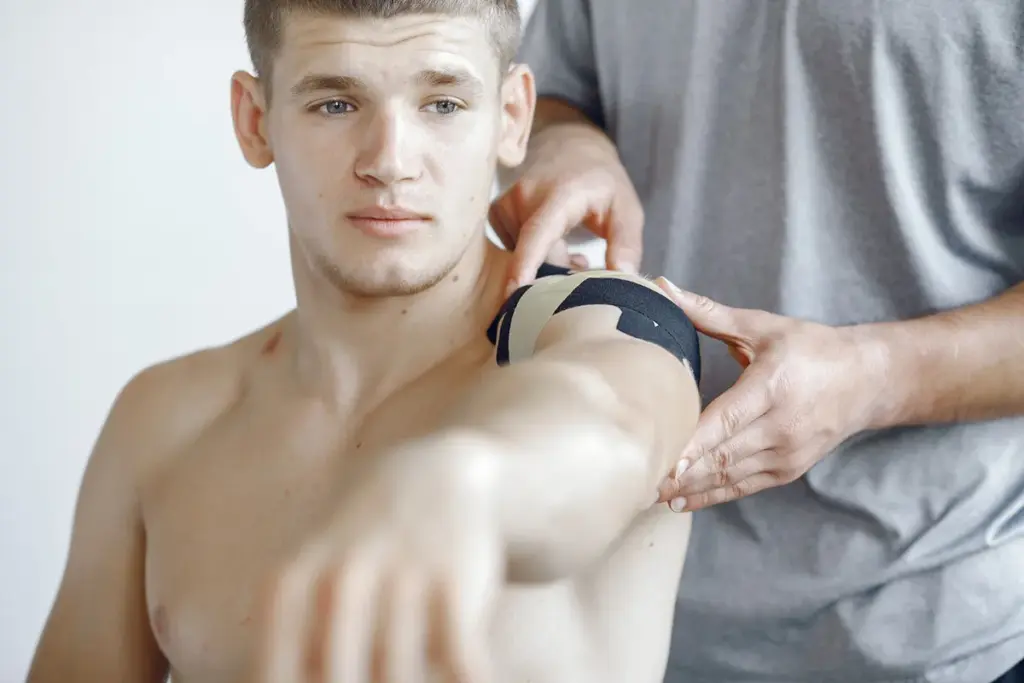
Did you know over 200,000 people in the U.S. get rotator cuff repair surgery each year? This shows how common shoulder injuries are. It also shows why knowing about this surgery is key.
We’re here to help you understand shoulder surgery, focusing on rotator cuff repair. We’ll look into what the surgery involves, its effects, and what patients can expect.
Key Takeaways
- Rotator cuff repair is a surgical procedure aimed at restoring shoulder function.
- The complexity of the surgery can vary based on the extent of the injury.
- Understanding the nature of the surgery is vital for patient preparation.
- Recovery times can differ significantly among individuals.
- Orthopedic surgeons play a vital role in the success of the surgery.
Understanding Rotator Cuff Injuries
It’s important to know about rotator cuff injuries to treat and recover well. These injuries can really hurt and make it hard to move around.
Anatomy of the Rotator Cuff
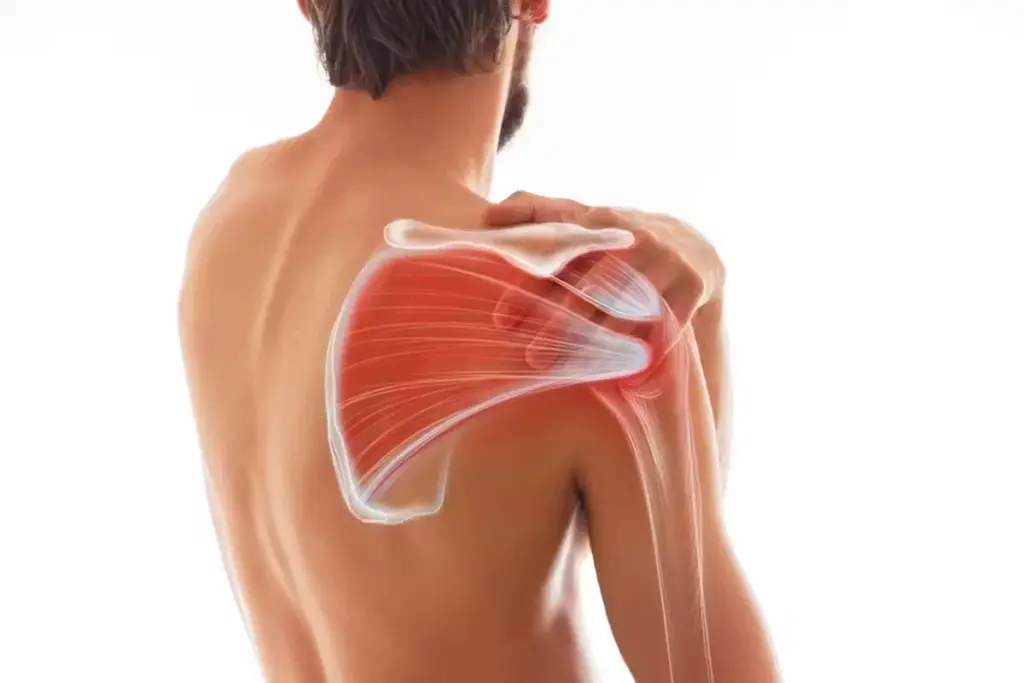
The rotator cuff is made up of muscles and tendons around the shoulder. It keeps the upper arm bone in place. It has four muscles: the supraspinatus, infraspinatus, teres minor, and subscapularis.
These muscles help the shoulder move in many ways. The supraspinatus muscle helps lift the arm. The infraspinatus and teres minor muscles help rotate the arm outward. The subscapularis muscle helps rotate the arm inward.
Knowing how the rotator cuff works is key to fixing injuries.
Common Causes of Rotator Cuff Tears
Rotator cuff tears are common and can happen for many reasons. Acute injuries from falls or direct hits can cause tears. Also, degenerative changes over time can weaken the tendons and lead to tears.
Other reasons for tears include repetitive strain from activities like throwing or lifting overhead. Poor posture and muscle imbalances also play a part. As we get older, the risk of tears goes up because of wear and tear on the tendons.
Classifying Rotator Cuff Surgery: Major or Minor?

Figuring out if rotator cuff surgery is major or minor involves looking at its details. Whether a surgery is major or minor depends on several things. These include how complex the surgery is, the patient’s health, and how long it takes to recover.
Defining “Major Surgery”
A major surgery has a big cut, takes a long time to get better, and can be risky. These surgeries often keep you in the hospital. They can really affect your life while you’re recovering.
To see if rotator cuff surgery is major, we need to look closely at its details.
Factors That Determine Surgical Complexity
Several things make rotator cuff surgery complex. These include:
- The size and location of the tear
- The patient’s overall health and age
- The presence of any additional shoulder conditions
- The surgical technique used (arthroscopic, mini-open, or open)
Surgical complexity greatly affects how long it takes to recover and if the surgery is major.
|
Factor |
Impact on Surgical Complexity |
|---|---|
|
Tear Size and Location |
Larger tears or those in certain locations may require more complex repairs. |
|
Patient’s Health and Age |
Older patients or those with underlying health conditions may face higher risks. |
|
Additional Shoulder Conditions |
Presence of other shoulder issues can complicate the surgery and recovery. |
|
Surgical Technique |
More invasive techniques may result in longer recovery times. |
How Rotator Cuff Repair Compares to Other Surgeries
When we compare rotator cuff repair to other surgeries, we look at recovery time and post-operative care. It’s often compared to knee arthroscopy or hip replacement.
The recovery time for rotator cuff surgery typically varies, generally spanning several weeks to a few months.
By understanding these factors and comparisons, we can better classify rotator cuff surgery. This helps patients know what to expect during their recovery.
Types of Rotator Cuff Surgery Procedures
It’s important for patients to know about the different rotator cuff surgery types. The right surgery depends on the tear’s size, the patient’s health, and the surgeon’s skills.
Arthroscopic Repair
Arthroscopic repair is a small, less invasive surgery. It uses a camera and tools through tiny cuts. This method causes less damage, less pain, and faster healing than open surgery. Arthroscopic surgery works well for small tears and is chosen for its cosmetic and safety benefits.
Mini-Open Repair
Mini-open repair mixes arthroscopic and open surgery. It uses a small cut for a clear view and repair. This method is precise but less invasive than open surgery. Mini-open repair suits tears too big for arthroscopy but not needing full open surgery.
Open Surgical Repair
Open surgery uses a bigger cut for direct access. It’s for complex or large tears, or when other methods fail. Though it has a longer recovery and more damage, open surgical repair offers strong fixes for severe injuries.
Each surgical option has its own use and advantages. Choosing the right one depends on the tear’s size, patient’s health, and activity level. Always talk to an orthopedic surgeon before making a decision.
When Is Rotator Cuff Surgery Necessary?
If treatments like physical therapy and medication don’t work, surgery might be needed. Doctors decide on surgery based on how bad the injury is and the patient’s health.
Conservative Treatment Options
Before surgery, conservative treatment options are tried first. These include physical therapy, pain meds, and changes in daily life to avoid making the injury worse. We often mix these treatments to help symptoms and improve shoulder use.
These treatments work well for smaller tears or less severe injuries. But for bigger tears or a lot of weakness, they might not be enough. It’s important to listen to your doctor about the best treatment plan.
Indications for Surgical Intervention
Surgical intervention is considered when other treatments don’t help enough. This includes ongoing pain, weakness, or limited movement that makes daily tasks hard. The size and location of the tear and the patient’s lifestyle also play a role.
The main goal of rotator cuff surgery is to fix the shoulder, reduce pain, and improve life quality. Surgery can greatly help those who are good candidates. Knowing about rotator cuff surgery recovery helps set realistic goals and get the best results.
In summary, while treatments like physical therapy and medication are first tried, surgical intervention might be needed if they don’t work. By carefully choosing surgery and the right procedure, patients can see big improvements in shoulder pain treatment and overall health.
Preparing for Rotator Cuff Surgery
The journey to recovery starts with preparing for rotator cuff surgery. This involves medical checks, adjusting medications, and getting ready at home. Knowing these steps can help make your recovery smooth and successful.
Medical Evaluations and Tests
Before surgery, you’ll need to go through medical checks and tests. These are key to checking your health and finding any surgery risks. Your healthcare provider will do blood work, imaging, and a physical exam to understand your condition fully.
These tests help your surgical team plan the best surgery for you. It’s important to follow your healthcare provider’s instructions for these tests. This ensures you’re ready for surgery.
Medication Adjustments
Some medicines can affect your surgery and recovery. Tell your healthcare provider about all medicines you’re taking, like blood thinners and anti-inflammatory drugs. They might ask you to stop or adjust some medicines to avoid complications.
Talk to your healthcare provider about your medicines well before surgery. This gives you time to make any needed changes and avoid problems.
Practical Preparations for Recovery
Getting ready for surgery also means making practical preparations. Find someone to drive you home and stay with you the first night. Make your home safe by removing tripping hazards and setting up a comfy recovery area.
Also, think about buying groceries, preparing meals ahead, and setting up a recovery station with pillows and blankets. Planning ahead can reduce stress and make recovery easier.
The Rotator Cuff Surgery Procedure
Rotator cuff surgery is a common procedure in orthopedic care. It uses different techniques and anesthesia options based on the patient’s needs. Knowing about the surgery can help ease worries.
Anesthesia Options
Anesthesia options are key in rotator cuff surgery. We often use general anesthesia or regional anesthesia, like an interscalene block. The choice depends on the patient’s health, the surgery’s complexity, and the surgeon’s opinion.
Regional anesthesia is popular for its pain relief without general anesthesia’s risks. We talk about the pros and cons with our patients to find the best option.
Step-by-Step Surgical Process
The surgical process for rotator cuff repair is detailed. We start with small incisions, 1-2 cm, for the arthroscope and tools. The arthroscope shows images on a monitor, helping us see the damage.
Then, we fix the rotator cuff with sutures or anchors. This might include removing damaged tissue. We make sure the repair is strong and the tendon is right.
Duration and Hospital Stay
The duration of rotator cuff surgery varies, from 45 minutes to several hours. Most surgeries are done on an outpatient basis, so patients go home the same day. But, sometimes a short hospital stay is needed for pain management or other health issues.
We watch our patients closely after surgery. We give them detailed care instructions to help them recover well.
Immediate Post-Operative Care
Good immediate care after surgery is key to a successful recovery from rotator cuff surgery. In the early healing stages, we must focus on important steps that affect the surgery’s success.
First 24-48 Hours After Surgery
The first 24 to 48 hours after surgery are very important. We focus on rest and gentle movement to help healing. It’s vital to follow the surgeon’s advice on:
- Resting the affected arm
- Using ice packs to reduce swelling
- Elevating the arm to minimize pain and inflammation
Managing Pain and Immobilization
Managing pain and keeping the area stable are key parts of care after surgery. We use medicine and ways to keep the area stable to keep you comfortable and help healing.
|
Pain Management Strategies |
Immobilization Techniques |
|---|---|
|
Prescribed pain medication |
Using a sling to immobilize the shoulder |
|
Ice therapy to reduce swelling |
Limiting arm movement |
|
Rest and relaxation |
Avoiding heavy lifting or bending |
By managing pain well and following immobilization plans, we can improve recovery. It’s also important to watch for any signs of problems and tell your healthcare provider right away.
Rotator Cuff Surgery Recovery Timeline
Recovering from rotator cuff surgery takes time and involves different stages. Knowing what to expect helps patients get ready for the healing journey. It also helps them manage their hopes and plans better.
First Two Weeks Post-Surgery
The first weeks focus on managing pain and keeping the shoulder stable. Patients need to rest and follow a pain management plan. They might start with simple exercises to keep the shoulder moving.
Weeks 2-6: Early Healing Phase
Next, the goal is to increase shoulder movement and start strengthening exercises. Physical therapy is key here. It helps patients move better without harming the repair.
Months 2-3: Progressive Strengthening
As healing advances, exercises get more intense. The aim is to build strength and improve shoulder function. Physical therapy remains vital in this phase.
Months 4-6: Return to Activities
By this time, most people can start doing their usual activities again. This includes sports and lifting heavy things. But, it’s important to listen to the doctor and physical therapist to avoid injury.
|
Recovery Phase |
Timeline |
Key Activities |
|---|---|---|
|
Immediate Recovery |
First 2 weeks |
Pain management, immobilization, gentle exercises |
|
Early Healing |
Weeks 2-6 |
Increasing range of motion, simple strengthening exercises |
|
Progressive Strengthening |
Months 2-3 |
Vigorous strengthening exercises, physical therapy |
|
Return to Activities |
Months 4-6 |
Returning to normal activities, sports, and heavy lifting |
It is crucial for patients to adhere to their recovery plan. Everyone heals at their own pace. Regular check-ups with healthcare providers are key. They help ensure the recovery is going well and address any issues quickly.
Pain Management After Rotator Cuff Repair
Managing pain well is key to a smooth recovery after rotator cuff repair surgery. We know that pain control is a big part of getting better. There are many ways to help manage pain.
Expected Pain Levels and Duration
Patients usually feel some pain after rotator cuff repair, from mild to severe. How long this pain lasts can vary. But most people start to feel better in a few weeks.
Initial Pain Phase: The first few days are usually the most painful. It’s very important to manage pain during this time.
Factors Influencing Pain: Several things can affect how much pain you feel. These include the size of the tear, how complex the surgery was, and how well you handle pain.
|
Time Frame |
Expected Pain Level |
Pain Management Strategies |
|---|---|---|
|
First 24-48 hours |
Severe |
Strong pain medications, rest, ice |
|
2-6 weeks |
Moderate |
Gradual reduction in pain medication, introduction to physical therapy |
|
6 weeks and beyond |
Mild |
Over-the-counter pain relievers, continued physical therapy |
Pain Control Strategies and Medications
Managing pain well needs a mix of medicine and other methods. Here are some tips:
- Medications: Doctors might give you both opioid and non-opioid drugs to help with pain.
- Ice Therapy: Ice on your shoulder can lessen pain and swelling.
- Rest: Resting enough is important for healing and managing pain.
- Physical Therapy: Gentle exercises can improve movement and reduce pain over time.
“Pain is inevitable, but suffering is optional.” – This quote shows how important it is to manage pain well.
Knowing what pain to expect and using good pain control methods can make recovery easier. This way, patients can have a more comfortable time after rotator cuff repair surgery.
Physical Therapy for Rotator Cuff Recovery
Physical therapy is key for healing rotator cuff injuries. It helps patients regain shoulder strength and function. Understanding its role is vital in the recovery journey.
Importance of Rehabilitation
Physical therapy is more than just a supplement. It’s a core part of recovery. Orthopedic experts say a good rehab program can greatly improve outcomes after rotator cuff repair. We create therapy plans that meet each patient’s needs.
The rehab process offers many benefits:
- Restoring range of motion
- Strengthening the rotator cuff muscles
- Improving shoulder stability
- Reducing the risk of re-injury
Phase-Based Rehabilitation Protocol
Rotator cuff rehab follows a phase-based approach. Each stage has specific goals and exercises. This is tailored to the patient’s healing.
The first phase focuses on pain management and gentle movement. As patients get better, therapy becomes more intense. It includes strengthening and functional training.
Key Exercises and Their Benefits
Important exercises in rotator cuff rehab include:
- Passive Range of Motion Exercises: These keep joints moving without straining the repair.
- Internal and External Rotation Exercises: These strengthen the rotator cuff muscles through controlled movements.
- Scapular Stabilization Exercises: These improve shoulder blade stability, supporting the rotator cuff.
Each exercise is chosen to target specific recovery needs. This ensures a thorough rehab program.
As we move through rehab phases, patients face more challenging exercises. These exercises boost strength, flexibility, and function. This structured approach is key for the best recovery and returning to normal activities.
Potential Complications and Risks
Knowing the possible complications of rotator cuff surgery is key. It helps in making informed choices. While it’s usually safe and works well, there are risks to be aware of.
Common Complications
Like any surgery, rotator cuff surgery has its risks. Some common ones include:
- Infection: There’s a chance of getting an infection.
- Nerve damage: Nerves near the shoulder might get hurt during surgery.
- Stiffness: The shoulder might feel stiff after surgery.
- Re-tear: The rotator cuff could tear again.
Risk Factors for Poor Outcomes
Some factors can make surgery outcomes worse. These include:
|
Risk Factor |
Description |
|---|---|
|
Age |
Older patients face a higher risk of complications. |
|
Smoking |
Smoking can slow healing and raise complication risks. |
|
Diabetes |
Diabetics might face higher risks of infection and slow healing. |
When to Contact Your Doctor
It’s important to know when to see a doctor after surgery. Contact your doctor if you notice:
- Pain that gets worse and doesn’t go away with medicine.
- Signs of infection, like redness, swelling, or fever.
- Weakness or numbness in the arm or hand.
Understanding these risks helps prepare for surgery and recovery.
Returning to Work After Rotator Cuff Surgery
Knowing when and how to go back to work after rotator cuff surgery is key. The time it takes to return to work varies. It depends on your job, the surgery’s extent, and how fast you heal.
Timeline for Different Occupations
Recovery times for rotator cuff surgery differ by job type. Desk workers might go back to work in 2 to 4 weeks. They need to avoid heavy lifting and hard arm work.
But, those in jobs that need heavy lifting or bending might need 3 to 6 months off. This is to heal properly and avoid injury.
Jobs needing longer recovery times include:
- Construction workers
- Athletes or sports professionals
- Manual laborers
Always talk to your doctor about when to go back to work. They’ll consider your job and healing progress.
Workplace Accommodations and Restrictions
Workplace changes can help you return smoothly. These might be adjusting your job, using ergonomic tools, or changing your schedule. After surgery, you might not lift heavy, reach up, or do the same arm movements over and over.
Employers can help by:
- Changing your job temporarily
- Improving your workspace ergonomics
- Letting you schedule therapy sessions
Talking openly with your employer and doctor is important. They can figure out the right changes for a safe return.
Can a Rotator Cuff Tear Heal On Its Own?
It’s important to know if a rotator cuff tear can heal by itself. This depends on several things. These include the size and location of the tear, and the person’s overall health.
Factors Influencing Natural Healing
Our bodies try to heal when we get hurt, like with rotator cuff injuries. Many things can affect if a tear can heal by itself. These include the tear’s size, the person’s age, and any health problems they might have.
Smaller tears have a better chance of healing on their own. Younger people also tend to heal faster because of their better health and stronger tissues.
Effectiveness of Non-Surgical Treatments
First, doctors often try non-surgical ways to treat rotator cuff tears. These include physical therapy, medicines for pain, and changes in how we live.
Physical therapy is a big part of treating rotator cuff tears without surgery. A good therapy plan can make the shoulder stronger and less painful.
Key Components of Non-Surgical Treatment:
- Physical therapy to strengthen the shoulder muscles
- Pain management through medication
- Lifestyle adjustments to avoid exacerbating the injury
|
Treatment Approach |
Description |
Benefits |
|---|---|---|
|
Physical Therapy |
Structured exercise program to strengthen shoulder muscles |
Improves shoulder function, reduces pain |
|
Pain Management |
Use of medications to manage pain and inflammation |
Reduces discomfort, allows for participation in physical therapy |
|
Lifestyle Adjustments |
Modifications to daily activities to avoid exacerbating the injury |
Prevents further injury, supports healing |
While some people get better with non-surgical treatments, others might need surgery. Knowing if a tear can heal naturally and how well non-surgical treatments work is key to making the right choice for treating rotator cuff tears.
What Is the Most Painful Shoulder Surgery?
Some shoulder surgeries are more painful than others. This is due to several factors. Knowing these differences helps manage pain better.
Comparing Pain Levels Among Different Shoulder Procedures
Shoulder surgeries vary, from arthroscopic repairs to open surgeries. The pain levels differ greatly among these.
- Arthroscopic Surgery: Seen as less invasive, it usually causes less pain after surgery.
- Open Surgery: Being more invasive, it often leads to more pain and a longer recovery.
- Rotator Cuff Repair: This surgery can be quite painful, mainly in the first few weeks.
It’s hard to directly compare pain levels because everyone feels pain differently. Yet, surgeries that damage more tissue or need more repair tend to hurt more.
Factors That Influence Post-Surgical Pain
Several things can affect how much pain you feel after shoulder surgery. These include:
- Surgical Technique: The surgery method can affect how much tissue is damaged and how much pain you feel.
- Individual Pain Tolerance: Everyone feels pain differently, which changes how much pain they experience after surgery.
- Post-Operative Care: Good pain management and rehabilitation can greatly reduce pain after surgery.
- Pre-Existing Conditions: Having conditions like arthritis or past injuries can make recovery harder and increase pain.
Knowing these factors helps create pain management plans that fit each person’s needs.
Managing pain after surgery is key to recovery. By looking at pain levels in different surgeries and understanding what affects pain, we can help patients recover better.
Advances in Rotator Cuff Surgery Techniques
Rotator cuff surgery has seen big changes. New methods and tools are making treatments better and faster. This is helping patients heal quicker and with less pain.
Biological Augmentation
Biological augmentation uses natural materials to help rotator cuff repairs heal. This includes platelet-rich plasma (PRP), stem cells, and other materials. They help grow new tissue and make repairs stronger.
Research shows this method can lead to better results. For example, PRP has been linked to fewer re-tears and better function scores.
|
Biological Augmentation Method |
Description |
Benefits |
|---|---|---|
|
Platelet-Rich Plasma (PRP) |
PRP is made from the patient’s blood. It has growth factors that help healing. |
Less chance of re-tears, better function scores |
|
Stem Cells |
Stem cells can turn into different tissue types. This helps repair. |
Better tissue growth, stronger repairs |
|
Biologic Scaffolds |
Scaffolds give a structure for new tissue to grow on. |
Better tissue integration, stronger repairs |
Minimally Invasive Approaches
Minimally invasive surgery uses smaller cuts and less damage. This means less pain and faster healing. Arthroscopic surgery is a good example, allowing for precise repairs with little scarring.
These methods have many benefits. They lead to less pain, shorter hospital stays, and quicker recovery. Advances in tools and techniques have made these surgeries more effective and available.
Future Directions in Treatment
Future rotator cuff surgery will likely see more advancements. This includes better biological augmentation, improved imaging, and more advanced minimally invasive procedures. Personalized medicine and tailored rehab will also play a bigger role.
New technologies like 3D printing and bioprinting could bring new possibilities. They might help create custom implants and scaffolds for repairs. These innovations could make surgeries even more successful and durable.
Conclusion
Rotator cuff repair is a big deal in orthopedic surgery. It involves complex techniques and a detailed recovery. We’ve looked into rotator cuff injuries, different surgeries, and how to recover from shoulder surgery.
Knowing rotator cuff repair is a major surgery sets the right expectations. The surgery’s complexity and the need for careful care after show why a good recovery plan is key.
With new surgery techniques, patients might see better results and quicker recoveries. But, following rehab plans and listening to post-surgery advice is critical for success.
Understanding rotator cuff repair and recovery helps patients and doctors work together. This teamwork can lead to better results, like restored function and less pain.
FAQ
Is rotator cuff repair considered a major surgery?
Rotator cuff repair is seen as a big surgery because of its complexity and long recovery. But, if it’s major depends on the case and the surgery method.
What are the common causes of rotator cuff tears?
Tears often come from aging, repeated strain, and sudden injuries. Sports, heavy lifting, and falls can also cause tears.
How long does it take to recover from rotator cuff surgery?
Recovery time is usually 4 to 6 months, sometimes up to a year. The first 2-3 months are for healing, then strengthening starts.
What are the different surgical techniques available for rotator cuff repair?
There are arthroscopic, mini-open, and open repairs. The choice depends on the tear size, patient health, and surgeon skill.
Can a rotator cuff tear heal on its own?
Small tears might heal without surgery, but big ones need it. The cuff’s healing power is limited, so surgery is often needed.
What is the most painful shoulder surgery?
Pain after surgery varies by procedure and person. More complex repairs or replacements tend to hurt more.
How long will I have pain after rotator cuff surgery?
Pain usually gets better over time. Most see a big drop in pain in the first weeks, with more improvement after.
What is the role of physical therapy in rotator cuff recovery?
Physical therapy is key for recovery. It helps with motion, muscle strength, and function. A specific plan is followed for best results.
What are the possible complications and risks of rotator cuff surgery?
Risks include infection, nerve damage, stiffness, and tendon re-tear. Older age, smoking, and health issues increase these risks. Following instructions and attending check-ups helps reduce them.
When can I return to work after rotator cuff surgery?
Work return time varies by job and demands. Most are out 4-12 weeks, with some needing more time or special work setups.
What are the latest advances in rotator cuff surgery techniques?
New techniques include biological enhancements, less invasive methods, and better arthroscopic tools. These aim to improve surgery success, shorten recovery, and enhance results.
Reference
National Center for Biotechnology Information. Evidence-Based Medical Insight. Retrieved from https://pmc.ncbi.nlm.nih.gov/articles/PMC9267869/[2