
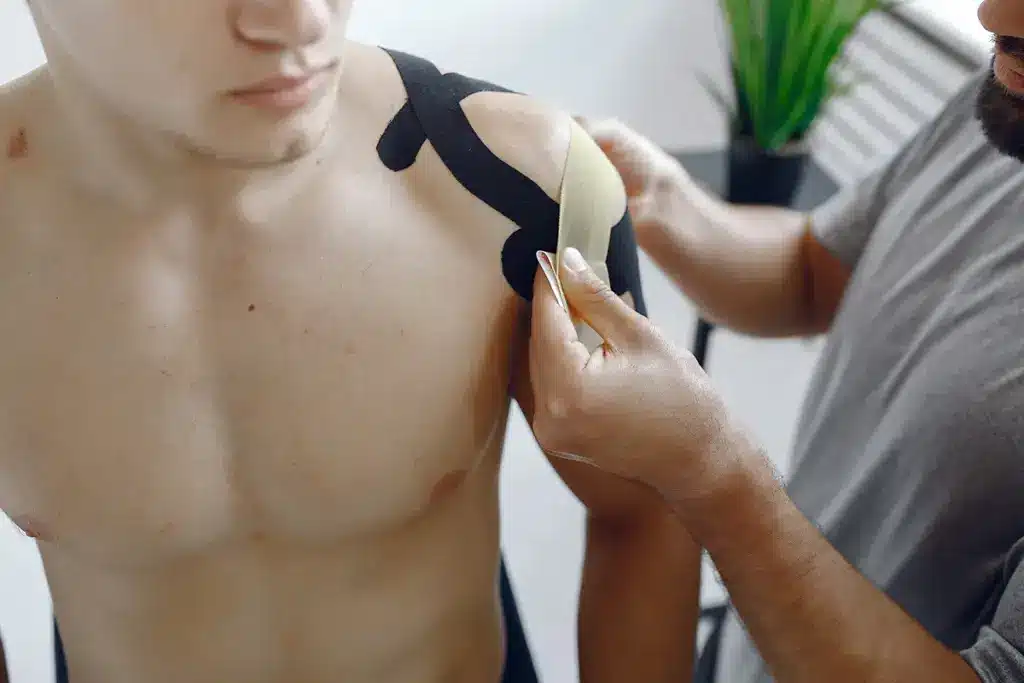
Nearly 250,000 people in the United States have rotator cuff surgery each year. Many wonder when they can start driving again. Driving is important for getting around, going to work, and doing daily tasks.
The time it takes to recover can differ a lot. It depends on the surgery’s extent, your health, and the type of driving. For example, rules for driving after arthroscopic shoulder surgery might be different than for open surgery.
Your doctor’s advice is key when it comes to driving after surgery. They check if you can drive safely. This means you must be able to handle emergencies and have enough shoulder strength and motion.
Key Takeaways
- Recovery time varies significantly among individuals after rotator cuff surgery.
- The type of surgery (arthroscopic vs. open) can influence driving clearance.
- Healthcare provider guidelines are essential for deciding when to drive again.
- Safety is the main concern when thinking about driving after surgery.
- Shoulder strength and motion are important for driving.
The Impact of Rotator Cuff Surgery on Daily Activities

Rotator cuff surgery changes daily life a lot. It affects simple tasks and big physical activities. Knowing about the surgery types and recovery is key.
Types of Rotator Cuff Procedures and Their Severity
There are two main types of rotator cuff surgery: open and arthroscopic. The damage to the rotator cuff decides the surgery type.
- Open Surgery: This method uses a big incision for direct access. It’s for serious tears or extra repairs.
- Arthroscopic Surgery: This is a small incision method with a camera. It causes less damage and heals faster.
The injury’s severity affects the surgery choice and recovery time. Severe injuries need more time and intense rehab.
|
Procedure Type |
Typical Recovery Time |
Rehabilitation Intensity |
|---|---|---|
|
Arthroscopic Surgery |
2-6 weeks |
Moderate |
|
Open Surgery |
6-12 weeks |
High |
How Shoulder Mobility Affects Driving Ability
Shoulder mobility is key for driving after surgery. It’s needed for steering and checking blind spots.
Patients should wait until they can move their shoulder well before driving. Physical therapy helps regain strength and motion.
Driving ability depends on:
- Range of Motion: Moving the shoulder without pain.
- Strength: Having enough shoulder strength for safe driving.
- Pain Management: Managing pain without meds that affect driving.
Rotator Cuff Surgery Recovery Time: Complete Week-by-Week Timeline

Knowing how long it takes to recover from rotator cuff surgery is key. The recovery journey is split into phases, each with its own goals and expectations.
Immediate Post-Surgery Period (0-2 weeks)
The first few weeks are very important. You might feel pain, swelling, and find it hard to move. To help, rest, It is advised to follow the RICE method, which stands for Rest, Ice, Compression, and Elevation.
- Follow the surgeon’s instructions for pain medication and post-operative care.
- Keep the surgical site clean and dry.
- Begin gentle exercises as recommended by your healthcare provider.
Early Recovery Phase (2-6 weeks)
In this phase, you start to move better and get stronger. Physical therapy starts early to help you regain motion and build muscle.
Orthopedic Surgeon
Advanced Recovery Phase (6-12 weeks)
By now, you’ve made big strides in moving and strengthening your shoulder. You can start doing more activities, but avoid heavy lifting and sports with contact.
Long-Term Recovery Expectations
Recovering fully from rotator cuff surgery can take months. The time it takes depends on your health, the injury’s severity, and the surgery type.
|
Recovery Phase |
Timeline |
Key Milestones |
|---|---|---|
|
Immediate Post-Surgery |
0-2 weeks |
Manage pain, swelling, and limited mobility |
|
Early Recovery |
2-6 weeks |
Regain mobility, start physical therapy |
|
Advanced Recovery |
6-12 weeks |
Improve strength, resume strenuous activities |
|
Long-Term Recovery |
Several months |
Full recovery, return to all activities |
Medical Clearance Requirements for Driving After Surgery
Before you can drive after rotator cuff surgery, you need to meet certain medical requirements. This step is key to make sure you can drive safely.
Physical Milestones Your Doctor Will Assess
Your doctor will check several important physical points to see if you’re ready to drive. These include:
- Range of Motion: You need to be able to move your shoulder well for driving.
- Strength: Your shoulder and arm must be strong enough to control the car.
- Pain Levels: You should not have too much pain that affects your driving.
- Reaction Time: You need to be able to react fast in driving situations.
These checks are very important to make sure you can drive safely and well.
Documentation and Follow-up Appointments
Keeping records and going to follow-up appointments are key parts of the medical clearance process. Your healthcare team will track your progress and decide when you’re ready to drive again.
Follow-up appointments are important to check on your recovery and handle any issues. At these visits, your doctor will look at your physical progress and give you the green light to drive when it’s safe.
By sticking to your recovery plan and going to all your follow-up appointments, you can safely get back to driving.
Key Factors That Determine When You Can Drive Again
Knowing what affects your driving after rotator cuff surgery is key for a safe recovery. Several elements play a role in when you can safely drive again.
Open vs. Arthroscopic Procedure Differences
The surgery type greatly affects your recovery time. Arthroscopic procedures are less invasive than open surgeries. This means you might recover faster.
Studies show arthroscopic rotator cuff repair patients can drive sooner than those with open surgery.
Dominant vs. Non-Dominant Shoulder Considerations
Whether the surgery was on your dominant or non-dominant shoulder matters. Most people’s right hand is dominant. Surgery on the dominant shoulder may take longer to recover.
Patients with surgery on their non-dominant shoulder might drive sooner.
Vehicle Type and Transmission Impacts
The vehicle you drive and its transmission also matter. Driving an automatic transmission vehicle is easier and safer sooner after surgery. Manual transmission vehicles need more strength and coordination.
- Automatic transmission vehicles are typically easier to drive post-surgery.
- Manual transmission vehicles require more strength and coordination.
- Vehicle modifications can sometimes make driving easier post-surgery.
Pain Medication Requirements
Your need for pain medication is another key factor. Strong pain medications can make driving unsafe. Your doctor will check if your pain is managed before you can drive.
- Assess your pain level and medication needs.
- Discuss with your doctor when it’s safe to reduce or stop pain medication.
- Ensure you’re not driving under the influence of impairing medications.
By considering these factors, you and your healthcare provider can decide when it’s safe to drive again after rotator cuff surgery.
Driving After Right Shoulder Rotator Cuff Repair
After right shoulder rotator cuff repair, many patients are curious about when they can safely resume driving. The recovery time depends on several factors. Knowing these is key to safely getting back on the road.
Unique Challenges for Right Shoulder Patients
Right shoulder rotator cuff repair patients face special challenges when driving. The right shoulder is vital for steering and controlling the vehicle. The main hurdles include:
- Managing pain and discomfort while driving
- Maintaining control of the steering wheel
- Reacting quickly to road conditions
These challenges mean a careful approach is needed to determine when it’s safe to drive again.
Realistic Timeline Expectations
Recovery times vary, but most follow a general timeline. This includes:
- Initial recovery phase (0-2 weeks): Focus on rest and basic mobility exercises
- Early driving assessment (2-6 weeks): Gradually increase mobility and strength
- Advanced recovery phase (6-12 weeks): Strengthening and functional exercises
Your healthcare provider will give personalized advice. They consider your progress. Usually, patients wait 4-6 weeks before driving again. But, this can change based on surgery complexity and health.
Understanding the recovery and following a realistic timeline helps ensure a safe return to driving after right shoulder rotator cuff repair.
Driving After Left Shoulder Rotator Cuff Repair
Patients often ask when they can drive again after a left shoulder rotator cuff repair. The answer depends on the surgery type and the patient’s health.
Potential for Earlier Driving Resumption
Those with left shoulder repairs might drive sooner than right shoulder patients. This is because the left shoulder isn’t as critical for driving, mainly for manual transmission cars. But, it’s important to wait for the doctor’s okay before driving.
Several things can help you drive sooner, like:
- The injury’s severity
- The surgery type (open or arthroscopic)
- Your overall health and how fast you’re healing
Safety Precautions Despite Earlier Clearance
Even if you’re cleared to drive early, safety is key. Driving needs physical strength, quick thinking, and good judgment. Make sure you can do these safely without hurting your recovery or others.
|
Safety Precautions |
Description |
|---|---|
|
Adjusting Vehicle Settings |
Make sure your car’s settings, like seat and steering wheel, are right for you. |
|
Using Supportive Devices |
Use a shoulder immobilizer or sling if your doctor suggests it. |
|
Avoiding Heavy Traffic |
Start with light traffic and avoid busy times to reduce stress and risk. |
Knowing what affects when you can drive again and following safety tips can help you recover well and safely.
Pain Management Considerations for Safe Driving
Managing pain is key for safe driving after rotator cuff surgery. It makes you more comfortable and able to drive safely. We’ll look at how pain management affects driving, including meds, alternative methods, and signs of unsafe driving.
Effects of Prescription Pain Medications on Driving
Prescription pain meds, like opioids, can make driving risky. They can make you sleepy, slow your reactions, and affect your judgment. Always follow your doctor’s advice and know the side effects.
Common opioid side effects include:
- Drowsiness
- Dizziness
- Nausea
- Confusion
Wait until these side effects go away before driving.
|
Medication Type |
Potential Side Effects |
Driving Safety Impact |
|---|---|---|
|
Opioids |
Drowsiness, dizziness, nausea |
High risk of accidents |
|
NSAIDs |
Stomach upset, dizziness |
Moderate risk if not managed properly |
|
Acetaminophen |
Liver damage (with overdose) |
Low risk when used as directed |
Alternative Pain Control Methods
Looking into other pain control methods can reduce the need for meds. Physical therapy, acupuncture, and relaxation exercises can help manage pain.
Warning Signs That Pain Is Compromising Driving Safety
It’s important to know when pain might make driving unsafe. Look out for:
- Sharp pain when moving your shoulder or arm
- Limited range of motion that interferes with steering or operating controls
- Pain that distracts you from focusing on the road
If you notice these signs, don’t drive until your pain is better managed.
Physical Therapy Progress Needed Before Returning to Driving
Physical therapy progress is key to knowing when you can drive again after rotator cuff surgery. We help patients reach important milestones in their therapy before they can drive.
Essential Range of Motion Benchmarks
Restoring shoulder motion is a main goal of physical therapy after surgery. Patients must be able to lift their arm to shoulder height without pain. We check for:
- Active abduction of at least 90 degrees
- Forward flexion of 120 degrees or more
- External rotation with the arm at the side of at least 30 degrees
These benchmarks are vital for safe driving. They help with steering and other driving tasks.
Strength Requirements for Safe Steering
Strength is also important for driving. Patients need strong shoulders and muscles to control the steering wheel. We test strength with exercises like:
- Resisted external rotation
- Shoulder abduction against resistance
- Scapular stabilization exercises
Having enough strength makes driving safer and lowers injury risk.
Functional Assessments Your Therapist Will Perform
Physical therapists check if patients can do daily tasks, like driving. They might test driving motions or how comfortable you feel while driving. This helps see if you’re ready to drive again.
Meeting these physical therapy goals means you’re ready to drive. You’ll know you’ve done the work needed.
Potential Complications That May Delay Driving Resumption
Rotator cuff surgery is usually safe, but it can have complications. These can affect when you can start driving again. Knowing about these risks helps you recover better and safely get back on the road.
Infection and Wound Healing Issues
Infection is a serious problem after rotator cuff surgery. Look out for signs like more redness, swelling, warmth, and fever around the surgery site. Keeping the wound clean and watching for any changes is key to avoiding infection and healing right.
A study in the Journal of Shoulder and Elbow Surgery found infection rates are low. But, if an infection happens, it can really slow down your recovery and when you can drive again.
|
Signs of Infection |
Actions to Take |
|---|---|
|
Increased redness or swelling |
Contact your surgeon immediately |
|
Warmth or tenderness around the surgical site |
Monitor temperature and report fever |
|
Pus or discharge from the wound |
Seek urgent medical attention |
Re-tear Risks and Prevention
Re-tearing the rotator cuff is another issue that can make you wait longer to drive. Risks include age, smoking, and the size of the original tear. To avoid this, stick to your post-op rehab plan and avoid heavy lifting or hard activities early on.
Physical therapy to strengthen your shoulder muscles is important in preventing re-tear. A study in the American Journal of Sports Medicine showed that following rehab programs can lower re-tear rates a lot.
Frozen Shoulder and Prolonged Stiffness
Frozen shoulder, or adhesive capsulitis, is a condition with stiffness and pain in the shoulder. It can happen after rotator cuff surgery and might make recovery take longer, delaying when you can drive. It’s important to start moving your shoulder early and do physical therapy to avoid frozen shoulder.
Stiffness that lasts can also happen if you don’t do enough rehab or take care of yourself after surgery. Working closely with your healthcare team is key to keeping your shoulder mobile and strong while you recover.
By knowing about these complications and taking steps to prevent them, patients can make their recovery smoother and safer. This way, they can get back to driving sooner and more safely after rotator cuff surgery.
Practical Tips for Your First Drives Post-Surgery
Getting back to driving after rotator cuff surgery is exciting but can be scary. We’ve got some advice to make your first drives safe and comfy. It’s all about being smart and careful.
Helpful Vehicle Modifications and Accessories
Changing your car or adding accessories can make driving easier and safer. Here are some ideas:
- Use a steering wheel adapter to ease shoulder strain
- Get a seat cushion or lumbar support for better posture
- Choose a phone mount that doesn’t need you to lift your arm
- If you can, get a car with automatic transmission
Planning Short, Low-Risk Initial Routes
Start with short, easy routes when you begin driving again. This means:
- Drive in places you know well and where there’s little traffic
- Stay away from highways and busy streets
- Take routes with few intersections or traffic lights
- Drive when the roads are less crowded
Emergency Preparedness Strategies
Being ready for emergencies is key, even when you’re healing from surgery. Make sure to:
- Keep a roadside emergency kit in your car
- Save emergency contact numbers on your phone
- Tell your family or friends about your driving plans
- Keep your car in good shape to avoid breakdowns
Recognizing When to Take a Break
Listen to your body and know when to stop driving. If you feel:
- More pain or discomfort
- Tired or can’t focus
- Numbness or tingling in your shoulder or arm
Stop at a safe spot and rest before you go on.
By following these tips, you can make your return to driving smoother after rotator cuff surgery. Always put your safety and comfort first. If you’re unsure, talk to your doctor.
Transportation Alternatives During Your Recovery Period
After rotator cuff surgery, finding new ways to get around is key. You might not be able to drive, and asking for help can be tough. We get how important it is to stay independent while staying safe.
Rideshare and Medical Transportation Services
Rideshare services like Uber and Lyft are easy to use. They’re great for getting around without the hassle. For doctor’s visits, medical transport services offer extra help, like mobility aid and door-to-door service.
Benefits of Rideshare Services:
- Convenience and flexibility
- Cost-effective compared to traditional taxi services
- Real-time tracking for added safety
Navigating Public Transportation Safely
Public transport is another good choice. Think about how far you’ll have to walk to get to the bus or train. Some systems have special services for people with disabilities, which can be really helpful when you’re recovering.
Tips for Safe Public Transportation:
- Plan your route in advance
- Use accessible transportation options when available
- Travel during less crowded times if possible
Creating a Support Network for Transportation Needs
Having a support network of family, friends, and neighbors can really help. Don’t be shy about asking for help when you need it. You might also want to look into local groups for people going through similar surgeries.
Ways to Build Your Support Network:
- Communicate your needs clearly to your network
- Show appreciation for their help to maintain a strong relationship
- Be open to reciprocating help when you’re able
Legal and Insurance Implications of Driving During Recovery
When you’re recovering from rotator cuff surgery, think about the legal and insurance risks of driving too soon. Driving too early can harm your legal status and insurance in case of an accident.
Liability Concerns When Driving Against Medical Advice
Driving against your doctor’s advice can cause big legal problems. If you’re in an accident with a weak shoulder, your insurance might look closely at the accident.
If you were driving against your doctor’s advice, you could face more blame. This could lead to big financial problems.
Insurance Coverage Questions to Address
Before driving after rotator cuff surgery, talk to your insurance about a few key things.
- Does your insurance cover accidents while you’re on pain meds?
- How does your insurance handle claims if you drove against your doctor’s advice?
- Are there special rules for driving after certain surgeries, like rotator cuff repair?
It’s also important to know how driving might affect your insurance costs.
|
Scenario |
Potential Impact on Insurance Premium |
|---|---|
|
Driving against medical advice |
Possible increase in premium due to increased risk |
|
Accident while driving under pain medication |
Potential for premium increase or claim denial |
|
Following doctor’s guidelines for driving resumption |
Minimal to no impact on premium |
In short, knowing the legal and insurance risks of driving after rotator cuff surgery is key. Patients need to think about liability and ask insurance questions to avoid financial and legal issues.
Conclusion: Balancing Recovery Needs with Independence
When we talk about driving after rotator cuff surgery, it’s all about finding the right balance. We’ve looked at many things that affect when you can drive again. This includes the surgery type, physical therapy, and managing pain.
It’s vital to listen to your doctor’s advice. This way, you avoid risking your health or safety while driving. Knowing what steps to take in your recovery helps you stay independent and healthy.
The secret to finding this balance is being well-informed and patient. Stick to the recovery plan and take the right steps. This approach helps you get back to driving safely and confidently. It’s good for your body and mind.
FAQ
How long will I have pain after rotator cuff surgery?
Pain levels vary, but most patients see big improvements in 6-12 weeks. Using medication and physical therapy helps a lot in recovery.
What is the typical recovery time for rotator cuff surgery?
Recovery time is usually 3 to 6 months. This depends on the injury’s severity and the surgery type.
How soon can I drive after arthroscopic shoulder surgery?
Driving time varies based on recovery. But, most can drive in 2-6 weeks. They need good shoulder mobility and strength.
What factors determine when I can drive again after rotator cuff surgery?
Factors include the surgery type, the shoulder involved, vehicle type, and pain medication needs.
Are there different recovery expectations for right shoulder rotator cuff repair patients?
Yes, right shoulder repairs are tougher because the right arm is often dominant. Recovery might take longer.
Can I drive after left shoulder rotator cuff repair?
Left shoulder repairs might let you drive sooner, with manual transmission or dominant right arm. But, always be safe.
How do pain medications affect my ability to drive after surgery?
Some pain meds can make driving hard because they’re sedative. Always check with your doctor before driving.
What physical therapy milestones must I achieve before driving again?
You need to get back your range of motion, enough strength for steering, and pass your therapist’s tests.
What complications can delay my driving resumption after rotator cuff surgery?
Complications like infection, wound issues, re-tear risks, and frozen shoulder can slow you down. Seek medical help fast if you notice any.
Are there any tips for my first drives post-surgery?
Consider vehicle changes, start with short, safe routes, and have emergency plans. Know when to stop driving too.
What transportation alternatives are available during my recovery period?
You can use rideshare, public transport, or ask for help from friends and family.
What are the legal and insurance implications of driving during recovery?
Driving against doctor’s orders can be risky. Check your insurance to see if it covers driving after surgery.
How can I balance my recovery needs with maintaining independence?
Follow your doctor’s advice, be patient, and look for other ways to get around. This way, you can recover safely and keep your independence.
Reference
National Center for Biotechnology Information. Evidence-Based Medical Insight. Retrieved from https://pubmed.ncbi.nlm.nih.gov/35866652/