Having rotator cuff tear surgery can be a big worry, mainly about hospital stay duration. Did you know the time you stay in the hospital can change based on your surgery and personal needs? Some might just need to stay overnight, while others could need more time.
We at our institution focus on giving our international patients the best care and support. We know a smooth recovery is key. So, we’re here to help you understand what to expect during your stay.
Key Takeaways
- The hospital stay duration for rotator cuff surgery varies depending on the type of surgery.
- Arthroscopic surgery may require an overnight stay, while open surgery may need 2-3 days.
- Individual patient needs play a significant role in determining the hospital stay duration.
- Comprehensive care and support are key for a smooth recovery journey.
- Our institution prioritizes giving personalized care to international patients.
What Happens During Rotator Cuff Tear Surgery
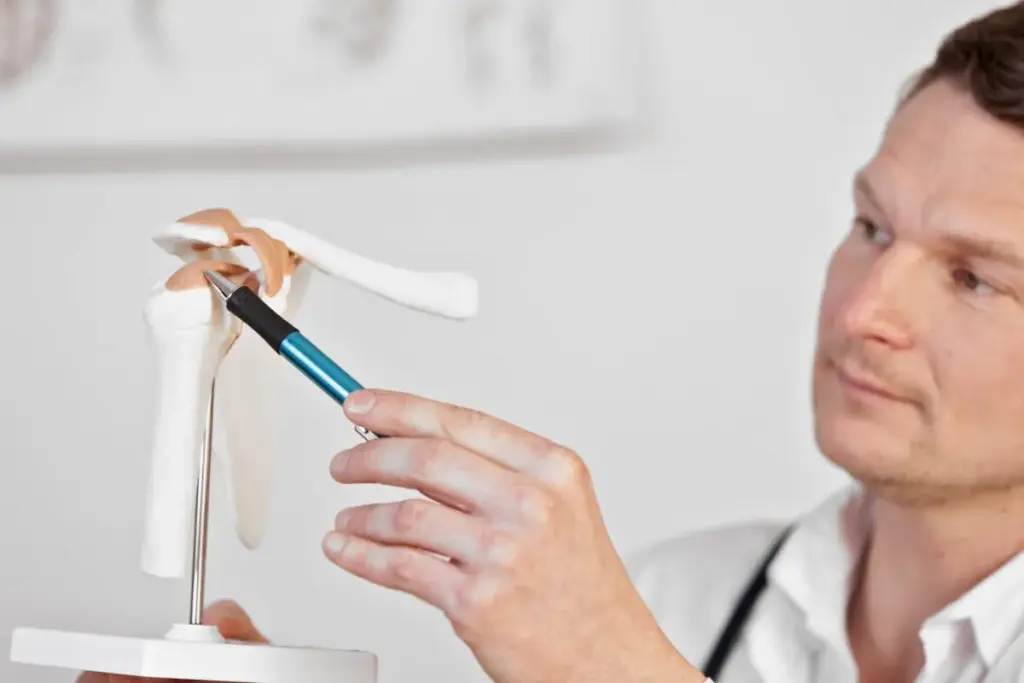
Knowing what happens during rotator cuff tear surgery can help patients get ready. Our skilled orthopedic surgeons perform this surgery to fix damaged tendons and improve shoulder function.
Anatomy of the Rotator Cuff
The rotator cuff is made up of muscles and tendons around the shoulder. It helps keep the shoulder stable and allows for many movements. The four main tendons are the supraspinatus, infraspinatus, teres minor, and subscapularis. Together, they help with lifting, rotating, and stabilizing the arm.
Common Causes of Tears Requiring Surgery
Rotator cuff tears can happen from sudden injuries or long-term wear and tear. Falls, direct hits, or quick movements can cause tears. Age, jobs that strain the shoulder, and poor shoulder mechanics also play a role.
Diagnostic Process Before Surgical Intervention
Before surgery, a detailed check-up is done. This includes looking at the patient’s medical history, a physical exam, and imaging tests like X-rays or MRI scans. These steps help us figure out the best surgery plan for a good outcome.
|
Diagnostic Tool |
Purpose |
|---|---|
|
Medical History Review |
Understand the patient’s symptoms, previous treatments, and overall health. |
|
Physical Examination |
Assess shoulder mobility, strength, and pain levels. |
|
Imaging Studies (X-rays, Ultrasound, MRI) |
Visualize the tear’s extent, tendon quality, and surrounding tissue condition. |
Types of Rotator Cuff Tear Surgery Procedures
The type of rotator cuff surgery required depends on the severity of the tear and the patient’s overall health. Our surgeons use different methods to fix rotator cuff tears. This ensures the best results for each patient.
Open Repair Technique
Open repair uses a bigger cut to directly see the rotator cuff. It’s a traditional method good for complex or big tears. It’s often chosen for patients with large or long-standing tears, needing a detailed fix.
Arthroscopic Repair
Arthroscopic repair is a less invasive method. It uses a small camera and tools through tiny cuts. This method causes less damage and helps you heal faster. It’s best for smaller tears, where less tissue disruption is key.
Mini-Open Repair
Mini-open repair mixes open and arthroscopic techniques. It uses a smaller cut than open repair but lets you see the rotator cuff well. This method offers a less invasive option while ensuring a thorough repair.
Tendon Transfer Options for Severe Tears
For very bad or unfixable rotator cuff tears, tendon transfer might be an option. It moves a tendon from another shoulder spot to the damaged area. Tendon transfer is usually for very complex cases where other fixes don’t work.
Our surgeons will talk to you about the best surgery options. They consider your tear’s details and your health. By picking the right method, we aim for the best results and a smooth recovery.
How Long Does Rotator Cuff Surgery Take?

Many things can affect how long rotator cuff surgery lasts. These include the tear’s size and the surgery type. Patients often want to know how long it will take.
Duration by Surgical Approach
The surgery time changes based on the method used. Arthroscopic surgery is usually quicker, lasting about 1 to 1.5 hours. Open surgery, on the other hand, can take longer, from 1.5 to 2 hours.
|
Surgical Approach |
Typical Duration |
|---|---|
|
Arthroscopic Repair |
1 – 1.5 hours |
|
Open Repair |
1.5 – 2 hours |
|
Mini-Open Repair |
1 – 2 hours |
Factors That May Extend Procedure Time
Several things can make surgery last longer. These include the tear’s size, any other shoulder issues, and the patient’s body type.
- Complexity of the Tear: Bigger or more complicated tears need more time to fix.
- Additional Procedures: Sometimes, extra steps like subacromial decompression are needed, adding time.
- Surgeon’s Experience: Even experienced surgeons may need more time for complex cases.
Anesthesia Considerations
The anesthesia used can also affect surgery time. Regional anesthesia, like an interscalene block, is often used. It helps with pain and might shorten the surgery time.
At your consultation, we’ll give a better idea of how long surgery will take. We’ll consider your specific situation and the planned surgery. This helps you know what to expect.
Hospital Stay Duration for Rotator Cuff Surgery
The time you spend in the hospital after rotator cuff surgery depends on several things. This includes the surgery type and your personal needs. Knowing what to expect can help reduce your anxiety about the surgery.
Outpatient vs. Inpatient Procedures
Rotator cuff surgery can be done as an outpatient or with a short hospital stay. Outpatient procedures are simpler and let you go home the same day. On the other hand, inpatient procedures are for more complex surgeries or if you have health issues that need more watching.
Average Length of Stay Statistics
While everyone’s situation is different, many rotator cuff surgeries are done on an outpatient basis. If you need to stay in the hospital, it’s usually for just a day or two. This depends on how complex the surgery was and how quickly you recover.
Same-Day Discharge Possibilities
New surgical methods and anesthesia have made same-day discharge possible for many. This lets you recover at home, which can be more comfortable. But, whether you can go home the same day depends on your health and if you can get the care you need at home.
When Extended Hospitalization Becomes Necessary
Sometimes, you might need to stay longer in the hospital. This could happen if there are complications during or after surgery. These can include infections, too much pain, or other health issues that need careful watching and treatment. Our medical team keeps a close eye on each patient to decide if you need to stay longer.
Every patient is different, and how long you stay in the hospital is based on your needs. Our team is dedicated to giving you the care and support you need during your recovery.
Before and After Rotator Cuff Surgery: Hospital Preparation
Patients need to know what to do before and after rotator cuff surgery. Getting ready right can make surgery and recovery better.
Pre-Surgical Testing Requirements
Before surgery, patients must take some tests. These include:
- Blood tests to check for health issues.
- Imaging tests like X-rays or MRI to confirm the diagnosis.
- Electrocardiogram (ECG) to check heart health.
These tests help the surgical team understand the patient’s health. They adjust the surgery plan as needed.
Medication Adjustments
Patients often need to change their medications before surgery. This might mean:
- Stopping blood thinners or anti-inflammatory drugs a few days before.
- Telling the doctor about all medications, including supplements and herbal remedies.
- Changing diabetes medications if needed, as high blood sugar can slow healing.
It’s important to follow the surgeon’s advice on medication changes. This ensures a safe surgery.
What to Bring to the Hospital
On surgery day, bring:
- Identification and insurance cards.
- A list of medications and dosages.
- Comfortable clothes for easy changes.
- Personal items like glasses or hearing aids.
Having the right documents and personal items can reduce stress on surgery day.
Insurance and Administrative Considerations
Before surgery, patients should:
- Check their insurance for coverage.
- Know any costs, like deductibles and co-pays.
- Finish any pre-approval or pre-certification steps.
Understanding these administrative details can prevent surprises on surgery day.
By following these steps, patients can prepare well for rotator cuff surgery. This leads to a smoother and more successful surgery experience.
The Day of Surgery: Hospital Admission Process
The day of your rotator cuff surgery has arrived. Our hospital staff are ready to guide you through the admission process. We know this can be stressful, and we’re here to provide compassionate care.
Arrival and Check-in Procedures
When you arrive, go to the designated check-in area. Our staff will welcome you and start the admission process. Make sure to arrive early to complete all necessary paperwork and preparations before your surgery.
Pre-operative Preparation
Before your surgery, our team will get you ready. This includes:
- Reviewing your medical history
- Conducting any necessary pre-operative tests
- Administering appropriate anesthesia as discussed with your surgical team
Meeting with Surgical Team
You’ll meet with your surgical team before the procedure. This is a chance to ask any last-minute questions and confirm the surgery details.
Family Waiting Arrangements
We know family members may wait during your procedure. We have comfortable waiting areas and keep them updated on your status. Our staff are ready to answer any questions they may have.
Effective communication and preparation are key to a successful surgical experience.
|
Step |
Description |
Timing |
|---|---|---|
|
Arrival and Check-in |
Proceed to designated check-in area |
Upon arrival |
|
Pre-operative Preparation |
Review medical history, conduct tests, administer anesthesia |
Before surgery |
|
Meeting with Surgical Team |
Discuss surgery details, ask questions |
Before surgery |
|
Family Waiting |
Comfortable waiting areas, updates on patient status |
During surgery |
Knowing what to expect on the day of your surgery can help you feel more at ease. Focus on your recovery.
Immediate Post-Operative Care in Hospital
The time right after surgery is key. Our hospital makes sure patients are watched closely and feel comfortable after rotator cuff surgery. This early care is important for a good recovery.
Recovery Room Monitoring
Patients are watched closely in the recovery room by our skilled nurses. We check their vital signs, manage pain, and look for any problems right away. This helps us catch and fix any issues quickly.
Pain Management Protocols
We focus a lot on pain management after surgery. We use different medicines and methods to help each patient feel better. Our aim is to keep them comfortable and help them heal.
Initial Mobility Restrictions
We put initial mobility restrictions in place to help healing. Patients learn how to move safely and get help to follow these rules. This reduces the chance of problems.
Nursing Care During Hospital Stay
Our nurses give full care during the hospital stay. They handle wound care, watch for infections, and help with daily tasks. We’re here to support our patients every step of the way.
By focusing on these key areas of care, we make sure our patients get off to a strong start after rotator cuff surgery.
Hospital Discharge Process After Rotator Cuff Repair
After your rotator cuff repair surgery, our team will help you with the discharge process. This includes several important steps to make sure you’re ready for a safe recovery at home.
Medical Criteria for Discharge
To leave the hospital, you must meet certain medical criteria. Our team will check your condition, pain, and ability to move. We make sure you’re stable and any immediate problems are fixed.
Necessary Home Care Equipment
We’ll tell you about the home care equipment you need before you go. This might include a sling, ice packs, and other devices your surgeon or team recommends.
- A sling to immobilize your shoulder
- Ice packs to manage pain and swelling
- Any prescribed medications for pain management
Medication Prescriptions and Instructions
You’ll get clear instructions on managing your pain and medications. Our team will explain how to take your meds, how often, and any possible side effects. This is to keep you comfortable and safe at home.
- Understand the dosage and timing of your medications
- Be aware of possible side effects and what to do if they happen
- Follow the medication schedule as your doctor says
Follow-up Appointment Scheduling
Setting up a follow-up appointment is key to your recovery. We’ll book a visit with your surgeon to check on your healing and answer any questions.
Important: Make sure to go to all your follow-up appointments for a smooth recovery.
Recovery Timeline After Rotator Cuff Surgery
Knowing the recovery timeline after rotator cuff surgery is key for patients. It helps them understand what to expect and how to recover well. The recovery time can vary, but it goes through several stages. These include the initial recovery, rehabilitation, and strengthening phases.
First 48 Hours Post-Discharge
The first 48 hours after leaving the hospital are very important. Rest and managing pain are top priorities. Patients should keep their arm in a sling to avoid moving it too much and to feel less pain. It’s also helpful to have someone help with daily tasks like bathing and cooking.
First Two Weeks at Home
In the first two weeks, pain usually starts to lessen. Gentle exercises can be started to keep the arm moving without hurting the repair. It’s important to follow the doctor’s advice on medication, wound care, and when to come back for check-ups.
Weeks 2-6 Rehabilitation Phase
After the initial healing, the rehabilitation phase starts. Physical therapy becomes more active. This phase aims to improve range of motion, strengthen the shoulder, and increase flexibility. Patients work with their physical therapist to increase the difficulty of their exercises.
Months 2-6 Strengthening Period
By the second month, most patients have made a lot of progress. The focus then shifts to strengthening the rotator cuff muscles with more challenging exercises. This period is key for getting back to full strength and function. Patients can then start doing sports and lifting heavy things again, with their doctor’s approval.
Physical Therapy Requirements Following Rotator Cuff Surgery
After rotator cuff surgery, patients need a structured physical therapy plan. This plan helps them regain strength and mobility in their shoulder. It’s key to a successful recovery.
Our physical therapy team creates a personalized plan for each patient. This plan guides them through each stage of recovery. It offers the support and guidance they need.
Initial Passive Exercises
Right after surgery, patients start with passive exercises. The physical therapist moves the shoulder without the patient’s effort. This helps keep the joint mobile and prevents stiffness.
Progression to Active Movement
As healing advances, patients move to active exercises. They use their muscles to move their shoulder. This is vital for building strength and flexibility.
Strengthening Protocols
When patients have enough strength and mobility, they start more challenging exercises. These exercises help improve the shoulder’s function. They prepare it for everyday activities.
Return to Normal Activities Timeline
The time it takes to get back to normal activities varies. It depends on the patient’s progress and the surgery’s complexity. Usually, it takes 3 to 6 months. Our team will set a timeline based on each patient’s recovery.
Throughout the rehab, sticking to the physical therapy plan is important. Following the exercises and attending sessions is key to the best results.
Potential Complications That May Extend Hospital Stay
Knowing about complications after rotator cuff surgery is key to managing hospital stays well. We do our best to avoid risks, but knowing these complications helps us give quick and right care.
Infection Signs and Management
Infection is a serious but rare issue after rotator cuff surgery. Look out for signs like more redness, swelling, pain, or fever. We watch for these signs closely and treat infections fast with antibiotics or surgery if needed.
Early detection of infection is key. We teach our patients to spot infection signs and to tell us right away if they notice anything odd.
Anesthesia-Related Complications
Anesthesia complications, though rare, can happen. These might include reactions to the anesthesia, breathing problems, or heart issues. Our skilled anesthesiologists keep a close eye on patients during surgery to lower these risks.
Excessive Pain or Bleeding
Too much pain or bleeding are serious issues that need quick action. We have plans to handle pain well and watch for bleeding signs. This ensures patients get the care they need fast.
Medical Emergencies Requiring Readmission
Some complications might show up after leaving the hospital, needing a return visit. We make sure patients know when to seek urgent care, like for severe pain, big swelling, or trouble moving the shoulder.
Long-Term Problems After Rotator Cuff Surgery
Rotator cuff surgery usually works well, but some people face long-term issues. Most people get better and go back to their usual activities. But, some complications can happen. We talk about the risks and benefits with you to make sure you’re ready for recovery.
Re-tear Statistics and Risk Factors
One big problem after surgery is the chance of the tendon tearing again. Studies show that this can happen from 13% to 94% of the time. This depends on the tear size, your age, and the surgery method.
Older age, bigger tears, and poor tendon quality raise the risk. Smoking and conditions like diabetes also play a part. Knowing these factors helps us plan better for your recovery.
Persistent Stiffness Management
Some people stay stiff after surgery, which can limit their movement. Starting to move early and doing physical therapy helps a lot. Our rehab plans help you move better and get stronger.
If stiffness lasts, we might need to try more things. This could be more therapy, special treatments, or even surgery to help you move better.
Chronic Pain Considerations
Chronic pain is another issue some face after surgery. While pain is common before, it should get better after. But, some people might keep feeling pain. This could be because of healing issues, adhesions, or other problems.
“Pain management is a critical aspect of the recovery process, and our team works closely with patients to develop a comprehensive plan that addresses their specific needs.
When Additional Procedures May Be Needed
Sometimes, more surgery is needed to fix long-term problems. This could be for re-tears, stiffness, or pain. Decisions for more surgery depend on your specific situation and health.
We’re here to help you through recovery. We’ll keep an eye on your progress and help with any problems. We work together to make sure you get the best results.
Factors That Influence Hospital Stay and Recovery
Knowing what affects hospital stay and recovery is key for rotator cuff surgery patients. Many things can change how long you stay in the hospital and how well you recover.
Age and Overall Health Impact
Age and health are big factors in how long you stay in the hospital and how fast you recover. Older people or those with health problems might need to stay longer and need more care after surgery. We think about these things when planning your surgery and care after.
Tear Size and Complexity
The size and type of tear in your rotator cuff can affect your surgery and recovery. Bigger or more complicated tears might mean longer surgery times and more intense rehab.
Surgeon Experience and Technique
The surgeon’s skill and the surgery method used can also affect your stay and recovery. More skilled surgeons might use methods that cause less damage and help you heal faster. This could mean you stay in the hospital less time and have better results.
Patient Compliance with Protocols
Following your doctor’s instructions after surgery is very important for a good recovery. This means taking your medicine, going to physical therapy, and not doing too much too soon. Not following these instructions can cause problems, make recovery take longer, and might mean you have to stay in the hospital longer.
|
Factor |
Impact on Hospital Stay |
Impact on Recovery |
|---|---|---|
|
Age and Overall Health |
Older patients or those with health issues may stay longer |
Recovery may be slower and more challenging |
|
Tear Size and Complexity |
Larger tears may require longer hospital stays |
More complex tears can prolong recovery |
|
Surgeon Experience and Technique |
Experienced surgeons may reduce hospital stay |
Better techniques can lead to faster recovery |
|
Patient Compliance |
Non-compliance can lead to longer stays |
Adherence to protocols is key for successful recovery |
By understanding and dealing with these factors, we can give patients the best care for rotator cuff surgery. This helps ensure the best results for everyone.
Tips for a Successful Recovery After Shoulder Surgery
To recover well after shoulder surgery, focus on a few key areas. These include physical therapy, setting up a good home environment, eating right, and taking care of your mental health.
Creating a recovery-friendly home environment
Having a recovery-friendly home is key. Make your living space easy to move around in without straining your shoulder. Place things you use often where you can easily reach them, so you don’t have to stretch or lift too much.
Nutrition for optimal healing
What you eat is very important for healing. Eating foods full of proteins, vitamins, and minerals helps a lot. Foods like fruits and veggies, which are full of antioxidants, can help reduce swelling. Lean proteins help fix tissues.
|
Nutrient |
Benefit |
Food Sources |
|---|---|---|
|
Protein |
Tissue repair |
Lean meats, fish, eggs, dairy |
|
Vitamin C |
Collagen synthesis |
Citrus fruits, berries, leafy greens |
|
Omega-3 fatty acids |
Inflammation reduction |
Fatty fish, nuts, seeds |
Sleep positioning strategies
How you sleep is important for comfort and healing. Try sleeping on your back with a pillow under your operated arm. This keeps your arm in the right position and reduces pain.
Mental health considerations
Don’t forget about your mental health during recovery. Keeping a positive attitude and managing stress can really help. Try relaxation methods like meditation or deep breathing to improve your recovery.
Conclusion
Rotator cuff surgery is a big deal that needs careful planning and recovery. At our place, we’re all about giving you top-notch care every step of the way. Knowing what to expect in the hospital and after is key to doing well.
Your recovery starts right after surgery, with our team watching over you. How long you stay in the hospital depends on your surgery and health.
We stress the need for follow-up care and rehab for a smooth recovery. Our team will show you the way, from getting moving again to building strength. This helps you get your shoulder back to normal.
Choosing us for your rotator cuff surgery means you’re in safe hands. We’re all about delivering the best healthcare and support for patients from around the world.
FAQ
How long is a hospital stay for rotator cuff surgery?
The time you spend in the hospital after rotator cuff surgery varies. It depends on the surgery type and your needs. Some might go home the same day, while others stay longer.
How long does rotator cuff surgery take?
Surgery time for rotator cuff issues can differ. It depends on the tear’s complexity and the surgical method. Your surgeon will give a better estimate during your consultation.
What are the different types of rotator cuff tear surgery procedures?
We have several surgery options for rotator cuff tears. These include open repair, arthroscopic repair, mini-open repair, and tendon transfer for severe cases. Your surgeon will choose the best option for you.
How long does it take to recover from rotator cuff surgery?
Knowing the recovery time is key for a good outcome. It involves rest, physical therapy, and strengthening exercises in phases.
What are the possible long-term issues after rotator cuff surgery?
Even with precautions, issues like re-tear, stiffness, and pain can occur. Your medical team will talk about these risks and benefits with you.
How can I prepare my home for recovery after rotator cuff surgery?
We’ll give you tips for a recovery-friendly home. This includes nutrition advice and managing your mental health during recovery.
What are the signs of complications after rotator cuff surgery?
Knowing the signs of complications is important. These include infection, too much pain or bleeding, and emergencies needing hospital readmission. Our team will watch your condition closely and treat any issues quickly.
How long does physical therapy last after rotator cuff surgery?
Our physical therapy team will create a plan for you. This ensures you regain shoulder strength and mobility. Therapy length varies based on your progress.
Can I return to normal activities after rotator cuff surgery?
Yes, with successful surgery and rehab, you can get back to normal. Our team will guide you through recovery, providing support and advice.
How long does shoulder surgery procedure take?
Shoulder surgery, including rotator cuff, time varies. It depends on the procedure’s complexity and the surgical method.
National Center for Biotechnology Information. Evidence-Based Medical Insight. Retrieved from https://pubmed.ncbi.nlm.nih.gov/22698855/