Recovering from rotator cuff repair is different for everyone. Studies show that nearly 250,000 people in the U.S. have shoulder surgery each year. Most of these surgeries are for rotator cuff repair. The time it takes to recover depends on the tear’s severity, the surgery method, and how well the patient follows the rehab plan.
Knowing these factors is key to setting realistic goals and improving results. The recovery journey has several stages. These include the immediate post-surgery period, early rehab, and later stages. Each stage is important for a good outcome.
Key Takeaways
- The recovery time for rotator cuff repair varies based on the severity of the tear and surgical technique.
- Patient compliance with rehabilitation protocols significantly influences recovery time.
- The recovery process includes immediate post-operative recovery, early rehabilitation, and advanced phases.
- Understanding the factors that influence recovery helps in managing patient expectations.
- Optimizing rehabilitation protocols is critical for a successful outcome.
Understanding the Rotator Cuff Anatomy and Function
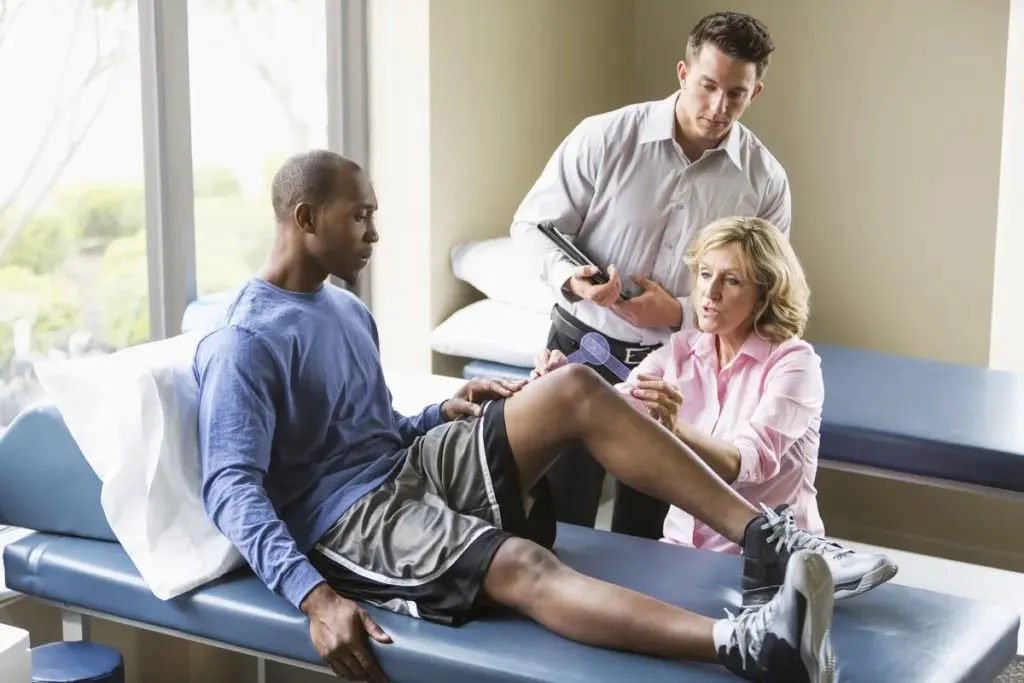
Knowing how the rotator cuff works is key to understanding shoulder injuries and treatments. The rotator cuff is a group of muscles and tendons around the shoulder. They keep the upper arm bone in place within the shoulder socket.
The Four Muscles of the Rotator Cuff
The rotator cuff has four muscles and their tendons. These muscles help stabilize and move the shoulder. The four muscles are:
- Supraspinatus
- Infraspinatus
- Teres minor
- Subscapularis
Each muscle has its own role. For example, the supraspinatus helps lift the arm. The infraspinatus and teres minor help with rotation.
How the Rotator Cuff Stabilizes the Shoulder
The rotator cuff surrounds the shoulder joint, giving it stability. This allows for many movements. The muscles and tendons work together to:
- Stabilize the shoulder joint
- Assist in rotational movements
- Enable abduction and adduction movements
This teamwork is vital for keeping the shoulder healthy and moving well.
Common Causes of Rotator Cuff Damage
Rotator cuff damage can happen for several reasons. These include:
|
Cause |
Description |
|---|---|
|
Acute Injury |
Trauma or sudden impact can cause rotator cuff tears. |
|
Chronic Wear and Tear |
Overuse or repetitive strain can lead to degeneration of the tendons. |
|
Age-Related Degeneration |
As people age, the risk of rotator cuff damage increases. |
Types and Severity of Rotator Cuff Tears
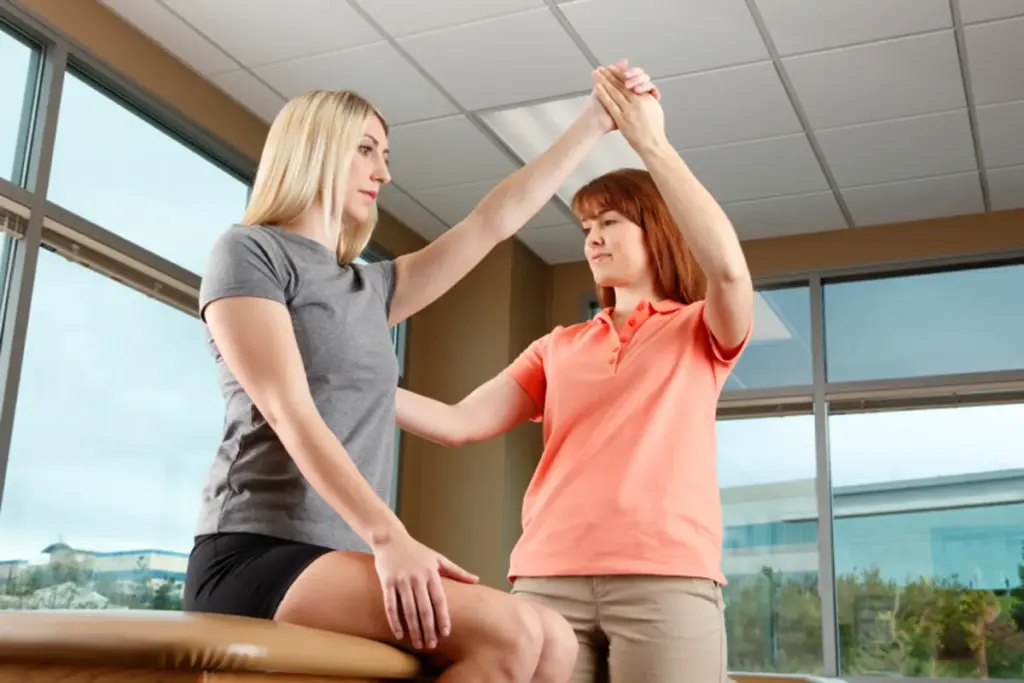
Rotator cuff tears vary in type and severity. This affects treatment choices and recovery. It’s important to understand these differences for effective treatment.
Partial vs. Complete Tears
Rotator cuff tears can be partial or complete. A partial tear damages a part of the tendon. A complete tear means the tendon is fully torn.
Partial tears can be further divided based on where and how much is damaged. Complete tears are more serious and might need surgery if other treatments don’t work. The choice between surgery and non-surgery depends on the tear’s size, location, and the patient’s health.
Acute vs. Degenerative Tears
Rotator cuff tears can be caused by sudden injuries or wear and tear over time. Acute tears happen from sudden injuries like falls. Degenerative tears occur due to aging and wear.
Knowing if a tear is acute or degenerative helps in choosing the right treatment. Acute tears might need quick attention. Degenerative tears might start with a more conservative approach, focusing on symptom management and improving function.
Grading System for Tear Severity
Rotator cuff tears are graded from 1 to 4, with Grade 1 being the mildest and Grade 4 the most severe. This grading helps doctors communicate about the injury’s extent and plan treatment.
|
Grade |
Description |
Typical Treatment Approach |
|---|---|---|
|
1 |
Mild inflammation or minor tear |
Conservative management with physical therapy |
|
2 |
Moderate tear with some tendon damage |
May include corticosteroid injections and physical therapy |
|
3 |
Significant tear with considerable tendon damage |
Often requires surgical repair |
|
4 |
Large or massive tear with significant tendon retraction |
Typically requires surgical intervention, possibly with tendon reconstruction |
Diagnostic Methods for Rotator Cuff Tears
Diagnosing rotator cuff tears involves clinical evaluation, imaging studies, and sometimes, diagnostic injections. Magnetic Resonance Imaging (MRI) is a key tool, providing detailed images of the tendons and surrounding structures.
Other methods include ultrasound and X-rays, which help assess the tear’s extent and the shoulder’s condition. A thorough evaluation is key to determining the best treatment strategy.
When Surgery is Necessary for a Rotator Cuff Tear
Significant or persistent rotator cuff tears may need surgery to fix the shoulder. The choice to have surgery depends on the tear’s size, symptoms, and how well treatments work.
Conservative Treatment Options
Before surgery, conservative treatments are tried first. These include physical therapy, pain meds, and changes in daily life to avoid making the tear worse. “Conservative management is often the first line of treatment,” as orthopedic guidelines say, “allowing patients to potentially avoid surgery.”
The primary aim of these treatments is to alleviate symptoms and enhance shoulder functionality. They work well for partial tears or for those who can’t have surgery because of health issues.
Indications for Surgical Intervention
Surgery is needed when treatments don’t help or for big tears. Indications for surgery include large or massive tears, weakness, or pain that makes daily tasks hard. Surgery aims to fix the tendons, reduce pain, and improve shoulder function.
The tear’s size and location, and the patient’s health and activity level, are key in deciding on surgery. Surgical intervention is often suggested for younger patients or those with high activity levels.
Pre-surgical Considerations and Preparation
Good preparation before surgery is key for the best results. This includes a detailed medical check-up, pre-operative rehabilitation to boost shoulder mobility and strength, and learning about post-surgery care and rehab.
Patients are also taught about pain management strategies and the importance of following post-surgery instructions to avoid complications. Knowing what to expect helps patients prepare for a smooth recovery.
“A well-planned pre-surgical and post-surgical rehabilitation program is vital for the best results after rotator cuff surgery.”
Common Rotator Cuff Repair Surgical Techniques
Surgeons use different methods to fix rotator cuff tears. Each method works best for certain types of tears and patients. Knowing about these techniques helps patients make better choices for their care.
Open Repair Procedure
Open repair uses a big cut to see and fix the rotator cuff. It’s best for big or complicated tears because it lets the surgeon see everything clearly.
Mini-Open Repair Approach
The mini-open method is a mix of open and arthroscopic surgery. It uses a small cut and a camera to see the tear. Then, a small incision is made to fix the tendon. This way, it’s less invasive but strong enough for a good repair.
Arthroscopic Repair Methods
Arthroscopic repair is very minimally invasive. It uses small cuts and a camera to see and fix the rotator cuff. It’s great because it heals faster and hurts less. The surgeon uses special tools to attach the tendon to the bone, often with anchors.
Here are the main points for each method:
- Open Repair: More invasive, good for complex tears, longer recovery.
- Mini-Open Repair: Mixes arthroscopic view with small cut, balances invasiveness with strength.
- Arthroscopic Repair: Least invasive, quick recovery, less damage.
Choosing the right surgery for rotator cuff repair is a big decision. It should be made with an orthopedic surgeon. They will consider the tear’s details, your health, and their skills.
Immediate Post-Operative Recovery Period (0-6 Weeks)
The first six weeks after rotator cuff repair surgery are key for a good recovery. This time is for the repaired tissues to heal. We also want to keep the patient moving as much as possible without harming the repair.
Hospital Stay and Initial Recovery
Most rotator cuff repairs are done as outpatient procedures. This means patients can go home the same day. But, the first few days at home need rest and watching closely. We tell patients to have someone help them at home for a few days.
Pain Management Strategies
Managing pain well is very important right after surgery. We mix medicines and other methods to help with pain. This might include:
- Prescription pain medication
- Ice to lessen swelling and pain
- Resting and keeping the arm up
Immobilization Requirements and Sling Use
Keeping the repair safe is key. Patients often need to wear a sling to keep their arm right. We give clear instructions on how to use and care for the sling to help healing.
Early Passive Range of Motion Exercises
Even with the need for immobilization, starting passive range of motion exercises early is important. These exercises help avoid stiffness and aid in healing. They start a few days after surgery, with help from a physical therapist.
Managing the first few weeks after surgery well can greatly improve the success of the rotator cuff repair. It’s a time that needs patience, following the recovery plan, and good pain management.
Early Rehabilitation Phase (6-12 Weeks)
As we move into the early rehabilitation phase, we focus on getting the shoulder moving and strong again. This is a key time for setting up a strong recovery.
Transition from Passive to Active Motion
We start moving from passive to active exercises. Active participation from the patient is key to better shoulder mobility. “The objective is to balance restoring function while minimizing excessive stress on the repair site.” say experts.
Initial Strengthening Exercises
We begin with low-intensity strengthening exercises to build shoulder strength and stability. These exercises are adjusted based on how well the patient can handle them. Physical therapists help customize these exercises for each person.
Activity Restrictions During This Phase
It’s important to follow activity restrictions to protect the repair. Patients should avoid lifting heavy things or doing hard activities that could hurt the shoulder. Sticking to these rules is vital for a good outcome.
Working with Physical Therapists
Working with physical therapists is a big part of the rehab process. They lead patients through a program of exercises, stretches, and strength training. “A well-structured rehabilitation program is key to regaining full shoulder function,” say orthopedic experts.
Intermediate Recovery Phase (3-6 Months)
Patients with rotator cuff repairs move into a more intense rehab phase after three to six months. This stage is key for building strength and getting back to daily life. It’s all about improving function and returning to normal activities.
Progressive Strengthening Program
This phase focuses on a progressive strengthening program for the shoulder area. Rotator cuff strengthening exercises get tougher, using resistance bands or light weights. This helps build muscle endurance and power.
Working with physical therapists is important here. They help create a rehab plan that fits each patient’s needs. This ensures the rehab is safe and effective, reducing injury risks.
Functional Training Exercises
Functional training exercises are also introduced. These help patients do daily tasks and activities again. They make movements more like real life, improving coordination and balance.
These exercises include shoulder flexion, scapular stabilization, and dynamic movements. They’re designed to help with everyday actions like reaching or lifting. The aim is to make daily activities easier and more confident.
Return to Light Daily Activities
As strength and function grow, patients start doing light daily activities again. This might be simple tasks like dressing or cooking. It’s all about going slow and watching for any pain or discomfort.
Doing daily tasks helps with both physical and mental recovery. It lets patients get back into meaningful activities and social interactions.
Monitoring Progress and Healing
It’s vital to monitor progress and healing during this phase. Regular check-ins with healthcare providers and physical therapists are needed. They help see how the shoulder is healing and make any necessary changes to the rehab plan.
Staying vigilant in recovery helps patients get the best results. It lowers the chance of complications and helps them get back to their pre-surgery level of activity.
Advanced Recovery and Return to Function (6-12 Months)
After rotator cuff repair surgery, the recovery phase lasts from 6 to 12 months. The goal is to regain full strength and function. During this time, patients follow a detailed rehabilitation plan that meets their needs and goals.
Sport-Specific and Work-Specific Rehabilitation
In the advanced recovery phase, rehabilitation gets more specialized. Athletes focus on sport-specific training to regain strength and technique. They work with physical therapists to create training programs that match their sport’s demands.
For those with jobs that require manual labor, work-specific rehabilitation is key. They train to perform tasks similar to their job, ensuring a safe return to work.
Criteria for Full Return to Activities
Before returning to activities, patients must meet specific criteria. These include:
- Adequate strength and range of motion
- Satisfactory functional ability
- Minimal or no pain
- Successful completion of sport-specific or work-specific training
Meeting these criteria helps prevent re-injury and ensures a successful outcome.
Maintenance Exercise Program
A maintenance exercise program is vital to keep the gains from rehabilitation. It includes exercises that strengthen the rotator cuff and improve flexibility.
Patients should keep doing these exercises even after returning to normal activities. This helps maintain shoulder health and prevents future injuries.
Long-term Shoulder Health Strategies
There are several long-term shoulder health strategies patients can follow. These include:
- Regularly performing shoulder exercises to maintain strength and flexibility
- Avoiding repetitive strain injuries by modifying activities or taking regular breaks
- Maintaining a healthy weight to reduce the strain on the shoulder joint
- Using proper techniques when performing physical activities or sports
By following these strategies, patients can lower the risk of future shoulder injuries and keep their shoulders healthy for the long term.
The Role of Physical Therapy in Rotator Cuff Recovery
Effective rotator cuff rehabilitation needs a good physical therapy plan. This plan should fit the person’s needs. Physical therapy is key in getting back strength, mobility, and function in the shoulder after surgery.
Finding the Right Physical Therapist
It’s important to find a physical therapist with rotator cuff injury experience. Look for therapists certified in orthopedic or sports physical therapy. They should know the latest techniques and tailor programs for each patient.
What to Expect in PT Sessions
PT sessions for rotator cuff recovery include exercises and manual techniques. First, they focus on improving movement and reducing pain. Later, they work on strengthening the rotator cuff and improving shoulder stability.
Therapists closely watch patients’ progress and adjust plans as needed. They use passive and active exercises and teach about posture and body mechanics.
Home Exercise Programs
Home exercises are a big part of rotator cuff rehab. Patients do exercises at home several times a week. These exercises help keep and improve range of motion, strength, and function.
Sticking to the home exercise program is key for good recovery. Patients should log their exercises and any challenges. They should discuss this in PT sessions.
Measuring Progress in Rehabilitation
Checking progress regularly is important in rotator cuff rehab. This includes clinical evaluations and patient feedback. We track improvements in pain, range of motion, strength, and function.
By using both objective measures and patient feedback, we make sure the rehab program works well. It’s tailored to each person’s recovery path.
Factors Affecting Rotator Cuff Surgery Recovery Time
Many things can affect how long it takes to recover from rotator cuff surgery. Knowing these factors helps set realistic goals and tailor the recovery plan to each person’s needs.
Age and Overall Health
Age and health are big factors in recovery time. Younger people with fewer health problems usually heal faster than older folks or those with chronic conditions.
For example, people with diabetes or smokers might heal slower. It’s key to talk about your health with your surgeon to understand how it affects your recovery.
Size and Location of the Tear
The size and where the tear is can change how hard the surgery is and how long it takes to recover. Bigger tears need more work and take longer to heal.
Some tears are harder to fix than others, which can also affect recovery time. Our surgeons look at the tear’s size and location to plan the best surgery and recovery plan.
Surgical Technique Used
The surgery method used can also change recovery time. There are different ways to repair the rotator cuff, each with its own benefits and challenges.
For example, arthroscopic surgery is less invasive and might lead to quicker recovery times. But, the right method depends on the tear’s details and the patient’s health.
Compliance with Rehabilitation Protocol
Following the rehabilitation plan is key for a good recovery. A good rehab program helps the shoulder get strong and function well again, lowering the chance of problems.
Patients who stick to their rehab plan, do their exercises, and go to physical therapy tend to do better and get back to their activities sooner.
|
Factor |
Influence on Recovery Time |
|---|---|
|
Age |
Younger patients tend to recover faster |
|
Tear Size and Location |
Larger tears and certain locations may prolong recovery |
|
Surgical Technique |
Less invasive techniques may shorten recovery time |
|
Rehabilitation Compliance |
Adherence to rehabilitation protocol improves outcomes |
Potential Complications and Setbacks During Recovery
Rotator cuff repair surgery usually works well, but there are risks to watch out for. Knowing these can help you deal with them quickly. This makes your recovery smoother.
Re-tears and Repair Failure
One big risk is re-tears or repair failure. This can happen for many reasons, like the size of the tear or how well the tendon heals. Re-tears can make recovery take longer and might need more surgery.
Stiffness and Frozen Shoulder
Stiffness and frozen shoulders are common after surgery. These make the shoulder stiff and painful, limiting movement. Starting to move the shoulder early and doing physical therapy helps a lot.
Infection and Other Surgical Complications
Like any surgery, rotator cuff repair can lead to infections and other problems. Infections might need antibiotics or even more surgery. Other issues include nerve damage, reactions to anesthesia, and blood clots. Watching for signs of infection is key.
When to Contact Your Surgeon
Knowing when to call your doctor is important. If you have severe pain, numbness, signs of infection, or think you’ve re-teared, call them right away. Quick action can stop small problems from getting worse.
Pain Management Throughout the Recovery Process
Recovering from rotator cuff surgery needs careful pain management. It’s key for a smooth recovery. We mix medicines and non-medical methods to manage pain.
Medication Options and Protocols
Medicines are vital for pain after surgery. We use oral pain meds like acetaminophen and NSAIDs. Sometimes, stronger meds are needed for a short time.
It’s important to follow your doctor’s medication plan. This helps avoid side effects and keeps pain under control.
Non-Pharmaceutical Pain Relief Methods
We also suggest non-medical ways to ease pain. These include:
- Applying ice packs to reduce swelling and pain
- Using heat therapy to relax muscles and improve circulation
- Engaging in relaxation techniques, such as deep breathing and meditation
- Getting plenty of rest and maintaining a comfortable sleep position
When to Be Concerned About Pain
Some pain is normal after surgery. But, watch your pain levels and talk to your doctor if you’re worried. If you have:
- Increasing pain or pain that’s not getting better with meds
- Severe pain that makes it hard to do daily tasks
- Pain with other symptoms like fever or swelling
Call your doctor for advice.
Transitioning Away from Pain Medications
As you get better, we’ll help you use less pain meds. You might switch to over-the-counter meds or try other ways to feel better. Our goal is to help you feel comfortable without relying too much on meds.
Essential Rotator Cuff Rehabilitation Exercises
A good rehab program is key to getting your shoulder back in shape after surgery. We’ll show you the main exercises for a successful recovery.
Passive Range of Motion Exercises
These exercises are important early on. They keep your shoulder flexible and prevent stiffness. You don’t have to move your arm on your own.
- Shoulder Pendulum Exercise: Lean forward and let your arm hang down. Move it in small circles first one way, then the other.
- Passive Arm Elevation: Lift your arm up with your other arm, keeping it straight.
Active Assisted Exercises
When you’re healing more, these exercises help. They make your muscles stronger and more controlled. You do the work, but get a little help.
- Active Assisted Range of Motion: Use a stick or cane to help lift your arm, making it easier.
- Wall Slide: Stand against a wall and slide your arm up, helping to lift it.
Strengthening Exercises
These exercises are important for getting your shoulder strong again. Start slowly, based on how you feel.
- Resistance Band Exercises: Use bands to do exercises that target your rotator cuff muscles.
- Light Dumbbell Exercises: Start with light dumbbells to do similar exercises, building strength.
Working with a physical therapist is key. They’ll make a rehab plan just for you. With the right exercises, you can get back to doing what you love.
Returning to Daily Activities After Rotator Cuff Repair
Recovering from rotator cuff surgery is a step-by-step process. It’s key to slowly get back to daily tasks for a good outcome. Patients need to know when and how to safely do daily activities to avoid problems and ensure a smooth recovery.
Driving and Transportation Considerations
Many patients wonder when they can start driving again. Usually, doctors say to wait until you have enough strength and shoulder movement, about 4-6 weeks after surgery. You should also be able to stop quickly without pain.
If you use public transport, your commute might not be affected much. But think about how far you need to walk to get to transport hubs. Also, consider if you can carry things like luggage or groceries with one hand or a limited shoulder.
Work Accommodations and Timelines
Going back to work after rotator cuff repair depends on your job. Desk jobs might let you return in a few weeks, as long as you don’t lift or reach too much. Jobs that need manual labor might take 3-6 months.
Talk to your employer and doctor to make a plan that helps your recovery and meets your job needs.
Household Activities and Self-Care
You can usually start doing simple household tasks and self-care in a few weeks. But avoid heavy lifting, bending, or reaching. Start with light tasks like cooking or laundry, and gradually do more as your shoulder gets stronger.
Recreational and Sporting Activities
When you can go back to sports or activities depends on what they are. Low-impact activities like swimming or golf might be okay in 3-4 months. But high-impact or contact sports might take 6 months or more.
Work with your doctor and physical therapist to make a plan for returning to activities. This plan should fit your needs and goals, ensuring a safe and successful return to your favorite activities.
Knowing the rules for daily activities after rotator cuff repair helps patients recover with confidence. This way, they can avoid complications and have a better chance of a full recovery.
Conclusion: The Long-Term Outlook After Rotator Cuff Repair
The outlook after rotator cuff repair is usually good with the right care. We’ve talked about the recovery stages, from right after surgery to advanced exercises.
Keeping the shoulder healthy is key for the repair to last. This means doing strengthening exercises, functional training, and making lifestyle changes to avoid injuries.
Following a good rehab plan and focusing on long-term shoulder health can greatly improve shoulder function. This leads to a better quality of life.
Our experience shows that with proper care, people can get back to their daily life and sports confidently. They can enjoy a healthy, functional shoulder for many years.
FAQ
What is the typical recovery time for rotator cuff repair?
Rotator cuff repair recovery time varies. It can take 6 to 12 months to fully recover. The severity of the tear, age, and health play a role.
How long does it take to regain full strength after rotator cuff surgery?
It takes several months to regain full strength after surgery. This is usually between 3 to 6 months. It depends on how well you progress and the repair extent.
What are the common complications after rotator cuff repair?
Common issues include re-tears, stiffness, infection, and frozen shoulders. Quick medical attention can help manage these problems.
How is pain managed after rotator cuff surgery?
Pain management uses medication and non-medical methods. This includes physical therapy and alternative therapies, tailored to each person’s needs.
What types of exercises are recommended during rotator cuff rehabilitation?
Exercises include passive range of motion, active assisted, and strengthening. These are adjusted based on your recovery stage.
When can I return to driving after rotator cuff surgery?
Driving return time varies, usually 4 to 8 weeks. It depends on your recovery and your surgeon’s advice.
How long does it take to return to work after rotator cuff repair?
Work return time varies. It can be a few weeks for light duties or several months for demanding jobs.
What are the long-term strategies for maintaining shoulder health after rotator cuff repair?
Long-term strategies include regular exercise and avoiding repetitive strain. Regular health check-ups are also important.
Can I participate in sports after rotator cuff repair?
Yes, you can participate in sports after repairs. The timing and sport type depend on your recovery and surgeon’s advice, usually 6 to 12 months.
How do I know if I’ve re-torn my rotator cuff during recovery?
Signs of a re-torn rotator cuff include sudden pain, decreased strength, or motion changes. If you notice these, contact your surgeon right away.
Reference
National Center for Biotechnology Information. Evidence-Based Medical Insight. Retrieved from https://pmc.ncbi.nlm.nih.gov/articles/PMC11114118/