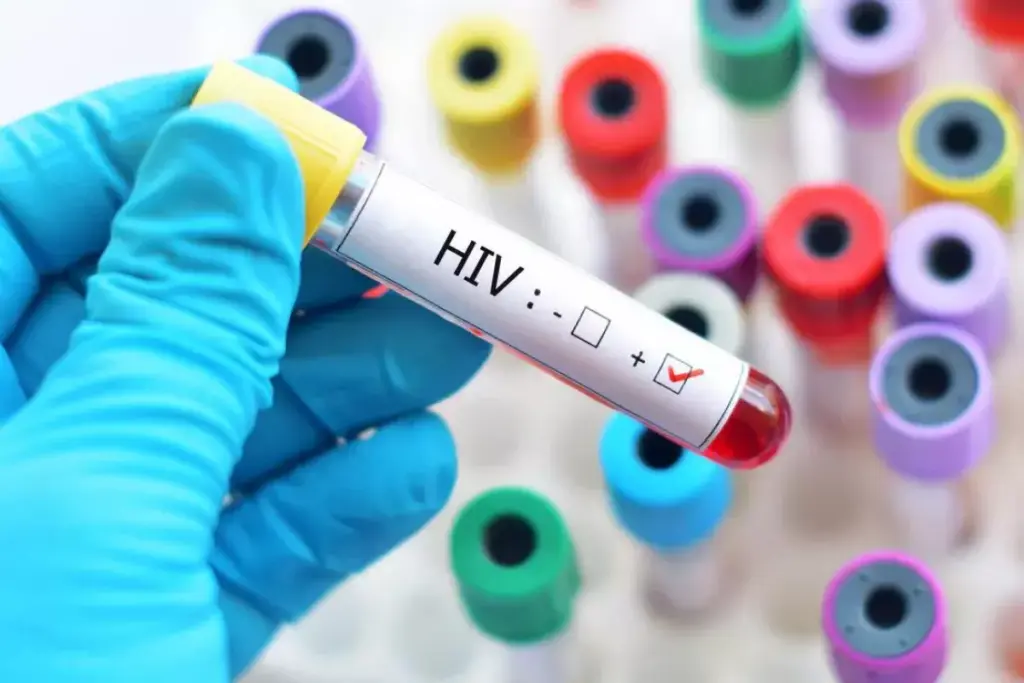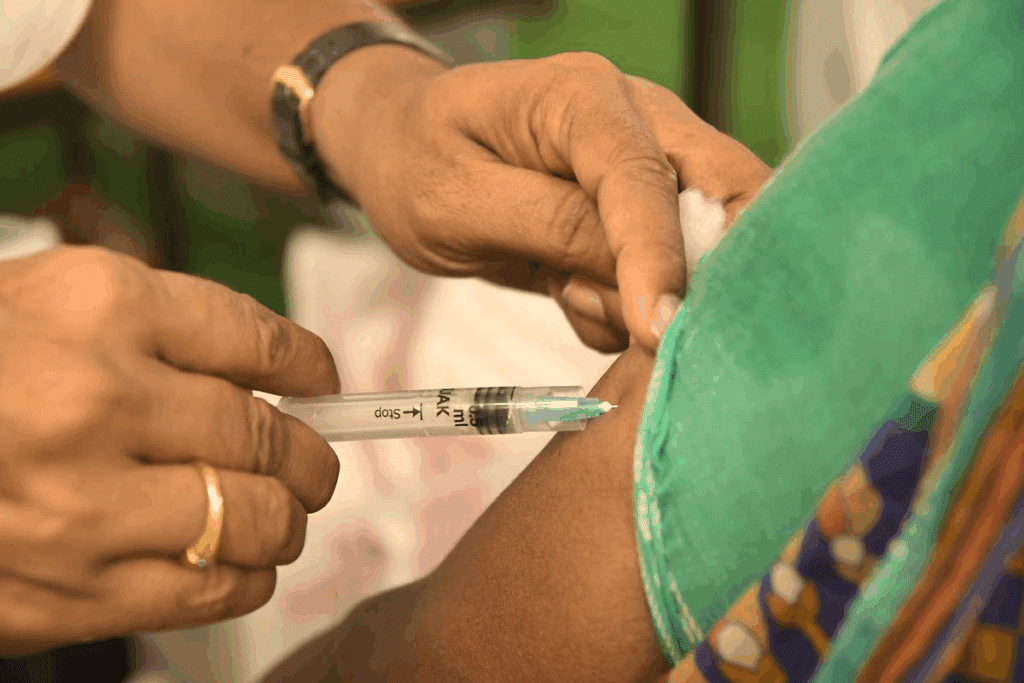
Infectious diseases like measles and influenza can spread fast in areas with low vaccination rates. This puts people who are most vulnerable at risk. Standard vaccines are key in stopping these diseases from spreading.
We suggest regular immunization to keep infectious diseases at bay. These diseases can be very serious, mainly for certain age groups or those with weak immune systems.
Scheduled vaccines are vital for public health. We will look into why it’s important to keep up with recommended vaccinations.
Key Takeaways
- Routine vaccination protects against infectious diseases like measles and influenza.
- Standard vaccines are critical in stopping disease spread.
- Regular immunization is advised for certain age groups or those with weak immune systems.
- Scheduled vaccines are a key part of public health.
- Keeping up with recommended vaccinations is essential for both individual and community health.
Understanding Routine Vaccination
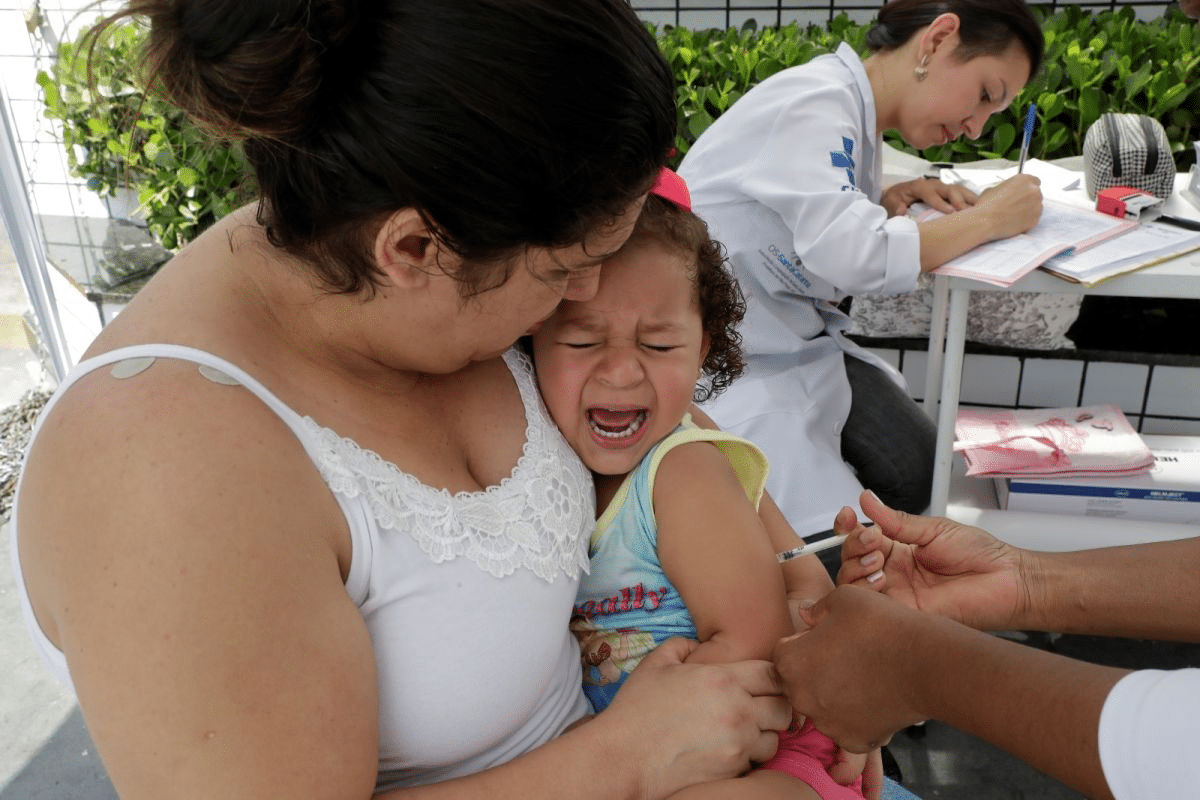 Vaccines are key to keeping us healthy from childhood to adulthood. Routine vaccination is a big part of keeping us safe from diseases. It helps us understand how vaccines protect us and our communities.
Definition of Routine Vaccination
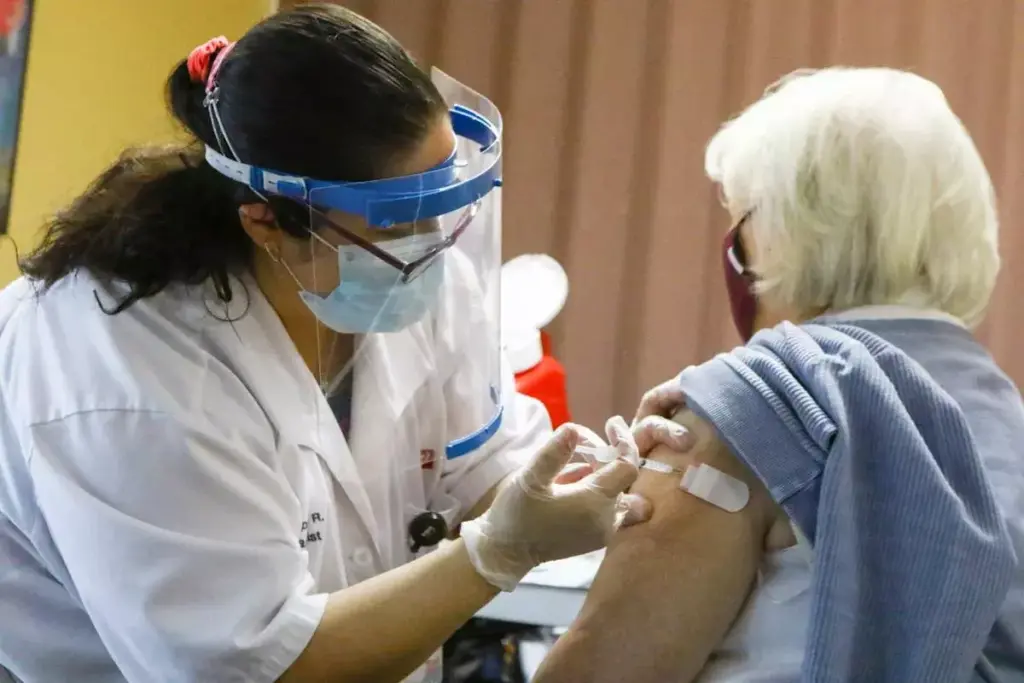
Routine vaccination means getting vaccines on a set schedule to fight diseases. These essential vaccines protect not just you but also others around you. Core vaccines are for everyone, no matter their health or lifestyle.
Purpose of Routine Vaccination
The main goal of routine vaccination is to give us basic immunization against big health threats. By getting recommended vaccines, we lower our chance of getting sick. This helps us and keeps others safe, like the elderly and young kids.
Vaccines boost our immune system, keeping us safe from diseases at all ages. Routine vaccination prevents major disease outbreaks and promotes overall health.
Importance of Vaccinations in Public Health
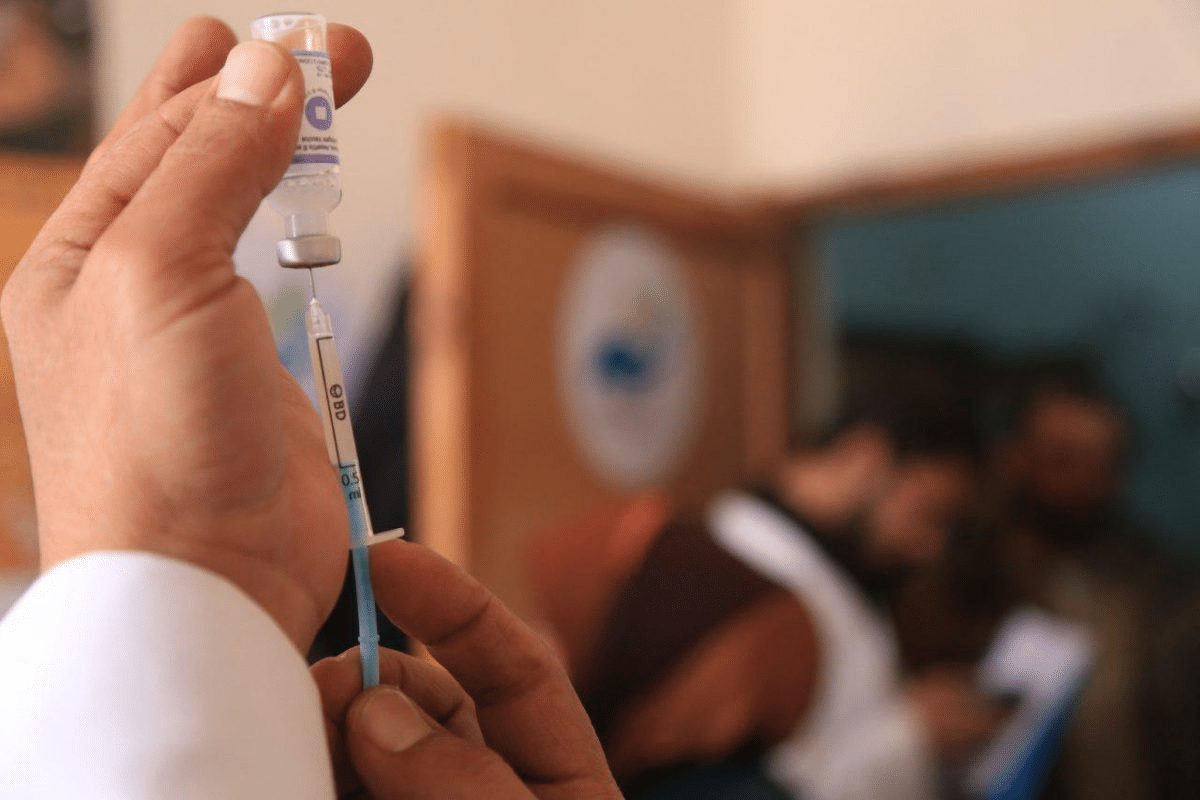 Vaccinations are key to keeping communities healthy and stopping outbreaks. They protect not just the person who gets the shot but also everyone around them. This is a big deal for keeping people safe.
Protecting Community Health
Vaccines are essential for keeping communities safe from diseases. When many people get vaccinated, it stops diseases from spreading. This is very important for people who can’t get shots, like those with weak immune systems.
Getting standard immunization helps protect others too. This includes the elderly, young kids, and those with weak immune systems. Together, we can keep everyone safe and stop outbreaks.
Herd Immunity Explained
Herd immunity means a community is protected when enough people are vaccinated. The exact number needed varies by disease. But generally, most of the population needs to be vaccinated to stop a disease from spreading.
Being vaccinated is not just about personal health. It’s about looking out for everyone in our community. By staying up-to-date with our regular vaccines, we help keep our community safe and healthy.
Preventing Outbreaks
Vaccines are vital in stopping outbreaks of diseases. By protecting against diseases like measles, mumps, and flu, we lower the chance of outbreaks. This is very important in places like schools and daycare centers, where diseases can spread fast.
Stopping outbreaks keeps everyone healthy and saves money. It also makes sure our healthcare systems don’t get too busy with preventable illnesses.
Common Types of Routine Vaccines
It’s important to know about the different types of routine vaccines. They are key to keeping us healthy. We’ll talk about the vaccines needed for different ages and situations.
Childhood Vaccines
Childhood vaccines protect kids from serious diseases. They start early and go through to when they’re teenagers.
- DTaP (Diphtheria, Tetanus, and Pertussis): Protects against diphtheria, tetanus, and pertussis.
- MMR (Measles, Mumps, and Rubella): Guards against measles, mumps, and rubella.
- Polio Vaccine: Protects against poliomyelitis.
- Hepatitis B Vaccine: Prevents hepatitis B infection.
These mandatory vaccines are key to stopping outbreaks and keeping kids safe.
Adult Vaccines
As we get older, we face more health risks. Vaccines are important for staying healthy.
- Tdap (Tetanus, Diphtheria, and Pertussis): A booster shot to protect against tetanus, diphtheria, and pertussis.
- Influenza Vaccine: Annual vaccination to protect against the flu.
- Pneumococcal Vaccine: Protects against pneumococcal disease, which can cause pneumonia, meningitis, and sepsis.
- Shingles Vaccine: Recommended for adults aged 50 and older to prevent shingles.
These required vaccines help keep adults healthy and stop disease spread.
Travel Vaccines
Travel vaccines depend on where you’re going. Some diseases are more common in certain areas.
- Hepatitis A Vaccine: Recommended for travel to areas with poor sanitation.
- Yellow Fever Vaccine: Required for travel to certain countries in Africa and South America.
- Typhoid Vaccine: Recommended for travel to areas with high risk of typhoid fever.
These universal vaccines are vital for travelers to prevent disease spread.
We make sure vaccines are free for those who qualify. It’s important to follow the recommended vaccination schedule for public health.
Vaccination Schedules in the United States
In the United States, vaccination schedules are carefully planned. They aim to protect against infectious diseases. The Centers for Disease Control and Prevention (CDC) guides healthcare providers and the public on these schedules.
CDC Recommendations
The CDC’s recommended vaccination schedule aims for the best protection. It includes vaccinations from birth to adulthood. For example, children get shots for measles, mumps, and rubella (MMR), and others for diphtheria, tetanus, and pertussis (DTaP), and polio (IPV) at certain ages.
The CDC says vaccines are tested for safety and work before they’re used in the U.S. This thorough testing makes vaccines safe for most people. The CDC’s Advisory Committee on Immunization Practices (ACIP) updates the schedule based on new evidence.
State-Specific Variations
While the CDC has a standard schedule, states can have their own rules. Some states need extra shots for school or have different exemption rules. It’s important to know your state’s rules to stay protected.
Key Considerations for State-Specific Variations:
- Check with your state’s health department for specific vaccination requirements.
- Understand the rules regarding vaccine exemptions in your state.
- Consult with your healthcare provider to ensure you are meeting the necessary vaccination requirements.
Director of the CDC, says staying up-to-date with vaccines is key. Following the recommended vaccination schedule is vital for public health.
In summary, knowing and following the CDC’s vaccination schedule is important. Also, being aware of state-specific rules helps ensure protection against diseases.
The Science Behind Vaccines
Vaccines are key to keeping communities healthy. They protect us from many diseases. For decades, they’ve been a mainstay of public health.
How Vaccines Work
Vaccines introduce a substance to our bodies. This substance is often a weakened or killed form of a disease-causing organism. It triggers our bodies to make antibodies.
These antibodies fight specific diseases. This process makes our immune system ready to fight off pathogens without causing the disease itself. It keeps us safe and helps protect others too.
“Vaccines are the most effective way to prevent infectious diseases. By immunizing against specific pathogens, we can significantly reduce the incidence of serious infections.”
World Health Organization
Types of Vaccines
There are many types of vaccines, each with its own benefits. The main categories include:
- Inactivated vaccines: These contain killed pathogens and cannot cause the disease they prevent.
- Live, attenuated vaccines: These contain a weakened form of the pathogen, providing immunity with minimal risk of causing the disease.
- Conjugate vaccines: These combine a weakened pathogen with a carrier protein to enhance immune response, mainly in children.
- mRNA vaccines: A newer type of vaccine that uses messenger RNA to instruct cells to produce a specific protein, triggering an immune response.
|
Vaccine Type |
Description |
Examples |
|---|---|---|
|
Inactivated |
Killed pathogens, cannot cause disease |
Flu vaccine, Hepatitis A vaccine |
|
Live, Attenuated |
Weakened pathogens, minimal disease risk |
MMR vaccine, Varicella vaccine |
|
Conjugate |
Weakened pathogen with carrier protein |
Hib vaccine, Pneumococcal conjugate vaccine |
|
mRNA |
Uses messenger RNA to trigger immune response |
COVID-19 mRNA vaccines |
Knowing about the different vaccines and how they work is important. It shows how effective immunization programs are. By sticking to the immunization schedule, we can protect ourselves from many diseases.
Debunking Myths About Vaccinations
It’s important to talk about the myths around vaccinations. Vaccines are key to keeping us healthy. Knowing they are safe and work well helps us make smart choices.
Vaccine Safety
Health experts and agencies focus on vaccine safety. They test and watch vaccines closely. The Centers for Disease Control and Prevention (CDC) and others check for risks.
Some worry vaccines cause serious health issues. But, many studies prove this isn’t true. The scientific consensus is clear: vaccines are safe and effective for most people.
Common Misconceptions
Many myths about vaccines have been proven wrong. For example, vaccines don’t have harmful ingredients. They might have small amounts of things like aluminum salts or formaldehyde, but these are safe.
Some think natural immunity is better than vaccine immunity. But, vaccines offer a safer way to get immunity without the disease risks. Vaccines have helped control and wipe out many serious diseases.
Let’s look at some important facts about vaccine safety and how well they work:
- Vaccines are tested in big clinical trials before they are approved.
- Systems watch vaccine safety after they are licensed.
- Vaccine side effects are usually mild and short-lived, like redness or swelling at the injection site.
- Severe side effects are very rare.
By knowing the truth about vaccine safety and debunking myths, we can help keep everyone healthy and stop diseases from spreading.
The Role of Healthcare Providers
Healthcare providers play a huge role in promoting vaccinations. We educate and reassure patients about vaccines. It’s our job to give them the facts on vaccine benefits and risks.
Educating Patients on Vaccination
Teaching patients about vaccines is key. We explain why vaccines are important, how they work, and possible side effects. This helps patients make smart health choices.
We use many ways to teach patients, like:
- Providing clear, concise vaccine info
- Answering patient concerns and questions
- Using visual aids to explain complex topics
- Encouraging patients to ask more questions
Addressing Concerns and Questions
Patients often worry about vaccines. We must listen and answer their questions with care. They might worry about vaccine safety, how well they work, and side effects.
Here’s a table with common concerns and answers:
|
Concern |
Response |
|---|---|
|
Vaccine safety |
Vaccines are tested thoroughly for safety and work well. We have lots of data on their safety. |
|
Vaccine efficacy |
Many studies prove vaccines are very good at stopping diseases. |
|
Potential side effects |
Vaccines might cause some side effects, but they’re usually mild and short-lived. Serious side effects are very rare. |
By answering patient concerns and giving them the right info, we create a supportive environment for vaccines. As healthcare providers, we’re essential in keeping communities healthy through vaccination.
Challenges in Routine Vaccination
Routine vaccination faces big hurdles like vaccine hesitancy and access and availability problems. We’ll look at these challenges and talk about how to keep vaccination programs working well.
Vaccine Hesitancy
Vaccine hesitancy means people delay or refuse vaccines even when they’re available. It’s caused by things like false information, distrust in healthcare, and personal beliefs.
Factors Contributing to Vaccine Hesitancy:
- Misinformation and myths about vaccine safety and efficacy
- Lack of trust in pharmaceutical companies and healthcare providers
- Personal or philosophical objections to vaccination
Access and Availability Issues
Even if people want to get vaccinated, cost, location, and availability can stop them. We need to fix these problems to get more people vaccinated.
Strategies to Improve Access:
- Expanding vaccination locations, such as pharmacies and community centers
- Implementing mobile vaccination units to reach remote areas
- Reducing or eliminating costs associated with vaccination
Comparing Challenges and Possible Solutions:
|
Challenge |
Potential Solution |
|---|---|
|
Vaccine Hesitancy |
Public education campaigns, transparent communication about vaccine safety and efficacy |
|
Access Issues |
Expanding vaccination locations, mobile vaccination units |
|
Availability Issues |
Improving supply chain management, increasing vaccine production |
By understanding and solving the challenges to routine vaccination, we can increase vaccination rates. This will help protect public health.
The Future of Routine Vaccination
Future generations will see big changes in vaccine development and global vaccination. New technologies and strategies are being created. These aim to make vaccines more effective, safe, and easy to get.
Innovations in Vaccine Development
Vaccine development is changing fast with new technologies. mRNA vaccines, viral vector vaccines, and nanoparticle-based vaccines are leading the way. These new methods boost the immune system and make vaccines easier to design and produce.
Key advancements include:
- Development of vaccines against previously unvaccinated diseases
- Improved vaccine stability and storage conditions
- Enhanced immune response through novel adjuvants
Global Vaccination Efforts
Global vaccination efforts are key to stopping infectious diseases worldwide. Groups like the Global Vaccine Alliance (GAVI) and the World Health Organization’s (WHO) Expanded Programme on Immunization play a big role. They help make sure everyone has access to vaccines.
Some notable global vaccination efforts include:
|
Initiative |
Description |
Impact |
|---|---|---|
|
GAVI Alliance |
Supports vaccination efforts in low-income countries |
Has helped vaccinate millions of children against various diseases |
|
WHO’s Expanded Programme on Immunization |
Aims to achieve universal access to vaccines |
Has contributed significantly to the reduction of vaccine-preventable diseases globally |
Vaccination and Special Populations
It’s important to know about the vaccination needs of special groups. This includes people with weakened immune systems and pregnant women. They need special care to stay safe and protect others too.
Immunocompromised Individuals
People with HIV/AIDS, cancer patients, and those who have had organ transplants are at higher risk for infections. Vaccination is very important for them. But, their bodies might not react well to vaccines because their immune systems are weak.
Live vaccines are not safe for these people because they can cause serious problems. Inactivated vaccines are safer but might not work as well.
Pregnant Women and Vaccination
Pregnant women also need special attention when it comes to vaccines. The aim is to keep both the mother and the baby safe from diseases. In general, inactivated vaccines are okay during pregnancy, but live vaccines are avoided.
For example, pregnant women should get the flu vaccine. This helps protect them and their babies from flu, which can be very dangerous during pregnancy.
“Pregnant women should receive the inactivated influenza vaccine to protect themselves and their newborns against flu.”
Staying Informed About Vaccinations
Vaccine research is always changing. It’s important to stay up to date. Reliable information about vaccinations is key for public health.
Reliable Sources for Vaccination Information
It’s vital to trust credible sources. Some top organizations include:
- The Centers for Disease Control and Prevention (CDC)
- The World Health Organization (WHO)
- Peer-reviewed scientific journals
These places offer up-to-date information on vaccine safety and more.
The Importance of Continued Education
Learning about vaccinations is important for everyone. It helps in:
- Understanding new vaccine developments
- Clearing up vaccine myths
- Making smart vaccination choices
By learning, we can keep vaccination rates high and protect health.
We suggest checking out health organizations’ resources. This way, we can always have the latest vaccine info. It helps us make informed health choices.
Conclusion: Your Role in Routine Vaccination
Routine vaccination is key to public health. It keeps us and our communities safe from diseases. We all play a big part by supporting vaccination and keeping our shots up to date.
Community Efforts
It’s important to push for vaccination in our communities. This helps us all stay safe by building a strong defense against diseases. By teaching others about vaccines and helping with local efforts, we make our community healthier.
Personal Responsibility
Getting our shots is something we must do for ourselves and others. It keeps us healthy and stops diseases from spreading. We should talk to our doctors to make sure we get all the vaccines we need.
Together, we can keep everyone safe and healthy. Let’s keep focusing on vaccination and helping our community stay well.
FAQ
What is routine vaccination, and why is it important?
Routine vaccination is when people get shots to protect against diseases. It’s key for keeping everyone healthy and stopping diseases from spreading.
How do vaccines work to protect against diseases?
Vaccines introduce a small, harmless piece of a pathogen to the body. This triggers the immune system to make antibodies and fight off future infections.
What is herd immunity, and how does it relate to routine vaccination?
Herd immunity happens when most people in a community are immune to a disease. This makes it hard for the disease to spread, protecting those who can’t fight it off. Vaccines help achieve this by reducing the number of people who can get sick.
What are some common types of routine vaccines given to children and adults?
Kids get shots for measles, mumps, and rubella (MMR), and for diseases like diphtheria and polio. Adults might get vaccines for flu, pneumococcal disease, and shingles. Travel vaccines are also important for trips to certain places.
How do I stay up-to-date with the recommended vaccination schedule?
Talk to your doctor or check the CDC website for the latest vaccine schedules. Knowing the recommended vaccines helps keep you and others safe.
Are vaccines safe, and what are the possible side effects?
Vaccines are tested for safety before they’re approved. While they can cause side effects like soreness at the injection site, serious problems are rare. The benefits of getting vaccinated far outweigh the risks.
Can individuals with weakened immune systems receive vaccines?
People with weakened immune systems need special care when it comes to vaccines. Some vaccines might not be safe for them, but others can help protect against infections. Always talk to a doctor about the best vaccine plan.
Where can I find reliable information about vaccinations?
The CDC and World Health Organization (WHO) offer trustworthy info on vaccines. You can also ask your doctor or visit reliable health websites for more information.
How can I encourage vaccination in my community?
By learning about vaccines and sharing what you know, you can help your community stay healthy. Encourage your friends and family to get vaccinated and support efforts to make vaccines more accessible.
What is the role of healthcare providers in promoting vaccination?
Doctors and healthcare providers are key in teaching patients about vaccines. They answer questions, address concerns, and give the vaccines needed to protect against diseases.
References
Centers for Disease Control and Prevention. Evidence-Based Medical Insight. Retrieved from https://www.cdc.gov/vaccines/hcp/imz-best-practices/introduction.html