Ruptured tendon Achilles treatment is essential for a full recovery after injury. Achilles tendon injuries are common among athletes and people who engage in intense physical activity. Nearly 80% of Achilles tendon ruptures happen during sports, highlighting the need for quick diagnosis and proper care.
The healing process for the Achilles tendon depends on how severe the injury is. Effective ruptured tendon Achilles treatment may include rest, physical therapy, or in some cases, surgery. Understanding your treatment options—such as Achilles tendon repair and rupture surgery—helps ensure the best possible recovery.
Key Takeaways
- Understanding the severity of Achilles tendon injuries is key for effective treatment.
- Achilles tendon rupture treatment options vary based on the injury’s severity.
- Rehabilitation strategies are very important for recovery.
- Treatment for torn achilles needs a complete approach.
- Proper achilles tendon repair is vital for getting function and strength back.
Understanding the Achilles Tendon Anatomy and Function
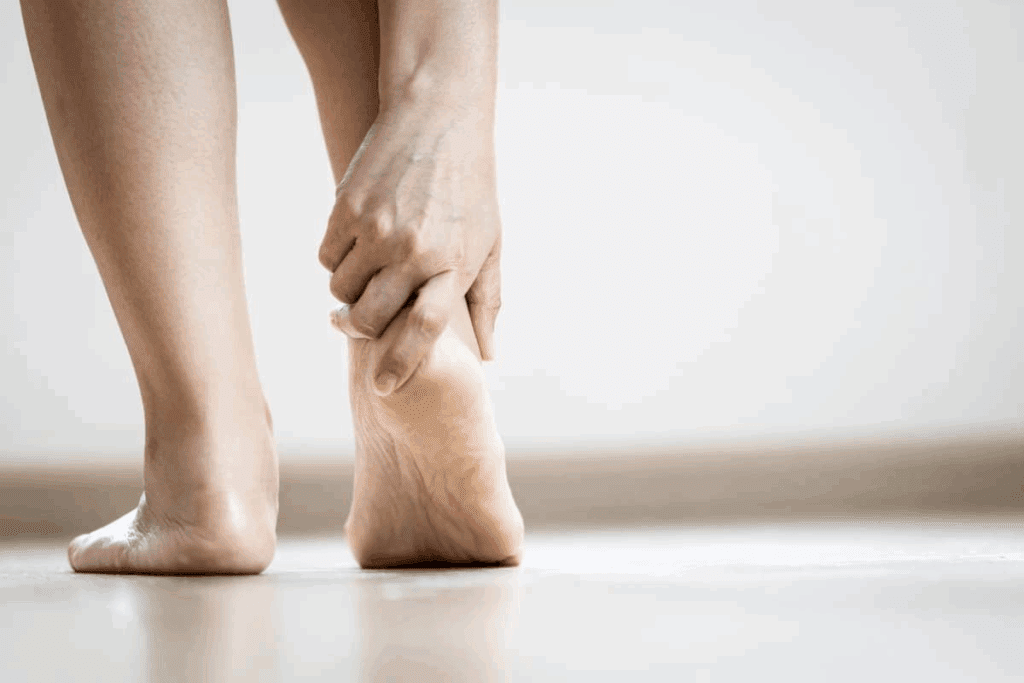
The Achilles tendon is key for ankle movement and sports skills. It links the calf muscles to the heel bone. This connection is vital for walking, running, and jumping.
Structure and Composition of the Achilles Tendon
The Achilles tendon is packed with collagen fibers. These fibers make it strong and flexible. Collagen is what gives the tendon its strength, helping it handle stress during sports.
Studies show the tendon’s structure is not the same everywhere. Differences in fiber orientation and density can make it more prone to injury.
Role in Movement and Athletic Performance
The Achilles tendon helps with movements like pointing the foot down. This is key for running and jumping. Its flexibility also helps in storing and releasing energy, boosting athletic performance.
“The Achilles tendon can handle forces up to 12 times body weight during running. This shows its vital role in high-impact sports.”
Common Stress Points and Vulnerabilities
Even though strong, the Achilles tendon can get injured. This often happens in people who do repetitive activities. The tendon’s connection to the heel bone and areas with less blood supply are common weak spots.
| Stress Point | Vulnerability | Common Injury |
| Tendon insertion into heel bone | High stress during plantarflexion | Insertional tendinopathy |
| Areas of reduced blood supply | Poor healing capacity | Tendinopathy, rupture |
| Mid-substance of the tendon | High tensile stress | Tendon rupture |
Knowing how the Achilles tendon works is important. It helps us understand its role in movement and the risks of injury.
Types of Achilles Tendon Injuries
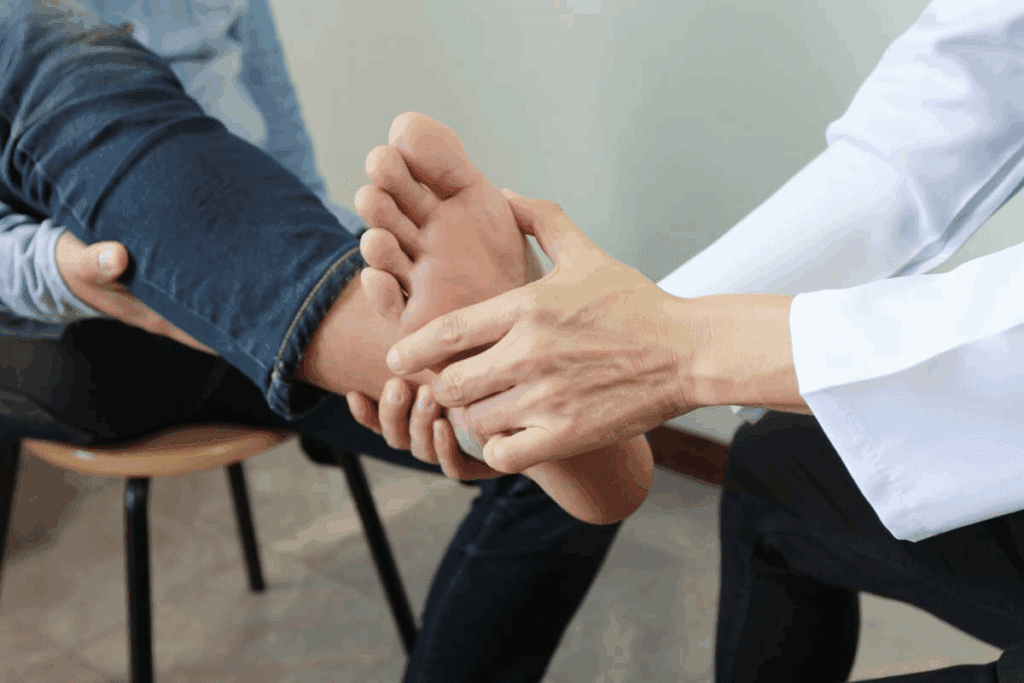
It’s important to know the different types of Achilles tendon injuries. This knowledge helps in diagnosing and treating them effectively. These injuries can vary from mild to severe, depending on their characteristics and severity.
Partial Tears vs. Complete Ruptures
Achilles tendon injuries can be partial tears or complete ruptures. Partial tears mean some of the tendon fibers are damaged. Complete ruptures mean the tendon is completely torn.
Partial tears can be low-grade or high-grade. Low-grade tears have minimal damage. High-grade tears have more damage but not a complete tear.
Complete ruptures are more serious and need quick medical help. Knowing if it’s a partial tear or a complete rupture is key to choosing the right treatment.
Acute vs. Chronic Injuries
Achilles tendon injuries can be either acute or chronic. Acute injuries happen suddenly, often from a specific event. Chronic injuries develop over time from repeated strain or wear and tear.
Acute injuries cause sudden pain and loss of function. Chronic injuries start with gradual pain and stiffness. Knowing if an injury is acute or chronic helps in choosing the right treatment.
Tendinitis and Tendinopathy
Tendinitis is inflammation of the tendon, often from overuse. Tendinopathy includes both inflammation and degeneration in the tendon. It causes pain, swelling, and trouble moving.
Tendinopathy has different stages, like reactive, disrepair, and degenerative. Each stage has its own problems and needs specific treatment.
Common Causes of Achilles Tendon Ruptures
Knowing why Achilles tendon ruptures happen is key to preventing and treating them. The Achilles tendon can rupture due to many factors. These factors affect people from all walks of life.
Sports-Related Injuries
Sports injuries are a big reason for Achilles tendon ruptures. This is true for sports that involve running, jumping, and quick turns. Basketball, soccer, and tennis are examples of sports that can stress the tendon too much. Athletes in these sports need to know the risks and take steps to prevent injuries. This includes warming up right and doing exercises to strengthen the calf muscles.
Age-Related Degeneration
As we get older, our Achilles tendons can weaken. This is because the tendon’s blood supply goes down, and the fibers lose their elasticity. This natural aging can make the tendon more likely to rupture, even with a small injury. Older adults should be careful when doing physical activities that might stress the Achilles tendon too much.
Medical Conditions That Increase Risk
Some medical conditions can make you more likely to get an Achilles tendon rupture. Diabetes, rheumatoid arthritis, and hyperthyroidism can harm tendon health. People with a history of tendonitis or past tendon injuries are also at higher risk. It’s important for those with these conditions to talk to their doctor about how to prevent tendon ruptures.
Medication Side Effects
Some medicines, like fluoroquinolone antibiotics and corticosteroids, can raise the risk of tendon ruptures. These drugs can change how the tendon works and make it more likely to rupture. People taking these medicines should watch for tendon pain or discomfort and tell their doctor right away.
| Cause | Description | Risk Factors |
| Sports-Related Injuries | Injuries sustained during sports activities | Athletes, sudden changes in training intensity |
| Age-Related Degeneration | Degeneration of the tendon due to aging | Older adults, decreased physical activity |
| Medical Conditions | Conditions that affect tendon health | Diabetes, rheumatoid arthritis, hyperthyroidism |
| Medication Side Effects | Medications that can weaken tendons | Fluoroquinolone antibiotics, corticosteroids |
By knowing the causes, people can take steps to lower their risk of an Achilles tendon rupture. This includes staying healthy, being aware of risks from certain conditions and medicines, and taking care during sports.
Recognizing Achilles Tendon Rupture Symptoms
It’s important for both patients and doctors to know the signs of an Achilles tendon rupture. Spotting these symptoms early is key to getting the right treatment and starting the healing process.
Immediate Signs and Sensations
A sudden, sharp pain in the back of the ankle is a common first sign of a rupture. Some people also hear a popping or snapping sound as the tendon tears. Immediate symptoms include:
- Severe pain in the calf or ankle area
- Difficulty walking or standing on tiptoes
- Swelling and bruising around the ankle
- A feeling of instability in the ankle
A study found that the Thompson test is a good way to check for Achilles tendon ruptures. This test involves squeezing the calf muscle to see if the ankle moves. If it doesn’t, it could mean the tendon is torn.
The Thompson Test and Other Diagnostic Methods
The Thompson test is a simple but effective way to diagnose a rupture. The patient lies on their stomach with their feet hanging off the table. Then, a healthcare provider squeezes the calf muscle. If the tendon is okay, the foot should move down. If it doesn’t, it might mean the tendon is torn.
Other tests like ultrasound and MRI can also help. They give detailed pictures of the tendon and the area around it. This helps doctors confirm if there’s a rupture.
Differentiating from Other Ankle Injuries
Achilles tendon ruptures can be mistaken for sprains or strains. But, the pain is usually much worse, and you can feel a gap in the tendon. Getting the right diagnosis is important for the right treatment.
In short, knowing the signs of an Achilles tendon rupture is vital. By recognizing these symptoms and using tests like the Thompson test, patients can get the care they need to heal.
Diagnostic Procedures for Achilles Tendon Injuries
Diagnosing Achilles tendon injuries requires a mix of clinical checks and imaging tests. Getting the diagnosis right is key to figuring out how bad the injury is and what treatment is needed.
Physical Examination Techniques
A detailed physical check is the first step in diagnosing Achilles tendon injuries. Doctors use different methods to check the tendon’s strength and function. The Thompson test is one method where the patient kneels or lies on their stomach. The doctor then presses the calf muscles. If the tendon is okay, the foot should point down. If not, it might mean a rupture.
Doctors also look for pain, swelling, and bruises around the tendon. They check if the patient can stand on tiptoes or do a single-leg heel raise.
Imaging Studies (MRI, Ultrasound, X-ray)
Imaging tests are often needed to confirm the diagnosis and see how bad the injury is. Magnetic Resonance Imaging (MRI) is very good at showing the tendon’s details. It can spot partial tears, complete ruptures, and other issues.
Ultrasound is also useful. It lets doctors see how damaged the tendon is and can help with treatments.
X-ray is not usually used for the tendon itself. But it can help rule out other problems like fractures or calcifications.
Assessing Injury Severity
Knowing how bad an Achilles tendon injury is is important for choosing the right treatment. The injury’s severity is based on how much the tendon is damaged. This helps doctors decide if they should treat it with rest or surgery.
When figuring out the severity, doctors look at things like how big the tendon gap is, if the tendon has pulled back, and the health of the surrounding tissue.
Ruptured Tendon Achilles Treatment Options Overview
Treating Achilles tendon ruptures involves different methods. These range from non-surgical to surgical options. The right treatment depends on the rupture’s severity, the patient’s health, and their activity level.
Factors Influencing Treatment Decisions
Many factors affect whether to choose non-surgical or surgical treatment. These include:
- Severity of the Rupture: Complete ruptures might need different treatments than partial tears.
- Patient Age and Health: Older patients or those with health issues might do better with non-surgical care.
- Activity Level: Athletes or very active people might need surgery for a stronger repair and faster recovery.
Conservative vs. Surgical Approaches
Non-surgical treatment involves rest and physical therapy to heal the tendon naturally. Surgical treatment repairs the tendon, leading to a stronger repair and possibly quicker recovery.
| Treatment Aspect | Conservative Treatment | Surgical Treatment |
| Immobilization | Yes, using casts or walking boots | Initially, followed by early mobilization |
| Rehabilitation | Physical therapy to regain strength and mobility | Post-operative rehabilitation protocols |
| Return to Activity | Generally longer recovery period | Potentially quicker return to sports and activity |
Evidence-Based Treatment Outcomes
Studies show both treatments have benefits, depending on the patient and rehabilitation. A study in the Journal of Bone and Joint Surgery found surgery leads to a more reliable return to previous activity levels.
Choosing between non-surgical and surgical treatment depends on each patient’s needs. Evidence guides these decisions, aiming for the best results for those with ruptured Achilles tendons.
Non-Surgical Treatment Approaches
Achilles tendon rupture treatment can be done without surgery. This method uses immobilization and functional rehabilitation. It’s good for those who don’t want surgery or are not good candidates.
Immobilization Techniques and Devices
Immobilization helps the tendon heal right. It uses casts, walking boots, or orthotics. These tools reduce movement and stress on the tendon.
Functional Rehabilitation Protocols
After healing, a rehab program is key. It makes the tendon strong, flexible, and functional. The program is customized for each person’s needs.
- Early mobilization exercises to prevent stiffness
- Progressive strengthening exercises to improve tendon strength
- Proprioception and balance training to enhance functional ability
Candidates for Conservative Management
Not everyone needs non-surgical treatment. It’s for those with partial tears, older adults, or those with health issues that make surgery risky.
Recovery Timeline Without Surgery
Recovery without surgery takes longer. Here’s a look at what to expect:
| Timeframe | Recovery Milestones |
| 0-6 weeks | Immobilization, initial healing |
| 6-12 weeks | Progressive strengthening, increased mobility |
| 3-6 months | Advanced rehabilitation, return to activities |
Following the rehab plan is important for the best results. Non-surgical treatment works well, but it’s good to know about possible risks like re-rupture.
Surgical Interventions for Achilles Tendon Ruptures
Surgical treatment for Achilles tendon ruptures includes open surgery and minimally invasive methods. Each has its own benefits and risks. The choice depends on the rupture’s severity, the patient’s health, and their activity level.
Open vs. Minimally Invasive Techniques
Open surgery uses a larger incision for direct tendon access. This method is straightforward but may have longer recovery times. On the other hand, minimally invasive surgery uses smaller incisions and specialized tools. It aims to reduce tissue damage and promote faster healing.
“Minimally invasive techniques in Achilles tendon repair show promising results,” studies say. “Patients often experience less pain and quicker recovery.”
Surgical Repair Methods and Materials
There are several ways to repair the Achilles tendon, including end-to-end suturing and tendon grafting. The choice depends on the rupture’s extent and the surgeon’s preference. Advanced suture techniques and materials improve repair strength and durability.
Post-Operative Care Requirements
Post-operative care is vital for a successful recovery. It includes immobilization in a cast or walking boot and a rehabilitation program. Early mobilization and progressive strengthening exercises are key. They help restore tendon function and aid in returning to activity.
Potential Complications and Risks
Achilles tendon repair surgery comes with risks like infection, nerve damage, and re-rupture. Careful patient selection and meticulous surgical technique help minimize these risks. Patients should understand these risks and follow post-operative instructions for the best recovery.
In conclusion, surgery is a viable option for many with Achilles tendon ruptures. Knowing the different techniques, repair methods, and care needs helps patients make informed decisions.
Typical Healing Timeline for Achilles Tendon Injuries
Knowing how long it takes for Achilles tendon injuries to heal is key. The healing process has several stages, each with its own set of actions.
Inflammatory Phase (0-2 Weeks)
The first healing stage is the inflammatory phase, lasting from 0 to 2 weeks. During this time, the body reacts to the injury with swelling, pain, and warmth. Rest, Ice, Compression, and Elevation (RICE) are important to help manage symptoms and aid in healing.
Proliferation Phase (2-6 Weeks)
The proliferation phase follows, lasting from 2 to 6 weeks. Here, the body starts to repair the tendon by making collagen. Gradual mobilization and physical therapy help improve tendon strength and flexibility.
Remodeling Phase (6 Weeks to 1 Year)
The final healing stage is the remodeling phase, lasting from 6 weeks to 1 year or more. In this stage, the collagen fibers are remodeled to strengthen the tendon. Progressive strengthening exercises are essential for a full recovery and to avoid future injuries.
Factors That Influence Healing Speed
Several things can affect how fast Achilles tendon injuries heal, including:
- Age and overall health of the individual
- Severity of the injury
- Effectiveness of the treatment plan
- Presence of any underlying medical conditions
Experts say, “The healing process can be greatly influenced by the quality of rehabilitation and how well the patient follows the treatment plan” (
).
By knowing these factors and sticking to a good rehabilitation plan, people can improve their recovery and get back to their usual activities.
Rehabilitation Strategies and Physical Therapy
Recovering from an Achilles tendon injury takes a detailed plan. This plan helps get the tendon strong and mobile again.
Early Mobilization Techniques
Starting to move the injured tendon early is key. Gentle exercises keep the tendon flexible and prevent stiffness. A study in Clinical Sports Medicine found that early movement helps the tendon heal faster and keeps muscles strong.
Examples of early mobilization techniques include:
- Dorsiflexion and plantarflexion exercises
- Ankle circles
- Toe curls and spreads
Progressive Strengthening Exercises
When the tendon starts to heal, it’s time for stronger exercises. These exercises use resistance bands and calf raises to build muscle and tendon strength.
“Progressive strengthening is key to regaining functional strength and preventing re-injury,” says a top orthopedic specialist.
Proprioception and Balance Training
Training the ankle to sense its position is vital. Exercises like single-leg stands and balance boards help. They improve balance and proprioception.
| Exercise | Description | Repetitions |
| Single-Leg Stand | Stand on one leg, holding balance | 3 sets of 30 seconds |
| Balance Board Training | Stand on a balance board, maintaining balance | 3 sets of 1 minute |
Return to Activity Protocols
Having a plan to get back to normal activities is important. It helps avoid re-injury by gradually increasing activity levels.
“A well-planned return to activity protocol is vital for preventing re-rupture and ensuring long-term recovery.”
— Journal of Orthopaedic & Sports Physical Therapy
Using these strategies, people with Achilles tendon injuries can fully recover. They can then return to their usual activities.
Recovery Milestones and Expectations
Recovering from an Achilles tendon injury is a journey with key milestones. These include walking without support and getting back to sports. Knowing what to expect can help patients prepare for their recovery.
Walking Without Support
Walking without support is a big step in recovery. It usually happens a few weeks after the injury or surgery. Health resources say patients start with help and then walk alone as they get stronger.
Resuming Daily Activities
Next, patients can start doing daily tasks again. This means climbing stairs, driving, and doing chores. How fast this happens depends on the injury’s severity and the treatment.
Return to Sports and Exercise
Getting back to sports is a big milestone. It usually takes several months. Patients need a safe plan to get back to their athletic activities.
Long-Term Functional Outcomes
The long-term results of an Achilles tendon injury vary. Most people regain a lot of strength and function. But, some might have lasting problems. A good rehab program is key for the best results.
| Recovery Milestone | Typical Timeline | Description |
| Walking Without Support | 6-12 weeks | Gradually transitioning from assisted to unassisted walking. |
| Resuming Daily Activities | 8-16 weeks | Increasing ability to perform daily tasks and chores. |
| Return to Sports and Exercise | 3-6 months | Progressively returning to athletic activities with a structured rehabilitation program. |
| Long-Term Functional Outcomes | 6-12 months | Achieving optimal strength and function, with some lingering issues. |
Preventing Achilles Tendon Injuries and Re-ruptures
To prevent Achilles tendon injuries and re-ruptures, a solid plan is key. It includes the right techniques, gear, and lifestyle habits.
Proper Warm-up and Training Techniques
Starting with a good warm-up is the first step. It gets the tendon ready for action by boosting blood flow and easing stiffness.
- Begin with light cardio to get your heart rate up and warm your muscles.
- Add dynamic stretching to up your flexibility and movement range.
- Slowly up the intensity of your workout to avoid sudden stress on the tendon.
Footwear and Equipment Considerations
The right shoes and gear are critical in preventing tendon injuries. The wrong shoes can put too much stress on the tendon, while the right ones can help protect it.
- Look for shoes with good cushioning and support, which is important for high-impact activities.
- Think about using orthotics or shoe inserts if you have flat feet or other foot problems.
- Make sure your exercise equipment is in good shape and fits your workout style.
Lifestyle Modifications for Tendon Health
Changing your lifestyle is also important for tendon health. This includes what you eat, managing health issues, and avoiding certain medicines that can harm tendons.
- Keep a healthy weight to lessen the strain on your tendons.
- Eat foods rich in nutrients like vitamin C and collagen to support tendon health.
- Take care of health conditions like diabetes and high blood pressure, as they can impact tendon health.
By making these changes part of your daily life, you can lower the risk of Achilles tendon injuries and re-ruptures.
Special Considerations for Athletes and Active Individuals
Recovering from Achilles tendon injuries is more than just healing the tendon. It’s about a full approach that meets the needs of their sports and activities.
Sport-Specific Recovery Protocols
Athletes need recovery plans that fit their sports. For example, a runner’s rehab might differ from a basketball player’s. The goal is to mimic the movements and stresses of their sport.
Here’s how different sports might need their own rehab plans:
| Sport | Key Rehabilitation Focus |
| Running | Progressive loading, calf strengthening, and gait retraining |
| Basketball | Jump training, quick change of direction drills, and plyometric exercises |
| Soccer | Agility drills, sprint training, and deceleration techniques |
Performance Expectations After Recovery
Athletes often ask when they’ll be back to their pre-injury level. The answer varies based on injury severity, rehab success, and overall health. It can take months to a year or more to fully recover.
Knowing what to expect after recovery is key for athletes. A good rehab program should have clear goals for returning to play.
Psychological Aspects of Recovery
The mental side of recovering from an Achilles tendon injury is as important as the physical. Athletes may feel frustrated, anxious, or depressed. It’s vital to tackle these feelings with counseling, mental training, and support from loved ones and teammates.
By focusing on sport-specific recovery, performance goals, and mental health, athletes can better their rehab. They can return to their activities with confidence.
Conclusion: Making Informed Decisions About Achilles Tendon Care
Understanding Achilles tendon injuries is key to effective treatment and recovery. Knowing the anatomy, causes, symptoms, and treatment options helps make informed decisions.
A good approach to Achilles tendon care includes both conservative and surgical treatments. It also involves rehabilitation plans that fit each person’s needs. Most people can recover well with the right care.
To make informed decisions, it’s important to know the treatment options, rehabilitation plans, and recovery times. Being well-informed helps individuals navigate their recovery journey confidently. This leads to the best possible outcome for their condition.
FAQ
What are the common causes of Achilles tendon ruptures?
Achilles tendon ruptures often happen due to sports injuries. They can also be caused by aging, certain health conditions, and side effects of some medicines.
How long does it take for an Achilles tendon to heal?
Healing time for an Achilles tendon injury varies. It usually takes several months to a year or more for a full recovery.
What are the symptoms of a ruptured Achilles tendon?
Symptoms include sudden, severe pain in the ankle’s back. You might hear a snapping or popping sound. Walking or standing on tiptoes becomes difficult.
Can a torn Achilles tendon heal on its own?
Minor Achilles tendon injuries might heal with conservative treatment. But, a complete rupture usually needs medical help and might require surgery.
What is the difference between tendinitis and tendinopathy?
Tendinitis is inflammation of the tendon. Tendinopathy is a broader term for various tendon damage, including degeneration and chronic pain.
How is an Achilles tendon rupture diagnosed?
Diagnosis involves a physical exam, like the Thompson test. Imaging studies, such as MRI or ultrasound, are also used.
What are the treatment options for a ruptured Achilles tendon?
Treatment options include non-surgical management with immobilization and rehabilitation. Surgical repair is also an option.
What is the recovery timeline for non-surgical treatment of an Achilles tendon rupture?
Non-surgical treatment recovery time varies. It usually involves several months of immobilization and rehabilitation.
What are the benefits and risks of surgical treatment for an Achilles tendon rupture?
Surgical treatment offers faster recovery and better outcomes. But, it also carries risks like infection, nerve damage, and complications.
How can I prevent Achilles tendon injuries and re-ruptures?
Prevention includes proper warm-up and training. It also involves choosing the right footwear and making lifestyle changes for tendon health.
What are the rehabilitation strategies for Achilles tendon injuries?
Rehabilitation includes early mobilization and progressive strengthening. It also involves proprioception and balance training, and protocols for returning to activities.
How long does it take to return to sports and exercise after an Achilles tendon injury?
Returning to sports and exercise time varies. It depends on injury severity and rehabilitation success. It usually takes several months to a year or more.
References
- Patel, A., & O’Connor, D. (2023). Achilles tendon rupture. In StatPearls. National Center for Biotechnology Information. https://www.ncbi.nlm.nih.gov/books/NBK430844/
- Li, J., & Wang, L. (2024). Current treatment concepts for Achilles tendon rupture. PMC, 15 January 2024. https://pmc.ncbi.nlm.nih.gov/articles/PMC10887342/