

Allergic rhinitis affects millions worldwide, causing significant discomfort and impacting quality of life. Research has shown that certain nutrients can play a key role in managing its symptoms.vitamins rhinitisCan a Sinus Infection Cause Diarrhea?
We explore the link between vitamins and rhinitis, understanding how specific vitamins can help alleviate symptoms. Incorporating the right nutritional approaches may help individuals reduce their reliance on conventional treatments.
Key Takeaways
- Certain vitamins can help manage allergic rhinitis symptoms.
- Nutritional approaches offer a complementary strategy to conventional treatments.
- Understanding the best vitamins for rhinitis can improve quality of life.
- Natural remedies, including vitamins, are gaining attention for their benefits.
- A well-balanced diet rich in essential vitamins can support overall health.
- Vitamins may help reduce the severity of rhinitis symptoms.
What is Rhinitis?
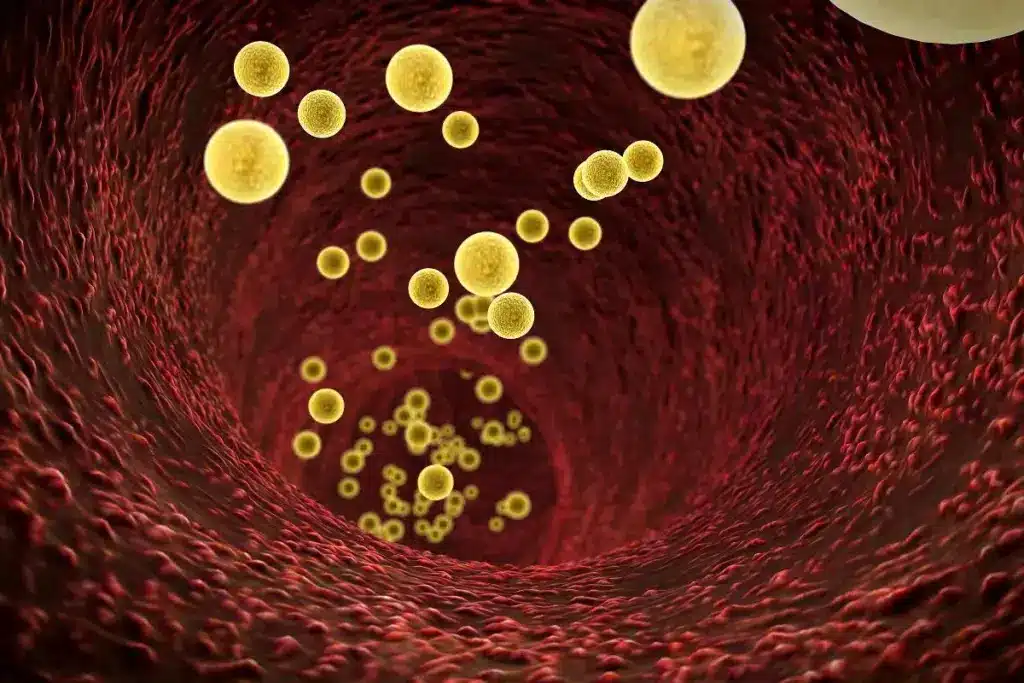
Rhinitis is a common condition that makes the nasal passages inflamed. This leads to symptoms like a runny nose, sneezing, and nasal congestion. It affects millions of people worldwide, making their lives harder.
Definition and Types of Rhinitis
Rhinitis is when the nasal mucosa gets inflamed. This causes symptoms like a runny nose, sneezing, and nasal congestion. There are different types, including allergic rhinitis, non-allergic rhinitis, and mixed rhinitis.
Allergic rhinitis is the most common. It’s often caused by allergens like pollen, dust mites, or pet dander. Non-allergic rhinitis can be caused by environmental irritants, hormonal changes, or certain medications. Mixed rhinitis has elements of both allergic and non-allergic rhinitis, making it harder to diagnose and treat.
Symptoms to Watch For
The symptoms of rhinitis vary from person to person. They often include:
- Nasal congestion or stuffiness
- Runny nose or postnasal drip
- Sneezing
- Nasal itchiness or irritation
- Loss of smell or taste
These symptoms can really affect your daily life, sleep, and overall well-being. Spotting these symptoms early can help you get the right treatment.
Common Triggers and Causes
Knowing what triggers and causes rhinitis is key to managing it. Common allergens and irritants include:
|
Trigger |
Description |
|---|---|
|
Pollen |
Released by trees, grasses, and weeds, often causing seasonal allergies. |
|
Dust Mites |
Tiny creatures found in bedding, carpets, and upholstered furniture, thriving in warm, humid environments. |
|
Pet Dander |
Small, flaky skin shed by pets, causing allergic reactions when airborne. |
|
Environmental Irritants |
Smoke, strong odors, and pollution can irritate nasal passages, worsening rhinitis symptoms. |
By avoiding these triggers, you can manage your rhinitis symptoms better. Vitamins like Vitamin C, with its anti-inflammatory properties, can also help. They can ease nasal congestion and boost your immune system.
The Role of Vitamins in Immune Function

Vitamins are key for a strong immune system, which fights off rhinitis. They are more than just nutrients; they boost our immune health. Knowing how vitamins help our immune system can show their benefits in fighting rhinitis.
How Vitamins Support Immune Health
Vitamins boost our body’s defenses against germs. Vitamin C protects cells from harm with its antioxidant powers. Vitamin D and Vitamin A also help keep our immune system in check and our mucous membranes healthy.
The immune system is complex, with many parts working together. Vitamins help keep this system running smoothly. They affect how white blood cells work, which is key in fighting off infections.
Key Vitamins for Immune System Support
Some vitamins stand out for their immune-boosting effects. Vitamin C is key for making antibodies. Vitamin D helps regulate the immune system. Vitamin A keeps mucous membranes strong, blocking germs.
- Vitamin C: Important for making antibodies and supporting the immune system’s function.
- Vitamin D: Plays a role in regulating immune responses and is associated with reduced susceptibility to infections.
- Vitamin A: Essential for maintaining healthy mucosal surfaces and supporting the body’s natural barriers.
By focusing on these key vitamins, we can boost our immune health and fight rhinitis. Getting enough of these vitamins through food or supplements is vital for our health.
Vitamin C: A Champion Against Rhinitis
Vitamin C is becoming a key player in fighting rhinitis. It offers hope to those dealing with this condition. We’ll see how Vitamin C can help manage rhinitis symptoms.
Benefits for Allergies
Vitamin C can help with allergy symptoms. It lowers histamine levels and boosts the immune system. Its antioxidant properties also reduce oxidative stress, which worsens rhinitis symptoms.
Studies show Vitamin C can ease nasal congestion and sneezing. Adding Vitamin C to your diet can be very helpful.
Recommended Sources
Eating foods high in Vitamin C is a great way to increase your intake. Citrus fruits, strawberries, and leafy greens are top choices.
- Oranges
- Grapefruits
- Kiwi
- Broccoli
- Spinach
Supplementing with Vitamin C
Supplements can help if you can’t get enough Vitamin C from food. Always talk to a healthcare provider before starting supplements.
“Vitamin C supplements may lessen rhinitis symptoms in some studies. More research is needed to fully grasp its effects.”
A study on Vitamin C and respiratory health
|
Food Source |
Vitamin C Content (mg per serving) |
|---|---|
|
Orange |
70 |
|
Grapefruit |
47 |
|
Kiwi |
70 |
|
Broccoli |
100 |
Vitamin D: Its Impact on Respiratory Health
Vitamin D helps control the immune system. This has led to studies on its benefits for rhinitis sufferers. It’s clear that Vitamin D is key to our health.
The Connection Between Vitamin D and Allergies
Studies show Vitamin D might affect how our body reacts to allergens. This could lessen rhinitis symptoms. A lack of Vitamin D might also increase allergy risk, including allergic rhinitis.
“Vitamin D has been shown to have immunomodulatory effects, which could potentially reduce the severity of allergic rhinitis symptoms.”
Nature Reviews Immunology
The ways Vitamin D affects allergies are complex. It involves controlling immune cells. Knowing this can help us understand how Vitamin D helps manage rhinitis.
How to Increase Vitamin D Levels
To boost Vitamin D, try sun exposure, eat Vitamin D-rich foods, or take supplements. Here’s how:
- Sun Exposure: Getting some sun helps make Vitamin D in your skin.
- Dietary Changes: Eat foods high in Vitamin D.
- Supplementation: Supplements are good for those who don’t get enough sun or eat enough Vitamin D.
Foods Rich in Vitamin D
Some foods are naturally full of Vitamin D or are fortified. Eating these can keep your levels up:
|
Food |
Vitamin D Content (IU per serving) |
|---|---|
|
Salmon |
450-570 |
|
Mackerel |
360 |
|
Sardines |
250 |
|
Fortified Orange Juice |
100 |
|
Fortified Yogurt |
80-100 |
Knowing Vitamin D’s role in respiratory health is important. Taking steps to keep Vitamin D levels up can lessen rhinitis symptoms. This improves life quality.
Vitamin A: Essential for Mucosal Health
Vitamin A is key for keeping our mucosal health in check. This is important for stopping allergic rhinitis. We look into how this nutrient helps our respiratory system and keeps us healthy.
Impact on the Respiratory System
Vitamin A helps our mucous membranes stay healthy. These membranes protect us from harmful invaders. Vitamin A keeps them strong, helping us fight off infections and easing allergic rhinitis symptoms.
Studies show Vitamin A helps our immune system work better. Without enough Vitamin A, we’re more likely to get sick. So, it’s important to eat enough Vitamin A to keep our respiratory system in top shape.
Natural Sources
Vitamin A is easy to find in many foods. This makes it simple to add it to our meals. Here are some top sources:
- Animal Sources: Liver, eggs, and dairy are full of pre-formed Vitamin A.
- Plant-Based Sources: Sweet potatoes, carrots, dark greens, and cantaloupe have beta-carotene, which turns into Vitamin A in our bodies.
Eating these foods helps us get enough Vitamin A. This supports our mucosal health and may lower the chance of getting allergic rhinitis.
Vitamin A and Allergies
Research is looking into how Vitamin A affects allergies. Some studies hint that Vitamin A might help prevent allergies. It does this by keeping mucous membranes strong and regulating our immune system.
Even though more research is needed, eating enough Vitamin A is a natural way to fight rhinitis. It supports our respiratory health and may ease allergy symptoms.
B Vitamins: Support for Overall Health
B vitamins are key for energy and fighting off infections. They are a group of nutrients that help our bodies work right.
Role in Immune Response
B6, B9 (folate), and B12 vitamins boost our immune system. They help make proteins that fight infections and inflammation.
These vitamins also help activate immune cells. Cells like T cells and macrophages are vital for a strong immune response.
Foods High in B Vitamins
Eating foods rich in B vitamins is good for your immune health. Here are some top sources:
- Leafy greens like spinach and kale
- Legumes such as lentils and chickpeas
- Nuts and seeds, including sunflower seeds and almonds
- Whole grains like brown rice and quinoa
- Animal products like chicken, fish, and eggs
- Dairy products and fortified plant-based milk
Taking B Vitamin Supplements
Supplements can help if you’re missing out on B vitamins. They can support your immune system and help with rhinitis symptoms.
Always talk to a healthcare provider before starting supplements. They can help find the right ones for you.
Antioxidants and Their Influence on Rhinitis
Antioxidants play a big role in managing rhinitis. They have anti-inflammatory properties that help reduce symptoms. This makes them a key part of treating rhinitis.
Reducing Inflammation with Antioxidants
Antioxidants fight inflammation by stopping free radicals. Free radicals are harmful molecules that can make rhinitis worse. Eating foods high in antioxidants can help ease symptoms.
Key Benefits of Antioxidants for Rhinitis:
- Reduce oxidative stress
- Minimize inflammation
- Enhance overall immune function
Best Antioxidant-Rich Foods
Eating foods rich in antioxidants is a good way to manage rhinitis. Some top choices include:
|
Food |
Antioxidant Content |
|---|---|
|
Berries (blueberries, strawberries) |
High in vitamin C and anthocyanins |
|
Leafy Greens (spinach, kale) |
Rich in vitamins A, C, and E |
|
Nuts and Seeds (almonds, sunflower seeds) |
High in vitamin E and selenium |
A study in the Journal of Nutrition found that antioxidants can help. They reduce oxidative stress and inflammation. This can make rhinitis symptoms less severe.
“A diet rich in antioxidants can help mitigate oxidative stress and inflammation.”
Sources of Antioxidants in Supplements
While foods are best, supplements can help too. Vitamins C and E, and quercetin, are available in supplements. They can be useful for those who can’t get enough from food.
Always talk to a healthcare provider before taking supplements. They can help ensure they are safe and work well.
Lifestyle Tips to Manage Rhinitis Symptoms
Managing rhinitis symptoms requires a multi-faceted approach. This includes making lifestyle changes. By adjusting your diet, staying hydrated, and improving indoor air quality, you can lessen your symptoms.
Dietary Changes to Consider
Your diet is key in managing rhinitis. Eating foods rich in vitamins and antioxidants can help fight inflammation and boost your immune system. Focus on eating more fruits, vegetables, and whole grains. These foods are packed with nutrients and support your overall health.
Here are some dietary changes to think about:
- Eat more foods with omega-3 fatty acids, like fish and nuts, to reduce inflammation.
- Stay away from common allergens like dairy, gluten, and soy if you’re sensitive to them.
- Add spicy foods to your diet, as they contain capsaicin and can help clear your nasal passages.
The Importance of Hydration
Drinking enough water is vital for keeping your mucous membranes healthy. It also helps thin out mucus, making it easier to get rid of. Make sure to drink plenty of water throughout the day to help manage your rhinitis symptoms.
Here are some tips for staying hydrated:
- Drink at least eight glasses of water a day.
- Eat hydrating foods like watermelon, cucumbers, and celery.
- Avoid caffeinated and sugary drinks that can dry out your body.
Practicing Good Indoor Air Quality
Good indoor air quality is essential for reducing rhinitis triggers. It means controlling allergens and irritants in your home. Use air purifiers and clean your home regularly to reduce dust, pet dander, and other allergens.
Here are some tips for better indoor air quality:
- Use hypoallergenic bedding and wash it often.
- Keep your home free of strong smells and chemicals.
- Use HEPA filters in your vacuum and air conditioning system.
When to Consult a Specialist
Knowing when to get professional help is key to managing rhinitis symptoms. Vitamins and lifestyle changes can help, but sometimes you need a specialist. They can prevent complications and improve your life quality.
Recognizing Severe Symptoms
It’s important to know when your symptoms are severe. If your nasal congestion, sinus infections, or loss of smell don’t get better, seek help. This is when you need a specialist.
Also, if supplements like the best vitamins for rhinitis don’t work, a doctor can help. They can suggest other treatments or find the cause of your symptoms.
Types of Specialists Who Can Help
Many specialists can help with rhinitis. An allergist can find out what’s causing your symptoms. An ENT specialist can fix any physical problems. Your primary care doctor can give you advice and refer you to specialists.
Exploring Treatment Options
When you see a specialist, they will check your condition thoroughly. They might do allergy tests or other tests. They can suggest medicines, therapy, or changes in your lifestyle.
They might also suggest vitamins like vitamin C or vitamin D to help your health. Working with a doctor, you can make a plan to manage your rhinitis. This plan will include the best supplements for rhinitis and other treatments.
Conclusion: Embracing Vitamins for Better Health
Vitamins are key in managing rhinitis. Vitamins C and D can help with symptoms. Adding these to your diet can ease rhinitis.
Nutritional Strategies for Rhinitis
Eating a balanced diet with essential vitamins is important. Vitamin C in citrus fruits and leafy greens boosts your immune system. It can lessen rhinitis symptoms.
Vitamin D, from sunlight, fatty fish, and dairy, is good for your breathing. It helps those with rhinitis too.
Consulting Healthcare Providers
Before changing your routine, talk to healthcare providers. They can create a plan for you. This plan will include vitamins and other healthy habits for managing rhinitis.
Knowing how vitamins help with rhinitis lets you manage symptoms better. Adding vitamins C and D to your diet can improve your health. It can also make your life better.
FAQ
What is the connection between vitamins and rhinitis?
Vitamins are key for a strong immune system. Vitamins C, D, and A can help with rhinitis symptoms.
Can Vitamin C help alleviate rhinitis symptoms?
Yes, Vitamin C fights inflammation and boosts the immune system. It’s a natural way to manage rhinitis.
How does Vitamin D impact respiratory health?
Vitamin D improves respiratory health. It may lessen rhinitis symptoms by controlling the immune response.
What are the best vitamins for rhinitis?
Vitamins C, D, and A are good for rhinitis. They boost the immune system and fight inflammation.
Can supplements help manage rhinitis symptoms?
Yes, supplements like Vitamin C, D, and B vitamins can help. But, talk to a doctor before taking them.
Are there any natural remedies for rhinitis?
Yes, vitamins are not the only solution. Staying hydrated and improving air quality can also help.
How can antioxidants help reduce inflammation in rhinitis?
Antioxidants fight oxidative stress and inflammation. They are important for managing rhinitis symptoms.
When should I consult a specialist for rhinitis?
If symptoms are severe or don’t get better, see a specialist. An allergist or ENT specialist can help.
What lifestyle changes can help manage rhinitis symptoms?
Changing your diet and staying hydrated can help. So can improving indoor air quality.
Can vitamins alone manage rhinitis symptoms?
Vitamins can help, but a complete approach is best. This includes lifestyle changes and, if needed, medical treatment.
National Center for Biotechnology Information. Evidence-Based Medical Insight. Retrieved from https://www.ncbi.nlm.nih.gov/pmc/articles/PMC6150147/