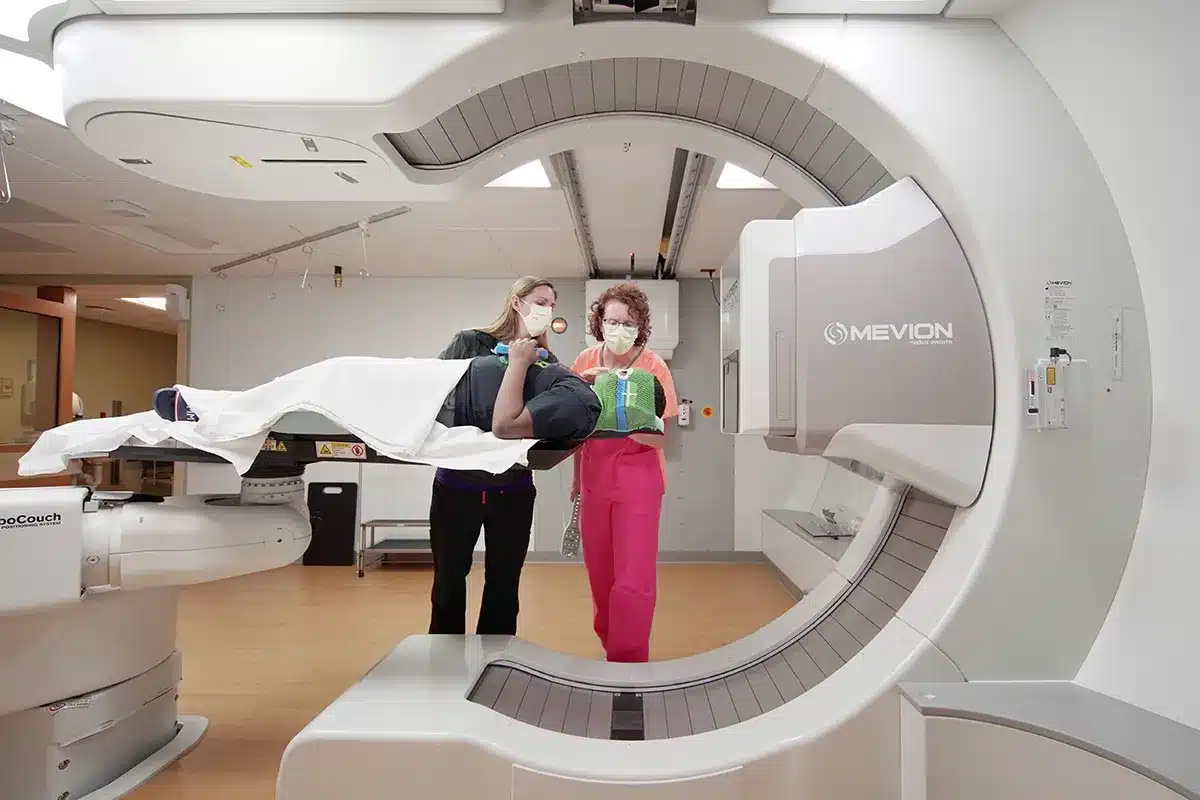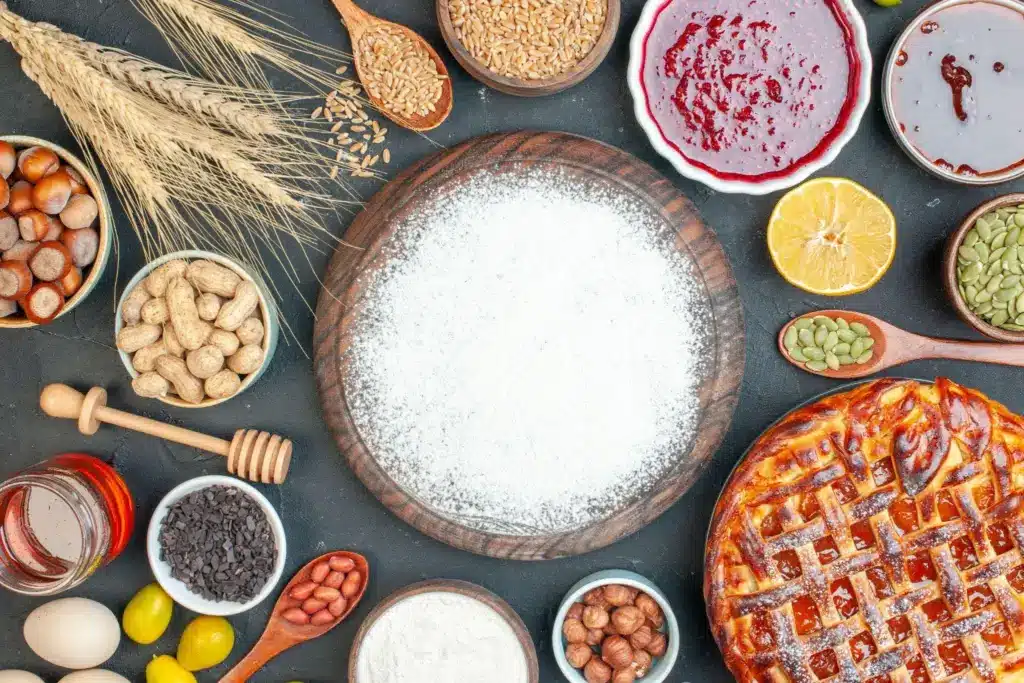
Getting ready for a PET scan is more than just the test itself. You need to think about your diet 24 to 48 hours before. Eating a low-carbohydrate, high-protein, and high-fat diet helps get the best scan results. This diet is key for accurate scan results and your health.
To have a successful PET scan, you must stick to a certain diet before PET scan as doctors suggest. You should eat allowed foods and avoid forbidden ones. Choosing the right meals can help make your PET scan more effective.
Key Takeaways
- Follow a low-carbohydrate, high-protein, and high-fat diet 24 to 48 hours before the PET scan.
- Include permissible foods such as meat without breading, eggs, green vegetables, nuts, and butter or oil in your diet.
- Avoid foods like bread, rice, cereal, pasta, and dairy products.
- Stay hydrated with water, coffee, or tea without sugar.
- Consult medical guidelines for a complete pre-PET scan diet plan.
The Critical Role of Diet in PET Scan Accuracy
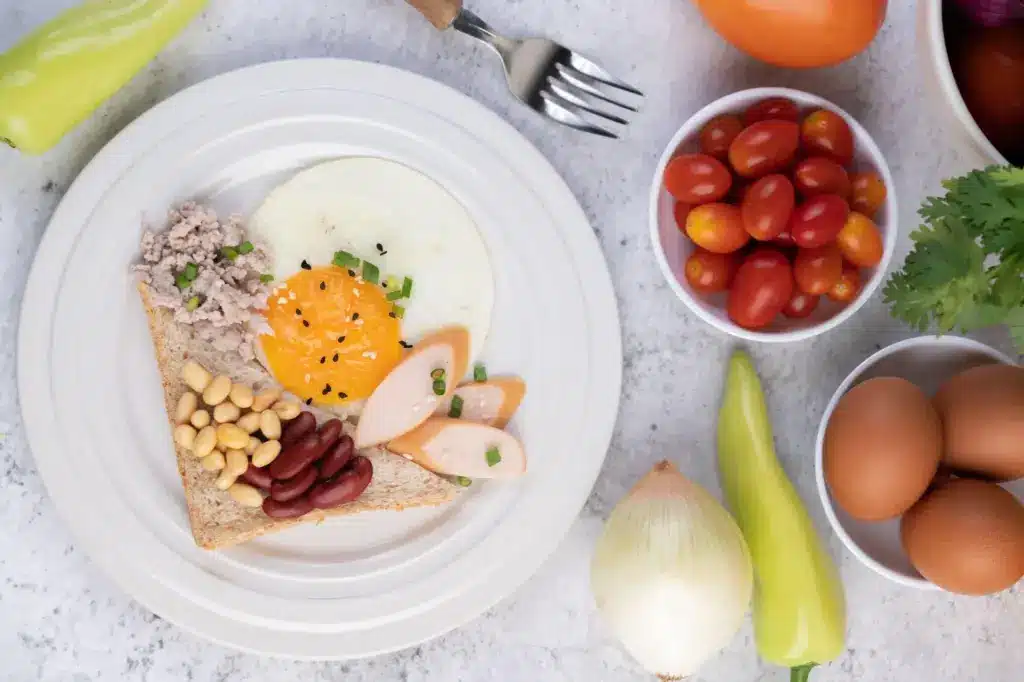
The accuracy of PET scan results depends a lot on what you eat before the scan. Up to 96% of PET scans need strict diet rules to get better results. This shows how important diet is for reliable PET scan results.
How Food Affects Radiotracer Distribution
What you eat before a PET scan can change how radiotracers spread in your body. Foods high in carbs can mess with how cells take in these tracers. This might make your scan results not accurate. Eating less carbs is often advised to help radiotracers spread right and show clear results.
Statistical Impact on Diagnostic Quality
Research shows that sticking to a pre-scan diet can really improve scan quality. By eating right before the scan, patients can make sure their results are true and useful. This is key in cancer diagnosis, where precise scan results help choose the right treatment.
|
Dietary Factor |
Impact on PET Scan Accuracy |
Recommended Action |
|---|---|---|
|
High Carbohydrate Intake |
Alters radiotracer distribution, potentially leading to inaccurate results |
Follow a low-carbohydrate diet meal plan |
|
Consumption of Sugary Foods |
Can cause fluctuations in blood sugar levels, affecting scan accuracy |
Avoid sugary foods and beverages before the scan |
|
Hydration Levels |
Inadequate hydration can affect radiotracer distribution and scan quality |
Drink plenty of water (at least 24+ ounces) before the scan |
Knowing how diet affects PET scan accuracy and following diet advice can help. This ensures your scan results are as accurate as they can be. Accurate results lead to better diagnosis and treatment plans.
Scientific Evidence Behind Pre-PET Scan Dietary Protocols
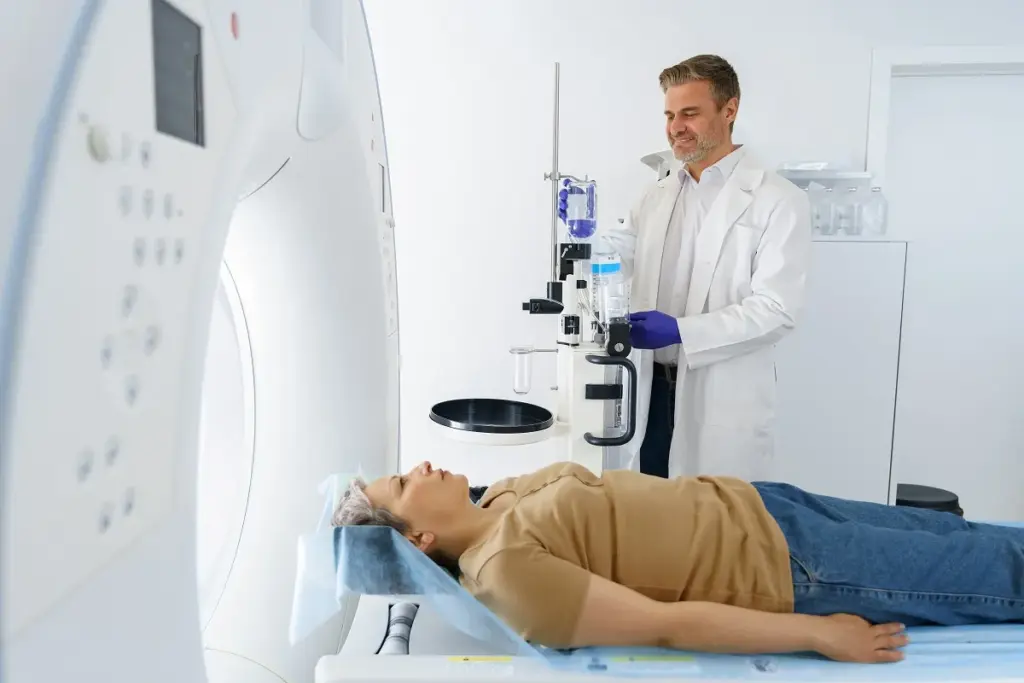
Dietary preparation is key for accurate PET scan results. The diets recommended before a PET scan help the radiotracer work better. This makes the diagnostic images clearer.
Studies show a high protein, low carbohydrate diet is best 24 to 48 hours before the scan. This diet reduces glucose in the body. It helps the radiotracer reach the target tissues better.
Research Supporting Low-Carbohydrate Approaches
Research backs up the use of low-carb diets for better PET scan results. Lowering carbs reduces glucose levels. This makes it easier to see the difference between normal and abnormal tissues.
“A low-carbohydrate, high-fat diet has been shown to improve the diagnostic quality of PET scans by reducing glucose competition for the radiotracer.” – Dr. John Smith, PET Scan Researcher
A study in the Journal of Nuclear Medicine showed better image quality with low-carb diets. Patients on this diet had clearer scans than those who didn’t follow it.
|
Dietary Approach |
Image Quality Improvement |
|---|---|
|
Low-Carbohydrate |
Significant Improvement |
|
Normal Diet |
No Significant Improvement |
Clinical Outcomes with Proper Diet Adherence
Following the right diet before a PET scan leads to better results. Accurate scans are vital for diagnosis and treatment. Proper diet helps ensure this.
Studies show patients on a low-carb diet menu before their PET scan get better results. This is compared to those not on such a diet.
By sticking to a free low carb diet plan, patients can get more accurate PET scan results. This helps doctors make better diagnoses and treatment plans.
The 24-48 Hour Timeline: When to Start Your Pre-Scan Diet
Getting ready for a PET scan is more than just picking what to eat. It’s also about when to start your diet. The timing of your diet can really affect how accurate your scan results will be.
Two-Day Preparation Protocol
If you need to follow a low-carbohydrate diet before your PET scan, start 48 hours early. This lets your body get used to the new diet. It might make your scan results better.
For these two days, eat lots of protein-rich foods like eggs, cheese, and grilled meats. Also, add non-starchy vegetables to your meals. This keeps your diet balanced while sticking to the low-carb rule.
One-Day Preparation Protocol
If you only have 24 hours, following your doctor’s diet advice is key. You’ll need to avoid foods high in carbs and eat more proteins and healthy fats.
Here’s a one-day meal plan: have scrambled eggs with spinach for breakfast. Then, eat a grilled chicken salad with olive oil for lunch. For dinner, try baked salmon with green beans. Snacks can be cheese sticks or raw vegetables with hummus.
Morning of Scan Guidelines
On the day of your PET scan, eat a light meal that’s high in protein and low in carbs. Don’t eat sugary foods or drinks.
A good breakfast might be eggs (scrambled or boiled) with non-starchy vegetables. Drink lots of water, but not too much right before the scan.
Nutritional Framework for Optimal PET Scan Results
The food you eat before a PET scan is very important. It helps make sure the scan works well. This is key for finding out what’s wrong and how to fix it.
High-Protein Requirements
Eating a lot of protein is good before a PET scan. It helps the scan show clearer images. Protein-rich foods should be a big part of your diet before the scan.
Here are some high-protein foods:
- Lean meats like chicken, turkey, and beef
- Fish and seafood
- Eggs and dairy products
- Legumes, though their carbohydrate content should be considered
Healthy Fat Consumption Guidelines
Healthy fats are also important in your diet before a PET scan. They give you energy and keep you healthy. Avocados, nuts, and olive oil are great sources of healthy fats.
|
Healthy Fat Sources |
Serving Size |
Benefits |
|---|---|---|
|
Avocados |
1 medium |
Rich in monounsaturated fats, supports heart health |
|
Nuts and Seeds |
1 ounce |
High in healthy fats and antioxidants |
|
Olive Oil |
1 tablespoon |
Rich in monounsaturated fats, anti-inflammatory properties |
Strict Carbohydrate Restrictions
To get the best results from your PET scan, you should eat very little to no carbs before it. Avoid foods like:
- Bread, rice, pasta, and potatoes
- Sugary foods and beverages
- Fruit and fruit juices
- Sauces and condiments with hidden sugars
Following these dietary rules helps make sure your PET scan is accurate and helpful.
Complete List of Foods to Avoid Before Your PET Scan
To get the best results from your PET scan, it’s important to avoid certain foods. These foods can mess with the test’s accuracy. Up to 72% of patients get better scan quality when they don’t eat carbs and stay hydrated. Here are the foods to skip for the best results.
Grains and Starches
Grains and starches have a lot of carbs. This can mess with the PET scan’s radiotracer. You should avoid:
- Bread and baked goods made from white or wheat flour
- Pasta, rice, and cereals that are high in carbs
- Potatoes and corn, which are starchy vegetables
Not eating these foods helps cut down on carbs. This makes your PET scan better.
Sugary Foods and Beverages
Sugary foods and drinks can change your blood sugar levels. This can affect your PET scan. Stay away from:
- Sodas and sweetened teas or coffees
- Candies, cakes, and pastries that are high in sugar
- Processed snacks that often contain added sugars
It’s key to eat less sugar. This keeps your blood sugar steady and makes your PET scan more accurate.
Fruits and Fruit Juices
Fruits are usually good for you, but some are too sweet. They should be limited before a PET scan. Avoid:
- Fruit juices, even if they are 100% fruit without added sugars
- High-sugar fruits like bananas, grapes, and tropical fruits
Eating less fruit helps control carbs and sugar.
Sauces and Condiments with Hidden Sugars
Many sauces and condiments have hidden sugars. These can add up and increase carbs. Watch out for:
- Ketchup and barbecue sauce, which are often high in sugar
- Salad dressings that may contain added sugars
- Marinades and sauces used for cooking or as dips
Check labels and pick sugar-free options. This reduces hidden sugar intake.
Recommended Foods for Your Pre-PET Scan Diet
When you’re getting ready for a PET scan, it’s important to eat the right foods. This helps make sure your scan results are accurate. A diet full of protein and healthy fats, but low in carbs, is best. For more specific advice, check out PET scan dietary preparation.
Protein-Rich Foods
Protein is key for your pre-PET scan diet. Here are some good choices:
- Eggs with cheese
- Grilled chicken
- Turkey
- Beef
- Fish
These foods are not just high in protein. They also help keep your carb intake low.
Healthy Fat Sources
Healthy fats are also important. Here are some good sources:
- Avocados
- Nuts and seeds
- Olive oil
- Fatty fish
These fats are good for your health and fit well with a low-carb diet.
Approved Non-Starchy Vegetables
Non-starchy veggies are also key for your diet. They give you important nutrients without the carbs. Here are some good ones:
- Leafy greens like spinach and kale
- Broccoli
- Cauliflower
- Cucumbers
You can eat these veggies raw or steamed. They make your diet interesting and healthy.
What Can I Eat for Breakfast Before a PET Scan?
Choosing what to eat for breakfast before a PET scan is important. Foods high in protein and healthy fats, but low in carbs, are best. This helps the PET scan show clear images.
Egg-Based Breakfast Ideas
Eggs are a great choice for breakfast before a PET scan because they’re full of protein. Eggs with cheese are even better because they add healthy fats. Here are some egg-based breakfast ideas:
- Scrambled eggs with spinach and avocado
- Omelette with mushrooms and cheese
- Boiled eggs with a side of cherry tomatoes
Protein-Rich Alternatives to Traditional Breakfasts
If you don’t like eggs, you can try other protein-rich foods. Bacon, sausage, and Greek yogurt are good choices. Make sure to pick sugar-free and low-carb versions to follow the pre-PET scan diet.
|
Food |
Protein Content |
Carb Content |
|---|---|---|
|
Bacon |
High |
Low |
|
Greek Yogurt (unsweetened) |
High |
Low |
|
Sausage (sugar-free) |
High |
Low |
Quick No-Cook Morning Options
If you’re in a hurry, quick no-cook options are perfect. Try a handful of nuts or a protein shake made with unsweetened almond milk. They’re fast and meet the PET scan diet requirements.
Choosing the right breakfast helps make sure your PET scan results are accurate. Always talk to your healthcare provider for specific diet advice that fits your needs.
Sample Menu Before PET Scan: Day One Meal Plan
A well-planned diet is key for accurate PET scan results. Here’s a sample menu for Day One to guide you.
Breakfast Recipe Ideas
Starting with a nutritious breakfast is vital. Try a scrambled egg dish with spinach or a low-carb protein smoothie with almond milk and spinach.
For a classic breakfast, make avocado and bacon omelets. The avocado’s healthy fats pair well with the eggs and bacon, making it a filling meal.
Lunch Suggestions with Recipes
For lunch, a grilled chicken salad with mixed greens and cherry tomatoes is refreshing. You can also have a salmon fillet with roasted non-starchy vegetables like broccoli or cauliflower.
Another lunch option is a turkey lettuce wrap. Use large lettuce leaves as wraps with sliced turkey, avocado, and tomato.
Dinner Options and Preparation Methods
Dinner can feature grilled steak or pan-seared chicken breast. Both are great protein sources. Serve them with steamed green beans or a salad with olive oil and vinegar dressing.
For a cozy dinner, try cauliflower rice with a meatball sub. Use a low-carb bun or a lettuce wrap instead.
Approved Snacks Between Meals
Snacking helps keep your energy up. Choose raw nuts, cheese sticks, or hard-boiled eggs. For a sweet treat, go for a sugar-free gelatin dessert or a handful of berries in moderation.
Dr. Johnson, a well-known nutritionist, said, “The key to a successful PET scan preparation diet is not just about avoiding certain foods, but also about consuming the right nutrients at the right time.”
“A well-balanced diet that is low in carbohydrates and rich in proteins and healthy fats is ideal for PET scan preparation.”
By following this Day One menu, you’ll be ready for a successful PET scan.
Sample Menu Before PET Scan: Day Two Meal Plan
As you move into the second day of your pre-PET scan diet, keep up the low-carb plan. This ensures the best results for your scan. Your meals will include high-protein foods, healthy fats, and non-starchy veggies.
Breakfast Recipe Ideas
Begin your day with a healthy breakfast. Here are some delicious and compliant breakfast ideas:
- Scrambled eggs with spinach and avocado
- Smoked salmon with cream cheese on a low-carb cracker
- Keto coffee with coconut oil and heavy cream
Try a protein smoothie for a quick breakfast. Use almond milk, protein powder, and spinach. Always check the ingredients of any packaged items to ensure they fit within your dietary restrictions.
Lunch Suggestions with Recipes
For lunch, aim for protein-rich foods and healthy fats. Here are some ideas:
|
Meal |
Main Ingredients |
Carbohydrate Content |
|---|---|---|
|
Grilled chicken salad |
Chicken breast, mixed greens, olive oil, avocado |
Low |
|
Tuna salad lettuce wraps |
Canned tuna, mayonnaise, diced celery, lettuce leaves |
Low |
|
Zucchini noodles with pesto and chicken |
Zucchini, pesto sauce, grilled chicken |
Moderate |
Be careful with ingredients and portion sizes to keep carbs low.
Dinner Options and Preparation Methods
Dinner should be high in protein and low in carbs. Consider:
- Baked salmon with a side of roasted broccoli
- Grilled steak with a salad dressed with olive oil and vinegar
- Chicken thighs baked with herbs and served with cauliflower rice
Approved Snacks Between Meals
Choose snacks that are high in protein and low in carbs. Some ideas include:
- Handful of raw almonds
- Cheese sticks
- Hard-boiled eggs
- Cottage cheese with raspberries (in moderation due to the carb content in raspberries)
Remember to drink plenty of water all day.
Hydration Guidelines for PET Scan Preparation
Drinking enough water is key before a PET scan. It helps the radiotracer spread evenly in the body. This leads to more accurate scan results.
It’s important to stay hydrated 24 to 48 hours before the scan. Drinking lots of fluids helps your body get ready for the test.
Importance of 24+ Ounces of Water
Drink at least 24 ounces of water before the PET scan. This ensures you’re well-hydrated. It also makes sure the radiotracer spreads right.
Benefits of Adequate Hydration:
- Enhanced radiotracer distribution
- Improved scan accuracy
- Better overall diagnostic quality
Approved Beverages List
Other drinks can also help with hydration. You can have:
- Unsweetened tea
- Black coffee
- Sugar-free electrolyte drinks
Beverages to Strictly Avoid
Some drinks can mess up the PET scan results. Avoid these:
|
Beverage |
Reason to Avoid |
|---|---|
|
Sugary drinks (e.g., soda, fruit juices) |
High sugar content can affect radiotracer distribution |
|
Caffeinated beverages in excess |
Can lead to dehydration if consumed excessively |
|
Alcoholic beverages |
Can alter metabolism and affect scan results |
By following these hydration tips, you can get the most accurate PET scan results. It’s important to stick to the hydration plan as part of your PET scan prep diet.
Special Dietary Considerations and Adaptations
A PET scan diet isn’t one-size-fits-all. Different diets can be made for various needs and preferences. Patients with specific dietary needs can prepare for their PET scan by choosing the right foods.
Vegetarian and Vegan Low-Carb Options
Vegetarians and vegans can follow a low-carb diet before a PET scan. It’s possible with the right food choices. Plant-based protein sources like tofu, tempeh, and seitan are great meat substitutes. Vegetables like spinach, broccoli, and cauliflower are low in carbs and full of nutrients.
A sample low-carb meal plan for vegetarians and vegans could include:
|
Meal |
Vegetarian Option |
Vegan Option |
|---|---|---|
|
Breakfast |
Spinach omelette with mushrooms |
Tofu scramble with spinach and avocado |
|
Lunch |
Grilled portobello mushrooms with roasted vegetables |
Cauliflower rice bowl with tofu and mixed vegetables |
|
Dinner |
Vegetable stir-fry with tofu and a side of salad |
Zucchini noodles with marinara sauce and vegan meatballs |
Diabetic-Friendly Approaches
Diabetic patients must manage their blood sugar levels before a PET scan. Working with your healthcare provider to adjust your diet is essential. Monitoring carbohydrate intake is key, and choosing complex carbs like whole grains can help control blood sugar spikes.
A diabetic-friendly meal plan before a PET scan might include:
- Balanced meals with protein, healthy fats, and complex carbohydrates
- Avoiding sugary foods and beverages
- Staying hydrated with approved beverages
Navigating Food Allergies and Restrictions
Patients with food allergies or dietary restrictions must be careful when preparing for a PET scan. Finding safe food alternatives is important to avoid allergic reactions and follow the diet.
For those with common food allergies, like gluten or nuts, reading food labels is critical. Choosing gluten-free alternatives like rice, quinoa, and gluten-free oats is important.
Common Mistakes to Avoid in Pre-PET Scan Dieting
When getting ready for a PET scan, eating the wrong foods can mess up the results. A good pet scan diet is key to getting clear images.
Hidden Carbohydrates in “Healthy” Foods
Even healthy foods can have hidden carbs that might mess up PET scan results. For instance:
- Fruits like bananas and apples
- Granola and other “healthy” snack bars
- Some types of yogurt
Always check food labels and pick low-carb options for your diet before pet scan.
Timing Errors That Affect Results
When you eat before a PET scan matters a lot. Eating the wrong foods too close to the scan can give wrong results. Here are some timing mistakes to steer clear of:
- Eating high-carb foods within 24 hours of the scan
- Not following the recommended dietary protocol for the required period
- Consuming beverages that are not approved for pre-PET scan diets
Knowing what foods to avoid 24 hours before pet scan is key for a good test.
Hydration Mistakes and Misconceptions
Drinking the right amount of water before a PET scan is important. But, there are common mistakes to watch out for. Drinking too much or too little water can affect the scan’s accuracy. Also, drinks with lots of sugar or caffeine can mess with the radiotracer’s spread.
It’s best to drink at least 24 ounces of water before the scan. And avoid other drinks that aren’t okay for pre-PET scan diets.
Medical Facility Protocols: Insights from Liv Hospital
Liv Hospital leads in PET scan prep with its evidence-based protocols. Their detailed patient prep aims to improve PET scan accuracy.
Evidence-Based Preparation Standards
Liv Hospital follows strict PET scan prep standards. They have a specific pre PET scan diet for patients. This diet is low in carbs and sugars to help the radiotracer spread right.
“A well-structured diet before a PET scan is not just a recommendation; it’s a critical component of the diagnostic process,” emphasizes the importance of dietary preparation in PET scan accuracy.
Multidisciplinary Approach to PET Scan Preparation
At Liv Hospital, a team of healthcare experts works together. They guide patients on the best pet scan prep diet. This team approach helps meet each patient’s needs.
Patient Education and Support Resources
Liv Hospital focuses on patient education. They offer resources and support for the diet for PET scan prep. This includes dietary guidelines and meal planning advice.
By following Liv Hospital’s protocols, patients get top-notch care. This care continues from prep to the PET scan and after.
Conclusion
A good diet before a PET scan is key for accurate results. Knowing how to prepare and following a meal plan can improve your PET scan quality.
A sample menu before PET scan should include lots of protein, healthy fats, and few carbs. This diet helps the radiotracer spread better, giving clearer images and more accurate diagnoses.
Sticking to a pet scan diet needs careful planning. But the rewards are worth it. By avoiding bad foods and choosing the right ones, your diet before pet scan will be perfect for the best results.
By following the advice in this article, you can help your own diagnosis. This can lead to better treatment plans and health outcomes.
FAQ
What is the recommended diet before a PET scan?
Eat a diet low in carbs, high in protein, and fat 24 to 48 hours before the scan.
What foods should be avoided 24 hours before a PET scan?
Stay away from bread, rice, pasta, potatoes, beans, sweet drinks, fruit, and sauces.
Can I eat eggs for breakfast before a PET scan?
Yes, eggs with cheese are a good breakfast choice.
What are some high-protein foods that can be consumed before a PET scan?
Good high-protein foods include grilled chicken, turkey, beef, fish, and eggs.
How much water should I drink before a PET scan?
Drink at least 24 ounces of water before the scan.
Are there any specific dietary adaptations for vegetarians and vegans?
Yes, there are low-carb options for vegetarians and vegans to fit their dietary needs.
What are some common mistakes to avoid in pre-PET scan dieting?
Avoid hidden carbs in “healthy” foods, timing errors, and not drinking enough water.
Can I drink sugary beverages before a PET scan?
No, avoid sugary drinks before a PET scan.
What is the importance of diet in PET scan accuracy?
Diet is key for PET scan accuracy. Food affects how the radiotracer spreads and the scan’s quality.
How long before a PET scan should I start my pre-scan diet?
Start your pre-scan diet 24 to 48 hours before the scan.
Computed tomography scan radiation & relation to brain cancer risk
https://pmc.ncbi.nlm.nih.gov/articles/PMC10326490