Eating carbs the day before a PET scan can mess up the test’s results. A PET scan uses the body’s metabolic activity to show detailed images inside. It’s a key medical imaging method.
Follow our sample menu before pet scan day to avoid carb mistakes. Learn how the right food ensures an amazing and accurate scan result.
Carbs can change how the body uses glucose. This can make the scan’s accuracy suffer. We’ll look into how food choices affect PET scan results. We’ll see why a low-carb diet is best for this test.
It’s important for patients to know how diet affects PET scan results. This ensures they get the most accurate diagnosis.
Key Takeaways
- Consuming carbs before a PET scan can blur critical diagnostic images.
- A low-carb diet is recommended to ensure the accuracy of the PET scan.
- Dietary choices play a significant role in the outcome of a PET scan.
- Patients should be mindful of their diet to avoid costly delays.
- A PET scan’s accuracy relies heavily on the body’s metabolic state.
The Science Behind PET Scans and Glucose Metabolism
To understand the importance of diet before a PET scan, we need to know how PET scans work. They rely on glucose metabolism. PET scans are used to check how the body works, like metabolism and blood flow.
How PET Scans Work
PET scans use a radioactive tracer, like Fluorodeoxyglucose (FDG), injected into the blood. This tracer goes to areas with lots of activity, like cancer cells. The PET scanner then shows where the tracer is, giving us detailed images of the body’s functions.
The Role of FDG (Fluorodeoxyglucose) in Imaging
FDG acts like glucose and gets taken up by cells, mainly those that use a lot of glucose. Once inside, it gets stuck, letting the PET scanner find it. This shows where cells are most active, helping find problems.
Why Glucose Levels Matter for Accurate Results
Glucose levels affect how well PET scans work. Eating a lot of carbs before a scan can raise blood sugar. This can make it harder for FDG to find its way to the right places. Studies show that a diet high in carbs can mess with the scan’s clarity, making it less accurate.
|
Glucose Level |
FDG Uptake |
Impact on PET Scan |
|---|---|---|
|
Normal |
High |
Clear images |
|
Elevated |
Reduced |
Compromised image clarity |
It’s important to know how glucose and PET scans work together. By managing glucose through diet, patients can make sure their scans are as clear as possible.
The Impact of Carbohydrates on PET Scan Results
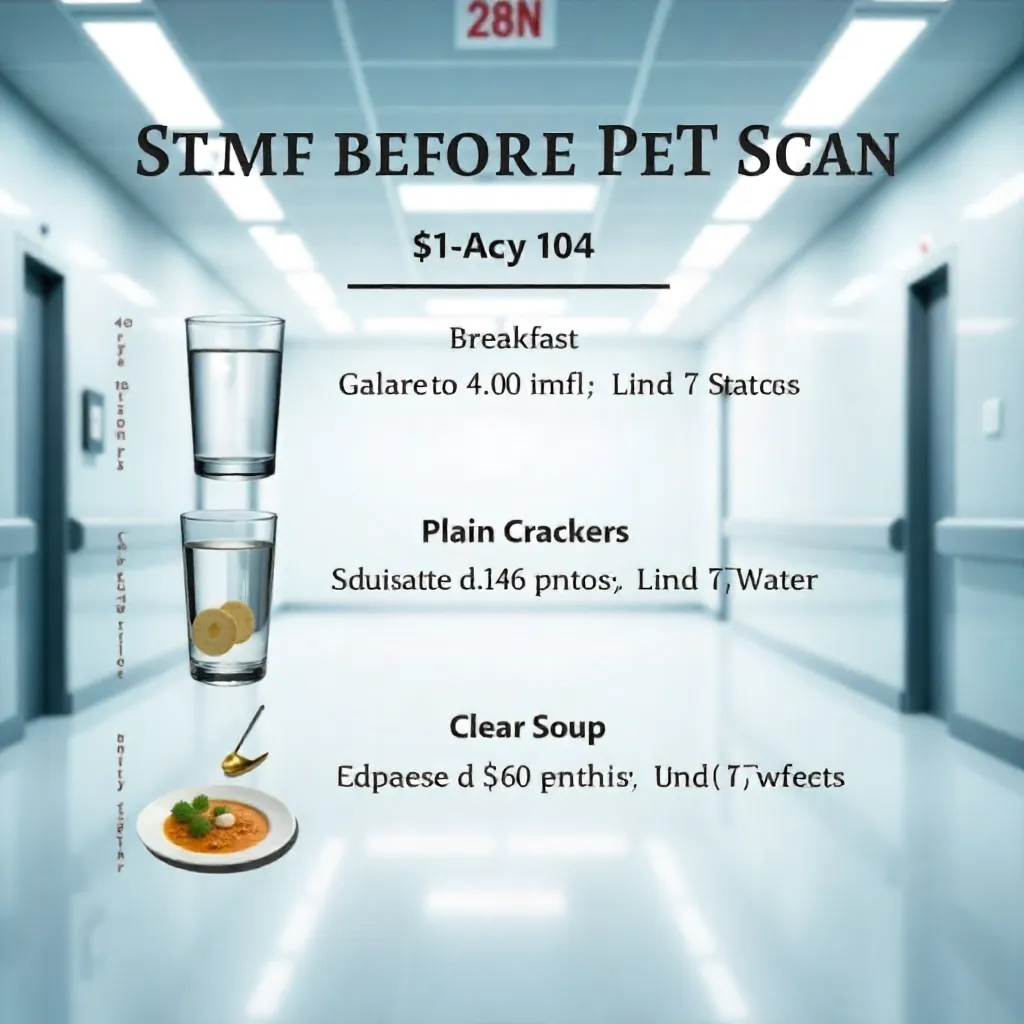
Knowing how carbs affect PET scan results is key for patients. Carbs play a big role in how our bodies use glucose, which can change PET scan results. We’ll look at how carbs impact PET scans, focusing on research and how it affects image quality.
Research on Carb Consumption and Image Quality
Studies show that eating carbs before a PET scan can make images less clear. A study on the National Institutes of Health’s website talks about the need for a special diet before a PET scan. It found that a low-carb diet before the scan improved image quality.
A randomized trial showed that a low-carb diet before PET scans led to better image quality. Patients on this diet had a mean myocardial standard uptake value of 3.3 ± 2.7. This shows a big improvement in image quality.
Elevated Background Glucose Metabolism
Eating carbs can raise glucose levels in the body. This can make it hard for PET scans to show clear images. When glucose levels are high, cells take up more glucose, including the tracer used in PET scans, FDG.
This can cause “dinner glow” on PET scans, making images less clear. A study on PMC says managing glucose levels is key for accurate PET scan results.
Quantitative Effects on Standard Uptake Values
Carb consumption affects Standard Uptake Values (SUVs) in PET scans. SUVs measure how much FDG tracer is taken up by tissues. High carb intake can lower SUVs in some tissues, making it harder to spot abnormal areas.
This can make it harder to diagnose accurately. So, it’s important for patients to stick to a special diet before their PET scan. This helps get the most accurate results.
By knowing how carbs impact PET scans, patients can prepare better for their tests. This leads to more accurate diagnoses and better treatment plans. It’s vital for patients to follow dietary guidelines, avoiding high-carb foods and drinks.
Potential Consequences of Eating Carbs Before Your Scan
Eating carbs before a PET scan can lead to poor scan results. This might mean you need to reschedule. Carbs can change how your body uses glucose, which is important for clear PET scan images.
Reduced Image Clarity and Diagnostic Accuracy
High-carb foods before a PET scan can make it hard to see clear images. This is because carbs raise glucose levels. It’s hard to tell what’s normal and what’s not, which can affect treatment plans.
Risk of Scan Rescheduling
If carbs affect the scan quality, you might have to reschedule. This delay can cause more stress and anxiety. It also means more time waiting for answers.
Financial and Emotional Costs of Repeated Tests
Rescheduling a PET scan can be expensive. It’s not just money; it’s also emotional. Going through tests again can be very stressful and upsetting.
|
Consequence |
Impact on Patients |
Impact on Healthcare System |
|---|---|---|
|
Reduced Image Clarity |
Delayed diagnosis and treatment |
Increased costs due to rescheduling |
|
Scan Rescheduling |
Increased anxiety and stress |
Additional resource allocation |
|
Financial and Emotional Costs |
Financial burden and emotional distress |
Increased healthcare costs |
Knowing how carbs can affect PET scans helps patients prepare. This ensures they get the best results. Proper preparation is essential for a successful PET scan.
Recommended Dietary Protocol Timeline
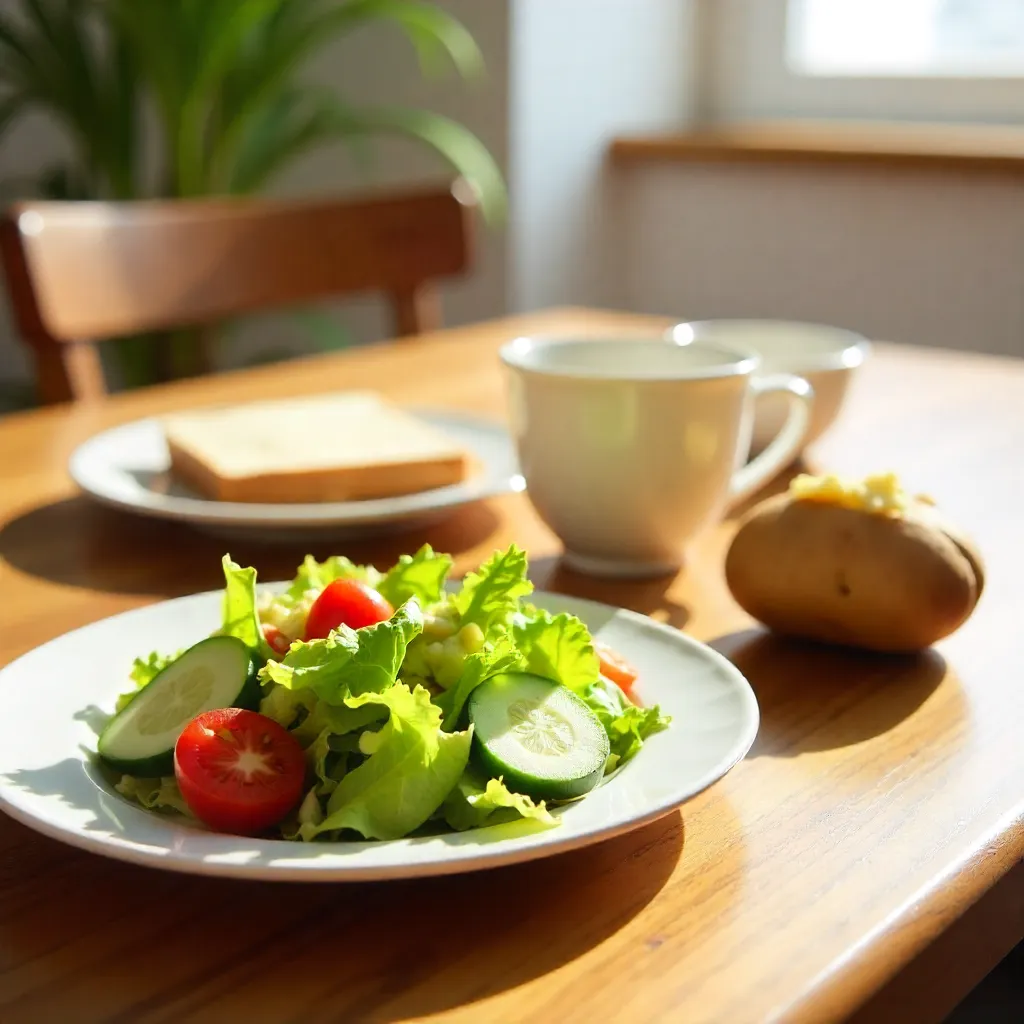
To get the best PET scan results, patients need to follow a specific diet. Experts suggest eating a lot of protein and fewer carbs for 24–48 hours before the scan. This diet is key for getting clear scan images.
48 Hours Before Your PET Scan
Start cutting down on carbs 48 hours before your scan. Eat more protein and veggies that don’t have many carbs. Try to avoid sugary drinks and foods with lots of sugar.
24 Hours Before Your PET Scan
24 hours before, cut down even more on carbs. Don’t eat bread, pasta, or sweets. Instead, choose foods high in protein like chicken, fish, and eggs. Also, pick low-carb veggies. Watch out for hidden carbs in sauces and processed foods.
The Morning of Your PET Scan
On the day of your scan, keep fasting or eat very little if your doctor says so. If you can eat, have a very light meal that’s low in carbs.
|
Time Before PET Scan |
Dietary Recommendations |
|---|---|
|
48 Hours |
Reduce carbohydrate intake; focus on high-protein foods and low-carb vegetables |
|
24 Hours |
Avoid bread, pasta, sweets; opt for protein-rich foods and low-carb vegetables |
|
Morning of Scan |
Continue fasting or very low-calorie intake; if eating, have a light, low-carb meal |
By sticking to this diet plan, you can make sure your PET scan is as accurate as it can be. Always talk to your doctor for advice that fits your specific situation.
Foods to Avoid Before a PET Scan
What you eat before a PET scan is important. Certain foods can affect the test’s accuracy. These dietary restrictions help make the images clearer and more useful for diagnosis.
High-Carbohydrate Foods to Eliminate
To get ready for a PET scan, stay away from foods high in carbs. These can raise your blood sugar levels. Here are some examples:
- Sugary foods like candies, cakes, and pastries.
- Refined grains such as white bread, pasta, and rice.
- Fruit juices and other sugary drinks.
- Starchy vegetables like potatoes, corn, and peas.
By avoiding these, you lower your glucose levels. This is key because the PET scan uses a special sugar to see how active your body is.
Hidden Sources of Carbs to Watch For
There are also hidden carbs that can affect your PET scan. Look out for:
- Processed foods that often have added sugars or refined carbs.
- Sauces and condiments that may have sugar or cornstarch.
- Some “diet” or “low-fat” products that use more sugar because they have less fat.
Checking food labels can help you spot and skip these hidden carbs.
Beverages That Can Affect Scan Results
Not just food, but some drinks can also mess with your PET scan results. Avoid:
- Sugary drinks like soda, sports drinks, and sweetened teas or coffees.
- Alcoholic beverages, as they can change how your body uses sugar.
- Caffeine in big amounts, as it can change your metabolic rate.
Stick to water or unsweetened drinks to make sure your PET scan results are accurate.
Recommended Foods for Pre-PET Scan Diet
When you’re getting ready for a PET scan, what you eat is very important. The right foods help get clear images. These images are key for doctors to make good plans for your health.
High-Protein Options
High-protein foods are good for your pre-PET scan diet. Here are some great choices:
- Lean Meats: Chicken, turkey, and lean beef or pork are good.
- Fish and Seafood: Salmon, cod, and shrimp are great options.
- Eggs and Dairy: Eggs, Greek yogurt, and cottage cheese are full of protein.
- Legumes: Lentils, chickpeas, and black beans are not only protein-rich but also full of fiber.
Acceptable Vegetables and Low-Carb Foods
Even though carbs should be limited, there are many veggies and low-carb foods you can eat:
- Leafy Greens: Spinach, kale, and lettuce are good choices.
- Broccoli and Cauliflower: These are low in carbs and packed with nutrients.
- Avocado: High in fat but low in carbs, and very nutritious.
- Tomatoes: Fresh or cooked, tomatoes are a great addition.
Healthy Fats That Won’t Interfere With Results
It’s important to eat healthy fats, but choose ones that won’t mess up your PET scan results:
- Nuts and Seeds: Almonds, walnuts, chia seeds, and flax seeds are good.
- Olive Oil: Use it for cooking or as a dressing.
- Fatty Fish: Fatty fish like salmon are excellent sources of healthy fats.
By eating foods from these groups, you can help make sure your PET scan results are accurate. Always talk to your doctor about what to eat before your PET scan.
Sample Menu Before PET Scan: A Day-by-Day Guide
Getting ready for a PET scan is more than just showing up. You need to plan your diet carefully to get accurate results. Here’s a guide for the days before your PET scan.
48-Hour Pre-Scan Meal Plan
Start changing your diet 48 hours before your PET scan. Eat foods high in protein, some veggies, and healthy fats. Here are some meal ideas:
- Breakfast: Scrambled eggs with spinach and avocado
- Lunch: Grilled chicken breast with roasted vegetables
- Dinner: Baked salmon with green beans and olive oil
Avoid foods high in carbs and hidden carbs. Liv Hospital shows how to do this right with detailed meal plans.
24-Hour Pre-Scan Meal Plan
Continue with a diet low in carbs and high in protein 24 hours before. Here are more meal ideas:
|
Meal |
Food |
|---|---|
|
Breakfast |
Greek yogurt with almonds and berries |
|
Lunch |
Turkey lettuce wraps with avocado and tomato |
|
Dinner |
Grilled steak with sautéed broccoli |
Drink lots of water and avoid drinks that could mess up your scan results.
Morning of Scan Options (If Allowed)
If you can eat on the morning of your scan, choose very light, low-carb foods. Some options are:
- A small serving of plain Greek yogurt
- A few slices of cucumber or celery
Always follow your healthcare provider’s food instructions for the scan day.
By following this guide, you can help make your PET scan results as accurate as possible. Stick to a diet high in protein and low in carbs before your scan.
Special Dietary Considerations for Different Patient Groups
A PET scan diet isn’t the same for everyone. Different health conditions and dietary needs require special attention. It’s important to understand that each patient has unique nutritional needs for accurate scan results.
Diabetic Patients and PET Scan Preparation
Diabetic patients must manage their blood sugar before a PET scan. It’s recommended to consult with your healthcare provider to adjust your medication and diet. They should follow a diet that keeps blood sugar stable, avoiding foods high in carbs.
- Monitor your blood glucose levels closely in the days leading up to your scan.
- Adjust your insulin or medication as directed by your healthcare provider.
- Follow a balanced diet that is low in carbohydrates and high in protein.
Vegetarian and Vegan Options
Vegetarian and vegan patients should focus on low-carb, high-protein foods. Plant-based protein sources like tofu, tempeh, and seitan are excellent alternatives. They should avoid high-carb vegetables and choose low-carb options like leafy greens.
- Choose protein-rich foods like lentils, chickpeas, and nuts.
- Select low-carb vegetables such as broccoli, spinach, and bell peppers.
- Avoid high-carb foods like potatoes, corn, and winter squash.
Patients with Food Allergies or Restrictions
Patients with food allergies or restrictions need a personalized meal plan. Identifying safe, low-carb foods that you can tolerate is key to a successful PET scan preparation.
- Read food labels carefully to avoid allergens and high-carb ingredients.
- Plan your meals in advance to ensure you’re getting the nutrients you need without compromising your dietary restrictions.
- Consult with a dietitian or nutritionist who can provide personalized guidance.
By tailoring your diet to your specific needs and health conditions, you can help ensure that your PET scan results are accurate and reliable. Always consult with your healthcare provider for personalized advice on preparing for a PET scan.
Medical Evidence Supporting Dietary Restrictions
Many studies and hospital rules back the diet advice for PET scans. They show why sticking to these guidelines is key for good scan results.
Clinical Studies on Pre-PET Scan Diets
Research has looked into how diet affects PET scan results. A study in the Journal of Nuclear Medicine found that eating lots of carbs before a scan can make images less clear. This is because carbs raise glucose levels in the body.
Hospital Protocol Standards
Places like the livhospital have set clear rules for what to eat before a PET scan. They say to avoid foods high in carbs and sugary drinks for at least a day before the scan.
Comparison of Different Preparation Methods
Studies have shown that a diet low in carbs and high in fat is best for clear images. Below is a table that compares different diets before a PET scan.
|
Dietary Approach |
Effect on PET Scan Results |
Study Findings |
|---|---|---|
|
Low-carb, high-fat diet |
Improved image quality |
Journal of Nuclear Medicine |
|
High-carb diet |
Reduced image quality |
Radiology Journal |
|
Fasting for 12 hours |
Enhanced glucose uptake |
Liv Hospital |
By following these dietary guidelines, patients can make sure their PET scan results are accurate and trustworthy.
Common Mistakes Patients Make Before PET Scans
A successful PET scan needs careful preparation. But, patients often make mistakes that can affect the scan’s results. Knowing these mistakes can help make sure your PET scan is accurate and reliable.
Misunderstanding Dietary Instructions
Following the dietary instructions from your healthcare provider is key. Not following these instructions can harm the scan’s quality. For example, eating foods high in carbs can change how your body uses glucose, leading to wrong results.
To avoid this, it’s important to read and follow the dietary instructions carefully. If you’re unsure about your diet before the scan, talk to your healthcare provider or a nutritionist for help.
Consuming Hidden Carbs
Hidden carbs can be a big problem for PET scan prep. Many foods and drinks have hidden carbs that can change your glucose levels. Examples include:
- Sugary drinks and desserts
- Processed foods with added sugars
- Certain sauces and condiments
Knowing about these hidden carbs can help you make better choices. This way, you can avoid carbs that might affect your scan results.
Timing Errors in Food Consumption
When you eat is also important. Eating too close to the scan or not fasting long enough can give bad results. It’s important to follow the timing instructions from your healthcare team. This ensures your body is ready for the scan.
|
Common Mistakes |
Consequences |
Prevention Tips |
|---|---|---|
|
Misunderstanding dietary instructions |
Inaccurate scan results |
Carefully read and follow dietary guidelines; consult with healthcare provider if unsure. |
|
Consuming hidden carbs |
Altered glucose metabolism |
Be aware of hidden carbs in foods and beverages; choose low-carb options. |
|
Timing errors in food consumption |
Suboptimal scan results |
Follow specific timing instructions provided by your healthcare team. |
By being aware of these mistakes and avoiding them, you can help make sure your PET scan results are accurate. This leads to a better diagnosis and treatment plan.
What to Do If You Accidentally Consume Carbs
Accidentally eating carbs before a PET scan can be worrying. But, knowing what to do can help. If you’ve eaten carbs by mistake, it’s key to know how it affects your scan. And what steps to take to get accurate results.
When to Contact Your Healthcare Provider
If you’ve eaten carbs before your PET scan, call your healthcare provider. They can guide you based on the carbs you ate and when. It’s important to tell them right away to figure out what to do next.
Possible Remediation Steps
Your healthcare provider might suggest rescheduling your PET scan or other steps. They might also tell you how to prepare or what to eat differently. This can help lessen the carb’s effect on your scan.
Understanding the Impact Based on Timing and Amount
The impact of carbs on your PET scan depends on when and how much you ate. Eating a lot of carbs just before the scan can really affect the results. It might make the images less clear and less accurate.
|
Timing of Carb Consumption |
Potential Impact on PET Scan |
Recommended Action |
|---|---|---|
|
More than 24 hours before scan |
Minimal impact |
Proceed with scan as scheduled |
|
Within 24 hours of scan |
Moderate impact |
Consult healthcare provider; possible rescheduling |
|
Close to scan time (e.g., same morning) |
Significant impact |
Likely reschedule scan; follow provider’s dietary advice |
Knowing what to do if you accidentally eat carbs before a PET scan can ease your worries. It helps make sure your scan results are as accurate as they can be. Always talk to your healthcare provider for advice that’s right for you.
Other Important Preparation Factors Beyond Diet
There’s more to preparing for a PET scan than just what you eat. Other preparation steps can also affect the scan’s results. These steps are important for getting accurate and reliable scan results.
Medication Considerations
Tell your doctor about all medications you’re taking. Some can change how your body uses glucose or interact with the scan’s tracer. “Patients should talk to their doctor about stopping their medications before the scan,” experts say.
Physical Activity Guidelines
Exercise can also impact your PET scan results, mainly if you’ve been very active before the scan. Try to avoid hard exercise for at least 24 hours before. This helps prevent muscle uptake of the tracer.
Hydration Recommendations
Drinking enough water is key before a PET scan. We suggest drinking lots of water to help flush out the tracer and avoid side effects. But, always follow your healthcare team’s hydration advice, as needs can differ.
By thinking about medication, exercise, and hydration, you can help make your PET scan results as accurate as possible. This gives your healthcare team the info they need to care for you well.
Conclusion: Ensuring the Best Possible PET Scan Results
<SEP-14087_image_7>
It’s key to follow the diet and prep tips for a good PET scan. We know it’s tough, but sticking to a pre pet scan diet is vital. It helps make sure you get the best care possible.
A good pet scan diet lowers the chance of needing to reschedule. It also makes sure the scan results are accurate. We’ve shared why to avoid carbs and given a sample menu before pet scan to help.
By teaming up with your healthcare team and following the guidelines, you can get the best PET scan results. This is important for both diagnosing and planning treatment. We urge patients to be proactive in their care. Follow the pre pet scan diet and prep tips closely.
FAQ
What is the recommended diet before a PET scan?
A low-carb, high-fat diet is best for 24 hours before a PET scan. This helps ensure accurate results by reducing glucose metabolism.
Can I eat before a PET scan?
Patients usually fast before a PET scan. But, some might eat a light meal a few hours before. Always follow your healthcare provider’s specific instructions.
What foods should I avoid before a PET scan?
Avoid foods high in carbs and sugar. These can affect your PET scan results.
Are there any specific beverages I should avoid before a PET scan?
Yes, avoid sugary drinks like soda and fruit juices. Also, skip caffeinated drinks to prevent interference with the scan.
Can I eat avocado before a PET scan?
Avocados are okay because they’re low in carbs and high in healthy fats. But, always check with your healthcare provider for specific advice.
What are some high-protein options I can eat before a PET scan?
Choose lean meats, fish, eggs, and tofu. Make sure they are low in carbs to follow the diet plan.
How long before a PET scan should I follow a special diet?
Follow a low-carb diet for 24 to 48 hours before a PET scan. This ensures the best results.
What happens if I accidentally consume carbs before a PET scan?
If you eat carbs by mistake, contact your healthcare provider. They might suggest steps to fix it or reschedule the scan.
Can I take my medications as usual before a PET scan?
Yes, usually. But tell your healthcare provider about all your medications. They might need to adjust or stop some before the scan.
Are there any specific physical activity guidelines I should follow before a PET scan?
Avoid hard exercise before a PET scan. Your healthcare provider will give you specific instructions.
How important is hydration before a PET scan?
Stay hydrated, but drink water or low-carb, non-caffeinated drinks. This helps avoid scan result interference.
What should I do if I have diabetes and need to prepare for a PET scan?
If you have diabetes, talk to your healthcare provider. They will give you personalized advice on managing your diabetes for the PET scan.
Are there any specific dietary considerations for vegetarian or vegan patients preparing for a PET scan?
Yes, vegetarians and vegans can eat low-carb by choosing plant-based proteins and veggies. Get personalized advice from a healthcare provider or dietitian.
References
Henry Ford Health. (n.d.). Diet preparation for PET imaging. Retrieved from https://www.henryford.com/services/imaging/services/pet/diet-prep