
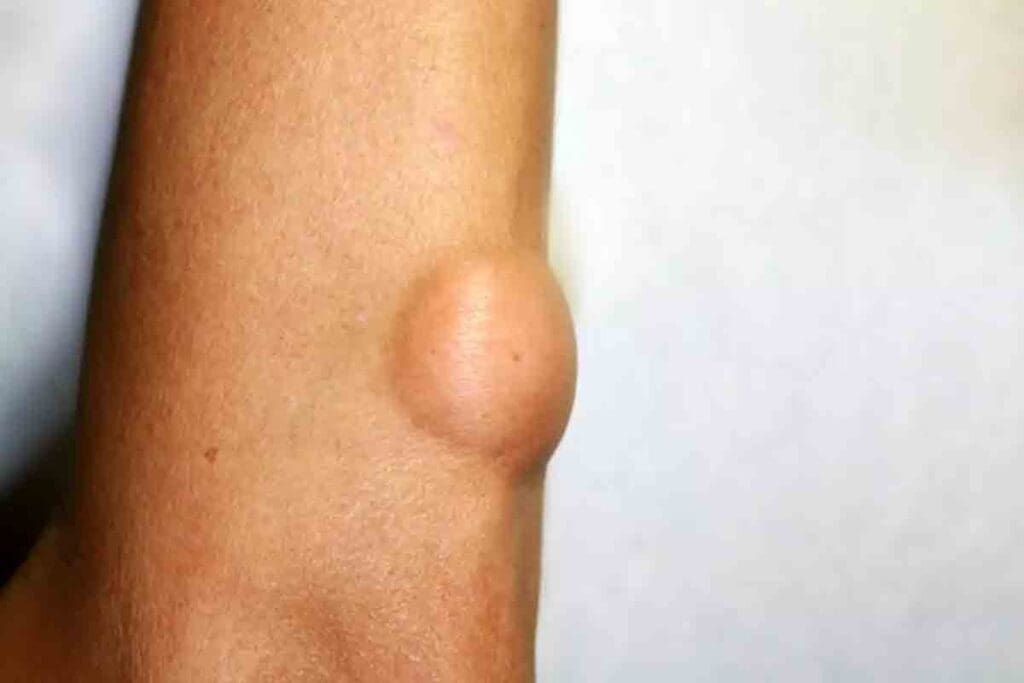
Soft tissue sarcomas, including those in muscle and abdomen, are hard to spot early. They often go unnoticed until a lump appears or symptoms get worse. At Liv Hospital, we know how vital early detection and expert care are for effective treatment. Discover sarcoma in muscle symptoms, early signs, and how it appears in children.
Medical experts say catching sarcoma early is key to treating it well. Sarcoma in muscle usually shows up as a painless lump. It’s found deep in soft tissues and can be mistaken for something harmless. We’ll share important facts about sarcoma, including its early signs and symptoms. We’ll also give you an idea of what to expect in this article.
Key Takeaways
- Early detection of sarcoma is vital for effective treatment.
- Sarcoma in muscle often shows up as a painless lump.
- Knowing the early signs and symptoms is important for timely medical help.
- Liv Hospital offers expert, evidence-based diagnosis and care.
- A team approach guides the diagnosis and treatment process.
What You Need to Know About Soft Tissue Cancer

It’s important to understand soft tissue sarcomas to catch them early and treat them well. These cancers grow in the body’s connective tissue. This includes muscles, fat, blood vessels, and more.
Definition and Types of Soft Tissue Sarcomas
Soft tissue sarcomas are a wide range of cancers that can show up anywhere in the body. There are over 70 types, each with its own traits and how it behaves. Common ones are leiomyosarcoma, liposarcoma, and synovial sarcoma.
These cancers can be very different in how aggressive they are and how well they respond to treatment.
The way we classify soft tissue sarcomas is based on where they start and what they look like under a microscope. Knowing this helps doctors figure out the best treatment plan and what to expect.
Who Is at Risk for Developing Sarcoma
While anyone can get soft tissue sarcomas, some people are at higher risk. Certain genetic conditions like neurofibromatosis type 1 and Li-Fraumeni syndrome increase the risk. Also, being exposed to radiation or certain chemicals can raise the risk.
Genetic conditions can greatly increase the risk of getting sarcoma. For example, people with neurofibromatosis type 1 are more likely to get malignant peripheral nerve sheath tumors. Knowing these risk factors helps with early detection and management.
By understanding what soft tissue sarcomas are, their types, and who’s at risk, we can spot symptoms sooner. This leads to earlier diagnosis and better treatment options.
Fact 1: Sarcoma in Muscle Often Presents as a Painless Lump

Sarcoma in muscle can be hard to spot early because it often looks like a painless lump. This can be tricky because people might think it’s not serious if it doesn’t hurt. They might wait too long to see a doctor.
The Deceptive Nature of Early Symptoms
The first signs of sarcoma are often small and don’t seem like a big deal. A lump that doesn’t hurt can be seen as a harmless growth or injury. This can cause people to wait too long to get it checked out.
Sarcoma can show up in many places, like the arms, legs, and trunk. It’s important to watch for any unusual lumps. The early signs can be tricky, so it’s key to see a doctor right away if you notice something odd.
Why Pain May Be Absent Initially
Pain is not always the first sign of sarcoma, at least not at first. Tumors grow slowly, which might not hurt nearby nerves or tissues at first. But as it gets bigger, it can start to hurt by pressing on other parts.
Just because it doesn’t hurt doesn’t mean it’s not serious. Any new or growing lumps should be checked out by a doctor. This is true even if they don’t hurt.
A sarcoma lump in the arm is extra worrying because it’s easy to see and can affect how you use your arm. Finding it early is key to getting the right treatment and better results.
Fact 2: What Does Sarcoma Cancer Look Like?
Knowing what sarcoma looks like is key for catching it early. It can show up in many sizes and looks, so it’s important to know the different signs.
Visual Characteristics of Soft Tissue Sarcoma
Soft tissue sarcoma can look like a lump or swelling under the skin. This lump might feel firm or soft and not hurt at first. The size and texture of the lump can vary a lot, making it hard to tell if it’s bad or not.
Doctors have seen sarcoma in all sizes, from small nodules to big grapefruit-sized masses. These lumps might not hurt or feel uncomfortable at first.
From Small Nodules to Grapefruit-Sized Masses
Sarcoma can be any size. Some are small nodules, while others are big masses. The growth rate can vary too; some grow slowly over years, while others grow fast.
| Size Comparison | Description | Common Locations |
| Small Nodules | Painless, firm or soft lumps | Arms, legs, trunk |
| Medium Sized | Growing lumps may become painful | Deep within muscles, near joints |
| Grapefruit-Sized Masses | Large, noticeable lumps, potentially painful | Abdomen, retroperitoneum, limbs |
It’s important to know what sarcoma looks like to get help fast. Any unusual growth or change needs a doctor’s check.
Fact 3: Sarcoma in the Abdomen Has Distinct Warning Signs
Sarcoma in the abdomen can sneak up on you, often without being noticed until it’s too late. Soft tissue sarcomas in the belly can grow big before anyone sees them. This makes it hard to catch them early.
Abdominal sarcomas can cause many symptoms because of where they are and how big they get. As they grow, they can push on nearby organs and cause different symptoms.
Early Stage Soft Tissue Sarcoma Abdomen Symptoms
In the early stages, soft tissue sarcoma in the abdomen might not show any symptoms. But as it grows, people might start to feel:
- Abdominal pain or discomfort
- A palpable mass or swelling in the abdomen
- Nausea and vomiting
- Changes in bowel habits
- Unexplained weight loss
These symptoms can mean many things, not just sarcoma. So, doctors need to be extra careful when they see these signs.
Advanced Abdominal Sarcoma Manifestations
When abdominal sarcomas get worse, they can cause more serious symptoms. These can include:
- Severe abdominal pain
- Bowel obstruction
- Ascites (fluid accumulation in the abdominal cavity)
- Cachexia (weight loss and muscle wasting)
- Fatigue and weakness
Research shows that these symptoms mean the disease is likely more advanced. So, if you have these symptoms, see a doctor right away.
“Early detection is key to improving outcomes in patients with abdominal sarcoma.” This shows how important it is to catch sarcoma early. Patients and doctors need to be aware and act fast if symptoms show up.
We stress that these symptoms can mean many things. But if they keep happening or get worse, you should get checked out by a doctor. Knowing the signs of sarcoma in the abdomen helps patients and doctors work together. This leads to better diagnosis and treatment.
Fact 4: Retroperitoneal Sarcoma Presents Unique Diagnostic Challenges
Retroperitoneal sarcoma is hard to diagnose because it’s deep in the belly. We’ll look at why it’s tough to spot, its hidden nature, and the symptoms it causes.
The Hidden Nature of Retroperitoneal Tumors
Retroperitoneal tumors hide behind the peritoneum in the belly. They’re near important organs like the kidneys and pancreas. Their deep location makes them hard to find early.
These tumors can grow big before they show symptoms. Symptoms like belly pain or discomfort are not clear at first. This can cause a delay in finding out what’s wrong.
Pressure Symptoms on Surrounding Organs
As these tumors grow, they press on nearby organs. This can cause belly pain, nausea, and changes in bowel habits. They can also block big blood vessels, causing more problems.
Pressing on organs can also make them not work properly. For example, pressing on the ureters can make the kidneys swell. This is because urine can’t drain properly.
| Organ/Structure | Possible Symptoms Due to Compression |
| Kidneys | Hydronephrosis, renal impairment |
| Intestines | Bowel obstruction, changes in bowel habits |
| Major Blood Vessels | Vascular complications, limb swelling |
Knowing the symptoms and problems of retroperitoneal sarcoma is key. Early detection and treatment are possible with advanced imaging like CT and MRI scans.
Fact 5: Recognizing Skin Sarcoma Manifestations
Spotting skin sarcoma early is key. It can show up in different ways on or under the skin. Knowing how to tell cutaneous sarcomas from harmless skin issues is important.
Visual Characteristics of Cutaneous Sarcomas
Skin sarcomas, or cutaneous sarcomas, look like firm or odd-colored lumps. They can be any size and might bleed or form ulcers. It’s vital to catch them early, as they can look harmless at first.
Research shows that skin sarcomas can look very different. They might seem like harmless growths, like cysts or lipomas. Or they could look more serious with uneven edges and changing colors.
Differentiating from Benign Skin Conditions
Telling skin sarcoma from harmless skin issues needs a close look and sometimes a biopsy. We must look at the patient’s health history and do a detailed check. Important signs include the size, shape, and color of the growth, and any changes over time.
Some common harmless skin issues that might be mistaken for skin sarcoma include:
- Lipomas
- Cysts
- Dermatofibromas
If you see something odd on your skin, see a doctor right away. They can figure out what it is and suggest the right treatment.
Fact 6: Location-Specific Symptoms of Sarcoma in Muscle
It’s important to know the symptoms of sarcoma in different parts of the body. Sarcomas can happen in the arm, back, and trunk. Each area has its own signs.
Sarcoma Lump in Arm: What to Look For
A sarcoma lump in the arm might start as a painless swelling. At first, it could look like a harmless growth or swelling from an injury. But as it grows, it can become bigger and cause pain or discomfort.
Keep an eye out for any new or changing lumps in your arm. Look for signs like:
- Increasing size
- Changes in texture or tenderness
- Pain or discomfort, which can be worse at night or when you’re resting
Soft Tissue Sarcoma on Back and Trunk
Sarcomas in the back and trunk can be harder to spot because of the bigger muscle mass and deeper tissues. They might not be noticeable until they’ve grown a lot. Symptoms can include:
- A deep-seated lump or swelling
- Pain or aching in the back or trunk area
- Pressure symptoms on surrounding organs or structures, potentially leading to complications like difficulty breathing or swallowing if the sarcoma is large and located near vital structures.
Finding sarcoma in these areas early is tough because the symptoms are not clear. But knowing about any unusual changes and getting medical help quickly can really help.
Fact 7: Understanding High Grade Sarcoma vs. Low Grade Presentations
Knowing the grade of sarcoma is key to understanding its growth and symptoms. Sarcomas are graded based on their cells, growth, and spread. This helps doctors predict how the disease will act and plan treatment.
How Tumor Grade Affects Symptom Progression
The grade of a sarcoma greatly affects its symptoms. High-grade sarcomas grow fast and spread quickly, causing severe symptoms soon. On the other hand, low-grade sarcomas grow slowly and may not show symptoms for a while. The grade is based on cell type, growth rate, and cell death.
- High-grade sarcomas: More aggressive, rapid growth, and early metastasis.
- Low-grade sarcomas: Less aggressive, slower growth, and less likely to metastasize early.
Symptoms in high-grade sarcomas come on fast, causing a lot of pain. Low-grade sarcomas grow slowly, and symptoms may be mild or mistaken for something else.
Tumors That Contain Muscle and Fiber Components
Sarcomas with muscle and fiber, like leiomyosarcomas and fibrosarcomas, have special traits. They come from muscle and fibrous tissues and act differently based on their grade.
Leiomyosarcomas can grow big before symptoms show, often in the retroperitoneum. Fibrosarcomas can cause various symptoms based on where they are and their grade.
Knowing the type and grade of sarcoma is vital for treatment planning. We stress the need for accurate diagnosis and grading in managing sarcoma well.
Fact 8: Why Soft Tissue Sarcomas Are Frequently Misdiagnosed
Soft tissue sarcomas are tricky to diagnose because they look like harmless growths. This mistake often leads to late treatment.
Conditions Commonly Confused with Sarcoma
Many conditions are mistaken for soft tissue sarcomas. These include:
- Lipomas which are benign fatty tumors.
- Cysts which are fluid-filled sacs.
- Abscesses which are collections of pus.
- Hematomas which are collections of blood outside blood vessels.
Studies show these conditions are often swapped with sarcomas. For example, a lipoma might be thought to be a sarcoma. Or, a sarcoma could be seen as a benign cyst.
Red Flags That Distinguish Malignant from Benign Masses
So, how do we tell malignant sarcomas from benign masses? Look out for these signs:
- A growing mass, big or deep.
- Pain or discomfort that doesn’t go away or gets worse.
- A firm or hard mass stuck to nearby tissues.
We need to watch for these signs and check any suspicious growths carefully. Early detection is key to better treatment and results.
Key Takeaways:
- Soft tissue sarcomas are often misdiagnosed because they look like harmless growths.
- Conditions like lipomas, cysts, abscesses, and hematomas are commonly confused with sarcomas.
- Red flags for sarcoma include a growing mass, pain, and a firm or hard texture.
Conclusion: Early Detection Is Key to Improving Sarcoma Outcomes
Early detection of sarcoma is key to better outcomes for patients. Medical research shows that quick diagnosis and treatment boost survival rates. This article has covered important facts about sarcoma in muscle, like early signs and symptoms.
Raising awareness about sarcoma and encouraging early detection can help patients. It’s vital to know the warning signs and see a doctor if symptoms don’t go away. Understanding sarcoma’s risk factors and symptoms helps in getting timely treatment.
We’ve talked about different types of sarcoma, where they occur, and the challenges they bring. Early detection and the right treatment are critical for better sarcoma outcomes. By staying informed and alert, people can protect their health, and doctors can provide better care.
FAQ
What are the early signs of sarcoma in the abdomen?
Early signs of sarcoma in the abdomen include a painless lump or swelling. You might also feel abdominal pain or discomfort. Changes in bowel habits can also be a sign.
As the tumor grows, symptoms can worsen. You might experience nausea, vomiting, and weight loss.
How does skin sarcoma manifest?
Skin sarcoma shows up as a lump or nodule on the skin. It can be painless or tender. The lump’s texture can vary, and it may be accompanied by skin changes like redness or swelling.
What does a sarcoma lump in the arm feel like?
A sarcoma lump in the arm feels like a firm, painless mass. It can be deep-seated or superficial. You might also experience limited mobility or nerve compression.
What are the symptoms of soft tissue sarcoma on the back?
Symptoms of soft tissue sarcoma on the back include a painless lump or swelling. You might also feel back pain or discomfort. Limited mobility can also occur.As the tumor grows, symptoms can worsen. You might experience nerve compression, numbness, or tingling.
How is high-grade sarcoma different from low-grade sarcoma?
High-grade sarcoma is more aggressive and has a higher risk of spreading. It grows faster and can cause more symptoms like pain, swelling, and limited mobility.
What are the visual characteristics of soft tissue sarcoma?
Soft tissue sarcoma appears as a lump or mass. It can vary in size, from small nodules to large masses. The lump’s texture can be firm, rubbery, or soft.It may also be accompanied by skin changes like redness, swelling, or ulceration.
Why are soft tissue sarcomas frequently misdiagnosed?
Soft tissue sarcomas are often misdiagnosed. They can be mistaken for benign conditions like cysts or lipomas. A thorough medical evaluation, including imaging studies and biopsy, is needed to confirm the diagnosis.
What are the diagnostic challenges of retroperitoneal sarcoma?
Retroperitoneal sarcoma is hard to diagnose early. It’s located deep in the abdomen, making it difficult to detect. Symptoms can be non-specific, and the tumor can grow large before causing significant symptoms. Advanced imaging techniques are essential for diagnosis.
Reference
- Ferner, R., & Gutmann, D. H. (2013). Neurofibromatosis type 1 (NF1): Diagnosis and management. Handbook of Rare Tumours, 2(3), 170-185. https://www.ncbi.nlm.nih.gov/books/NBK1251/