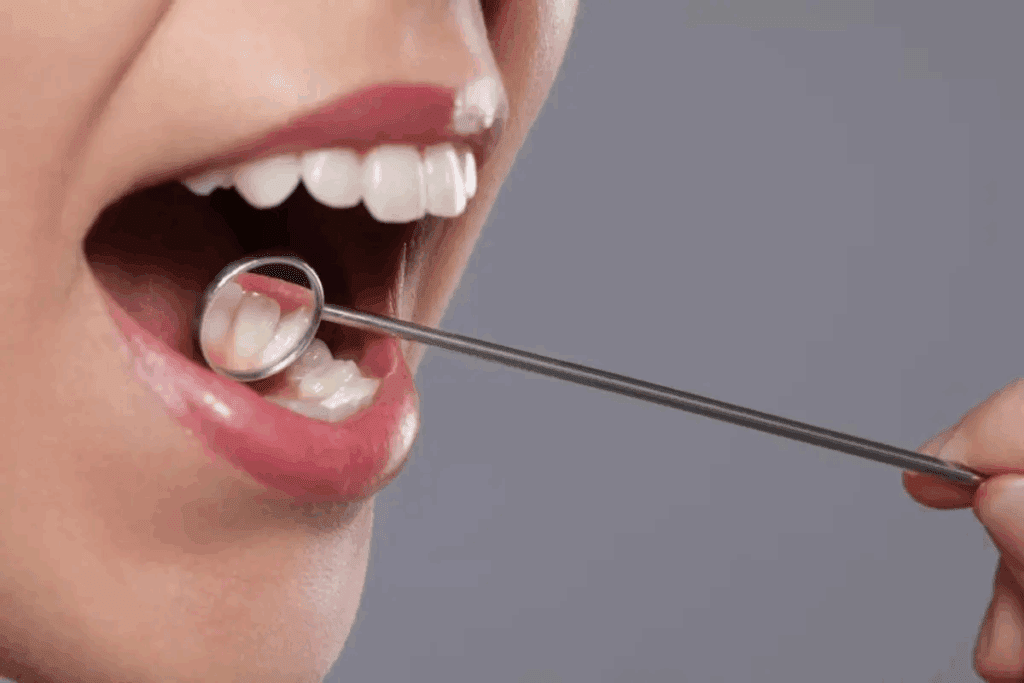
Finding a hard, lasting bump on your tongue can be scary. But, most of the time, it’s just a harmless bump called a traumatic fibroma. These bumps can be easily treated with today’s surgery.
At Liv Hospital, we use the latest international standards to help patients with tongue bumps. We know how to treat these bumps based on solid research. This knowledge helps patients get the right help fast.
Our team is all about top-notch healthcare. We make sure international patients get the best care. We aim to fix these bumps completely, keeping your tongue working and looking good.
Key Takeaways
- Traumatic fibromas are benign oral lesions that can be effectively treated with modern surgical methods.
- Proper diagnosis and timely treatment are key to fixing traumatic fibromas without harming your tongue.
- Liv Hospital offers full care for tongue bumps, like traumatic fibromas, using the latest international methods.
- Knowing what causes and shows up as traumatic fibromas is key to getting the right medical help.
- With the right treatment, patients with traumatic fibromas can get rid of them completely.
What Is Scar Tissue on Tongue?
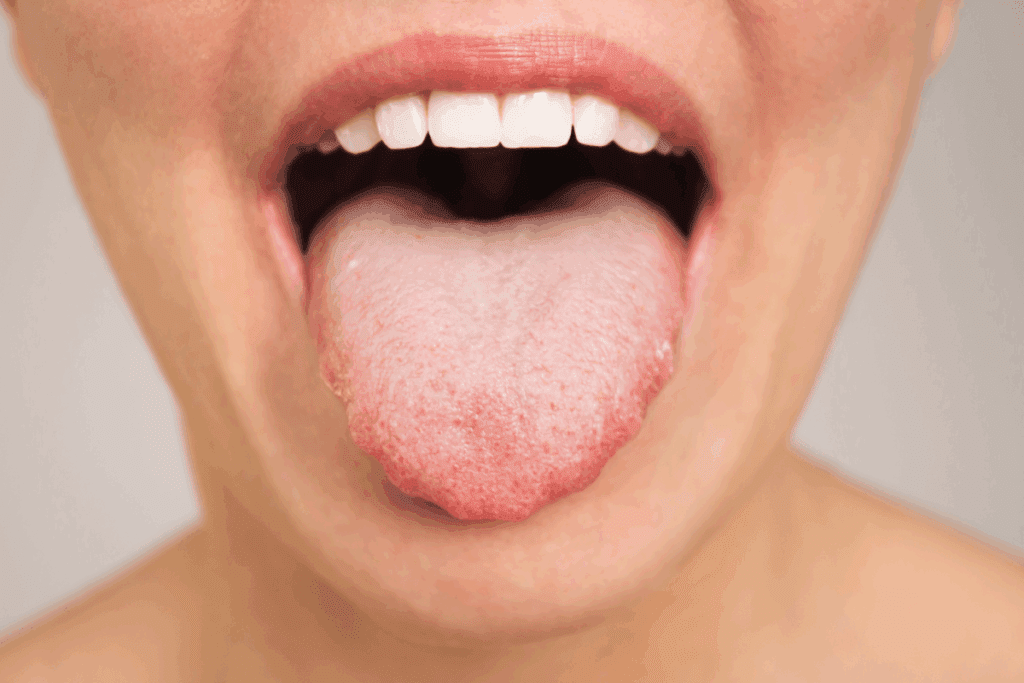
Oral fibroma, or scar tissue on the tongue, is a non-cancerous growth caused by irritation or injury. It’s common and can happen to people of all ages and backgrounds.
Definition and Medical Terminology
Scar tissue on the tongue is called traumatic or irritational fibroma. It’s a benign, fibrous growth on the tongue’s surface. It happens when the tongue gets irritated or injured, like from biting it or dental appliances.
Prevalence and Demographics
Fibromas make up about 35.8 to 53.3 percent of all benign soft tissue masses in the mouth. Traumatic fibroma affects 1 to 2 percent of adults. It can happen to anyone, but it’s more common in adults. Both men and women are equally likely to get it.
| Prevalence Statistics | Percentage |
|---|---|
| Fibromas among benign oral masses | 35.8 – 53.3% |
| Traumatic fibroma in adult population | 1 – 2% |
Knowing how common scar tissue on the tongue is helps us recognize it. It’s important to seek medical care when needed.
Common Causes of Tongue Fibromas
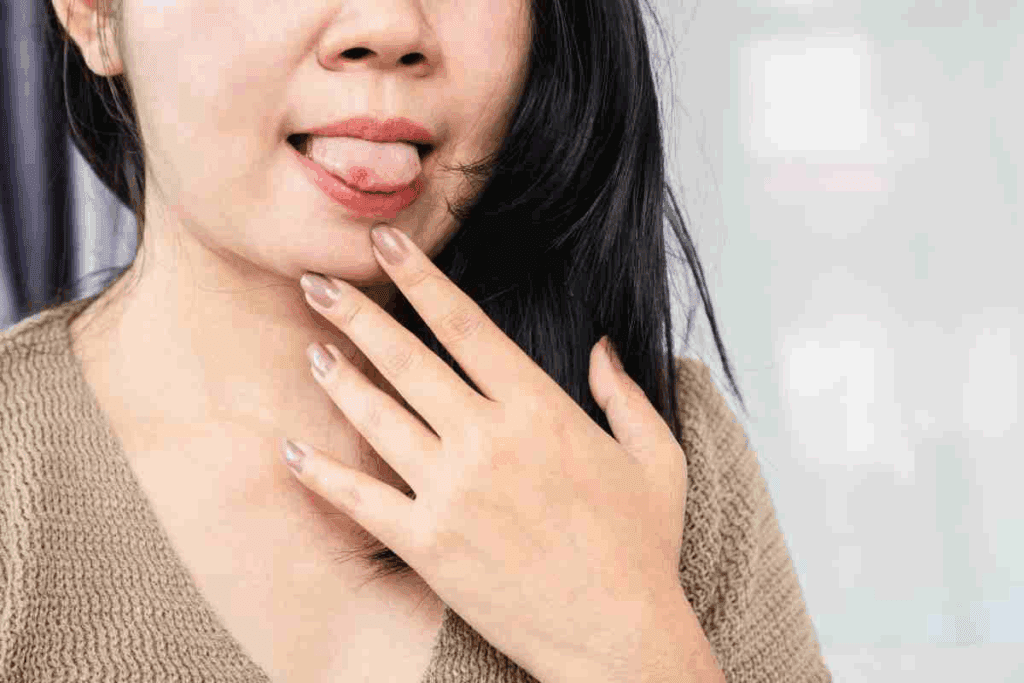
Fibromas on the tongue can come from physical trauma and dental appliances. Knowing these causes helps in preventing and treating them.
Physical Trauma and Irritation
Physical trauma to the tongue can cause fibromas. This can happen from accidental biting, sharp teeth, or dental appliance irritation. Chronic irritation leads to scar tissue, which can turn into a fibroma.
Dental Appliances and Procedures
Dental appliances and procedures can also lead to tongue fibromas. Orthodontic appliances, dentures, and dental procedures can cause iatrogenic trauma. It’s key to address any discomfort or irritation from these to prevent fibromas.
| Cause | Description |
|---|---|
| Accidental Biting | Trauma from biting the tongue |
| Dental Appliances | Irritation from dentures or orthodontic devices |
| Dental Procedures | Iatrogenic trauma during dental work |
Understanding tongue fibroma causes helps in preventing and treating them. This knowledge is key.
Identifying Scar Tissue on Tongue
Tongue scar tissue, also known as oral fibroma, has specific features that help identify it. Oral fibromas are benign growths that can appear on the tongue. They can happen due to trauma or irritation.
Physical Characteristics
Oral fibromas of the tongue are firm, smooth, and dome-shaped growths. They are usually less than 1 centimeter in diameter. These growths are often the same color as the surrounding mucosa or slightly lighter.
Common Locations on the Tongue
Scar tissue or oral fibromas can occur anywhere on the tongue. But they are more commonly found on the lateral borders or the tip of the tongue. The location often correlates with the source of irritation or trauma.
Differentiating from Other Oral Lesions
It’s important to differentiate oral fibromas from other oral lesions, such as papillomas or mucoceles. Oral fibromas are generally firm and non-ulcerated. This distinguishes them from many other types of oral lesions. A professional diagnosis is essential for accurate identification and appropriate treatment.
By understanding the physical characteristics and common locations of tongue scar tissue, patients and healthcare providers can better identify and manage these benign growths.
Diagnosing Oral Fibromas
Diagnosing oral fibromas starts with a detailed first check-up. This might lead to a biopsy and histopathology. Getting a diagnosis is a big step, and we’re here to help you through it.
Initial Examination Process
When you see a healthcare professional for a suspected oral fibroma, they start with a thorough check of your mouth. They look closely at your tongue and the areas around it for any unusual growths. They’ll check the size, shape, color, and feel of the fibroma, and where it is and how it affects your mouth.
Key aspects examined during the initial assessment include:
- The size and number of lesions
- The presence of any symptoms such as pain or discomfort
- The lesion’s appearance and whether it has changed over time
Biopsy and Histopathology
If the first check suggests it might be an oral fibroma, a biopsy might be suggested. A biopsy takes a small piece of tissue from the growth for a closer look under a microscope. This step is key to confirm the diagnosis and check for other possible causes.
Histopathology, the microscopic examination of tissue, allows us to:
- Confirm the presence of fibrous tissue
- Assess the cellular structure for any abnormal characteristics
- Rule out other conditions that may mimic oral fibromas
Imaging Studies When Necessary
Sometimes, more tests like imaging studies are needed to look at the growth or plan treatment. These might include X-rays, CT scans, or MRI scans, based on the case.
We use these tools to make sure we have the right diagnosis. Then, we can create a treatment plan that fits your needs.
Professional Treatment Options for Scar Tissue on Tongue
Many professional treatments can help with scar tissue on the tongue. The right treatment depends on the scar’s size, location, and type. It also depends on the patient’s health.
Surgical Techniques
Surgical removal is a common way to get rid of tongue scar tissue. A doctor uses a scalpel to carefully cut out the scar. Primary closure and layered repair help close the wound. This promotes healing and reduces the chance of more scarring.
Laser Therapy
Laser therapy is another good option for tongue scar tissue. It uses a laser to remove or reduce the scar. This method is often less painful and less bloody than surgery. It’s great for sensitive areas or for those who fear surgery.
Cryosurgery
Cryosurgery freezes the scar tissue, causing it to die and fall off. It’s a less invasive method. But, it might not work for all scar types, and its success can vary.
| Treatment Method | Advantages | Disadvantages |
|---|---|---|
| Surgical Excision | Effective for large or deep scar tissue, can be used for diagnostic purposes | Risk of bleeding, significant discomfort possible |
| Laser Therapy | Precise, less bleeding, potentially less discomfort | May require specialized equipment, not all scar tissue types suitable |
| Cryosurgery | Less invasive, effective for small areas | Effectiveness can vary, not all scar tissue types suitable |
Each treatment has its role in managing tongue scar tissue. Choosing the right treatment should be done with a healthcare professional. They will consider the individual’s specific situation and needs.
Recovery After Fibroma Removal
Understanding the recovery process after fibroma removal is key to better outcomes. We’ll guide you through the healing journey. This will help ensure a smooth and comfortable recovery.
Immediate Post-Procedure Care
After the procedure, it’s important to eat soft, non-acidic foods to avoid irritation. Stay away from hot, spicy, or sharp foods. Also, keep the area clean with gentle rinsing.
Managing Discomfort
To manage discomfort, use over-the-counter pain meds and practice good oral hygiene. Cold compresses can help reduce swelling and ease pain.
Healing Timeline and Expectations
The healing time varies based on the fibroma’s size and location. Most see big improvements in a week or two. Full recovery takes a few weeks. Be patient and follow instructions carefully during this time.
Home Remedies and Self-Care
While seeing a doctor is key for tongue scars, home remedies help too. They can ease pain, speed up healing, and keep your mouth healthy.
Saltwater Rinses
Saltwater rinses are a simple way to handle tongue scars. Mix 1/2 teaspoon of salt in 8 ounces of warm water. This mix can cut down swelling and help healing. Rinse with it a few times a day, after eating, to clean and heal faster.
Herbal Solutions
Some herbs can help with tongue care. Aloe vera gel can soothe the area. Tea tree oil, when mixed right, might fight off germs. But, talk to a doctor before trying new herbs.
Dietary Adjustments
Changing what you eat can also help. Stay away from spicy, sour, or rough foods. Eat foods full of vitamin C and zinc to heal faster. Drinking plenty of water is also key for mouth health.
| Remedy | Benefits | Precautions |
|---|---|---|
| Saltwater Rinse | Reduces inflammation, promotes healing | Use warm water, avoid swallowing |
| Aloe Vera Gel | Soothes discomfort | Apply topically, avoid ingestion |
| Dietary Adjustments | Prevents irritation, supports healing | Avoid spicy, acidic, or sharp foods |
Adding these home remedies and self-care steps to your day can help with tongue scars. They support your mouth’s health too.
Pain Management Strategies
Effective pain management is key for comfort and recovery when you have scar tissue on your tongue. It can greatly improve your life while you heal.
Over-the-Counter Medications
Over-the-counter (OTC) pain meds are often the first choice for tongue scar pain. Acetaminophen and ibuprofen are popular options. Acetaminophen relieves pain, while ibuprofen also reduces swelling.
Natural Pain Relief Methods
If you don’t want to use OTC meds or need more help, there are natural ways to ease pain. These include:
- Aloe vera gel, known for its soothing properties
- Cold compresses or ice packs to reduce swelling
- Gentle saltwater rinses to promote healing
Cold Therapy Techniques
Cold therapy is also effective for pain and swelling. An ice pack or cold compress on the area can numb the pain and lessen swelling. Make sure to cover the ice with a cloth to protect your tongue.
Preventing Recurrence of Tongue Fibromas
To stop tongue fibromas from coming back, we need a full plan. This plan should tackle the root causes and keep our mouths clean. Knowing what makes these growths happen helps us avoid them.
Addressing Underlying Causes
First, we must find and fix the main problems. This means staying away from habits like biting our lips or tongue piercing. We also need to fix sharp teeth or bad dental fits. Getting rid of the cause of irritation helps a lot.
Improved Oral Hygiene Practices
Keeping our mouths clean is key to avoiding tongue fibromas. We should brush and floss often and use a tongue scraper. Going to the dentist regularly helps catch any mouth problems early.
Dental Appliance Adjustments
For people with dental gear, it’s important it fits right. Bad fits can irritate the tongue and lead to more fibromas. Getting regular checks from a dentist can help.
Breaking Harmful Habits
Some habits, like biting the tongue, can cause fibromas. Knowing and stopping these habits can lower the chance of them coming back.
By following these tips and working with a doctor, we can lower the chance of tongue fibroma coming back. This helps us keep our mouths healthy.
Complications of Untreated Scar Tissue
Untreated scar tissue on the tongue can cause many problems. These issues affect both your body and mind. If not treated, they can really lower your quality of life.
Functional Impairments
Scar tissue can make it hard to speak clearly and swallow. These problems can make everyday tasks tough. They can also affect how well you eat.
Psychological Impact
Scar tissue can also hurt your mind. It can cause anxiety and make you worry about how you look or speak. This can make you feel shy and lower your self-esteem.
Rare but Serious Complications
This includes chronic pain or infection. These are rare but can be very serious.
| Complication | Description | Potential Impact |
|---|---|---|
| Functional Impairments | Difficulties with speech and swallowing | Daily activities and nutrition |
| Psychological Impact | Anxiety and self-consciousness | Social withdrawal and self-esteem |
| Rare but Serious Complications | Chronic pain or infection | Severe health consequences |
When to Seek Professional Help
Knowing when to get help for tongue scar tissue is key. If you notice certain symptoms, it’s time to see a specialist.
Warning Signs and Red Flags
Watch out for these signs that mean you need professional help:
- Persistent pain or discomfort on the tongue
- Swelling or inflammation that doesn’t subside
- Difficulty swallowing or speaking due to tongue mobility issues
- Visible scar tissue that’s growing or changing
Finding the Right Specialist
To tackle tongue scar tissue, see an oral surgeon or an ENT specialist. They can diagnose and suggest the right treatment. Make sure to pick someone with experience in oral health for the best results.
Conclusion
Getting the right diagnosis and treatment is key to managing scar tissue on the tongue. We’ve looked at different ways to handle oral fibromas, like professional treatments and home remedies. We’ve also talked about how to stop them from coming back.
It’s important to see a specialist for scar tissue on the tongue. They can figure out what’s wrong and suggest the best treatment. This could be surgery, laser therapy, or cryosurgery, based on how bad it is.
Knowing what causes and shows scar tissue on the tongue is important. Following the treatment plan can help manage it well. This can greatly improve your oral health and overall well-being.
Keeping your mouth clean, avoiding things that can irritate it, and going to follow-up appointments are key. With the right care, you can lower the chance of tongue fibromas coming back. This helps keep your mouth healthy.
FAQ
What is scar tissue on the tongue?
Scar tissue on the tongue is a growth that happens after injury or irritation. It’s a common issue that can be caused by many things, like physical trauma or dental appliances.
What are the symptoms of scar tissue on the tongue?
Symptoms include a visible growth, discomfort, and trouble speaking or eating. Sometimes, there are no symptoms, but it can worry you about how you look or how well you can eat.
How is scar tissue on the tongue diagnosed?
A healthcare professional will examine you to diagnose scar tissue on the tongue. They might do a biopsy or use imaging studies to confirm it’s not something else.
What are the treatment options for scar tissue on the tongue?
Treatments include surgery, laser therapy, or cryosurgery. The best option depends on the scar’s size, location, and your health.
Can scar tissue on the tongue be prevented?
While you can’t prevent all cases, good oral hygiene and avoiding tongue injuries can help. Regular dental check-ups are also important.
How can I manage pain associated with scar tissue on the tongue?
You can try over-the-counter pain meds, natural remedies, or cold therapy. Always talk to a healthcare professional before trying any pain relief.
What are the possible complications of untreated scar tissue on the tongue?
Untreated scar tissue can make speaking or eating hard. It can also affect your mood because of how it looks. In rare cases, it can cause more serious problems.
When should I seek professional help for scar tissue on the tongue?
See a doctor if you notice a new growth, have ongoing pain, or worry about how your tongue looks or works. A professional can help figure out what to do next.
Can I treat scar tissue on the tongue at home?
Home remedies like saltwater rinses might help with symptoms. But, it’s important to see a doctor for a proper diagnosis and treatment. Untreated scar tissue can lead to bigger problems.
References
National Center for Biotechnology Information. Traumatic Fibroma: Surgical Treatment of Tongue Scar Tissue. Retrieved from https://pmc.ncbi.nlm.nih.gov/articles/PMC10676737/