Last Updated on October 22, 2025 by mcelik
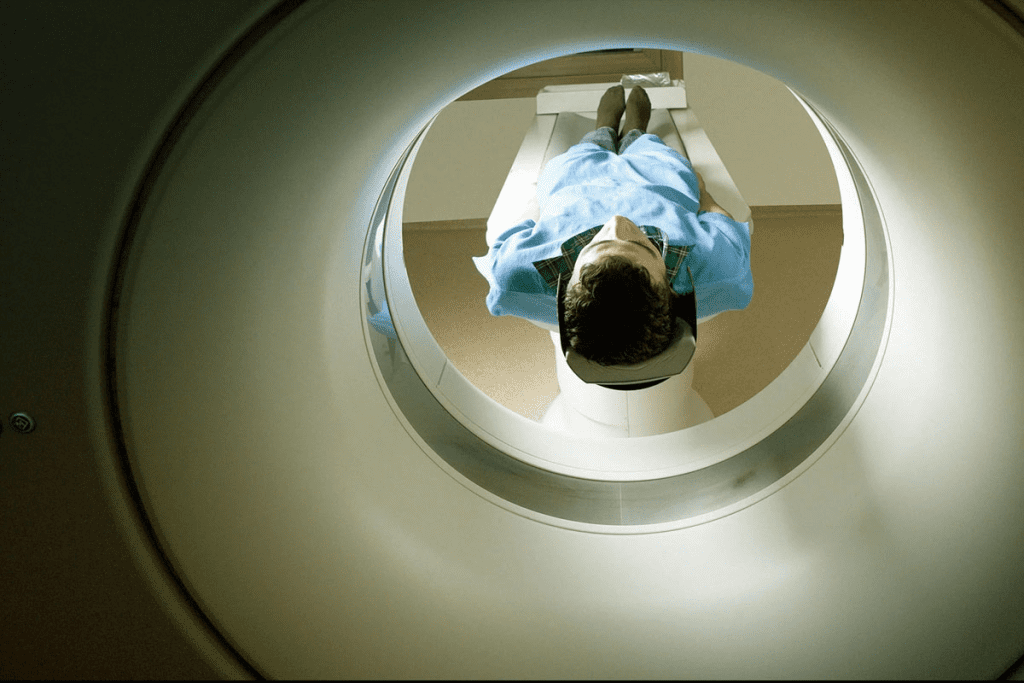
Did you know that a PET scan can sometimes mistake scar tissue PET findings for cancer? This happens because scar tissue can show activity similar to cancer cells.
It highlights how tricky it can be to understand PET scan results. A PET scan is a key tool for doctors to find and track diseases like cancer, but it isn’t perfect and can be misleading if there is scar tissue around.
Key Takeaways
- PET scans can misidentify scar tissue as cancer due to its metabolic activity.
- The accuracy of PET scans can be affected by several factors, including scar tissue.
- Understanding the limitations of PET scans is key for accurate diagnosis.
- Doctors use various methods to tell apart scar tissue and cancer on PET scans.
- Getting PET scan results right is vital for good treatment.
Understanding PET Scan Technology and Principles
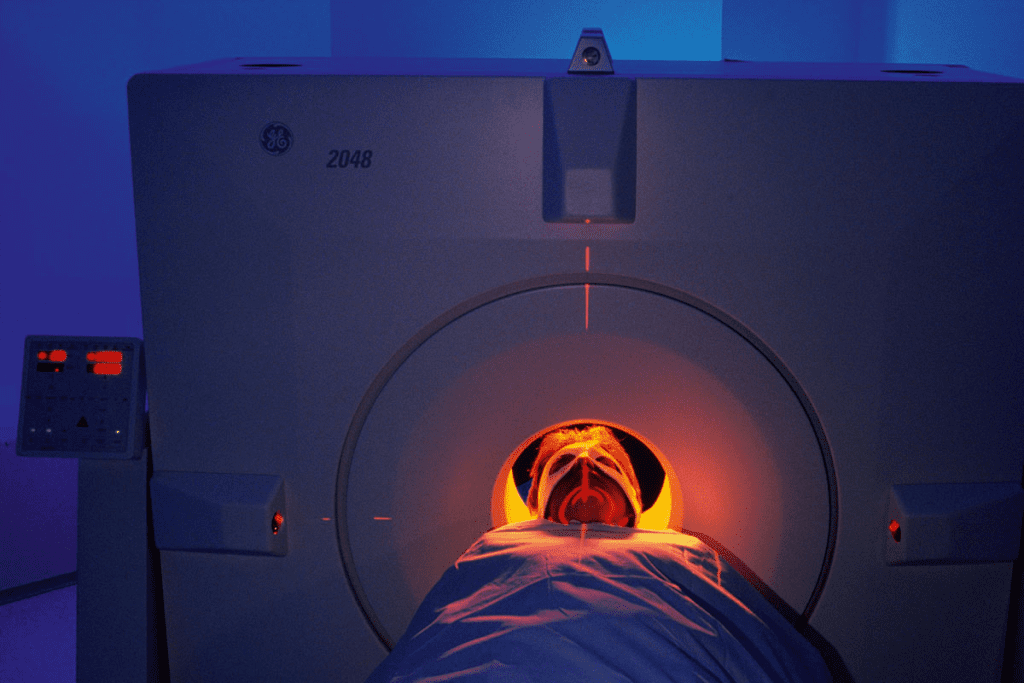
PET scan technology is based on simple principles. It shows how the body’s cells work by detecting their activity. This is key for spotting health issues and diseases.
How PET Scans Work
PET scans use a special tracer, Fluorodeoxyglucose (FDG), injected into the body. This tracer goes to areas where cells are very active, like cancer cells. This lets the scan spot these areas.
FDG as a Radiotracer
FDG acts like glucose and is taken up by cells based on their activity. Cancer cells, which use more glucose, take up more FDG. This makes them show up on the PET scan.
Doctors say FDG has changed how we find and track cancer. It helps us see cancer cells clearly.
Metabolic Activity Visualization
The PET scan sees how active cells are by the radiation from FDG. It turns this info into detailed images of the body’s activity.
Standard Uptake Value (SUV) Measurement
The PET scan interpretation uses the Standard Uptake Value (SUV) to measure FDG uptake. SUV shows how active cells are. It helps tell if something is normal or not.
- SUV measurement provides a quantitative assessment of FDG uptake.
- It helps in evaluating the severity of metabolic activity.
- SUV is key for checking how well treatments work and if cancer comes back.
Scar Tissue PET: Visibility and Detection Patterns
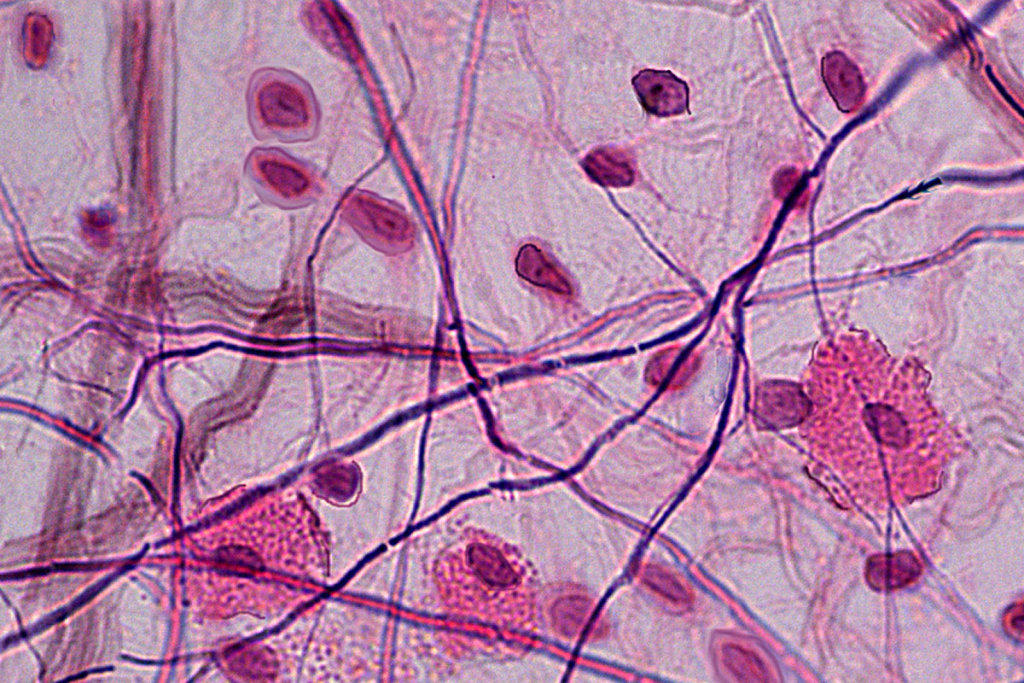
It’s key to know how scar tissue looks on PET scans for correct diagnosis and treatment plans. Scar tissue can show metabolic activity because of healing, making it visible on PET scans.
Normal Metabolic Activity in Scar Tissue
Scar tissue usually has some metabolic activity on PET scans because it’s healing. This activity is less than cancer but can be confusing. The inflammatory scar often takes up the radiotracer moderately, showing the body’s injury response.
Factors Affecting Scar Tissue Uptake
Many things can change how scar tissue takes up radiotracers. These include the scar’s age, inflammation, and how much tissue remodeling happens. Tissue remodeling is key in the metabolic activity seen in scar tissue.
Tissue Remodeling and Metabolic Changes
Tissue remodeling is a process that changes scar tissue’s metabolic activity. As scars mature, their activity usually goes down. But, how fast this happens can differ from person to person.
Typical Appearance Characteristics
Scar tissue on PET scans can look different, but it often follows a pattern. Here’s a table that shows what it looks like and what affects it:
| Characteristic | Description | Influencing Factors |
| Uptake Pattern | Moderate to low uptake | Age of scar, inflammation |
| Metabolic Activity | Variable, generally lower than malignancy | Tissue remodeling, healing stage |
| Appearance | Variable, often linear or irregular | Location, size, and shape of scar |
Knowing these details helps doctors better understand PET scans. This leads to more accurate diagnoses.
Inflammatory Processes and Their Impact on PET Imaging
It’s important to know how inflammation affects PET imaging for accurate diagnosis. Inflammation can lead to higher FDG uptake. This might look like cancer on PET scans.
Acute vs. Chronic Inflammation
Acute inflammation starts suddenly and is often due to infection or injury. Chronic inflammation lasts longer and can be caused by autoimmune diseases or cancer. Knowing the difference is key for correct PET scan interpretation.
Acute inflammation shows high FDG uptake because of active inflammatory cells. Chronic inflammation also shows uptake but can vary based on the cause and stage.
Inflammatory Markers and FDG Uptake
Inflammatory markers like cytokines and chemokines affect FDG uptake in inflammatory cells. The more these markers are present, the more FDG will accumulate.
Granuloma Formation and Detection
Granulomas are groups of immune cells that form in response to infections or foreign bodies. They can show high FDG uptake on PET scans. This makes it hard to tell them apart from cancer.
Inflammatory Scar Evolution Over Time
Inflammatory scars change over time, with their metabolic activity usually decreasing. But, some scars may keep showing high FDG uptake. This can make PET scan interpretation tricky.
| Characteristics | Acute Inflammation | Chronic Inflammation |
| Onset | Sudden | Gradual |
| FDG Uptake | High | Variable |
| Common Causes | Infection, Injury | Autoimmune diseases, Chronic infections |
The table above highlights the main differences between acute and chronic inflammation. This is important for understanding their effects on PET imaging.
Post-Surgical Uptake Patterns and Considerations
The healing process after surgery shows specific changes on PET scans. It’s key to understand these changes for correct PET scan interpretation in post-surgical patients.
Timeline of Post-Operative Changes
After surgery, the body starts to heal by fighting off injury and repairing itself. This healing process changes how the body uses glucose, which PET scans can detect using FDG (fluorodeoxyglucose). The biggest changes usually happen right after surgery.
How long and how much these changes last can vary. It depends on the surgery’s extent, if there are complications, and how each person heals.
Suture and Foreign Material Uptake
Sutures and other materials used in surgery can sometimes cause inflammation. This inflammation can make PET scans show more FDG uptake in the affected area. But, it’s usually mild and only in the area with the foreign material. It’s important to know this to avoid thinking it’s something serious.
Distinguishing Normal Healing from Complications
Telling normal healing from complications on PET scans can be tricky. Normal healing usually means less FDG uptake over time. But, complications like infections or tumors might show more or the same uptake.
Persistence of Uptake in Healing Tissue
FDG uptake can stay in healing tissue for months after surgery. This should be seen in the light of the patient’s medical history and other scan results. The type of surgery and materials used also play a role in uptake patterns.
Understanding post-surgical PET scan patterns and the patient’s situation helps doctors make better decisions. This ensures the best care for patients.
PET Scan Artifacts and Limitations
When we look at PET scans, we must think about possible problems and limits. PET scans are very useful for diagnosing, but they have their own set of challenges.
Technical and Patient-Related Artifacts
PET scans can face technical problems like equipment failures or software bugs. Also, if a patient moves during the scan, it can cause issues. For example, respiratory motion can blur or misplace images, mainly in the chest area.
Issues can come from the scanner or how the images are made. It’s also important for patients to follow instructions to avoid problems. For instance, not eating before the scan can reduce FDG uptake in unwanted areas.
Physiological Variants Mimicking Pathology
Some natural body processes can look like disease on PET scans. For example, inflammation or muscle activity can look like false positives. It’s key to know these to avoid mistakes.
Radiation-Induced Changes and Their Appearance
Radiation therapy can change tissues in ways that PET scans can pick up. These changes might look like the tumor is coming back. It’s important to know how these changes evolve over time to make the right call.
Temporal Considerations in Scan Interpretation
The timing of PET scans is very important. Scans done too soon after surgery or radiation might show inflammatory changes that look like disease.
| Artifact/Limitation | Cause | Impact on Diagnosis |
| Motion Artifact | Patient movement during scan | Blurring or misregistration |
| Inflammatory Uptake | Inflammation or infection | False positive for malignancy |
| Radiation-Induced Changes | Radiation therapy | Mimics tumor recurrence |
Knowing about these possible problems is key to understanding PET scans correctly. By understanding what causes these issues, doctors can make better decisions.
False Positive Results: When Benign Uptake Mimics Disease
Benign conditions can sometimes show up as increased uptake on PET scans. This can lead to false positives and cause unnecessary worry or extra tests for patients.
Common Scenarios for Misinterpretation
Several benign conditions can cause PET scans to show high uptake. For example, granulomatous diseases like sarcoidosis can look like cancer. Also, post-surgical inflammation or infection can make PET scans harder to read.
Quantitative Assessment Challenges
Using the Standardized Uptake Value (SUV) to measure PET scans can be tricky. High SUV values usually mean cancer, but some benign conditions can also show high values. This makes it hard to tell the difference.
Uptake Mimicry Phenomena
Uptake mimicry happens when non-cancerous tissues act like cancer on PET scans. This can be due to inflammation, infection, or physiological processes. It’s important to understand these to correctly read PET scans.
Clinical Context Importance
The context of a patient’s health is key when reading PET scans. Knowing the patient’s medical history, symptoms, and other test results helps tell if uptake is benign or malignant. Doctors must use all this information to make accurate decisions.
Differentiating Scar Tissue from Malignancy
It’s important to tell the difference between scar tissue and cancer on PET scans. Getting it right helps doctors plan the best treatment for patients.
Uptake Pattern Differences
Looking at PET scan patterns is a key way to tell these two apart. Scar tissue usually has a spread-out and lower level of activity. Cancer, on the other hand, often shows up as a bright spot in the middle.
SUV Considerations and Thresholds
The Standardized Uptake Value (SUV) is a number that shows how much a PET scan picks up. While it’s not the only clue, SUV can help when looked at with other signs. High SUV values might mean cancer, but some infections can also show high values.
| Characteristic | Scar Tissue | Malignancy |
| Uptake Pattern | Diffuse, lower-grade | Focal, intense |
| SUV Value | Typically lower | Often higher |
Complementary Imaging Techniques
Other imaging methods can also help tell scar tissue from cancer. Using PET with CT or MRI adds more details. This helps doctors understand what they’re looking at better.
Case-Based Approach to Differentiation
Doctors need to look at each patient’s story and scan results to make a good guess. For example, someone who’s had surgery might have scar tissue. But someone with known cancer might have cancer spread.
PET/CT Integration: Improving Scar Tissue Interpretation
PET/CT scans give a clearer view of scar tissue. They combine PET’s functional info with CT’s anatomical details. This helps doctors understand scar tissue better.
Anatomical Correlation Benefits
PET and CT together offer precise location info. This is key in telling scar tissue from other issues. A study found that adding CT to PET boosts accuracy by pinpointing PET findings better. This is very helpful in complex areas.
Dual-Time-Point Imaging
Dual-time-point imaging captures images at two times after tracer injection. It helps tell scar from cancer by tracking tracer changes. This method adds to our understanding of tissue metabolism.
Advanced Reconstruction Techniques
Modern image-making methods, like iterative reconstruction, make PET/CT images better. They help spot small changes in tracer uptake, which is key for scar tissue identification. These methods also cut down on image noise and boost confidence in diagnosis.
Overcoming PET Scan Pitfalls Through Context
PET/CT integration is key to avoiding common scan misreads. It combines functional and anatomical data for better decisions. Experts say, “PET and CT together offer a more precise diagnosis by using each modality’s strengths.” This approach helps avoid mistakes seen with just PET or CT.
Conclusion: Optimizing PET Scan Interpretation for Scar Tissue
Getting a PET scan right is key when looking at scar tissue. Sometimes, it’s hard to tell if it’s cancer or not. Knowing how PET scans work and their limits is very important.
PET/CT scans have made it easier to tell scar tissue from cancer coming back. They mix functional and anatomical info. This helps doctors understand what’s going on better.
When interpreting PET scans, many things need to be considered. This includes how long after surgery changes happen, inflammation, and possible errors. By looking at these, doctors can make better diagnoses.
Getting PET scans right is very important. It affects how we treat patients and their care. By learning more about PET scans, we can make diagnoses more accurate. This helps us take better care of patients with scar tissue.
FAQ
Can scar tissue be mistaken for cancer on a PET scan?
Yes, scar tissue can look like cancer on a PET scan because it shows metabolic activity. But, knowing the situation, like recent surgery, helps. Also, using PET/CT scans can tell the difference.
How does FDG uptake in scar tissue compare to cancer?
Scar tissue generally shows lower and more diffuse FDG uptake compared to cancer, though the exact level can vary. Some scars might show a lot of uptake, making it hard to tell them apart.
What factors influence FDG uptake in scar tissue?
Several things affect FDG uptake in scar tissue. These include how healed it is, if there’s inflammation, and the type of tissue. Scars from recent surgery or with inflammation tend to show more uptake.
Can PET/CT help differentiate between scar tissue and cancer?
Yes, PET/CT can help tell scar tissue from cancer. It shows both metabolic and anatomical details. Knowing where and how the uptake is located helps make a better diagnosis.
How long does FDG uptake persist in scar tissue after surgery?
How long FDG uptake stays in scar tissue after surgery varies. It usually goes down as the scar heals. But, it can stay for months, and sometimes longer.
What are some common pitfalls in interpreting PET scans for scar tissue?
Some common mistakes include thinking inflammation or benign processes are cancer. Not looking at the whole situation and missing technical issues are also pitfalls. Knowing these helps make accurate readings.
How can SUV measurements be used in differentiating scar tissue from cancer?
SUV measurements give a number on metabolic activity. They’re not enough alone but help with other info. Cancer usually has higher SUV values than scar tissue.
Are there any specific characteristics of scar tissue uptake on PET scans?
Scar tissue uptake is usually more spread out and less intense than cancer. But, there’s a lot of variation. Some scars can look a lot like cancer.
How does the timing of a PET scan relative to surgery or treatment affect the interpretation of scar tissue?
When a PET scan is done after surgery or treatment matters a lot. Recent changes can make scar tissue show up more. Knowing when the scan is done helps make the right call.
Can granulomas be detected on PET scans and mistaken for cancer?
Yes, granulomas can be seen on PET scans because they’re inflammatory. They can look like cancer. But, knowing the situation and looking at more images helps tell them apart.
References
- National Center for Biotechnology Information. (2018). PET in the diagnostic management of soft tissue tumors. Journal of Nuclear Medicine, 59(3), 453-461. https://pmc.ncbi.nlm.nih.gov/articles/PMC7466822/