Last Updated on November 4, 2025 by

Is Scoliosis Surgery a Major Procedure? Explained
Is Scoliosis Surgery a Major Procedure? Explained 4

Understand why scoliosis surgery is considered major and how doctors ensure safety and precision.

Did you know that about 1 in 1,000 kids in the United States have scoliosis? This is a condition where the spine curves abnormally.

When you hear you might need scoliosis surgery, it can be scary. The thought of a big surgery is overwhelming.

Scoliosis is a complex issue. Not all cases need surgery. But, some people might need spinal fusion to fix the curve and ease symptoms.

We’ll look at the different scoliosis treatment options. We’ll see how surgery fits into managing this condition.

Key Takeaways

  • Understanding scoliosis and its impact on the spine.
  • Recognizing when scoliosis surgery is necessary.
  • Exploring spinal fusion as a treatment option.
  • Overview of scoliosis treatment options beyond surgery.
  • The importance of personalized care in managing scoliosis.

Understanding Scoliosis and When Surgery Becomes Necessary

Is Scoliosis Surgery a Major Procedure? Explained
Is Scoliosis Surgery a Major Procedure? Explained 5

It’s important to understand scoliosis and how severe it is to know if surgery is needed. Scoliosis is a complex spinal condition that causes the spine to curve abnormally. The amount of curvature varies, which affects treatment choices.

What is Scoliosis and How Severe Can It Get?

Scoliosis comes in different forms, with adolescent idiopathic scoliosis being the most common. The severity is measured by the Cobb angle, which shows how much the spine curves. Mild cases have a Cobb angle under 20 degrees, while severe cases can be over 50 degrees.

The severity of scoliosis isn’t just about the curve. It also affects a person’s quality of life, including pain, breathing problems, and appearance. In severe cases, scoliosis curve correction through surgery may be needed to avoid more problems and improve health.

Indications for Surgical Intervention

Surgery is usually considered when the Cobb angle is over 45-50 degrees, mainly for adolescent idiopathic scoliosis. Other reasons include rapid curve growth, ongoing pain, and noticeable deformity. Surgery aims to fix the spinal curve, stabilize the spine, and stop further deformity.

Deciding on surgery involves a detailed review, including medical history, physical check-up, and imaging. We’ll cover scoliosis surgery in more detail, including types of procedures and recovery, in the next sections.

Types of Scoliosis Surgery

Is Scoliosis Surgery a Major Procedure? Explained
Is Scoliosis Surgery a Major Procedure? Explained 6

Scoliosis surgery isn’t the same for everyone. It includes posterior spinal fusion, anterior spinal fusion, and combined methods. The right surgery depends on the deformity’s severity, the patient’s health, and the surgeon’s opinion.

Posterior Spinal Fusion

Posterior spinal fusion is a common scoliosis treatment. It involves an incision in the back to reach the spine. Metal rods and screws are used to stabilize and correct the spine. Bone grafting helps the vertebrae fuse.

Key benefits of posterior spinal fusion include:

  • Effective correction of spinal deformities
  • Strong stabilization of the spine
  • Wide applicability across various scoliosis cases

Anterior Spinal Fusion

Anterior spinal fusion is done through the chest or abdomen. It allows direct access to the spine’s front. Though less common, it’s useful for removing discs or treating kyphosis.

The advantages of anterior spinal fusion include:

  1. Potential for less invasive access in some cases
  2. Direct access to the anterior spine for specific deformities
  3. Possibility of saving fusion levels in appropriate cases

Combined Anterior-Posterior Approach

In complex scoliosis cases, a combined approach might be needed. This combines anterior and posterior spinal fusions. It’s best for severe or rigid deformities.

Benefits of the combined approach include:

  • Enhanced correction of severe deformities
  • Increased stability for complex spinal cases
  • Potential for better outcomes in rigid or large curves

Each surgery has its own use and benefits. The choice depends on the patient’s condition and the surgeon’s skill.

Modern Scoliosis Surgery Techniques

Modern scoliosis surgery techniques bring new hope to those with spinal deformities. Advances in surgery have made outcomes better, recovery times shorter, and life quality higher for patients. We’ll look at these new methods, their benefits, and how they’re changing scoliosis treatment.

Vertebral Body Tethering

Vertebral body tethering is a new, non-fusion surgery for scoliosis. It uses a flexible cord to attach to the vertebrae outside the spinal curve. This method is great for younger patients who are not yet fully grown.

Benefits of Vertebral Body Tethering:

  • It keeps the spine flexible and growing
  • It’s less invasive than traditional fusion surgeries
  • It may lower the risk of long-term problems from spinal fusion

Minimally Invasive Surgical Options

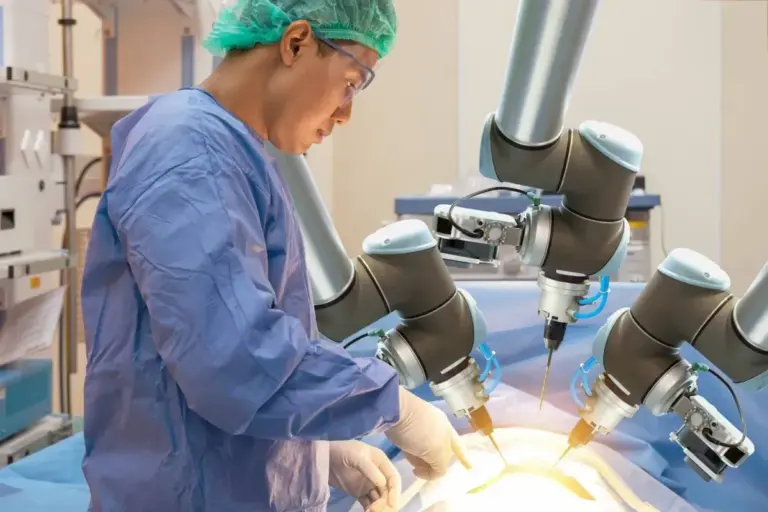
Minimally invasive scoliosis surgeries are becoming more popular. They offer smaller incisions, less tissue damage, and quicker recovery. These surgeries use advanced imaging and navigation for precise work.

Advantages of Minimally Invasive Surgery:

  • They cause less blood loss and pain after surgery
  • They leave smaller scars and cause less muscle damage
  • They allow for a faster return to normal activities

Advances in Spinal Instrumentation

Spinal instrumentation, like rods and screws, has improved a lot. Today’s instruments are more durable, flexible, and fit the patient’s body better.

FeatureTraditional InstrumentationModern Instrumentation
MaterialRigid stainless steel or titaniumAdvanced materials like cobalt-chromium alloys
DesignStandardized designsCustomizable and patient-specific designs
FlexibilityLimited flexibilityEnhanced flexibility and adaptability

Components of Scoliosis Surgery

Scoliosis surgery is complex and requires precision and advanced technology. It aims to correct spinal deformities. We will look at the key elements that make this surgery effective.

Spinal Instrumentation: Metal Rods and Screws

Spinal instrumentation is vital in scoliosis surgery. It uses metal rods and screws to stabilize and correct the spine. These tools support the spine and keep it in the right position while it heals.

Types of Spinal Instrumentation:

  • Metal rods: These correct the spine’s curvature and provide stability.
  • Screws: These are placed in the vertebrae to hold the rods in place.
  • Hooks and wires: These offer extra support in some cases.

Bone Grafting Procedures

Bone grafting is a key part of scoliosis surgery. It involves transplanting bone tissue to help the vertebrae fuse. This process stabilizes the spine and keeps the correction achieved by spinal instrumentation.

Types of Bone Grafting:

TypeDescription
AutograftUses the patient’s own bone tissue, often from the hip or rib.
AllograftUses donor bone tissue, which is processed and sterilized.
Synthetic graftsUses artificial materials that mimic bone properties.

Each bone graft type has its benefits. The choice depends on the patient’s needs and the surgeon’s preference.

Is Scoliosis Surgery Considered Major Surgery?

Scoliosis surgery is a big deal. It’s not something to take lightly. It’s a major operation that requires careful thought and preparation.

When you think about scoliosis surgery, you might wonder if it’s a big surgery. The answer is yes. It’s a serious procedure that involves making big changes to your spine.

A medical team decides if surgery is the best option for each patient. They look at how severe your scoliosis is and how it affects your life. They also consider your overall health and any other medical conditions you might have.

It’s important to understand that scoliosis surgery is a big step. It’s not something to rush into. You need to talk to your doctor and get all the information you need before making a decision.

Remember, every person’s situation is different. What works for someone else might not work for you. It’s important to listen to your doctor and make a decision that’s right for you.

So, is scoliosis surgery considered major surgery? Yes, it is. It’s a serious operation that requires careful consideration and preparation. Always talk to your doctor and get all the information you need before making a decision.

Preparing for Scoliosis Surgery

The journey to a successful scoliosis surgery starts with preparation. This includes medical tests and getting ready personally. We know preparing for surgery can feel overwhelming. But with the right help, you can feel more confident and ready.

Medical Evaluations and Testing

Before surgery, many medical tests are done. These tests check your health and the details of your scoliosis. They help us plan your surgery carefully.

  • Imaging Tests: X-rays, CT scans, and MRI scans check your spine’s curve and any other issues.
  • Cardiac and Pulmonary Tests: Tests like echocardiograms and pulmonary function tests check your heart and lungs.
  • Blood Tests: Blood work looks for any health issues that might affect surgery or recovery.

These tests are key to choosing the right surgery plan and getting you ready for it.

Mental and Physical Preparation

Getting ready mentally and physically is also important. Here’s how you can prepare:

  1. Physical Conditioning: Regular exercise, as your doctor suggests, can boost your strength and resilience.
  2. Nutritional Optimization: Eating a balanced diet full of nutrients helps with healing and recovery.
  3. Mental Preparation: Meditation, deep breathing, or counseling can help with stress and anxiety about the surgery.

By focusing on both medical and personal preparation, you can improve your surgery and recovery.

We’re here to support you every step of the way. We provide detailed care and advice to help you get the best results.

What Happens During Scoliosis Surgery

Scoliosis surgery is a detailed process aimed at fixing the spine’s abnormal curve. It includes several important steps, from getting ready to the surgery itself. We’ll explain the main parts of scoliosis surgery, covering anesthesia, positioning, neuro-monitoring, and the surgical steps.

Anesthesia and Positioning

The first step is giving anesthesia. This keeps patients asleep and pain-free during the surgery. The anesthesiologist watches the patient’s health and changes the anesthesia as needed.

After anesthesia, the patient is placed on the table in a way that helps the surgeon. They usually lie on their stomach. This is done with care to avoid any discomfort.

Neuro-monitoring During Surgery

Neuro-monitoring is used to keep the surgery safe and effective. It includes:

  • Somatosensory Evoked Potentials (SSEP): Checks the spinal cord and brain’s electrical activity.
  • Motor Evoked Potentials (MEP): Tests the motor pathways in the spinal cord.
  • Electromyography (EMG): Looks at muscle electrical activity for nerve issues.

These tools help the team spot problems quickly. This lets them make changes right away.

Step-by-Step Surgical Procedure

The scoliosis surgery has several main steps:

  1. Incision and Exposure: The surgeon makes an incision and opens the spine.
  2. Spinal Instrumentation: Metal rods and screws are used to straighten the spine.
  3. Bone Grafting: Bone grafts help the vertebrae fuse together.
  4. Correction and Stabilization: The surgeon fixes the spine and secures the rods and screws.
  5. Closure: The incision is closed, and the patient goes to the recovery room.

The team works together to make sure the surgery is done carefully. This helps reduce risks and improve results.

Scoliosis Surgery Recovery Timeline

Knowing what to expect after scoliosis surgery is key. The recovery journey has three main parts: the hospital stay, short-term recovery, and long-term recovery.

Hospital Stay and Immediate Post-Op Care

The first phase starts right after surgery, lasting 4 to 7 days in the hospital. Here, patients are watched closely for any issues. Managing pain is a top priority.

Right after surgery, patients stay in the ICU or a special recovery area. Once they’re stable, they move to a regular room. Physical therapy starts soon to help them move and get stronger.

Short-Term Recovery (First 6 Weeks)

After leaving the hospital, the short-term recovery phase begins. It lasts about 6 weeks. It’s important to follow all post-op instructions carefully.

During this time, activities are limited. Patients should avoid heavy lifting, bending, or hard exercises. Frequent check-ups with the surgical team are needed to ensure healing and to remove stitches or staples. A brace may be required to support the spine.

ActivityRecommended During First 6 Weeks
Physical ActivityLimited to gentle stretching and short walks
LiftingAvoid heavy lifting (>5 lbs)
BendingAvoid bending or twisting

Long-Term Recovery (6 Months to 1 Year)

The long-term recovery phase can last from 6 months to a year or more. During this time, patients slowly return to their usual activities. They can start more strenuous exercises and sports, but only with their doctor’s approval. Regular follow-up appointments are vital to check on spinal fusion and overall health.

Patients usually see big improvements in a few months. But, it can take up to a year or more to fully recover and see the surgery’s final results. Being patient and sticking to the recovery plan is essential for the best outcomes.

Potential Risks and Complications of Scoliosis Surgery

It’s important to know the risks and complications of scoliosis surgery. This surgery can greatly improve life for many. But, it’s not without its risks.

Common Complications

Common issues include infection, bleeding, and reactions to anesthesia. Infection can happen at the surgery site or elsewhere. Bleeding might need a blood transfusion.

Nerve damage is another common issue. It can cause numbness, weakness, or even paralysis. Though rare, many are temporary.

Rare but Serious Risks

Rare but serious risks include spinal cord injury. This can cause significant neurological problems. There’s also a chance of hardware failure, where rods or screws break or move.

Another serious risk is “flatback syndrome.” This is when the spine loses its natural curve. It can cause chronic pain and posture problems.

Long-Term Complications

Long-term issues can include chronic pain and degenerative spine changes. Some might need more surgeries. Persistent pain can occur at the surgery site or elsewhere.

As the spine ages, it may change. This can lead to the need for more surgery to fix these issues.

Type of ComplicationDescriptionFrequency
InfectionInfection at the surgical site or elsewhereCommon
Nerve DamageNumbness, weakness, or paralysisCommon
Spinal Cord InjurySignificant neurological deficitsRare
Hardware FailureBreakage or dislodgement of rods or screwsRare
Chronic PainLong-term pain at the surgical site or elsewhereLong-term

Scoliosis Surgery Success Rates

Knowing the success rates of scoliosis surgery is key for those thinking about it. Scoliosis surgery has improved a lot. Now, it offers better results for those with severe spinal curves.

Factors Affecting Surgical Outcomes

Many things can change how well scoliosis surgery works. These include the patient’s age, how severe the spinal curve is, the surgery method, and the patient’s health.

Age matters a lot. Younger patients usually do better because their spines are more flexible and can grow more.

The severity of the curvature is also very important. More severe cases often need more complex surgeries.

Statistical Success Rates by Age Group

Research shows different success rates for scoliosis surgery in different age groups. Younger patients generally do better because their spines are more adaptable and flexible.

  • Patients under 18 years old: 85-90% success rate
  • Patients between 18-40 years old: 80-85% success rate
  • Patients over 40 years old: 70-80% success rate

These numbers show that while surgery works for many ages, younger patients usually have better results.

Success in scoliosis surgery isn’t just about age. Other things like the surgery method and aftercare also matter a lot.

By knowing these factors and success rates, patients can make better choices about their treatment.

Benefits of Undergoing Scoliosis Surgery

Scoliosis surgery offers many benefits, from physical improvements to better quality of life. It’s a big decision, but for many, it brings big changes in health and happiness.

Physical Benefits

Scoliosis surgery has several physical benefits:

  • Correction of Spinal Deformity: Surgery can fix the spinal curve, improving posture and preventing further deformity.
  • Relief from Pain: Many feel less pain after surgery, as it stabilizes the spine and eases nerve pressure.
  • Improved Mobility: Surgery can make it easier to move and do daily tasks by fixing the spinal deformity.

Here’s a table showing how scoliosis surgery can change a patient’s life:

Outcome MeasurePre-SurgeryPost-Surgery
Cobb Angle (degrees)45-6010-20
Pain Level (VAS)7-92-4
Mobility (degrees)LimitedImproved

Psychological and Quality of Life Improvements

Scoliosis surgery also brings psychological and quality of life benefits. These include:

  • Enhanced Self-Esteem: Fixing the spinal deformity can boost confidence, which is big for young patients.
  • Better Mental Health: Less pain and better mobility can lead to better mental health, like less anxiety and depression.
  • Improved Quality of Life: Patients often say they feel better overall, able to do more and enjoy life more.

Choosing surgery is a big step, and it’s normal to have doubts. But for many, the benefits are huge, leading to a more active, healthier, and happier life.

Choosing the Right Scoliosis Surgery Specialist

Finding a skilled scoliosis surgery specialist is key for a good surgical experience. Scoliosis surgery is complex and needs a surgeon with a lot of knowledge. Choosing the right surgeon is a big decision.

Qualifications to Look For

When looking for a scoliosis surgery specialist, there are important qualifications to check:

  • Board Certification: Make sure the surgeon is certified in orthopedic or neurosurgery with a focus on spinal surgery.
  • Experience: Choose a surgeon with lots of experience in scoliosis surgery.
  • Specialized Training: Training or fellowships in spinal deformity surgery are a big plus.
  • Hospital Affiliation: Think about the reputation and quality of care at the hospitals the surgeon works with.

The Scoliosis Research Society says, “Surgeon experience and skill are key to successful scoliosis surgery outcomes.”

“The skill and experience of the surgeon play a significant role in the success of scoliosis surgery.”

Scoliosis Research Society

Questions to Ask Your Surgeon

It’s important to ask the right questions during your consultation:

  1. What experience do you have with scoliosis surgery?
  2. What are the possible risks and complications of my surgery?
  3. How will you manage my pain during recovery?
  4. What is the expected recovery time, and what kind of support will I need?
  5. Are there any other treatments or surgical methods that could be better for my condition?

By picking a qualified and experienced scoliosis surgery specialist and knowing your treatment options, you can improve your chances of a successful surgery.

Living with Spinal Fusion: Life After Scoliosis Surgery

The journey doesn’t end with scoliosis surgery; it’s a new beginning. It involves adapting to life with a fused spine. Patients often wonder about the long-term effects of their surgery.

Physical Limitations and Adaptations

After scoliosis surgery, patients face some physical limits. They might not be able to lift heavy things, bend, or twist. We tell patients to stay away from contact sports and high-impact activities to protect their spine.

Adapting is important. Many patients can go back to their favorite activities, but with some changes. For example, a hiker might need to avoid steep or uneven paths.

Physical therapy is key in recovery. It helps patients get their strength and flexibility back. We also suggest exercises that help maintain good posture and spinal health.

Long-Term Outcomes and Quality of Life

Most patients see a big improvement in their quality of life after surgery. The correction of the spine can reduce pain, improve breathing, and boost physical function.

AspectPre-SurgeryPost-Surgery
Spinal CurvatureSignificant curvatureCorrected curvature
Pain LevelsHighReduced
Physical ActivityLimitedImproved

Long-term results are mostly good, with many patients living active and happy lives. We stress the need for follow-up care to keep an eye on the spine’s health and address any issues.

In conclusion, while life after scoliosis surgery requires some adjustments, the outcome is usually very positive. With the right care and adaptations, patients can enjoy a great quality of life.

Conclusion: Making an Informed Decision About Scoliosis Surgery

Scoliosis surgery is a complex and personal choice. It requires careful thought about the curve’s severity, your health, and what you prefer.

When looking at scoliosis treatment options, talking to a specialist is key. They can offer advice tailored to you. Knowing the surgery types, risks, and benefits helps you make a smart scoliosis surgery decision.

Choosing wisely is important for the best results. We suggest asking questions, getting different opinions, and thinking carefully before deciding. This way, you can manage your treatment and choose what’s best for you.

FAQ

What is scoliosis and how is it treated?

Scoliosis is a condition where the spine curves abnormally. Treatment depends on how severe the curve is. It can include watching the condition, wearing a brace, or surgery like spinal fusion.

What are the indications for scoliosis surgery?

Surgery is usually needed for curvatures of 45-50 degrees or more. It’s also considered for those with pain, breathing issues, or other complications.

What are the different types of scoliosis surgery?

There are several types of surgery for scoliosis. These include posterior spinal fusion, anterior spinal fusion, and a combined approach. The choice depends on the patient’s condition and the surgeon’s expertise.

Is scoliosis surgery considered major surgery?

Yes, it’s a major surgery. It’s complex, takes a long time, and can affect many body systems.

What is the recovery process like after scoliosis surgery?

Recovery involves a hospital stay and several weeks or months of rest. Patients should avoid heavy lifting and strenuous activities.

What are the possible risks and complications of scoliosis surgery?

Risks include infection, bleeding, nerve damage, and hardware failure. Serious complications like paralysis or death are rare but possible.

What are the success rates of scoliosis surgery?

Surgery is very successful for most patients. It improves the spine’s alignment and quality of life. Success depends on age, curvature, and surgical method.

How do I choose the right scoliosis surgery specialist?

Look for a surgeon with lots of experience in scoliosis surgery. They should have a good track record and know the latest techniques.

What are the benefits of undergoing scoliosis surgery?

Surgery can straighten the spine, reduce pain, and improve function. It also enhances overall quality of life.

What can I expect during the scoliosis surgery process?

Patients are under general anesthesia during surgery. The surgeon uses spinal instrumentation and bone grafting to correct the spine.

How long does it take to recover from scoliosis surgery?

Recovery time varies, but it’s usually several weeks or months. Following the surgeon’s instructions and attending follow-ups is key to a smooth recovery.

Are there any alternative treatments to scoliosis surgery?

For less severe cases, bracing, physical therapy, or observation might be recommended. But for severe cases, surgery is often the best option.

What is vertebral body tethering?

Vertebral body tethering is a modern technique. It uses a flexible cord to correct the spine’s curvature. It’s beneficial for younger patients.

What is the role of spinal instrumentation in scoliosis surgery?

Spinal instrumentation, like metal rods and screws, stabilizes the spine. It helps maintain the corrected curvature after surgery.


Reference:

PMC. Classification of endoscopic spine procedures. 

https://pmc.ncbi.nlm.nih.gov/articles/PMC12002952

30
Years of
Excellence

Trusted Worldwide

With patients from across the globe, we bring over three decades of medical expertise and hospitality to every individual who walks through our doors.  

Book a Free Certified Online Doctor Consultation

Doctors

Table of Contents