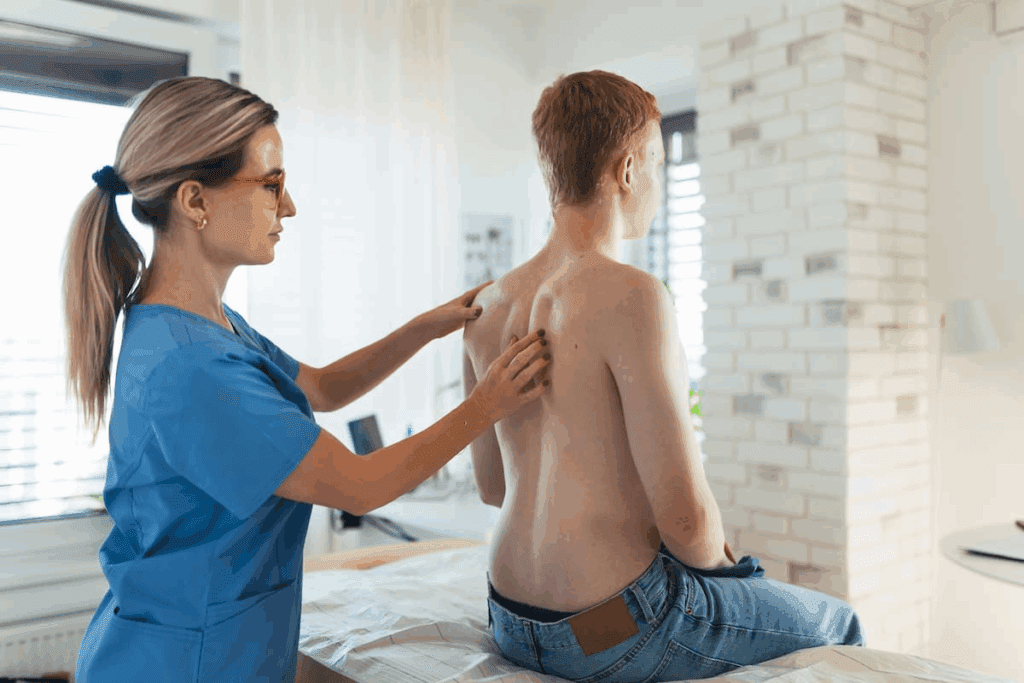
When the spine curves abnormally, it can lead to a complex condition known as spinal curvature. This can affect many bodily organs. If not treated well, this condition can have serious consequences.
Did you know that severe cases of scoliosis can lead to organ failure if not properly managed? Our team of healthcare professionals offers advanced treatments. These treatments aim to address scoliosis symptoms and reduce these risks.
It’s important for both patients and healthcare providers to understand the complications of this condition. We will look into how spinal curvature can lead to organ failure. We will also discuss how our team can provide the necessary care.
Key Takeaways
- Severe scoliosis can lead to organ failure if left untreated or undertreated.
- Advanced treatments are available to address scoliosis symptoms and mitigate risks.
- Comprehensive care is key to managing spinal curvature and its effects.
- Our team of healthcare professionals offers personalized treatment plans.
- Early intervention is key to preventing long-term complications.
Understanding Scoliosis and Its Effects on the Body
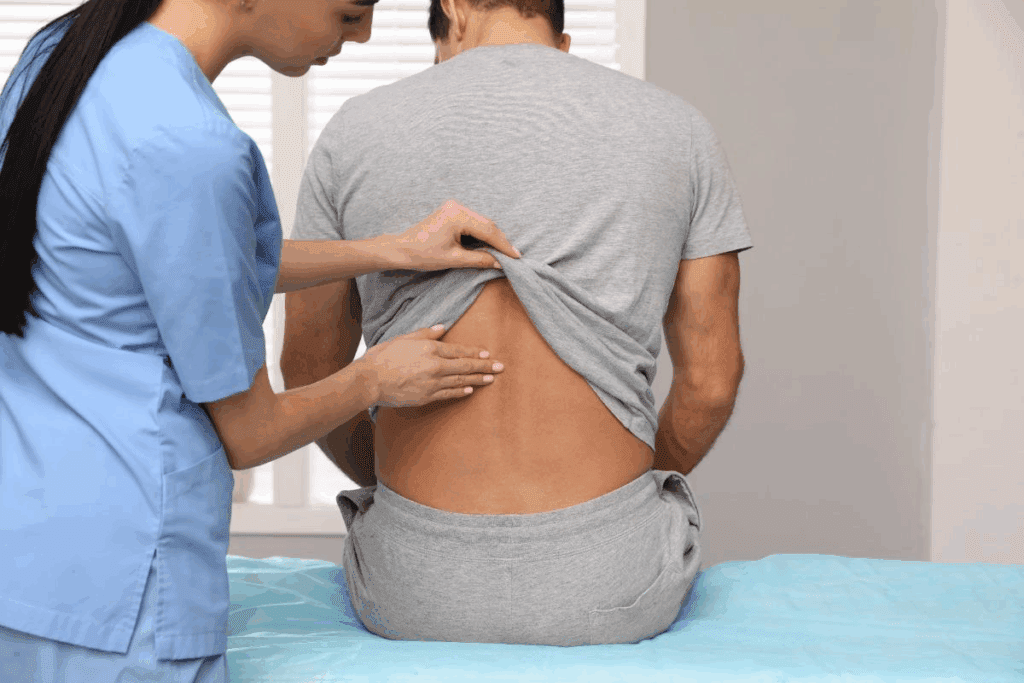
Scoliosis is a condition characterized by an abnormal curvature of the spine. This can greatly affect a person’s health and life quality. It’s not just a simple curve; it’s a complex issue that can impact many body functions as it worsens.
Definition and Types of Spinal Curvature
Scoliosis is marked by an abnormal sideways curve of the spine. There are several types, including:
- Idiopathic Scoliosis: The most common form, with no known cause.
- Congenital Scoliosis: Present at birth, due to abnormal spinal development.
- Degenerative Scoliosis: Occurs in adults, often as a result of wear and tear on the spine.
Common Causes and Risk Factors
While the exact cause of scoliosis is often unknown, several factors can increase the risk of developing the condition. These include:
- Genetic predisposition, with a family history of scoliosis.
- Age, with certain types more common during puberty.
- Other medical conditions, such as muscular dystrophy or cerebral palsy.
How Scoliosis Progresses Over Time
Scoliosis can progress at different rates. This depends on the type of scoliosis, the age of onset, and the severity of the curvature. As it progresses, it can cause significant spinal deformity. It can also affect the respiratory and cardiovascular systems.
Understanding how scoliosis progresses and its complications is key to managing it. Regular monitoring and timely intervention can greatly improve the life quality of those with scoliosis.
The Mechanics of How Scoliosis Affects Internal Organs

To understand how scoliosis impacts internal organs, we need to look at the changes it makes in the thoracic cavity. As scoliosis worsens, it can change the shape and size of the chest. This can affect the lungs, heart, and other important parts of the body.
Anatomical Changes in the Thoracic Cavity
The thoracic cavity is where the heart, lungs, and other vital organs are found. In people with scoliosis, the spine’s abnormal curve can alter the rib cage. This can shrink the thoracic cavity’s volume. This shrinkage can cause lung compression and might harm lung function. We’ll see how these changes impact breathing health.
Pressure Distribution and Organ Displacement
The abnormal spine curve in scoliosis leads to uneven pressure in the thoracic cavity. This uneven pressure can push internal organs out of place. For example, the heart might be displaced or rotated, affecting its blood-pumping ability. The lungs could also be compressed or distorted, causing breathing difficulties.
The Relationship Between Curve Severity and Organ Function
The severity of the spinal curve in scoliosis directly affects organ function. Research shows that more severe curves lead to bigger lung volume losses and more cardiac issues. Knowing this is key to managing scoliosis well and avoiding long-term organ damage.
By studying how scoliosis impacts internal organs, we can see why early and proper treatment is vital. This understanding highlights the need for a complete approach to scoliosis management. It must consider the spinal curve and its effects on the body.
Respiratory System: Primary Organ System at Risk in Scoliosis
Scoliosis can harm lung capacity and function. The spine’s curve changes the thoracic cavity’s shape. This affects the lungs and diaphragm.
Lung Compression and Reduced Capacity
In scoliosis, the spine’s curve can press on the lungs. This reduces the space for lung expansion. It makes breathing deep or efficient hard.
“The curved spine’s forces on the lungs and diaphragm harm breathing,” a study says.
“Scoliosis can lead to restrictive lung disease, characterized by reduced lung volumes and capacities.”
Breathing Difficulties and Respiratory Distress
Patients with scoliosis may have trouble breathing. They might feel short of breath, even when resting or doing light activities. Symptoms get worse with more spinal curve.
Breathing problems can really affect a person’s life. They can make it hard to do daily tasks or enjoy physical activities. It’s important to tackle these issues early to avoid more problems.
Long-term Respiratory Complications
Ignoring respiratory issues in scoliosis can cause long-term problems. This might include chronic respiratory failure. It might need ongoing treatments like oxygen or breathing machines.
It’s key to manage these risks over time. This includes checking lung function often, doing physical therapy, and sometimes surgery to fix the spine.
Cardiovascular Complications of Severe Scoliosis
Severe scoliosis can lead to heart problems. The curved spine can harm the heart and other parts of the body. This can cause serious health issues.
Heart Displacement and Function
In severe scoliosis, the heart can move because of the spine’s curve. This can make the heart work less efficiently. The heart’s ability to pump blood effectively can be compromised, leading to various cardiovascular symptoms.
Patients with big spinal curves may see heart function changes. The heart has to work harder because of its new position. This can cause fatigue and other heart problems.
Pulmonary Hypertension Development
Pulmonary hypertension is a risk for those with severe scoliosis. The chronic pressure on the lungs and the altered respiratory dynamics can increase pressure in the pulmonary arteries. This can strain the right side of the heart, leading to more problems.
This condition is serious and can greatly affect a patient’s life. It’s important to watch and manage pulmonary hypertension in severe scoliosis patients.
Cor Pulmonale: When the Heart Fails Due to Lung Issues
Cor pulmonale is a heart failure caused by lung disease. It’s a risk for those with severe scoliosis. The heart’s right side can become enlarged and fail to pump well.
This condition is very serious and can be life-threatening. It shows how important it is to care for severe scoliosis patients. This includes watching for heart problems and managing lung health.
Digestive System Impacts in Scoliosis Patients
Scoliosis is not just about back deformities. It also affects the digestive system. This can lead to problems with the gastrointestinal tract and how the body absorbs nutrients.
Gastrointestinal Tract Compression and Displacement
The spine’s abnormal curve in scoliosis can press or move the digestive tract. This can cause many digestive problems, such as:
- Difficulty swallowing
- Abdominal discomfort or pain
- Changes in bowel habits
- Nausea or vomiting
These issues can really hurt a patient’s quality of life and health.
Nutritional Absorption Concerns
The digestive tract’s compression or displacement can also mess with nutrient absorption. Malabsorption can cause a lack of important vitamins and minerals. This can lead to health problems like:
- Fatigue and weakness
- Poor wound healing
- Impaired immune function
Keeping the muscles and bones healthy is key to avoiding these problems. Effective scoliosis management can help prevent or lessen digestive system complications.
Healthcare providers need to watch the digestive health of scoliosis patients closely. They should address any problems quickly to give the best care.
Neurological Consequences of Spinal Misalignment
Neurological problems are a big worry for people with scoliosis. This is because scoliosis can cause the spine to misalign, leading to nerve damage. If scoliosis is not treated well, it can lead to serious spinal problems.
Spinal Cord Compression Risks
One big risk of scoliosis is spinal cord compression. When the spine curves a lot, it can press on the spinal cord. This can cause numbness, weakness, and even paralysis in bad cases. It’s very important to watch and treat scoliosis well to avoid this.
Spinal cord compression can happen because of the spine’s curve or because of bone spurs or herniated discs. Finding and treating it early is key to avoiding lasting damage.
Nerve Root Impingement and Radiculopathy
Nerve root impingement is another problem with scoliosis. When nerves are compressed or irritated, it can cause radiculopathy. This is when you feel pain, numbness, tingling, or weakness in certain areas. The pain from radiculopathy can be mild or very bad.
Radiculopathy symptoms can be managed with the right treatment. This might include physical therapy, pain meds, or sometimes surgery to fix the nerve problem.
Neurological Symptoms and Warning Signs
People with scoliosis need to know the neurological symptoms. These can include:
- Pain or numbness in the legs or arms
- Weakness or tingling sensations
- Loss of bladder or bowel control in severe cases
- Changes in sensation or reflexes
Spotting these signs early can help avoid worse problems. Remember, “
Prevention is better than cure.
” This is really true for scoliosis and its effects on the nerves.
Regular check-ups and monitoring are key for people with scoliosis. This helps catch problems early. By doing this, we can stop serious issues and improve life quality for those affected.
Reproductive and Urinary System Effects of Scoliosis
Scoliosis affects more than just the spine. It can impact the reproductive and urinary systems too. The spine’s curve can cause problems with other vital organs. We’ll look at how scoliosis affects these systems and why it’s important to care for it fully.
Pelvic Alignment and Reproductive Organ Function
Pelvic alignment is key for reproductive health. Scoliosis can cause the pelvis to tilt or misalign. This can lead to fertility issues and irregular periods in women. Keeping the pelvis aligned is vital for reproductive health.
A study showed that fixing scoliosis can improve reproductive health. Women who had surgery for scoliosis had better menstrual cycles. This shows the wide health effects of scoliosis. Treating scoliosis right can help keep reproductive health in check.
Kidney and Bladder Complications
Scoliosis can also harm the urinary system. The spine’s curve can press on the kidneys and bladder. This can cause blockages and increase the risk of kidney damage or infection. It’s important to watch urinary function in scoliosis patients.
- Potential complications include urinary tract infections
- Kidney stones due to urinary stasis
- Chronic kidney disease in severe cases
Effective scoliosis management can lower the risk of these problems. Our team works with patients to create a treatment plan. This plan addresses the spine and its health effects.
In conclusion, scoliosis’s impact on reproductive and urinary systems highlights the need for a holistic approach. Understanding these effects and working to prevent them can improve the health and well-being of those with scoliosis.
Diagnosing Organ Dysfunction in Scoliosis Patients
Diagnosing organ dysfunction in scoliosis requires a mix of clinical checks and advanced imaging. Scoliosis affects more than just the spine; it can impact many organs. So, a detailed diagnostic process is key to spotting and treating organ issues.
Clinical Assessment and Physical Examination
First, we do a thorough clinical check to find organ dysfunction in scoliosis patients. We look for signs like breathing trouble or odd posture. We also check spinal flexibility and look for any visible deformities.
Tools used in clinical assessment include:
- Pulmonary function tests (PFTs) to check lung health.
- Cardiovascular exams to see how the heart is doing.
- Gastrointestinal checks for digestive problems or nutritional issues.
Imaging Studies for Organ Evaluation
Imaging studies are critical for seeing how organs are affected by scoliosis. We use different imaging methods to look at internal organs and check their function.
Common imaging studies are:
| Imaging Modality | Purpose |
| X-rays | Check spinal shape and alignment. |
| Computed Tomography (CT) scans | Show detailed images of organs and find issues. |
| Magnetic Resonance Imaging (MRI) | Look at soft tissues like the spinal cord and nerves. |
Functional Testing of Organ Systems
Functional tests are vital to see how well organs work in scoliosis. These tests help us understand how severe the organ issues are and guide treatment.
Examples of functional tests are:
- Pulmonary function tests to measure lung health.
- Electrocardiograms (ECGs) to check heart function.
- Gastrointestinal motility studies to check digestive function.
A leading orthopedic specialist says, “Early diagnosis and treatment are key in managing scoliosis-related organ issues. A detailed diagnostic approach helps doctors create effective treatment plans and improve patient results.”
“The key to successful management of scoliosis lies in understanding its impact on overall health, not just the spinal curvature.”
Non-Surgical Management to Prevent Organ Failure
Scoliosis treatment now includes many non-surgical methods to avoid organ problems. These approaches show that a mix of strategies is key to keeping organs working well in scoliosis patients.
Bracing Techniques and Their Impact on Organ Function
Bracing is a common non-surgical method to stabilize the spine and improve organ function in scoliosis patients. By wearing a brace, people can stop the curvature from getting worse. This reduces the chance of organ compression and related issues. Effective bracing techniques can greatly improve the life quality of those with scoliosis.
The kind of brace and how long to wear it depend on the scoliosis’s severity and the patient’s health. It’s important for healthcare professionals to regularly check and adjust the bracing plan as needed.
Physical Therapy and Exercise Approaches
Physical therapy and exercise are key parts of non-surgical scoliosis management. They help strengthen the muscles around the spine, improve flexibility, and boost overall muscle and bone health. Targeted exercises can also help improve posture and lower the chance of more spinal curvature.
We suggest that patients get a physical therapist to create a custom exercise plan. This ensures the exercises are safe and right for the person’s specific condition.
Respiratory Training and Pulmonary Rehabilitation
For scoliosis patients, respiratory training and pulmonary rehabilitation are vital for keeping lungs working well. These programs aim to increase lung capacity and improve breathing health. This reduces the risk of breathing problems linked to scoliosis.
Respiratory training may include exercises to strengthen the diaphragm and other breathing muscles. Pulmonary rehabilitation programs combine exercise, education, and support. They help patients manage symptoms and enhance their life quality.
Surgical Interventions for Protecting Organ Function
When other methods fail, surgery is key for scoliosis patients. Scoliosis can cause serious problems if not treated right. We’ll look at the surgical options for these issues.
Indications for Spinal Surgery in Organ Compromise
Surgery is needed when scoliosis harms vital organs. This can happen with severe breathing or heart problems. We check how much the curve affects organs to decide on surgery.
Types of Surgical Procedures and Their Outcomes
There are different surgeries, like spinal fusion and removing parts of vertebrae. These aim to fix the spine, ease organ pressure, and boost life quality. We’ll talk about what these surgeries can do.
- Spinal Fusion: This method joins vertebrae to stabilize the spine.
- Vertebral Column Resection: A more complex surgery that removes part of a vertebra to fix severe curves.
Post-Surgical Monitoring of Organ Function
After surgery, watching organ function closely is vital. It helps see if the surgery worked and catches any issues early. We stress the need for follow-up care in managing scoliosis and protecting vital organs.
Understanding surgery’s role in scoliosis helps us see the full approach needed. It’s about protecting organs and improving patient results.
Living with Scoliosis: Quality of Life and Psychological Aspects
Living with scoliosis is a big challenge. It affects not just your body but also your mind. People with scoliosis often deal with chronic pain, less mobility, and emotional issues.
Chronic Pain Management Strategies
Many with scoliosis face chronic pain. It’s key to manage this pain well to live better. We suggest a mix of physical therapy, pain meds, and things like acupuncture and meditation.
“Chronic pain can really hold you back,” says a top orthopedic doctor. “But with the right plan, people with scoliosis can live full and happy lives.”
Psychological Impact of Organ-Related Symptoms
Scoliosis can really affect your mind, too, if it messes with your organs. The worry and stress can make things worse. It’s vital to talk about these feelings with a counselor or in support groups.
We believe in treating scoliosis as a whole. This means looking at both the physical and mental sides of the condition.
Support Resources and Community
Having a community that gets what you’re going through can really help. Look for support groups, online forums, and educational sites. They offer advice, support, and info.
- Support groups for sharing experiences and advice
- Online forums for connecting with others worldwide
- Educational resources for understanding scoliosis and its management
Using these resources and staying active in managing scoliosis can greatly improve your life. It can also lessen the mental effects of the condition.
Special Considerations: Scoliosis in Children vs. Adults
Children and adults with scoliosis have different challenges. Scoliosis is a complex spinal condition that affects people of all ages. It has different effects on children and adults.
Organ Development Concerns in Pediatric Scoliosis
In children, scoliosis can harm the growth of vital organs. Organ development concerns are key in pediatric scoliosis. It can affect the lungs and heart’s growth and maturation.
The long-term effects of scoliosis on children’s organs are a big worry. For example, severe scoliosis can cause restrictive lung disease. This is because the lungs may not develop fully.
| Organ/System | Pediatric Concerns | Potential Complications |
| Lungs | Underdevelopment, reduced capacity | Restrictive lung disease |
| Heart | Displacement, altered function | Cardiovascular complications |
Age-Related Organ Complications in Adult Scoliosis
In adults, scoliosis can cause age-related organ complications. This is because the spine degenerates over time. Adults with scoliosis may see a decline in organ function.
Adults with untreated or severe scoliosis face a higher risk. They may develop pulmonary hypertension and cor pulmonale. This shows the need for early and effective management.
It’s important for healthcare providers to understand these differences. They need to create treatment plans that meet the unique needs of children and adults with scoliosis.
Conclusion: Protecting Vital Organs Through Proactive Scoliosis Management
Managing scoliosis early is key to protecting vital organs and avoiding serious problems later. Knowing the risks of scoliosis and taking the right steps can help people live healthier lives. A good plan for managing scoliosis includes regular check-ups, wearing braces, physical therapy, and sometimes surgery.
Our team works hard to offer full support and the latest treatments for scoliosis patients. We focus on keeping organs safe through early action. This way, our patients get the best results. By being proactive, people can lower the chance of organ issues and stay healthy overall.
FAQ
What are the possible organ failures linked to scoliosis?
Scoliosis can harm several organs. It might cause lung problems, heart issues, and stomach troubles. These problems come from the spine’s abnormal curve.
How does scoliosis affect the respiratory system?
Scoliosis can squeeze the lungs, making it hard to breathe. This can lead to serious lung problems over time.
Can scoliosis impact the cardiovascular system?
Yes, it can. Severe scoliosis might push the heart out of place. This can cause high blood pressure in the lungs and heart failure.
What are the digestive system impacts of scoliosis?
Scoliosis can press on the stomach or intestines. This might make it hard to absorb nutrients and cause other stomach problems.
How does scoliosis affect the neurological system?
The spine’s misalignment can put pressure on the spinal cord. This can cause nerve damage and lead to various symptoms.
Can scoliosis impact the reproductive and urinary systems?
Yes, it can. Scoliosis might affect the position of the pelvis. This can harm reproductive organs and cause kidney and bladder problems.
How is organ dysfunction diagnosed in scoliosis patients?
Doctors use many methods to find organ problems in scoliosis patients. They do physical checks, use imaging, and test how organs work.
What are the non-surgical management strategies for preventing organ failure in scoliosis patients?
There are many ways to manage scoliosis without surgery. Doctors use braces, physical therapy, and exercises. They also help with breathing and lung health.
When is surgical intervention necessary to protect organ function in scoliosis patients?
Surgery is needed when other treatments don’t work. It’s done to fix the spine and ease pressure on organs.
How can scoliosis impact a patient’s quality of life and psychological well-being?
Scoliosis can cause chronic pain and mental health issues. It can make life harder. Patients need support and help to manage pain and improve their life.
Are there special considerations for scoliosis in children versus adults?
Yes, there are. Kids with scoliosis need to think about how it affects their growing bodies. Adults might face different problems because of age-related issues.
What is the importance of proactive scoliosis management in protecting vital organs?
Early and active management of scoliosis is key. It helps avoid long-term problems and keeps organs healthy. This way, people with scoliosis can live better lives
Reference
- National Institute of Arthritis and Musculoskeletal and Skin Diseases (NIAMS). (2024). Scoliosis. U.S. Department of Health & Human Services.