Chronic pain affects millions worldwide. For those who have tried many treatments without relief, Spinal Cord Stimulator (SCS) therapy is a promising option. This treatment involves a device implanted in the body. It sends electrical impulses to the spinal cord, stopping pain signals before they reach the brain. Learn aboutscs therapy and spinal cord stimulators, the latest pain devices, and how they offer lasting back pain relief and mobility.
SCS is great for patients with long-lasting pain, like those with chronic postoperative pain or complex regional pain syndrome. It also helps those with painful diabetic peripheral neuropathy. By using back pain devices like SCS, patients can feel a lot better. This improves their quality of life.
Key Takeaways
- SCS therapy is an effective treatment for chronic pain that doesn’t respond to other therapies.
- The spinal cord stimulator device interrupts pain signals to the brain.
- It’s used for conditions like chronic postoperative pain and complex regional pain syndrome.
- SCS therapy can significantly improve the quality of life for patients with intractable pain.
- Liv Hospital offers patient-centered care for those seeking SCS therapy.
What Is a Spinal Cord Stimulator and How Does It Work?
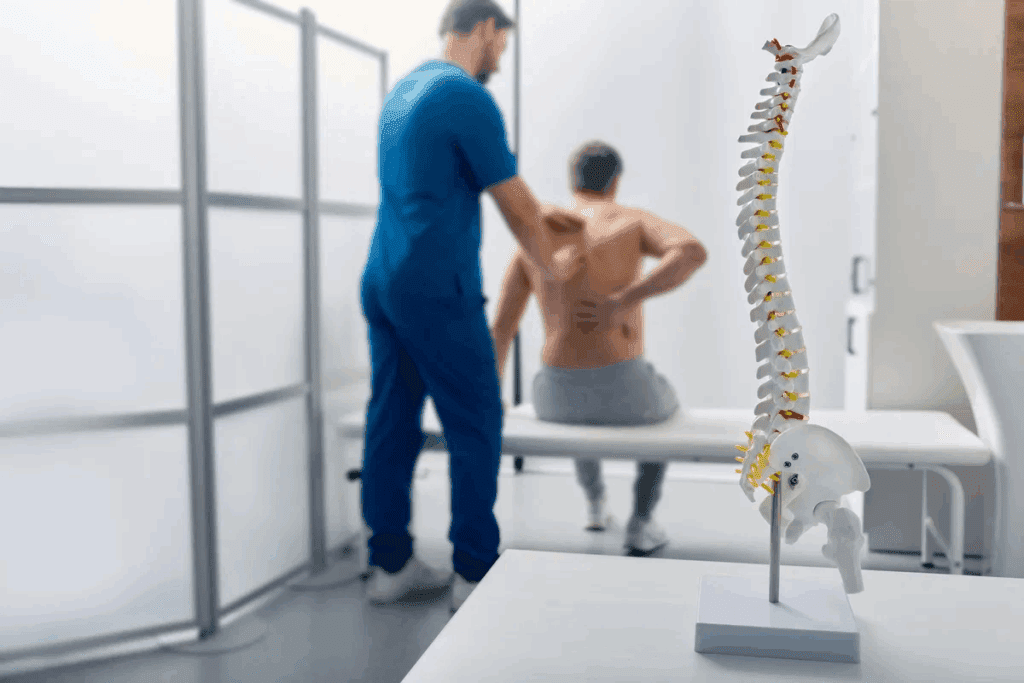
Spinal cord stimulation therapy uses a device implanted in the body. It sends electrical impulses to the spinal cord. This method is used to manage chronic pain that other treatments can’t fix.
The Science Behind Pain Signal Interruption
The spinal cord stimulator interrupts pain signals. Electrical impulses sent to the spinal cord can block pain signals to the brain. This reduces the feeling of pain.
The process starts with a trial phase. A temporary device is implanted to see if it works. If it does, a permanent spinal cord stimulator is implanted later.
Components of a Modern Back Stimulator Device
A modern back stimulator device has several parts:
- A pulse generator, which powers the device
- One or more leads, thin wires that send impulses to the spinal cord
- A remote control, for adjusting settings
The spinal stimulation procedure involves surgery. The pulse generator goes under the skin in the lower back or buttock. The leads are placed near the spinal cord.
The Evolution of SCS Therapy in Chronic Pain Management

SCS therapy has changed a lot over the years, making chronic pain management better. It started as a new idea and grew into a common treatment. This growth came from new tech and learning more about pain.
Now, SCS therapy is seen as a good choice for many chronic pain issues. It works even when other treatments don’t. Modern SCS systems can be adjusted for different pain areas. For example, lumbar stimulator implants help with lower back pain, and cervical spinal stimulators help with neck and arm pain.
Historical Development of Spinal Stimulation
The idea of spinal cord stimulation began in the 1960s as a pain treatment. Over time, SCS therapy has grown a lot. New tech has made it safer and more effective.
- Early devices were simple and had many side effects.
- New tech has made systems more advanced.
- Today’s SCS devices are more customizable for patients.
Breakthrough Advancements in Neurostimulation Technology
Recently, there have been big steps forward in neurostimulation tech. These changes have made SCS therapy even better for managing chronic pain. Some key improvements include:
- High-frequency stimulation: It helps more people find relief from pain.
- Closed-loop systems: They adjust the treatment as needed for better results.
- Miniaturized devices: They’re smaller but just as effective.
These new developments have made SCS therapy more useful. It’s now a better option for many chronic pain issues. This includes complex regional pain syndrome and chronic postoperative pain.
Types of Spinal Cord Stimulator Systems Available Today
The world of spinal cord stimulation is changing fast. Now, there are many systems to help different patients. New tech in spinal cord stimulators brings hope to those with chronic pain.
Conventional vs. High-Frequency Stimulation
Spinal cord stimulator systems fall into two main types: conventional and high-frequency. Conventional ones give tonic stimulation, which can feel like tingling. High-frequency stimulation, on the other hand, sends pulses at a faster rate. This often helps with pain without the tingling feeling.
- Conventional stimulation: Provides tonic stimulation, may cause paresthesia.
- High-frequency stimulation: Offers pain relief without paresthesia, suitable for patients seeking more comfortable therapy.
Rechargeable vs. Non-Rechargeable Spine Stimulator Implants
Another key difference is between rechargeable and non-rechargeable implants. Rechargeable implants last longer and can be recharged, cutting down on surgery for battery replacements. But, they need to be recharged regularly, like every week or month.
Non-rechargeable implants have a shorter battery life and will need to be replaced. The choice depends on what the patient prefers, their lifestyle, and their condition.
Burst Stimulation and Other Waveform Technologies
Burst stimulation is another technology getting attention. It sends pulses in bursts, which might work better for some. Other new patterns and frequencies are also being tested to better manage pain and reduce side effects.
- Burst stimulation: Delivers pulses in bursts, potentially better for pain relief for some.
- Other waveform technologies: Include various patterns and frequencies designed to enhance efficacy and patient comfort.
Those with ongoing pain in their spine or limbs might find relief with these new devices. The range of spinal cord stimulator systems today means a more tailored approach to pain management. This can greatly improve life for many people.
The Complete Spinal Stimulation Procedure Explained
It’s important for patients to know about the spinal stimulation procedure. The process has several stages, from the first check-up to putting in the device.
Pre-Implantation Evaluation and Testing
Before getting a spinal cord stimulator, patients go through a detailed check-up. They look at their medical history, current health, and past treatments. Psychological assessments are also done to see if patients are ready for the implant and the lifestyle changes it brings.
Tests like imaging studies and psychological screenings are part of this process. These help doctors find the right candidates for SCS therapy and customize the treatment for each person.
The Trial Period: Testing Device Effectiveness
The trial period is a key part of the spinal stimulation procedure. A temporary device is put in to see if it works for the patient’s pain. This trial usually lasts a few days to a week, so patients can try the therapy.
“The trial period is essential in determining whether the spinal cord stimulator will be effective for the patient. It allows us to adjust the settings and ensure that the device is programmed to meet the patient’s specific needs.” – Medical Expert, Pain Management Specialist
This trial gives insights into the therapy’s benefits and limits. It helps doctors decide if the permanent implant is right for the patient.
Permanent Implantation Surgery Steps
If the trial goes well, the next step is the permanent implant surgery. The device is placed under the skin, usually in the lower back or buttock. The surgery is done under local anesthesia and sedation.
- The patient lies on their stomach for spine access.
- A small cut is made to put the stimulator leads in the epidural space.
- The leads are placed right where they need to be using fluoroscopy.
- The stimulator device is then put in and connected to the leads.
- The cut is closed, and the device is set to the best settings.
| Procedure Step | Description |
| Pre-Implantation Evaluation | Medical history review, psychological assessments, and imaging studies to determine suitability for SCS therapy. |
| Trial Period | Temporary implantation of a spinal cord stimulator to test its effectiveness. |
| Permanent Implantation Surgery | Implantation of the spinal cord stimulator device under the skin, typically in the lower back or buttock area. |
The spinal cord stimulator sends controlled electrical pulses for personalized pain relief. Knowing about the procedure helps patients make informed choices about their treatment.
Targeted Pain Relief: Specialized Spinal Implants for Different Regions
Spinal cord stimulation technology has improved a lot. Now, we have implants for different pain areas. These implants can help with many types of chronic pain.
Lumbar Stimulator Options for Lower Back Pain
Lumbar spinal stimulators help with lower back pain. This pain affects many people. These devices are placed in the lower back and can really help.
“Lumbar spinal stimulators have changed how we treat lower back pain,” says a top pain expert. They are great for those who haven’t found relief with other treatments.
Cervical Spinal Stimulator for Neck and Upper Extremities
Cervical spinal stimulators target neck and upper body pain. They are placed in the neck area. They help those with chronic neck pain or complex regional pain syndrome.
Thoracic Placement for Mid-Back and Widespread Pain
Thoracic spinal stimulators help with mid-back and widespread pain. They are good for pain that covers a big area of the back. These devices can send pain relief to many spots.
Modern spinal implants, like those for the lumbar, cervical, and thoracic areas, show big progress in SCS therapy. As Medical Expert, “Spinal cord stimulation is key in fighting chronic pain. It gives hope to those who have tried everything else.”
Ideal Candidates for SCS Therapy and Spinal Implants
Finding the right person for SCS therapy is key to its success. It’s for those with chronic pain who haven’t found relief with other treatments.
Conditions That Respond Best to Spinal Cord Stimulation
SCS works best for specific chronic pain types. These include:
- Failed Back Surgery Syndrome (FBSS)
- Complex Regional Pain Syndrome (CRPS)
- Chronic neuropathic pain
- Severe leg or arm pain
People with these conditions often see a big drop in pain with SCS therapy.
When Traditional Pain Management Methods Have Failed
SCS is best for those who’ve tried other pain treatments without success. This includes:
- Medications (including opioids)
- Physical therapy
- Steroid injections
- Surgery (in some cases)
For them, SCS offers a fresh chance at managing pain.
Psychological and Physical Screening Factors
Before SCS therapy, patients get a detailed check-up. This includes:
| Evaluation Criteria | Description |
| Psychological Assessment | Checking mental health and how it affects pain. |
| Physical Examination | Looking at overall health and any conditions that might impact SCS therapy results. |
| Pain History | Looking at the patient’s pain history to understand their pain better. |
This careful screening makes sure SCS therapy goes to those who will benefit most.
Clinical Benefits and Success Rates of Spinal Cord Stimulation for Pain Control
SCS therapy is a top choice for managing chronic pain. It sends electrical impulses to the spinal cord. This can greatly reduce pain, making life better for those who’ve tried other treatments without success.
Research backs up SCS’s success in controlling pain. Studies show it offers real relief for those with chronic pain.
Evidence-Based Effectiveness in Research Studies
Many studies and trials have shown SCS works well for chronic pain. For example, a review found that many patients saw a 50% drop in pain.
- A meta-analysis in the Journal of Pain Research showed SCS cuts chronic pain.
- Another study in Neuromodulation: Technology at the Neural Interface found SCS boosts quality of life and cuts pain meds.
- Neurostimulation research keeps getting better, leading to better SCS results.
Quality of Life Improvements After Implantation
People who get SCS implants often see big life improvements. Less pain means they can do more and live more actively.
Some key life improvements include:
- Being able to move more and do daily tasks.
- Better sleep because of less pain.
- Improved mental health and less anxiety and depression.
Reduction in Opioid and Pain Medication Dependency
SCS therapy can also cut down on opioid and pain med use. It offers pain relief, so patients need less medicine.
Studies show SCS can lower pain med use. This is key in the opioid crisis. It helps patients and public health too.
Key findings include:
- Less pain med use overall.
- Better health outcomes from fewer side effects.
- Lower risk of opioid addiction and overdose.
Potential Risks and Side Effects of Electric Stimulator for Back Pain
SCS therapy is generally safe but comes with risks and side effects. Knowing these risks is key to making a smart choice.
Common Complications and Their Management
Like other treatments, SCS therapy can lead to complications. Issues like infection, lead migration, and hardware problems can happen. Infection is rare but serious, and good wound care and follow-up help prevent it.
Lead migration can cause ineffective treatment or new pain. New lead technologies and better anchoring have lowered this risk. Hardware issues, like battery problems, can be fixed with regular checks and adjustments.
| Complication | Description | Management |
| Infection | Occurs at the implant or lead site | Antibiotics, possible removal of device |
| Lead Migration | Leads move from original position | Revision surgery to reposition leads |
| Hardware Issues | Battery depletion, device malfunction | Device replacement, programming adjustments |
Spinal Cord Stimulator Battery Pain and Hardware Issues
Battery pain or discomfort can happen, often due to a small battery pocket or irritation. Hardware issues, like lead fractures, can also cause pain. Regular checks and the right device size can help avoid these problems.
When Removal or Revision Might Be Necessary
Sometimes, removing or revising the SCS device is needed. This might be due to infection, device failure, or if it’s not helping with pain anymore. The decision to remove or revise depends on the patient’s health and situation.
It’s important for patients to know about the risks and side effects of SCS therapy. While complications can happen, they can often be managed with proper care and follow-up.
Living with a Spinal Stimulation Implant: Daily Management and Adjustments
Living with a spinal cord stimulator implant means learning how to manage it daily. After the surgery, you’ll start a new routine. This includes taking care of your device and making lifestyle changes.
Activity Guidelines and Restrictions
People with spinal cord stimulators must follow certain activity guidelines. This helps the device work right and avoids problems. Some activities might need special care or be off-limits.
- Avoid bending or twisting that could dislodge the device or lead.
- Be cautious with heavy lifting or strenuous activities.
- Understand how to properly charge the device, if it’s rechargeable.
- Follow post-implantation instructions provided by the healthcare provider.
Programming and Controlling Your Device
Programming your device is key to spinal cord stimulation therapy. You’ll work with your healthcare team to adjust settings for the best pain relief.
Key aspects of device programming include:
- Adjusting stimulation levels based on activity and pain levels.
- Using patient-controlled devices to make adjustments as needed.
- Regular follow-up appointments to fine-tune device settings.
Long-term Maintenance and Follow-up Care
Keeping your spinal cord stimulator in good shape requires regular visits to your healthcare provider. These visits are important for making sure the device works well and relieves pain effectively.
Some key aspects of long-term maintenance include:
- Monitoring device battery life and recharging as necessary.
- Checking for any software updates for the device.
- Addressing any issues or complications promptly.
By following these guidelines, patients with spinal cord stimulators can get the most out of their device. This improves their quality of life.
Cost Considerations and Insurance Coverage for Spinal Stimulant Devices
Spinal cord stimulation devices and their implantation can be very expensive. It’s important to look at insurance coverage and financial help. SCS therapy is a big investment in your health. Knowing the costs is key to making a good choice.
Average Costs of Devices and Procedures
SCS therapy costs include the device, the implantation, and aftercare. The total cost can be between $40,000 and over $100,000. This depends on the procedure’s complexity, the device type, and the doctor’s fees.
Breakdown of Costs:
- Device cost: $15,000 – $30,000
- Implantation procedure: $10,000 – $50,000
- Follow-up care and adjustments: $1,000 – $5,000
Navigating the Insurance Approval Process
Getting insurance for SCS therapy can be tricky. Most insurers, like Medicare and Medicaid, cover it for some conditions. But, how much they cover can differ. It’s important to work with your doctor to get the needed documents and approvals.
Steps to Facilitate Insurance Approval:
- Check if your insurance covers SCS therapy
- Get a detailed letter from your doctor
- Send all needed documents to your insurer
- Keep in touch with your insurer for updates
Financial Assistance and Payment Options
If you’re struggling financially, there are help programs and payment plans. Device makers and some doctors offer financial aid or payment plans. These can help make SCS therapy more affordable.
Exploring Financial Assistance:
- Manufacturer’s patient assistance programs
- Non-profit organizations that help with costs
- Payment plans from healthcare providers
Understanding the costs and looking into financial help can help you decide on SCS therapy. It’s all about making an informed choice for your health.
New Back Pain Devices: Cutting-Edge Innovations in Spinal Stimulation
New spinal cord stimulators are changing how we manage chronic pain. These advancements in SCS technology have brought about devices that work better, are safer, and are more comfortable for patients.
Wireless and MRI-Compatible Systems
One big step forward is the creation of wireless and MRI-compatible systems. These devices get rid of the need for wires. They also let patients have MRI scans without worrying about hardware problems. This makes life easier and more comfortable for them.
Wireless tech in SCS devices makes implantation easier and safer. It also means patients can get MRI scans without any issues. This is a big win for patient comfort and flexibility.
Closed-Loop and Adaptive Stimulation Technology
Closed-loop and adaptive stimulation technology is another major breakthrough. These systems use the patient’s own neural signals to adjust the treatment on the fly. This leads to better pain relief and fewer side effects.
These closed-loop systems can change the treatment based on how the patient is feeling. This makes the treatment more tailored to each person. It could greatly improve how well patients do and how happy they are with their treatment.
Internal TENS Units and Miniaturized Implantable Devices
There’s also a focus on making devices smaller. Internal TENS units and other small devices are less invasive and look better under the skin. They’re designed to be less noticeable, which makes patients more comfortable and accepting.
These small devices also open up new ways to implant them that are less invasive. This could mean patients recover faster and have a better experience with SCS therapy.
Conclusion: Making an Informed Decision About Spinal Cord Stimulation
Patients thinking about spinal cord stimulation (SCS) for chronic pain should know its pros and cons. SCS is a good choice for those who haven’t found relief with other treatments. It can greatly improve pain relief and overall life quality.
Understanding SCS therapy, its risks, and outcomes is key to making a smart choice. This way, patients can decide what’s best for their pain and well-being.
Using SCS for pain management can help people function better and use less pain meds. As technology gets better, SCS keeps being a hopeful option for chronic pain sufferers.
FAQ
What is a spinal cord stimulator and how does it work?
A spinal cord stimulator is a device that sends electrical impulses to the spinal cord. It blocks pain signals to the brain. This gives relief from chronic pain.
What conditions respond best to spinal cord stimulation?
Spinal cord stimulation works well for chronic pain from failed back surgery syndrome. It also helps with complex regional pain syndrome and some neuropathic pain.
How is a spinal cord stimulator implanted?
The process starts with a trial to see if it works. Then, a surgery implants the device under the skin. The electrodes are placed near the spinal cord.
What are the benefits of spinal cord stimulation?
It offers significant pain relief and improves life quality. It also reduces the need for pain medication. This lets people do daily activities again.
Are there different types of spinal cord stimulator systems available?
Yes, there are many types. These include conventional, high-frequency, and rechargeable systems. There are also burst stimulation and other technologies.
What are the potentials risks and side effects of spinal cord stimulation?
Risks include infection and hardware issues. There’s also the risk of battery pain. But, these can be managed with proper care and follow-up.
How do I manage my spinal cord stimulator on a daily basis?
Managing it daily means controlling the device and following activity guidelines. You also need to go to follow-up appointments for programming and maintenance.
Will I be able to undergo an MRI with a spinal cord stimulator implant?
Some systems are MRI-compatible. But, it’s important to check your device and talk to a healthcare professional before an MRI.
How much does a spinal cord stimulator cost, and is it covered by insurance?
The cost depends on the device and procedure. Insurance often covers it, and there are financial help options too.
How much does a spinal cord stimulator cost, and is it covered by insurance?
Many people need less pain medication after getting a spinal cord stimulator. The device provides effective pain relief.
Are there any activity restrictions with a spinal cord stimulator implant?
There are some activity guidelines. But, many people can do normal activities, including exercise, with a spinal cord stimulator.
What advancements have been made in spinal cord stimulation technology?
New advancements include wireless systems and closed-loop technology. There are also smaller devices. These offer better effectiveness and convenience.
References
- Han, K., et al. (2024). Spinal cord stimulation versus medical management for chronic back and leg pain: A network meta-analysis of randomized clinical trials. JAMA Network Open, 7(11), e2245678. https://jamanetwork.com/journals/jamanetworkopen/fullarticle/2826172