
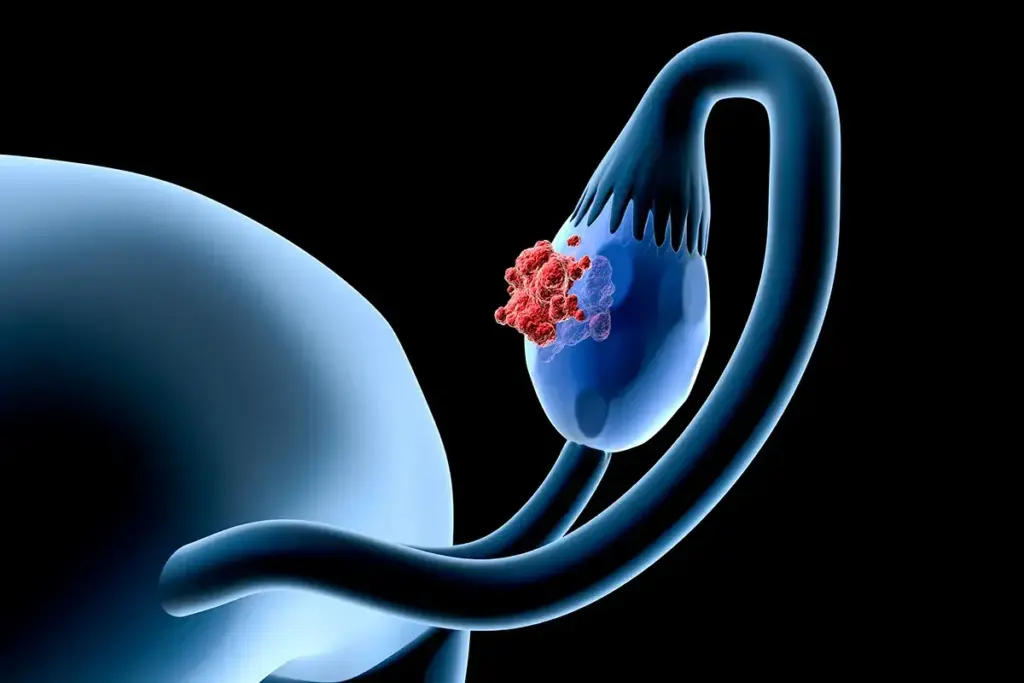
At Liv Hospital, we know how key accurate medical coding is. It helps us plan treatments and care for our patients better. The ICD-10 code C79.6 is for metastatic cancer in the ovary from another place.
Need a secondary bone cancer icd 10 code? Discover amazing scary coding facts and find powerful, vital ways to manage essential C79.6 data.
It’s vital for doctors and healthcare teams to understand this code. It helps us track and manage ovarian cancer well. Using the right ICD-10 code means we can document and bill correctly. This helps improve patient care and results.
Key Takeaways
- ICD-10 code C79.6 is used for secondary malignant neoplasm of the ovary.
- Metastatic ovarian cancer originates from another primary site.
- Accurate ICD-10 coding is essential for treatment planning.
- Liv Hospital emphasizes precise coding for optimal patient care.
- C79.6 is key for tracking and managing ovarian cancer cases.
Understanding ICD-10 Coding System
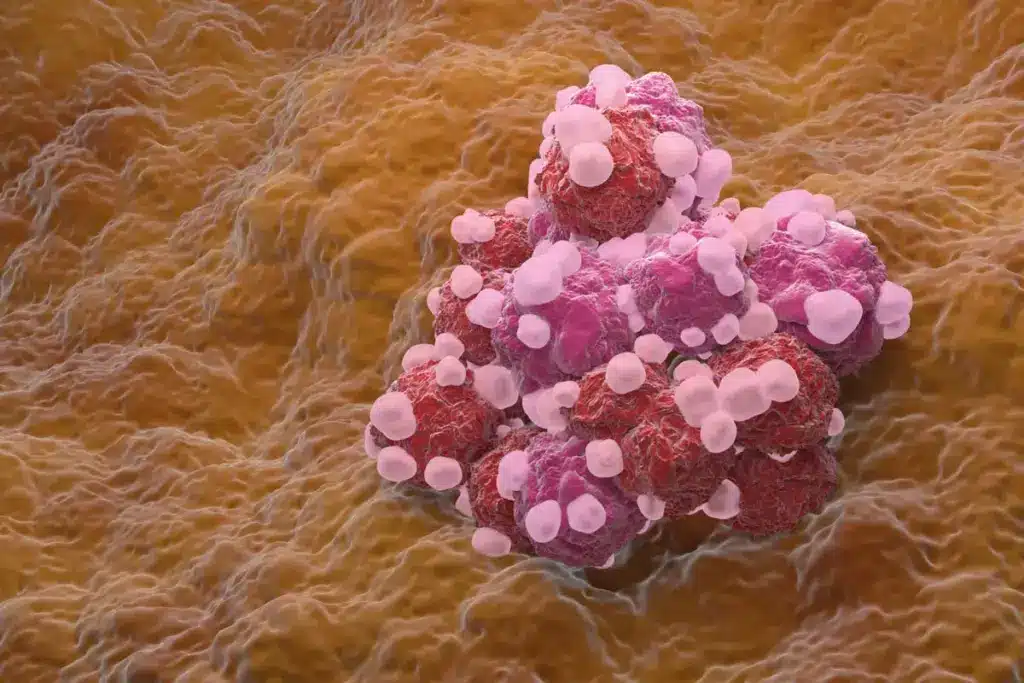
Knowing the ICD-10 coding system is key for healthcare providers. It helps with accurate medical records and getting paid. The ICD-10 coding system is a vital tool in healthcare. It’s used for documenting diagnoses and procedures.
Purpose and Structure of ICD-10 Codes
The ICD-10 coding system gives a detailed framework for coding medical diagnoses and procedures. ICD-10-CM codes, for example, are used for getting paid. They also have annotation back-references to help with accurate coding.
Importance in Medical Documentation and Billing
Accurate ICD-10 coding is vital for healthcare providers like Liv Hospital. It ensures proper payment and tracking. The system helps document patient conditions in detail. This is important for treatment and billing.
Difference Between ICD-9 and ICD-10
The ICD-10 system is a big step up from ICD-9. The main differences are:
- Greater specificity in coding diagnoses and procedures
- Improved coding accuracy and reduced errors
- Enhanced ability to track and monitor patient conditions
- Better alignment with modern medical practices
The switch from ICD-9 to ICD-10 has helped healthcare providers. They now use more precise and efficient coding. This has improved patient care and payment processes.
C79.6: Definition and Classification

The ICD-10 code C79.6 is used for secondary malignant neoplasms of the ovary. It’s key for doctors to diagnose and treat ovarian metastasis correctly.
Official Definition of C79.6 Code
The C79.6 code is for cancer that spreads to the ovary from another place. Knowing this is important because it affects how the cancer is treated and how well it might do.
Position Within the ICD-10 Neoplasm Category
C79.6 falls under secondary malignant neoplasms in the ICD-10 system. This group includes cancers that have moved from their first site to other areas. The ICD-10 system helps code different cancers, including secondary ones like C79.6.
Related Codes and Classifications
Other codes like C79.51 for bone and C79.31 for brain are also in the ICD-10 system. Knowing these codes is key for full cancer staging and treatment plans. For example, a patient with C79.6 might also have C79.51 if cancer has spread to the bone.
At Liv Hospital, our teams use precise coding for complex cases. Using codes like C79.6 helps ensure patients get the right care. It also helps in tracking health data for research and public health.
Secondary Malignant Neoplasm of the Ovary Explained
The ovary can be a site for metastatic cancer, known as secondary malignant neoplasm of the ovary. This happens when cancer cells from another place spread to the ovary. It makes for a complex situation.
What Constitutes a Secondary Ovarian Malignancy
A secondary ovarian malignancy is a tumor that has spread to the ovary from another place. It’s different from primary ovarian cancer, which starts in the ovary. Knowing the difference is key for the right treatment.
Medical experts say, “To diagnose secondary ovarian malignancy, you need to know the patient’s cancer history and do a detailed check.” This shows how complex managing metastatic ovarian cancer can be.
Difference Between Primary and Secondary Ovarian Cancer
Primary ovarian cancer starts in the ovarian tissue. Secondary ovarian cancer comes from metastasis, like from the breast or stomach. Knowing this helps in planning the best treatment.
The main differences between primary and secondary ovarian cancer are:
- Where the cancer cells come from
- The type of cancer cells
- How to treat it
- The outlook for the patient
Prevalence and Epidemiology
About 5-10% of ovarian cancers are metastatic. This means a lot of patients have secondary ovarian cancer. The number changes based on the population and the cancer’s source.
“The accurate diagnosis and coding of secondary ovarian malignancies are critical for epidemiological tracking and research purposes, ultimately improving patient outcomes.”
We understand how important it is to code and document conditions like secondary malignant neoplasm of the ovary (ICD-10 code C79.6) right. It helps patients get the right care and ensures data is correct for research.
Common Primary Sources for Ovarian Metastasis
It’s key to know where ovarian metastasis comes from for better treatment. Ovarian metastasis can start from many cancers. Finding these sources helps create a treatment plan just for you.
Breast Cancer Metastasis to Ovaries
Breast cancer often spreads to the ovaries. This makes treating the disease more complex. We help patients understand how far the cancer has spread. Then, we plan a treatment that fits their needs.
Gastrointestinal Cancer Metastasis
Cancers from the stomach and colon can also reach the ovaries. This is called Krukenberg tumors. Finding the right treatment is key, which might include surgery, chemo, or other therapies.
Endometrial Cancer Spread
Endometrial cancer, from the uterus lining, can also spread to the ovaries. Accurate diagnosis is vital. We use advanced tests to find out how far the cancer has spread. Then, we plan a treatment that works best.
Other Primary Sites
Other cancers, like lung and thyroid, can also spread to the ovaries. It’s important to check where the cancer started. This helps us decide the best treatment for you.
Secondary Bone Cancer ICD-10 and Related Codes
It’s key to know about ICD-10 coding for secondary bone cancer. The ICD-10 system helps in coding different cancers, including secondary bone cancer.
C79.51: Secondary Malignant Neoplasm of Bone
The ICD-10 code C79.51 is for secondary malignant neoplasm of bone. This code is vital for tracking cancer that has spread to the bone from another place.
C79.31: Secondary Malignant Neoplasm of Brain
Even when focusing on bone cancer, other related codes are important. For example, C79.31 is for secondary malignant neoplasm of the brain. This shows how detailed ICD-10 coding is for metastatic conditions.
C79.89: Secondary Malignant Neoplasm of Other Sites
C79.89 is used for secondary malignant neoplasms of other specified sites. It’s used when the cancer is not in a specific site covered by other codes.
Comparison with C79.6
C79.6 is the ICD-10 code for secondary malignant neoplasm of the ovary. Comparing C79.6 with codes like C79.51 (for bone) and C79.31 (for brain) shows the variety of metastatic sites. This highlights the need for precise coding. The table below summarizes these codes and their uses.
|
ICD-10 Code |
Description |
Application |
|---|---|---|
|
C79.51 |
Secondary malignant neoplasm of bone |
Used for bone metastasis |
|
C79.31 |
Secondary malignant neoplasm of brain |
Used for brain metastasis |
|
C79.89 |
Secondary malignant neoplasm of other sites |
Used for metastasis to other specified sites |
|
C79.6 |
Secondary malignant neoplasm of ovary |
Used for ovarian metastasis |
Knowing and using these ICD-10 codes correctly helps healthcare providers. It ensures accurate records, better treatment plans, and improved patient care.
Clinical Presentation and Diagnosis
Diagnosing secondary ovarian cancer is key, with code C79.6 being a focus. Getting it right is vital for the right treatment and better health outcomes.
Symptoms of Secondary Ovarian Cancer
The signs of secondary ovarian cancer can be tricky to spot. They might look like symptoms of other issues. Common signs include belly pain, bloating, and discomfort in the pelvic area. Sometimes, tumors can press on the bladder or bowel, causing more symptoms.
Spotting it early is critical. It can make a big difference in treatment success and how well a patient does. We stress the need for regular check-ups and awareness among those at risk.
Diagnostic Procedures
Diagnosing secondary ovarian cancer involves several steps. Imaging studies like ultrasound, CT scans, and MRI help see the ovaries and how far the cancer has spread.
- Ultrasound: Good for first checks and guiding biopsies.
- CT scans: Show detailed pictures of the belly and pelvis.
- MRI: Gives clear images and is great for seeing how far the cancer has spread.
Imaging and Laboratory Tests
Lab tests, like checking for CA-125, are important for diagnosing and keeping an eye on ovarian cancer. High CA-125 levels might mean ovarian cancer, but it’s not specific to secondary ovarian cancer.
|
Test |
Purpose |
|---|---|
|
CA-125 |
Tumor marker for ovarian cancer |
|
Ultrasound |
Initial imaging and biopsy guidance |
|
CT/MRI |
Detailed imaging for disease extent |
Pathological Confirmation
Getting a biopsy is the best way to confirm secondary ovarian cancer. Looking at the tissue under a microscope helps tell if it’s a primary or secondary cancer.
“The accurate diagnosis of secondary ovarian cancer requires a multidisciplinary approach, combining clinical evaluation, imaging, and pathological expertise.” –
Liv Hospital’s Oncology Department
We use the latest tech and work together to make sure our patients get the right diagnosis quickly.
Treatment Approaches for C79.6 Conditions
Treating C79.6 conditions requires a detailed plan. At our institution, we use a mix of treatments to help our patients. This approach aims to give the best results.
Surgical Interventions
Surgery is key in fighting secondary ovarian cancer. We use surgery to help diagnose, ease symptoms, or remove tumors. This helps control the cancer’s spread.
Choosing surgery depends on the patient’s health and how far the cancer has spread. We consider each case carefully.
Chemotherapy Protocols
Chemotherapy is a mainstay in treating secondary ovarian cancer. We pick different chemotherapy mixes to target cancer cells well.
The right chemotherapy depends on where the cancer started, past treatments, and the patient’s health. We tailor it for each patient.
|
Chemotherapy Regimen |
Primary Site |
Response Rate |
|---|---|---|
|
Carboplatin + Paclitaxel |
Ovary |
60% |
|
CAPOX |
Colon |
50% |
|
Gemcitabine + Cisplatin |
Breast |
55% |
Radiation Therapy Options
Radiation therapy is also vital for secondary ovarian cancer. We use modern techniques to target tumors precisely. This reduces harm to healthy tissues.
We use radiation to ease symptoms or as part of a treatment plan to cure in some cases.
Targeted and Immunotherapy Approaches
Targeted and immunotherapy are new ways to fight secondary ovarian cancer. We keep updating our treatments with the latest research.
Targeted therapies target cancer cells’ weaknesses. Immunotherapies boost the body’s fight against tumors.
Our teams work together to create personalized treatment plans. By mixing treatments, we aim for the best results for patients with C79.6 conditions.
Prognosis and Survival Rates
Knowing the prognosis for secondary ovarian cancer is key for treatment and patient care. The outlook can vary a lot. It depends on the cancer’s original site, how much the ovaries are involved, and the patient’s health.
5-Year Survival Statistics
The 5-year survival rate for secondary ovarian cancer is often as low as 20%. This shows how tough it is to treat cancer that has spread to the ovaries. We must look at each patient’s situation and their cancer’s details.
|
Primary Cancer Site |
5-Year Survival Rate |
|---|---|
|
Breast Cancer |
15-25% |
|
Gastrointestinal Cancer |
10-20% |
|
Endometrial Cancer |
20-30% |
Factors Affecting Prognosis
Many things can change a patient’s outlook for secondary ovarian cancer. These include the cancer’s stage, type, and the patient’s health. We also look at how well past treatments worked and any other health issues.
Key factors affecting prognosis include:
- The extent of ovarian involvement
- The presence of metastasis to other sites
- The patient’s age and overall health
- The response to initial treatment
Comparison with Primary Ovarian Cancer Outcomes
Secondary ovarian cancer has a worse prognosis than primary ovarian cancer. Primary ovarian cancer often has better survival rates, mainly if caught early. Secondary ovarian cancer usually means the disease is more advanced, making treatment harder and survival chances lower.
At Liv Hospital, our oncology teams work hard to improve patient outcomes. We think knowing the prognosis and survival rates for secondary ovarian cancer is vital for giving our patients the best care.
Coding Practices and Documentation Guidelines
The ICD-10 coding system needs exact documentation for correct diagnosis classification. Accurate coding is key for healthcare providers. It ensures efficient operations, proper reimbursement, and helps in public health data.
Proper Documentation for C79.6
Accurate documentation is vital for the C79.6 code, which is for a secondary malignant neoplasm of the ovary. We must make sure patient records have all the details. This includes the primary site of the malignancy, diagnostic test results, and any relevant medical history.
Key elements of proper documentation include:
- Clear identification of the primary cancer site
- Detailed description of diagnostic procedures and results
- Documentation of any relevant medical history or comorbidities
Common Coding Errors and How to Avoid Them
Coding errors can cause denied claims, delayed reimbursement, and wrong health statistics. Common mistakes include wrong coding of the primary site, not updating codes, and not enough documentation.
|
Error Type |
Description |
Prevention Strategy |
|---|---|---|
|
Incorrect Primary Site Coding |
Misidentification of the original cancer site |
Verify primary site through diagnostic reports and medical history |
|
Outdated Code Usage |
Using previous versions of ICD-10 codes |
Regularly update coding systems to the latest version |
|
Insufficient Documentation |
Lack of detailed patient information |
Ensure complete documentation of patient data |
Reimbursement Implications
Accurate ICD-10 coding affects reimbursement. Correct coding means healthcare providers get the right payment. Wrong coding can lead to claim denials and financial losses.
Importance for Research and Epidemiological Tracking
Accurate coding is also key for research and tracking. It helps in analyzing trends, finding areas for improvement, and creating better treatment plans.
We understand the value of accurate ICD-10 coding for patient care, research, and healthcare management. By following the right coding practices and guidelines, we ensure quality care and help in medical research and public health advancements.
Conclusion: Importance of Accurate ICD-10 Coding for Patient Care
Accurate ICD-10 coding is key for top-notch patient care, like for secondary malignant neoplasm of the ovary, coded as C79.6. At Liv Hospital, we stress the need for exact coding. It helps in planning the right treatment and getting the right payment.
Good ICD-10 coding lets healthcare teams track patient data well. This helps in research and boosts patient results. By sticking to high coding standards, we offer full support to our patients.
Our focus on precise ICD-10 coding, like C79.6, shows our commitment to top healthcare. This focus on coding quality means our patients get the best care possible.
FAQ
What is the ICD-10 code C79.6 used for?
The ICD-10 code C79.6 is for diagnosing cancer that has spread to the ovary. This cancer comes from another part of the body.
What is a secondary malignant neoplasm of the ovary?
Secondary malignant neoplasm of the ovary means cancer has spread to the ovary. It comes from another cancer site, like the breast or stomach.
How does secondary ovarian cancer differ from primary ovarian cancer?
Secondary ovarian cancer comes from another part of the body and spreads to the ovary. Primary ovarian cancer starts in the ovary itself.
What are the common primary sources of ovarian metastasis?
Common sources of cancer spreading to the ovary include breast, stomach, and uterus cancers.
What is the significance of accurate ICD-10 coding in patient care?
Accurate ICD-10 coding is key for good patient care. It helps plan treatment, get paid, and track diseases.
What is the difference between ICD-9 and ICD-10 coding systems?
ICD-10 is more detailed than ICD-9. It helps document and bill more accurately.
How is secondary ovarian cancer diagnosed?
Doctors use symptoms, tests, and imaging to find secondary ovarian cancer. They confirm it through lab tests and pathology.
What are the treatment approaches for secondary ovarian malignancies coded as C79.6?
Treatments include surgery, chemotherapy, and radiation. They also use targeted and immunotherapy.
What is the prognosis for patients with secondary ovarian malignancies?
The outlook depends on where the cancer started. It’s often compared to primary ovarian cancer outcomes.
What are the related ICD-10 codes for secondary malignant neoplasms?
Related codes include C79.51 for bone cancer, C79.31 for brain cancer, and C79.89 for other sites.
Why is proper documentation important for C79.6 coding?
Good documentation is vital for correct C79.6 coding. It ensures payment and helps public health.
Reference
National Center for Biotechnology Information. Evidence-Based Medical Insight. Retrieved from