
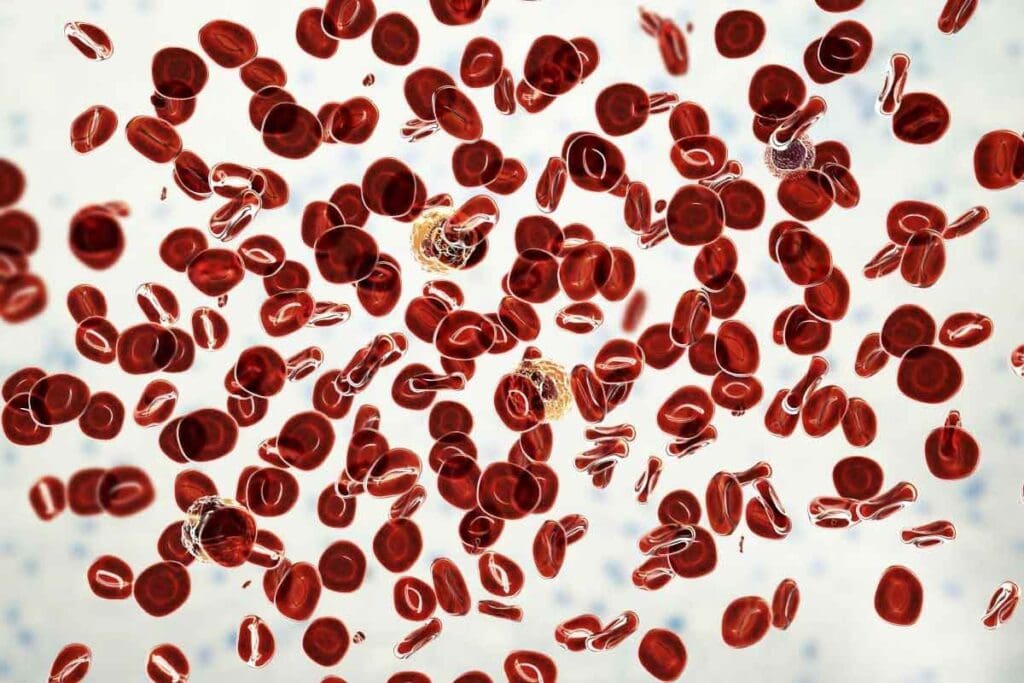
Secondary polycythemia is often thought to be cancer, but it’s not. It’s a condition where too many red blood cells are made. This usually happens because of something outside the body, like chronic hypoxemia or tumors that makeerythropoietin (EPO).
This condition is different from polycythemia vera, which is a cancer-like disease. Knowing the causes, differences, and treatments for secondary polycythemia is key to managing it well.
AtLiv Hospital, we focus on caring for patients with secondary polycythemia. Our team helps patients understand the differences between this condition and others — including whether secondary polycythemia is cancer — to ensure they get the right treatment.
Key Takeaways
- Secondary polycythemia is not cancer but a condition caused by external factors.
- It is characterized by an excessive production of red blood cells.
- Causes include chronic hypoxemia, certain lung pathologies, and tumors producing EPO.
- Differentiating between secondary polycythemia and polycythemia vera is important.
- Treatment depends on the underlying cause and may include phlebotomy and managing complications.
Understanding Secondary Polycythemia: An Overview

Secondary polycythemia is different from polycythemia vera, which is a cancer. It’s a reactive state caused by many factors. Knowing this is key to understanding secondary polycythemia and how to care for patients.
Definition and Basic Pathophysiology
Secondary polycythemia means more red blood cells are made because of something outside the bone marrow. It usually happens when there’s not enough oxygen in the body. This can be due to lung diseases, heart problems, or high altitudes.
“The making of red blood cells is a complex process,” say hematology experts. It’s controlled by a hormone called erythropoietin, mainly made by the kidneys. But in secondary polycythemia, this control is broken, leading to too many red blood cells.
Red Blood Cell Production in Normal vs. Secondary Polycythemia
In a healthy person, red blood cells are made just right. But in secondary polycythemia, this balance is lost. It often happens because of too much erythropoietin, which can be caused by low oxygen or tumors.
The main differences between secondary polycythemia and polycythemia vera are in their causes and how they work. Polycythemia vera is a cancer that makes the bone marrow overproduce red blood cells. Secondary polycythemia is a reaction to something outside the bone marrow. Knowing these differences is vital for the right diagnosis and treatment.
To sum up:
- Secondary polycythemia is caused by things like low oxygen or tumors.
- It’s different from polycythemia vera, which is a cancer.
- Treating secondary polycythemia means fixing the cause.
Secondary Polycythemia Is Cancer: Addressing the Common Misconception
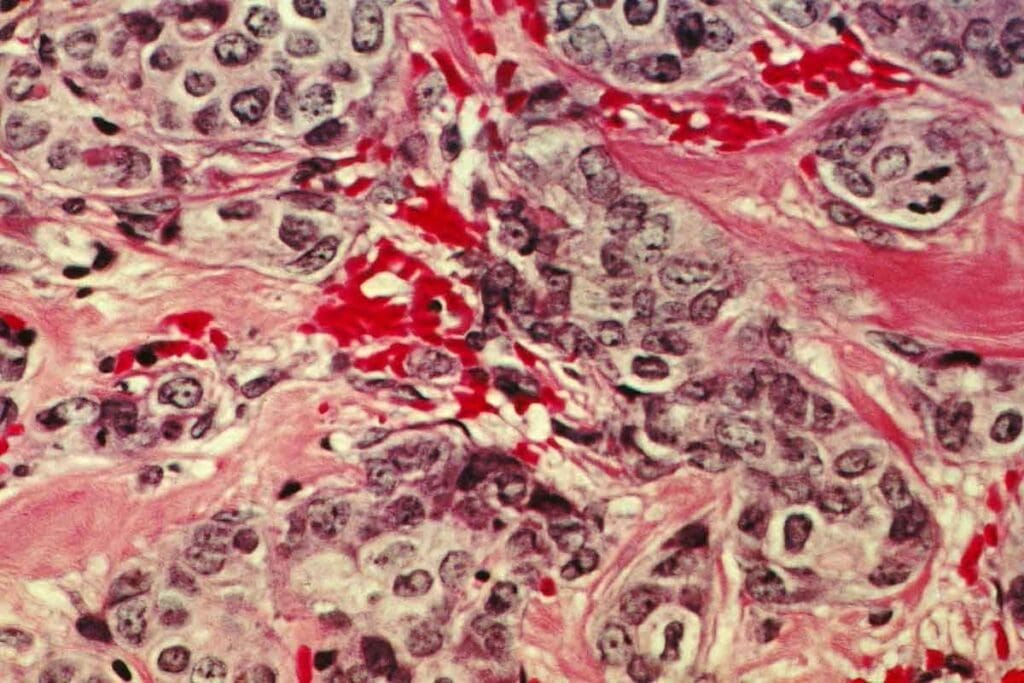
Many people think secondary polycythemia is cancer, but it’s not. This condition makes more red blood cells, often because of chronic low oxygen or tumors.
To clear up the confusion, let’s look at why secondary polycythemia is not cancer. We’ll also see how it differs from true blood cancers like polycythemia vera.
Why People Confuse Secondary Polycythemiawith Cancer
The confusion often comes from the similar names. Polycythemia vera is a blood cancer that makes too many red and white blood cells and platelets. Secondary polycythemia, on the other hand, is a reaction to something else, not a bone marrow problem.
Some reasons for the mix-up include:
- Similar symptoms like headaches and dizziness in both conditions.
- Underlying conditions that cause secondary polycythemia, which might be tumors or diseases.
- Not knowing the difference between reactive conditions and cancer.
Key Differences Between Secondary Polycythemia and Malignancies
It’s important to know the differences between secondary polycythemia and cancer. Key differences include:
| Characteristics | Secondary Polycythemia | Polycythemia Vera |
| Cause | Reactive condition, often due to hypoxia or other external factors | Myeloproliferative neoplasm, a type of blood cancer |
| Red Blood Cell Production | Increased in response to external stimuli | Uncontrolled production due to bone marrow disorder |
In conclusion, secondary polycythemia and polycythemia vera are different. They have different causes and effects. Knowing these differences helps in making the right diagnosis and treatment.
Polycythemia Vera vs. Secondary Polycythemia: Understanding the Distinction
It’s important to know the difference between polycythemia vera and secondary polycythemia. Both involve more red blood cells, but they come from different causes. This knowledge helps doctors give the right treatment.
A True Blood Cancer
Polycythemia vera is a blood cancer. It happens when the body makes too many red and white blood cells and platelets. This is because of a genetic change, often in the JAK2 gene.
This change makes cells grow without control. It leads to too many blood cells. This makes polycythemia vera a true blood cancer because of its bone marrow issues.
A Reactive Condition
Secondary polycythemia is different. It happens when the body tries to get more oxygen, like in high altitudes. It’s not caused by a single bad cell like polycythemia vera.
This condition makes more red blood cells to carry oxygen better. It’s a natural response to low oxygen levels. Causes include lung diseases and sleep apnea.
Diagnostic Differentiation Between the Two Conditions
To tell polycythemia vera from secondary polycythemia, doctors need to look closely. They check the patient’s history, blood tests, and genetic markers.
- Clinical history: Doctors look at symptoms and possible causes like low oxygen.
- Laboratory tests: They check red blood cell count, oxygen levels, and more.
- Molecular analysis: They test for JAK2 mutations and other markers.
Knowing the difference helps doctors plan the right treatment. Polycythemia vera needs to control cell growth and prevent blood clots. Secondary polycythemia aims to fix the oxygen problem.
What Is the Most Common Cause of Secondary Polycythemia?
The most common cause of secondary polycythemia is obstructive sleep apnea. This sleep disorder affects breathing. It leads to an increase in red blood cells. Knowing the causes is key to managing it well.
Obstructive Sleep Apnea: The Leading Cause
Obstructive sleep apnea (OSA) blocks the airway during sleep. This causes pauses or shallow breathing. It disrupts sleep and can lead to secondary polycythemia.
“Obstructive sleep apnea is now recognized as a major risk factor for secondary polycythemia.” Low oxygen levels in the blood trigger EPO production. This hormone increases red blood cell production.
Mechanism of Sleep Apnea-Induced Polycythemia
OSA causes secondary polycythemia through chronic hypoxia. Low oxygen levels during sleep prompt the kidneys to make more EPO. This hormone boosts red blood cell production to compensate for oxygen lack.
This boost in red blood cells makes the blood thicker. It can lead to heart problems.
Identifying and Managing Sleep Apnea
Diagnosing OSA involves clinical checks and sleep studies. “Sleep studies, such as polysomnography, are key for diagnosing obstructive sleep apnea.” Treatment includes lifestyle changes and CPAP therapy to keep the airway open.
- Lifestyle changes: weight loss, exercise, and avoiding alcohol before bedtime.
- CPAP therapy: using a device to keep the airway open during sleep.
- Oral appliances: devices that advance the position of the lower jaw.
Managing OSA well can lower the risk of secondary polycythemia. It also helps avoid its complications.
Other Common Causes of Secondary Polycythemia
Many conditions can cause secondary polycythemia, showing how complex it is. Obstructive sleep apnea is a known cause. But other health issues can also lead to this condition.
Chronic Lung Diseases and Hypoxia
Chronic lung diseases, like COPD, can cause hypoxia. This is when the body doesn’t get enough oxygen. This lack of oxygen makes the body produce more erythropoietin (EPO). EPO is a hormone that makes more red blood cells, which can cause secondary polycythemia.
Common chronic lung diseases associated with secondary polycythemia include:
- COPD
- Cystic fibrosis
- Pulmonary fibrosis
Cardiovascular Disorders
Some heart problems can also cause secondary polycythemia. When the heart can’t pump blood well, it leads to tissue hypoxia. This makes the body produce more EPO.
Examples of cardiovascular disorders linked to secondary polycythemia:
- Congenital heart disease
- Heart failure
High Altitude Living and Adaptation
Living at high altitudes means less oxygen in the air. This leads to chronic hypoxia. The body responds by making more EPO, which can cause secondary polycythemia.
Populations at risk:
- People living in high-altitude regions
- Individuals who travel frequently to high-altitude areas
Smoking and Environmental Factors
Smoking is a big risk for secondary polycythemia. It damages the lungs and makes it hard to breathe. Other environmental factors, like toxins, can also play a part.
Key environmental and lifestyle factors:
- Smoking
- Exposure to carbon monoxide
- Air pollution
Knowing the causes of secondary polycythemia is key for diagnosis and treatment. Healthcare providers can then create effective plans to manage the condition.
Less Common Causes of Secondary Polycythemia
Secondary polycythemia is often linked to common causes like obstructive sleep apnea. But, there are also less common conditions that can cause it. These highlight the complexity and variety of secondary polycythemia.
Kidney Disorders and EPO Production
Kidney disorders can affect how much erythropoietin (EPO) is made. EPO is a hormone that helps make red blood cells. Conditions like renal cell carcinoma or polycystic kidney disease can make more EPO. This can lead to secondary polycythemia.
Renal Cell Carcinoma and EPO – This type of kidney cancer can make EPO or substances that act like it. This leads to more red blood cells being made.
Tumors That Stimulate Erythropoietin Production
Certain tumors can make EPO or substances that act like it. This can cause secondary polycythemia. These include:
- Hemangioblastomas – Tumors of the blood vessels that can produce EPO.
- Liver tumors – Certain liver tumors can lead to increased EPO production.
- Uterine leiomyomas – Large uterine fibroids can sometimes be associated with increased EPO production.
Genetic Disorders and Hemoglobinopathies
Genetic disorders that affect hemoglobin or red blood cell production can also cause secondary polycythemia. These include conditions that make hemoglobin have a high affinity for oxygen. This leads to tissue hypoxia and more EPO production.
| Condition | Effect on EPO Production | Result |
| Renal Cell Carcinoma | Increased EPO production | Secondary Polycythemia |
| Hemangioblastomas | EPO production | Secondary Polycythemia |
| High-Affinity Hemoglobinopathies | Increased EPO due to tissue hypoxia | Secondary Polycythemia |
It’s important to understand these less common causes of secondary polycythemia. Each condition needs a specific treatment plan. This helps manage the underlying cause and reduce the effects of secondary polycythemia.
Recognizing Secondary Polycythemia: Signs and Symptoms
Secondary polycythemia is a condition where there’s too much red blood cells. It can cause many symptoms that make life harder. Knowing these symptoms is key to catching it early and treating it.
Common Clinical Manifestations
The signs of secondary polycythemia can be tricky to spot. They include:
- Headache: Often due to increased blood viscosity.
- Dizziness: Resulting from altered blood flow.
- Fatigue: A general feeling of being unwell.
- Blurred Vision: Caused by changes in blood viscosity affecting the eyes.
These symptoms can really mess with your daily life. Spotting them early is vital to avoid bigger problems.
Complications and Risk Factors
Secondary polycythemia can lead to serious issues. The main problem is the blood gets too thick. This can cause:
| Complication | Description | Risk Factor |
| Blood Clots | Formation of clots in blood vessels | Increased viscosity, immobility |
| Thrombosis | Clot formation within a blood vessel | High red blood cell count |
| Stroke | Interruption of blood supply to the brain | Clot formation, hypertension |
Knowing these risks is important for managing the condition well.
When to Seek Medical Attention
If you’re feeling constant headaches, dizziness, or tiredness, see a doctor. Early treatment can make a big difference.
Doctors can check you out and suggest ways to lower the risks of secondary polycythemia.
Diagnostic Approach to Secondary Polycythemia
Diagnosing secondary polycythemia needs a detailed plan. It’s important to find the root cause and tell it apart from other blood issues. Getting it right is key to good treatment.
Laboratory Tests and Blood Work
Lab tests are key in spotting secondary polycythemia. A complete blood count (CBC) is first to check red blood cells, hemoglobin, and hematocrit. Elevated hematocrit levels often point to polycythemia. Next, tests might check erythropoietin (EPO) levels to see if it’s primary or secondary.
A hematologist, explains, “EPO levels are important. Low EPO points to polycythemia vera, while high levels suggest a secondary cause.”
“The measurement of EPO is key in diagnosing polycythemia. It helps tell primary from secondary causes.”
Imaging Studies
Imaging is vital to find what’s causing secondary polycythemia. Ultrasound, CT scans, or MRI can spot issues like sleep apnea, kidney tumors, or other problems.
Specialized Testing for Underlying Causes
Special tests are needed to find the cause of secondary polycythemia. This might include sleep studies, lung disease tests, or heart exams. Genetic tests might also be used.
Ruling Out Polycythemia Vera and Other Blood Disorders
It’s important to rule out polycythemia vera and other blood issues when diagnosing secondary polycythemia. This involves lab tests, like genetic tests for the JAK2 mutation. Distinguishing between polycythemia vera and secondary polycythemia is critical because their treatments and outlooks are different.
Knowing how to diagnose secondary polycythemia is vital for doctors to create good treatment plans. By using lab tests, imaging, and special tests, doctors can accurately diagnose and treat secondary polycythemia.
Treatment Strategies for Secondary Polycythemia
Treating secondary polycythemia means managing the main cause, reducing red blood cells if needed, and easing symptoms. It’s important to understand the main reason for the polycythemia.
Addressing the Underlying Cause
The first step is to find and treat the main cause. This might be chronic hypoxia from lung disease, heart disease, or stopping certain medicines.
Management of Sleep Apnea-Related Polycythemia
For those with sleep apnea causing secondary polycythemia, the focus is on treating sleep apnea. Using CPAP therapy or other devices helps improve oxygen levels. This can lower red blood cell production.
Therapeutic Phlebotomy: When Is It Necessary?
Therapeutic phlebotomy might be used to lower red blood cells and ease symptoms. It’s mainly for those with severe symptoms or at risk of blood clots.
| Condition | Treatment Approach | Goals |
| Chronic Hypoxia | Oxygen therapy, manage underlying lung disease | Improve oxygen saturation, reduce red blood cell production |
| Sleep Apnea | CPAP therapy, lifestyle modifications | Enhance sleep quality, reduce red blood cell mass |
| Significant Symptoms or Thrombotic Risk | Therapeutic phlebotomy | Reduce red blood cell mass, alleviate symptoms |
Medications and Supportive Care
Medications and supportive care also help with secondary polycythemia. They manage symptoms and underlying conditions. Lifestyle changes can lower the risk of problems.
Effective management of secondary polycythemia needs a detailed plan. It includes treating the cause, reducing red blood cells if needed, and supportive care. This helps ease symptoms and prevents future issues.
Living with Secondary Polycythemia: Lifestyle Modifications and Prognosis
Knowing the prognosis and making lifestyle changes are key for those with secondary polycythemia. This condition is not cancer but needs a proactive approach to manage symptoms and health risks.
Dietary and Exercise Recommendations
Patients should eat a balanced diet with lots of fruits, vegetables, and whole grains. Drinking enough water helps with blood thickness. They should do moderate exercise like walking or swimming to keep their heart healthy.
It’s important to talk to a doctor before starting any new diet or exercise to make sure it’s right for you.
Managing Cardiovascular Risk Factors
Secondary polycythemia can raise heart disease risks. It’s key to manage high blood pressure, high cholesterol, and smoking. Staying on top of treatments can lower these risks.
- Keep blood pressure healthy with lifestyle changes and meds if needed.
- Watch and control cholesterol with diet and meds.
- Don’t smoke and avoid secondhand smoke.
Long-term Outlook and Quality of Life
The future for those with secondary polycythemia depends on the cause and how well it’s managed. With the right treatment and lifestyle changes, many live active lives. Seeing a doctor regularly is key to keeping the condition in check.
Patient Experiences and Case Studies
Real stories from patients with secondary polycythemia show the value of support and tailored care. Case studies often point to a good life quality with the right management. Sharing experiences in patient groups can offer helpful advice and support.
Conclusion: Understanding and Managing Secondary Polycythemia
Secondary polycythemia is often mistaken for cancer. But it’s actually a condition that happens due to other health issues. These can include sleep apnea, lung diseases, and living at high altitudes. It’s important to know the difference between secondary polycythemia and true blood cancers like polycythemia vera.
So, is secondary polycythemia cancer? The answer lies in its causes and how it behaves. It’s not cancer, but a condition that needs the right treatment for its causes. Treatment aims to fix these issues, and might include blood removal or medicines to ease symptoms.
Recognizing the signs of secondary polycythemia and getting the right treatment can greatly improve life quality. Managing the underlying health issues, making lifestyle changes, and seeing a doctor regularly are key. These steps can help reduce risks and let people live healthy, active lives.
FAQ
Is secondary polycythemia a form of cancer?
No, secondary polycythemia is not cancer. It happens when the body makes too many red blood cells due to things like low oxygen or too much erythropoietin.
What is the difference between secondary polycythemia and polycythemia vera?
Secondary polycythemia is a reaction to outside factors, not a true cancer. It doesn’t have the same genetic issues as polycythemia vera. Polycythemia vera is a blood cancer with specific genetic changes.
What is the most common cause of secondary polycythemia?
Obstructive sleep apnea is the top reason for secondary polycythemia. It causes low oxygen levels, leading to more erythropoietin and red blood cells.
Can secondary polycythemia be caused by other conditions beside sleep apnea?
Yes, other things can also cause secondary polycythemia. This includes lung diseases, heart problems, living at high altitudes, smoking, kidney issues, and tumors that make more erythropoietin.
What are the symptoms of secondary polycythemia?
Symptoms include headaches, dizziness, tiredness, and shortness of breath. It can also lead to blood clots and heart problems.
How is secondary polycythemia diagnosed?
Doctors use blood tests and imaging to find the cause. They also check for other blood disorders to make sure it’s not polycythemia vera.
What is the treatment for secondary polycythemia?
Treatment focuses on the cause, like treating sleep apnea or lung disease. Sometimes, removing blood is needed. Doctors also help manage symptoms and prevent serious problems.
Can lifestyle modifications help manage secondary polycythemia?
Yes, changing your diet, exercising, and managing heart risks can help. These changes can improve your life and manage the condition.
Is secondary polycythemia curable?
Secondary polycythemia isn’t curable in the usual sense. But, treating the cause and following the right treatment can control it and prevent serious issues.
References:
- Haider, M. Z. (2023). Secondary Polycythemia. In StatPearls. StatPearls Publishing. https://www.ncbi.nlm.nih.gov/books/NBK562233/