
Seeing double vision after a stroke can be really tough for patients. This problem, called diplopia, makes it seem like there are two images of one thing. The American Academy of Ophthalmology says this happens because the brain can’t control eye movements well anymore. Are youseeing double after stroke? This essential recovery guide explains why it happens, treatment options, and if it goes away.
For those recovering from a stroke, getting rid of double vision is a big worry. Luckily, some vision issues might get better with time. But, how much each person recovers can really vary.
How well the brain can make up for damaged areas is key to recovery. Knowing what causes diplopia stroke and how to treat it is very important for those trying to get their vision back.
Key Takeaways
- Diplopia is a common vision problem after a stroke, affecting eye movement control.
- The extent of recovery from double vision varies among individuals.
- The brain’s compensatory mechanisms play a significant role in determining outcomes.
- Understanding the causes and treatments for diplopia is important for stroke survivors.
- Some vision problems may improve over time, but persistent diplopia may need special rehab.
What Causes Double Vision After Stroke
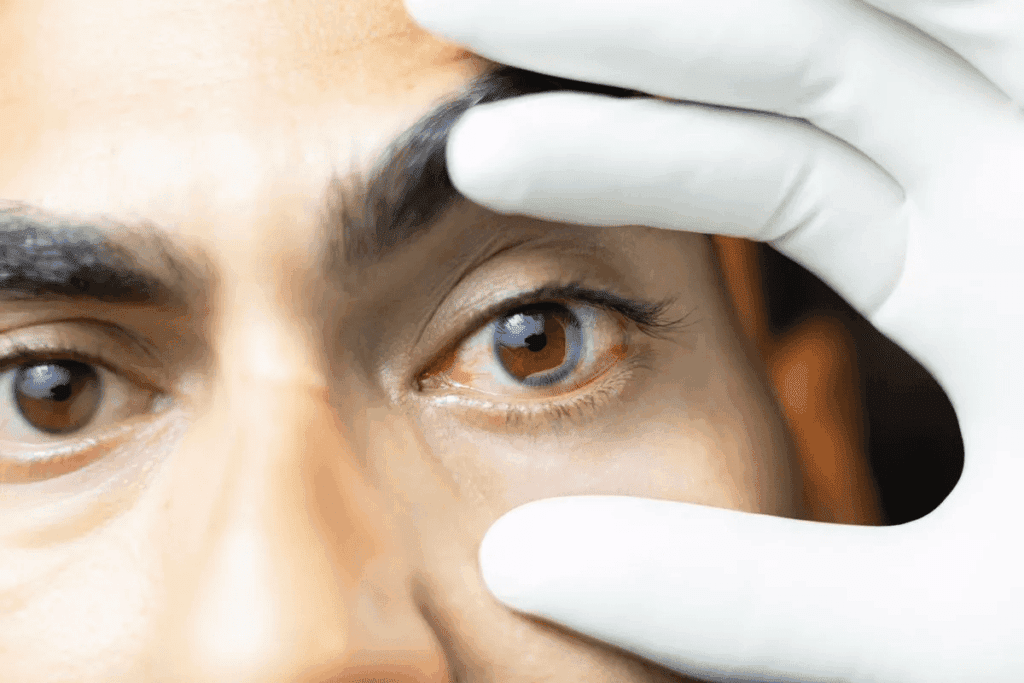
Double vision after a stroke happens because the brain’s vision processing is disrupted. A stroke can damage areas that control eye movements. This leads to the eyes not aligning properly, causing double vision or diplopia.
It’s important for patients to understand why they have double vision after a stroke. This knowledge helps them understand their condition and how to recover. We will explore how stroke impacts vision and the reasons behind diplopia.
Understanding Diplopia
Diplopia, or double vision, means seeing two images of one object. This happens when the eyes don’t align right. The brain gets two images it can’t combine into one. This misalignment can be due to nerve damage affecting eye movement muscles.
“Diplopia is a significant visual impairment that can substantially impact a person’s quality of life, making everyday tasks challenging.”
How Stroke Damages Vision Pathways
A stroke can harm the brain’s vision pathways in several ways, causing double vision. Damage can happen in the brainstem or areas controlling eye movements. This disrupts nerve signals, leading to misalignment and diplopia.
The effects of a stroke on vision vary based on the damage’s location and severity. Knowing these effects is key to creating an effective treatment plan.
Area of Brain Damaged | Potential Vision Effect |
Brainstem | Disruption of nerve signals controlling eye movements |
Cerebral Cortex | Impaired processing of visual information |
Cerebellum | Coordination problems affecting eye alignment |
The table shows different brain areas can cause various vision problems, including double vision. Knowing these effects helps in diagnosing and treating vision issues after a stroke.
Seeing Double After Stroke: Common Patterns and Experiences
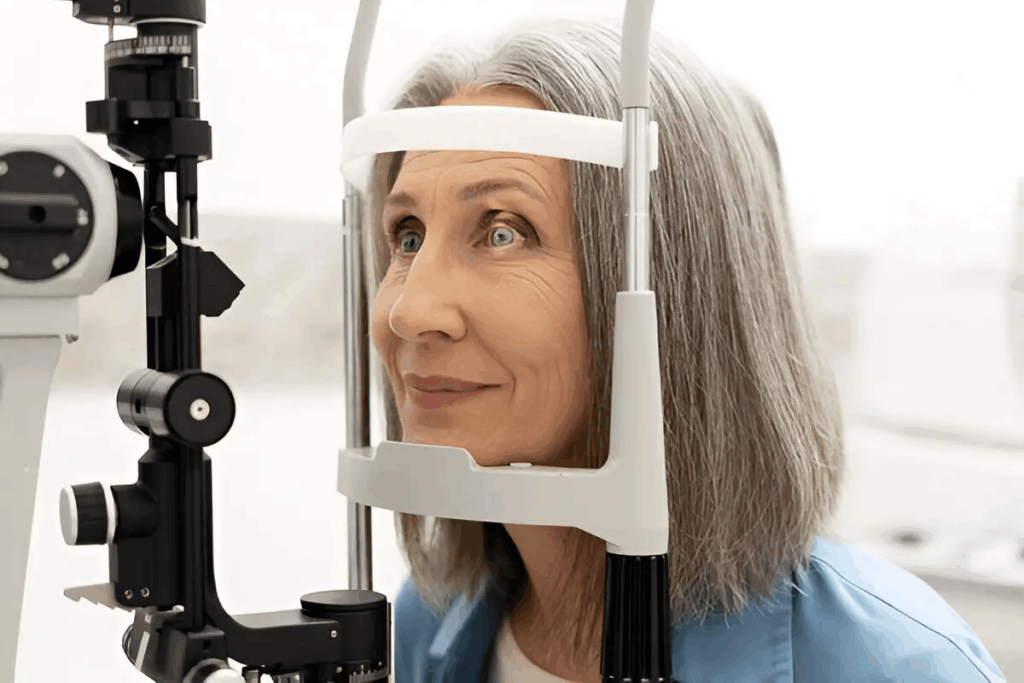
After a stroke, some people see double, or diplopia. This can be horizontal, vertical, or torsional. It happens when the brain struggles to merge images from each eye into one. The type and how bad it is can change based on the brain areas hit by the stroke.
Types of Post-Stroke Diplopia
Diplopia after a stroke can show up in different ways. The main types are:
- Horizontal Diplopia: Double vision when looking sideways.
- Vertical Diplopia: Double vision when looking up or down.
- Torsional Diplopia: Double vision where images are tilted or rotated.
Knowing the exact type of diplopia is key to finding the right treatment.
Associated Vision Symptoms
Stroke survivors might also see other vision problems. These include:
- Blurred Vision: Trouble seeing things clearly.
- Visual Field Defects: Losing part of your vision or having blind spots.
- Difficulty with Depth Perception: Trouble judging how far away things are.
These symptoms can really affect daily life and happiness.
Condition | Description | Impact on Daily Life |
Horizontal Diplopia | Double vision when looking sideways | Difficulty driving or navigating |
Vertical Diplopia | Double vision when looking up or down | Challenges with stairs or reading |
Torsional Diplopia | Images are tilted or rotated | Discomfort and difficulty with visual tasks |
Blurred Vision | Difficulty seeing objects clearly | Impaired reading and daily activities |
Visual Field Defects | Loss of peripheral vision or blind spots | Increased risk of falls and accidents |
We know that seeing double after a stroke can take many forms. It can also come with other vision problems. Getting the right care and rehab is vital to help stroke survivors live better lives.
How Common is Double Vision Following Stroke?
After a stroke, many patients face double vision, which can really affect their life. This condition, known as diplopia, makes everyday tasks hard. It also makes it tough for them to stay independent.
About 60 percent of stroke patients might get some eye problems, with double vision being common. Knowing how often double vision happens and who’s at risk is key. It helps doctors and caregivers give the right help and support.
Statistical Prevalence
Research shows that double vision is a common problem after a stroke. The exact number can vary based on who’s studied and how they define double vision. But, it’s clear that many stroke patients see double.
Prevalence rates vary, but a lot of patients are affected. This shows why eye exams are so important after a stroke. They help catch and treat vision problems early.
Risk Factors for Developing Visual Complications
Several risk factors make double vision more likely after a stroke. These include the location and severity of the stroke, the patient’s health, and age. Strokes that hit areas of the brain for vision are more likely to cause double vision.
The severity of the stroke also matters. More severe strokes lead to more vision problems. Older patients or those with health issues are also at higher risk.
- Location of the stroke
- Severity of the stroke
- Patient’s age
- Pre-existing health conditions
Knowing these risk factors helps doctors give better care to patients at risk of double vision. It’s all about targeted support and help.
Diagnosing Post-Stroke Vision Problems
Diagnosing double vision after a stroke is a detailed process. It helps us understand the cause. A thorough check is key to find the right treatment.
Double vision, or diplopia, can come from many stroke-related factors. The diagnosis involves both general and specialized tests.
Medical Assessment Procedures
The first step is a detailed medical check-up. This includes:
- A detailed medical history to understand the patient’s overall health and the specifics of their stroke.
- A neurological examination to assess any neurological deficits that may be contributing to the vision problems.
- An ophthalmological examination to evaluate the health of the eyes and visual pathways.
As Medical Expert, a neurologist, notes, “A thorough medical assessment helps us identify the causes of double vision and guides further testing.” This initial check is vital for the next steps.
Specialized Vision Testing
Specialized vision tests are key in diagnosing double vision after a stroke. Some tests include:
- Cover test to assess eye alignment and movement.
- Prism cover test to measure the degree of deviation in eye alignment.
- Hess screen test to evaluate eye movements and detect any abnormalities.
These tests help us understand the vision problem. They guide us in creating an effective treatment plan. As noted by
“Accurate diagnosis is the cornerstone of effective treatment for post-stroke vision problems,”
our approach to managing double vision after a stroke is based on this principle.
Recovery Timeline: Does Double Vision After a Stroke Go Away?
Double vision after a stroke can be tough, but knowing the recovery timeline gives hope. Recovery times vary a lot, depending on many factors.
Early Recovery Expectations (First 3 Months)
The first three months after a stroke are key for getting better. Most people see big improvements in their vision during this time. The body is working hard to fix damaged brain cells and get back to normal.
Key factors influencing early recovery include:
- The severity of the stroke
- The location of the brain damage
- The patient’s overall health and age
Getting the right medical care early on helps a lot. It can make a big difference in how well patients do in the first few months.
Long-term Prognosis
After the first three months, some people might keep getting better. The long-term outlook for double vision after a stroke depends on how much brain damage there is and how well rehabilitation works.
A study on stroke recovery gives us a glimpse into the long-term chances for those with double vision:
Recovery Period | Percentage of Patients Showing Improvement |
0-3 months | 65% |
3-6 months | 20% |
6-12 months | 10% |
Beyond 12 months | 5% |
This shows that most of the recovery happens in the first three months. But, a lot of people keep getting better for months after that.
Knowing about the recovery timeline for double vision after a stroke helps everyone involved. It sets realistic hopes and guides care decisions.
Factors Affecting Vision Recovery After Stroke
Vision recovery after a stroke involves many factors. The ability to see again depends on a mix of elements. We will look at each one in detail.
Type and Location of Stroke
The type and location of the stroke matter a lot. Strokes can be ischemic or hemorrhagic, each affecting vision differently. Ischemic strokes block blood flow, while hemorrhagic strokes cause bleeding.
Where the stroke happens is also key. Strokes near the brain’s visual areas can cause double vision. The closer it is, the worse the vision problems.
Extent of Neurological Damage
The damage from the stroke affects vision recovery. The more brain damage, the worse the vision. More damage means a harder time recovering.
Scans like MRI show how much damage there is. This helps doctors predict recovery and plan treatment.
Patient Age and Overall Health
Age and health also play big roles. Younger people usually recover better because their brains are more flexible. Older people can also recover, but it’s harder.
Being healthy helps recovery. People with diabetes or high blood pressure face more challenges. Better health means better chances of seeing again.
“The recovery of visual function after stroke is a complex process that requires a thorough understanding of the underlying factors influencing it.”
Medical Expert, Neurologist
Let’s look at how these factors affect recovery in the table below:
Factor | Influence on Vision Recovery |
Type of Stroke | Ischemic strokes may have different recovery patterns compared to hemorrhagic strokes. |
Location of Stroke | Strokes affecting visual pathways or brainstem have a higher likelihood of causing double vision. |
Extent of Neurological Damage | More extensive damage generally results in poorer vision recovery. |
Patient Age | Younger patients tend to have better recovery outcomes. |
Overall Health | Presence of comorbidities can complicate and slow down the recovery process. |
Knowing these factors helps doctors create better recovery plans. By looking at the stroke type, location, damage, age, and health, doctors can give better advice. This helps patients see better again.
Treatment Options for Double Vision Due to Stroke
Understanding the cause of double vision after a stroke is key to finding the right treatment. Double vision, or diplopia, can make everyday tasks hard. Luckily, there are many ways to manage this condition.
Medical Interventions
Medical treatments are important for double vision after a stroke. These can include:
- Eye Muscle Relaxants: These medications relax the eye muscles, helping to reduce double vision.
- Botulinum Toxin Injections: Injecting botulinum toxin into eye muscles can temporarily paralyze them, easing diplopia.
- Prism Lenses: Prism lenses can align images seen by both eyes, reducing double vision.
Medical Expert, a neurologist, says, “Medical treatments can greatly help patients with double vision after a stroke. It improves their quality of life.”
“The key to effective treatment is understanding the cause of double vision and tailoring the treatment approach.” – Medical Expert, Ophthalmologist
Surgical Approaches
In some cases, surgery is needed to fix the cause of double vision. Surgical options include:
Surgical Procedure | Description | Benefits |
Eye Muscle Surgery | Adjusting the length or position of the eye muscles to improve eye alignment. | Can significantly reduce or eliminate double vision. |
Nerve Decompression Surgery | Relieving pressure on the nerves that control eye movement. | Can improve eye movement and reduce diplopia. |
Vision Therapy Techniques
Vision therapy is also effective for managing double vision after a stroke. Techniques include:
- Eye Exercises: Specific exercises to improve eye movement and coordination.
- Visual Training: Programs to enhance visual processing and perception.
- Prism Adaptation: Gradually adapting to prism lenses to improve eye alignment.
Vision therapy is often used with other treatments for the best results. The American Academy of Ophthalmology says, “A treatment plan that includes vision therapy can greatly improve life for those with post-stroke double vision.”
Vision Rehabilitation Programs
After a stroke, vision rehabilitation is key to getting back visual function. It helps adapt to any lasting vision problems. We see how vital vision rehab is for stroke recovery.
Vision rehab programs meet the visual needs of stroke survivors. They involve a team of experts like optometrists and occupational therapists.
Specialized Therapy Approaches
Specialized therapy is at the heart of vision rehab. It includes:
- Eye movement exercises to improve tracking and scanning abilities
- Visual field training to enhance peripheral vision
- Compensatory techniques to adapt to visual field deficits
Table: Components of Vision Rehabilitation
Therapy Component | Description | Benefits |
Eye Movement Exercises | Training to improve eye movements and tracking | Enhances visual scanning and reading abilities |
Visual Field Training | Techniques to improve peripheral vision | Increases awareness of surroundings |
Compensatory Techniques | Strategies to adapt to visual deficits | Improves daily functioning and independence |
Integration with Overall Stroke Recovery
Vision rehab is part of the bigger picture of stroke recovery. We link it with other therapies like physical and occupational therapy. This ensures a complete recovery approach.
By mixing these therapies, we meet the complex needs of stroke survivors. This boosts their quality of life and aids in a full recovery.
Adaptive Strategies and Assistive Devices
Managing double vision after a stroke needs a mix of strategies and devices. These tools can greatly improve life for those affected. They help with visual comfort and independence.
Prism Glasses and Eye Patches
Prism glasses are a key tool. They adjust the visual field to align images seen by each eye. These glasses are made to fit each person’s needs, providing a personal solution.
Eye patches are another simple yet effective method. They cover one eye to temporarily fix double vision. While not a long-term fix, they’re useful in the early stages or when glasses aren’t practical.
Environmental Modifications
Changing the living environment is also important. Improving lighting, reducing clutter, and using high-contrast colors can help a lot. For example, using bright colors for important items like door handles makes it easier to navigate.
Also, rearranging furniture and removing obstacles can prevent accidents and improve movement. These changes can be made to fit each person’s needs, making their space safer and more comfortable.
Technological Aids
New technology offers many assistive devices for double vision. Special software and apps help with navigation and daily tasks. Some devices even give real-time feedback to help adjust to the condition.
Smart glasses and other wearable tech are also being developed. They offer adjustments and enhancements in real-time, which can greatly benefit those with double vision.
Using these strategies and devices together can help manage double vision. It’s important to work with healthcare professionals to find the best tools and techniques for each person.
Living with Persistent Double Vision
Dealing with double vision is more than just medical care. It also means making lifestyle changes. This condition can make everyday tasks and social interactions harder.
Psychological Adjustment
Double vision’s emotional toll is real. It can cause frustration, anxiety, and feelings of being alone. Getting support from loved ones or groups is key. It helps manage these tough feelings.
We recommend that people with double vision stay in touch with their community. This helps prevent loneliness.
Adapting Daily Activities
Adjusting to daily life with double vision is vital. Simple actions like cooking or reading can be tough. Using tools like prism glasses or eye patches can help.
Exploring different ways to do things can find what works best. This helps make daily life easier.
- Change your environment to lessen visual strain
- Use tech, like text-to-speech software, for daily tasks
- Find new ways to do tasks that were hard before
Safety Considerations
Safety is a big worry for those with double vision. Preventing falls is critical, as seeing depth can be hard. We suggest making your home bright and clear of dangers.
Also, using handrails and non-slip mats can add safety. These steps help avoid accidents.
Safety Measure | Benefit |
Improving lighting | Reduces risk of falls |
Removing tripping hazards | Prevents accidents |
Using assistive devices | Aids in navigation and task performance |
Understanding and adapting to double vision can improve life quality. We aim to offer full support to those facing this challenge.
When to Seek Additional Medical Help
Knowing when to get more medical help is key for dealing with double vision after a stroke. Patients must watch their symptoms closely. They should know when to ask for more care.
Warning Signs of Complications
Some symptoms mean you might have complications that need quick medical help. These include:
- Sudden worsening of double vision
- New eye pain or headaches
- Difficulty swallowing or speaking
- Increased sensitivity to light
- Changes in vision, such as blurred vision or loss of peripheral vision
If you notice any of these signs, call your doctor right away.
Follow-up Care Recommendations
Regular check-ups are important for managing double vision after a stroke. We suggest:
Follow-up Care | Frequency | Purpose |
Ophthalmological examination | Every 3-6 months | Monitor vision recovery and adjust treatment plans |
Neurological check-ups | As advised by your neurologist | Assess overall neurological recovery |
Vision therapy sessions | Regularly, as prescribed | Improve eye coordination and vision skills |
Following these follow-up care tips can greatly help your recovery from double vision after a stroke.
Conclusion
Double vision after a stroke can make life very hard. It affects how well someone can live and be independent. To deal with this, we need to use many ways, like medicine, vision therapy, and finding new ways to do things.
We’ve looked at what causes double vision after a stroke and how to treat it. Knowing about this condition helps doctors and patients make plans to manage it. This way, they can work together to find the best solutions.
Dealing with double vision means more than just medicine. It also includes special therapy and tools. With a full plan, people who have had a stroke can get better and live more freely. In the end, a complete approach is key to handling double vision after a stroke.
FAQ
Does double vision after a stroke always go away?
No, double vision after a stroke doesn’t always disappear. Recovery chances depend on the stroke’s type, location, and brain damage extent. It also depends on the patient’s health.
What causes double vision after a stroke?
Damage to brain areas controlling eye movements causes double vision after a stroke. This leads to misalignment and diplopia.
How common is double vision following a stroke?
Double vision is a common stroke complication. It affects many patients. The exact number varies by study and population.
What are the risk factors for developing visual complications post-stroke?
Visual complications post-stroke risk factors include stroke location and severity. Age and overall health also play a role.
How is post-stroke double vision diagnosed?
Eye exams and specialized vision tests diagnose post-stroke double vision. They help find the condition’s cause.
What is the recovery timeline for double vision after a stroke?
Recovery time for double vision after a stroke varies. Some see improvement in months. Others may have lasting symptoms.
What treatment options are available for double vision due to stroke?
Treatments for stroke-caused double vision include medical and surgical options. Vision therapy techniques can also be used alone or together.
Can vision rehabilitation programs help with post-stroke double vision?
Yes, vision rehab programs can improve visual skills. They help compensate for lasting visual impairments.
Are there any adaptive strategies or assistive devices that can help with double vision?
Yes, prism glasses, eye patches, and environmental changes can help. They improve life quality for those with double vision.
When should I seek additional medical help for double vision after a stroke?
Seek more medical help if symptoms worsen or new visual issues arise. Follow-up care is key to managing vision problems.
Is double vision a sign of a stroke?
Yes, double vision can signal a stroke. Look out for other symptoms like weakness, numbness, or speech trouble.
How long do vision problems last after a stroke?
Vision problems after a stroke vary in duration. They depend on stroke severity and treatment success.
Can strokes affect vision permanently?
Yes, strokes can cause permanent vision loss. It depends on the stroke’s location and severity.
References
National Center for Biotechnology Information. Evidence-Based Medical Guidance. Retrieved from https://www.ncbi.nlm.nih.gov/books/NBK327908/