

Almost 15% of couples worldwide face infertility challenges. Male factor infertility is behind nearly half of these cases. A key tool in diagnosing male fertility is semen analysis, also known as seminal fluid analysis semen analysis.
By analyzing semen, we can understand its quality and characteristics. This gives us important clues about male fertility. It helps spot issues with sperm count, motility, and shape. This information helps doctors create effective treatment plans.
Key Takeaways
- Seminal fluid analysis is a vital diagnostic test for assessing male fertility.
- The test evaluates sperm count, motility, and morphology.
- Semen quality can be influenced by various factors, including lifestyle and medical conditions.
- Accurate diagnosis through semen analysis enables effective treatment planning.
- We use advanced techniques to ensure precise and reliable test results.
What is Semen Analysis?
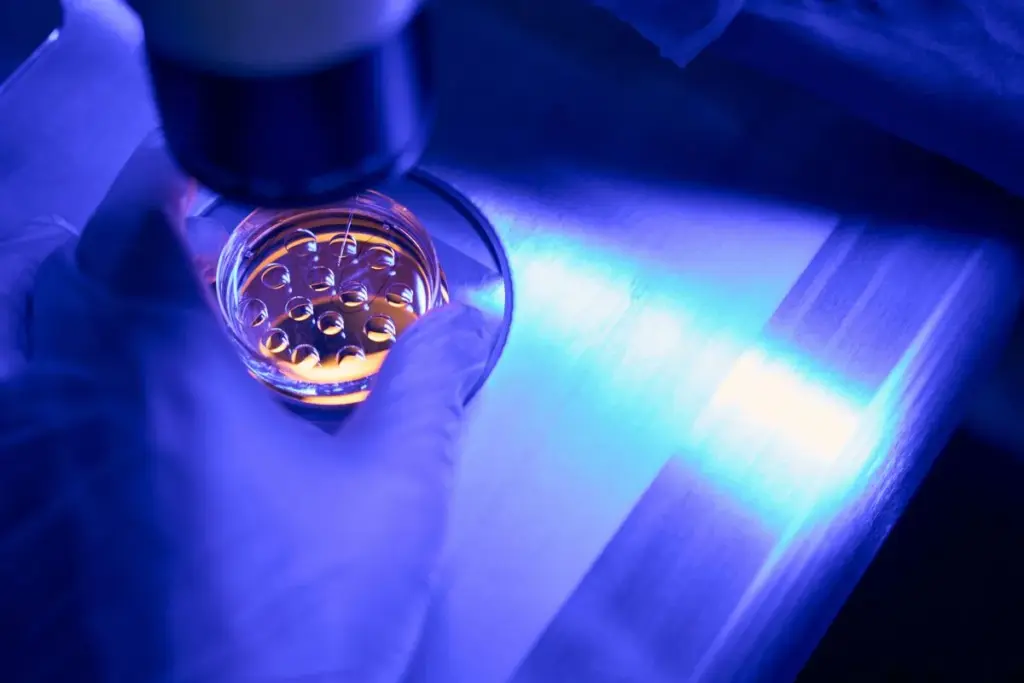
Semen analysis is key for finding out if a man can have kids. It’s a detailed test that checks many things in semen to see if a man can get someone pregnant.
Definition of Semen Analysis
Semen analysis looks at semen to see how good it is. It checks things like sperm count, sperm motility, and how the sperm look.
Recent studies show this test checks semen closely to find fertility problems. It’s done in a lab by experts who look at the semen sample.
Importance in Male Fertility Assessment
Semen analysis is very important for checking if a man can have kids. It helps find problems that might stop a man from getting someone pregnant. This test is key for couples who can’t get pregnant, as it gives important info about the man’s health.
|
Semen Parameter |
Normal Range |
Importance |
|---|---|---|
|
Sperm Count |
15 million – 200 million per mL |
Indicates the number of sperm available for fertilization |
|
Sperm Motility |
32% – 75% motile sperm |
Affects the ability of sperm to reach the egg |
|
Morphology |
4% – 48% normal forms |
Influences the sperm’s ability to fertilize the egg |
It’s very important to understand what semen analysis results mean. We suggest talking to a healthcare provider about the results to figure out the best next steps.
Purpose of Semen Analysis
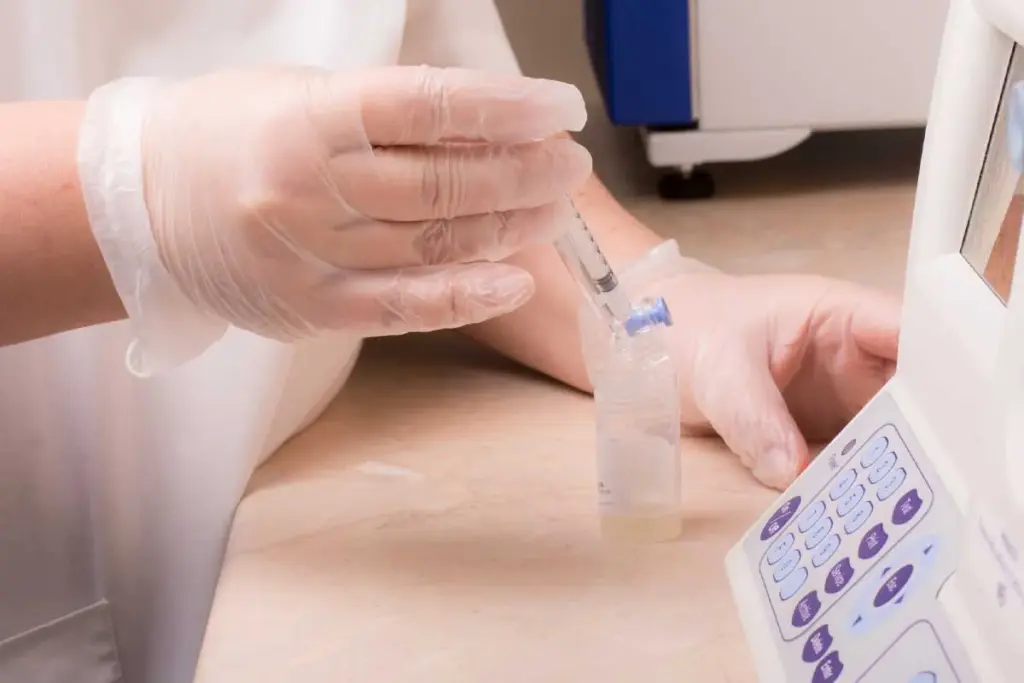
The main goal of semen analysis is to check sperm health and find out if there are fertility problems. This test gives important information about male reproductive health. It helps doctors find and treat fertility issues.
Evaluating Sperm Health
Semen analysis looks at sperm count, motility, and morphology. These factors help doctors see how good the semen is. They can spot problems that might cause infertility.
A detailed semen analysis checks:
- Sperm count: The number of sperm in the semen.
- Motility: How well sperm move.
- Morphology: The shape and structure of sperm.
Diagnosing Infertility Issues
Semen analysis is key in finding out why men might have trouble getting their partner pregnant. Doctors look at the semen analysis to find problems like low sperm count or poor motility. This helps them figure out what’s causing the infertility.
|
Infertility Issue |
Description |
Potential Treatment |
|---|---|---|
|
Low Sperm Count (Oligospermia) |
A condition where the sperm count is below normal levels. |
Lifestyle changes, fertility meds. |
|
Poor Motility |
A condition where many sperm move poorly. |
IUI, IVF. |
|
Abnormal Morphology |
A condition where many sperm have odd shapes. |
IVF with ICSI. |
Understanding semen analysis helps couples tackle fertility problems. It’s the first step towards finding and treating fertility issues.
The Semen Analysis Procedure
The semen analysis process starts with collecting a semen sample. This test is key for checking male fertility. It looks at the semen’s many characteristics.
Sample Collection Methods
Getting a semen sample usually means masturbation into a clean container. It’s important to follow certain rules. This includes not using lubricants and keeping the sample clean.
It’s best to not ejaculate for 2 to 5 days before giving the sample. This helps get accurate results. The sample should be kept warm during transport and tested quickly.
Laboratory Analysis Techniques
When the sample gets to the lab, it’s checked in several ways. The lab looks at sperm count, motility, and morphology, among other things.
First, the lab checks the semen’s volume, pH, and thickness. Then, they look at sperm under a microscope. They check how well the sperm move, how many there are, and their shape.
|
Parameter |
Description |
Normal Value |
|---|---|---|
|
Sperm Count |
The number of sperm per ejaculate |
> 39 million per ejaculate |
|
Motility |
The percentage of moving sperm |
> 32% progressively motile |
|
Morphology |
The percentage of normally shaped sperm |
> 4% normal forms |
By looking at these details, doctors can understand male fertility better. They can spot problems that might cause infertility.
Factors Influencing Semen Quality
Semen quality is influenced by many things, like lifestyle and environment. Knowing these factors is key for men wanting to check or boost their fertility.
Lifestyle Choices
Lifestyle choices greatly affect semen quality. Things like diet, exercise, and smoking habits play a big role in sperm health.
Eating well, with lots of antioxidants and vitamins, can help semen quality. But too much alcohol and smoking can lower sperm count and how well they move.
Environmental Influences
Being exposed to toxins and pollutants also affects semen quality. Pesticides, heavy metals, and industrial chemicals are harmful.
Men in jobs where they’re exposed to these should take steps to protect their sperm.
By knowing what affects semen quality, men can take steps to reduce risks. This means making smart lifestyle choices and being mindful of environmental exposures.
Understanding Semen Parameters
It’s key to know about semen parameters to check male reproductive health. These include sperm count, motility, and morphology. They help figure out if a man can have kids.
These details tell us a lot about semen quality. They help spot problems that might affect fertility. We’ll explore why these are important and how they’re checked.
Sperm Count
Sperm count is how many sperm are in a certain amount of semen. A good count is over 15 million per milliliter.
If sperm count is low, it’s harder to get pregnant. But a normal count is needed for successful fertilization.
Motility and Morphology
Motility is how well sperm move. It’s split into types like progressive and non-progressive motility.
Morphology is about sperm shape and structure. Normal sperm have a certain head shape, midpiece, and tail.
Problems with motility and morphology can hurt fertility. For example, if sperm can’t move well, they might not reach the egg. And if sperm look wrong, they might not fertilize the egg.
|
Semen Parameter |
Normal Value |
Abnormal Value |
|---|---|---|
|
Sperm Count |
> 15 million/ml | |
|
Motility |
> 32% progressively motile | |
|
Morphology |
> 4% normal forms |
Knowing about semen parameters helps doctors find and fix fertility problems better.
Common Conditions Detected by Semen Analysis
Semen analysis is key in finding issues that affect male fertility. It looks at semen parameters to spot problems that might cause infertility.
Oligospermia
Oligospermia means a man has very few sperm. This makes it hard to get pregnant.
Doctors say a man has oligospermia if he has less than 15 million sperm per milliliter of semen. Things like lifestyle, hormones, and health issues can cause it.
Azoospermia
Azoospermia is when there are no sperm in the semen. It’s a big problem for men trying to have kids.
There are two types of azoospermia. Obstructive is when a blockage stops sperm from coming out. Non-obstructive is when the body doesn’t make enough sperm.
|
Condition |
Description |
Causes |
|---|---|---|
|
Oligospermia |
Low sperm count |
Lifestyle factors, hormonal imbalances, medical conditions |
|
Azoospermia |
Absence of sperm in semen |
Obstructive (blockage) or non-obstructive (sperm production issues) |
Spotting oligospermia and azoospermia through semen tests is vital. It helps doctors find the root of fertility issues. Then, they can suggest the right treatments.
Preparing for a Semen Analysis
Before you get a semen analysis, it’s key to follow certain steps. This makes sure the results are right and trustworthy.
Pre-Test Guidelines
Before the test, you should not ejaculate for 2 to 5 days. This makes the test fair for everyone.
Also, don’t take any medicines or supplements that could mess with your semen quality. Unless a doctor tells you to.
Collection Timing Recommendations
When to collect the sample is very important. You should use a clean container given by the lab or clinic.
Collect the sample in a private area at the lab. This helps keep the sample safe and reduces stress.
|
Guideline |
Recommendation |
|---|---|
|
Abstinence Period |
2 to 5 days before sample collection |
|
Sample Collection Container |
Sterile container provided by the laboratory |
|
Collection Location |
Private room at the laboratory |
|
Avoiding Medications/Supplements |
Unless directed by a healthcare provider |
By sticking to these tips, you help make sure your semen analysis is done right. This gives a clear view of your fertility health.
Interpreting Semen Analysis Results
Understanding semen analysis results is key to checking male reproductive health. These results give important info on semen parameters vital for fertility.
First, we look at the normal ranges for semen parameters. These ranges are set by data from healthy men. They help us compare individual results.
Normal Ranges Explained
Normal semen parameters include several key traits. These are:
- Sperm count: The number of sperm per milliliter of semen, typically above 15 million/mL.
- Motility: The percentage of moving sperm, with at least 32% having progressive motility.
- Morphology: The percentage of sperm with normal shape, with at least 4% having normal morphology.
- Volume: The total volume of the ejaculate, typically between 1.5 and 5 mL.
- pH: The acidity or alkalinity of the semen, with a normal range between 7.2 and 8.
|
Semen Parameter |
Normal Range |
|---|---|
|
Sperm Count |
>15 million/mL |
|
Motility |
>32% progressive motility |
|
Morphology |
>4% normal forms |
|
Volume |
1.5-5 mL |
|
pH |
7.2-8 |
Identifying Abnormal Results
Abnormal semen analysis results can show fertility problems. For example, a low sperm count or no sperm at all can affect fertility. Also, poor motility or abnormal shape can make it hard for sperm to fertilize an egg.
If we find abnormal results, we might suggest more tests. These could include checking hormones, genetic tests, or other exams.
Getting semen analysis results right is complex. At our place, we offer detailed support and advice. We help people understand their results and what to do next for their fertility.
Follow-Up Tests After Semen Analysis
After a semen analysis, more tests might be needed. These include hormonal assessments and genetic testing. They help doctors find the cause of fertility problems.
Hormonal Assessments
Hormones are key to male fertility. They control sperm production and reproductive health. The main hormones checked are:
- Testosterone: Important for sperm and male traits.
- FSH (Follicle-Stimulating Hormone): Helps the testes make sperm.
- LH (Luteinizing Hormone): Controls testosterone levels.
- Prolactin: High levels can harm fertility by messing with other hormones.
Odd hormone levels can point to fertility problems. This could be due to low testosterone or issues with the pituitary gland. Doctors use these tests to find and fix fertility issues.
Genetic Testing
Genetic testing is also a follow-up step. It looks for genetic problems that might affect fertility. Tests include:
- Karyotyping: Checks chromosomes for any issues.
- Y Chromosome Microdeletion Analysis: Finds Y chromosome problems that affect sperm.
- CFTR Gene Mutation Analysis: Looks for cystic fibrosis gene mutations linked to fertility issues.
Genetic tests offer insights into fertility. They help plan family planning and spot genetic risks for future children.
By combining semen analysis, hormonal, and genetic tests, doctors get a full picture of fertility. They can then create a specific treatment plan for each patient.
Treatment Options for Identified Issues
Dealing with male infertility needs a full plan. This includes lifestyle changes and medical treatments. Every person is different, so we make treatment plans that fit their needs.
After tests show what’s wrong, we look at different ways to help. These can be simple changes or more serious treatments.
Lifestyle Modifications
Lifestyle affects male fertility a lot. We suggest changes that can help:
- Dietary Changes: Eating more antioxidants, vitamins, and minerals can help sperm health.
- Exercise Regularly: Regular exercise can help fertility, but too much can hurt it.
- Avoiding Toxins: It’s good to stay away from harmful chemicals and pollutants.
- Stress Management: Too much stress can harm fertility. Finding ways to relax can help.
Medical Interventions
At times, medical help is needed to fix problems found by tests. This can include:
- Medications: To fix hormonal problems or infections that affect fertility.
- Surgical Procedures: To fix physical issues, like varicocele, that affect semen quality.
- Assisted Reproductive Technologies (ART): Options like IVF or ICSI might be considered if other treatments don’t work.
We work with patients to find the best treatment plan for them. By mixing lifestyle changes with medical help, we can often improve fertility a lot.
The Role of Andrologists
Andrologists are key in male fertility. They focus on men’s health and fertility. They offer important advice and treatments for fertility problems.
Importance of Specialist Consultation
Seeing an andrologist is vital for men with fertility issues. Andrologists can diagnose and treat male fertility problems. They give advice on lifestyle changes and medical treatments.
They check sperm health and find the root of the problem. This helps men understand their fertility and find the right treatment.
Fertility issues are sensitive, and andrologists handle them with care. Our aim is to offer support and top-notch healthcare. They keep up with new research in andrology to help patients.
When to See an Andrologist
Men should see an andrologist if they’re having trouble getting pregnant or worry about their reproductive health. Signs to see an andrologist include abnormal semen tests, trouble getting pregnant, or hormonal imbalances.
- Experiencing difficulty conceiving after a year of regular, unprotected intercourse
- Abnormal semen analysis results
- Symptoms of hormonal imbalances or reproductive health issues
By getting help from an andrologist, men can understand their fertility better. They get advice tailored to their needs. We’re dedicated to giving men the care they need on their fertility journey.
Current Advances in Semen Analysis
We are seeing big changes in semen analysis thanks to new tech and a better grasp of male fertility. These updates are changing how we check and treat male infertility.
Advancements in Technology
New tech like computer-assisted semen analysis (CASA) and advanced sperm checks are making semen analysis more accurate. These tools help us see sperm details better. This leads to better diagnosis and treatment of infertility.
Emerging Trends in Andrology Testing
New trends in andrology testing aim for more advanced and non-invasive tests. Soon, we’ll see genetic and epigenetic tests. These will help us understand male fertility better and tailor treatments to each person.
FAQ
What is semen analysis, and why is it important?
Semen analysis checks the quality and characteristics of semen. It’s key for assessing male fertility. It helps find issues with sperm count, motility, and shape.
How is a semen sample collected for analysis?
A semen sample is collected by masturbation. It’s then analyzed in a lab. Following pre-test guidelines and timing is important for accurate results.
What parameters are evaluated during semen analysis?
Semen analysis looks at sperm count, motility, and shape. These factors help doctors check fertility and spot problems.
How long does it take to get semen analysis results?
Results time varies by lab and tests. Usually, they’re ready in a few days to a week.
What are the normal ranges for semen parameters?
Healthy sperm count is over 15 million per milliliter. Motility should be at least 32%. Morphology should be at least 4% normal forms.
What does it mean if my semen analysis results are abnormal?
Abnormal results might mean fertility issues like low sperm count. More tests, like hormone checks, might be needed to find the cause.
Can lifestyle choices affect semen quality?
Yes, diet, exercise, and smoking can affect semen quality. A healthy lifestyle can improve it.
When should I consult an andrologist?
See an andrologist if you’re worried about fertility or have bad semen analysis results. They specialize in male fertility and reproductive health.
What are the treatment options for identified issues?
Treatments might include lifestyle changes or medical treatments. The right treatment depends on the issue.
How can I prepare for a semen analysis?
To prepare, follow pre-test guidelines and timing recommendations. This ensures accurate results.
References
World Health Organization. Evidence-Based Medical Insight. Retrieved from https://www.who.int/publications/i/item/9789240030787[5