
Assessing male fertility is key, and a semen analysis is a vital tool. At Liv Hospital, we know how important it is to be ready for asemen examination. Our team is here to give you top-notch care and results that meet international standards. Understand the key points for semen examination. Prepare for your test with this essential semen examination guide.
Knowing about semen examination helps you make smart health choices. Our team is all about giving you the best healthcare. We support international patients fully. In this article, we’ll cover 7 essential points to know before your test. This will help you feel ready for what’s ahead.
Key Takeaways
- Understand the importance of semen analysis in assessing male fertility.
- Learn what to expect from a semen examination.
- Discover how Liv Hospital’s expertise can support your health decisions.
- Find out why international standards matter in semen analysis.
- Get insights into the comprehensive care provided by Liv Hospital.
What Is Semen Examination and Why It Matters
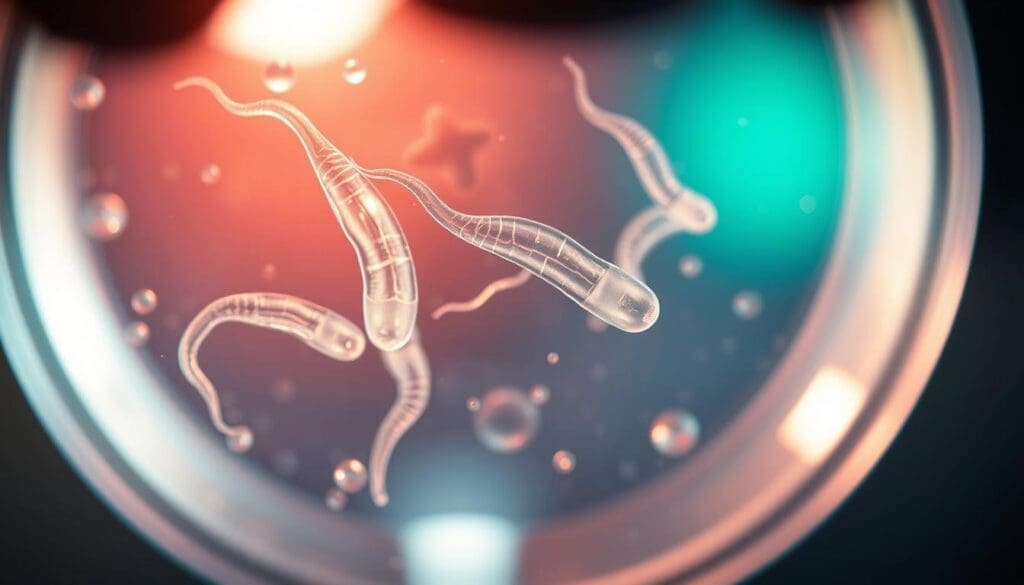
Semen examination is a key tool for understanding male fertility and reproductive health. It helps check many factors that affect male infertility and health.
Definition and Medical Purpose
A semen examination, or semen analysis, is a lab test to check a man’s semen quality. It looks at sperm count, how well they move, their shape, and for any infections or problems.
This test is vital for spotting issues that might cause infertility. Doctors use it to find problems and suggest treatments.
Diagnostic Applications in Male Fertility
Semen analysis is key in finding male fertility problems. It helps doctors:
- Check sperm quality and amount
- Spot infections or inflammation that affect fertility
- See if fertility treatments are working
It gives a full picture of a man’s reproductive health. This helps doctors decide on further tests or treatments.
Role in Post-Vasectomy Verification
Another big use of semen examination is after a vasectomy. A test is done to make sure there are no sperm in the semen. This shows the vasectomy worked.
This test is very important. It makes sure the vasectomy was successful. It gives peace of mind to both the patient and the doctor.
Importance in Urological Condition Assessment
Semen analysis is also used to check for urological conditions. It can find infections, blockages, or other problems in the male reproductive system.
By looking at semen, doctors can spot underlying conditions. This shows how important semen examination is for men’s health.
Key Point 1: Preparing for Your Semen Examination
Knowing how to prepare for a semen exam is key to getting reliable results. It’s important for checking your fertility and reproductive health.
The Optimal Abstinence Period (2-7 Days)
Keeping the right abstinence period is critical. We suggest not ejaculating for 2 to 7 days before the test. This time is best because it lets you get a good semen sample without quality issues.
Not waiting long enough might lower semen volume and sperm count. Waiting too long can make sperm move less. So, sticking to 2-7 days is important for a good sample.
Lifestyle Factors That Affect Results
Your lifestyle affects semen quality. To get the best results, live a healthy life before your exam.
- Diet: Eating a balanced diet with antioxidants, vitamins, and minerals helps semen quality.
- Exercise: Regular exercise boosts reproductive health.
- Avoiding Harmful Substances: Stay away from tobacco, too much alcohol, and chemicals to keep semen healthy.
Experts say, “A healthy lifestyle is key to male fertility.”
“Men who eat well and live healthy have better semen quality.”
Medications to Avoid Before Testing
Some medicines can harm semen quality. Tell your doctor about these before the exam. These include:
| Medication Category | Examples | Potential Impact |
| Anabolic Steroids | Testosterone supplements | Reduced sperm production |
| Antidepressants | SSRIs | Potential decrease in sperm motility |
| Anti-inflammatory Drugs | NSAIDs | Possible impact on sperm quality |
Tell your doctor about any medicines you’re taking. They can tell you if to stop them before the test or if there are other options.
Following these tips helps make your semen exam results accurate. This gives you a clear view of your reproductive health.
Key Point 2: The Sample Collection Process
When it comes to semen examination, the quality of the sample is key. We’re here to guide you through the collection process. The sample is usually collected by masturbation in a private room at the laboratory. This method is preferred because it minimizes contamination and ensures the sample’s integrity.
Collection Methods and Requirements
The semen sample is collected by masturbation into a sterile container provided by the laboratory. It’s essential to follow the instructions given by the laboratory staff to ensure that the sample is collected correctly. Avoid using lubricants or saliva as they can contaminate the sample and affect the test results.
Some key requirements for semen sample collection include:
- Collecting the sample in a private room at the laboratory to minimize contamination.
- Avoiding the use of lubricants or saliva during collection.
- Ensuring the sample is not contaminated with urine or other substances.
Proper Specimen Handling Techniques
After collection, it’s vital to handle the specimen correctly to maintain its integrity. The sample should be kept at body temperature (around 37°C) during transportation to the laboratory. It’s recommended to deliver the sample to the laboratory within 30-60 minutes after collection.
Here are some tips for handling the specimen:
- Keep the container closed to prevent contamination.
- Avoid exposing the sample to extreme temperatures.
- Deliver the sample to the laboratory as soon as possible.
Transportation Guidelines and Timeframes
Transporting the semen sample to the laboratory requires careful handling to maintain its quality. The sample should be kept close to body temperature during transport. If you’re collecting the sample at home, use a special transport container provided by the laboratory, which is designed to maintain the appropriate temperature.
Common Collection Concerns Addressed
We understand that collecting a semen sample can be a source of anxiety for some individuals. Common concerns include the fear of contamination, difficulty in producing a sample, and anxiety about the procedure. Our laboratory staff are trained to provide support and guidance throughout the process to alleviate these concerns.
If you’re experiencing difficulties or have concerns about the collection process, don’t hesitate to discuss them with the laboratory staff. They’re there to help and provide the necessary assistance to ensure a smooth and successful collection process.
Standard Semen Examination Parameters and Methodology
Knowing the standard semen examination parameters is key to understanding test results. A semen analysis checks several important aspects of semen. These help assess a man’s fertility.
Volume and pH Measurement
The semen sample’s volume is measured to see how much fluid is produced. Normal semen volume is between 1.5 and 5 milliliters. If the volume is too low or too high, it might show fertility problems.
The semen’s pH level is also checked. It affects how well sperm move and live. The normal pH range is between 7.2 and 8.0. A pH outside this range can harm sperm function.
Sperm Concentration Analysis
Sperm concentration, or count, is a key semen analysis parameter. It measures the number of sperm per milliliter of semen. A normal count is over 15 million sperm per milliliter.
To count sperm, a special laboratory chamber is used. This helps figure out a person’s fertility.
Motility Assessment Categories
Sperm motility is how well sperm move through the female reproductive tract. Motility is divided into types, like progressive motility (sperm moving forward) and non-progressive motility (sperm moving but not forward).
The World Health Organization (WHO) sets guidelines for sperm motility. A healthy semen sample should have at least 32% of sperm with progressive motility, according to the WHO.
“Sperm motility is a critical factor in fertility, as it directly affects the ability of sperm to reach and fertilize the egg.”
Medical Expert, Fertility Specialist
Morphology Evaluation Standards
Sperm morphology is about the shape and structure of sperm. Abnormal morphology can greatly affect fertility. The WHO sets standards for evaluating sperm morphology. A normal sample should have at least 4% of sperm with normal forms.
| Parameter | Normal Value | Significance |
| Volume | 1.5 – 5 ml | Affects sperm delivery |
| pH | 7.2 – 8.0 | Impacts sperm motility |
| Sperm Concentration | >15 million/ml | Influences fertility |
| Motility | >32% progressive | Essential for fertilization |
| Morphology | >4% normal forms | Affects fertilization capability |
Understanding these semen examination parameters and their importance helps individuals grasp their test results. This knowledge is vital for understanding fertility implications.
Key Point 3: Understanding Your Test Results
When you get your semen test results, it’s important to know what they mean for your health. These results show your current fertility level. Knowing what they say is key to making smart choices about your health.
World Health Organization Reference Values
The World Health Organization (WHO) has set standards for semen quality. These standards help doctors check how good your semen is. The main things to look at are:
- Semen Volume: At least 1.5 ml
- pH: Greater than or equal to 7.2
- Sperm Concentration: At least 15 million sperm per ml
- Total Sperm Count: At least 39 million sperm per ejaculate
- Motility: At least 32% of sperm showing progressive motility
- Morphology: At least 4% of sperm with normal shape
Normal vs. Abnormal Findings
Having some semen values below the WHO standards doesn’t always mean you can’t have kids. Many men with lower values can get pregnant. Also, some men with normal values might have trouble getting their partner pregnant.
Abnormal findings might suggest fertility problems. But, they can also be caused by things like recent sickness, toxins, or certain medicines.
Common Variations and Their Significance
There are many reasons why semen values can change. These include:
- Recent fever or illness
- Exposure to environmental toxins
- Lifestyle factors such as smoking or excessive alcohol consumption
- Certain medications or supplements
It’s important to understand these changes to get your results right. For example, a low sperm count might be temporary if you’ve been sick recently.
How to Discuss Results With Your Doctor
Talking to your doctor about your semen test results is helpful. Here’s how:
- Ask about what your results mean
- Find out if changing your lifestyle can help your semen quality
- Learn if you need more tests or evaluations
- Look into treatments if you’re having trouble getting pregnant
By understanding your semen test results and talking to your doctor, you can take steps to improve your fertility.
Key Point 4: Advanced Testing Options Beyond Basic Semen Examination
Understanding male fertility has led to new testing options. These tests give a detailed look at sperm health. They help find specific issues that might affect fertility.
Genetic Testing Indications
Genetic testing is suggested for men with certain issues. This includes those with a history of miscarriages, failed IVF, or genetic disorders in their family. It can spot chromosomal or genetic problems that might affect fertility or child health.
Key indications for genetic testing include:
- History of recurrent miscarriages
- Failed IVF cycles
- Family history of genetic disorders
- Known chromosomal abnormalities
DNA Fragmentation Analysis
DNA fragmentation analysis checks sperm DNA health. It helps understand infertility or miscarriage reasons. High DNA damage can show oxidative stress or other sperm quality issues.
The process involves:
- Collecting a semen sample
- Analyzing the DNA for breaks or fragmentation
- Interpreting the results to understand the impact on fertility
Antisperm Antibody Testing
Antisperm antibody testing looks for antibodies attacking sperm. This can harm sperm function and fertility. It’s key for men with vasectomy reversal history or autoimmune disorders.
Emerging Technologies in Semen Analysis
The semen analysis field is growing, with new technologies. These include high-resolution microscopy and new biomarkers for sperm health. They offer deeper insights into sperm function and fertility.
Some of the emerging technologies include:
- High-resolution microscopy for detailed sperm morphology assessment
- Advanced proteomics to identify novel fertility biomarkers
- Microfluidic devices for sorting and analyzing sperm
These advanced tests are a big step forward in male fertility assessment. They bring hope to couples struggling to conceive.
Key Point 5: Next Steps After Your Semen Examination
After getting your semen exam results, the next steps are key to your reproductive health. We know it can be tough to figure out what to do next. So, we’re here to help guide you through it.
Follow-up Consultations and Recommendations
Your healthcare provider will talk to you about your semen analysis results. They will explain everything in detail. They will also give you recommendations based on your results, answering any questions you have.
When Additional Testing Is Necessary
Sometimes, more tests are needed to understand your semen analysis results. We might suggest hormone tests or genetic testing. This helps us get more information.
Treatment Pathways Based on Results
The treatment you need will depend on your semen exam results. If there are any issues, we might suggest lifestyle changes, medication, or fertility treatments like IVF or ICSI.
Timeframe for Repeat Testing
If you need more tests, we’ll tell you when to do them. Usually, semen analysis is done again in 2-3 months. This lets us see if there have been any changes.
| Result Category | Typical Next Steps | Expected Timeframe |
| Normal Results | Discussion of results, possible lifestyle advice | No immediate repeat testing |
| Abnormal Results | More tests, planning for treatment | Repeat testing in 2-3 months |
| Borderline Results | Monitoring, possible lifestyle changes | Repeat testing as advised by healthcare provider |
We know you might have lots of questions and worries after your semen exam. Our team is here to support and guide you through these next steps.
Key Point 6: Selecting a Quality Facility for Semen Examination
Finding a good place for semen tests is key to getting accurate results. There are important things to look for to make sure you get the best results.
Accreditation and Quality Standards
Accreditation is a big deal when picking a semen test facility. Accreditation means the lab follows strict quality rules. This is important for getting reliable test results. Look for places with CAP or ISO accreditation.
Good semen test facilities follow strict rules. This includes how they handle samples and do the tests. They make sure everything is done carefully and right.
Specialized Fertility Clinics vs. General Laboratories
Choosing between a fertility clinic or a general lab is a big decision. Specialized fertility clinics focus on male fertility. They have experts who know a lot about semen tests.
General labs do more tests but might not focus on fertility as much. But, some general labs are also very good and accredited. It depends on what you need.
| Feature | Specialized Fertility Clinics | General Laboratories |
| Specialization in Fertility Testing | High | Variable |
| Accreditation | Typically CAP or ISO accredited | May be accredited, varies |
| Expertise of Staff | Highly specialized staff | General laboratory technicians |
Liv Hospital’s Approach to Semen Analysis
At Liv Hospital, we’re all about quality semen tests. Our lab has the latest tech and skilled staff. We follow international standards for the best care.
We do a full analysis of sperm quality. This includes concentration, motility, and shape. We also have advanced tests for more detailed checks. Choosing Liv Hospital means you’re in good hands.
Conclusion: Empowering Your Reproductive Health Journey
Learning about semen examination can help you make smart choices about your reproductive health. This article covered the basics of semen examination, from getting ready to understanding the results.
At Liv Hospital, we’re all about top-notch care for those getting semen exams. Our team works hard to give you accurate results. This way, you can take charge of your reproductive health journey.
Knowing about semen examination and what affects it can help you manage your reproductive health better. We suggest talking to healthcare experts and reaching out to places like Liv Hospital for any questions or worries.
FAQ
What is the optimal abstinence period before a semen examination?
You should not have sex for 2 to 7 days before a semen test. This ensures the sample is a good representation of your sperm.
How should I prepare for a semen examination?
Eat well and exercise regularly to prepare. Avoid alcohol and smoking, as they can harm your semen quality.
What are the standard parameters evaluated during a semen examination?
Tests check the semen’s volume, pH, sperm count, how well they move, and their shape. These tests help understand sperm health and fertility.
How is a semen sample collected?
You collect the sample by masturbating into a clean container given by the lab. It’s important to follow the instructions to keep the sample good.
What do abnormal semen examination results indicate?
Bad results might show fertility or urology problems. Talk to a doctor to understand what it means and what to do next.
Are there advanced testing options available beyond basic semen examination?
Yes, there are more tests like genetic and DNA tests. They give a deeper look into sperm health and fertility.
How do I choose a quality facility for semen examination?
Look for a place that’s accredited and follows quality rules. Places like Liv Hospital are known for their semen analysis expertise.
What are the next steps after undergoing a semen examination?
You’ll have a follow-up with your doctor to talk about your results. They might suggest more tests or treatments based on what they find.
How often should I repeat a semen examination?
How often you need to test again depends on your first results and treatment plan. Your doctor will tell you when to test again to see if things have changed.
References
National Center for Biotechnology Information. (2025). Semen Examination 7 Key Points You Need to. Retrieved from https://www.ncbi.nlm.nih.gov/books/NBK564369/>