

Some people wonder if eating sperm is good for you. Sperm has a special mix of nutrients like proteins, vitamins, and minerals. This has made some think it might be healthy.semenSemen Analysis Results: 7 Normal Values
We’ll look into if eating sperm is good for you. We’ll check out its nutrients and possible benefits. Even though some cultures eat sperm, we need to know if it’s safe.
Key Takeaways
- Sperm contains a rich mix of nutrients, including proteins and vitamins.
- The nutritional content of sperm may offer possible health benefits.
- Cultural practices and historical context of sperm consumption vary widely.
- Safety concerns and health risks associated with sperm consumption need to be addressed.
- Further research is necessary to fully understand the implications of sperm consumption.
What Is Semen: Understanding Its Composition
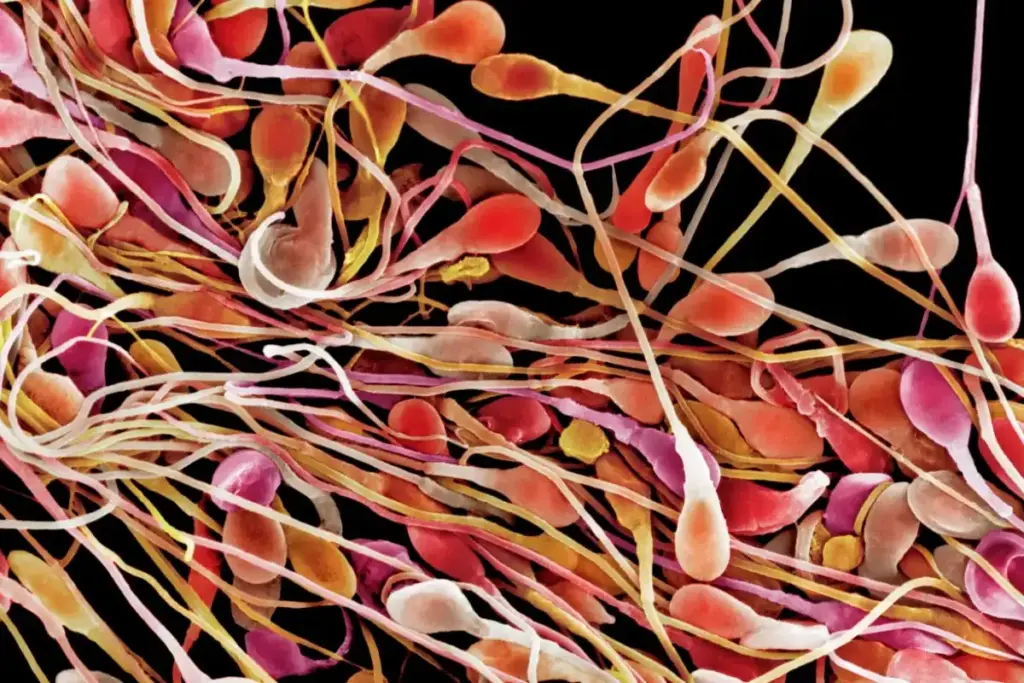
Semen is more than just sperm. It’s a fluid that helps with fertilization. To understand its role, we must look at its parts and how it’s made.
The Difference Between Sperm and Semen
Many confuse “sperm” and “semen,” but they’re different. Sperm are the male reproductive cells. Semen is the fluid that carries these cells during ejaculation. Semen provides the right environment for sperm to survive and fertilize an egg.
Key Components of Seminal Fluid
Seminal fluid, or semen, has many parts that help sperm. The main components are:
- Water
- Proteins
- Enzymes
- Fructose
- Hormones
- Other nutrients
|
Component |
Function |
|---|---|
|
Water |
Provides medium for sperm motility |
|
Proteins |
Nourish sperm and aid in fertilization |
|
Fructose |
Energy source for sperm |
How Semen Is Produced in the Male Body

Semen production involves many parts of the male body. This includes the testes, epididymis, seminal vesicles, prostate, and urethra. It starts with sperm production in the testes, then maturation in the epididymis. Seminal vesicles and the prostate add fluids that make up most of semen, providing nutrients and protection to sperm.
A study in Fertility Science and Research shows semen analysis is key for understanding male fertility (Bhoi et al., 2023). This study emphasizes the need to understand semen’s composition and production.
Nutritional Content of Semen
Semen is packed with proteins, vitamins, and minerals. It’s a complex fluid with health benefits beyond just reproduction.
Protein Content in Semen
Semen has a lot of proteins, which are vital for our bodies. These proteins help sperm work well and keep the reproductive system healthy. Key proteins include enzymes, hormones, and other compounds that support sperm viability and fertility.
Vitamins and Minerals Present
Semen also has vitamins and minerals. Vitamin C, vitamin B12, and zinc are among them. They help with antioxidants, nerve health, and the immune system. These nutrients add to semen’s nutritional value.
Caloric Value of Semen
The calories in semen are another interesting part of its nutritional profile. The exact calories can vary, but they are generally low.
How Many Calories in a Typical Ejaculation
Studies show a typical ejaculation has about 5-7 calories. This number can change based on the amount of ejaculate and health conditions. Here’s a comparison:
- A typical ejaculation: 5-7 calories
- A small apple: approximately 95 calories
This shows semen has some calories, but they’re very few.
Potential Health Benefits of Consuming Semen
Some people think that eating semen might be good for you. It’s full of nutrients and could have health benefits. Let’s look into what’s in semen and how it might help us.
Protein and Nutrient Absorption
Semen is packed with proteins, vitamins, and minerals. These are important for our health. It has zinc, vitamin C, and potassium, which help our immune system, skin, and heart.
Possible Mood-Enhancing Properties
Research says semen might make us feel better. It has endorphins and serotonin, which can boost our mood. But, we need more studies to be sure.
Benefits for Skin Health: Fact or Fiction
Some say semen can make your skin look younger. It has antioxidants and vitamins that might help. But, there’s not enough proof to say for sure.
In summary, eating semen might have some health perks. It could help with nutrient absorption and mood. But, we need more research and to be careful about safety.
Health Risks and Safety Concerns
There are several health risks and safety concerns with consuming semen. Some think it might have nutritional or health benefits. But, it’s important to know the risks.
STI Transmission Through Oral Consumption
One big risk is getting sexually transmitted infections (STIs) from semen. STIs like chlamydia, gonorrhea, and HIV can spread through oral sex. It’s key to practice safe sex, get tested regularly, and use protection to avoid this risk.
Allergic Reactions to Seminal Fluid
Some people might have allergic reactions to seminal fluid. These can be mild or severe. Symptoms include itching, redness, or swelling in the genital area or mouth. If you think you have an allergy, see a doctor for a proper diagnosis and advice.
Considerations for People with Compromised Immunity
People with weak immune systems, like those with HIV/AIDS or on immunosuppressive therapy, face extra risks. Their bodies can’t fight off infections as well. They should talk to their doctor before trying semen consumption.
In summary, exploring semen consumption comes with health risks. It’s important to practice safe sex, watch for allergic reactions, and consider your health status. These steps help reduce risks.
How to Safely Consume Semen
Thinking about trying semen? It’s key to focus on safety and getting your partner’s okay. It’s a part of being close, but knowing the risks and how to avoid them is important.
Ensuring Your Partner’s Sexual Health
Make sure your partner is healthy before you try semen. This means getting tested for STIs and talking openly about your past. Regular tests can really cut down the risk of STIs.
Important Hygiene Practices
Keeping your genital area clean is a must. Washing before sex can help prevent infections. As one expert says, “Good hygiene is a big part of staying healthy, but it’s often forgotten.” Keeping clean is key to safely enjoying semen.
Communication and Consent Guidelines
Talking openly and getting your partner’s yes is the base of safe semen enjoyment. It’s important to discuss what you both want and any worries you have.
“Consent is not just about agreeing to an act, but also about being comfortable with its implications.”
When both partners are clear and comfortable, it makes for a safe and fun experience.
By focusing on your partner’s health, staying clean, and making sure you both agree, you can lower the risks of semen consumption.
Factors That Affect Semen Taste and Quality
Many things can change how semen tastes and its quality. We’ll look at how diet, lifestyle, and staying hydrated affect it.
How Diet Influences Taste
What you eat can really change the taste of semen. Eating lots of fruits and veggies can make it taste better. But, eating too much processed meat, dairy, or certain spices can make it taste bad.
Lifestyle Factors That Impact Semen Quality
How you live can also change semen quality. Smoking, drinking too much alcohol, and being around toxins can lower semen quality. Research shows that men who smoke or are exposed to pollution often have worse semen.
Hydration and Its Effects on Consistency
Drinking enough water can change how semen feels. Drinking enough water helps semen stay healthy. Not drinking enough can make semen thicker and more concentrated. But, drinking enough water can make it feel more normal.
Knowing these things can help you make choices to improve your semen’s taste and quality.
What Healthy Semen Looks Like
It’s important to know what healthy semen looks like. This knowledge helps in making smart choices about its use. Healthy semen has a specific color, consistency, and smell. These traits show a man’s health and fertility.
Normal Color, Consistency, and Smell
Healthy semen is usually whitish or light gray. It’s thick and gel-like. Fresh semen smells slightly sweet or musky.
Its consistency is like raw egg whites. It turns liquid within 20-30 minutes after ejaculation.
Warning Signs of Unhealthy Semen
Unhealthy semen might have a strong or bad smell. It could also change color to yellow, green, or pink. Or, its consistency might be too watery or lumpy.
These signs could mean infections, inflammation, or other health problems.
When to Seek Medical Advice
If you see changes in semen that last, see a doctor. They can find the cause and treat it.
|
Characteristic |
Normal |
Abnormal |
|---|---|---|
|
Color |
Whitish or light gray |
Yellow, green, pink |
|
Consistency |
Thick, gel-like |
Very watery or lumpy |
|
Smell |
Slightly sweet or musky |
Strong or foul odor |
Cultural and Social Perspectives on Semen Consumption
In different societies, people see semen consumption in many ways. This shows a wide range of cultural and social views. These views come from old practices, religious beliefs, and today’s social norms.
Historical Practices and Beliefs
Some cultures have drunk semen for spiritual or ritual reasons. For instance, some indigenous groups thought semen could make them stronger. These practices show how complex and varied views on semen are.
Modern Attitudes and Taboos
Today, opinions on semen consumption are all over the place. Some see it as a natural part of being close, while others think it’s taboo. This change is because of media, cultural exchange, and shifting social norms.
Understanding these perspectives is key to a deeper talk about it. We need to see both the old ways and today’s views.
Alternative Uses of Semen Beyond Eating
Semen is useful in many ways, not just for eating. It has important roles in health and wellness too.
Topical Applications for Skin
Some people think semen can make skin look younger. They believe its antioxidants and nutrients can fight wrinkles and improve skin texture. But, we need more studies to confirm this.
Fertility-Related Uses
Semen is key in fertility treatments. It’s used in intrauterine insemination (IUI) and in vitro fertilization (IVF). Good semen quality is vital for these treatments.
Semen has many uses, from skin care to fertility treatments. It shows its value in health and wellness.
How to Discuss Semen Consumption with Partners
Talking about semen consumption with your partner is important. It can be tough, but it’s key for a good relationship.
Starting the Conversation
Starting to talk about semen consumption needs empathy and understanding. Begin with a kind tone and share your feelings and worries. It’s important to make a safe space where both feel heard.
“The way we communicate about sensitive topics can significantly impact our relationship’s intimacy and trust.” – A healthcare professional’s insight.
Respecting Boundaries and Preferences
It’s vital to respect each other’s limits and likes. This means listening well and understanding each other’s feelings. We should always keep respect and understanding in mind.
- Listen actively to your partner’s concerns.
- Acknowledge and respect their boundaries.
- Discuss your own feelings and preferences openly.
Addressing Common Concerns
People often worry about health risks and personal likes when it comes to semen consumption. We should talk about these worries with facts and care. For example, talking about the health benefits and risks can help ease fears.
|
Concerns |
Addressing the Concerns |
|---|---|
|
Health Risks |
Discuss STI testing and safe practices. |
|
Personal Preferences |
Openly discuss feelings and boundaries. |
By using these tips, couples can talk about semen consumption with care and understanding. This can make their relationship stronger and more open.
Common Myths About Semen Debunked
Semen has been surrounded by many myths. It’s important to know the truth. The internet has a lot of information, but we need to know what’s real.
Separating Scientific Facts from Fiction
Many claims about semen benefits are not proven. Some say eating semen can boost your immune system or make you happier. But, there’s not much research to back these claims up. We should look to trusted sources and studies to learn about semen’s real benefits and risks.
Addressing Internet Claims About Semen Benefits
The internet is full of claims about semen’s benefits. Some say it can make you look younger or improve your skin. But, we need to check the evidence. For example, a study might look into semen’s nutritional value and how it affects our bodies.
What Research Actually Shows
Research on semen is ongoing. Studies have found that semen is full of proteins, vitamins, and minerals. Here’s a summary of some key findings:
|
Component |
Concentration |
Potential Benefit |
|---|---|---|
|
Protein |
High |
Nutritional supplementation |
|
Zinc |
Moderate |
Immune system support |
|
Vitamin C |
Low |
Antioxidant properties |
By looking at the scientific evidence, we can understand the truth about semen.
Conclusion: Making Informed Decisions About Semen Consumption
As we wrap up our look at semen consumption, it’s clear that making smart choices needs a deep understanding. We’ve looked at what semen is made of, its health benefits, and the risks. This helps people decide based on their health goals and what they like.
To safely enjoy semen, keeping everyone’s sexual health in mind is key. Good hygiene and talking openly about what you’re comfortable with are also important. Knowing what affects semen quality and spotting unhealthy semen can guide your choices.
Our goal is to give you the knowledge to make smart choices about semen. By balancing medical facts and personal feelings, you can confidently handle this complex topic.
FAQ
Is sperm healthy to eat?
Eating sperm is a complex topic. It has proteins, vitamins, and minerals. But, there are health risks like STIs and allergic reactions to consider.
What is semen made of?
Semen is a mix of sperm, fluids, and nutrients like proteins and vitamins. It comes from the male reproductive system.
How much protein is in semen?
Semen has a lot of protein, but it varies by person. The exact amount can change, but it’s a big part of the fluid.
Is semen good for your skin?
Some say semen is good for the skin because of its nutrients. But, there’s not much scientific proof. More research is needed.
Can you get an STI from swallowing semen?
Yes, swallowing semen can spread STIs if the partner is infected. It’s important to practice safe sex and check your partner’s health.
How can you improve semen taste?
Eating right, staying hydrated, and living healthy can make semen taste better. Avoiding certain foods can also help.
What does healthy semen look like?
Healthy semen is usually whitish or grayish, thick, and has a distinct smell. Changes can mean health issues.
Can semen consumption have mood-enhancing effects?
Some think semen’s hormones and nutrients might boost mood. But, there’s not enough science to prove it yet.
Are there any alternative uses for semen?
Yes, semen is used in fertility treatments and for skin care because of its nutrients. But, these uses need careful consideration and medical advice.
How do you discuss semen consumption with a partner?
Talking openly is key. Discussing what you both want and any concerns helps make sure you both agree and are informed.
Is it safe to swallow semen during pregnancy?
Semen itself is usually safe, but there’s a risk of STIs. Pregnant women should talk to their doctor for advice.
Can semen consumption affect fertility?
There’s no proof that eating semen affects fertility. But, keeping reproductive health good and practicing safe sex is important for fertility.
How many calories are in semen?
Semen has very few calories, not enough to affect your diet much.
What are the nutritional benefits of semen?
Semen is rich in proteins, vitamins, and minerals. But, the amounts are small, and it’s not a big source of nutrients.
National Center for Biotechnology Information. Evidence-Based Medical Insight. Retrieved from https://pubmed.ncbi.nlm.nih.gov/37753070/