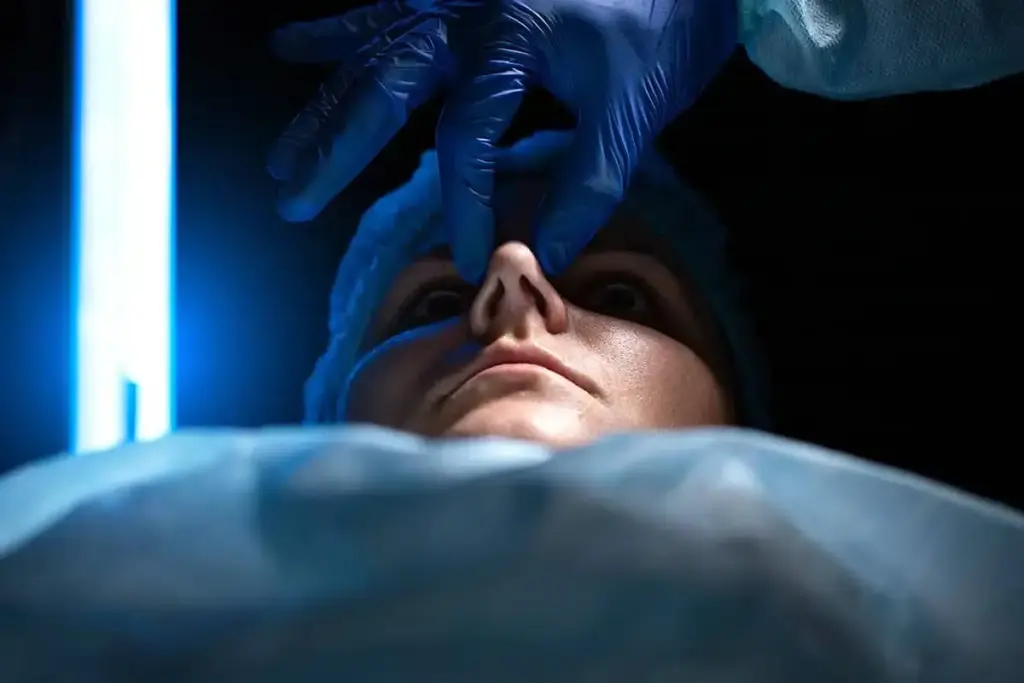
Deviated septum surgery, also known as septoplasty surgery, is a common procedure. It aims to correct a deviated septum. This surgery can improve breathing and quality of life. But, recent research shows there are risks and complications to consider before surgery. Thinking of a septoplasty? Learn how to avoid hidden risks and ensure your surgery is an amazing success with this honest professional guide.
A 2025 study of 174 patients found that the most common complication is hemorrhage (28.2%). This highlights the need to understand the risks of deviated septum surgery.
We think patients should know about these risks. This way, they can make better decisions about their treatment. In this article, we’ll talk about the complications of septoplasty surgery and why careful patient assessment is key.
Key Takeaways
- Deviated septum surgery can improve breathing and quality of life.
- Recent research highlights a range of risks and complications associated with the surgery.
- The most common intraoperative complication is hemorrhage (28.2%).
- Understanding the possible risks is vital for patients to make informed choices.
- Careful patient assessment is essential to reduce complications.
Understanding Deviated Septum and Its Impact
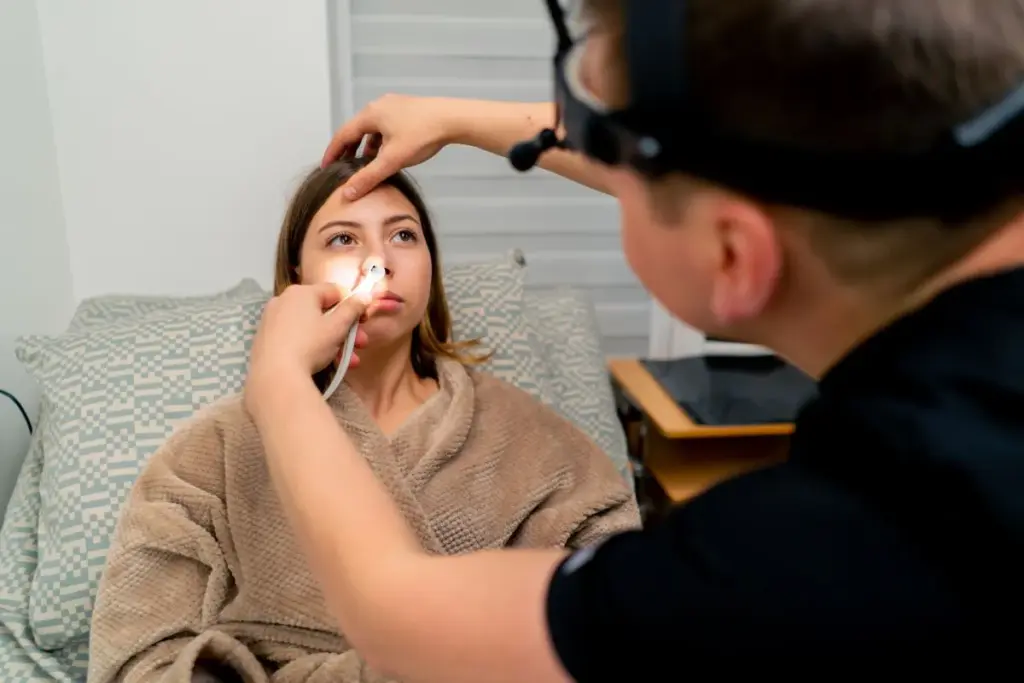
A deviated septum is more than a simple issue; it deeply affects daily life. It happens when the thin wall between the nasal passages shifts, making one side smaller. This can lead to breathing problems.
What Constitutes a Deviated Septum
Many things can cause a deviated septum, like genetics, injury, or growth issues. The severity can vary, affecting people differently.
- Common causes: Genetic factors, nasal trauma, and developmental issues.
- Symptoms: Nasal congestion, breathing trouble, and sinus infections risk.
How It Affects Breathing and Quality of Life
A deviated septum can really hurt your quality of life. It can cause breathing difficulties, sleep problems, and less energy. It also raises the chance of sinus infections and runny nose.
These symptoms can really disrupt your day. So, knowing how bad the deviation is and how it affects breathing is key to finding the right treatment.
When Surgical Intervention Becomes Necessary
When symptoms are severe and other treatments don’t work, surgery might be needed. This surgery, called septoplasty, is decided after a specialist checks you out.
- They look at how bad the symptoms are and how they affect your life.
- They use tests to see how the nasal passages and septum are doing.
- They think about other treatments before suggesting surgery.
Knowing about deviated septum, its symptoms, and treatment options helps you make better choices. This can improve your life a lot.
Septoplasty: Procedure Overview and Techniques
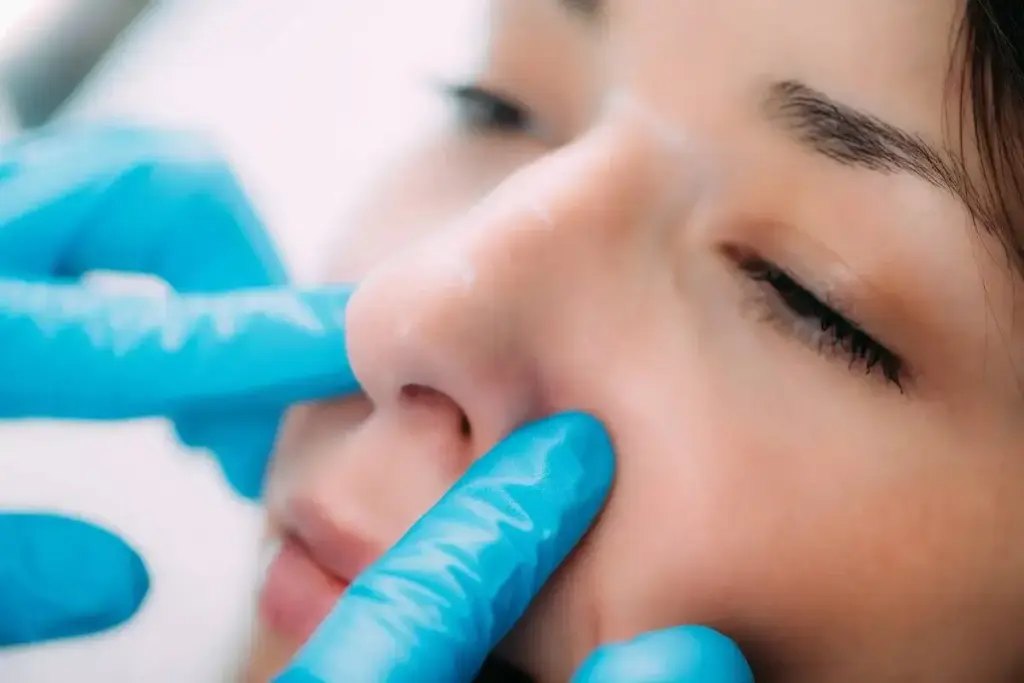
Understanding septoplasty is key for those thinking about it for a deviated septum. At Liv Hospital, we focus on careful patient checks and use gentle methods for the best results.
Definition and Surgical Approach
Septoplasty fixes a deviated nasal septum to improve breathing and reduce blockage. The surgery reconstructs or removes the deviated parts of the nasal septum. Our doctors use detailed techniques to reduce harm to nasal tissues and help you heal faster.
Different Techniques Used in Modern Practice
Modern septoplasty uses various methods based on each patient’s needs and the extent of the deviation. Advanced techniques include endoscopic septoplasty, which is more precise and less invasive. Other methods might use lasers or radiofrequency to lessen bleeding and aid healing.
Typical Surgical Timeline and Hospital Stay
Septoplasty surgery lasts from 60 to 90 minutes, based on the case’s complexity. Most patients go home the same day, as it’s usually an outpatient procedure. But, the recovery can take weeks. During this time, following postoperative instructions is key to healing well and avoiding problems.
At Liv Hospital, we’re dedicated to top-notch healthcare for international patients getting septoplasty. We aim to make your experience smooth from the first visit to aftercare, ensuring you get the best results.
Common Complications According to Clinical Research
A 2025 study on septoplasty shed light on common complications. It analyzed data from 174 patients. This study gives a detailed look at the risks of the procedure.
2025 Clinical Outcomes Study of 174 Patients
The 2025 study was key in understanding septoplasty complications. It documented post-operative issues, showing how often they happen and their effect on recovery.
Key findings from the study include:
- Hemorrhage occurred in 28.2% of patients.
- Septal hematoma was observed in 10.3% of cases.
- Infection was reported in 9.8% of patients.
Statistical Breakdown of Complication Rates
The study found that hemorrhage was the most common issue, affecting almost a third of patients. Septal hematoma and infection, though less common, posed significant challenges in care after surgery.
Comparison with Historical Data
Comparing the 2025 study with past data shows a rise in complications. This could be due to new surgical methods, changes in patient types, or updated care plans.
Knowing these trends helps improve patient care and surgical techniques.
Intraoperative Risks During Septoplasty
It’s important for surgeons and patients to know about the risks of septoplasty. This surgery is usually safe but can have risks during the procedure. These risks can affect how well the surgery goes.
Hemorrhage Risk
Hemorrhage is a big risk during septoplasty, happening in about 28.2% of cases. It can make the surgery harder by making it hard to see what’s going on. It’s key to manage bleeding well to avoid more problems.
Troop O’Neal had a bad case of bleeding after his surgery. This shows how important it is to be ready for bleeding during septoplasty.
Anesthesia-Related Complications
Problems with anesthesia are also a risk during septoplasty. These can be mild or serious. Keeping a close eye on the patient and managing anesthesia right helps lower these risks.
- Respiratory issues
- Cardiovascular complications
- Adverse reactions to anesthesia
Impact of Surgical Technique on Risk Factors
The surgical method used can change the risk of problems during septoplasty. Newer techniques try to cause less damage and lower the chance of bleeding and other issues.
Doctors might use different methods, like:
- Endoscopic septoplasty
- Laser-assisted septoplasty
- Traditional septoplasty with changes to lower risk
Each method has its own benefits and risks. This shows why customizing the surgery plan is important to reduce risks.
Early Postoperative Complications
The time after septoplasty is key, as early problems can happen. We watch our patients closely to fix any issues fast.
Septal Hematoma
Septal hematoma is a big early problem, seen in about 10.3% of cases. It’s when blood gathers in the nasal septum’s space. This can cause serious issues like infection or damage to the septal cartilage if not treated right away.
A study on says we must act fast to drain the blood and stop worse problems.
Infection Risks
Infection is another early problem, affecting 9.8% of patients. It can be from simple skin infections to serious ones inside the nose. We use antibiotics to lower this risk.
It’s key for patients to follow their post-op care well to avoid infection. We teach them to watch for signs like more redness, swelling, or fever. If they see these, they should get medical help.
Pain Management Challenges
Managing pain after septoplasty is very important. Some patients might feel a lot of pain or discomfort. We use different methods to help with pain, like medicines and other support, to make sure patients are comfortable while they heal.
Good pain management makes patients happier and helps them recover better. We work with our patients to find the best pain relief for them.
Long-Term Complications and Structural Concerns
Septoplasty is usually effective but can lead to long-term issues. These problems can greatly affect a patient’s life quality. It’s important to know about them and how often they happen.
Septal Perforation
Septal perforation is a big problem for about 6.9% of patients. It’s when a hole forms in the thin wall between the nasal passages. Symptoms include nasal crusting, bleeding, and breathing sounds like a whistle. The risk of this happening shows how important it is to do the surgery right and take good care after.
Persistent Nasal Obstruction
About 15% of patients face persistent nasal obstruction after septoplasty. This can be due to leftover deviations, scar tissue, or enlarged turbinate bones. Getting the right diagnosis and surgery plan is key to avoid this. If you’re having trouble breathing, you might need more tests or surgery.
Changes in Nasal Appearance and Function
Septoplasty can also change how your nose looks and works. This might include a different shape, a saddle nose, or issues with the nasal tip. Getting a good check-up before surgery and planning carefully can help avoid these issues. Below is a table showing common complications and how often they happen.
|
Complication |
Occurrence Rate |
|---|---|
|
Septal Perforation |
6.9% |
|
Persistent Nasal Obstruction |
15% |
|
Changes in Nasal Appearance |
Variable |
Knowing about these possible long-term problems is key for anyone thinking about septoplasty. It helps them make better choices and understand what to expect.
Sensory Function Changes After Deviated Septum Surgery
Septoplasty can affect how we smell and taste. This is important for patients to know. The surgery can change how we sense our environment.
Alterations in Smell Perception
Smell changes are common after septoplasty. Some people might smell better, while others might smell worse. This depends on how the surgery affects the nasal structures and healing.
A study in the Rhinology Journal showed that people with a deviated septum might smell better after surgery. But, how much better varies from person to person.
Taste Disturbances
Taste can also be affected by the surgery. Taste and smell are closely related. So, changes in smell can also impact taste.
“The close relationship between the sense of smell and taste means that any disruption in olfactory function can also impact how we perceive tastes.”
—ENT Specialist
Nasal Sensitivity Issues
Nasal sensitivity can change too. Some people might feel more sensitive after surgery. This can cause discomfort or pain from different things, like temperature or smells.
|
Sensory Change |
Possible Causes |
Typical Outcomes |
|---|---|---|
|
Alterations in Smell Perception |
Surgical manipulation, healing process |
Improvement or decline in sense of smell |
|
Taste Disturbances |
Proximity to taste buds, changes in smell |
Temporary or permanent changes in taste |
|
Nasal Sensitivity Issues |
Altered anatomy, body’s response to surgery |
Increased sensitivity, discomfort, or pain |
Individuals considering septoplasty should be aware of these potential changes. Being informed helps prepare for what might happen. It also lets you talk to your doctor about any worries you have.
Recovery Challenges and Timeline
It’s important for patients to know about the recovery timeline and challenges after septoplasty. The process has different stages, each with its own challenges and needs.
Typical Recovery Progression
The recovery after septoplasty can be divided into several phases. At first, swelling and congestion are common, but they lessen over the first few weeks.
By the end of the first week, most people can go back to their usual activities. But, they should avoid hard exercises and heavy lifting for a bit longer.
Activity Restrictions and Limitations
Following activity restrictions is key during recovery. Patients should not do heavy lifting, bending, or strenuous exercises for 2-3 weeks after surgery.
- Avoid heavy lifting and bending
- Refrain from strenuous exercises
- Limit activities that increase nasal pressure
Managing Discomfort and Breathing Difficulties
It’s important to manage discomfort and breathing issues during recovery. Doctors often give pain medication to help with post-operative pain.
|
Symptom |
Management Strategy |
|---|---|
|
Nasal Congestion |
Use nasal saline irrigations and decongestants |
|
Pain |
Take prescribed pain medication |
|
Breathing Difficulties |
Elevate the head while sleeping and use nasal strips |
Knowing about recovery challenges and timeline helps patients prepare for the post-operative period. This way, they can have a smoother recovery.
Revision Surgery: Causes and Considerations
When the first septoplasty doesn’t fix nasal obstruction, a second surgery might be needed. This can be worrying, but it’s key to know why and what to expect from the second surgery.
Unresolved Nasal Obstruction Scenarios
Nasal blockage can stay or come back after septoplasty. This might be because of leftover deviations, scar tissue, or other issues not fixed in the first surgery. Revision surgery aims to fix these problems, helping you breathe better and live better.
At times, the first surgery might not have fully fixed the nasal septum’s problem. Or, new blockages might have appeared over time. Getting a precise diagnosis and a custom surgical plan is key to finding out why and how to fix it.
Factors Contributing to Surgical Failure
Septoplasty can fail for many reasons. These include how complex the initial problem was, if you had other health issues like chronic sinusitis or allergies, and the surgery method used. Knowing these reasons helps plan a better second surgery, making it more likely to succeed.
- Inadequate preoperative evaluation
- Insufficient surgical correction
- Postoperative complications
By tackling these issues in the second surgery, we can greatly improve results for those with ongoing nasal blockage after the first septoplasty.
Success Rates of Secondary Procedures
The success of a second septoplasty is measured by better breathing, fewer symptoms, and patient happiness. Research shows that with the right planning and execution, these improvements are possible. But, success rates can differ based on why the first surgery failed.
We stress the need for a detailed check-up and a custom surgery plan to boost success in the second septoplasty. By understanding and fixing the reasons for the first failure, we can greatly enhance patients’ lives during the second surgery.
How Surgical Technique Influences Septoplasty Outcomes
Different surgical techniques can lead to varying outcomes in septoplasty patients. At Liv Hospital, we emphasize the importance of selecting the most appropriate surgical approach to ensure optimal results.
Extensive Septal Resection and Higher Complication Rates
Extensive septal resection has been associated with higher complication rates in septoplasty patients. This approach can lead to increased risk of septal perforation and persistent nasal obstruction. Studies have shown that more conservative resection techniques can significantly reduce these risks.
“The key to successful septoplasty lies in balancing the need for effective correction with the risk of complications,” saysa renowned ENT specialist.
Minimally Invasive Approaches
Minimally invasive approaches have gained popularity in recent years. They are known for reducing recovery time and minimizing complications. Techniques such as endoscopic septoplasty allow for more precise corrections with less tissue disruption.
- Reduced risk of complications
- Faster recovery times
- Less postoperative discomfort
Surgeon Experience as a Factor in Outcomes
The experience of the surgeon is a critical factor in determining septoplasty outcomes. More experienced surgeons tend to have better outcomes due to their refined technique and ability to manage complications effectively.
At Liv Hospital, our surgeons undergo rigorous training and have extensive experience in performing septoplasty procedures. This ensures that our patients receive the best possible care.
Financial Considerations and Insurance Coverage
Understanding the costs of septoplasty is key for those thinking about it. The price can change a lot. This depends on how complex the surgery is, the surgeon’s skill, and where you live.
Average Costs in the United States
In the U.S., septoplasty costs between $3,000 and $8,000. This price includes the surgeon’s fee, anesthesia, and where the surgery is done. But, costs for tests before surgery, care after, and any extra surgeries can add up.
Here’s a breakdown of the typical costs associated with septoplasty:
|
Service |
Average Cost |
|---|---|
|
Surgeon’s Fee |
$1,500 – $3,500 |
|
Anesthesia |
$500 – $1,000 |
|
Facility Charges |
$1,000 – $3,000 |
|
Preoperative Tests |
$200 – $500 |
|
Postoperative Care |
$100 – $300 |
Insurance Coverage Limitations
Insurance for septoplasty varies a lot. Some plans cover a lot, while others might not cover it at all. This is often if they see it as cosmetic, not medically needed.
Key factors influencing insurance coverage include:
- The medical necessity of the procedure
- The presence of symptoms such as nasal obstruction or difficulty breathing
- Documentation from a healthcare provider supporting the need for surgery
Hidden Costs Patients Should Anticipate
There are costs beyond the surgery itself. These include:
- Prescription medications for pain and to prevent infection
- Follow-up appointments and possible extra surgeries
- Time off work for recovery, which can affect your income
Talking to your doctor and insurance about these costs is important. It helps you understand what you’ll need to pay for septoplasty.
Minimizing Risks: The Liv Hospital Approach
At Liv Hospital, we focus on reducing risks in septoplasty. We use a three-part strategy: detailed patient assessment, minimally invasive surgery, and constant quality checks.
Patient Assessment Protocols
We start with a deep patient assessment. We look at each patient’s health history, nose structure, and any risks. This helps us customize care for each patient, lowering the chance of problems.
Minimally Invasive Surgical Strategies
Our surgeons use minimally invasive methods to cut down on tissue damage and quicken recovery. This method lowers the risk of issues and makes the patient’s experience better. With the latest tools and techniques, we aim for the best results safely.
Multidisciplinary Quality Improvement Initiatives
At Liv Hospital, we’re always working to get better through multidisciplinary quality efforts. Our team checks results, shares knowledge, and adopts new best practices. This teamwork keeps us leading in septoplasty care and risk management.
Our approach combines these steps to minimize septoplasty risks. We’re dedicated to top-notch patient care, showing in our detailed work and ongoing improvement.
Conclusion: Making an Informed Decision About Septoplasty
Septoplasty is a big surgery for fixing a deviated septum. It can make breathing better and improve life quality. But, it’s important to know the possible problems that can happen.
People thinking about this surgery need to think carefully. They should look at the good and bad sides of septoplasty. Knowing about the surgery, its risks, and how to recover is key to knowing what to expect.
Being well-informed helps people make better choices. It’s a good idea to talk to a doctor about your situation. This way, you can make sure you’re choosing what’s best for you.
FAQ
What is a deviated septum and how does it affect breathing?
A deviated septum manifests when the thin wall separating the nasal passages shifts position. This makes one passage smaller than the other. It can cause breathing problems, stuffiness, and other respiratory issues.
What is septoplasty surgery?
Septoplasty is a surgery to fix a deviated septum. It involves adjusting or removing parts of the septum. This improves breathing and nasal function.
What are the risks associated with septoplasty surgery?
Septoplasty can have risks like bleeding, infection, and nasal blockage. It may also change how your nose looks or works.
How long does it take to recover from septoplasty surgery?
Recovery from septoplasty usually takes 1-2 weeks. You might feel stuffy, swollen, and uncomfortable. It can take several weeks or months to fully recover.
Will septoplasty make my nostrils even?
Septoplasty mainly aims to fix a deviated septum and improve breathing. It might affect nostril appearance, but that’s not its main goal.
What is the cost of septoplasty surgery in the United States?
Septoplasty costs vary based on location, surgeon fees, and insurance. On average, it can cost from thousands to tens of thousands of dollars.
Does insurance cover septoplasty surgery?
Insurance coverage for septoplasty depends on your plan and situation. Some plans may cover it if it’s medically necessary.
What are the benefits of minimally invasive septoplasty techniques?
Minimally invasive septoplasty causes less damage, less bleeding, and faster healing. This is compared to traditional open septoplasty.
Can septoplasty be performed in conjunction with other nasal surgeries?
Yes, septoplasty can be done with other nasal surgeries. This includes turbinate reduction or rhinoplasty, based on your needs and the surgeon’s advice.
How can I minimize the risks associated with septoplasty?
To reduce risks, choose an experienced surgeon. Follow all instructions before and after surgery. Also, go to all scheduled follow-up appointments.
References
National Center for Biotechnology Information. Evidence-Based Medical Insight. Retrieved from https://pubmed.ncbi.nlm.nih.gov/41442314/