Choosing to have deviated septum surgery is a big step for those with breathing problems. At Liv Hospital, we get how worried you are about the recovery process. The hardest part usually comes in the first 48 hours, when most people feel the most pain.
Conquer the hardest day of septoplasty recovery with our expert tips. Learn how to manage pain and ex pect a brilliant, fast healing process. recovery timeline. You’ll likely see big improvements in six months. Our team at Liv Hospital is here to support you every step of the way, making sure you’re well-informed and cared for.
Key Takeaways
- The first 48 hours post-septoplasty are usually the most challenging.
- Significant improvement is seen within six months.
- Liv Hospital offers extensive support during recovery.
- Knowing the recovery timeline helps manage your expectations.
- Our team is committed to providing personalized care.
Understanding Septoplasty: A Brief Overview
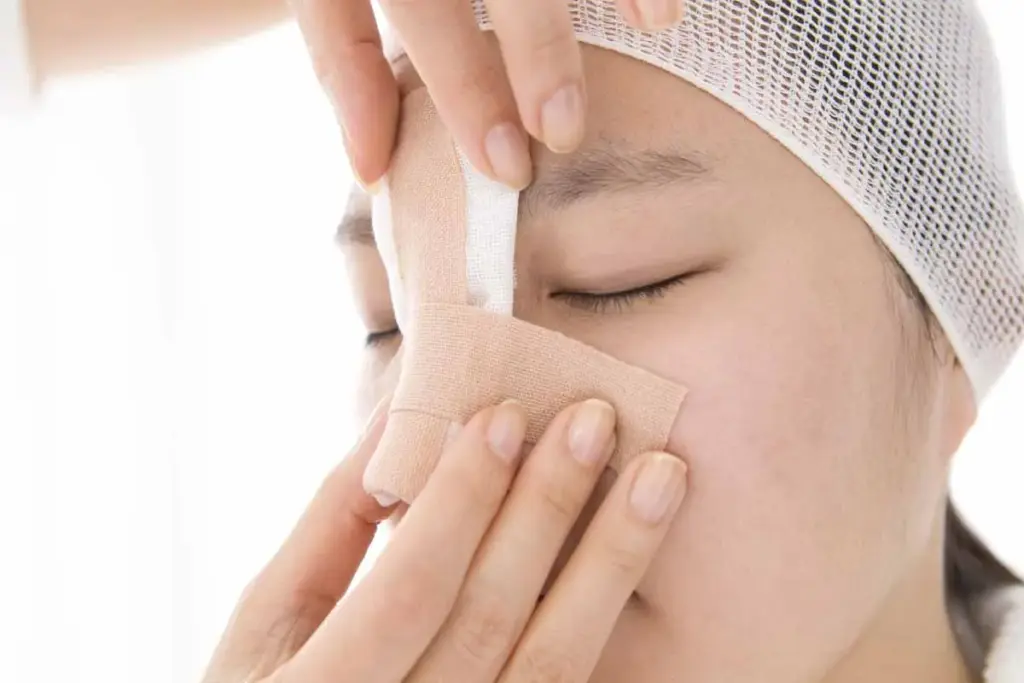
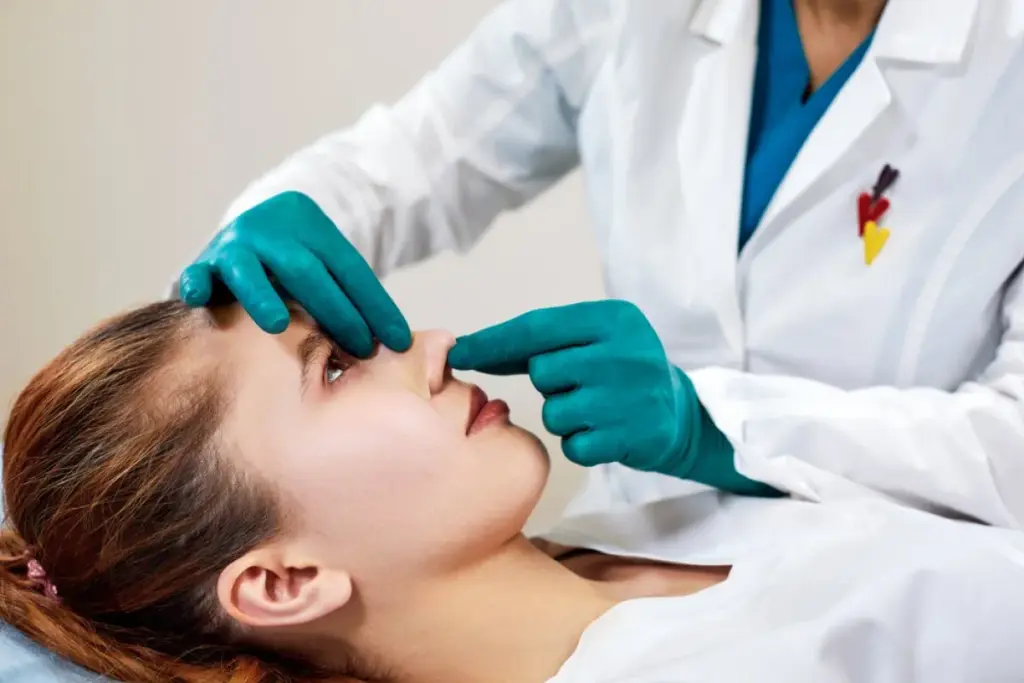
Septoplasty surgery helps people with a deviated septum breathe better. It fixes the nasal septum, which is the cartilage and bone between the nasal passages.
What Is Septoplasty Surgery?
Septoplasty fixes a deviated septum, which makes breathing hard. It’s when the nasal septum is off-center. This can block air and cause congestion. The surgeon moves or removes parts of the septum to fix it.
Common Reasons for Undergoing Septoplasty
People get septoplasty for many reasons. Some common ones are:
- Chronic nasal congestion or trouble breathing.
- Recurring sinus infections.
- Nasal discharge or postnasal drip.
- Loss of smell or reduced ability to smell.
|
Reason for Septoplasty |
Associated Symptoms |
|---|---|
|
Chronic nasal congestion |
Difficulty breathing, nasal discharge |
|
Recurring sinus infections |
Facial pain, nasal discharge, fever |
|
Nasal septum deviation |
Breathing difficulties, nasal congestion |
What to Expect During the Procedure
During septoplasty, you’ll be under general or local anesthesia. The surgeon makes an incision, fixes the septum, and closes it. The whole thing takes 30 to 90 minutes.
The Complete Septoplasty Recovery Timeline
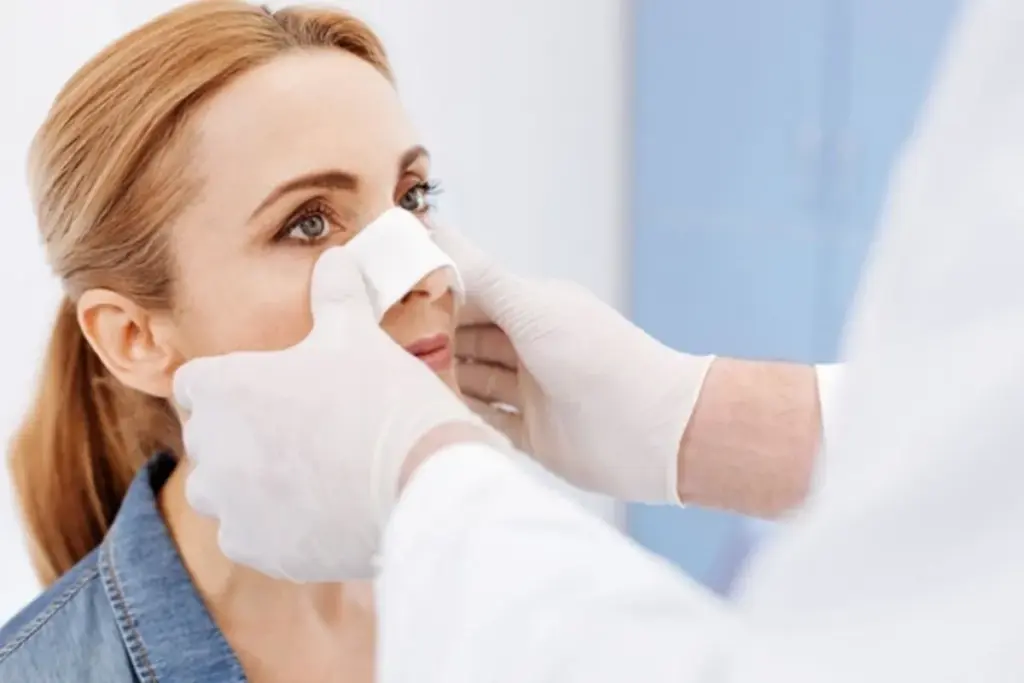
Knowing the septoplasty recovery timeline helps patients understand what to expect. The recovery process has different stages that patients must go through.
Immediate Post-Op Period (Hours 0-24)
The first 24 hours after surgery are key. Patients often feel nasal congestion, swelling, and pain. Rest is essential to start healing. Keeping your head up and using cold compresses can help.
Days 2-7 After Surgery
The first week can be tough. Nasal congestion and swelling may be at their worst. Following post-operative instructions is critical to avoid problems. Saline nasal sprays help keep the nose moist and aid healing.
Weeks 1-4 of Recovery
In the first month, most see big improvements. Nasal breathing gets better, and pain lessens. But, some might feel mild swelling or stiffness. While you can gradually resume normal activities, it’s important to listen to your body and avoid overexertion.
Long-Term Healing (1-6 Months)
Healing can take up to six months. Nasal passages keep getting better, and swelling goes away. Going to follow-up appointments is important to check on healing. The full effects of the surgery will show during this time.
Understanding the septoplasty recovery timeline is key. It helps set realistic goals and ensures a smooth healing process. Knowing what to expect at each stage helps patients on their path to better nasal health.
The First 24 Hours: Beginning the Recovery Journey
The first 24 hours after septoplasty are key for a smooth recovery. Your body starts healing, and how you care for yourself matters a lot.
Hospital Discharge and Initial Care
After septoplasty surgery, you’ll go home when you’re stable. It’s good to have someone with you because of anesthesia. Make sure you have everything you need close to avoid moving too much.
Initial care tips:
- Rest with your head up to lessen swelling.
- Use ice packs on your nose and face to reduce pain and swelling.
- Follow your surgeon’s advice for nasal care and medication.
Managing Pain and Discomfort
Managing pain is very important in the first 24 hours after septoplasty. Your surgeon will give you pain medicine. It’s important to take it as directed to keep pain under control.
Additional pain relief strategies:
- Use a humidifier to add moisture, which helps with congestion.
- Drink lots of water or clear broths to stay hydrated.
- Avoid activities that make your heart rate and blood pressure go up.
Sleep Challenges During the First Night
Sleeping can be tough after septoplasty because of congestion and discomfort. To sleep better, try:
- Sleep on your back with extra pillows to elevate your head.
- Avoid blowing your nose or straining to prevent bleeding.
- Use saline nasal sprays as your surgeon advises to keep your nasal passages moist.
By managing your recovery well in the first 24 hours, you can reduce discomfort and start healing successfully.
Days 1-2: The Worst Days of Septoplasty Recovery
The first 48 hours after septoplasty surgery are often the toughest. Patients usually face many symptoms that make them feel uncomfortable and affect their well-being.
Why the First 48 Hours Are Typically the Worst
The body reacts strongly to the surgery in the first 48 hours. Swelling, congestion, and pain are common as the nasal passages adjust. Effective pain management is key to keeping patients comfortable.
A study on found that up to 70% of patients need painkillers in the first two days. This shows how severe symptoms can be during this time. Doctors say the first 48 hours are critical for patient comfort and recovery.
Statistical Evidence of Peak Symptoms
Studies confirm that the first 48 hours are the hardest. Symptoms like nasal pain, congestion, and swelling are at their worst then. Many patients struggle to sleep and manage pain, showing the need for strong support.
Patient Experiences During This Period
Patient experiences in the first 48 hours are similar. Nasal congestion and pain are the biggest challenges. Patients often feel like they have a bad cold, with extra pain from the surgery. But, symptoms start to get better after 48 hours, giving hope for recovery.
Knowing what to expect in the first 48 hours helps patients prepare for recovery. With the right support and pain management, they can get through this tough time and recover well.
Common Symptoms During the Worst Days
The first few days after septoplasty surgery are often the most uncomfortable. Patients usually feel nasal pain, congestion, swelling, and headaches. These symptoms are common during this time.
Nasal Pain and Pressure
Nasal pain and pressure are common symptoms after septoplasty. This discomfort comes from the surgery and the body’s response. Effective pain management is key, and doctors often prescribe medication to help.
Congestion and Breathing Difficulties
Congestion makes breathing through the nose hard. This is because of swelling in the nasal passages. Using nasal saline sprays or drops can help moisturize and reduce congestion.
Swelling and Facial Discomfort
Swelling around the nose, eyes, and face is normal after surgery. This swelling can cause facial discomfort and affect how you look. Applying cold compresses can help reduce swelling and ease discomfort.
Headaches and Their Management
Headaches are common during the initial recovery period. They can be caused by nasal congestion, pain, and swelling. Over-the-counter pain relievers or prescribed medications can help manage headaches. It’s important to follow the surgeon’s instructions on medication use.
Understanding these symptoms and how to manage them can improve recovery. By following post-operative care instructions and using recommended strategies, patients can reduce discomfort. This makes the recovery process smoother.
Managing Bloody Discharge After Septoplasty
Bloody discharge after septoplasty surgery is normal but needs careful handling for a smooth recovery. It’s a common symptom that can worry patients. But knowing how to manage it can ease their concerns.
Expected Bleeding Patterns
After septoplasty, some bleeding is normal. The nasal passages are sensitive, and the body naturally bleeds after surgery. The bleeding is usually most in the first few days.
- The amount of bleeding can vary a lot from one patient to another.
- Bleeding is often more when bending over, straining, or at night.
- Using saline nasal sprays as directed can help manage the discharge.
When Bleeding Becomes Problematic
While some bleeding is okay, it can become a problem in some cases. Signs of excessive bleeding include:
- Soaking more than one pad per hour for several hours.
- Passing large clots.
- Bleeding that doesn’t slow down with rest and elevation of the head.
If you see these signs, contact your healthcare provider right away.
Proper Nasal Care to Minimize Bleeding
Proper nasal care is key to reducing bleeding after septoplasty. Here are some tips:
- Use saline nasal sprays as prescribed to keep the nasal passages moist.
- Avoid blowing your nose or straining.
- Elevate your head when lying down to reduce swelling.
- Gently apply a humidifier to maintain a moist environment.
By following these tips, patients can manage bloody discharge better and support their recovery.
Pain Management Strategies for the Difficult Days
The first few days after septoplasty can be tough. But, with the right pain management, you can get through it more comfortably. It’s key to rest and heal well.
Prescribed Medications and Their Effectiveness
Doctors often give pain meds after septoplasty. These meds work well when you follow the directions. We’ll help find the best medicine for you.
It’s important to take the meds as told to get the most benefit. You might get opioids or non-opioid pain relievers. These can help a lot with pain.
|
Medication Type |
Common Examples |
Effectiveness |
|---|---|---|
|
Opioids |
Oxycodone, Hydrocodone |
Highly effective for severe pain |
|
Non-opioid Analgesics |
Acetaminophen, Ibuprofen |
Effective for mild to moderate pain |
Non-Pharmaceutical Pain Relief Methods
There are ways to ease pain without meds. Using a humidifier keeps your nose moist. This can make you feel better. Cold compresses on your face can also help with swelling and pain.
Try sleeping with your head up to help with breathing. You can use extra pillows or a wedge pillow for this.
Creating a Comfortable Recovery Environment
Having a comfy place to recover is important. Make a quiet, restful area where you can relax. Having everything you need close by can help you stay in bed and avoid pain.
Having someone to help you, like a family member or friend, is also helpful. They can assist with daily tasks and offer emotional support.
The Turning Point: When Symptoms Begin to Improve
Septoplasty recovery is a slow journey. Knowing when symptoms start to get better can give hope. It’s important to watch for signs that show you’re getting better.
Typical Timeline for Symptom Relief
Symptoms usually start to get better after two days. Everyone recovers at their own pace. But most people feel a big change in the first week.
By the end of the second week, many can go back to their usual activities, but with care.
The recovery timeline has several key stages:
- Days 2-7: Nasal pain and pressure start to lessen
- Days 7-14: Breathing gets easier
- Weeks 2-4: Swelling and facial pain keep going down
Signs That You’re Moving Past the Worst Days
As you get better, you’ll notice a few key signs:
- Nasal pain and pressure get less severe
- You can breathe through your nose better
- Facial swelling and pain start to go away
These signs are encouraging milestones on your recovery path.
Gradual Improvements to Expect
After the first improvements, you’ll see more changes over time. By six months, you’ll likely see big changes in how you breathe and look.
Knowing the recovery timeline and looking for signs of getting better helps stay positive. Patience and following doctor’s orders are key to the best results.
Septoplasty Recovery: Week One Milestones
The first week after septoplasty surgery is key for a good recovery. Patients see big steps forward during this time. These steps show how well they’re healing.
Follow-up Appointments and Nasal Packing Removal
The first week ends with a visit to the surgeon. This check-up is important for seeing how healing is going. The surgeon also removes any packing in the nose. This can make breathing easier and feel less uncomfortable.
At the visit, the surgeon looks at the nasal passages. They make sure everything is healing right. It’s also a chance for patients to talk about any worries or questions they have.
Returning to Basic Daily Activities
By the end of the first week, patients start doing simple things again. But, they should not push too hard. The body is healing, and it needs time.
It’s best to avoid hard work, lifting heavy things, and bending. Slowly getting back to normal activities is okay, but only with a doctor’s advice.
Dietary and Hydration Considerations
Eating well is important during recovery. Patients should eat lots of fruits, veggies, lean meats, and whole grains. This helps the body heal. Drinking lots of water is also key, with eight glasses a day recommended.
It’s wise to stay away from spicy or hot foods. They can make the nose feel worse. Also, drinking less caffeine and alcohol helps avoid dehydration.
|
Activity |
Status by End of Week 1 |
Recommendations |
|---|---|---|
|
Follow-up Appointments |
Typically scheduled within the first week |
Attend as scheduled for nasal packing removal and healing assessment |
|
Returning to Daily Activities |
Gradual return to basic tasks |
Increase activities gradually; avoid strenuous tasks |
|
Diet and Hydration |
Focus on nutrient-rich foods and hydration |
Consume balanced meals; drink at least 8 glasses of water daily |
Potential Complications That May Extend the Difficult Period
Knowing about septoplasty complications is key for a smooth recovery. The procedure is usually safe, but knowing possible issues helps spot problems early.
Infection Signs and Prevention
Infection is a possible issue after septoplasty. Look out for redness, swelling, pain, fever, and unusual discharge. “Infections can be serious and need quick treatment,” saysan ENT specialist. “It’s important for patients to watch their symptoms and tell their surgeon if they’re worried.”
To avoid infection, patients often take antibiotics. It’s important to finish the whole course. Keeping clean and following care instructions also helps prevent infection.
Septal Hematoma and Other Structural Concerns
A septal hematoma is a blood collection in the nasal septum. It can cause severe pain, swelling, and breathing trouble. If not treated, it can lead to serious problems like infection and nasal septal perforation.
Other issues might include nasal septal perforation or significant septum deviation. These are rare but can greatly affect surgery results and quality of life.
When to Contact Your Surgeon Immediately
It’s important to know when to call your surgeon right away. Severe bleeding, breathing trouble, infection signs, or pain that won’t go away with meds are reasons to act fast.
Act quickly if you think you have a septal hematoma or severe infection. Early treatment can prevent lasting damage and ensure the best results from your septoplasty.
“Quick action and treatment are essential for a successful recovery after septoplasty. Patients should be alert and not hesitate to contact their healthcare provider if they have concerns.”
Being informed and watchful helps patients confidently get through the recovery. They can quickly address any complications that arise.
Preparing for Recovery: What to Have Ready
Getting ready for septoplasty recovery is key. You need the right supplies and a good recovery space. This helps you feel better and heal faster.
Essential Supplies for Post-Surgery Care
Having the right stuff can really help your recovery. Make sure you have:
- Prescription medications and any necessary documentation
- Saline nasal sprays or drops to help moisturize your nasal passages
- Humidifier to add moisture to the air and reduce congestion
- Comfortable, loose clothing that won’t irritate your nose or face
- Ice packs (if recommended by your surgeon) to help reduce swelling
- Plenty of fluids and soft, easy-to-eat foods
Setting Up Your Recovery Space
Creating a cozy recovery area is important. Here are some tips:
- Make a quiet, comfy spot to rest without distractions
- Keep important supplies close to avoid getting up and down
- Use pillows to elevate your head and reduce congestion
- Make sure your recovery area is at a comfortable temperature
Arranging Help and Support
Having support during recovery is a big plus. We suggest:
- Getting someone to drive you home and stay with you for at least the first night
- Having a friend or family member help with errands and household tasks
- Looking into meal delivery or prep services to cut down on cooking
By preparing your recovery space, getting the right supplies, and arranging for help, you can make your septoplasty recovery better. Being ready lets you focus on healing and getting back to normal faster.
Comparing Septoplasty With Combined Procedures
Many people choose to have septoplasty with other nasal surgeries. They wonder if this will change their recovery time. It’s important to know how adding surgeries affects the healing process.
Septoplasty is often done with other surgeries like septorhinoplasty or turbinate reduction. Knowing the recovery times for these procedures is key. It helps patients understand what to expect.
Septoplasty vs. Septorhinoplasty Recovery
Septoplasty fixes a deviated septum to help breathing. Septorhinoplasty, on the other hand, is for cosmetic reasons. When done together, the recovery is longer because of more surgery.
Those having both surgeries might need 1-2 weeks more to recover than those having septoplasty alone. This is because there’s more swelling and bruising from the extra surgery.
Recovery After Septoplasty and Turbinate Reduction
Turbinate reduction helps improve breathing when done with septoplasty. The recovery might be a bit harder because of the extra surgery. But, the time it takes to heal is mostly the same as septoplasty alone.
There might be more pain from the turbinate reduction, but it usually goes away in a week. Following the doctor’s instructions and going to follow-up visits is important for a smooth recovery.
How Additional Procedures Affect Recovery Difficulty
Adding more surgeries to septoplasty can make recovery harder. More complex surgeries mean longer healing times and more discomfort. But, how much it affects you depends on the surgeries and your body.
Talking to your surgeon about your concerns is vital. They can help you understand what to expect during recovery. This way, you can prepare and make plans for your care.
Physical Appearance Changes During Recovery
After septoplasty, patients often see changes in how they look. These changes can worry some, but knowing what to expect helps. We’ll talk about the usual changes, like swelling, nostril shape, and when you’ll see the final look.
Nasal and Facial Swelling Progression
Swelling in the nose and face is common after septoplasty. How much swelling varies from person to person.
Swelling usually gets worse in the first 48 to 72 hours. Then, it starts to go down over weeks. To help with swelling, try cold compresses and keep your head up.
Changes in Nostril Appearance and Symmetry
Nostrils can look different in shape and size during recovery. Swelling can make them look uneven.
As swelling goes down, nostrils usually look more natural again. Sometimes, it takes months to see the full effect.
Timeline for Final Aesthetic Results
When you’ll see the final look after septoplasty varies. Some see big changes in weeks, others in months.
|
Timeline |
Aesthetic Changes |
|---|---|
|
1-3 months |
Noticeable reduction in swelling, initial improvements in nasal appearance |
|
3-6 months |
Continued refinement of nasal shape, improvement in nostril symmetry |
|
6-12 months |
Final aesthetic results become apparent, with optimal nasal appearance and function |
Returning to Normal Life: Activity Restrictions
Septoplasty recovery is more than just healing. It’s also about knowing when to safely return to your normal life and activities. Understanding the activity restrictions and guidelines is key for a smooth and effective return to your daily routine.
Work and School Considerations
The timeline for returning to work or school after septoplasty varies. Most patients can go back to work in 7-10 days. But, if your job is physically demanding, you might need more time off.
|
Job Type |
Recommended Time Off |
|---|---|
|
Desk job |
7-10 days |
|
Manual labor |
2-4 weeks |
|
Contact sports |
4-6 weeks |
Exercise and Physical Activity Guidelines
Exercise is important for health, but after septoplasty, you need to follow specific guidelines. Avoid strenuous exercises, like bending, heavy lifting, or contact sports, for at least 3-4 weeks.
- Avoid heavy lifting and bending for 3-4 weeks.
- Refrain from contact sports for 4-6 weeks.
- Gradually resume your exercise routine, starting with low-intensity activities.
Travel Restrictions After Septoplasty
Traveling after septoplasty requires caution. We advise patients to avoid flying for at least 1-2 weeks due to the risk of nasal congestion and complications. If travel is necessary, follow these guidelines:
- Check with your surgeon before making travel plans.
- Avoid traveling to areas with high altitudes or significant changes in air pressure.
- Stay hydrated and consider using nasal saline sprays during travel.
Long-Term Outcomes and Patient Satisfaction
Septoplasty offers many long-term benefits. It improves breathing and overall quality of life. Studies show that patients see big improvements in these areas after the surgery.
Statistical Improvement in Breathing Function
Septoplasty greatly enhances nasal breathing. A study in the Journal of Laryngology and Otology found over 80% of patients had better breathing. This is because the surgery fixes the nasal septum, making air flow better.
an ENT specialist, says, “Septoplasty is a game-changer for those with nasal septum deviation. The breathing improvement is often dramatic and life-changing.”
“I’ve seen patients who were previously unable to breathe properly through their nose become able to do so after septoplasty. It’s a remarkable transformation.”
Aesthetic Results Over Time
Septoplasty also improves the nose’s look. It can make the nose look better, even with other surgeries like rhinoplasty. It’s important for patients to have realistic expectations about the look of septoplasty.
The main goal of septoplasty is to fix breathing. But, the look of the nose can also get better. The final look may take time, as swelling goes down and tissues heal.
Quality of Life Improvements After Recovery
Septoplasty improves breathing and looks, leading to a better life. Patients often sleep better, have less nasal congestion, and feel better overall. These changes make daily life more enjoyable.
- Improved sleep quality due to enhanced nasal breathing
- Reduced nasal congestion and associated discomfort
- Increased participation in physical activities and daily tasks
Septoplasty fixes nasal septum deviations and improves breathing. This has a lasting, positive effect on life. We suggest talking to your healthcare provider about what septoplasty can do for you.
Conclusion: Navigating Through the Worst Days
Recovering from septoplasty can be tough, but knowing what to expect helps a lot. The first days are usually the hardest, with pain, congestion, and swelling being common.
By sticking to a good recovery plan, you can handle these symptoms better. At Liv Hospital, we offer personalized care to help you get through the tough times. For more info on septoplasty recovery, check out.
With the right care, most people can get back to normal in a few weeks. They’ll breathe better and feel better overall. Our team is dedicated to top-notch healthcare and support for a smooth recovery.
FAQ
What is septoplasty and turbinate reduction?
Septoplasty fixes a deviated septum. Turbine reduction makes the turbinate bones smaller. Together, they help you breathe better.
Does septoplasty make nostrils even?
Septoplasty can make nostrils more even. But, it might not make them perfectly even. It mainly fixes a deviated septum.
What to expect during septoplasty recovery?
You might feel nasal congestion, swelling, and discomfort. We help you through this with support and advice.
How long is the recovery period for septoplasty?
Recovery usually takes a few weeks. Most people can go back to normal in one to two weeks.
Can I blow my nose after septoplasty?
We tell patients not to blow their nose for a few days. It helps avoid bleeding and aids healing.
Will I have nasal packing after septoplasty?
Some get nasal packing. It’s usually removed in a few days. We’ll tell you how to care for your nose and remove the packing.
Can I return to work or school after septoplasty?
Most can go back to work or school in one to two weeks. It depends on how you’re healing.
Are there any activity restrictions after septoplasty?
Avoid heavy lifting, bending, or exercise for weeks. It helps your nose heal and prevents problems.
Will septoplasty change the shape of my nose?
Septoplasty mainly fixes breathing issues. It might not change your nose’s shape much. But, if you want to change your nose’s look, we can talk about rhinoplasty.
Can I travel after septoplasty?
We suggest not traveling for a few weeks. This is to avoid problems, like when flying.
What are the possible complications of septoplasty?
Risks include infection, bleeding, and a hole in the septum. We’ll talk about these risks and how to avoid them.
How will I manage pain after septoplasty?
We’ll give you ways to handle pain. This includes medicines and other methods to ease discomfort.
What is the typical timeline for symptom relief after septoplasty?
Symptoms usually get better in a few weeks. Everyone heals at their own pace.
Will I experience bloody discharge after septoplasty?
Some might see bloody discharge. It’s managed with nasal care and saline rinses.
Can I undergo septoplasty with other procedures?
Yes, septoplasty can be done with other surgeries. We’ll discuss the benefits and risks of these combinations.
References
National Center for Biotechnology Information. Evidence-Based Medical Insight. Retrieved from https://www.ncbi.nlm.nih.gov/books/NBK567718/[5