After getting septoplasty, many patients worry about activities that might harm their healing. They often ask if blowing their nose can mess up the surgery’s results. The key is to understand the delicate post-operative period.
Follow our septoplasty recovery day by day guide to avoid dangerous nose blowing. Protect your nose and ensure amazing, fast healing results.
Blowing your nose too early after septoplasty can harm your surgery’s success and raise the chance of problems. Studies with over 5,600 patients found a 2.3% chance of septal perforation and a 3.1% chance of infection or slow healing. Healing typically takes 7–16 days. Doctors always tell patients to avoid nose blowing for at least 2 weeks after surgery.
Key Takeaways
- Blowing your nose too soon after septoplasty can lead to complications.
- The risk of septal perforation and infection is higher if post-operative instructions are not followed.
- The typical healing process for septoplasty takes around 7-16 days.
- Surgeons recommend avoiding nose blowing for at least 2 weeks after surgery.
- Proper post-operative care is key for a smooth recovery.
The Basics of Septoplasty Surgery
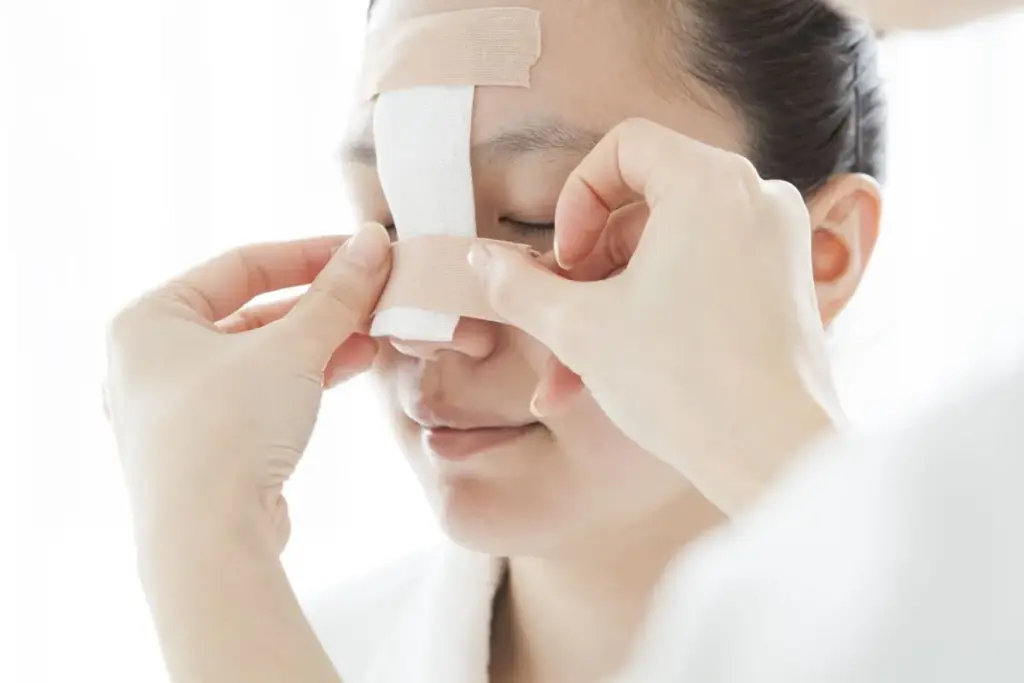
Septoplasty is a surgery that fixes a crooked nasal septum. This helps improve breathing. It’s often needed for those with a deviated septum, leading to breathing problems.
What is Septoplasty?
Septoplasty fixes a crooked nasal septum. The septum divides the nasal cavity into two parts. A crooked septum can make breathing hard.
Common Reasons for Undergoing Septoplasty
People get septoplasty for many reasons. Mainly, it’s to fix breathing problems caused by a crooked septum. Reasons include:
- Chronic nasal congestion
- Nosebleeds
- Sinus infections
- Breathing difficulties
These issues can make life hard. Septoplasty aims to fix these problems.
Expected Outcomes and Benefits
Septoplasty’s main goal is to improve breathing. It can:
- Enhance breathing
- Reduce nasal congestion
- Decrease sinus infections
- Improve quality of life
Knowing about septoplasty helps patients make better choices. It prepares them for a good outcome.
Understanding the Surgical Procedure
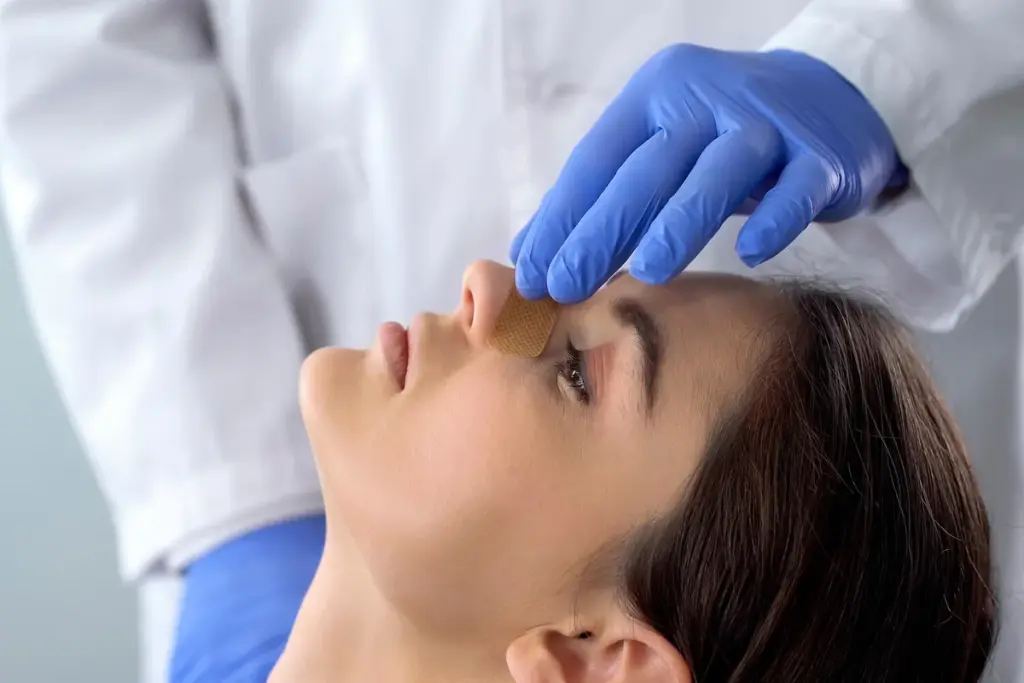
Modern septoplasty has changed a lot, using new techniques for better results. It fixes the nasal septum to help with breathing and other respiratory problems.
Surgical Techniques Used in Modern Septoplasty
Now, endoscopic septoplasty is used. It uses an endoscope to see inside the nose. This makes the surgery more precise and less invasive.
“The use of endoscopic techniques in septoplasty has revolutionized the field, making it less invasive and quicker to recover,” says a top ENT specialist.
Anesthesia and Operating Room Experience
Septoplasty can be done with local or general anesthesia. The choice depends on the case and what the patient prefers. It’s key for comfort during the surgery.
The operating room is also important. Today’s rooms have the latest technology for top care.
Immediate Post-Operative Care
After surgery, patients go to a recovery area. Here, they’re watched for any problems. Immediate post-operative care includes managing pain, swelling, and preventing infection.
They’re told to rest with their head up and use saline sprays. This keeps the nose moist. Knowing how to care for your nose after septoplasty is key for a smooth recovery.
Patients get specific instructions on caring for their nose. This includes when it’s okay to blow their nose again.
The Critical Healing Process After Septoplasty
Knowing how your body heals after septoplasty is key. The recovery is filled with important changes that help you get better.
Initial Tissue Response to Surgery
Right after septoplasty, your body starts to send more blood to the area. This brings the needed nutrients and cells for fixing the damage. This inflammatory response is a natural step in healing, but it might feel uncomfortable.
Your nasal tissues might swell, and you could feel stuffy. Remember, this is just the start of the healing journey.
Formation of New Blood Vessels
As healing goes on, your body starts making new blood vessels in your nasal tissues. This is called angiogenesis. It’s key for bringing oxygen and nutrients to the healing areas. New blood vessels help the nasal mucosa and other tissues grow back stronger.
Mucosal Regeneration Timeline
The mucosa in your nose starts to heal slowly over weeks. At first, it might look raw and red. But as it heals, it starts to look and feel normal again. This whole process can take 4-6 weeks, with some days feeling stuffier than others.
Internal Splint Function and Purpose
Internal splints are used to help the nasal septum heal right after surgery. They keep the septum in its new shape and prevent problems like septal hematoma. These splints might be a bit uncomfortable, but they’re usually taken out in 1-2 weeks.
Knowing about internal splints and the healing process helps you prepare. It makes it easier to follow your doctor’s advice and avoid complications. This way, you can get the best results from your septoplasty.
Septoplasty Recovery Day by Day: What to Expect
Knowing what happens after septoplasty surgery is key for a smooth recovery. The healing process has different stages, each with its own challenges. Understanding these can help manage symptoms and ensure a good outcome.
Days 1-3: Managing Pain and Initial Recovery
The first few days after surgery are very important. Patients often feel pain, swelling, and congestion. These can be managed with pain meds and nasal saline rinses. It’s important to rest and avoid hard activities during this time.
Effective pain management is vital for a comfortable recovery. Patients should follow their surgeon’s advice on pain meds and report any severe pain.
Days 4-7: Dealing with Congestion and Drainage
As swelling goes down, patients might feel more congested and have drainage. Using saline nasal sprays and rinsing the nose can help. It’s important to keep up with rest and sleep with the head raised to reduce congestion.
Days 8-14: The Critical Healing Phase
In this phase, the nasal passages start to heal more. Patients might feel some congestion and drainage, but these should get better. It’s important to keep following the care instructions, including any meds and doctor visits.
Weeks 3-4: Returning to Normal Activities
By the third and fourth weeks, patients can start doing normal things again, like work and light exercise. But, they should avoid heavy lifting, bending, or hard activities that could harm the healing.
As recovery goes on, patients should watch for signs of complications and know when to call their surgeon. With the right care and patience, septoplasty can greatly improve nasal function and quality of life.
The Science Behind Nose Blowing and Surgical Sites
Nose blowing is more than just a simple action. It involves complex pressure dynamics that can impact surgical sites. When you blow your nose, you apply a lot of pressure inside your nasal cavities.
Pressure Dynamics During Nose Blowing
Nose blowing creates a lot of pressure in the nasal passages. This pressure can range from 10 to 30 mmHg, depending on how hard you blow. This pressure can harm the delicate tissues healing after septoplasty.
The nasal passages and sinuses are connected. The pressure from nose blowing can spread to these areas. This can affect the surgical site, leading to complications.
Impact on Healing Tissues
The tissues in the nasal passages are sensitive and need time to heal after septoplasty. Nose blowing can disrupt this healing process by putting stress on the tissues. This stress can cause irritation, swelling, or even bleeding at the surgical site.
Also, the healing tissues are more prone to injury early in recovery. It’s important to avoid activities that could harm the healing process, like nose blowing.
Bacterial Considerations
Nose blowing can also introduce bacteria into the nasal passages, leading to infections. The risk of bacterial contamination is higher when blowing your nose. It can push bacteria from the nostrils into the nasal cavities and sinuses.
After septoplasty, the nasal tissues are more at risk of infection. It’s important to keep the nasal area clean and avoid actions that could introduce bacteria.
Potential Complications from Improper Post-Operative Care
It’s important for patients to know the risks of not following post-operative care after septoplasty. While septoplasty is usually safe, ignoring the doctor’s instructions can cause problems.
Septal Perforation: Causes and Consequences
Septal perforation is a hole in the thin wall between the nasal passages. It can happen from trauma, infection, or bad healing. Symptoms include nasal crusting, whistling, and trouble breathing.
Infection Risks and Warning Signs
Infections after septoplasty are rare but serious. Look out for signs like more redness, swelling, pain, or fever. If you notice these, get medical help right away.
Excessive Bleeding Concerns
Some bleeding is normal after septoplasty. But too much bleeding is a worry. Always follow your surgeon’s advice on bleeding and get help if it doesn’t stop.
Long-term Structural Damage
Not following post-operative care can harm the nasal passages long-term. This is why it’s key to stick to your surgeon’s instructions.
|
Complication |
Causes |
Consequences |
|---|---|---|
|
Septal Perforation |
Trauma, Infection, Improper Healing |
Nasal Crusting, Whistling Sounds, Breathing Difficulty |
|
Infection |
Bacterial or Viral Infection |
Increased Redness, Swelling, Pain, Fever |
|
Excessive Bleeding |
Dislodging of Clots, Infection |
Heavy or Persistent Bleeding |
|
Long-term Structural Damage |
Improper Healing, Trauma |
Nasal Deformity, Breathing Difficulties |
Knowing these risks and following post-operative care can help avoid problems. This way, patients can have a smoother recovery from septoplasty surgery.
Statistical Evidence: When Septoplasty Goes Wrong
It’s important for patients to know about septoplasty complications. While it’s usually safe, things can go wrong. Knowing the risks helps manage them better.
Research Findings on Septoplasty Complications
Recent studies have shown what complications can happen after septoplasty. These can be small problems or serious issues that affect the surgery’s success.
Septal Perforation Rates
Septal perforation is a big concern. Studies say it happens in 1.6% to 6.7% of cases. This can depend on how the surgery is done, the patient’s health, and aftercare.
Infection and Prolonged Healing Statistics
Infection is another problem that can happen. It’s seen in about 3.1% of cases. Healing can take longer if there’s an infection or other issues.
Correlation with Post-Operative Behaviors
How you act after surgery matters a lot. Blowing your nose too soon can raise the risk of problems like septal perforation and infection.
Knowing these facts helps patients understand why they must follow their surgeon’s advice. It’s all about reducing risks.
- Septal perforation rates vary between 1.6% and 6.7%.
- Infection rates are around 3.1%.
- Post-operative behaviors significantly impact complication risks.
Being informed and taking the right steps can lower the chance of complications after septoplasty.
When Can I Blow My Nose After Septoplasty?
After septoplasty, many patients wonder when they can safely blow their nose again. The recovery period is key. During this time, avoiding nose blowing is important to prevent complications.
Medical Consensus on Safe Timeframes
Doctors say to avoid nose blowing for at least two weeks after surgery. This helps the nasal tissues heal. It also lowers the risk of bleeding or septal perforation.
It’s vital to follow your surgeon’s specific instructions. Everyone heals differently.
Factors That May Extend Waiting Periods
Several things can affect when it’s safe to blow your nose again:
- The extent of the surgery
- How fast you heal
- Any complications during or after surgery
- Your overall health and any other medical conditions
Signs That Indicate It’s Safe to Resume
Before you start blowing your nose, look for these signs:
|
Sign |
Description |
|---|---|
|
Nasal Passage Stability |
The nasal passages feel stable, and there’s no significant pain or discomfort. |
|
Reduced Congestion |
Congestion has decreased, and breathing through the nose is easier. |
|
Surgeon’s Approval |
Your surgeon has given you the green light to resume normal nasal activities. |
Even with these signs, blow your nose gently. Avoid using force, as it can cause damage.
Proper Nasal Care Techniques During Recovery
To ensure optimal healing after septoplasty, it’s essential to follow proper nasal care techniques. The recovery phase is critical, and how you care for your nasal passages can significantly impact the outcome of your surgery.
Saline Irrigation Methods and Benefits
Saline irrigation is a cornerstone of post-septoplasty nasal care. It involves rinsing your nasal passages with a saline solution to remove debris, reduce crusting, and promote healing. You can use a neti pot or a squeeze bottle with a nasal spray tip. The saline solution helps to moisturize the nasal mucosa, reducing the risk of infection and promoting a smoother recovery.
- Use sterile or distilled water to mix with the saline solution.
- Rinse your nasal passages gently, avoiding forceful irrigation.
- Perform saline irrigation at least twice a day, or as directed by your surgeon.
Gentle Cleaning Techniques
Gentle cleaning of the nasal area is vital to prevent infection and promote healing. Avoid using harsh or abrasive materials that could irritate the nasal passages or disrupt the healing tissues.
Gentle cleaning tips:
- Use a soft, damp cloth to clean the external nasal area.
- Avoid blowing your nose or using tissues that can irritate the nasal passages.
- If you need to remove crusts or debris, use a saline-soaked cotton swab gently.
Moisture Maintenance Strategies
Maintaining adequate moisture in the nasal passages is critical during the recovery period. Dryness can lead to discomfort, crusting, and potentially, complications.
Moisture maintenance tips:
- Use a humidifier in your home, specially in dry environments.
- Apply saline nasal sprays or gels as recommended by your surgeon.
- Stay hydrated by drinking plenty of fluids to help maintain nasal mucosa moisture.
Medication Management
Your surgeon may prescribe medications to aid in your recovery, such as antibiotics to prevent infection or pain management medications. It’s vital to follow the prescribed medication regimen carefully.
Medication management tips:
- Take your medications exactly as directed by your surgeon.
- Be aware of any side effects and report them to your surgeon.
- Complete the full course of antibiotics if prescribed, even if you start feeling better.
What Happens If You Accidentally Blow Your Nose?
Blowing your nose after septoplasty by mistake can be scary. But, knowing how to react is key. Stay calm and follow certain steps to avoid risks.
Immediate Steps to Take
If you blow your nose by mistake, stop any activity that could make things worse. Sit down and check how you’re feeling. Look for bleeding or pain.
If you see a lot of bleeding or pain, call your surgeon right away.
For a little bleeding or pain, try a cold compress on your nose. It can help with swelling. Also, use saline nasal sprays as your surgeon told you to. This keeps your nose moist.
Warning Signs of Possible Damage
Watch for signs that might mean you’ve hurt something. Look out for:
- More pain or discomfort
- Bleeding from the nose that won’t stop
- Swelling or bruising around your nose or eyes
- Hard time breathing through your nose
- Fever or signs of infection
If you see any of these, don’t wait to call your surgeon.
When to Contact Your Surgeon
If you’re not sure about your symptoms or have worries, it’s better to be safe. Call your surgeon if you’re unsure or worried about blowing your nose.
Your surgeon can give you advice based on your situation. They’ll help you move forward safely.
Managing Nasal Congestion Without Blowing
After septoplasty, dealing with nasal congestion can be tough. Swelling and the body’s healing process often cause it. It’s important to avoid blowing your nose to prevent complications.
Approved Decongestant Options
Choosing the right decongestants is key. Saline nasal sprays are great because they moisturize and clear mucus. Always check with your doctor before using over-the-counter decongestants.
- Saline nasal sprays
- Approved over-the-counter decongestants
- Prescription medications if necessary
Environmental Modifications
Changing your environment can help too. A humidifier in your home, like your bedroom, adds moisture. This keeps your nasal passages moist.
- Use a humidifier
- Avoid dry environments
- Maintain a comfortable temperature
Sleeping Positions and Techniques
Keeping your head elevated while sleeping helps mucus drain. Sleeping on your back with your head slightly elevated is best.
- Elevate your head while sleeping
- Avoid sleeping on your side or stomach
- Use extra pillows if necessary
Hydration and Dietary Considerations
Drinking lots of water is essential. It thins out mucus and keeps your nasal passages moist. Eating a balanced diet with vitamins and minerals also aids in recovery.
- Drink plenty of water
- Consume a balanced diet
- Avoid irritants like spicy foods or alcohol
By using these methods, you can manage nasal congestion without blowing your nose. This makes your septoplasty recovery smoother and more comfortable.
Combined Procedures: Special Recovery Considerations
When you have more than one surgery at once, like septoplasty with others, it changes how you recover. This is because your body has to heal from more than one surgery at the same time. This makes the healing process more complex.
Septoplasty with Turbinoplasty
Septoplasty with turbinoplasty might make your recovery a bit longer. Turbinoplasty makes your turbinate bones smaller to help your breathing. You might feel more nasal congestion and swelling.
- Use saline nasal sprays to keep your nasal passages moist.
- Avoid strenuous activities for at least two weeks after surgery.
- Follow a gentle nasal cleaning routine as your surgeon advises.
Septoplasty with Rhinoplasty
Septoplasty with rhinoplasty, which is a cosmetic surgery, needs careful thought about both looks and function. This mix can make your recovery longer, with swelling lasting months.
Key considerations include:
- Manage swelling with cold compresses.
- Avoid heavy lifting or bending.
- Go to follow-up appointments to check on your healing.
Sinus Surgery Combinations
Septoplasty with sinus surgery aims to fix both your deviated septum and sinus problems. This mix can make recovery more complex because the surgery sites are close together.
Patients should be aware of:
- Increased nasal discharge is possible.
- Keeping your nasal area clean is key to avoid infection.
- You might need longer antibiotics.
Extended Recovery Timelines
It’s important to know that combined procedures mean longer recovery times. Your body needs more time to heal from multiple surgeries. There’s also a higher risk of complications.
Understanding these special recovery needs helps patients prepare for the challenges and benefits of combined nasal surgeries.
Patient Experiences: Recovery Success Stories and Cautionary Tales
Looking at patient experiences helps us understand what makes septoplasty recovery successful. These stories share the ups and downs of healing.
Successful Recoveries and Contributing Factors
Many patients have had good outcomes after septoplasty. They say following doctor’s orders, keeping the nose clean, and being patient are key. For example, using saline irrigation to ease congestion is often mentioned as helpful.
Key factors contributing to successful recoveries include:
- Following post-op instructions carefully
- Maintaining good nasal hygiene
- Avoiding strenuous activities during the initial healing phase
- Using saline irrigation as directed
Complications from Ignoring Post-Op Instructions
On the other hand, ignoring doctor’s orders can lead to problems. These stories remind us why following instructions is so important.
|
Complication |
Cause |
Prevention |
|---|---|---|
|
Infection |
Poor nasal hygiene |
Regular saline irrigation |
|
Excessive bleeding |
Strenuous activities too soon |
Avoid heavy lifting and bending |
|
Septal perforation |
Ignoring post-op instructions |
Follow surgeon’s guidelines |
Lessons Learned from Real Patient Experiences
Recovery from septoplasty needs medical care, self-control, and patience. Learning from both successes and warnings helps patients on their own healing path.
The importance of post-operative care cannot be overstated. By following instructions and actively working on healing, patients can avoid complications and get the best results from their surgery.
Conclusion
Recovering well is key to getting the best from septoplasty. Knowing how to recover and following your doctor’s advice helps avoid problems. It’s important to understand that healing after septoplasty is a critical step. Doctors usually tell patients when it’s okay to blow their nose again. This is usually after the nasal passages have healed enough. Waiting the right amount of time to blow your nose helps prevent issues. Combining good care after surgery with knowing how to recover well leads to the best results. This careful approach keeps the surgery area safe and supports healing.
FAQ
How long after septoplasty can I blow my nose?
You should wait at least one to two weeks before blowing your nose after septoplasty. But, your surgeon might give you different instructions based on your healing.
What happens if I blow my nose too soon after septoplasty?
Blowing your nose too soon can cause problems like septal perforation and infection. It can also lead to excessive bleeding and long-term damage. Always follow your surgeon’s advice to avoid these risks.
Can blowing my nose too hard cause damage after septoplasty?
Yes, blowing your nose too hard can harm you after septoplasty. The pressure can disrupt healing tissues. It’s important to be gentle with your nose during recovery.
How long after sinus surgery can I blow my nose?
The time to wait before blowing your nose after sinus surgery is similar to septoplasty, usually one to two weeks. Your surgeon will guide you based on your surgery and healing.
What are the signs that indicate it’s safe to blow my nose after septoplasty?
Signs you might be ready to blow your nose include less nasal congestion and minimal drainage. Your surgeon’s approval is key. Always follow their advice on when to start blowing your nose again.
How can I manage nasal congestion without blowing my nose?
To handle nasal congestion without blowing, try saline irrigation and approved decongestants. Use a humidifier and elevate your head while sleeping. Staying hydrated also helps.
What should I do if I accidentally blow my nose after septoplasty?
If you blow your nose by accident after septoplasty, stay calm and call your surgeon. Watch for signs of damage like a lot of bleeding or severe pain. Seek help right away if you see these symptoms.
Are there any specific nasal care techniques I should follow during recovery?
Yes, during recovery, use saline irrigation and gentle cleaning. Keep your nose moist and follow your medication instructions. These steps help your recovery go smoothly.
How long does it take to recover from septoplasty?
Recovery from septoplasty can take three to four weeks to get back to normal. But, it may take several months to fully recover and see the final results.
References
National Center for Biotechnology Information. Evidence-Based Medical Insight. Retrieved from https://pmc.ncbi.nlm.nih.gov/articles/PMC4659521/