Getting a deviated septum surgery can change your life if you have trouble breathing. The recovery process is key to healing well and getting back to normal. This includes sleeping flat again.
Studies show that recovery time can differ for everyone. But most people see big improvements in a few weeks. Knowing the right sleeping positions after surgery is important for a smooth septoplasty recovery.
Sleeping flat after septoplasty can be difficult due to pain and swelling. It’s important to listen to your doctor’s advice to have a safe and comfy recovery.
Key Takeaways
- Most patients can expect significant improvement within a few weeks after surgery.
- Understanding the appropriate sleeping positions post-surgery is important.
- Following healthcare professionals’ guidelines ensures a comfortable and safe recovery.
- The recovery time varies among individuals.
- Sleeping flat after septoplasty can be challenging due to discomfort and swelling.
Understanding Septoplasty: What Is It and Why Is It Performed?
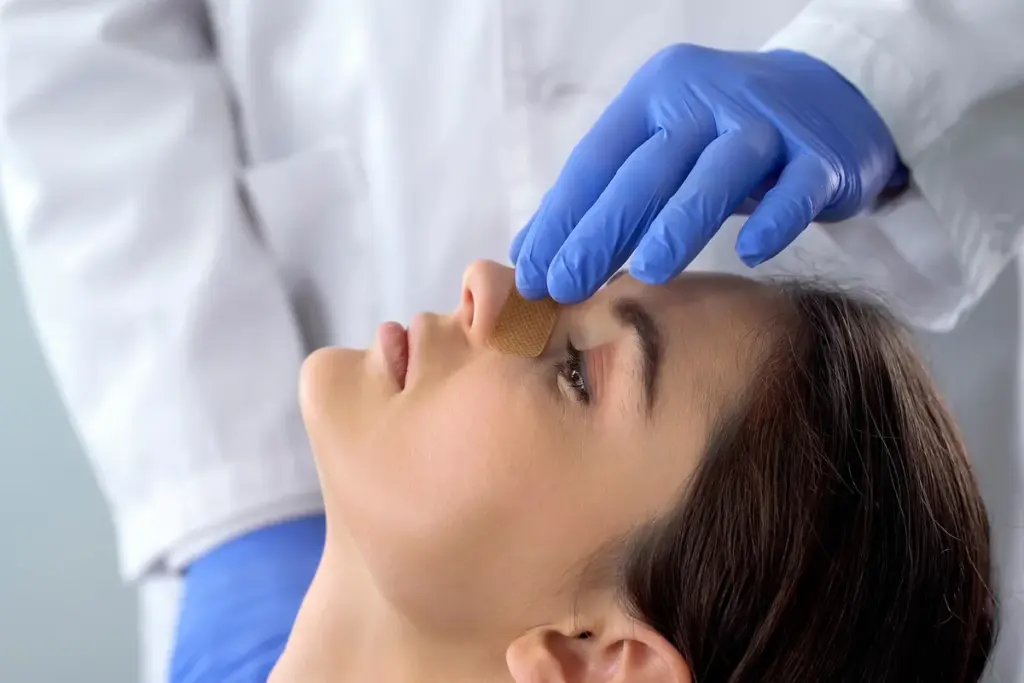
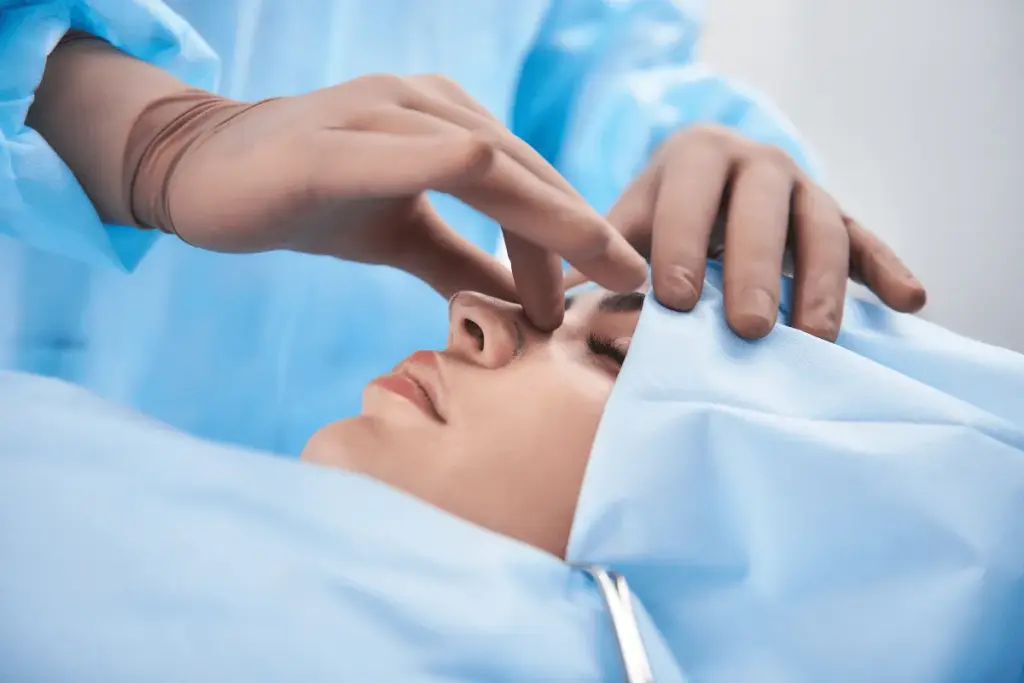
Septoplasty is a common surgery to fix the nasal septum. It helps improve airflow and reduce nasal blockage. This surgery corrects a deviated nasal septum, which divides the nasal cavity.
Definition and Purpose of Septoplasty
The main goal of septoplasty is to straighten the septum. This improves airflow and eases symptoms like nasal congestion and breathing trouble. It aims to restore normal nasal function by fixing the deviated septum.
Septoplasty is a functional surgery that improves breathing. It’s not about changing how the nose looks, unlike cosmetic surgeries.
Common Reasons for Undergoing Septoplasty
Many people get septoplasty for breathing problems due to a deviated septum. Symptoms that might lead to septoplasty include:
- Nasal congestion or obstruction
- Difficulty breathing through the nose
- Recurrent nosebleeds
- Loss of smell
- Facial pain or pressure
These symptoms can make daily life harder.
Difference Between Septoplasty and Rhinoplasty
Septoplasty and rhinoplasty are different nasal surgeries. Septoplasty is a functional surgery to fix breathing issues. On the other hand, rhinoplasty is mainly for looks, reshaping the nose.
Both can be done together, called septorhinoplasty. This combines fixing breathing and changing the nose’s look.
The Importance of Proper Sleeping Positions During Septoplasty Recovery
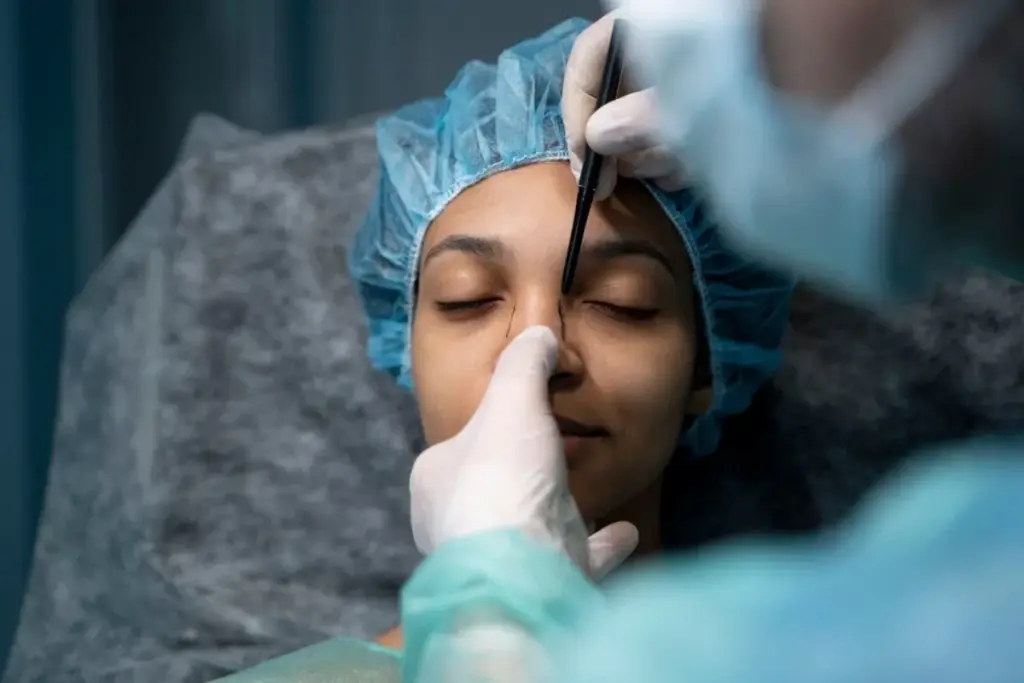
Proper sleeping positions are key to a smooth recovery after septoplasty. How you sleep affects swelling, bleeding, and comfort during healing. It’s important to choose the right sleeping position.
Why Sleeping Position Matters After Nasal Surgery
After nasal surgery, swelling and inflammation are common. Your sleeping position can make these symptoms better or worse. Sleeping flat can increase swelling because of gravity, leading to discomfort and possible complications.
Risks of Sleeping Flat Too Soon
Sleeping flat too soon after septoplasty can cause problems. Swelling and bleeding can increase. Gravity can make nasal tissues swell, leading to:
- Increased nasal congestion
- Enhanced risk of bleeding
- Prolonged recovery time
How Elevation Helps Healing
Elevating your head while sleeping is recommended. It helps reduce swelling and promotes healing. This position can:
|
Benefits |
Description |
|---|---|
|
Reduced Swelling |
Elevation minimizes the effect of gravity on nasal tissues, reducing swelling. |
|
Improved Drainage |
The elevated position facilitates the natural drainage of fluids, reducing congestion. |
|
Enhanced Comfort |
By reducing swelling and congestion, patients often experience greater comfort during recovery. |
Understanding the importance of proper sleeping positions can greatly improve your septoplasty recovery. Adopting recommended practices can make a big difference.
Typical Septoplasty Recovery Timeline
Knowing what to expect after septoplasty is important. It helps patients plan their care and manage their hopes. The recovery has different stages, each with its own challenges and goals.
First 24-48 Hours Post-Surgery
The first 24-48 hours are key. Patients often feel swollen, bruised, and congested. Resting and avoiding hard work helps healing. Keeping the head elevated also helps reduce swelling.
First Week of Recovery
In the first week, rest and avoid heavy tasks. Nasal issues and discomfort are common but lessen as healing happens. Following the surgeon’s post-operative instructions is critical.
Weeks 2-4 After Surgery
Weeks 2-4 see big improvements. Most can start normal activities, but some nasal issues may remain. Gradually increasing physical activity is okay, but avoid contact sports or heavy lifting.
Complete Recovery Period
Recovery time varies but usually takes months. It takes time for nasal passages to fully heal. Patience and adherence to post-operative care are essential for a good recovery.
In summary, knowing the septoplasty recovery timeline is key. Following instructions and being patient helps in healing. This way, patients can get the best results from their surgery.
When Can You Sleep Flat After Septoplasty? The Medical Consensus
Patients often wonder when they can sleep flat after septoplasty. There’s a clear medical guide for this. Knowing the right sleeping positions is key for healing and avoiding problems.
General Guidelines from ENT Specialists
ENT specialists say to avoid flat sleeping for weeks after septoplasty. “Elevating the head during sleep is vital in the early recovery,”explains.
“This position helps reduce swelling and promotes healing by minimizing blood flow to the nasal area.”
They suggest keeping the head up at least 30 to 45 degrees while sleeping.
Research-Based Recommendations
Research backs up the need to elevate the head after septoplasty. It lowers the risk of bleeding and swelling. A study in the Journal of Otolaryngology-Head and Neck Surgery showed better outcomes for those who slept elevated.
Factors That Influence Recovery Time
Many things can affect how long it takes to recover and whether sleeping flat is safe. These include the surgery’s extent, how fast you heal, and your post-operative care. Those with bigger surgeries or extra procedures might need to keep their heads up longer.
It’s important for patients to know these guidelines and factors. This knowledge helps ensure a smooth and safe recovery. By following ENT specialists’ advice and understanding what affects recovery, patients can make the best choices for their care.
Septoplasty Recovery: Day-by-Day Sleeping Position Guide
A day-by-day guide to sleeping positions can help a lot with septoplasty recovery. Knowing the best sleeping positions during recovery is key. It helps reduce discomfort and aids in healing.
Days 1-7: Optimal Head Elevation
In the first week after septoplasty, keeping your head elevated is vital. This helps reduce swelling and speeds up healing. Use multiple pillows or a wedge pillow to elevate your head by 30-40 degrees.
Key tips for days 1-7:
- Use 2-3 pillows to elevate your head.
- Avoid sleeping on your sides or stomach.
- Keep your nasal passages moist with saline sprays.
Days 8-14: Transitioning to Lower Elevation
As you get better, you can start using fewer pillows or a lower wedge pillow. This is a step towards returning to normal sleep.
Monitoring your body’s response to these changes is important. If swelling or discomfort gets worse, go back to using more pillows or a higher wedge pillow.
Days 15-30: Gradually Returning to Normal Sleep
By days 15-30, you can start sleeping like you did before surgery. But, everyone recovers differently. Keep an eye on how your body feels and adjust your sleep position if needed.
Beyond 30 Days: What to Expect
After 30 days, most people can sleep like they did before surgery. But, some might have minor nasal congestion or other small effects.
|
Days |
Sleeping Position |
Key Recommendations |
|---|---|---|
|
1-7 |
Elevated head |
Use multiple pillows or a wedge pillow. |
|
8-14 |
Gradually lower elevation |
Monitor body response, adjust as needed. |
|
15-30 |
Return to normal sleep |
Continue monitoring, adjust as necessary. |
|
Beyond 30 |
Normal sleeping habits |
Be aware of possible small effects. |
Best Sleeping Positions After Septoplasty
After septoplasty, choosing the right sleep position is key for a smooth recovery. The first few days are critical, and your sleep can greatly affect healing.
Elevated Back Sleeping Techniques
Elevated back sleeping is best in the early days. It helps reduce nasal blockage and aids in drainage. You can use extra pillows or a wedge pillow to lift your upper body. The goal is to keep your back and neck comfortable.
Here are some tips for better elevated back sleeping:
- Use a contoured pillow for neck support.
- Place a pillow under your knees for spine relief.
- Adjust the pillow height as you get more comfortable.
Modified Side Sleeping Options
As you get better, you might need to change positions. Modified side sleeping is okay, but avoid direct nose pressure. Use a pillow between your knees and another under your head to keep your nose clear.
|
Sleeping Position |
Benefits |
Precautions |
|---|---|---|
|
Elevated Back Sleeping |
Reduces nasal congestion, promotes drainage |
Avoid straining your back or neck |
|
Modified Side Sleeping |
Alternative when back sleeping is uncomfortable |
Avoid direct pressure on the nose |
Positions to Absolutely Avoid
Some sleep positions should be avoided after septoplasty. Sleeping on your stomach or directly on your side without support is not good. These can harm your nasal passages and slow healing.
Choosing the right sleep positions and avoiding bad ones helps you recover better from septoplasty.
Essential Equipment for Comfortable Recovery Sleep
Getting a good night’s sleep is key after septoplasty. The right gear can make a big difference. It helps keep you in the best sleeping position, easing pain and improving rest.
Specialized Pillows and Wedges
There are pillows and wedges made just for supporting your head and neck. They keep you in the right position, which is super helpful when you’re first recovering.
- Contour Pillows: These pillows support your head and neck, keeping everything aligned.
- Body Pillows: Full-body pillows keep you comfortable all night, easing pressure on your nose.
- Wedge Pillows: These pillows lift your upper body, helping to reduce swelling and improve drainage.
Bed Adjustments and Alternatives
Changing your bed or trying new sleeping spots can really improve your sleep. Here are some ideas:
|
Adjustment Type |
Description |
Benefits |
|---|---|---|
|
Bed Inclination |
Adjusting the bed to an inclined position |
Reduces swelling, promotes drainage |
|
Recliner Chair |
Using a recliner as an alternative to bed |
Provides adjustable support, comfortable positioning |
|
Extra Cushions |
Adding extra cushions for support |
Enhances comfort, maintains alignment |
Other Helpful Sleep Accessories
There are more things that can make your sleep better. These include:
- Humidifiers: They help keep your nose moist and clear.
- Eye Masks: They block out light, helping you sleep better.
- White Noise Machines: They create a calm sound, covering up other noises that might wake you.
Septoplasty and Turbinate Reduction: Special Considerations
Septoplasty and turbinate reduction together bring unique challenges for recovery. It’s key to understand these to ensure a smooth healing process.
Impact on Recovery Time
Doing both septoplasty and turbinate reduction at once means a longer recovery time. Patients should expect a healing period longer than with septoplasty alone.
The extra surgery site can cause more swelling and pain. This might make breathing and sleeping harder. Following your surgeon’s post-op care is vital to avoid problems.
Additional Sleeping Precautions
When you have both surgeries, sleeping precautions are more important. Keeping your head up while sleeping helps reduce swelling. You might need to do this for longer than with septoplasty alone.
Special pillows or wedges can help keep your head elevated. It’s best to avoid sleeping on your side or stomach. These positions can increase swelling and discomfort in your nasal passages and turbinates.
Expected Timeline Differences
The recovery time for both surgeries is longer than for septoplasty alone. The healing phase may take longer, with noticeable improvements in breathing and nasal congestion coming later.
It may take weeks or months to see the full benefits of the surgery. Improved breathing and less nasal blockage will come with time. Regular check-ups with your surgeon are important to track your healing and address any issues.
Deviated Septum Surgery Recovery: Before and After Expectations
For those with a deviated septum, surgery can greatly improve breathing and reduce symptoms. Knowing what to expect before and after surgery is key. It can make the recovery smoother and increase satisfaction with the results.
Typical Before and After Breathing Improvements
Many people get surgery to breathe better. Before, breathing through one or both nostrils can be hard because of the deviated septum. After surgery, most see a big boost in their nasal breathing ability.
The surgery fixes the septum, making breathing easier. This can lead to better sleep, less nasal stuffiness, and a better life overall.
|
Symptom |
Before Surgery |
After Surgery |
|---|---|---|
|
Nasal Congestion |
Frequent |
Rare |
|
Breathing Difficulty |
Common |
Less Common |
|
Sleep Quality |
Poor |
Improved |
Physical Changes to Expect
After surgery, you’ll notice changes. The biggest is better nasal airflow thanks to the septum fix. Some might see their nose look different, but this is more common with nose jobs.
Swelling and bruising around the nose are common at first. These go away in a few weeks.
Timeline for Noticing Breathing Benefits
When you’ll start feeling the breathing benefits varies. Some feel better right away, while others take weeks. Swelling can block airflow at first, but as it goes down, you’ll feel the full effects.
Most see big improvements in 3 to 6 months. The benefits keep getting better over time.
Managing Pain and Discomfort While Sleeping
Getting a good night’s sleep after septoplasty surgery depends on managing pain well. It’s key for patients to rest and recover properly.
Approved Pain Management Strategies
Pain management after septoplasty includes medication and other methods. Your doctor may prescribe pain medication for you. It’s important to follow the dosage and schedule to get the best pain relief.
Other ways to ease discomfort include:
- Using cold compresses to reduce swelling
- Elevating the head while sleeping to minimize congestion
- Avoiding strenuous activities that can exacerbate pain
Dealing with Nasal Congestion at Night
Nasal congestion is common after septoplasty, and it’s hard at night. Nasal decongestants or saline nasal sprays can help. They reduce swelling and improve breathing.
“Using saline nasal sprays before bed can significantly improve nasal breathing and reduce congestion.”
Using a humidifier in your bedroom also helps. It keeps the air moist, reducing nasal irritation.
|
Method |
Description |
Benefits |
|---|---|---|
|
Nasal Decongestants |
Medications that reduce nasal congestion |
Improved breathing, reduced nasal swelling |
|
Saline Nasal Sprays |
Sprays that moisturize the nasal passages |
Reduced nasal dryness, improved comfort |
|
Humidifier |
Device that adds moisture to the air |
Reduced nasal irritation, improved sleep environment |
When to Contact Your Doctor About Sleep Issues
Some discomfort is normal after septoplasty, but severe pain or sleep issues need attention. Signs that you need to contact your doctor include:
- Severe pain not relieved by prescribed medication
- Increased nasal bleeding or discharge
- Difficulty breathing through the nose
If you have these symptoms, contact your healthcare provider for help and advice.
Common Complications That May Delay Flat Sleeping
After septoplasty, some complications can slow down your recovery. This includes sleeping flat. Knowing about these issues helps manage your expectations and when to get medical help.
Excessive Swelling and Bleeding
Swelling and bleeding are common right after surgery. Swelling can block your nose, making it hard to breathe. Bleeding can be mild or severe. Elevating your head while sleeping can help reduce these risks.
Infection Signs and Symptoms
Infection is a serious issue after septoplasty. Look out for redness, swelling, fever, and discharge. If you notice these signs, get medical help right away. Keep an eye on your health and tell your doctor if you see anything concerning.
Septal Hematoma and Other Serious Complications
A septal hematoma is a serious problem that needs quick action. Other issues like septal perforation and nasal blockage can also happen. It’s important to spot these problems early to manage them well.
|
Complication |
Signs and Symptoms |
Action Required |
|---|---|---|
|
Excessive Swelling |
Nasal congestion, difficulty breathing |
Elevate head during sleep, monitor symptoms |
|
Infection |
Increased redness, swelling, fever, discharge |
Seek medical attention promptly |
|
Septal Hematoma |
Severe nasal pain, swelling, difficulty breathing |
Immediate medical intervention |
Knowing about these complications can make your recovery easier. Always follow your doctor’s instructions and talk to them about any worries you have.
Patient Experiences: Real Recovery Timelines
Patients who have had septoplasty surgery share their recovery stories. These stories give us a look into what recovery is like. They talk about how to sleep and how long it takes to heal.
Case Studies from Recent Research
Recent studies have looked into how patients recover after septoplasty. For example, a study in the Journal of Otolaryngology-Head and Neck Surgery followed 100 patients. It found that sleeping with the head raised helps with less nasal congestion and discomfort.
Key Findings from the Study:
|
Recovery Aspect |
Elevated Sleep Position |
Flat Sleep Position |
|---|---|---|
|
Nasal Congestion |
Reduced |
Increased |
|
Discomfort Level |
Lower |
Higher |
|
Recovery Time |
Shorter |
Longer |
Survey Data on Sleep Position Tolerance
A survey of septoplasty patients showed interesting results on sleep. It included 500 patients and covered their recovery experiences.
Survey Highlights:
- 70% of patients reported improved sleep quality when their heads were elevated.
- 55% experienced reduced nasal congestion with elevated sleep positions.
- 40% reported a faster recovery when adhering to recommended sleep positions.
Variations in Individual Recovery Experiences
Recovery times can vary a lot from person to person. Health, the surgery’s extent, and post-operative care all affect recovery.
For example, someone with breathing problems might take longer to recover. Following post-operative instructions closely can help with a smoother recovery.
Understanding these differences helps patients prepare for their recovery. It also helps them manage their expectations better.
Tips for Improving Sleep Quality During Recovery
Getting better sleep is key to recovering well from septoplasty. A good night’s sleep helps your body heal faster. So, it’s important to find ways to sleep better.
Creating an Optimal Sleep Environment
Having a good sleep environment is critical. Your bedroom should be quiet, dark, and cool. Use earplugs, blackout curtains, or a white noise machine if it’s too loud. A comfy mattress and pillows also help a lot.
- Invest in a supportive pillow or wedge to maintain the recommended elevated sleeping position.
- Use breathable bedding to regulate body temperature.
- Keep electronic devices out of the bedroom to minimize distractions.
Breathing Techniques for Better Sleep
Breathing right can improve your sleep. Nasal breathing exercises help your nose and relax you. Doing these exercises during the day can help you sleep better at night.
- Start with simple nasal breathing exercises, such as alternate nostril breathing.
- Practice deep breathing exercises to calm the mind and body.
- Consider incorporating relaxation techniques, such as progressive muscle relaxation, into your bedtime routine.
Establishing a Recovery Sleep Routine
Having a regular sleep routine is important. Go to bed and wake up at the same time every day. This helps your body get into a rhythm for better sleep.
Tips for a recovery sleep routine:
- Avoid stimulating activities before bedtime, such as watching TV or scrolling through electronic devices.
- Engage in relaxing activities, such as reading or listening to soothing music, to signal the body that it’s time to sleep.
- Limit naps during the day to avoid disrupting nighttime sleep.
By following these tips, you can improve your sleep during septoplasty recovery. This makes the healing process smoother and more comfortable.
Conclusion
Recovering from septoplasty needs patience and following the doctor’s advice. The healing process is important and requires careful steps. Knowing the recovery time and using the right sleeping positions helps a lot. Elevating your head while sleeping and managing any issues are key. Always listen to your surgeon for the best results. Being patient helps your body heal right, lowering the chance of problems. As you get better, you’ll see big improvements in breathing and life quality. A good septoplasty recovery comes from taking care, being patient, and following the doctor’s orders. By focusing on these, you can get the most out of your surgery and have an easier recovery.
FAQ
What is septoplasty, and how does it differ from rhinoplasty?
Septoplasty fixes a deviated nasal septum to improve breathing. Rhinoplasty, on the other hand, is for changing the nose’s shape for looks.
How long does it take to recover from septoplasty?
Recovery time varies, but most people take 2-4 weeks to get back to normal.
Why is it important to elevate my head during sleep after septoplasty?
Sleeping with your head up helps reduce swelling. It also promotes healing and lowers the risk of problems.
When can I sleep flat after septoplasty?
Doctors usually say no to flat sleeping for weeks after surgery. The exact time depends on how you heal and the surgery’s extent.
What are the best sleeping positions after septoplasty?
Start with sleeping on your back with your head up. As you get better, you can try side sleeping.
How can I manage pain and discomfort while sleeping during septoplasty recovery?
Use approved pain meds and nasal sprays to ease pain and stuffiness. This helps with discomfort after surgery.
What are the signs of complications that may delay my ability to sleep flat after septoplasty?
Watch for too much swelling, bleeding, infection signs, or septal hematoma. These need quick doctor visits and might keep you from sleeping flat.
How can I improve sleep quality during septoplasty recovery?
Make your sleep area comfy, use breathing exercises, and stick to a sleep schedule. These steps can make sleeping better during recovery.
What are the expected breathing improvements after deviated septum surgery?
You’ll likely breathe better after surgery. The septum fix improves airflow, and most see big changes in a few weeks to months.
How does combining septoplasty with turbinate reduction affect recovery?
Doing both surgeries at once might make recovery longer. You’ll need to follow more sleep rules because the surgery is bigger.
What equipment can aid in comfortable recovery sleep?
Use special pillows, wedges, and bed changes. Also, items like humidifiers can make your sleep area more comfortable.
References
National Center for Biotechnology Information. Evidence-Based Medical Insight. Retrieved from https://pmc.ncbi.nlm.nih.gov/articles/PMC5662536/