
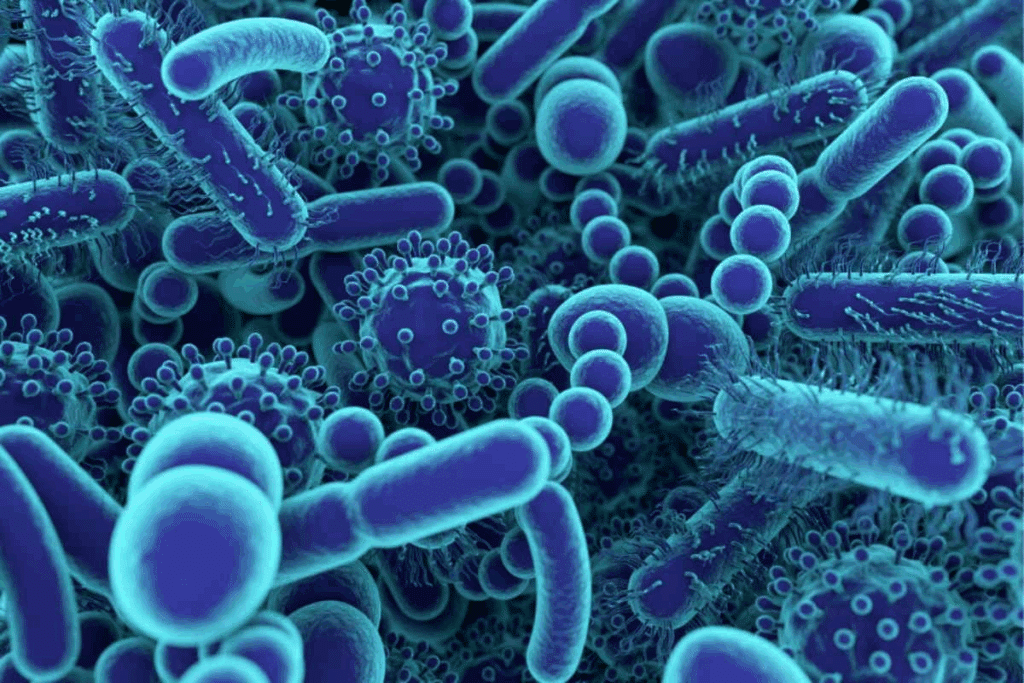
Every year, millions of children worldwide face severe pediatric infections. These can lead to serious health problems. Parents and healthcare providers worry about dangerous childhood infections that could be life-threatening.
Serious bacterial infections pose a significant threat to children’s health. They include infections like bacteremia, bacterial meningitis, urinary tract infections, and pneumonia. These need quick and effective treatment to avoid lasting harm.
Key Takeaways
- Serious bacterial infections are a significant cause of illness and death in children worldwide.
- Conditions such as bacteremia, bacterial meningitis, and pneumonia are considered severe pediatric infections.
- Early identification and treatment of these infections are critical to prevent serious complications.
- Understanding the risks and symptoms of dangerous childhood infections can help parents seek timely medical care.
- Effective management of serious bacterial infections requires a complete approach to healthcare.
Understanding Serious Bacterial Infections
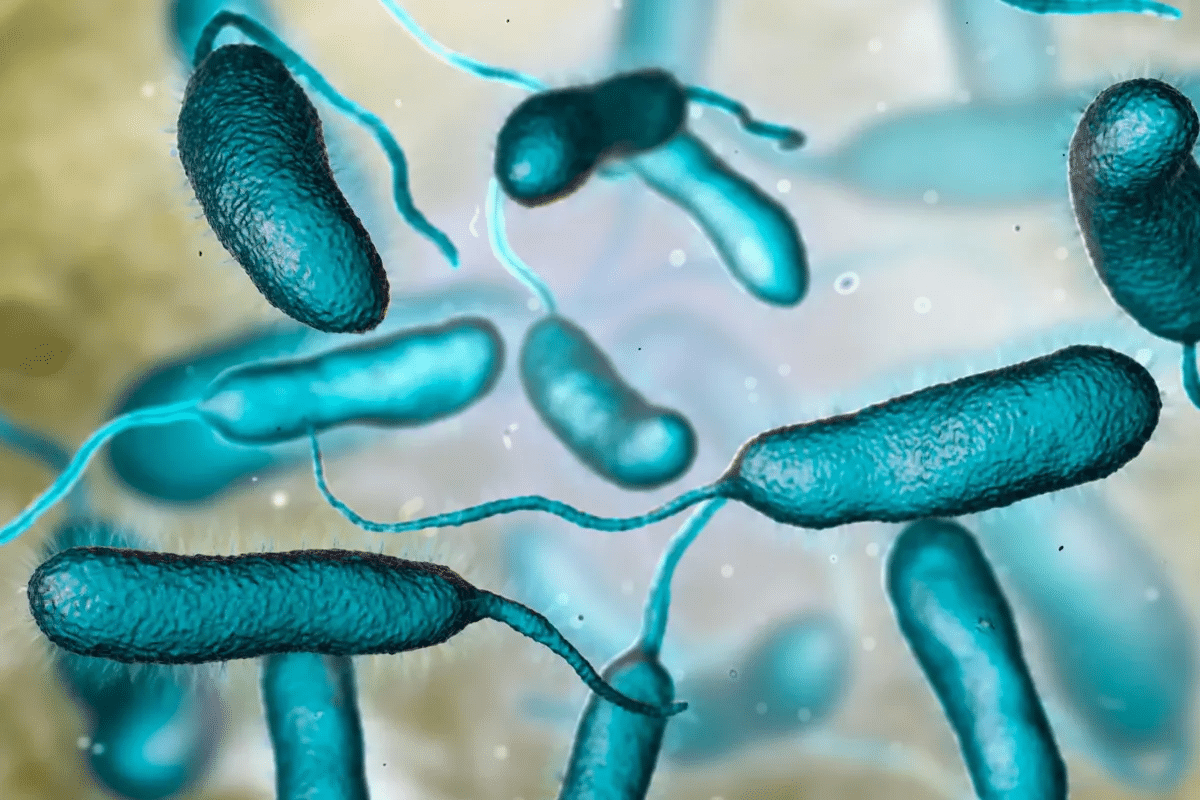 Serious Bacterial Infections (SBIs) are a big worry in kids’ health. They can lead to very serious conditions. Understanding these infections is crucial for helping children recover promptly.
Definition and Overview
SBIs are caused by life-threatening bacteria that can make kids very sick. They need quick medical help to avoid serious problems. We call SBIs infections that can make kids very sick or even deadly if not treated right.
SBIs can be very serious. They often show up as acute bacterial illnesses that need urgent care. Knowing about these infections helps doctors treat them right.
Types of Serious Bacterial Infections in Children
Children can get many kinds of SBIs, including:
- Bacteremia: Bacteria in the blood, leading to severe pediatric bacteria infections.
- Bacterial meningitis: An infection of the brain and spinal cord membranes, a critical childhood infection.
- Pneumonia: A lung infection that can cause serious breathing problems.
- Urinary Tract Infections (UTIs): Infections in the urinary system that can spread to the kidneys.
These infections come from different bacteria and need special treatments. It’s vital to know the type of SBI to give the right care.
Common Bacteria That Cause Serious Infections
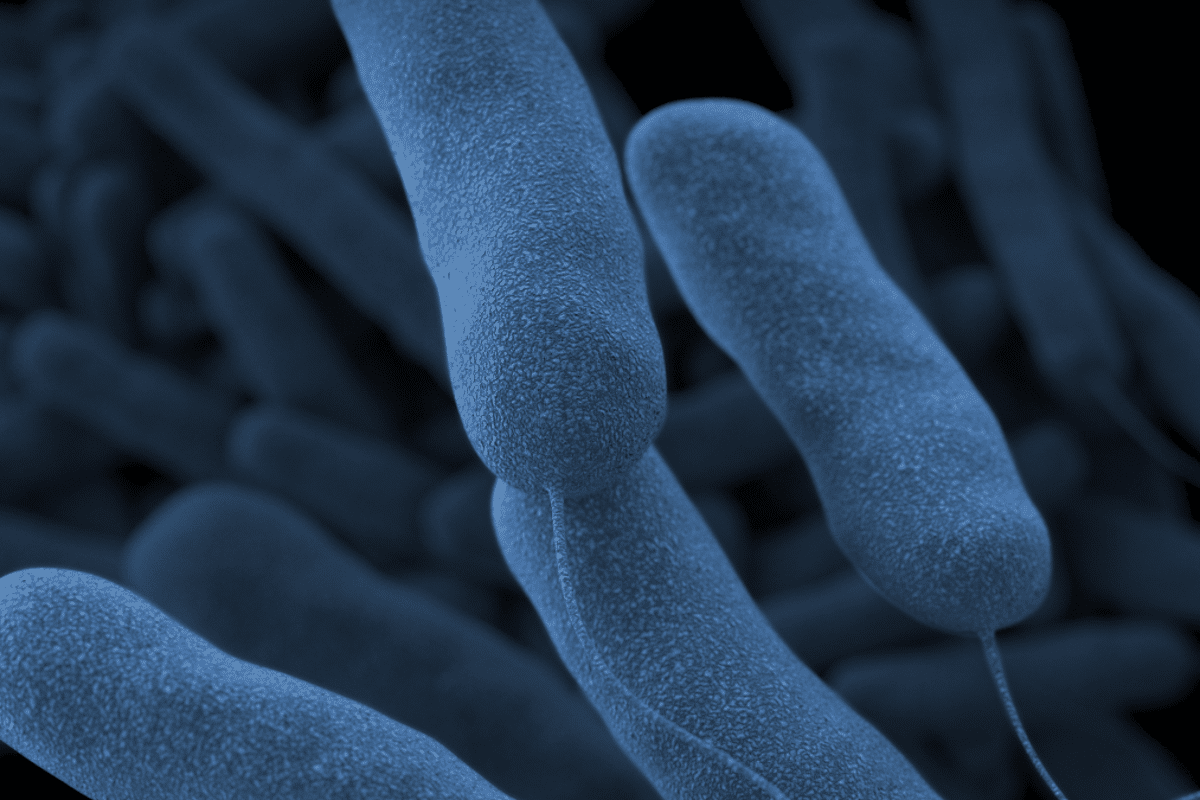 It’s important to know about bacteria that cause serious infections in kids. These infections can lead to emergency bacterial infection situations that need quick medical help.
We’ll look at the most common bacteria causing these infections. We’ll see how they affect kids’ health and the possible outcomes. This includes needing hospitalization infection care or intensive care infection treatment.
Streptococcus pneumoniae
Streptococcus pneumoniae, or pneumococcus, is a major cause of serious infections in kids. It can lead to pneumonia, meningitis, and sepsis. In severe cases, it can cause sepsis children, which is very dangerous and needs fast treatment.
|
Disease |
Description |
Complications |
|---|---|---|
|
Pneumonia |
Infection of the lungs |
Respiratory failure |
|
Meningitis |
Infection of the meninges |
Brain damage, hearing loss |
|
Sepsis |
Life-threatening condition due to infection |
Organ failure, death |
Staphylococcus aureus
Staphylococcus aureus can cause serious infections in kids, from skin infections to severe conditions like endocarditis and osteomyelitis. Methicillin-resistant Staphylococcus aureus (MRSA) is a big worry because it’s hard to treat. This can lead to hospitalization infection cases.
Escherichia coli
Escherichia coli (E. coli) is a common gut bacterium that can cause urinary tract infections. In severe cases, it can lead to meningitis or sepsis in kids. Some E. coli strains are very dangerous and can cause intensive care infection scenarios.
In conclusion, knowing about the bacteria that cause serious infections in kids is key for parents and healthcare providers. By understanding the causes and symptoms, we can get treatment started quickly. This helps avoid severe complications.
Symptoms of Serious Bacterial Infections
Serious bacterial infections in kids can show different symptoms. These symptoms are not always clear, making it hard to diagnose.
Common Signs to Watch For
Kids with serious infections might show fever, irritability, and lethargy. They could also have vomiting, diarrhea, or abdominal pain.
Some infections have specific signs. For example, pediatric meningitis might cause a stiff neck, headache, and light sensitivity. Severe pneumonia can lead to trouble breathing, fast breathing, and chest pain.
- Fever above 38°C (100.4°F)
- Irritability or lethargy
- Vomiting or diarrhea
- Abdominal pain or tenderness
Distinguishing Symptoms in Infants and Toddlers
In babies and toddlers, serious infection symptoms can be hard to spot. Caregivers need to watch for poor feeding, excessive crying, or behavior changes.
For instance, bacteremia in babies might just show as fever or irritability. Osteomyelitis could cause limping or a refusal to move a limb.
|
Symptom |
Description |
Possible Infection |
|---|---|---|
|
Fever |
Elevated body temperature |
Meningitis, Pneumonia, Bacteremia |
|
Irritability |
Excessive fussiness or restlessness |
Bacteremia, Meningitis |
|
Lethargy |
Unusual tiredness or lack of energy |
Meningitis, Severe Pneumonia |
|
Poor feeding |
Refusal to feed or decreased appetite |
Bacteremia, Osteomyelitis |
Spotting these symptoms early is key for quick medical help. We must know these signs and get medical care if we see them.
Diagnosis of Serious Bacterial Infections
We diagnose serious bacterial infections by looking at medical history, physical exams, and lab tests. This detailed method helps find the infection and choose the right treatment.
Medical History and Physical Examination
Getting a child’s medical history is key to diagnosing serious infections. We learn about their symptoms, past illnesses, and vaccines. A physical exam is also vital. It shows signs like fever, swelling, or redness.
For example, severe cellulitis or pediatric abscess can be spotted during a physical exam. A cardiac exam might find endocarditis in children.
Laboratory Tests and Imaging Studies
Labs are essential to confirm serious bacterial infections. Blood cultures find the bacteria, and a CBC shows infection signs. Urine cultures are used for severe pyelonephritis or UTIs.
Imaging like chest X-rays checks infection spread in cases like pneumonia. Sometimes, CT scans are needed to see how severe the infection is or to find complications.
|
Infection |
Common Diagnostic Tests |
Imaging Studies |
|---|---|---|
|
Severe Cellulitis |
Blood cultures, CBC |
Ultrasound, CT scan |
|
Pediatric Abscess |
Pus culture, CBC |
Ultrasound |
|
Endocarditis in Children |
Blood cultures, Echocardiogram |
Echocardiogram |
|
Severe Pyelonephritis |
Urine culture, CBC |
Ultrasound, DMSA scan |
Risk Factors for Serious Bacterial Infections
It’s important to know the risk factors for serious bacterial infections (SBIs) in kids. This helps us spot and treat them early. Some kids are more likely to get these infections.
Underlying Health Conditions
Children with health problems are more at risk for SBIs. This includes kids with weak immune systems and those with ongoing diseases. These conditions make it hard for their bodies to fight off infections.
For example, kids with peritonitis pediatric are very vulnerable to serious infections. We need to watch them closely for any signs of infection.
- Immunodeficiency disorders
- Chronic diseases such as diabetes or heart disease
- Previous history of severe infections
Age and Immune System Considerations
Age is a big factor in the risk of SBIs in kids. Babies and very young children are more at risk because their immune systems are not fully developed. As kids get older, their immune systems get stronger, but they can’t always fight off infections.
The risk of severe pediatric infection is higher in young children. We need to be careful and take steps to prevent critical bacterial disease in this age group.
- Infants under 1 year are at higher risk due to their immature immune systems.
- Children under 5 years are vulnerable to certain bacterial infections if not vaccinated.
- Premature infants have a higher risk due to their underdeveloped immune systems and possible health issues.
Treatment Options for Serious Bacterial Infections
Treating life-threatening bacteria in children requires antibiotics and supportive care. When a child has a serious bacterial infection, quick treatment is key. This helps avoid complications and improves their health.
Antibiotic Therapy
Antibiotics are the main treatment for serious bacterial infections. We pick antibiotics that work well against the bacteria causing the infection. The choice depends on the infection’s severity, the child’s age, and any health issues.
Important things to consider with antibiotics include:
- Choosing an antibiotic that covers a wide range of bacteria or targets the specific pathogen.
- Using the right dose and frequency to ensure the antibiotic works best.
- Watching for side effects and changing the treatment if needed.
Supportive Care Strategies
Supportive care is also critical in treating serious bacterial infections. It helps ease symptoms, prevents complications, and aids in recovery.
Key supportive care strategies include:
- Keeping the child hydrated with fluids, either by mouth or through an IV.
- Using oxygen therapy if the child has trouble breathing.
- Controlling pain and discomfort with the right medicines.
- Checking vital signs and lab results to see how the treatment is working.
Combining effective antibiotics with supportive care helps improve treatment results for children with serious bacterial infections.
Prevention of Serious Bacterial Infections
To stop dangerous childhood infections, we need a strong plan. This plan includes getting vaccinated and living healthy. Implementing these measures can significantly reduce the risk of serious bacterial infections in children.
Vaccination Importance
Vaccines are key in stopping serious bacterial infections. Shots against Haemophilus influenzae type b and pneumococcus work well. They help cut down on these infections.
It’s important to follow the vaccine schedule. This keeps kids safe from harmful germs. Vaccines also help everyone by making the community safer.
|
Vaccine |
Target Bacteria |
Benefits |
|---|---|---|
|
Haemophilus influenzae type b (Hib) |
Haemophilus influenzae type b |
Prevents meningitis, pneumonia, and other invasive diseases |
|
Pneumococcal Conjugate (PCV) |
Streptococcus pneumoniae |
Protects against pneumococcal disease, including meningitis and bacteremia |
Hygiene Practices to Adopt
Good hygiene is also vital in fighting off bacterial infections. Washing hands often, like after using the bathroom and before meals, helps a lot. It stops bacteria from spreading.
Teach kids to stay away from sick people and not to share things. These habits help keep infections away. They also help prevent kids from getting sick enough to need the hospital.
By mixing vaccines with good hygiene, we can keep kids safe from serious infections. This keeps them healthy and happy.
Complications from Untreated Serious Bacterial Infections
Untreated serious bacterial infections in kids can cause severe problems. We will look at the long-term effects and dangerous situations that can happen.
Potential Long-term Effects
Untreated serious infections can harm kids’ health for a long time. For example, meningitis can damage the brain, leading to hearing loss and developmental delays. Bacteremia can also harm organs like the kidneys and heart.
Some long-term effects include:
- Neurological impairments
- Organ damage
- Developmental delays
- Chronic health conditions
Life-threatening Scenarios
Untreated infections can also be deadly. For instance, sepsis can turn into septic shock, which is very dangerous. Severe pneumonia can cause breathing failure, needing critical care.
“Prompt recognition and treatment of serious bacterial infections are critical to avoid these deadly complications.”
Life-threatening scenarios include:
- Septic shock
- Respiratory failure
- Multi-organ failure
In summary, untreated serious infections can be very harmful to kids. They can face long-term health problems or even life-threatening conditions. It’s important for parents and caregivers to know the signs and get medical help quickly.
The Role of the Pediatrician in Managing Infections
Pediatricians play a key role in diagnosing and treating serious bacterial infections. We are responsible for diagnosing and managing these infections. We also guide parents on when to seek medical advice and the importance of regular check-ups.
When to Seek Medical Advice
It’s important to recognize the signs and symptoms of serious bacterial infections. We tell parents to seek medical attention right away if their child has high fever, trouble breathing, or severe pain. Early action can greatly improve the outcome of the infection, possibly preventing it from becoming a critical childhood infection.
Parents need to know that some children, like infants and those with health issues, are at higher risk. We stress the need for extra vigilance in these cases. If any concerning symptoms show up, it could mean an emergency bacterial infection that needs quick care.
Importance of Regular Check-ups
Regular visits to the pediatrician are key for preventive care. During these visits, we check the child’s health, give vaccinations, and watch for infection signs. This approach helps catch and manage problems early, lowering the chance of serious infections needing intensive care.
These check-ups also let parents talk about their concerns or questions. We offer personalized advice and reassurance. This helps ease worries and ensures the child gets the best care.
Family Support and Education
When a child gets a serious bacterial infection, the whole family feels it. Healthcare providers must give medical help and support. They also need to educate families on how to deal with this tough time.
Helping Siblings Understand
Siblings of a child with a serious bacterial infection might feel scared, confused, and left out. It’s important to include them in the support process.
Parents should explain the situation to their other kids in simple terms. Using language that fits their age can help reduce their anxiety. It makes them feel more part of the care process.
Resources for Parents
Parents of a child with a serious bacterial infection need reliable resources and support. They need info on the infection, treatment options, and how to care for their child at home.
Support groups, both in-person and online, offer a great place for parents to share and get emotional support. They can talk to others who understand what they’re going through.
|
Resource Type |
Description |
Access Information |
|---|---|---|
|
Educational Materials |
Brochures, websites, and videos explaining serious bacterial infections and their treatment. |
Available at your local hospital or healthcare provider’s office. |
|
Support Groups |
In-person or online groups where parents can share experiences and receive support. |
Contact local hospitals or online forums dedicated to pediatric health. |
|
Hotline Services |
24/7 phone services providing immediate support and guidance. |
Call the pediatric department at your local hospital. |
By giving full support and education, we can help families deal with serious bacterial infections in kids. This ensures the best health and well-being for their child.
Recovery and Follow-up Care
After treating acute bacterial illness, the next steps are just as important as the initial diagnosis. Ensuring a child’s full recovery from a serious bacterial infection requires careful monitoring and follow-up care. We understand that this period can be challenging for families, and it’s essential to be well-informed about what to expect.
Monitoring Symptoms After Treatment
Once treatment for severe pediatric bacteria has begun, it’s vital to watch the child’s symptoms closely. Keep an eye on the child’s temperature, overall behavior, and any signs of improvement or worsening. It’s essential to follow the treatment plan as directed by the pediatrician to ensure that the infection is fully cleared.
- Watch for signs of improvement, such as reduced fever and increased energy.
- Be aware of any worsening symptoms, such as increased difficulty breathing or severe pain.
- Keep all follow-up appointments with the pediatrician to monitor progress.
Long-term Health Considerations
Critical childhood infections can sometimes have long-term effects on a child’s health. We advise parents to be aware of possible complications and to discuss any concerns with their pediatrician. Regular check-ups are vital to monitor the child’s health and address any issues promptly.
- Some children may require ongoing monitoring for possible long-term effects, such as kidney damage or hearing loss.
- Maintaining a healthy lifestyle, including a balanced diet and regular exercise, can help support recovery.
- Staying up-to-date with recommended vaccinations can help prevent future infections.
By understanding the importance of recovery and follow-up care, we can work together to ensure that children receive the best possible outcomes after a serious bacterial infection. Our team is committed to providing complete support and guidance throughout this process.
Conclusion and Key Takeaways
Serious bacterial infections are a big threat to kids’ health. They need quick diagnosis and treatment. We’ve looked at the different types, symptoms, and why early action is key.
Key Considerations for Parents
Knowing the dangers of severe pediatric infections is important. Spotting the signs of critical bacterial disease early can help. This could stop serious problems later on.
Prevention and Vigilance
Preventing infections is a big part of keeping kids safe. Vaccines and clean habits are key. Parents should keep an eye on their child’s health. Following vaccination schedules and keeping clean can lower the risk of serious infections.
Working with doctors is essential. Together, parents and healthcare teams can protect kids from serious infections.
FAQ
What is a serious bacterial infection in pediatrics?
A serious bacterial infection in kids is a severe illness caused by bacteria. It can lead to serious conditions like sepsis, meningitis, or pneumonia.
What are the common symptoms of serious bacterial infections in children?
Common symptoms include fever, vomiting, and irritability. Young children might not show clear signs. Always seek medical help if you’re worried about your child’s health.
How are serious bacterial infections diagnosed?
To diagnose, doctors take a detailed medical history and do a physical exam. They also use blood cultures and imaging like X-rays or CT scans.
What are the risk factors for serious bacterial infections in children?
Children with weak immune systems or certain health issues are at higher risk. Young children’s immune systems are not fully developed.
How are serious bacterial infections treated?
Treatment includes antibiotics specific to the bacteria causing the infection. Doctors also provide supportive care to manage symptoms and prevent complications.
Can serious bacterial infections be prevented?
Yes, vaccines are key in preventing these infections. Good hygiene, like washing hands often, also helps reduce the risk.
What are the potentially life-threatening complications of untreated serious bacterial infections?
Untreated infections can cause severe complications. These include long-term health issues and even death. Quick and effective treatment is vital to avoid these outcomes.
How can families cope with the emotional impact of a serious bacterial infection diagnosis?
Families can get support and education to understand the condition. There are resources to help parents cope with the emotional impact on the family.
Why is follow-up care important after treating a serious bacterial infection?
Follow-up care is key to monitor symptoms and ensure full recovery. It also helps address any long-term health issues that may arise.
What role do pediatricians play in managing serious bacterial infections?
Pediatricians are vital in early detection and management of these infections. They stress the importance of seeking medical advice quickly and regular check-ups.
What is the significance of recognizing symptoms of serious bacterial infections like meningitis or sepsis in children?
Recognizing symptoms early is critical. These infections can worsen quickly and have severe consequences if not treated promptly.
Are there any specific hygiene practices that can help reduce the risk of serious bacterial infections?
Yes, practices like frequent handwashing and proper disposal of soiled diapers can help. Avoiding close contact with sick individuals also reduces risk.
References
World Health Organization. Evidence-Based Medical Insight. Retrieved from https://www.who.int/publications/i/item/9789240102903