Last Updated on December 5, 2025 by Bilal Hasdemir

Prostate removal, or prostatectomy, is a big surgery that can change a man’s sexual function. It’s important for patients to know how this surgery affects erectile health and sexual well-being. Explore whether you can have erections after prostatectomy, common challenges, and expert solutions for Explore whether you can have erections after prostatectomy, common challenges, and expert solutions for sex after prostatectomy.
The surgery’s effect on erectile dysfunction worries many men. While prostatectomy can change sexual function, it doesn’t mean a man will always have permanent erectile dysfunction. Many things, like the surgery method and health, affect sexual health after prostate removal.
Key Takeaways
- Prostatectomy can significantly affect a man’s sexual function.
- The impact on erectile health varies depending on the surgical method and individual health.
- Understanding the possible changes in sexual health is key for patients.
- There are treatments for erectile dysfunction after prostate surgery.
- Talking to a healthcare provider is vital for managing sexual health post-surgery.
Understanding the Prostate and Its Function

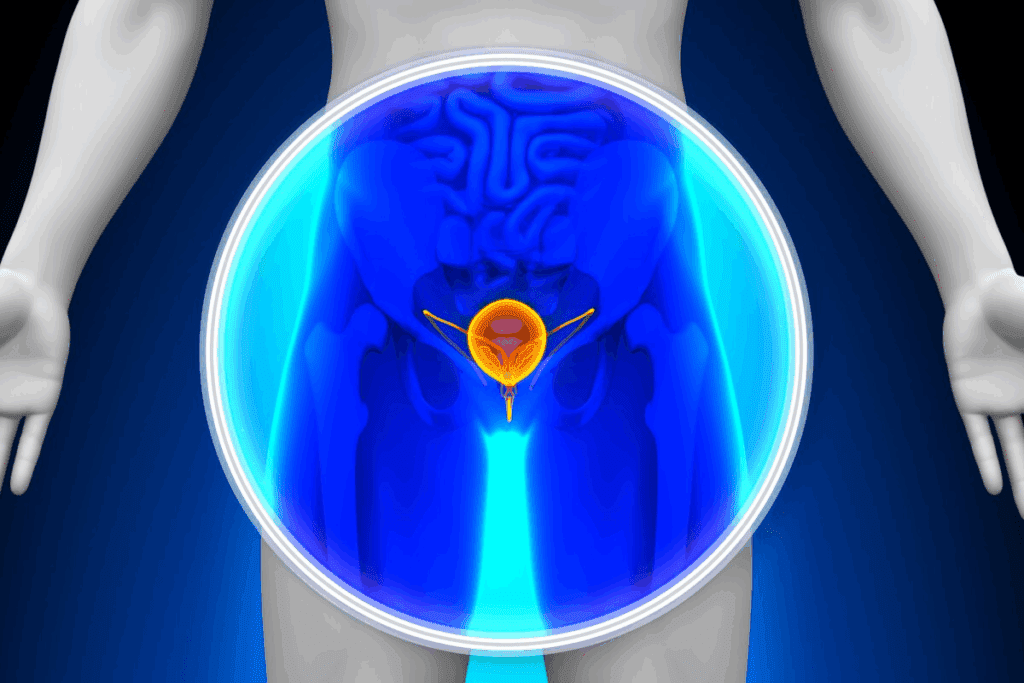
It’s key to understand how the prostate affects male health. The prostate gland is a vital part of the male body. It plays a big role in both reproductive and sexual health.
The Role of the Prostate in Male Reproductive Health
The prostate gland is important for male health. It makes seminal fluid, which helps sperm during ejaculation. This fluid is full of nutrients that help sperm stay healthy.
The prostate is around the urethra, the tube for urine and semen. It helps in the ejaculatory process. This ensures semen is released during orgasm.
How the Prostate Contributes to Sexual Function
The prostate also affects male sexual function. It’s surrounded by nerves and muscles important for erections. The prostate itself doesn’t cause erections, but its health is key for normal sexual function.
The prostate’s role in sexual health is also in the ejaculatory process. During ejaculation, it contracts to release fluid into the urethra. This mixes with sperm and other fluids to form semen, a key part of the male orgasm.
Reasons for Prostate Removal
It’s important to know why prostate removal is considered. This surgery, called prostatectomy, is a big choice. It’s needed for many health reasons.
Prostate Cancer and Treatment Options
Prostate cancer is a main reason for this surgery. It’s a common cancer in men. Surgery is often suggested as a treatment.
The choice to have surgery depends on the cancer’s stage and how fast it grows. Other factors also play a role.
There are different ways to treat prostate cancer. These include:
- Radical prostatectomy, which removes the prostate and nearby tissues.
- Active surveillance, which means watching the cancer closely without treating it right away.
- Radiation therapy, used alone or with surgery.
Other Medical Conditions Requiring Prostatectomy
Prostate removal is also needed for other health issues. These include:
- Benign Prostatic Hyperplasia (BPH), where the prostate gets too big, causing urinary problems.
- Prostatitis, which is inflammation of the prostate gland, either chronic or acute.
In some cases, surgery is considered when other treatments don’t work.
Making Informed Decisions About Treatment
Choosing to have prostate removal means understanding its benefits and risks. Patients should talk to their doctor. They should think about their health, the condition, and how it might affect their life.
It’s key to know about possible side effects like urinary issues and erectile problems. Knowing how to lessen these risks is also important.
Types of Prostatectomy Procedures
Prostatectomy, or the removal of the prostate, has several surgical methods. The choice depends on the patient’s health, cancer stage, and the surgeon’s skill.
Radical Prostatectomy
Radical prostatectomy removes the prostate gland, seminal vesicles, and surrounding tissue. It’s a traditional surgery used for localized prostate cancer. The goal is to remove the cancer while keeping nerves and tissues intact, reducing complications.
Robotic-Assisted Laparoscopic Prostatectomy
This surgery uses a robotic system for precision. It has smaller incisions, less blood loss, and faster recovery than open surgery. The robotic system’s high-definition and dexterous tools help surgeons perform complex tasks accurately.
Nerve-Sparing Techniques and Their Importance
Nerve-sparing techniques are key in prostatectomy to preserve erectile function nerves. They help reduce erectile dysfunction risk post-surgery. Nerve-sparing prostatectomy carefully dissects around the prostate to identify and preserve the neurovascular bundles. Success depends on age, preoperative function, and surgeon experience.
Nerve-sparing techniques are vital for improving quality of life after surgery. Patients often regain erectile function better with this method.
The Physical Impact of Prostate Removal on Erectile Function
Prostate removal can affect erections in complex ways. It involves the neurovascular mechanisms behind erections. These mechanisms are delicate, and any disruption can cause erectile dysfunction.
How Erections Work: The Neurovascular Mechanism
Erections happen through the nervous and vascular systems working together. Sexual stimulation sends signals to the penis’s blood vessels. This causes the vessels to relax and widen, letting more blood flow in.
The increased blood flow makes the penis tissues swell, leading to an erection. This process is key for achieving and keeping an erection. Damage to nerves or blood flow during surgery can lead to erectile problems.
The Relationship Between the Prostate and Erectile Function
The prostate gland is important for male health, but removing it can affect erections. The prostate is close to nerves that help with erections. During surgery, these nerves can get damaged, making it hard to get an erection.
It’s important to understand how the prostate affects erections after surgery. The close location of the prostate to these nerves makes careful surgery techniques vital.
Nerve Damage During Surgery and Its Effects
Nerve damage is a big risk during prostate surgery. It can affect erections for a long time. The nerves around the prostate send signals for erections. Damage to these nerves can cause erectile dysfunction, from mild to severe.
The amount of nerve damage during surgery can vary. It greatly affects how well erections recover after surgery. Surgeons use special techniques to try and keep erectile function.
Can You Get an Erection After Prostate Removal?
Getting an erection after prostate removal depends on several things. These include the surgery method and the patient’s health. Knowing these can help patients understand what to expect during recovery.
Factors That Influence Post-Surgery Erectile Function
Many factors can affect erectile function after prostate removal. These include:
- The surgical technique used, with nerve-sparing techniques often leading to better outcomes.
- The patient’s age and overall health, as younger patients with fewer health issues tend to recover better.
- The presence of any underlying health conditions, such as diabetes or vascular disease, which can impact erectile function.
Nerve-sparing surgical techniques are key. They aim to keep nerves around the prostate intact. These nerves are vital for erections. Using these techniques can greatly improve chances of regaining erectile function.
Timeline for Erectile Recovery
The time it takes to recover erectile function varies. It can take months to years. This depends on the extent of nerve damage and the patient’s health.
It’s important for patients to be patient and not get discouraged by the slow pace of recovery. Starting penile rehabilitation programs as advised by doctors can help speed up recovery.
What to Expect in Terms of Morning Erections
Morning erections can show if erectile function is coming back. After prostate removal, some men may start getting morning erections again. The presence and firmness of these erections can give clues about recovery.
But, not having morning erections doesn’t mean recovery has failed. It’s just one sign to watch during recovery.
Sex After Prostatectomy: What to Expect
Prostate removal can change how men feel during sex. It’s important to know these changes to adjust. Men may face physical changes that affect their sex life after a prostatectomy.
Physical Changes in Sexual Response
Men often worry about how prostate removal affects sex. The prostate is key to the male reproductive system. Its removal can change how men ejaculate and orgasm.
Men might notice their orgasms feel different. Some may have “dry orgasms,” where they don’t ejaculate much. This is because the prostate and seminal vesicles, which help with ejaculation, are changed or removed during surgery.
Ejaculation and Orgasm Without a Prostate
Ejaculation and orgasm involve many nerves and muscles. After prostate removal, these nerves can be affected. Men may have orgasms, but they might feel different.
Men often can’t ejaculate semen after prostate removal. This is because the seminal vesicles and part of the vas deferens are removed. Yet, some men can have pleasurable orgasms without semen.
Realistic Expectations for Sexual Satisfaction
It’s key to have realistic expectations after prostate removal. Recovery time and some changes may be permanent. But, with the right support, many men can find sexual satisfaction again.
Men and their partners should talk openly about their desires and changes. Getting help from healthcare providers, therapists, or support groups can help. This way, men can work towards sexual satisfaction after prostate removal.
Timeline for Resuming Sexual Activity After Surgery
Patients often ask when they can start having sex again after prostate surgery. The answer varies because everyone heals differently. It also depends on following medical advice.
Medical Guidelines for Post-Surgery Sexual Activity
Doctors usually tell patients to wait a bit before having sex again. This waiting helps the body heal and lowers the chance of problems.
- Most surgeons say wait at least 6-8 weeks before trying sex.
- Some research shows starting sex a bit sooner, with a doctor’s okay, can help recovery.
Healing Process and Its Impact on Sexual Function
The healing time after prostate surgery affects how well you can have sex. Damage to nerves during surgery can make it hard to get an erection. How much damage happens varies from person to person.
Nerve-sparing techniques during surgery can help reduce damage. This might lead to better sex life after healing.
Gradual Return to Sexual Activity
It’s best to slowly get back to having sex. Start with gentle activities and then move to more intimate ones as you can.
- Start with gentle, non-penetrative sexual activities.
- Slowly move to penetrative sex, listening to your body and stopping if you feel pain or discomfort.
Always follow your doctor’s specific advice. They can give you personalized tips based on how you’re healing.
Medical Treatments for Erectile Dysfunction After Prostatectomy
Prostatectomy can cause erectile dysfunction, but new treatments offer hope. Erectile dysfunction (ED) is common after prostate surgery, affecting many men. Luckily, there are effective treatments to help regain sexual function.
Oral Medications
Oral medications are often the first choice for treating erectile dysfunction after prostatectomy. Phosphodiesterase type 5 (PDE5) inhibitors, like sildenafil (Viagra) and tadalafil (Cialis), are commonly used. These medications boost nitric oxide, a natural chemical that relaxes penis muscles, improving blood flow.
When to Start ED Medications After Surgery
The timing for starting ED medications is key. Doctors usually recommend waiting 4 to 6 weeks after surgery. Starting too early can be ineffective or even harmful.
A study in the Journal of Urology found early use of PDE5 inhibitors after prostatectomy can improve erectile function recovery. “Early treatment helps by promoting penile nerve and tissue health,” the study’s lead author notes.
Dosage and Frequency Considerations
Finding the right dosage and frequency of ED medications is important. The dosage depends on the medication, the patient’s health, and how well they tolerate it. It’s vital to follow the doctor’s instructions and report any side effects.
For example, sildenafil starts at 50 mg, taken as needed, about one hour before sex. The dose can be adjusted based on how well it works and how it’s tolerated. Tadalafil can be taken daily at a lower dose or as needed, giving more flexibility.
By understanding medical treatments and working with healthcare providers, men can find effective solutions for erectile dysfunction after prostatectomy. This improves their quality of life and sexual health.
Alternative Treatments for Post-Prostatectomy Erectile Dysfunction
When dealing with erectile dysfunction after prostate surgery, there are many treatment options. These include penile injections, vacuum erection devices, and penile implants. These alternatives can help men with erectile dysfunction after prostate surgery.
Penile Injections
Penile injections give medication directly to the penis to cause an erection. This method works well for men who don’t get results from pills. The drugs in the injections relax the penis’s smooth muscle and boost blood flow.
Benefits: Quick action, works for many.
Considerations: Needs proper technique, might cause side effects like pain or priapism.
Vacuum Erection Devices
Vacuum erection devices (VEDs) are tools that draw blood into the penis, creating an erection. They’re a good choice for men who don’t want to use pills or invasive treatments.
Advantages: Easy to use, non-invasive.
Potential Drawbacks: May need practice, not for everyone.
Penile Implants
Penile implants are devices implanted surgically for long-term erectile dysfunction relief. There are inflatable and semi-rigid models available.
Benefits: Long-lasting, high satisfaction.
Considerations: Requires surgery, might have complications.
Emerging Therapies
New research is exploring treatments for erectile dysfunction. This includes stem cell therapy, low-intensity shockwave therapy, and other new methods.
Potential: Less invasive, might be more effective.
Current Status: Many are in trials, not yet available.
Men with erectile dysfunction after prostate surgery should talk to their doctor. They can find the best treatment based on their health and needs.
Penile Rehabilitation Programs After Prostatectomy
Penile rehabilitation helps men regain erectile function after prostatectomy. It includes treatments and lifestyle changes to restore sexual health.
Purpose and Goals of Rehabilitation
The main goal of penile rehabilitation is to improve erectile function and sexual satisfaction after prostate surgery. It uses medical treatments, lifestyle changes, and education. This approach aims to enhance the quality of life for men after prostate surgery.
Common Rehabilitation Protocols
Rehabilitation protocols often combine oral medications, vacuum erection devices, and penile injections. Oral medications like PDE5 inhibitors help restore function. Vacuum devices create a vacuum to draw blood into the penis, causing an erection. Penile injections stimulate an erection by injecting medication directly into the penis.
A study in the Journal of Urology found that combining therapies improves erectile function significantly.
Evidence for Effectiveness
Research shows that penile rehabilitation programs are effective after prostatectomy. Early use of PDE5 inhibitors can greatly improve recovery. A structured program leads to better erectile function and sexual health.
A meta-analysis in a urology journal found that men in rehabilitation programs were more likely to regain erectile function.
Psychological Aspects of Sex After Prostate Removal
Removing the prostate gland can mix up both physical and mental health. Men after a prostatectomy feel many emotions. These range from worry and sadness to relief and hope.
Dealing with Changes in Sexual Function
Handling changes in sexual function after prostate removal needs a broad approach. Men must accept the loss of erectile function and its emotional effects. It’s key to acknowledge these feelings and seek support from doctors, therapists, or support groups.
Some men feel a deep sense of loss for their old sexual life. Recognizing these feelings is a big step towards healing and adjusting to new situations.
| Coping Strategies | Description | Benefits |
| Seeking Professional Help | Consulting with therapists or counselors | Provides emotional support and guidance |
| Support Groups | Joining groups for men with similar experiences | Fosters a sense of community and understanding |
| Open Communication | Discussing feelings and needs with partners | Strengthens relationships and intimacy |
Communication with Partners
Talking openly with partners is key after prostatectomy. Men should share their feelings, needs, and worries with their partners. This helps in rebuilding closeness and strengthening the bond.
Partners can be supportive by being understanding, patient, and open about their own feelings. Together, they can find new ways to be intimate and satisfied.
Managing Expectations and Anxiety
It’s important to manage expectations and anxiety after prostatectomy. Knowing what to expect and the treatments available can help. Doctors can guide on what to expect and when to seek more help.
Recovery takes time. Being patient and persistent is essential for regaining sexual function and overall health.
Partner Perspectives on Sex After Prostatectomy
Understanding the changes in sexual function after prostatectomy is key. It’s important for both the patient and their partner. The impact of prostate removal on sexual health is big, affecting both the individual and their relationship.
Emotional Support for the Patient
Partners are vital in supporting patients through prostatectomy. Open communication about sexual function changes is essential. It helps create a supportive environment.
Encouraging patients to get help for erectile dysfunction is important. Going to doctor’s appointments together and counseling can also help.
“The journey through prostate cancer treatment is not just about the patient; it’s about the couple,” a healthcare professional said. This highlights the need to consider the partner’s view and involve them in care.
Adapting to New Sexual Realities
Adjusting to new sexual realities after prostatectomy is tough for both. It’s about understanding physical changes and keeping intimacy alive. Exploring new ways of intimacy, like non-penetrative activities, can help couples stay connected.
- Communicating openly about desires and needs
- Seeking professional help for sexual dysfunction
- Engaging in intimacy beyond penetrative sex
Resources for Partners
There are many resources for partners of prostatectomy patients. Support groups, counseling, and online forums are available. These offer valuable info, emotional support, and a sense of community.
By facing challenges and using these resources, partners can greatly support patients. This can strengthen their relationship.
Lifestyle Factors That May Improve Erectile Function After Surgery
Lifestyle choices are key in getting back erectile function after prostate surgery. A healthier lifestyle can boost overall health and sexual function.
Exercise and Physical Activity
Regular exercise boosts heart health, which is vital for erectile function. It helps blood flow better, lowers inflammation, and improves overall health.
Benefits of Exercise for Erectile Function:
- Improved cardiovascular health
- Enhanced blood flow
- Reduced risk of chronic diseases
- Increased testosterone levels
A study in the Journal of Sexual Medicine showed men who exercised regularly after prostate surgery had better erectile function. This compared to those who didn’t exercise.
Nutrition and Dietary Considerations
Eating a balanced diet with fruits, veggies, whole grains, and lean proteins supports health. It can also help erectile function. Some nutrients are good for sexual health.
| Nutrient | Food Sources | Benefits |
| Antioxidants | Berries, leafy greens, nuts | Reduces oxidative stress |
| Omega-3 Fatty Acids | Fatty fish, flaxseeds, walnuts | Improves heart health |
| Zinc | Oysters, beef, chicken, pumpkin seeds | Supports testosterone production |
Stress Management Techniques
Stress can harm erectile function. Reducing stress can help.
Effective Stress Management Techniques:
- Meditation and mindfulness
- Yoga
- Deep breathing exercises
- Progressive muscle relaxation
By adding these lifestyle changes, men after prostate surgery might regain erectile function. Always talk to a healthcare provider before changing your exercise or diet.
Conclusion
It’s key for men to know how prostate removal affects their sex life. This article has looked into the physical and mental sides of sex after prostate surgery.
Improving sexual health after prostate removal needs a full plan. This includes medical help, lifestyle changes, and emotional support. Men can take steps to get their sex life back on track.
A conclusion on sex after prostatectomy shows the need for a wide approach. This includes penile rehab, other treatments, and managing stress. By understanding these, men and their partners can face the challenges of sex after surgery better.
In the end, knowing how to handle sexual health after prostate surgery can lead to better sex. By exploring options and being proactive, men can take back control of their sex life.
FAQ
Can you have sex after prostate removal?
Yes, many men can have sex after prostate removal. But, it might affect how they get an erection and ejaculate. This depends on the surgery type and if nerves were spared.
How soon can you have sex after prostate surgery?
The time to start sex again after surgery varies. Usually, men wait a few weeks for healing. Always follow your doctor’s advice.
Can you get an erection without a prostate?
Yes, getting an erection without a prostate is possible. But, the quality and how often might change. Surgery that spares nerves can help more.
Does prostate removal cause impotence?
Removing the prostate might lead to erectile dysfunction. But, the risk depends on the surgery and personal factors. Surgery that spares nerves can lower this risk.
Can you ejaculate without a prostate?
Without a prostate, you can’t ejaculate like before. The prostate is key to the process. But, some men might have an orgasm.
What are the treatment options for erectile dysfunction after prostatectomy?
Treatments include Viagra, penile injections, vacuum devices, and implants. The best option depends on your health and what you prefer.
How long after prostate surgery can you take Viagra?
When to start Viagra after surgery depends on your recovery and health. Talk to your doctor about this.
What is penile rehabilitation, and how does it work?
Penile rehabilitation uses treatments to improve blood flow and erectile function after surgery. This includes medications, vacuum devices, or injections.
How can partners support each other after prostatectomy?
Partners can offer emotional support by being understanding and open. They should communicate their feelings and seek resources together.
Are there lifestyle changes that can improve erectile function after prostate surgery?
Yes, a healthy lifestyle helps. This includes regular exercise, a balanced diet, and managing stress.
Can you have intercourse after prostate cancer surgery?
Yes, many men can have sex again after prostate cancer surgery. But, the quality and ability to get an erection may change.
What are the psychological aspects to consider after prostate removal?
Men and their partners may face changes in sexual function. They need to manage expectations and deal with anxiety or depression. Emotional support is key.
References
- National Cancer Institute. (2024). Erectile dysfunction after prostate cancer treatment. https://www.cancer.gov/about-cancer/treatment/side-effects/erectile-dysfunction
- Steers, W. D. (2002). Pathophysiology and treatment of post-prostatectomy erectile dysfunction. Nature Reviews Urology, 13(5), 229-243, https://pubmed.ncbi.nlm.nih.gov/12022234