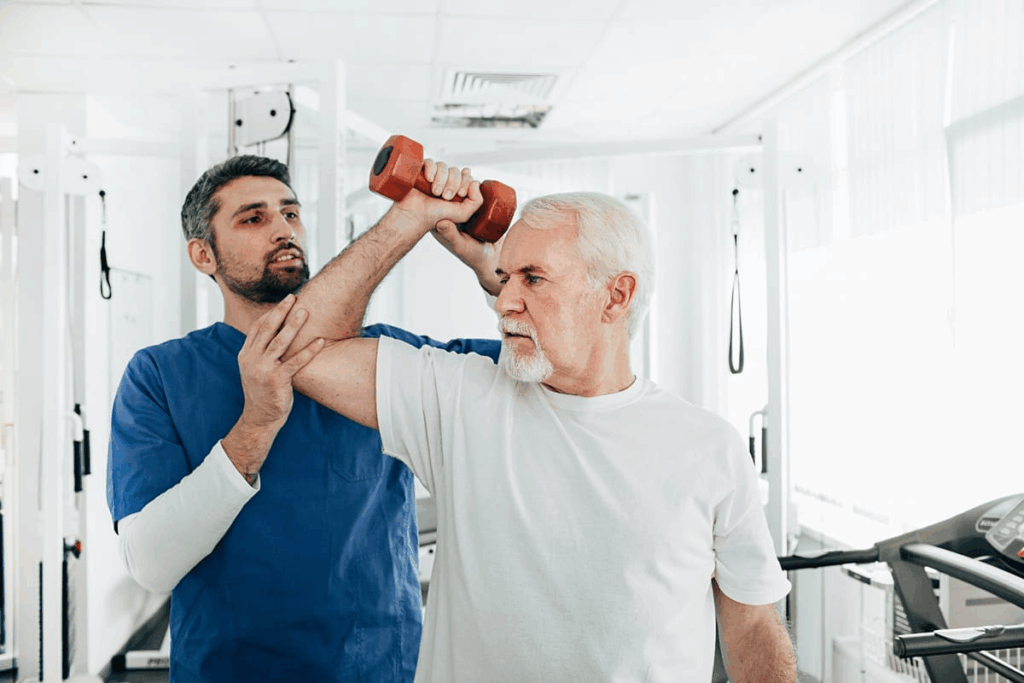
Tight hip muscles can really hurt your daily life. They cause discomfort, pain, and make it hard to move. AtLiv Hospital, we know how important it is to fix hip tightness and pain with proven stretching methods. Listing ten effective stretches detailing how to loosen tight hips and improve overall mobility and comfort. Listing ten effective stretches detailing how to loosen tight hips and improve overall mobility and comfort.
Hip tightness is common among people who sit a lot, athletes, and all ages. Yoga poses and stretches with a foam roller can really help loosen tight hip muscles.
We want to help you get flexible again and live better. We aim to teach you about hip anatomy and the best ways to make your hips more flexible.
Key Takeaways
- Effective stretches can help alleviate hip tightness and pain.
- Certain yoga poses and foam roller exercises are beneficial for loosening tight hip muscles.
- Addressing hip tightness is essential for restoring flexibility and improving quality of life.
- Understanding hip anatomy is key for effective stretching and exercises.
- Evidence-based stretching interventions can significantly improve hip flexibility.
The Impact of Hip Tightness on Your Body
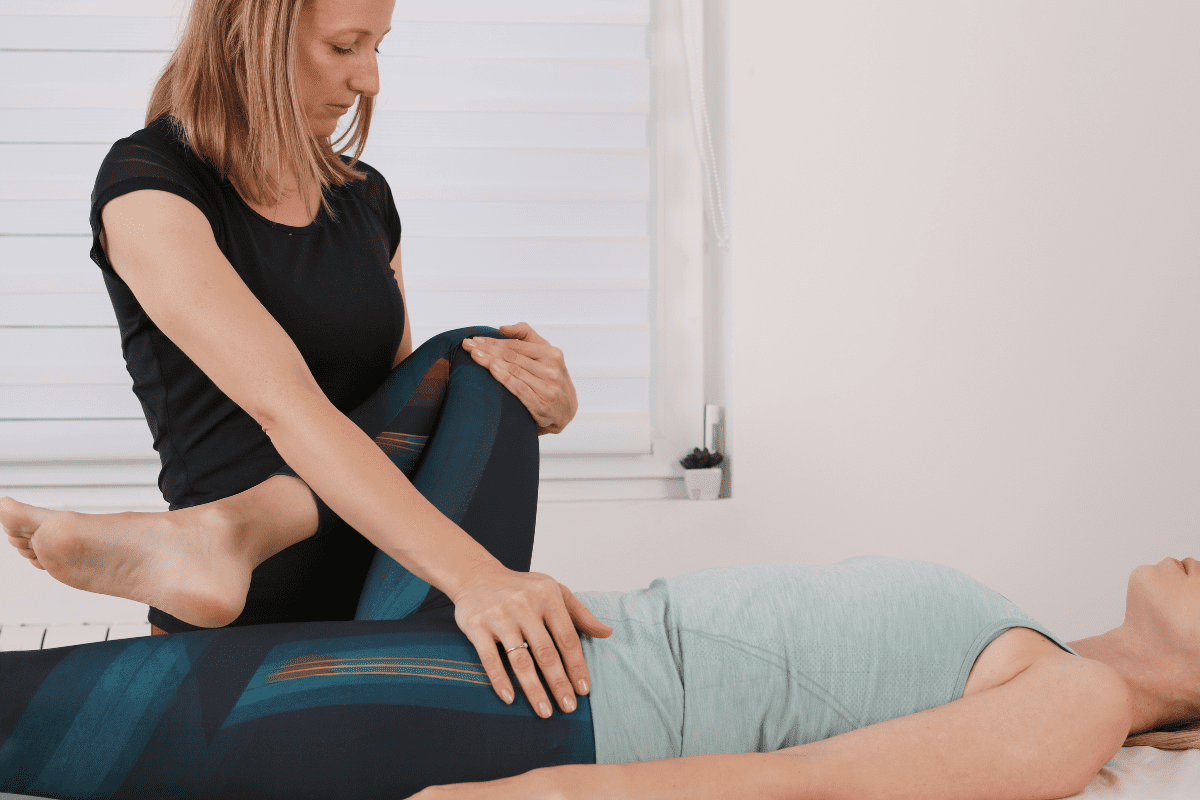
Hip tightness is common among people of all activity levels. It causes mobility issues and discomfort, affecting daily life and well-being.
Hip tightness doesn’t pick favorites; it affects athletes and those who sit a lot. Studies show that sedentary behavior restricts hip extension flexibility. Sitting for long periods tightens hip flexors, leading to more mobility problems.
Who Suffers from Hip Tightness
Hip tightness affects many groups, including:
- Athletes in sports that need hip movement
- People with desk jobs or who sit a lot
- Those with poor posture or activities that strain hip muscles
Knowing who’s at risk helps prevent it. Adding exercises for flexibility in hips can lower tightness risk.
The Connection Between Sedentary Behavior and Hip Mobility
A sedentary lifestyle harms hip mobility. Sitting for long times makes hip flexors tight. This tightness raises injury risk because tissues aren’t moving right.
To fight this, moving and stretching regularly is key. Simple actions like standing and stretching often can greatly improve hip mobility.
Understanding Hip Anatomy and Function
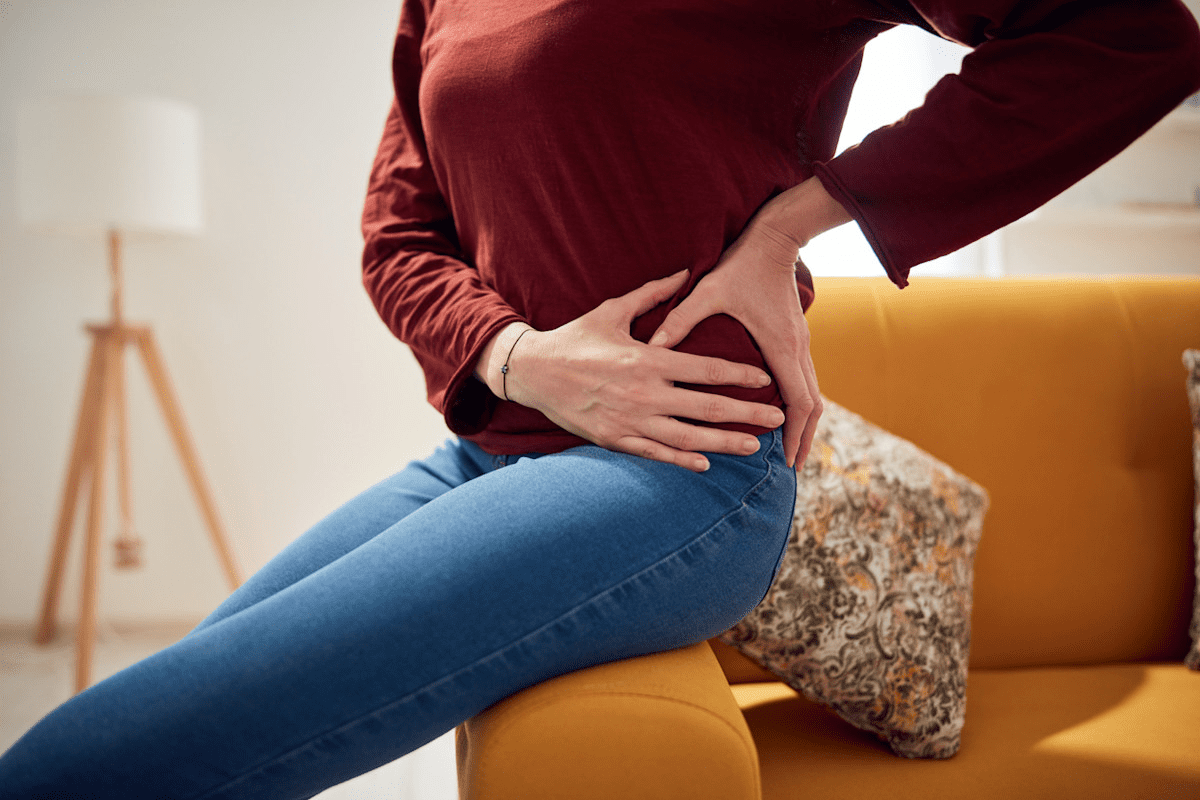
Hip anatomy is more than just a term; it’s the key to better movement and less pain. The hip complex is a complex structure that’s vital for our mobility and flexibility. To tackle hip tightness, we need to understand the hip’s anatomy and how it works.
Key Muscles in the Hip Complex
The hip flexors are muscles at the top of the thighs that link the upper leg to the hip. Along with other muscles, they’re key for movement and flexibility. The hip flexors, including the iliacus and psoas major, are vital for hip flexion and play a big role in daily activities and sports.
Other important muscles are the gluteals, which help extend the hip, and the piriformis, which rotates the hip. Knowing their roles helps us find the causes of hip tightness and create good stretching exercises.
How Restricted Hip Extension Affects Movement
Restricted hip extension can really affect our movement and sports performance. Tight hip flexors can reduce hip extension, impacting our posture, walking, and ability to do physical activities well.
Movement | Impact of Restricted Hip Extension |
Walking | Reduced stride length and efficiency |
Running | Increased risk of overuse injuries |
Squatting | Difficulty achieving proper depth |
Tight hip flexors can cause back pain and lower performance. Knowing how restricted hip extension affects movement shows why keeping hip muscles flexible is so important.
The Consequences of Tight Hip Flexors
Tight hip flexors can cause a lot of problems in the body. They are not just a small issue. They can affect how well you move and how you feel overall.
Tight hip flexors can make the upper groin area hurt. They can also lead to lower back pain and hamstring strains. This is because of how tight hip flexors affect the hip and muscles around it.
Reduced Trunk Strength and Dynamic Balance
Research shows tight hip flexors can weaken the trunk and affect balance. The hip flexors help keep us standing right and moving well. When they are tight, it’s harder to stand up straight and balance, which weakens the trunk.
“Tight hip flexors can lead to a decrease in functional movement patterns, affecting overall athletic performance and daily activities.”
This weak balance makes it easier to fall and get hurt. Working on tight hip flexors can help improve balance and lower the risk of falls.
Connection to Hamstring Strain and Lower Back Pain
Tight hip flexors are linked to hamstring strains. They can make the hamstrings work differently, leading to injury. They also change how the body moves, which can cause lower back pain.
Condition | Effect of Tight Hip Flexors |
Hamstring Strain | Increased risk due to altered muscle function |
Lower Back Pain | Contributes to biomechanical changes leading to pain |
Trunk Strength | Reduced isometric strength and dynamic balance |
Knowing how tight hip flexors affect us shows why we need to deal with them. By learning how to release hips and doing the right exercises, we can avoid these problems and live better.
How to Loosen Tight Hips: The Science-Based Approach
To loosen tight hips, we need to look at the latest science. Studies have given us insights into the best ways to improve hip mobility.
Research on Hip Flexibility Interventions
Studies show that stretching regularly can greatly improve hip mobility. For example, a simple stretching routine done daily for six weeks made a big difference. It improved hip flexor flexibility and gluteal function significantly.
Key Findings from Recent Studies:
Study Duration | Intervention Type | Outcome |
6 weeks | Daily lunge-and-reach stretching | Significant improvement in hip flexor flexibility and gluteal function |
8 weeks | Combination of stretching and strengthening exercises | Enhanced hip mobility and reduced lower back pain |
Expected Improvements from Regular Stretching
Regular stretching brings many benefits. It improves hip flexibility, enhances gluteal function, and lowers the risk of lower back pain. Adding a stretching routine to your daily life can greatly improve your hip mobility.
Consistency is key. Studies show that regular stretching can improve hip mobility in just six weeks. So, sticking to a stretching routine is important for keeping your hips flexible.
The Modified Thomas Test: Assessing Your Hip Flexibility
The Modified Thomas Test is a simple yet effective way to check hip flexor tightness. It’s key for knowing how flexible your hip flexors are. These muscles are important for movement and keeping good posture.
Step-by-Step Testing Procedure
To do the Modified Thomas Test, follow these steps:
- Lie on your back on a flat, stable surface, like a table or mat on the floor.
- Bring both knees to your chest and hold them with your hands.
- Slowly lower one leg towards the surface, keeping it straight, while keeping the other knee against your chest.
- Observe the angle of the lowered leg relative to the surface and note any discomfort or tension.
- Repeat the process with the other leg.
Interpreting Your Results
The angle of the leg shows how flexible your hip flexors are. Ideally, the leg should lower to a position parallel to the surface or slightly below. If the leg stays far above the parallel plane, it might mean your hip flexors are tight.
Key Observations:
- If your leg can’t lower to the parallel position, it means your hip flexor flexibility is lower.
- Any pain or discomfort during the test is a sign of possible issues.
By using the Modified Thomas Test, you can learn a lot about your hip flexibility. It helps you find areas to improve. Regular tests can show how you’re doing and help you tailor your stretching routine.
Preparing for Effective Hip Stretching
Before starting hip stretches, it’s key to prepare safely and effectively. Proper preparation helps get the most out of stretching without injury.
Essential Warm-Up Techniques
Warming up is vital to get blood flowing and muscles ready. Start with light cardio like jogging or cycling for 5-10 minutes. Then, do dynamic movements like leg swings and lunges to target the hips.
Dynamic Warm-Up Exercises:
- Leg Swings: Stand with feet apart and swing one leg forward and backward, then switch.
- Lunges: Do walking lunges with a straight back and front knee behind toes.
- Hip Circles: Stand with feet together and hands on hips, making big circles with hips.
Safety Guidelines and Contraindications
Be careful with hip stretching, more so if you have health issues. Stretching should not hurt. If it does, you’re stretching too far. Always listen to your body and adjust stretches as needed.
“The key to effective stretching is not to force beyond a comfortable range of motion but to gently increase flexibility over time.”
Safety Considerations:
Condition | Precaution |
Recent Hip Injury | Consult a healthcare professional before starting any new stretching routine. |
Chronic Hip Pain | Begin with gentle stretches and gradually increase intensity. |
Post-Surgical Rehabilitation | Follow a physical therapist’s guidance for safe stretching practices. |
By following these tips and listening to your body, you can safely and effectively stretch your hips. This will improve your flexibility and overall health.
Stretch #1: Lunge-and-Reach Hip Flexor Stretch
The lunge-and-reach hip flexor stretch is a simple yet powerful exercise for improving hip mobility. It targets the hip flexors, which are key for walking, running, and climbing stairs.
To do this stretch right, knowing the proper technique is key. Here’s a step-by-step guide:
Proper Execution Technique
- Start by standing with your feet hip-width apart.
- Take a big step forward with one foot and lower into a lunge.
- Keep your back knee almost touching the ground and your front thigh parallel to the floor.
- Reach your arms overhead and lean slightly backward, stretching the front of your hip.
- Hold this for 20-30 seconds and then switch legs.
Research-Backed Benefits
Studies show that stretching can greatly improve hip flexibility. A study on daily lunge-and-reach stretching found it significantly improved hip flexor flexibility.
Benefits | Description |
Improved Hip Flexibility | Regular stretching can increase the range of motion in the hips. |
Enhanced Mobility | Better hip mobility can improve overall movement and athletic performance. |
Reduced Muscle Tension | Stretching can help alleviate tension in the hip flexor muscles. |
By adding the lunge-and-reach hip flexor stretch to your daily routine, you can see these benefits. Be consistent and patient, as flexibility takes time to improve.
Stretch #2: Pigeon Pose for Deep Hip Release
The Pigeon Pose is a standout yoga stretch for hip flexibility. It targets the hip flexors and glutes, leading to a deep release. It’s one of the most effective stretches for loosening tight hips.
Step-by-Step Instructions
To do the Pigeon Pose, start on your hands and knees. Move one knee forward, placing your foot on the opposite thigh. Then, slide your other leg back and keep it straight.
Lower your hips towards the ground. You can stay on your hands or move down to your forearms or the ground. Hold the stretch for a few breaths, feeling the release in your hip.
Key points to focus on:
- Keep your back leg straight and your hips level.
- Engage your core to support your posture.
- Breathe deeply, allowing your hips to relax further with each exhalation.
Modifications for Different Flexibility Levels
The Pigeon Pose can be adjusted for different flexibility levels. For tighter hips, use a folded blanket or cushion under your hips. If you’re more flexible, lean forward or extend your arms to deepen the stretch.
Modifications include:
- Using props like blankets or blocks for support.
- Adjusting the depth of the stretch based on your comfort level.
- Keeping the back leg slightly bent if straightening it causes discomfort.
Stretch #3: Butterfly Stretch for Inner Thigh Flexibility
The Butterfly Stretch is a great way to loosen up your inner thighs. It targets the adductor muscles, making your legs more flexible and less stiff.
Proper Form and Technique
To do the Butterfly Stretch right, sit on the floor with your legs straight out. Then, bring your feet together, letting your knees fall apart. Hold your ankles or feet with your hands and press your knees down gently. Keep your back straight and your core tight for good posture.
Key Points to Remember:
- Keep your back straight to avoid straining.
- Gently press your knees down; do not force.
- Breathe deeply to enhance relaxation.
Progressive Variations
To make the stretch harder, try different versions. Lean forward while keeping your back straight to stretch more. Or, place your hands on the floor and lift your feet, balancing on your seat.
Variation | Description | Benefit |
Leaning Forward | Lean forward while keeping your back straight. | Increases the stretch in the inner thighs. |
Balancing | Lift your feet off the ground and balance. | Improves core strength and balance. |
Adding the Butterfly Stretch to your routine and trying different versions can really help. It makes your inner thighs more flexible, improving your movement and lowering injury risk.
Stretches #4-7: Targeting Multiple Hip Muscles
A good stretching routine should target many hip muscles at once. This way, we can loosen up several areas at once. This leads to better hip flexibility and movement.
Stretch #4: Figure Four Stretch
The Figure Four Stretch works on the piriformis and gluteal muscles. Start by lying on your back with knees bent and feet flat. Cross one ankle over the other knee, then pull the uncrossed leg towards your chest. Hold for 30 seconds and switch sides.
Benefits: It relieves tension in the piriformis, easing pressure on the sciatic nerve.
Stretch #5: Happy Baby Pose
Happy Baby Pose stretches the hips and lower back. Lie on your back, bring knees to your chest, and hold your knees. Pull your knees towards the floor on either side of your body. Keep your spine relaxed and head on the ground.
Tip: Engage your core to control the stretch and avoid straining your lower back.
Stretch #6: Frog Pose
Frog Pose stretches the inner thighs and hips deeply. Start by kneeling with knees wide apart. Lower your torso down, keeping elbows on the ground, until you feel a stretch. Hold for 30 seconds to a minute, breathing deeply.
Precaution: Don’t do this stretch if you have knee injuries or discomfort.
Stretch #7: 90/90 Hip Stretch
The 90/90 Hip Stretch targets the piriformis and gluteals. Sit on the floor with one leg bent in front and the other behind you, both at 90 degrees. Lean forward slightly to deepen the stretch. Hold for 30 seconds and switch sides.
Adding these stretches to your routine can greatly improve hip flexibility and reduce muscle tension. Breathe deeply and move slowly into each stretch to get the most benefits.
Stretches #8-10: Advanced Hip Mobility Techniques
To boost your hip flexibility, try these advanced stretches. They can increase your range of motion and lower injury risks. Here are three stretches to enhance your hip flexibility.
Stretch #8: Dynamic Hip Flexor Stretch
The Dynamic Hip Flexor Stretch is great for hip mobility. Start in a lunge with your back knee almost touching the ground. Lean forward slowly, keeping your back straight, and then go back to the start. This movement loosens the hip flexors and boosts flexibility.
Benefits: Enhances hip flexor flexibility, improves dynamic balance.
Stretch #9: Thread the Needle Hip Opener
Thread the Needle targets the hip rotators and glutes. Start on your hands and knees. Move one arm under your body, lowering your shoulder to the ground. Hold for a few seconds, then go back to the start. Do the same on the other side.
Benefits: Improves hip rotation, reduces tension in the glutes and lower back.
Stretch #10: World’s Greatest Stretch
The World’s Greatest Stretch works many muscles, like the hip flexors, glutes, and piriformis. Start in a lunge, then lower your back knee and stretch your arms out. Lean forward, stretching your hip flexor, and then twist your torso, stretching your glutes and piriformis.
Benefits: Enhances overall hip mobility, improves flexibility in multiple muscle groups.
Stretch | Primary Benefit | Secondary Benefit |
Dynamic Hip Flexor Stretch | Improves hip flexor flexibility | Enhances dynamic balance |
Thread the Needle Hip Opener | Improves hip rotation | Reduces glute and lower back tension |
World’s Greatest Stretch | Enhances overall hip mobility | Improves flexibility in multiple muscle groups |
Adding these advanced stretches to your routine can greatly improve your hip mobility and flexibility. Start slow and listen to your body, as these stretches can be challenging.
Conclusion
Adding the stretches from this article to your daily routine can greatly boost your hip flexibility and mobility. Regular stretching and exercises improve hip flexibility. This leads to better health and athletic performance.
We’ve looked at why knowing your hip anatomy and assessing its flexibility is important. We’ve also discussed various stretches to help loosen tight hips. By following these tips and stretches, you can see big improvements in your hip flexibility and mobility.
Keep working on your hip health by practicing regularly. With commitment and the right methods, you’ll enjoy better mobility and less pain. This will make your life much better.
FAQ
What causes tight hips?
Tight hips can come from sitting too much, not moving enough, and not stretching the hips. Sitting for long periods tightens the hip flexors. This can weaken the trunk and affect balance.
How can I assess my hip flexibility?
Use the Modified Thomas Test to check your hip flexor flexibility. Lie on a table or mat and pull one knee towards your chest. If the other leg lifts off, your hip flexors might be tight.
What are some effective stretches for loosening tight hips?
Try the Lunge-and-Reach Hip Flexor Stretch, Pigeon Pose, and Butterfly Stretch. Also, do the Figure Four Stretch, Happy Baby Pose, Frog Pose, and 90/90 Hip Stretch. These can make your hips more flexible and mobile.
How often should I stretch my hips?
Stretching your hips regularly is key. Aim to stretch 2-3 times a week. This will help improve flexibility and mobility.
Can tight hips lead to other injuries or issues?
Yes, tight hip flexors can cause weak trunk muscles, poor balance, and higher risk of hamstring strains and back pain. It’s important to stretch these muscles to avoid these problems.
Are there any safety guidelines I should follow when stretching my hips?
Always warm up before stretching and listen to your body. Don’t bounce or stretch too far. Know about any health issues that might affect stretching safely.
How can I progress my hip stretching routine?
As you get more flexible, try more challenging stretches. Add the Dynamic Hip Flexor Stretch, Thread the Needle Hip Opener, and World’s Greatest Stretch to your routine.
Can I stretch my hips if I have a pre-existing injury or condition?
Always talk to a healthcare professional before starting new stretches, if you have an injury or condition. They can suggest safe stretches or alternatives for you.
References
National Center for Biotechnology Information. Evidence-Based Medical Guidance. Retrieved from https://pmc.ncbi.nlm.nih.gov/articles/PMC11515218/