
Strong hip muscles are key for good movement, avoiding injuries, and staying healthy for a long time. But, they are often ignored in workouts. We will look into why hip strengthening exercises are important, with science and expert advice to back it up.
Studies show that doing exercises for hip strength really helps with pain and disability. Having strong hips is more than just looking good. It’s about building muscles that help you move well and stay balanced.
Listing twelve good hip exercises for building comprehensive strength, power, and stability in the hip area.
Key Takeaways
- Hip strengthening exercises improve movement quality and prevent injuries.
- Strong hip muscles are essential for long-term wellness.
- Targeted exercises can significantly reduce pain and disability.
- Hip strengthening is backed by substantial scientific evidence.
- Incorporating exercises for hip strength into your routine enhances overall health.
The Science Behind Hip Strength
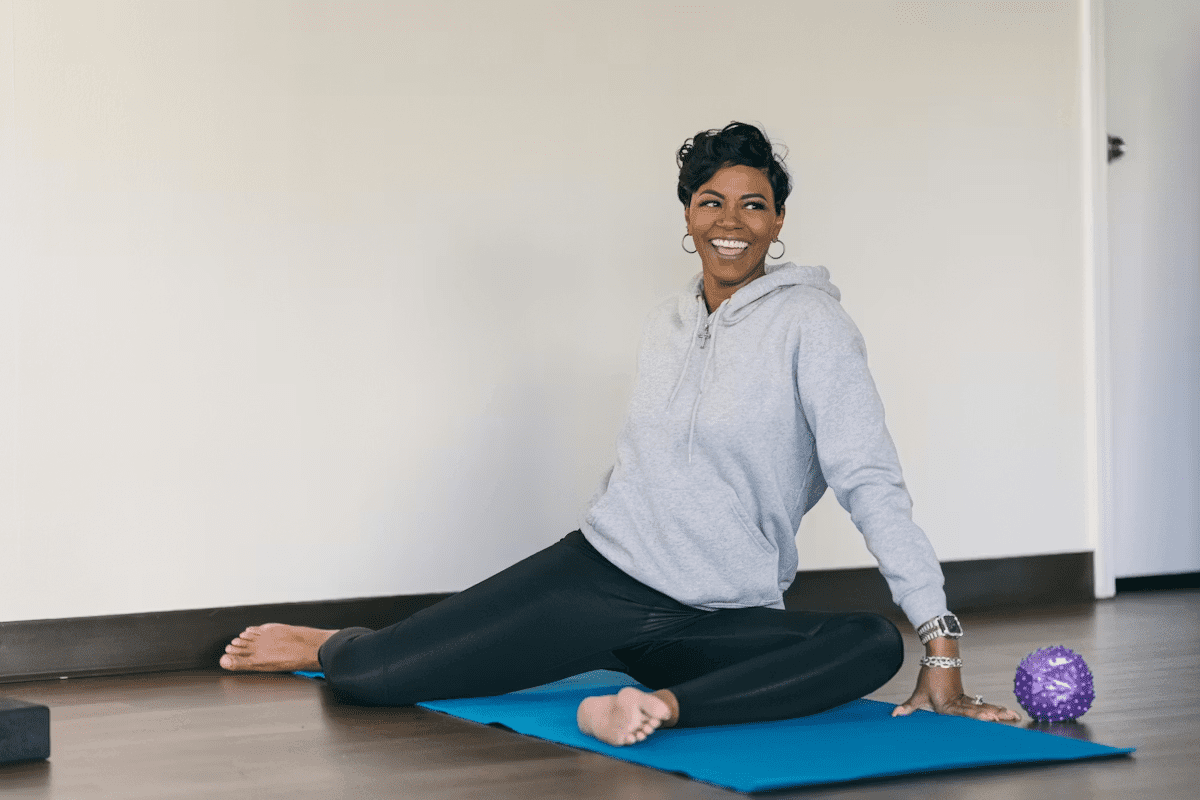
Hip strength is key to our physical health. It affects our mobility and how we manage pain. Strong hips help us stay balanced, support daily tasks, and boost athletic performance.
Why Hip Strength Matters for Overall Health
Hip strength is vital for our body’s structure. Weak hips can cause poor posture, less mobility, and higher injury risks. They also help balance and reduce strain on joints like knees and lower back.
“Strong hips are the cornerstone of a healthy, functional body, enabling individuals to perform daily tasks with ease and engage in physical activities without undue risk of injury.”
Research shows that stronger hips can greatly benefit our health. They can reduce chronic pain and improve how well we function.
Research-Backed Benefits of Strong Hips
Studies prove that strong hips offer many health perks. For example, stronger hip flexors can improve athletic performance. A study found that a 12.2% boost in hip flexion strength led to 3.8% faster sprint times and 9.0% better shuttle run times.
Benefit | Description | Research Findings |
Improved Athletic Performance | Enhanced speed, agility, and endurance | 12.2% improvement in hip flexion strength led to 3.8% faster sprint times |
Reduced Chronic Pain | Less strain on joints and muscles | Significant reduction in pain reported by participants with hip strengthening programs |
Better Mobility | Increased range of motion and flexibility | Hip strengthening exercises shown to improve mobility in individuals with hip osteoarthritis |
These findings highlight the need to include hip strengthening exercises in our fitness routines. They are beneficial for both athletic performance and overall health.
Understanding Hip Anatomy and Function
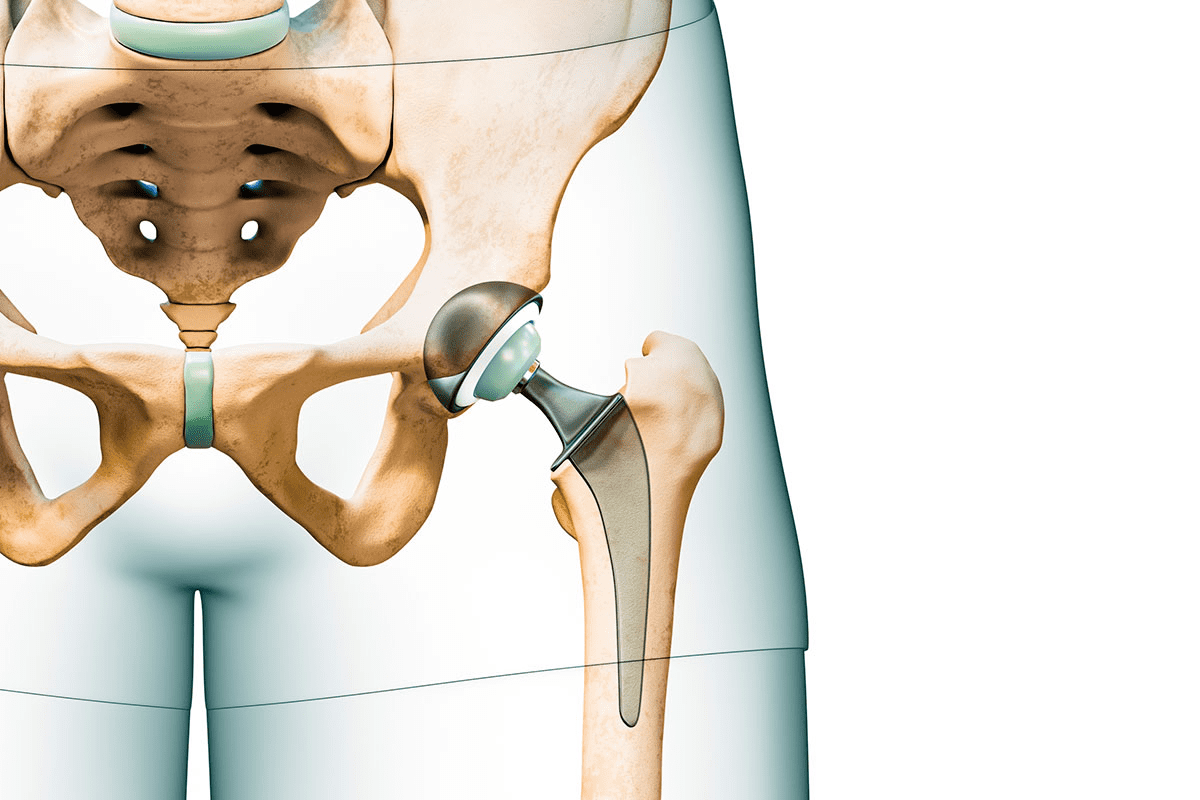
To make hip strengthening exercises effective, knowing the hip’s anatomy and function is key. The hip joint is a complex ball-and-socket joint. It supports our body’s weight and helps us move.
Key Hip Muscle Groups
The hip has several key muscle groups. They work together for stability and mobility. The gluteus maximus at the back is the largest muscle. The hamstrings at the back of the thighs also play a big role.
These muscles are important for hip extension, external rotation, and keeping the hip stable. Other muscles, like the hip flexors and abductors, also have key roles. They help lift the knee and move the leg away from the body’s midline.
Common Causes of Hip Weakness
Hip weakness can come from many sources. These include a sedentary lifestyle, muscle imbalances, and previous injuries. Muscle imbalances can affect hip stability and strength.
Prolonged sitting can make hip flexors tight and glutes weak. This imbalance can cause hip pain and dysfunction.
Signs You Need to Strengthen Your Hips
There are clear signs you need to strengthen your hips. These include hip pain or lower back pain. You might also notice a drop in athletic performance or struggle with daily tasks like walking or climbing stairs.
If you’ve had hip or lower body injuries, strengthening your hips is vital. It’s part of your recovery and helps prevent future injuries.
Benefits of Regular Hip Strengthening
Hip strengthening exercises are great for people of all ages. They can make a big difference in your health and how well you move.
Reduced Pain and Injury Prevention
One key benefit of hip strengthening is less pain and fewer injuries. Strong hip muscles can ease pain from osteoarthritis. They also make joints more stable, lowering the chance of strains.
Studies show hip exercises can help with low back pain. They strengthen muscles that help with walking, climbing stairs, and getting up from a chair.
Improved Athletic Performance
Improved athletic performance is another big plus of hip strengthening. Strong hips are vital for many sports, giving you the power and stability you need. Whether you’re a pro or just play for fun, these exercises can help you perform better and stay injury-free.
Enhanced Mobility and Functional Movement
Regular hip exercises also boost mobility and functional movement. They make your hip muscles stronger and more flexible. This means better movement and less chance of falls, which is great for older adults.
In short, adding hip strengthening exercises to your routine can greatly improve your health and life quality. They help reduce pain, enhance athletic performance, and improve how you move.
Good Hip Exercises You Can Do at Home
Strengthening your hips can be done at home. We’ll show you some great exercises. These can make you more mobile, reduce pain, and improve your life. Let’s get started with three easy exercises.
Exercise 1: Glute Bridges
Glute Bridges are great for your glutes. They help keep your hips stable and moving well. Here’s how to do it:
- Lie on your back with your knees bent and feet flat, hip-width apart.
- Engage your core and squeeze your glutes as you lift your hips up.
- Hold at the top for a moment, then slowly lower back down.
Do 3 sets of 12-15 reps. Glute Bridges not only strengthen your hips but also improve your posture and lower back pain.
Exercise 2: Clamshells
The Clamshell targets the gluteus medius for hip stability. Here’s how to do it:
- Lie on your side with your knees bent and feet touching.
- Lift your top knee as high as you can without moving your hips.
- Lower your knee back down to start.
Do 3 sets of 12-15 reps on each side. This exercise stabilizes your hip and improves function.
Exercise 3: Fire Hydrants
Fire Hydrants target the gluteus maximus and improve mobility. Here’s how to do it:
- Start on your hands and knees.
- Lift one leg out to the side, keeping your knee bent at 90 degrees.
- Lower your leg back down to start.
Do 3 sets of 12-15 reps on each leg. Fire Hydrants strengthen your hips and improve flexibility.
Adding these exercises to your routine can greatly improve your hip strength and mobility. Start slow and increase intensity as you get stronger.
Foundational Hip Strengthening Movements
Foundational hip strengthening movements are key to a strong lower body. They target important muscle groups, boosting hip strength and stability. Adding these exercises to your routine can improve your athletic skills, lower injury risk, and enhance your life quality.
Traditional Squats
Traditional squats are top-notch for hip strength, activating big muscles in the lower body. Here’s how to do a traditional squat:
- Stand with your feet shoulder-width apart, toes facing forward or slightly outward.
- Slowly lower your body down into a squat, keeping your back straight and your knees behind your toes.
- Lower down until your thighs are parallel to the ground, then push through your heels to return to standing.
Key benefits: Strengthens hip muscles, improves balance, and enhances overall lower body strength.
Quadruped Hip Extensions
Quadruped hip extensions focus on the gluteus maximus, a key muscle for hip strength. Here’s how to do quadruped hip extensions:
- Start on your hands and knees, with your hands shoulder-width apart and your knees directly under your hips.
- Lift one leg up and back, keeping your knee bent at 90 degrees.
- Hold for a moment at the top, then slowly lower back down without touching your knee to the ground.
Focus on squeezing your glutes as you lift your leg to maximize the effectiveness of the exercise.
Lateral Band Walks
Lateral band walks target the hip abductors, vital for hip stability. Here’s how to do lateral band walks:
- Place a resistance band around your legs, just above the knees.
- Stand with your feet together, then take a step to one side, keeping tension in the band.
- Bring your other foot to meet the first foot, then repeat on the other side.
Benefits include: Improved hip stability and strength in the hip abductors.
Adding these foundational hip strengthening movements to your workout can greatly improve hip strength. It also boosts athletic performance and lowers injury risk. As experts say,
“A strong hip is the foundation of a healthy, functional body.”
Hip Exercises to Increase Mobility
Keeping your hips flexible is key for easy movement every day. Stretching your hip extensor muscles helps keep your hips and legs moving smoothly. We’ll show you three hip exercises to boost mobility and flexibility, with easy steps and benefits.
Hip Circles
Hip Circles are a great way to loosen your hips. Stand with your feet apart and hands on your hips. Move your hips in big circles, first one way and then the other. This exercise loosens the hip joint and boosts flexibility. Do 5-10 circles in each direction.
Pigeon Pose
Pigeon Pose is a yoga stretch for the hip rotators and flexors. Start on all fours. Move one knee forward, with your foot in front of the other knee. Lower your hips, stretching the back leg and glute. Hold for 30 seconds to 1 minute, then switch sides. This pose greatly improves hip flexibility and eases tightness.
90/90 Hip Stretches
The 90/90 Hip Stretch is great for hip mobility. Sit on the floor with legs bent at 90 degrees. One leg should be in front of the other, with the front foot straight and the back foot out. Lean forward, stretching the front hip, and then switch sides. This stretch targets the hip flexors and rotators, improving overall hip mobility. Hold each stretch for 30 seconds to 1 minute.
Adding these exercises to your routine can greatly improve hip mobility and flexibility. Regular practice reduces stiffness and enhances movement, making daily tasks easier.
Hip Workouts at the Gym
Strengthening your hips at the gym is easy with the right exercises. The gym has many machines that target hip muscles from different angles. This ensures a full workout.
Let’s look at three key exercises for hip strength: Hip Abductor Machine, Cable Hip Extensions, and Barbell Hip Thrusts. Each targets different hip functions and fits various fitness levels.
Exercise 10: Hip Abductor Machine
The Hip Abductor Machine works the gluteus medius muscle. This muscle is key for hip stability and abduction. Here’s how to use it:
- Sit comfortably on the machine with your legs against the pads.
- Adjust the seat so that your legs are at a 90-degree angle.
- Slowly push your legs apart against the resistance.
- Hold for a brief moment, then return to the starting position.
Benefits: Strengthens the gluteus medius, improving hip stability and reducing injury risk.
Exercise 11: Cable Hip Extensions
Cable Hip Extensions target the gluteus maximus. This muscle is important for hip extension and lower body strength. Here’s how to do it:
- Attach the ankle strap to the cable machine and secure it to your ankle.
- Stand facing the machine, holding onto it for support.
- Slowly extend your leg backward against the resistance.
- Hold for a moment, then return to the starting position.
Tip: Keep your core engaged to maintain stability throughout the exercise.
Exercise 12: Barbell Hip Thrusts
Barbell Hip Thrusts work the gluteus maximus, hamstrings, and lower back. Here’s how to do it:
- Sit on the edge of a bench or platform with your upper back against it.
- Place a barbell across your hips, holding it in place with your hands.
- Thrust your hips upward, squeezing your glutes at the top.
- Lower your hips back down to the starting position.
Exercise | Primary Muscle Targeted | Equipment Needed |
Hip Abductor Machine | Gluteus Medius | Hip Abductor Machine |
Cable Hip Extensions | Gluteus Maximus | Cable Machine with Ankle Strap |
Barbell Hip Thrusts | Gluteus Maximus, Hamstrings, Lower Back | Barbell, Bench or Platform |
Adding these exercises to your gym routine can boost hip strength and lower body function. Start with manageable weights and increase as you get stronger.
Specialized Hip Strengthening Programs
Different people need different hip strengthening programs. These programs are key for health and sports performance. They help meet specific needs more effectively.
Hip Workout for Ladies: Special Considerations
Women often need to focus on hip strengthening due to common issues like patellofemoral pain syndrome. Studies show that hip exercises before workouts help women with this pain more than just working the quadriceps. A good hip workout for women should target the gluteal muscles and hip stabilizers, like clamshells and lateral band walks.
Physical Therapy Approaches for Weak Hips
Physical therapy for weak hips combines exercises, manual therapy, and movement education. Physical therapists can customize programs to fix specific weaknesses and imbalances. They might use hip abductor strengthening, hip flexor stretching, and core exercises.
Athletic Performance Enhancement
Athletes need hip strengthening that boosts strength, power, and mobility. Exercises like barbell hip thrusts and cable hip extensions can greatly improve athletic performance. They help with running, jumping, and quick changes in direction.
Understanding each group’s needs and tailoring hip strengthening programs leads to better results. Whether for health, recovery, or sports, these programs help achieve stronger, more resilient hips.
Creating an Effective Hip Strengthening Routine
A good hip strengthening routine is key to better hip stability and lower body strength. It’s important to think about your fitness level, hip weaknesses, and health goals.
Sample Beginner Program
For beginners, starting with simple exercises is best. Glute bridges, clamshells, and fire hydrants are great. They work on key hip muscles without hurting the joint.
Here’s a beginner program:
- Glute Bridges: 3 sets of 10 reps
- Clamshells: 3 sets of 15 reps per side
- Fire Hydrants: 3 sets of 12 reps per leg
Intermediate and Advanced Progressions
As you get better, you’ll need more challenging exercises. Intermediate steps might include using resistance bands or doing more reps and sets.
For the advanced, try barbell hip thrusts and lateral band walks. These exercises are tough but effective for hip muscle strengthening.
Exercise | Beginner | Intermediate | Advanced |
Glute Bridges | 3 sets of 10 reps | 3 sets of 15 reps with resistance band | 3 sets of 20 reps with weighted vest |
Lateral Band Walks | – | 3 sets of 10 reps per leg | 3 sets of 15 reps per leg with heavier band |
How to Track Progress
It’s important to track your progress. Keep a workout log with your exercises, sets, reps, and weights. This helps see how well your routine is working.
Also, check your hip mobility and strength regularly. This gives you insight into your progress.
When to Expect Results
Results from hip strengthening vary. They depend on how often you work out, your diet, and health. You might see improvements in 6-8 weeks if you stick to it.
By sticking to a good hip strengthening routine and tracking your progress, you can see big improvements in hip health and lower body strength.
Conclusion
Strengthening your hip extensors does more than boost your lower body workouts. It makes everyday activities easier and more comfortable. A strong hip foundation is key for your health and well-being.
By doing the 12 effective exercises we talked about, you’ll see many benefits. These include less pain, better athletic performance, and more mobility. We’ve shown how important hip exercises are for avoiding injuries and moving better.
In the end, a good hip strengthening routine is vital for healthy hips. We urge you to start working on stronger, more resilient hips. Enjoy the many benefits that come with it, leading to a healthier you.
FAQ
What are the benefits of strengthening hip muscles?
Strengthening hip muscles can reduce pain and prevent injuries. It also improves athletic performance and mobility. This makes movements more functional.
How can I improve hip mobility?
To improve hip mobility, try exercises like hip circles and pigeon pose. Also, do 90/90 hip stretches. These increase flexibility and range of motion.
What are some effective hip exercises that can be done at home?
At home, you can do glute bridges, clamshells, and fire hydrants. These exercises target key hip muscles. They help improve strength and stability.
How can I strengthen weak hips?
Start with gentle exercises like quadruped hip extensions and lateral band walks. Then, move to squats and hip thrusts as you get stronger.
What are some specialized hip strengthening programs available?
There are specialized programs for ladies, physical therapy, and athletic performance. These programs are tailored to meet individual needs and goals.
How often should I perform hip strengthening exercises?
Do hip strengthening exercises 2-3 times a week. Make sure to rest at least a day in between. Track your progress and adjust your routine as needed.
Can hip strengthening exercises help with injury prevention?
Yes, hip strengthening exercises can prevent injuries. They improve strength and stability. This reduces the risk of strains and other hip injuries.
How can I incorporate hip strengthening exercises into my gym routine?
Add hip strengthening exercises to your gym routine with equipment like the hip abductor machine. Use cable hip extensions and barbell hip thrusts. Working with a personal trainer or fitness coach can also help.
References
National Center for Biotechnology Information. Evidence-Based Medical Guidance. Retrieved from https://www.ncbi.nlm.nih.gov/pmc/articles/PMC4556293/