
Listing 12 targeted yoga poses to help reverse osteoporosis by gently building bone density and improving balance.
Osteoporosis affects over 200 million people worldwide. Postmenopausal women are at a higher risk because they lose bone mineral density faster. Studies show that a 12-minute daily yoga routine can improve bone density and lower fracture risk.
This evidence-based approach is a game-changer for bone health. It lets patients take charge of their bones through safe and easy practices. By adding yoga poses for osteoporosis to their daily routine, people can reverse bone loss and boost their skeletal health.
Key Takeaways
- A 12-minute daily yoga routine can help improve bone density.
- Specific yoga poses can reduce the risk of fractures associated with osteoporosis.
- This approach is backed by recent research and is considered safe and accessible.
- Postmenopausal women are at a higher risk of osteoporosis due to bone mineral density loss.
- Incorporating yoga into daily life can empower individuals to manage their bone health.
Understanding Osteoporosis and Bone Health
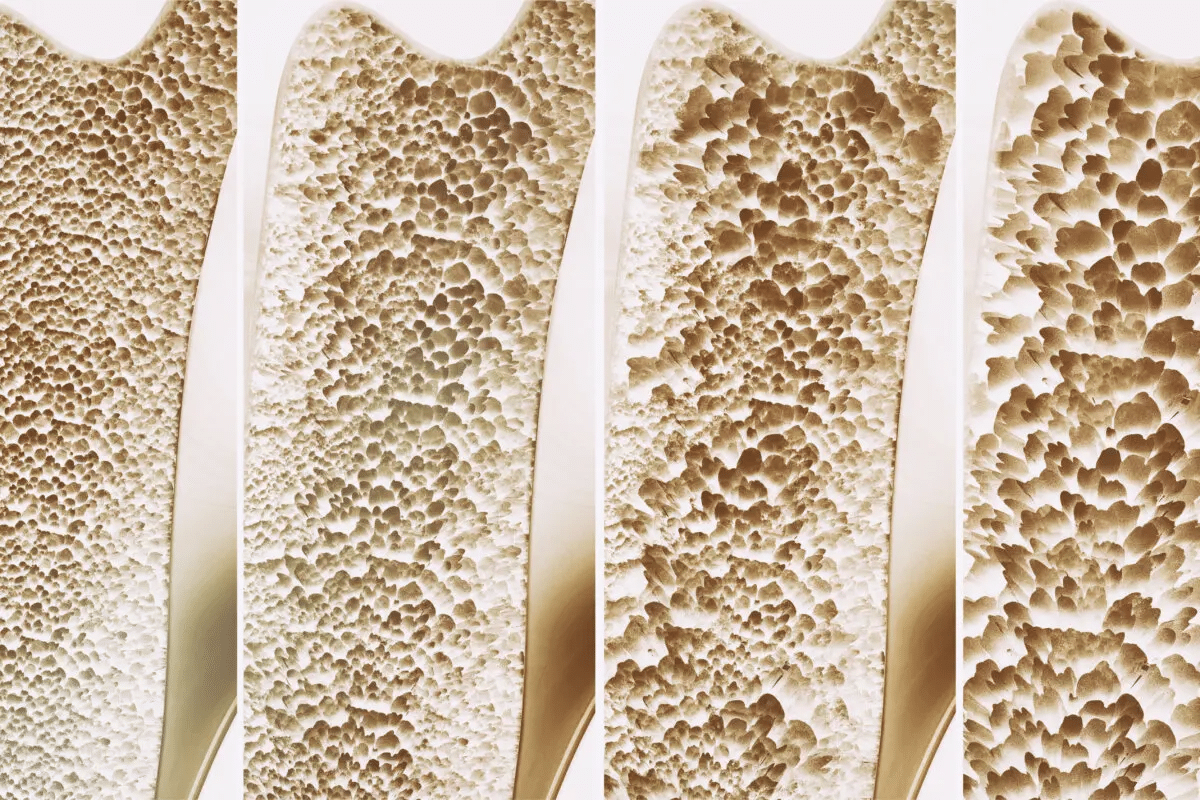
Osteoporosis is a silent health threat that affects millions worldwide. It’s important to understand its impact on bone health. Recognizing its effects is key for individuals and communities globally.
The Global Impact of Osteoporosis
Osteoporosis weakens bones and increases the risk of fractures. This is true for the spine, hips, and wrists. It’s a big public health concern worldwide, affecting about 200 million people.
The cost of osteoporotic fractures is expected to grow. This is a big worry for healthcare systems and families. In the U.S., osteoporosis causes over 2 million fractures each year. This leads to high healthcare costs and lowers the quality of life for those affected.
How Bone Density Changes with Age
Bone density naturally decreases with age. But, the rate of this decline can change based on genetics, lifestyle, and hormonal changes. In women, menopause can speed up bone loss because of lower estrogen levels.
Postmenopausal women face a higher risk of osteoporosis. They lose bone mineral density faster. It’s important for them to know the risks and take steps to keep their bones healthy.
Risk Factors for Accelerated Bone Loss
Several factors can lead to faster bone loss:
- Genetic predisposition: A family history of osteoporosis or fractures raises your risk.
- Lifestyle factors: A sedentary lifestyle, smoking, and too much alcohol can harm bones.
- Hormonal changes: Early menopause or hormonal imbalances can affect bone density.
- Nutritional deficiencies: Not getting enough calcium and vitamin D can hurt bone health.
Knowing these risk factors is key to preventing and treating osteoporosis. By recognizing signs early and taking action, people can lower their risk. This helps keep bones strong throughout life.
The Science Behind Yoga and Bone Strength
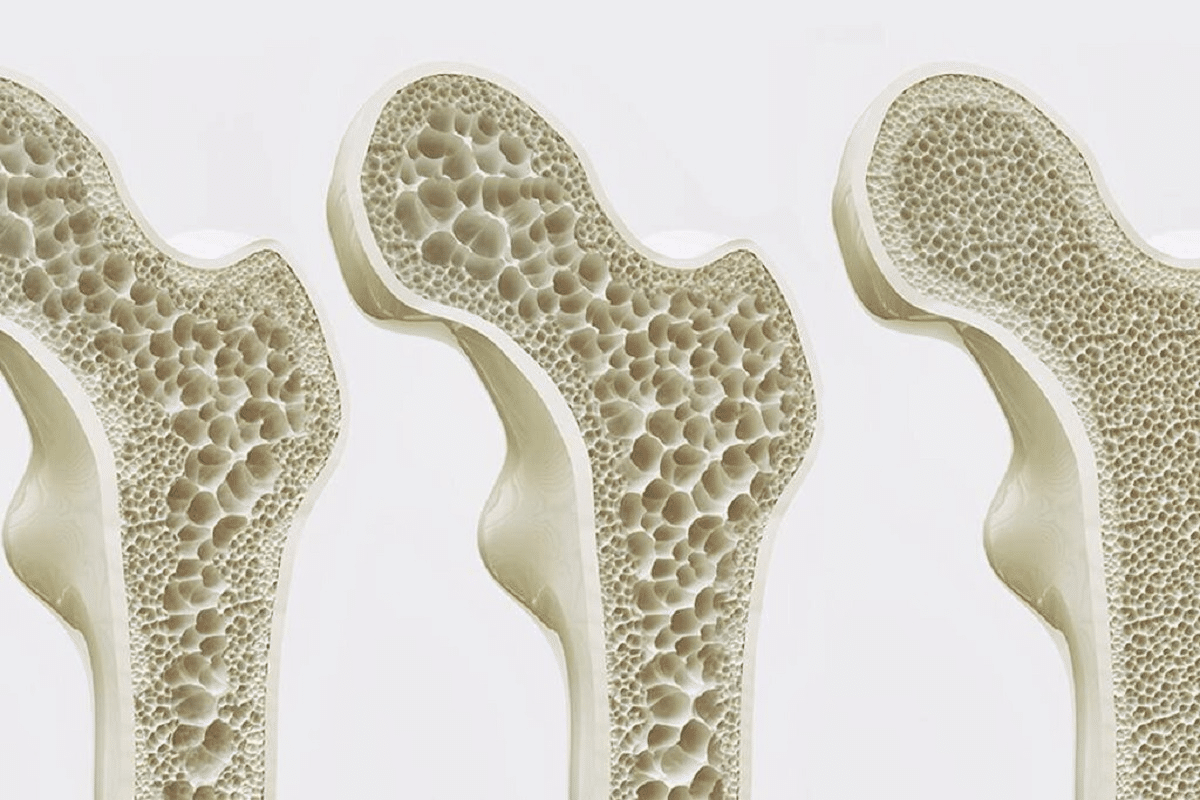
Medical Expert’s research has shown how yoga can boost bone density. His studies found that certain yoga poses can help bones grow and get denser. This is very important for people with osteoporosis.
Medical Expert’s Landmark Research
Medical Expert’s work showed that holding yoga poses for 30 to 90 seconds can help bones. It makes the cells in bones work better, leading to stronger bones. This research is key to understanding yoga’s benefits for osteoporosis.
How Mechanical Stress Builds Bone
Yoga poses put stress on bones, which makes them stronger. This stress wakes up cells that help bones grow. By doing yoga, people can make their bones stronger.
The Osteocyte Response to Yoga Poses
Osteocytes are cells in bones that feel stress. When yoga poses stress bones, osteocytes get to work. They send signals that help bones get stronger and denser.
Knowing how yoga affects bones helps us see its value. It’s a key part of managing osteoporosis and improving bone density.
How Yoga Can Help Reverse Osteoporosis
Yoga can help reverse osteoporosis by making bones stronger and improving overall health. This section will look at how yoga does this, the evidence from studies, and other benefits it offers.
Bone Rebuilding Mechanism
Yoga helps rebuild bones by applying stress to them. This stress tells bone cells to start making new bone tissue. This is key for making bones denser.
Mechanical stress from yoga poses wakes up bone cells. These cells then start making new bone. This leads to denser bones.
Documented Results from Clinical Studies
Recent studies show yoga’s positive effect on bone density. A study with 741 people found their spine and femur bones got stronger after two years of yoga.
|
Study Duration |
Participants |
Bone Density Increase |
|---|---|---|
|
2 years |
741 |
Significant increase in spine and femur |
Beyond Bone Density: Additional Benefits
Yoga does more than just strengthen bones. It also improves posture, balance, and coordination. These are important for avoiding falls and fractures.
- Improved posture
- Enhanced balance and coordination
- Reduced risk of falls and fractures
Adding yoga to their lives can bring these extra benefits to people with osteoporosis. It helps them feel better overall.
Getting Started: Preparation for Your Yoga Practice
Before starting yoga for osteoporosis, it’s key to prepare well. We’ll show you how to get ready for your yoga journey. This will help you avoid injuries and get the most from your practice.
Essential Equipment and Space Requirements
To begin your yoga, you’ll need some basic items and a good space.
- A good-quality yoga mat is essential for providing grip and cushioning.
- Comfortable, stretchable clothing is recommended to allow for a full range of motion.
- A quiet, distraction-free space is ideal for practicing yoga.
Consulting Healthcare Providers Before Beginning
It’s important to talk to your healthcare provider before starting any new exercise, like yoga, with osteoporosis or other health issues.
- Discuss your yoga goals and any concerns you may have.
- Inform them about your experience level with yoga.
- Seek their advice on poses to avoid or modify.
Setting Realistic Expectations and Goals
Setting realistic goals is vital for staying motivated and tracking your progress.
- Start with short practices and gradually increase duration and intensity.
- Focus on improving function and reducing symptoms, not perfect poses.
- Celebrate small victories to stay motivated.
The 12-Minute Daily Yoga Protocol
To fight osteoporosis, a 12-minute yoga routine daily is very helpful. Studies show that 12 minutes of yoga a day can boost bone density in older adults with osteoporosis. We’ll show you how to start a daily practice, use proper breathing, and get the most from your poses.
Establishing a Consistent Practice Routine
Being consistent is key in yoga for osteoporosis. To get the most benefits, practicing regularly is a must. Here are some tips to help you stay on track:
- Choose a specific time of day that works best for you and stick to it.
- Create a dedicated yoga space that is quiet, clean, and free from distractions.
- Start with a manageable schedule and gradually increase your practice time as you become more comfortable.
By adding yoga to your daily routine, you can see big improvements in bone density and overall health.
Proper Breathing Techniques
Proper breathing is essential in yoga. It calms the mind, lowers stress, and boosts the physical benefits of poses. Here are some tips for effective breathing during your 12-minute yoga routine:
- Focus on deep, diaphragmatic breathing, not shallow chest breathing.
- Synchronize your breath with your movements, inhaling during stretches and exhaling during contractions.
- Practice Ujjayi breathing, also known as “ocean breath,” for a calming effect.
Yoga experts say, “Breathing is the bridge between the body and the mind.” Using proper breathing techniques can greatly improve your yoga practice.
“The breath is the soul of the universe, and the key to life.” – Yoga Sutras
Holding Poses for Maximum Benefit
It’s important to hold yoga poses for the right amount of time to get the most benefits. Here are some tips on how to hold poses effectively:
- For beginners, start by holding each pose for 3-5 breaths.
- As you become more comfortable, aim to hold poses for 5-8 breaths.
- Focus on maintaining proper alignment and engaging the correct muscles.
By holding poses correctly and practicing regularly, you can see big improvements in bone density and overall health.
Standing Poses for Lower Body Strength
Yoga’s standing poses are great for strengthening the legs and hips. They help improve balance and lower the risk of falls. These poses are key for building lower body strength, which is important for moving well and staying stable.
Tree Pose (Vrksasana)
Tree Pose, or Vrksasana, is a basic standing pose that boosts balance and stability. Standing on one leg strengthens the ankles and legs. It also works the core. To do Tree Pose right, focus on feeling the ground with your standing leg. Keep the other leg straight and steady. This pose not only helps with balance but also sharpens your mind.
“Balance is the key to life. When you are balanced, you are able to move forward with ease and confidence.” – B.K.S. Iyengar
Triangle Pose (Trikonasana)
Triangle Pose, or Trikonasana, is another standing pose that helps strengthen the lower body. It stretches and strengthens the legs, hips, and spine. This improves flexibility and balance. It’s important to keep your spine long and hips open in Triangle Pose. This pose can help loosen up stiffness and boost lower body mobility.
Warrior II Pose (Virabhadrasana II)
Warrior II Pose, or Virabhadrasana II, is a strong standing pose that works the legs and hips. Standing wide and bending one knee engages the lower body muscles. To get the most out of Warrior II, keep your feet strong and engage your core. This pose is great for building strength, stability, and focus.
Adding these standing poses to your yoga routine can greatly improve lower body strength, balance, and reduce fall risks. Regular practice will show clear improvements in how well you move and stay stable.
Poses for Spine and Hip Strength
Yoga has many poses that boost spine and hip strength, lowering fracture risks. It’s key for bone health and movement. We’ll look at three poses: Bridge Pose, Twisted Triangle Pose, and Extended Side Angle Pose.
Bridge Pose (Setu Bandha Sarvangasana)
Bridge Pose is great for the spine, hips, and lower back. You lie on your back, bend your knees, and lift your hips up. It boosts flexibility and strengthens the spine and hips.
Benefits of Bridge Pose:
- Strengthens the spine and hips
- Improves flexibility and balance
- Can help reduce stress and anxiety
Twisted Triangle Pose (Parivrtta Trikonasana)
Twisted Triangle Pose stretches and strengthens the spine, hips, and legs. You extend one leg back, twist your torso, and reach for the opposite ankle. It makes your spine more flexible and strengthens your hips.
Key benefits include:
- Improved spinal flexibility
- Strengthened hip and leg muscles
- Enhanced balance and coordination
Extended Side Angle Pose (Utthita Parsvakonasana)
Extended Side Angle Pose targets the hips, spine, and legs. You extend one leg to the side, bend the other knee, and stretch your arm over your head. It’s good for hip and spine strength and flexibility.
Advantages of Extended Side Angle Pose:
- Strengthens hips and spine
- Improves flexibility and balance
- Stretches the chest and shoulders
Adding these poses to your yoga routine boosts spine and hip strength. This helps with bone health and lowers osteoporosis risk.
Core and Back Strengthening Poses
A strong core and back are key for good bone health, which is very important for people with osteoporosis. Yoga can help make these areas stronger. This can improve your posture, lower the chance of bone breaks, and make you feel better overall.
Locust Pose (Salabhasana)
Locust Pose is great for making your back muscles stronger and improving how you stand. Here’s how to do it:
- Lie on your stomach with your arms by your sides.
- Push your chest, arms, and legs up, keeping your eyes forward.
- Stay in this position for a few breaths, feeling your back muscles work.
Benefits: It makes your back muscles stronger, helps your posture, and can lower the risk of bone breaks in your back.
Plank Pose (Phalakasana)
Plank Pose is a basic yoga pose that makes your core stronger. It also helps your body stay stable and supports your bones. Here’s how to do it:
- Begin in a push-up position with your hands shoulder-width apart.
- Use your core to keep your body straight from head to heels.
- Stay in this position for a few breaths, keeping your body steady and strong.
Benefits: It strengthens your core, improves your body’s stability, and helps your bones stay healthy.
Adding these poses to your yoga routine can really help your bones get stronger. This can lower the risk of bone breaks. Regular practice and proper technique can make you healthier and happier.
Upper Body and Advanced Poses
As we move forward in yoga, adding upper body and advanced poses boosts our strength and flexibility. These poses are great for people with osteoporosis. They help make bones stronger and lower the chance of breaks.
Downward-Facing Dog (Adho Mukha Svanasana)
Downward-Facing Dog is great for the arms and shoulders. It also stretches the hamstrings and calves, making us more flexible. Start on all fours, lift your hips up and back, and straighten your arms and legs as much as you can. Hold for a few breaths, feeling the stretch in your hamstrings and the strength in your arms and shoulders.
Benefits: Strengthens arms and shoulders, stretches hamstrings and calves, improves flexibility.
Upward-Facing Dog (Urdhva Mukha Svanasana)
Upward-Facing Dog strengthens the back and opens the chest. This improves posture and lowers the risk of back fractures. Lie on your stomach with your hands under your shoulders, then press your palms into the ground and lift your torso and legs off the mat. Keep your thighs and pelvis on the ground. Hold for a few breaths, feeling the strength in your back and the openness in your chest.
Benefits: Strengthens back muscles, opens the chest, improves posture.
Chair Pose (Utkatasana)
Chair Pose is a strong standing pose that works the legs and core. It improves balance and stability. Stand with your feet hip-width apart, bend your knees, and lower your hips as if sitting in a chair. Stretch your arms up towards the ceiling, keeping your spine long and core engaged. Hold for a few breaths, feeling the strength in your legs and the stability in your core.
Benefits: Strengthens legs, engages core, improves balance and stability.
Conclusion: Your Journey to Stronger Bones Through Yoga
Practicing yoga regularly can boost your bone density and health. It’s a holistic way to manage osteoporosis. It improves balance, flexibility, and overall well-being.
The 12 yoga poses in this article are a great start. Adding them to your daily routine can help strengthen your bones. This is a proactive step in managing osteoporosis through yoga.
We urge you to begin your yoga journey today. Focus on how yoga can improve your bone health. With regular practice, you’ll see the positive effects on your health and well-being. This will lead to stronger bones and a healthier life.
FAQ
Is yoga suitable for individuals with osteoporosis?
Yes, yoga can be good for people with osteoporosis if done right. It’s best to follow a yoga plan with a healthcare provider’s help. Some yoga poses can help make bones stronger and lower the chance of breaking them.
Can yoga really help improve bone density?
Studies, like Medical Expert’s, show that certain yoga poses can help bones grow stronger. These poses put stress on the bones in a good way.
What are the best yoga poses for osteoporosis?
Yoga poses that strengthen the spine, hips, and core are best. Good examples are Tree Pose, Triangle Pose, Warrior II Pose, Bridge Pose, and Locust Pose.
How often should I practice yoga to see improvements in bone density?
Being consistent is important. Doing yoga every day, even for a short time, is better than doing it less often. A daily 12-minute routine has been shown to work well.
Are there any yoga poses that individuals with osteoporosis should avoid?
Yes, people with osteoporosis should avoid poses that make them bend forward or twist. These can increase the risk of breaking a bone in the spine. It’s also wise to stay away from deep bends and high-impact moves.
Can yoga help reverse osteoporosis?
Yoga is not a magic cure, but it can help. Regular yoga can improve bone density, which might reverse some osteoporosis effects. But, results can differ based on health and how severe the osteoporosis is.
How long does it take to see results from practicing yoga for osteoporosis?
Studies show that bone density can start to improve in six months with regular yoga. But, everyone is different, and patience and regular practice are key.
Do I need to be flexible to start practicing yoga for osteoporosis?
No, you don’t need to be flexible to start yoga. Yoga can help you become more flexible over time. Many poses can be adjusted to fit different levels of flexibility and mobility.
Should I consult with a healthcare provider before starting a yoga practice for osteoporosis?
Yes, talking to your healthcare provider before starting yoga is important. They can help make sure you’re practicing safely, taking into account any health concerns you might have.
References
World Health Organization. Evidence-Based Medical Guidance.



 Departments
 Related Videos
 Our Doctors
 News
News