
Millions of people worldwide face the challenge of lower back and glute pain. This pain can make daily activities hard and limit how far you can move. Research shows that about 619 million people globally suffer from lower back pain. Gluteal muscle issues are a big part of this problem. Five effective stretches detailing how to fix lower back and glute pain caused by tight muscles and sciatica.
If you’ve hadpain in your lower back near or above your buttocks, you’re not alone. The pain can feel sharp and shoot from your hips to your feet. It makes simple tasks seem like climbing a mountain. We’re here to help. Our article will show you 5 key stretches to ease back and butt pain and improve your life.
Key Takeaways
- Understand the prevalence and impact of lower back and glute pain.
- Learn 5 effective stretches to alleviate back and butt pain.
- Improve your mobility and reduce discomfort with simple exercises.
- Discover how gluteal muscle dysfunction contributes to lower back pain.
- Enhance your quality of life by managing and reducing pain.
Understanding the Connection Between Lower Back and Glute Pain

It’s important to know how lower back and glute pain are connected. This knowledge helps in creating better treatment plans. Research shows that problems in one area can affect the other.
“Between 70 to 85 percent of individuals experience low back pain at least once in their lifetime,” a statistic that shows how common this issue is. It’s more common in women than men. This makes it essential to find out why lower back pain and gluteal discomfort happen together.
The Prevalence of Lower Back Pain Worldwide
Lower back pain affects people everywhere. The World Health Organization and studies have shown it’s a big problem. It doesn’t just happen to certain ages or jobs, making it a big health issue.
A study with 1088 people with low back pain and 998 without found something interesting. The gluteus medius muscle in those with low back pain was weaker and had more trigger points than those without. This shows a strong link between gluteal muscle function and lower back health.
How Gluteal Muscles Affect Back Health
The gluteal muscles are key to keeping the back healthy. They help stabilize the pelvis and support the lumbar spine. If these muscles are weak, it can cause problems in the lower back, leading to pain.
Effective stretches for lower back and glute pain focus on strengthening the gluteal muscles. This helps reduce stress on the lower back. It can help ease pain and improve back health.
In summary, the link between lower back pain and gluteal discomfort is complex. Understanding this connection helps us find better ways to manage and prevent these issues.
The Anatomy Behind Lower Back and Glute Pain
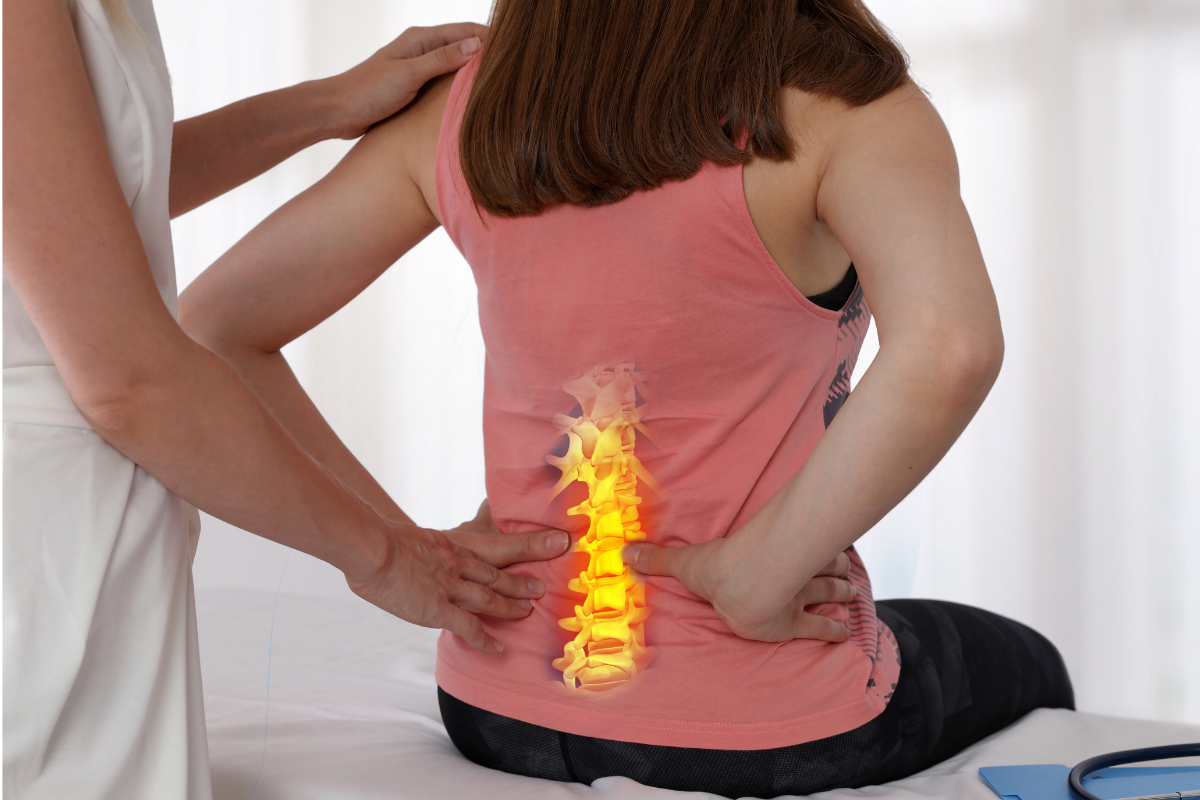
To tackle lower back and glute pain, we need to explore the anatomy that connects them. The lower back and glutes are linked by muscles, bones, and nerves.
The gluteal muscles, including the gluteus maximus, medius, and minimus, are key for hip movement and stability. The gluteus medius is a key pelvic stabilizer muscle. It controls hip and femur motion, giving stability to the lower back and hip.
Key Muscles Involved in Back Stability
Several muscles help stabilize the lower back. These are:
- Erector spinae muscles, which run along the spine,
- Latissimus dorsi, one of the largest back muscles,
- Trapezius and rhomboids, for upper back stability,
- And the gluteal muscles, vital for hip and pelvic stability.
A strong gluteus medius is key. It keeps the pelvis aligned right and lessens lower back strain.
Muscle Group | Function | Impact on Lower Back |
Erector Spinae | Extends the spine | Stabilizes the lumbar region |
Gluteus Medius | Stabilizes the pelvis | Reduces strain on the lower back |
Latissimus Dorsi | Extends, adducts, and rotates the shoulder | Indirectly supports lower back stability |
The Impact of Weak Gluteal Muscles on Spinal Loading
Weak gluteal muscles lead to more spinal loading and less stability. This is because they absorb shock and protect the spine during movement.
“The gluteus medius plays a vital role in maintaining pelvic stability and, by extension, affects the loading on the spine.”
Weak gluteal muscles cause altered movement patterns. This puts extra stress on the lower back. So, strengthening these muscles is key in rehab programs for lower back and glute pain.
Understanding the anatomy and muscle connections helps us see why strong muscles are vital. They prevent pain and injury in these areas.
Common Causes of Lower Back and Glute Pain
Knowing why we get lower back and glute pain is key to feeling better. We’ll look at the main reasons behind this pain. This will help you find ways to improve your situation.
Sedentary Lifestyle and Prolonged Sitting
Sitting too much can hurt our lower back and glutes. When we sit for hours, our glutes get weak and tight. This weakness can then hurt our lower back.
Here’s why sitting too much is bad:
- Sitting for long times tightens our hip flexors. This tightness pulls on our lower back, causing pain.
- Not moving much weakens our glutes. Weak glutes can’t support our lower back well.
- Long sitting also leads to bad posture. Bad posture strains our lower back even more.
Exercise-Related Injuries
Getting hurt while exercising is another big reason for lower back and glute pain. Heavy lifting, bending, or twisting can hurt these areas. Sudden or repeated movements can also cause muscle tears, leading to pain and swelling.
Here are some exercise-related issues that can cause pain:
- Doing too much or the same thing over and over can strain muscles.
- Not using the right technique or form can hurt our muscles.
- Not warming up or cooling down properly can also lead to injuries.
Postural Imbalances
Being out of balance can also hurt our lower back and glutes. When we’re not standing right, it strains these muscles. This can cause pain and discomfort.
Some common postural issues that can lead to pain include:
- Anterior pelvic tilt, where the front of the pelvis drops, causing the lower back to arch.
- Poor lumbar lordosis, or an excessive inward curve of the lower back.
- Imbalanced muscle strength, where some muscles are overactive and others are underactive.
By understanding these causes, we can start to manage and relieve our pain. Next, we’ll look at stretches and exercises to help.
Signs You Need to Address Your Lower Back and Glute Pain
If you’re dealing with ongoing lower back and glute pain, it’s key to know the warning signs. These pains often go hand in hand. Spotting these signs can be your first step towards feeling better.
Pain Patterns to Watch For
Some pain patterns mean you should pay attention to your lower back and glute pain. Look out for:
- Pain that spreads from the lower back to the glutes or legs
- Sharp or stabbing pain when you move or change positions
- Constant dull aches in the lower back or glutes that don’t get better with rest
- Pain that gets worse with certain activities, like lifting or bending
Spotting these patterns can tell you if you can handle it yourself or if you need a doctor.
When to Seek Medical Attention
While some lower back and glute pain can be managed on your own, there are times when you need a doctor. You should see a doctor if you have:
- Severe pain that doesn’t get better with rest or medicine
- Numbness, tingling, or weakness in your legs
- Loss of bladder or bowel control
- Recent injury or trauma to your back
Getting professional help tailored to your needs is vital if you’re dealing with ongoing back and hip pain. Early treatment can stop things from getting worse and help you feel better sooner.
Knowing the signs and patterns of lower back and glute pain helps you take action. This proactive approach can greatly improve your life quality.
Preparing Your Body for Effective Stretching
Before starting stretches for lower back and glute pain, prepare your body. This step is key to getting the most out of stretching and avoiding injuries. We’ll show you how to get your body ready for stretching.
Warm-Up Recommendations
Start with a gentle warm-up to prepare your body. Walking or marching in place can get your muscles ready for stretching. Spend a few minutes on this warm-up before stretching.
Here are some simple warm-up exercises:
- Marching in place
- Light jogging
- Arm circles
- Neck stretches
Creating the Right Environment
The place where you stretch matters a lot. Make sure you’re in a quiet, comfy spot where you can focus. A calm place helps you relax into the stretches better.
Think about these when setting up your stretching area:
- Use a non-slippery surface
- Keep the room at a comfortable temperature
- Minimize distractions
How to Fix Lower Back and Glute Pain with Targeted Stretches
Targeted stretches can greatly help with lower back and glute pain. By adding these stretches to your daily routine, you can find relief and better back health.
The Importance of Consistent Stretching
Regular stretching is key to easing lower back and glute pain. Daily stretching keeps muscles flexible and prevents pain from coming back. Spending a few minutes each day stretching keeps your muscles ready and supports your back.
Stretching works best when done every day. Try to stretch daily to get the most benefits and avoid pain.
Guidelines for Safe and Effective Stretching
To stretch safely and well, follow some important rules. Listen to your body and don’t stretch too far. Stretching should feel good, not hurt.
- Start slowly and gradually increase your stretch.
- Hold each stretch for 15-30 seconds.
- Focus on deep breathing to enhance relaxation.
Here’s a table with the main guidelines for safe and effective stretching:
Guideline | Description |
Start Slowly | Gradually increase your stretch to avoid injury. |
Hold Stretch | Hold each stretch for 15-30 seconds to maximize benefit. |
Deep Breathing | Focus on deep breathing to enhance relaxation and reduce muscle tension. |
By sticking to these guidelines and adding targeted stretches to your daily routine, you can manage and lessen lower back and glute pain. Consistency is the secret to lasting relief and a better life.
Stretch 1: Piriformis Stretch
The Piriformis Stretch is great for lower back upper buttock pain. It targets the piriformis muscle. This muscle runs from the spine to the thigh bone. It helps ease pain in the lower back and buttocks.
Step-by-Step Instructions
To do the Piriformis Stretch:
- Lie on your back and cross one ankle over the opposite knee.
- Grab the thigh of the supporting leg and gently pull it toward your chest.
- Hold the stretch for 20-30 seconds, feeling the stretch in the back of your leg.
- Slowly release and switch sides.
Modifications for Different Fitness Levels
If you’re not very flexible, try a modified version. Use a strap or towel to help pull your leg toward your chest. For those who are more flexible, pull your leg closer or hold the stretch longer.
Benefits for Lower Back and Glute Pain
The Piriformis Stretch is good for lower back pain above the butt. It stretches the piriformis muscle. This can reduce tension in the lower back and glutes, improve flexibility, and ease pain.
Benefit | Description |
Reduces Tension | Helps decrease muscle tension in the lower back and glutes. |
Improves Flexibility | Enhances flexibility in the hip and lower back region. |
Pain Alleviation | Can help alleviate pain associated with lower back upper buttock pain. |
Stretch 2: Figure Four Stretch
The Figure Four Stretch is a simple yet effective exercise for alleviating lower back and glute pain. It targets the piriformis and gluteal muscles. These muscles are often tight in people with lower back and butt pain.
Step-by-Step Instructions
To perform the Figure Four Stretch, follow these steps:
- Lie on your back and cross one ankle over the opposite knee.
- Grab the thigh of the supporting leg and gently pull it toward your chest.
- Hold the stretch for 20-30 seconds, feeling the release in your glutes and lower back.
- Slowly return to the starting position and switch sides.
Modifications for Different Fitness Levels
The Figure Four Stretch can be modified to suit different fitness levels:
Fitness Level | Modification |
Beginner | Use a strap or towel to assist in pulling the leg toward your chest if you can’t reach comfortably. |
Intermediate | Perform the stretch as described, focusing on deepening the stretch gradually. |
Advanced | Deepen the stretch by pulling the leg closer to your chest or holding for a longer duration. |
Benefits for Lower Back and Glute Pain
The Figure Four Stretch offers several benefits for individuals experiencing upper glute lower back pain:
- Relieves Tension: It helps to relieve tension in the piriformis and gluteal muscles, which can contribute to lower back pain.
- Improves Flexibility: Regular practice can improve flexibility in the hips and lower back.
- Reduces Pain: By releasing tension in the glutes and piriformis, it can help reduce back and butt pain.
By incorporating the Figure Four Stretch into your routine, you can take a significant step towards alleviating lower back and glute pain. This can enhance your overall spinal health and well-being.
Stretch 3: Child’s Pose with Modifications
Child’s Pose is a great stretch for lower back and glute pain. It stretches the lower back and glutes gently. This helps relieve tension and pain.
Step-by-Step Instructions
To do Child’s Pose, start on your hands and knees. Sit back on your heels and extend your arms forward. Lower your forehead to the ground, stretching your lower back and glutes. Hold for 30 seconds, breathing deeply.
Modifications for Different Fitness Levels
If you have tight glutes or lower back issues, try a modification. Place a cushion under your forehead or between your buttocks and heels. This can make the stretch more comfortable.
Benefits for Lower Back and Glute Pain
Child’s Pose has many benefits for lower back and glute pain. It helps to:
- Reduce tension in the lower back muscles
- Stretch the gluteal muscles, improving flexibility
- Promote relaxation and reduce stress
Benefit | Description |
Reduces Lower Back Tension | Child’s Pose gently stretches the muscles in the lower back, reducing tension and pain. |
Improves Glute Flexibility | By stretching the gluteal muscles, Child’s Pose improves flexibility and reduces pain in the glutes. |
Promotes Relaxation | The deep breathing and gentle stretch promote relaxation, reducing overall stress. |
Stretch 4: Hip Flexor and Quadratus Lumborum Stretch
For those with lower back and glute pain, this stretch is a simple yet effective solution. It targets the hip flexors and the quadratus lumborum. This muscle in the lower back can cause pain in the upper butt and lower back.
Step-by-Step Instructions
To do the hip flexor and quadratus lumborum stretch, follow these steps:
- Kneel on one knee with the other leg in front of you, bent at a 90-degree angle.
- Lean forward, stretching the front of your hip.
- Hold the stretch for 20-30 seconds.
- Switch sides and repeat the stretch.
Modifications for Different Fitness Levels
For beginners or those with limited flexibility, try a modified version. You can reduce the depth of the lean or use a support for balance. More advanced individuals can deepen the stretch by leaning further forward or holding it longer.
Benefits for Lower Back and Glute Pain
This stretch can help with lower back and glute pain by improving flexibility and reducing muscle tension. Regularly doing this stretch can lead to better posture and less strain on the lower back.
Benefits | Description |
Improved Flexibility | Increased range of motion in the hip and lower back. |
Reduced Muscle Tension | Less strain on the muscles of the lower back and glutes. |
Better Posture | Improved alignment of the spine and pelvis. |
By adding the hip flexor and quadratus lumborum stretch to your routine, you can help with upper butt lower back pain. It improves your comfort and mobility.
Conclusion: Integrating These Stretches Into Your Daily Routine
Adding these stretches to your daily routine can help with lower back and glute pain. Start with short sessions and slowly increase the time as you get more flexible. This is a simple way to start feeling better.
Being consistent is important for fixing lower back and glute pain. Doing these stretches daily can make your glutes stronger, improve your posture, and lessen pain. If pain persists, contact us for a consultation with our specialists.
Addressing lower back and glute pain can greatly improve your health and life quality. Don’t let pain stop you. Reach out to us today to start your journey to a healthier, pain-free life.
FAQ
What is the connection between lower back pain and glute pain?
The gluteal muscles help stabilize the lower back. Weakness or tension in these muscles can lead to lower back pain. On the other hand, lower back pain can also spread to the glutes, creating a cycle of discomfort.
How can stretching help alleviate lower back and glute pain?
Stretching relaxes tense muscles, improves flexibility, and reduces pain. By focusing on the gluteal muscles and lower back, stretches can help break the cycle of discomfort and promote healing.
What are the common causes of lower back and glute pain?
Common causes include a sedentary lifestyle, exercise-related injuries, postural imbalances, and muscle strain. Knowing the cause is key to finding the right treatment.
How often should I stretch to see benefits for lower back and glute pain?
Consistency is key. Stretch at least 2-3 times a week, ideally every day. Start with gentle stretches and gradually increase frequency and intensity as your body allows.
Are there any specific stretches that can help alleviate upper glute lower back pain?
Yes, stretches like the piriformis stretch, figure four stretch, and hip flexor and quadratus lumborum stretch can help alleviate tension in the upper glutes and lower back.
When should I seek medical attention for lower back and glute pain?
Seek medical attention if you have severe pain, numbness, tingling, or weakness in the legs. Also, if pain persists or worsens over time, or if you’re unsure about the cause of your pain or have recently been injured.
Can stretching alone fix lower back and glute pain?
Stretching is important for managing lower back and glute pain. But, it might not be enough to completely eliminate pain on its own. A full treatment plan may include stretching, strengthening, and other therapies like physical therapy or chiropractic care.
How can I modify stretches to suit my fitness level?
Many stretches can be modified for different fitness levels. You can adjust the depth or duration of a stretch, or use props like blocks or straps to support your body. Listen to your body and adjust the stretches to avoid discomfort or injury.
References
National Center for Biotechnology Information. Evidence-Based Medical Guidance. Retrieved from https://www.ncbi.nlm.nih.gov/pmc/articles/PMC4713798/