
Are you dealing with knee and calf pain that makes everyday tasks hard? This pain affects millions globally, hurting our quality of life.Seven effective stretches and remedies detailing how to get rid of knee and calf pain caused by tight muscles.
At Liv Hospital, we combine expert teams and the latest treatments. We create plans that fix the pain’s source.
We aim to give you a clear guide on easing pain. We focus on safe treatments and natural ways to help.
Key Takeaways
- Understand the causes and prevalence of knee and calf pain
- Learn effective remedies to alleviate pain and improve mobility
- Discover the benefits of conservative treatment approaches
- Explore natural supplements and exercises to support recovery
- Find out when to seek medical attention for persistent pain
Understanding Knee and Calf Pain
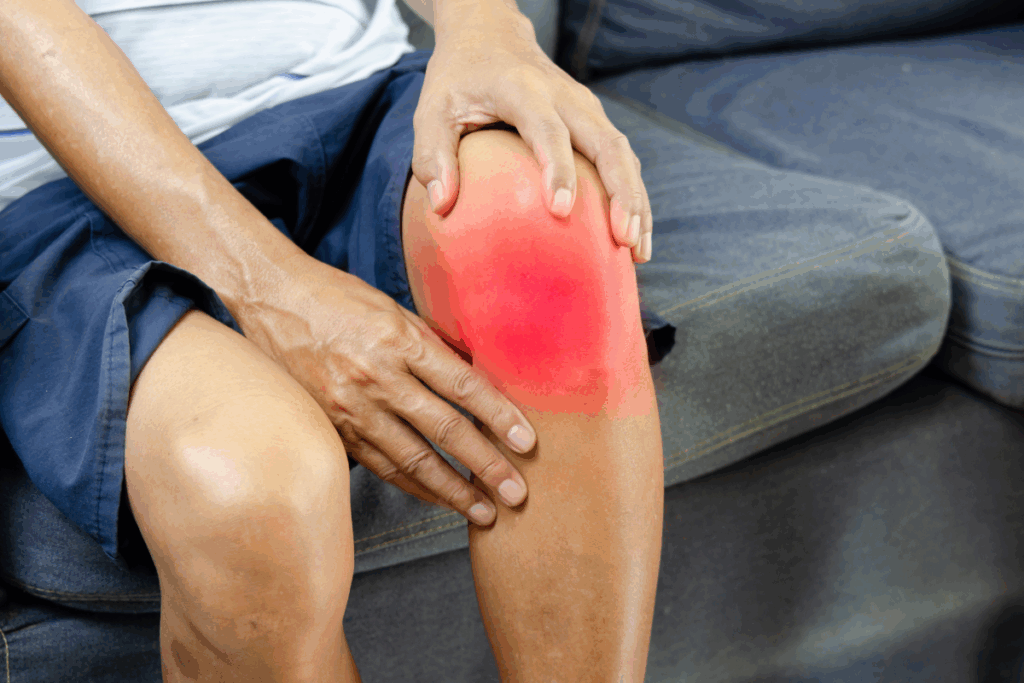
Knee and calf pain are common issues that affect many people. They can make daily activities hard and lower the quality of life. It’s important to know how these pains are connected and how they impact people.
The Prevalence of Knee and Calf Pain
Knee osteoarthritis is a big reason for knee pain, affecting 60-85 percent of osteoarthritis cases. This condition can also cause calf pain, making diagnosis and treatment tricky.
Knee and calf pain are widespread, with many factors causing them. Knowing these factors is key to finding good treatments.
The Connection Between Knee and Calf Pain
The link between knee and calf pain is complex. It involves biomechanical issues, nerve entrapment, and referred pain. For example, knee osteoarthritis can send pain to the calf, making it hard to find the pain’s source.
It’s important to treat both knee and calf pain at the same time for the best results. This might include exercises to strengthen the muscles around the knee and calf.
Impact on Daily Activities and Quality of Life
Knee and calf pain can make everyday tasks hard. Walking, climbing stairs, and standing for long times become challenges. This can greatly reduce a person’s quality of life, leading to less mobility and more discomfort.
Managing knee and calf pain well is key to a better life. This can include exercises to alleviate calf muscle pain, wearing the right shoes, and using orthotics to support the knee and ankle.
Understanding knee and calf pain is the first step to finding relief and improving well-being.
Common Causes of Knee and Calf Pain
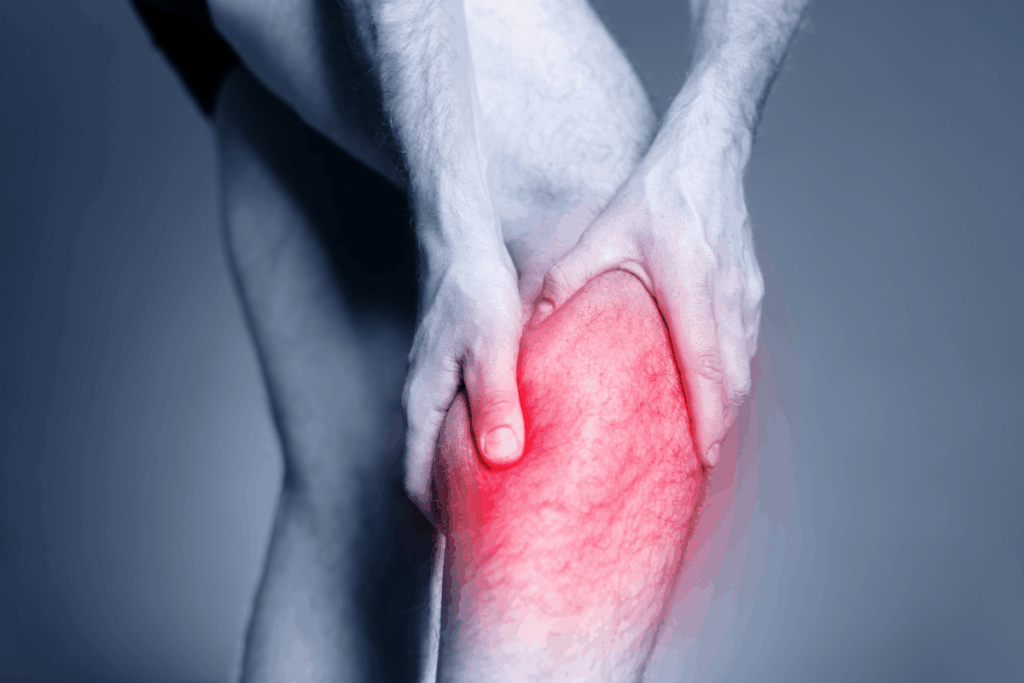
Knee and calf pain can really affect your life. It makes simple tasks hard. We’ll look at why it happens, like degenerative conditions, injuries, and other health issues.
Osteoarthritis and Joint Degeneration
Osteoarthritis is a big reason for knee pain, mainly in older people. It wears down the cartilage, causing bone-on-bone pain. Symptoms include stiffness, swelling, and less mobility. Knowing about osteoarthritis helps manage knee pain better.
Condition | Symptoms | Impact on Mobility |
Osteoarthritis | Pain, stiffness, swelling | Reduced mobility |
Rheumatoid Arthritis | Pain, inflammation, fatigue | Significant mobility issues |
Gout | Sudden severe pain, redness | Temporary mobility issues |
Muscle Strains and Overuse Injuries
Muscle strains and overuse injuries often cause calf pain. Running, jumping, or quick turns can strain muscles. A knot in the calf muscle can be very painful and may not heal without rest and treatment. We’ll talk about easing sore calf muscles from these injuries.
“Overuse injuries often result from repetitive stress on the muscles and tendons without adequate recovery time.” American Orthopaedic Society for Sports Medicine
Other Medical Conditions Contributing to Pain
Other health issues can also lead to knee and calf pain. For example, DVT can cause calf pain, and knee pain might come from meniscal tears or ligament sprains. It’s important to know about these conditions for proper care.
Understanding knee and calf pain causes is the first step to managing it. We’ll keep exploring ways to find relief in the next sections.
When to Seek Medical Attention for Knee and Calf Pain
It’s important to know when to see a doctor for knee and calf pain. Some issues can be handled on your own. But others need quick medical help to avoid more problems.
Warning Signs That Require Immediate Care
Certain symptoms mean you should see a doctor right away. These include:
- Severe pain that doesn’t get better with rest or medicine.
- Deep cuts or wounds that might be infected.
- Swelling that comes on fast or is very bad.
- Inability to use the leg or put weight on it.
- Deformity or instability in the knee or calf area.
If you notice any of these signs, get medical help fast. Waiting too long can make things worse and cause permanent harm.
Diagnostic Procedures for Persistent Pain
For ongoing knee and calf pain, doctors use different tests to find the cause. These tests include:
- Physical examination to check how well you move and what hurts.
- Imaging tests like X-rays, MRI, or CT scans to see inside your body.
- Blood tests to look for signs of inflammation or other health issues.
Knowing why you’re in pain is the first step to feeling better. By getting medical help when needed, you can get the right treatment for your knee and calf pain.
Remedy 1: Rest and Activity Modification
Relieving knee and calf pain often starts with rest and changing how you move. Giving your knees and calves a break and adjusting your daily activities can help a lot. This can reduce pain and help them heal.
The RICE Method Explained
The RICE method is a well-known way to treat mild to moderate knee and calf pain. Rest is the first step, showing how important it is to let your knees and calves heal.
To use the RICE method well, you should:
- Rest the affected area to prevent further injury
- Apply ice to reduce pain and inflammation
- Use compression to help reduce swelling
- Elevate your legs to improve circulation and reduce swelling
Finding the Right Balance Between Rest and Movement
Rest is key, but you also need to move a bit. Too much rest can make you stiff and less mobile. Gentle exercises and stretching can keep you flexible and help healing.
To find the right balance, try these tips:
- Start with low-impact activities like swimming or cycling
- Do gentle stretching for your calves and knees
- Strengthen the muscles around your knees with specific exercises
Proper Posture and Body Mechanics
Keeping proper posture and using the right body mechanics is key to reducing strain. This means being careful about how you stand, sit, and move all day.
To avoid knee strain, remember to:
- Keep your posture right when standing or sitting
- Avoid overstriding or sudden movements
- Use the right lifting techniques to avoid extra stress on your knees
By making these habits part of your daily life, you can ease knee and calf pain. This can also improve your mobility. For those with calf knots, knowing how to get rid of a knot in your calf or how to get rid of knots in calves can be very helpful.
Remedy 2: Cold Therapy for Acute Pain Relief
Cold therapy is a top choice for knee and calf pain. It’s simple yet powerful. It helps reduce pain and swelling.
Reducing Inflammation with Cold Therapy
Cold therapy tightens blood vessels and numbs the area. This reduces swelling and pain. It’s very effective for acute pain.
Key Benefits of Cold Therapy:
- Reduces inflammation and swelling
- Numbes pain
- Constricts blood vessels
Proper Ice Application Techniques
To use cold therapy right, follow these steps:
- Wrap ice in a cloth or use an ice pack to avoid direct contact with the skin.
- Apply the ice pack to the affected area for 15-20 minutes.
- Repeat the process as needed, with a minimum of 1 hour between applications.
Duration and Frequency Recommendations
For best results, use cold therapy for 15-20 minutes, 3-4 times a day. But, listen to your body. Adjust as needed.
Important: Don’t put ice directly on your skin. It can cause burns. Use a cloth or towel between the ice and your skin.
Remedy 3: Heat Therapy for Chronic Pain Management
Heat therapy is a well-known way to manage chronic pain, like in the knees and calves. It boosts blood flow and relaxes muscles. This can give a lot of relief to those with ongoing pain.
When to Choose Heat Over Cold
It’s important to know when to use heat or cold therapy for pain. Heat is best for chronic pain because it relaxes muscles and improves blood flow. Cold therapy, on the other hand, is for acute injuries to cut down inflammation.
Key differences between heat and cold therapy:
Therapy Type | Primary Use | Benefits |
Heat Therapy | Chronic pain | Relaxes muscles, increases blood flow |
Cold Therapy | Acute injuries | Reduces inflammation, numbs pain |
Different Heat Application Methods
There are many ways to use heat therapy, each with its own benefits. You can use warm towels, heating pads, or take warm baths. The best method depends on what you like and where you’re treating.
Safety Precautions When Using Heat
Heat therapy is usually safe, but there are steps to avoid burns and get the most out of it. Make sure to check the heat source’s temperature before using it on your skin. Also, don’t use it for too long.
Safety tips for heat therapy:
- Always test the temperature before applying heat to the skin.
- Limit heat application to 15-20 minutes at a time.
- Use a barrier, such as a towel, between the heat source and skin.
- Avoid falling asleep with a heating pad in use.
Remedy 4: Compression Therapy and Support
Compression therapy is a simple yet effective solution for knee and calf pain. It reduces swelling and supports the affected area. This is great for pain caused by injury or overuse.
Benefits of Compression for Pain Reduction
Compression therapy applies pressure to the affected area. This reduces swelling and improves circulation. It leads to less pain and inflammation, making it easier to move and do daily activities.
The key benefits of compression therapy include reduced swelling, improved circulation, and enhanced support for the affected muscles and joints.
Benefits | Description |
Reduced Swelling | Compression helps to reduce fluid accumulation in the affected area. |
Improved Circulation | Enhanced blood flow promotes healing and reduces inflammation. |
Enhanced Support | Compression provides additional support to muscles and joints, reducing strain. |
Choosing the Right Compression Products
There are many compression products available, like sleeves, wraps, and bandages. The choice depends on the pain’s severity, the area affected, and personal preference. It’s important to pick a product that offers the right compression without being too tight.
Proper Application Techniques
To get the most from compression therapy, apply it correctly. Wrap the bandage or sleeve snugly but not too tightly around the affected area. Proper application techniques can significantly enhance the effectiveness of compression therapy. Always follow the manufacturer’s instructions and consult a healthcare professional if unsure.
Adding compression therapy to your pain management plan can help reduce knee and calf pain. It can also improve your overall quality of life.
Remedy 5: Anti-inflammatory Medications and Natural Alternatives
Anti-inflammatory medications and natural options help with knee and calf pain. It’s key to know what’s out there and what they mean for you.
Over-the-Counter Pain Relief Options
OTC NSAIDs like ibuprofen are popular for knee and calf pain. They cut down inflammation and ease pain.
- Ibuprofen: Good for reducing inflammation and pain.
- Naproxen: Offers longer pain relief.
- Aspirin: Has anti-inflammatory effects, though less used for muscle pain.
Always stick to the dosage and talk to a doctor, even for long-term use.
Natural Anti-inflammatory Supplements
Natural supplements are a good alternative to drugs. Some top ones are:
- Turmeric/Curcumin: Has strong anti-inflammatory effects.
- Ginger: Used for ages to lessen pain and swelling.
- Omega-3 Fatty Acids: In fish oil, they fight inflammation.
But, check with a doctor before adding them to your routine, if you’re on meds.
Potential Side Effects and Precautions
Both NSAIDs and natural supplements can have side effects. NSAIDs might cause stomach issues and bleeding risks. Natural supplements can also react with other meds or harm some people.
To use them safely, always follow the dosage and talk to a healthcare pro. This is true if you have health issues or are on other meds.
Knowing your options and using them wisely can help with knee and calf pain.
Remedy 6: How to Get Rid of Knee and Calf Pain Through Targeted Exercises
Exercises can help a lot with knee and calf pain. They make the muscles stronger and more flexible. A good plan should include exercises for the knees, stretches for the calves, and low-impact cardio for the joints.
Strengthening Exercises for Knee Support
It’s key to strengthen the quadriceps for knee support. Quadriceps strengthening exercises help by making the muscle better at supporting the knee.
- Straight Leg Raise: Lift your leg straight out in front of you, keeping it straight, and then lower it back down.
- Quad Sets: Tighten your quadriceps muscles by straightening your knee, hold for a few seconds, and then release.
- Leg Press: Use a leg press machine to strengthen your quadriceps and other surrounding muscles.
Stretching Routines for Calf Pain Relief
Stretching the calf muscles can really help with calf pain. Calf stretches should be done gently and within a comfortable range.
- Standing Calf Stretch: Stand facing a wall with one hand on the wall for balance. Step back with one foot, keeping your heel on the ground, and bend the front knee.
- Seated Calf Stretch: Sit on the floor with your legs straight out in front of you. Lean forward, reaching for your toes, to stretch your calf muscles.
Low-Impact Cardio for Joint Health
Low-impact cardio is great for keeping joints healthy without too much strain. Swimming and cycling are top choices. They work your heart well while being easy on your joints.
Progression and Modification Guidelines
It’s important to adjust your workout as you get better. Start slow and add more intensity as you can.
- Begin with shorter sessions and gradually increase the duration.
- Modify exercises to suit your fitness level; for example, if you’re unable to perform a deep squat, start with a half squat.
Remedy 7: Massage and Myofascial Release Techniques
Massage and myofascial release are great for easing knee and calf pain. They help relax muscles and boost blood flow. This can make you feel better and move more easily.
Self-Massage Techniques for Calf Knots
Self-massage is a good way to tackle calf knots. First, find the knot by pressing gently. Then, use your fingers or thumbs to apply pressure, getting firmer as needed. Circular motions and gentle stretches can help.
Here’s a step-by-step guide:
- Start with a bit of oil or lotion to avoid friction.
- Use your fingers in circular motions around the knot.
- As the muscle relaxes, increase the pressure.
- Hold the pressure on the tender spot for 10-15 seconds.
- Do this a few times until the pain and tension lessen.
Using Foam Rollers and Massage Tools
Foam rollers and massage tools are great for calf knots. They apply steady pressure to relax muscles and ease pain. Place the foam roller under your calf and roll it back and forth, applying gentle to moderate pressure.
Using foam rollers has many benefits:
- It boosts circulation by improving blood flow.
- It helps reduce muscle soreness after working out.
- It makes muscles more flexible by releasing tension.
When to Seek Professional Massage Therapy
While self-massage and foam rolling work well, sometimes you need a pro. If pain persists, muscle tension is severe, or self-care doesn’t help, see a licensed massage therapist.
A professional can offer:
- Targeted therapy for specific tension spots.
- Custom plans based on your needs.
- Techniques that are hard to do on your own.
Adding massage and myofascial release to your routine can greatly reduce knee and calf pain. This can improve your life quality a lot.
Conclusion: Creating a Comprehensive Pain Management Plan
We’ve looked at seven ways to ease knee and calf pain. These include resting, changing how you move, and using massage. Now, it’s time to make a plan that fits you.
A good plan mixes rest, exercise, therapy, and changes in your lifestyle. This mix helps manage pain in your knees and calves. For example, if walking too much hurts your calf, try cold therapy or compression.
It’s key to find out why you’re in pain and tackle it from all sides. Talking to a healthcare expert is a smart first step. They can help figure out the best treatment for you.
Being proactive and informed can greatly improve your life. It can also lower the chance of more injuries. Begin making your own pain management plan today.
FAQ
How do you spell calf muscle?
The correct spelling is C-A-L-F. It refers to the muscles in your lower leg, like the gastrocnemius and soleus.
How to get rid of a calf knot?
To remove a calf knot, try self-massage or a foam roller. Heat therapy can also help. If it doesn’t go away, see a professional massage therapist.
What to do for aching calf muscles?
For aching calf muscles, rest and use ice, compression, and elevation (RICE). Heat therapy and stretching can also help. Natural anti-inflammatory supplements might be useful too.
How to ease sore calf muscles?
To ease sore calf muscles, apply heat or cold and use compression. Gentle stretching is good too. Self-massage or a foam roller can also help.
How to relieve painful calf muscle?
To relieve a painful calf muscle, use rest, ice, compression, and elevation (RICE). Heat therapy and stretching are also helpful. Natural anti-inflammatory supplements can aid in recovery.
How to get rid of a knot in your calf?
To remove a knot in your calf, try self-massage or a foam roller. Heat therapy can also be beneficial. If it persists, see a professional massage therapist.
What is the treatment for aching calf muscles?
Treatment for aching calf muscles includes rest, ice, compression, and elevation (RICE). Heat therapy, stretching, and natural anti-inflammatory supplements are also effective.
How do I relieve calf pain?
To relieve calf pain, use rest, ice, compression, and elevation (RICE). Heat therapy and stretching are also helpful. Natural anti-inflammatory supplements can aid in recovery.
How to get rid of soreness in calves?
To get rid of soreness in calves, apply heat or cold and use compression. Gentle stretching is good too. Self-massage or a foam roller can also help.
Knot in calf muscle won’t go away, what to do?
If a knot in your calf muscle persists, consider professional massage therapy. Or, consult a healthcare professional for further guidance.
References
National Center for Biotechnology Information. Evidence-Based Medical Guidance. Retrieved from https://pubmed.ncbi.nlm.nih.gov/29224498/



 Departments
 Related Videos
 Our Doctors
 News
News