
Fibromyalgia is a long-term condition that causes widespread pain, tiredness, and trouble sleeping. At Liv Hospital, we understand how hard it can be to figure out if someone has fibromyalgia. This is true when they also have apositive ANA test and joint pain.
Fibromyalgia is not an autoimmune disease, but some people with it might have a positive ANA test. This can make it hard to tell if someone has fibromyalgia or an autoimmune disease like lupus.
We are dedicated to giving our patients the right diagnosis and treatment. We want to make sure our patients get the care they need for their specific condition. By understanding the link between fibromyalgia, ANA tests, and joint pain, we aim to help our patients get better.
Key Takeaways
- Fibromyalgia is a chronic pain condition that can present with a positive ANA test.
- A positive ANA test does not necessarily indicate an autoimmune disease.
- Diagnostic challenges arise when fibromyalgia and autoimmune diseases overlap.
- Accurate diagnosis is key for effective treatment planning.
- Liv Hospital is committed to providing patient-centered care for complex conditions.
Understanding Fibromyalgia: A Chronic Pain Condition

Fibromyalgia is a chronic condition that causes widespread pain and fatigue. It also affects sleep, memory, and mood. Let’s dive into what makes fibromyalgia so challenging for those who have it.
Definition and Prevalence of Fibromyalgia
Fibromyalgia is a chronic pain condition that affects millions worldwide, more often in women. The exact cause is unknown but involves genetics, environment, and hormones. It’s thought that how the brain processes pain signals is key to fibromyalgia.
It’s estimated that 2-4% of the global population has fibromyalgia. In the U.S., over 4 million adults suffer from it. It can happen at any age but is most common in middle-aged women.
Common Symptoms and Diagnostic Criteria
The main symptom of fibromyalgia is widespread musculoskeletal pain. Other symptoms include:
- Fatigue
- Sleep disturbances
- Cognitive difficulties (often referred to as “fibro fog”)
- Mood disorders, such as depression and anxiety
- Headaches
- Irritable bowel syndrome
Diagnosing fibromyalgia can be tough because its symptoms are similar to other conditions. Doctors use the American College of Rheumatology (ACR) criteria to diagnose it. This includes widespread pain lasting more than three months and other symptoms.
|
Symptom |
Percentage of Patients |
|---|---|
|
Widespread Pain |
100% |
|
Fatigue |
85-90% |
|
Sleep Disturbances |
75-85% |
|
Cognitive Difficulties |
60-70% |
The Nature of Pain in Fibromyalgia
Fibromyalgia pain is often described as a constant dull ache. It can get worse with stress, overexertion, and weather changes. The pain affects both sides of the body, including the neck, back, hips, and limbs.
Central sensitization is believed to play a key role in fibromyalgia pain. This means an increased sensitivity to stimuli, making pain signals stronger. Understanding this is key to finding effective treatments.
The Science Behind Antinuclear Antibody (ANA) Testing
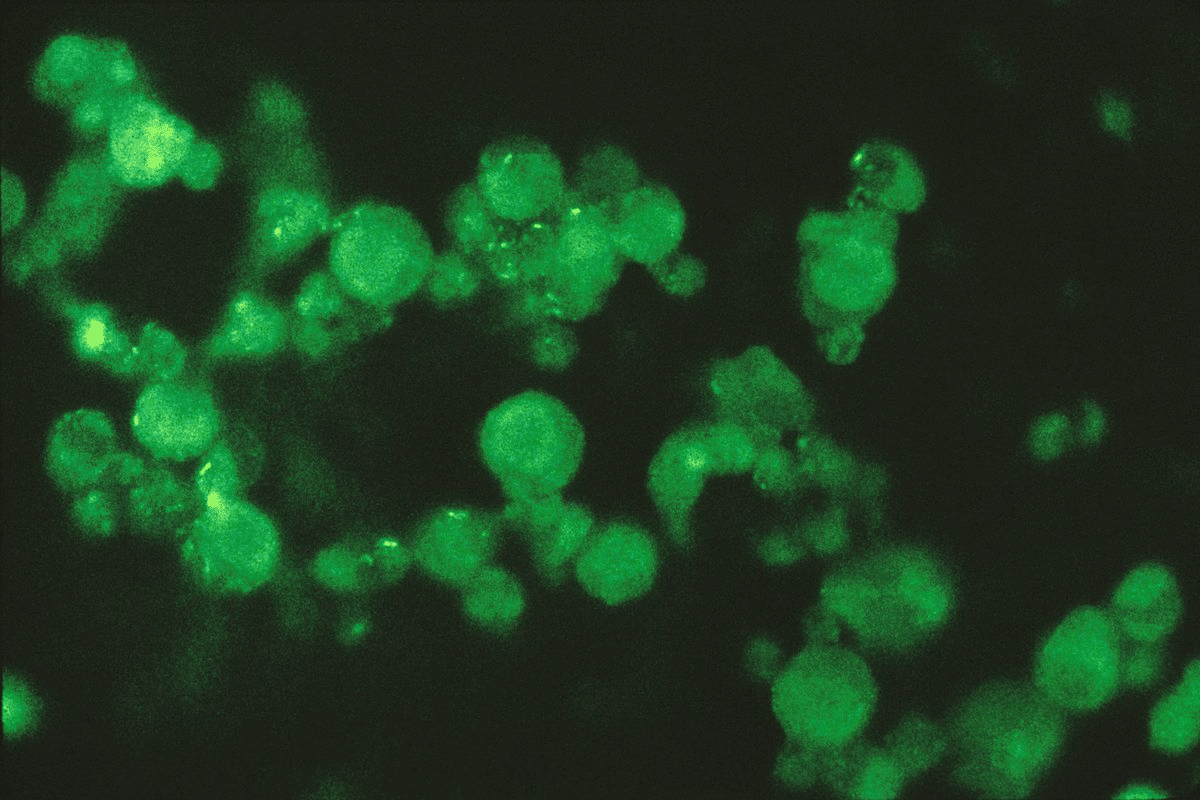
Antinuclear Antibody (ANA) testing is a key tool for doctors to find autoimmune diseases. It shows if a person might have a disease like lupus or rheumatoid arthritis.
What is an ANA Test?
An ANA test checks for antibodies against the cell nucleus in the blood. These antibodies are found in certain autoimmune diseases. The test uses indirect immunofluorescence assay (IFA) or enzyme-linked immunosorbent assay (ELISA).
“The ANA test is a key tool for diagnosing autoimmune diseases,” as noted in clinical guidelines.
How ANA Tests Are Performed
To do an ANA test, a blood sample is taken from the patient. The sample is then analyzed in a lab. The lab uses IFA or ELISA to find ANAs.
- The blood sample is mixed with a substrate containing cells.
- If ANAs are present, they bind to the nuclear material in the cells.
- A fluorescent dye is added, making the ANAs visible under a microscope.
Understanding ANA Titers and Patterns
The ANA test result shows a titer, which is the level of ANAs. A higher titer means a stronger autoimmune response. The pattern of fluorescence also gives clues about the disease.
|
Pattern |
Associated Disease |
|---|---|
|
Homogeneous |
Lupus |
|
Speckled |
Sjögren’s syndrome, lupus |
|
Nucleolar |
Scleroderma |
Clinical Significance of ANA Results
A positive ANA test can mean many autoimmune diseases, like lupus or rheumatoid arthritis. But, a positive result alone is not enough to diagnose a disease. It must be looked at with the patient’s symptoms and other tests.
Clinical correlation is key to understand a positive ANA test. Doctors will look at the patient’s symptoms, medical history, and other tests to make a diagnosis.
Fibromyalgia vs. Autoimmune Disorders: Key Differences
Fibromyalgia is not an autoimmune disease, but its symptoms can look like those of autoimmune disorders. This can lead to wrong diagnoses. It’s important to know the differences to get the right treatment.
Pathophysiology of Fibromyalgia
Fibromyalgia causes widespread pain and fatigue. It also affects sleep, memory, and mood. Fibromyalgia makes pain feel worse by changing how the brain handles pain signals.
The exact cause of fibromyalgia is not known. But it’s thought to be due to genetics, environment, and hormones. Central sensitization is believed to play a big role in its symptoms.
Characteristics of Autoimmune Diseases
Autoimmune diseases happen when the immune system attacks the body’s own cells and tissues. Examples include rheumatoid arthritis and lupus. These diseases cause inflammation and damage to organs.
Autoimmune diseases have inflammation and immune system problems. They often show specific autoantibodies, like antinuclear antibodies (ANA).
Why Fibromyalgia Is Not Classified as Autoimmune
Fibromyalgia is different from autoimmune diseases because it doesn’t have immune system problems or inflammation. Even though some people with fibromyalgia have ANA, it doesn’t mean they have an autoimmune disease.
The difference between fibromyalgia and autoimmune diseases is key for proper treatment. Knowing these differences helps doctors create the right treatment plans for each condition.
Positive ANA Test and Joint Pain: The Autoimmune Connection
It’s important to understand how a positive ANA test relates to joint pain. This connection helps in diagnosing autoimmune diseases. A positive Antinuclear Antibody (ANA) test often points to various autoimmune conditions. When joint pain is present, it signals a complex situation needing careful evaluation.
Common Autoimmune Causes of Positive ANA
Several autoimmune diseases can lead to a positive ANA test. Here are some common ones:
- Systemic Lupus Erythematosus (SLE): A chronic autoimmune disease affecting organs like the joints, skin, and kidneys.
- Rheumatoid Arthritis (RA): An autoimmune disorder mainly affecting the joints, causing inflammation and pain.
- Sjögren’s Syndrome: An autoimmune condition causing dry eyes and mouth, leading to joint pain.
- Scleroderma: A rare disease affecting the skin and connective tissue, potentially causing joint pain and stiffness.
These conditions often show a positive ANA test and can cause significant joint pain due to inflammation.
How Autoimmune Diseases Affect Joints
Autoimmune diseases can harm joints in different ways, mainly through inflammation. In RA, the immune system attacks the lining of the joints (synovium), leading to inflammation, pain, swelling, and joint damage.
In SLE, joint pain is common but less severe than in RA. Yet, the pain can be very debilitating and affect daily life.
Inflammatory vs. Non-inflammatory Joint Pain
Distinguishing between inflammatory and non-inflammatory joint pain is key when a patient has a positive ANA test and joint pain. Inflammatory joint pain, seen in autoimmune diseases like RA, is marked by:
- Morning stiffness lasting more than an hour
- Swelling and redness around the joint
- Warmth to the touch
- Reduced range of motion
Non-inflammatory joint pain, seen in fibromyalgia, lacks these signs. The pain is widespread and not limited to specific joints.
As we explore the link between positive ANA tests, joint pain, and autoimmune diseases, a detailed evaluation is needed. This helps determine the cause of symptoms and guides treatment.
Can Fibromyalgia Cause a Positive ANA Test?
Understanding the link between fibromyalgia and ANA test results is key for correct diagnosis and treatment. Fibromyalgia is a chronic condition with widespread pain and fatigue. It sometimes shows a positive Antinuclear Antibody (ANA) test, which is usually linked to autoimmune diseases.
Prevalence Rates of Positive ANA in Fibromyalgia
Research shows that some fibromyalgia patients have positive ANA test results. About 8.8% to 12% of these patients have positive ANA results at low titers. Let’s look at the prevalence rates in comparison.
|
Condition |
Prevalence of Positive ANA |
|---|---|
|
Fibromyalgia |
8.8% – 12% |
|
Systemic Lupus Erythematosus (SLE) |
95% – 99% |
|
General Population |
5% – 15% |
The table shows that positive ANA in fibromyalgia is notable but much lower than in autoimmune diseases like SLE.
Research Findings on ANA Titers in Fibromyalgia Patients
Studies have found that fibromyalgia patients with positive ANA usually have low titers. For example, a study in a rheumatology journal found most fibromyalgia patients with positive ANA had titers of 1:80 or lower. This is important because low ANA titers can occur in many conditions, not just autoimmune diseases.
“The presence of ANA in fibromyalgia patients does not necessarily indicate an autoimmune process, as the titers are often low and not associated with specific autoimmune diseases.”
Potential Mechanisms for False Positive Results
Several factors can lead to false positive ANA results in fibromyalgia patients. These include:
- Non-specific inflammation
- Cross-reactivity with other antibodies
- Co-existing conditions that cause positive ANA
It’s important to consider these factors when looking at ANA test results in fibromyalgia patients.
Clinical Significance of Positive ANA in Fibromyalgia
A positive ANA test in fibromyalgia patients can sometimes lead to confusion with autoimmune diseases. But research shows that a positive ANA in fibromyalgia does not always mean an autoimmune condition. Doctors must look at the patient’s overall health, symptoms, and medical history.
In conclusion, fibromyalgia can be linked to a positive ANA test, but the context is key. We need to look at prevalence rates, ANA titers, and possible false positives to give accurate diagnoses and effective treatments.
Joint Pain Characteristics in Fibromyalgia
Fibromyalgia patients often feel joint pain that’s not due to inflammation or damage. This is key to understanding the condition and telling it apart from other rheumatic diseases.
How Fibromyalgia Affects Joints
Fibromyalgia mainly affects the muscles and joints, causing widespread pain and stiffness. It’s different from diseases like rheumatoid arthritis, which cause inflammation and damage to joints.
The pain in fibromyalgia is often a deep ache or burning. It usually hits areas like the neck, shoulders, back, hips, and knees. Weather changes, stress, and too much activity can make it worse.
Central Sensitization and Pain Perception
Central sensitization is a big deal in fibromyalgia pain. It means the nervous system is more sensitive, making normal things feel painful.
- Increased sensitivity to stimuli
- Amplification of pain signals
- Altered pain processing pathways
This sensitivity is what makes fibromyalgia pain so widespread. It’s different from pain caused by joint damage or inflammation.
Distinguishing Features from Autoimmune Joint Pain
Fibromyalgia and autoimmune diseases like rheumatoid arthritis both cause joint pain. But there are big differences. Autoimmune joint pain comes with inflammation, swelling, and sometimes joint deformity.
Key differences include:
- Absence of inflammation in fibromyalgia
- Lack of structural joint damage
- Widespread pain beyond specific joints
Knowing these differences is vital for the right diagnosis and treatment. Fibromyalgia needs a different approach than autoimmune arthritis. It focuses on managing pain, making lifestyle changes, and dealing with symptoms like fatigue and sleep issues.
Diagnostic Challenges: When Symptoms Overlap
Fibromyalgia and autoimmune diseases often share similar symptoms. This makes it hard to diagnose fibromyalgia. It has widespread musculoskeletal pain, fatigue, and tender points.
Fibromyalgia as a Mimicker of Autoimmune Disease
Fibromyalgia can look like autoimmune diseases like lupus or rheumatoid arthritis. This is because both have joint pain and fatigue. This can confuse doctors if they don’t look closely.
A person with fibromyalgia might have positive ANA tests, which are common in autoimmune diseases. Doctors need to look at the whole situation when they see these results.
Comprehensive Diagnostic Approach
When symptoms overlap, a detailed approach is needed. This includes a full medical history, physical exam, and lab tests. These steps help tell fibromyalgia apart from autoimmune diseases.
- A detailed patient history to identify the nature and duration of symptoms.
- A physical examination to assess tender points and other signs.
- Laboratory tests, including ANA testing, to rule out autoimmune conditions.
Avoiding Misdiagnosis and Inappropriate Treatment
Misdiagnosis can lead to the wrong treatment, making things worse. For example, using drugs for autoimmune diseases on fibromyalgia can be harmful.
Getting the right diagnosis is vital for managing symptoms and improving life quality. A careful and detailed approach helps avoid misdiagnosis. This ensures patients get the best care.
Managing Symptoms in Fibromyalgia Patients with Positive ANA
Managing fibromyalgia symptoms in patients with positive ANA tests requires a multi-faceted approach. We must consider various treatment methods to meet the complex needs of these patients.
Medication Approaches for Pain Relief
Medications are key in managing fibromyalgia symptoms. We often use a mix of:
- Pain relievers like pregabalin or duloxetine
- Antidepressants to help with sleep and pain
- Anti-seizure medications for pain management
These medications can reduce pain, improve sleep, and enhance overall well-being.
Non-Pharmacological Interventions
Along with medication, non-pharmacological interventions are vital. We recommend:
- Cognitive-behavioral therapy (CBT) for chronic pain
- Physical therapy to boost mobility and strength
- Relaxation techniques like meditation or deep breathing
These interventions help patients cope with pain and improve their quality of life.
Lifestyle Modifications for Symptom Management
Lifestyle changes are also essential in managing symptoms. We suggest:
- Regular exercise tailored to the patient’s abilities
- A balanced diet rich in fruits, vegetables, and whole grains
- Stress management techniques such as yoga or tai chi
These modifications can reduce symptom severity and improve overall health.
When to Consider Additional Autoimmune Evaluation
In some cases, a positive ANA test may indicate an underlying autoimmune condition. We need to consider additional evaluation if:
- Symptoms worsen or new symptoms appear
- There is a family history of autoimmune diseases
- Other diagnostic criteria for autoimmune diseases are met
Further evaluation can help identify any underlying conditions that may require specific treatment.
|
Intervention |
Description |
Benefits |
|---|---|---|
|
Medication |
Use of pain relievers, antidepressants, and anti-seizure medications |
Pain relief, improved sleep, enhanced well-being |
|
Cognitive-behavioral therapy (CBT) |
Coping strategies for chronic pain |
Improved pain management, better coping mechanisms |
|
Lifestyle modifications |
Regular exercise, balanced diet, stress management |
Reduced symptom severity, improved overall health |
Conclusion: Navigating the Complex Relationship Between Fibromyalgia, ANA Tests, and Joint Pain
Understanding the link between fibromyalgia, ANA tests, and joint pain is key for doctors. Fibromyalgia is a chronic pain condition. It often has symptoms similar to autoimmune diseases, making it hard to diagnose.
When some fibromyalgia patients test positive for ANA, it adds to the challenge. But studies show a positive ANA test doesn’t always mean an autoimmune disease. It could be a false positive or linked to other issues.
Joint pain is common in both fibromyalgia and autoimmune diseases. In fibromyalgia, pain is widespread and caused by central sensitization. Autoimmune diseases, on the other hand, cause inflammatory joint damage. It’s important to tell these conditions apart for proper treatment.
By understanding the complex ties between fibromyalgia, ANA tests, and joint pain, doctors can better diagnose and treat fibromyalgia patients.
FAQ
What is fibromyalgia, and how does it relate to positive ANA tests?
Fibromyalgia is a long-term pain condition. It’s not an autoimmune disease. Yet, some people with it might test positive for ANA, making diagnosis tricky.
Can fibromyalgia cause a positive ANA test?
Yes, some fibromyalgia patients might test positive for ANA. But, this doesn’t always mean they have an autoimmune disease.
What is the significance of a positive ANA test in fibromyalgia patients?
A positive ANA test in fibromyalgia patients might show an underlying autoimmune condition. But, it could also be a false positive.
How does fibromyalgia affect joints, and how does it differ from autoimmune joint pain?
Fibromyalgia can cause joint pain due to central sensitization. It’s different from autoimmune joint pain, which has inflammation.
What is the difference between inflammatory and non-inflammatory joint pain?
Inflammatory joint pain is linked to autoimmune diseases like rheumatoid arthritis. It’s marked by inflammation. Non-inflammatory joint pain, seen in fibromyalgia, isn’t caused by inflammation.
Can a positive ANA test be a false positive result?
Yes, a positive ANA test can be a false positive. This can happen due to lab errors or other medical conditions.
What does an ANA titer of 1:320 mean?
An ANA titer of 1:320 shows a positive ANA test result. But, its meaning depends on the person’s medical history and other tests.
How is fibromyalgia diagnosed, and how can it be distinguished from autoimmune diseases?
Fibromyalgia is diagnosed through a detailed evaluation of symptoms, medical history, and physical exam. It’s distinguished from autoimmune diseases through clinical evaluation and tests.
What are the management options for fibromyalgia patients with positive ANA tests?
Management for fibromyalgia patients with positive ANA tests includes pain relief medications and non-pharmacological interventions. Lifestyle changes are also important. Additional autoimmune evaluation might be needed.
Is a positive ANA test a definitive indicator of an autoimmune disease?
No, a positive ANA test isn’t a sure sign of an autoimmune disease. It can also appear in other conditions, like fibromyalgia.
References
National Center for Biotechnology Information. Fibromyalgia, ANA, and Joint Pain: Diagnostic Challenges. Retrieved from https://pubmed.ncbi.nlm.nih.gov/9207710/