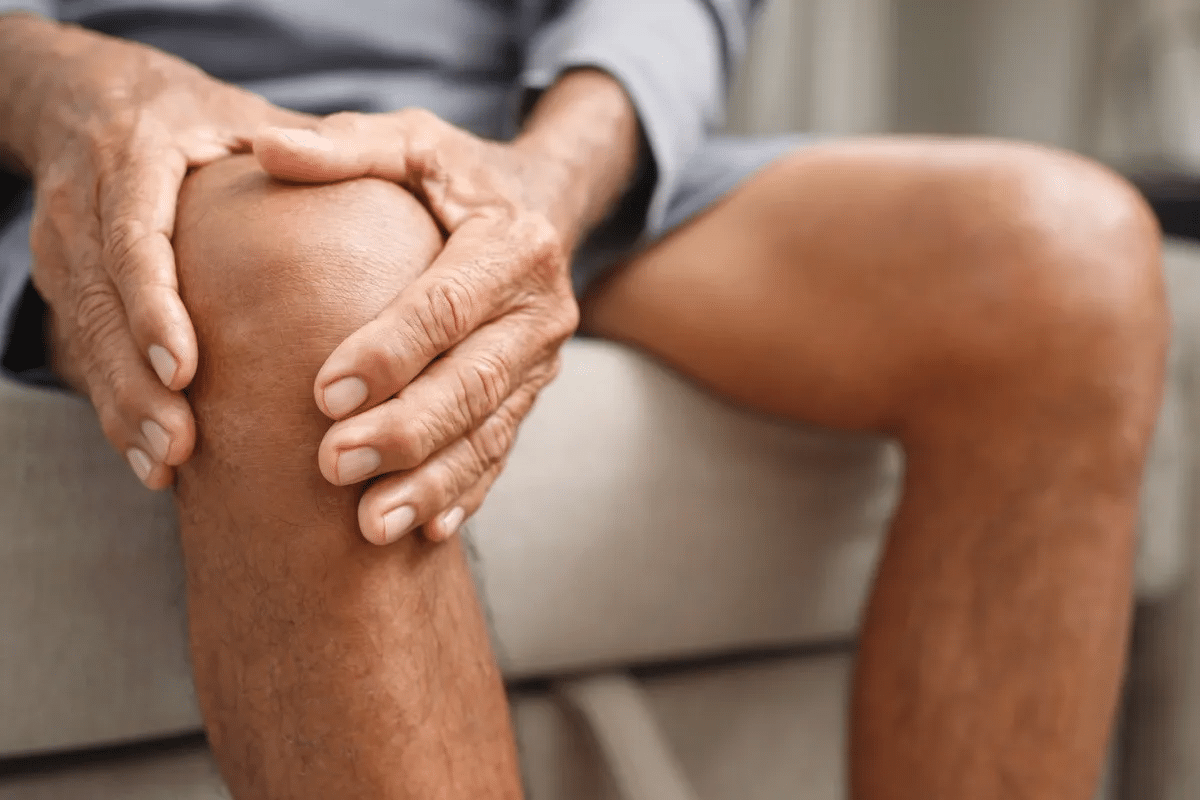
Explaining the triggers of an osteoarthritis flare up and providing strategies on how to stop the pain quickly.
Osteoarthritis flare-ups are sudden and severe episodes of pain, swelling, and stiffness. They make everyday tasks hard for those affected. These episodes can be very uncomfortable and limit movement.
AtLiv Hospital, we focus on managing these flare-ups by understanding them better. Knowing what causes them and how to manage them is key. We aim to help you keep your joints healthy and prevent these episodes. This way, you can enjoy your daily activities without pain.
Key Takeaways
- Understanding osteoarthritis flare-up patterns is important for managing them well.
- Personalized, evidence-based strategies can help reduce flare-ups.
- Keeping your joints healthy is vital for your overall well-being.
- Knowing common triggers can help prevent flare-ups.
- Effective management can greatly improve your quality of life.
Understanding Osteoarthritis and Its Flare Ups

It’s important to know about osteoarthritis to manage its symptoms well. Osteoarthritis (OA) is a disease that wears down the cartilage and joints. This causes pain and stiffness.
What Is Osteoarthritis?
Osteoarthritis happens when cartilage in joints breaks down. This leads to bones rubbing against each other, causing a lot of discomfort. It can affect any joint, but often hits the hands, knees, hips, and spine. The degeneration of cartilage makes joints less mobile and painful.
Definition and Characteristics of Flare Ups
An osteoarthritis flare-up is when symptoms get worse. You might feel more pain, swelling, and stiffness in your joints. These flare-ups can be caused by overuse, injury, or changes in the environment.
Studies show that about 55% of patients have flare-ups. These episodes usually last around eight days. Knowing what flare-ups are like helps in finding ways to manage them better.
Prevalence and Typical Duration
Osteoarthritis is very common, with at least 80% of people over 55 showing signs on an X-ray. But many don’t feel any symptoms. The more you age, the more likely you are to get OA, which is a big reason for disability worldwide.
|
Age Group |
Prevalence of Osteoarthritis |
|---|---|
|
45-54 years |
13.9% |
|
55-64 years |
29.5% |
|
65 years and older |
49.6% |
Knowing how common and long osteoarthritis flare-ups are helps in managing them. Good management can greatly improve life for those with OA.
Recognizing an Osteoarthritis Flare Up
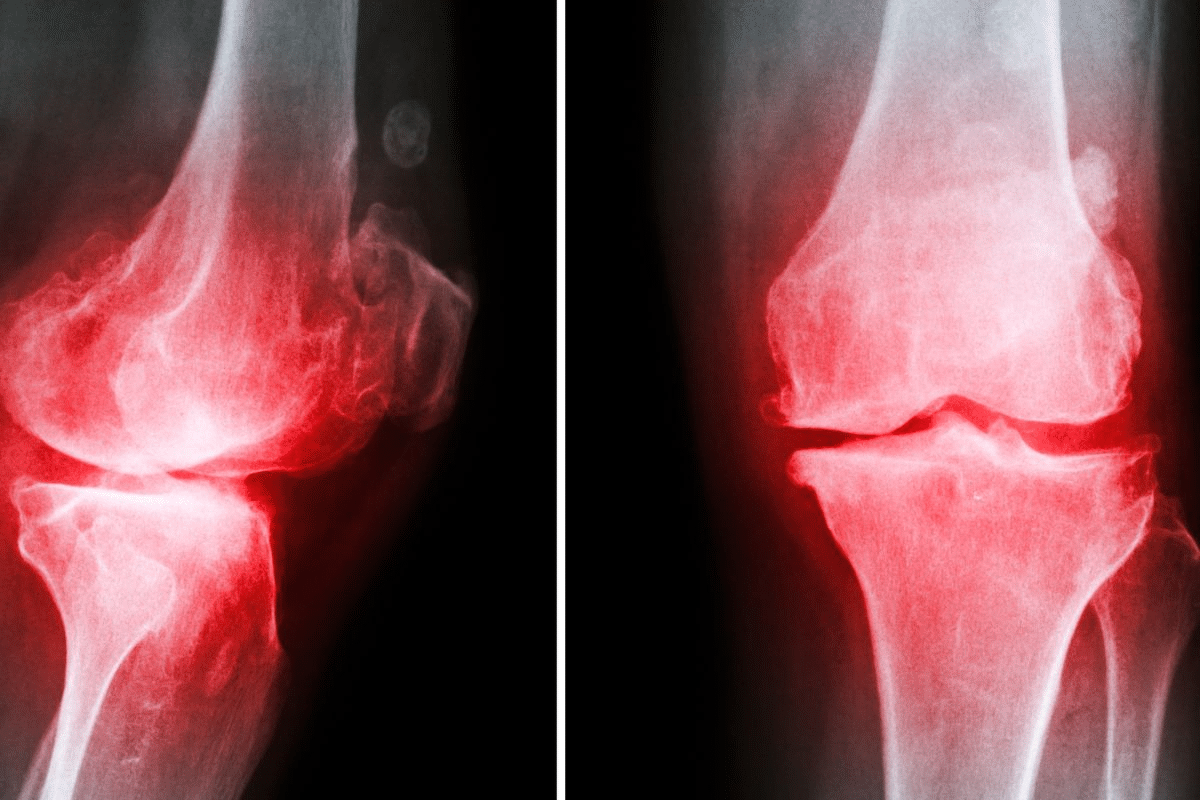
Knowing the signs of an osteoarthritis flare-up is key. These episodes see symptoms worsen, causing more pain, stiffness, and less mobility.
Common Symptoms and Warning Signs
Osteoarthritis flare-ups bring sudden pain, swelling, stiffness, and less movement. They can be caused by many things, like exercise, weather, or stress. Spotting these signs early is important for managing the condition.
Common symptoms include:
- Increased pain in the affected joints
- Swelling and redness around the joints
- Stiffness, specially after rest
- Less range of motion and flexibility
- A crunching or grinding sensation in the joints
Spotting these symptoms early helps in taking the right steps to lessen the flare-up.
Differentiating Flares from Progressive Worsening
It’s important to tell the difference between a flare-up and the condition getting worse. Both have more symptoms, but their causes and how to handle them are different.
|
Characteristics |
Osteoarthritis Flare-Up |
Progressive Worsening |
|---|---|---|
|
Onset |
Sudden |
Gradual |
|
Duration |
Temporary, often resolves with rest and treatment |
Persistent, shows disease progression |
|
Triggers |
Often triggered by specific factors like overexertion or weather changes |
Generally related to disease progression and joint degeneration |
Knowing these differences helps in responding to symptoms correctly. If you think you’re having a flare-up, check your plan and talk to your doctor if needed.
Physical Activities That Trigger Osteoarthritis Flare Ups
Osteoarthritis flare-ups can happen when you do activities that stress your joints too much. Knowing which activities might cause flare-ups helps people with osteoarthritis manage their condition better.
High-Impact and Loading Movements
High-impact activities like running or jumping stress your joints a lot. This is true for your knees, hips, and spine. These activities can damage the cartilage in your joints, causing pain and swelling. Activities that might lead to flare-ups include:
- Kneeling or squatting, which can put direct pressure on the knee joint.
- Heavy lifting, which can strain the joints in the spine and other areas.
- High-impact aerobics or sports that involve running or jumping.
Repetitive Motions and Overexertion
Even if they’re not high-impact, repetitive motions can also cause flare-ups. Doing the same joint movements over and over can wear down the cartilage, leading to pain and swelling. Examples include:
- Repetitive bending or straightening of the knee or other joints.
- Overexertion during physical activities, such as cycling or swimming, if done excessively.
- Prolonged standing or walking, which can strain the joints in the legs and lower back.
Knowing what triggers flare-ups helps you avoid them. You can change how you do things, rest your joints more, or choose lower-impact activities.
Environmental and Weather-Related Triggers
Weather changes, like shifts in barometric pressure and humidity, can trigger osteoarthritis flare-ups. Many with osteoarthritis find their symptoms get worse with certain weather. But why this happens is quite complex.
Barometric Pressure Changes
Barometric pressure is the air’s weight in the atmosphere. Changes in this pressure can impact people with osteoarthritis. When pressure drops, joints can swell, causing more pain and stiffness.
Key effects of barometric pressure changes on osteoarthritis include:
- Increased joint pain and stiffness
- Swelling and inflammation
- Reduced mobility
Some people are more sensitive to these changes than others. Why this is so is not yet clear.
Humidity and Temperature Fluctuations
Humidity and temperature also play a role in osteoarthritis symptoms. Cold and damp weather often make symptoms worse. But not all studies agree on this.
“Cold weather can cause the muscles and tissues around the joints to contract and become stiffer, potentially worsening osteoarthritis symptoms.”
To handle weather-related osteoarthritis flare-ups, try these tips:
- Stay warm and dry, mainly in cold or damp weather.
- Use heating pads or warm baths to ease pain and stiffness.
- Keep a healthy weight to lessen joint stress.
- Stay active with exercises that are easy on the joints.
Understanding how weather affects osteoarthritis helps manage symptoms. This can greatly improve one’s quality of life.
Physiological Causes of Osteoarthritis Flare Ups
Understanding why osteoarthritis flare-ups happen is key to managing them. Many factors can lead to these flare-ups, affecting the lives of those with osteoarthritis.
Joint Injuries and Trauma
Joint injuries or trauma can cause osteoarthritis flare-ups. When a joint gets hurt, the cartilage can get damaged. This leads to more friction and stress, causing pain and stiffness.
Examples of joint injuries include fractures, dislocations, and ligament sprains. Even small injuries can cause long-term damage and increase the risk of flare-ups.
Cartilage Breakdown and Bone Spurs
Cartilage breakdown is a key sign of osteoarthritis. When cartilage wears down, joints can’t absorb shock or move smoothly. This can cause bone-on-bone contact, leading to pain and inflammation.
Bone spurs, or osteophytes, can also cause flare-ups. These are bony growths that form to repair damage. But they can sometimes irritate tissues, making symptoms worse.
Infections and Inflammatory Responses
Infections in the joint can cause severe flare-ups. Septic arthritis, a bacterial infection, can destroy joints quickly if not treated fast.
Inflammatory responses, from infections or other causes, can also make osteoarthritis symptoms worse. It’s important to manage these responses to prevent long-term damage.
The following table summarizes the physiological causes of osteoarthritis flare-ups:
|
Cause |
Description |
Impact |
|---|---|---|
|
Joint Injuries |
Fractures, dislocations, ligament sprains |
Increased friction, inflammatory response |
|
Cartilage Breakdown |
Deterioration of cartilage |
Bone-on-bone contact, pain, inflammation |
|
Bone Spurs |
Bony projections along joint margins |
Irritation of surrounding tissues |
|
Infections |
Septic arthritis, bacterial infections |
Rapid joint destruction, severe flare-ups |
Lifestyle and Health Factors That Influence Flare Ups
Our daily habits and health choices greatly affect how often and how bad osteoarthritis flare-ups are. By making smart lifestyle choices, we can lower the chance of flare-ups and live better.
Weight Management and Joint Stress
Keeping a healthy weight is key to lessening stress on joints like knees and hips. Being overweight speeds up wear and tear, causing more and worse flare-ups. Diet and exercise help manage weight, easing joint pressure and possibly easing symptoms.
Effective weight management strategies include eating right and staying active. Losing a little weight can make a big difference in joint health and overall health.
Diet and Inflammatory Foods
What we eat matters a lot for managing osteoarthritis. Some foods can make inflammation worse, while others can help. Eating an anti-inflammatory diet full of fruits, veggies, whole grains, and omega-3s supports joint health.
It’s also important to avoid or cut down on pro-inflammatory foods like processed meats, sugary snacks, and refined carbs. Smart food choices can help control inflammation and lessen flare-ups.
Sedentary Behavior vs. Protective Factors
While it’s good to avoid too much activity that can cause flare-ups, being too sedentary is bad too. Gentle exercise keeps joints moving and muscles strong, supporting joints.
Adding protective factors like low-impact exercises like swimming or cycling to our routine can help prevent flare-ups. Also, finding a balance between activity and rest is good for joint health.
Emotional and Psychological Triggers
Our emotional state has a big impact on osteoarthritis symptoms. Emotional and psychological factors can make osteoarthritis flare-ups worse.
Stress and Its Impact on Pain Perception
Stress makes osteoarthritis symptoms worse. When stressed, our body’s “fight or flight” response increases inflammation and muscle tension. This makes osteoarthritis pain worse.
Medical Expert, a rheumatologist, says, “Stress can make pain feel worse than it is.”
Managing stress with meditation, deep breathing, or yoga can help. Lowering stress can reduce how often and how bad osteoarthritis flare-ups are.
Sleep Quality and Pain Management
Poor sleep worsens osteoarthritis symptoms. Not getting enough sleep makes pain harder to manage. This leads to a cycle of pain and sleep problems.
“Sleep is key for pain control,” Medical Expert, a pain expert, says. “Better sleep is vital for managing osteoarthritis pain.” To sleep better, keep a regular sleep schedule, relax before bed, and avoid caffeine and screens at night.
By tackling emotional and psychological issues like stress and poor sleep, we can manage osteoarthritis better. This improves overall health and reduces flare-ups.
Managing an Osteoarthritis Flare Up
Managing osteoarthritis flare-ups needs a mix of quick relief and knowing when to get medical help. The right steps can ease symptoms and stop more damage to joints.
Immediate Relief Strategies
Several methods can offer quick relief during an osteoarthritis flare-up. These include:
- Resting the affected joint: Staying away from activities that make it worse can lessen pain and swelling.
- Applying cold or heat therapy: Cold packs can cut down swelling, while heat can relax muscles and improve joint movement.
- Using assistive devices: Tools like canes, walkers, or orthotics can lessen stress on the affected joints.
Keeping a healthy weight is also key. Extra weight can add stress to joints, like hips, knees, and spine. Eating a diet full of anti-inflammatory foods can also help manage symptoms.
When to Seek Medical Help
While many flare-ups can be handled on your own, some need medical help. You should get medical help if:
- You have severe pain that doesn’t get better with rest or medicine.
- There’s significant swelling or redness around the joint.
- You have a fever or think there might be an infection in the joint.
According to the
“Arthritis Foundation, if you experience any of these symptoms, it’s vital to talk to your healthcare provider. They can check for other conditions and give the right treatment.”
Getting medical help early can stop long-term damage and improve life quality. Knowing when to seek help can help manage osteoarthritis better and reduce flare-ups.
Conclusion
Understanding what causes osteoarthritis flare-ups helps us manage the condition better. A good plan includes lifestyle changes, the right treatments, and regular doctor visits. This approach helps people deal with flare-ups and live better lives.
Making lifestyle changes is key to fighting osteoarthritis. Eating right, staying active, and keeping a healthy weight can slow the disease. These habits help manage osteoarthritis and lower the chance of flare-ups.
Preventing flare-ups is also important. Knowing what triggers them and taking action early can help. We suggest working with doctors to create a plan that fits your needs. This way, you get the care you need to manage your osteoarthritis well.
FAQ
What is osteoarthritis and how does it affect the joints?
Osteoarthritis is a disease that wears down the cartilage in joints. This leads to pain and stiffness. It can make daily activities hard and uncomfortable.
What are osteoarthritis flare-ups, and how do they differ from the usual symptoms?
Flare-ups are sudden and severe episodes of osteoarthritis symptoms. They include more pain and stiffness. Many things can trigger them, like exercise or weather changes.
Can osteoarthritis come on suddenly?
Yes, osteoarthritis can start suddenly. This can happen due to a specific injury or change in the body.
What causes osteoarthritis flare-ups?
Flare-ups can be caused by many things. High-impact activities, weather, injuries, and infections are common triggers. Knowing these can help manage the condition better.
How can I manage osteoarthritis flare-ups?
To manage flare-ups, use immediate relief like rest and therapy. Also, make long-term changes in your lifestyle and consider medication. Knowing when to see a doctor is key.
What are the common symptoms of an osteoarthritis flare-up?
Symptoms of a flare-up include more pain, stiffness, and trouble moving. Spotting these signs early is important for managing the condition.
How can I differentiate between a flare-up and progressive worsening of osteoarthritis?
A flare-up is a sudden episode, while worsening is a slow decline. Knowing the difference helps in managing the condition better.
Can stress trigger osteoarthritis flare-ups?
Yes, stress can make osteoarthritis symptoms worse. Using stress-reducing techniques can help manage symptoms.
How does sleep quality impact osteoarthritis pain management?
Bad sleep can make osteoarthritis pain worse. Good sleep can help ease it. Keeping a healthy sleep routine is important for pain management.
What lifestyle changes can help reduce osteoarthritis flare-ups?
Eating right, avoiding inflammatory foods, and protecting your joints can help. These changes can reduce flare-ups and improve joint health.
When should I seek medical help for an osteoarthritis flare-up?
Seek medical help if symptoms get worse, or if you have severe pain, swelling, or trouble moving. Doctors can help manage flare-ups and adjust treatment plans.
References
https://my.clevelandclinic.org/health/diseases/5599-osteoarthritis