Coronary artery bypass grafting (CABG) is a common surgery for severe heart disease. A big worry is the chance of rib cracking during this cardiac surgery. But how often does it happen, and what does it mean for those having bypass surgery?
At our place, we get it. We know how scary heart surgeries can be. We care deeply for our patients and work hard to explain everything clearly. This helps ease their worries.
Key Takeaways
- Understanding the CABG procedure and its relation to rib cracking.
- The role of cardiac surgery in treating coronary artery disease.
- What to expect during and after bypass surgery.
- Our approach to patient care and support.
- Empathetic and professional guidance through complex medical information.
Understanding Bypass Surgery Basics

Coronary artery bypass grafting, or CABG, is a surgery to improve heart blood flow. We’ll look at what this surgery does and why it’s needed.
What Is Coronary Artery Bypass Grafting (CABG)?
CABG is a heart surgery that helps blood flow to the heart. It bypasses blocked or partially blocked arteries. A healthy blood vessel is taken from another part of the body to create a detour around the blocked artery.
The surgery is done under general anesthesia. The choice of graft depends on the patient’s health and the blockage’s severity. The most common grafts are the saphenous vein from the leg and the internal mammary artery from the chest.
When Is Bypass Surgery Necessary?
Bypass surgery is needed when coronary arteries are blocked, reducing heart blood flow. This is known as coronary artery disease. It can cause heart attacks, angina, and other serious heart issues.
The decision to have CABG is made after trying other treatments like medication or angioplasty. The decision is based on symptoms, disease extent, and overall health.
|
Indicator |
Description |
Implication |
|---|---|---|
|
Severity of Blockage |
Percentage of artery blocked |
Higher blockage percentage indicates greater need for CABG |
|
Number of Blocked Arteries |
Multiple vs. single artery involvement |
Multiple blockages often require CABG for complete treatment |
|
Previous Treatments |
Failure or inadequacy of other treatments like angioplasty |
If other treatments fail, CABG may be recommended |
|
Symptoms and Health Status |
Presence of angina, heart failure, or other heart-related conditions |
Significant symptoms or poor health status may necessitate CABG |
Understanding these indicators and CABG basics helps patients make informed heart health decisions.
The Traditional Approach: Sternotomy Explained
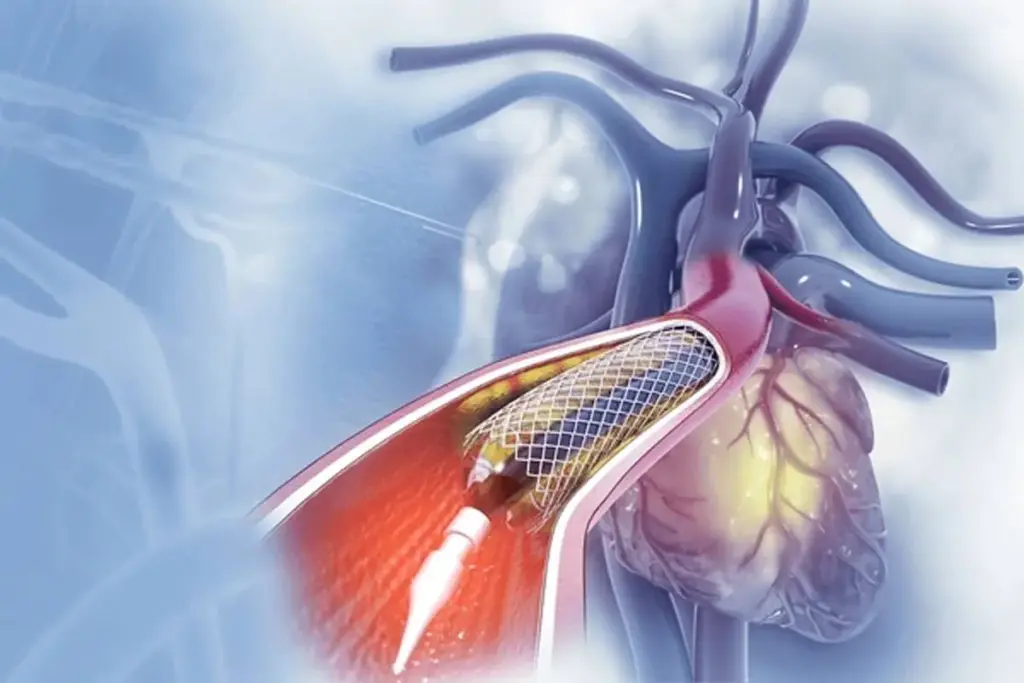
Traditional open heart surgery often starts with sternotomy. This method is key in cardiac surgery, giving surgeons direct heart access. It’s important for patients to know about sternotomy before bypass surgery.
What Is a Sternotomy?
A sternotomy is when a cut is made in the chest to reach the heart. The sternum, the long bone in the chest, is split to see the heart and nearby areas. This lets surgeons do complex surgeries, like coronary artery bypass grafting (CABG).
“The sternotomy is a well-established technique that has been refined over decades,” says a renowned cardiac surgeon. “It provides an optimal view and access to the heart, which is essential for the success of many cardiac procedures.”
Why Surgeons Access the Heart Through the Sternum
Surgeons choose the sternum because it’s right over the heart. This makes it the best spot for heart surgery. By splitting the sternum, surgeons can open the chest and see the heart clearly.
This method is great for complex surgeries like CABG, where seeing everything is key. Even though newer, less invasive ways exist, sternotomy is often the go-to for cardiac surgery.
Yes, They Do “Crack” Your Chest—But It’s Not What You Think
The phrase “cracking your ribs” is often linked to bypass surgery. But the truth is more complex. During coronary artery bypass grafting (CABG), the heart is accessed through the chest. This process is often misunderstood, causing unnecessary fear and anxiety.
The Sternum Splitting Procedure
The traditional bypass surgery uses a sternotomy, or sternum splitting. The surgeon makes an incision down the chest’s center. They then separate the sternum to reach the heart. This is a precise, controlled action, not a violent one.
During the sternum splitting, we use special tools to divide the sternum. This opens the pericardial cavity, where the heart is. The sternum is not broken; it’s opened to give a clear view of the heart.
Common Misconceptions About “Rib Cracking”
Many think bypass surgery involves “rib cracking.” They imagine their ribs being broken or cracked open. But this is not what happens. The sternum is divided, and the ribs are not touched or damaged.
The sternum is flexible, thanks to the relaxed tissues under anesthesia. The surgical team works hard to avoid harming the surrounding tissues and bones. This ensures the procedure is safe and effective.
Understanding sternum splitting helps patients prepare for surgery and recovery. We believe informed patients can face their healthcare journey with confidence and clarity.
The Complete Open Heart Surgery Process
Open heart surgery is a detailed process. It starts with careful preparation and ends with closing the chest. We’ll guide you through each step, from the beginning to the end.
Before the Sternotomy: Preparation and Anesthesia
Before surgery, patients go through several steps to ensure their safety. They receive anesthesia to avoid pain during the procedure. The type and amount of anesthesia depend on the patient’s health and medical history.
Preparation Steps:
- Administering anesthesia
- Inserting a breathing tube to assist with ventilation
- Monitoring vital signs throughout the surgery
- Preparing the chest area for the incision
During Surgery: What Happens After Chest Access
After opening the chest, the surgical team accesses the heart. They connect the patient to a heart-lung machine. This machine takes over the heart and lung functions, allowing the surgeons to work on a stopped heart.
|
Surgical Step |
Description |
|---|---|
|
Connecting to Heart-Lung Machine |
The patient is connected to a heart-lung machine to facilitate the surgery. |
|
Cardiac Arrest |
The heart is stopped to provide a stable operating environment. |
|
Bypass Grafting |
The surgeon grafts the bypass vessels to the coronary arteries. |
Closing the Chest: Wires, Sutures, and Stabilization
After the heart surgery is done, the chest is closed. This ensures the sternum heals properly. Wires are used to hold the sternum together.
Closure Steps:
- Wiring the sternum to stabilize it
- Suturing the layers of tissue and skin
- Applying dressings to the wound site
Open heart surgery can seem scary, but knowing the process helps. Our team is dedicated to providing top care at every step of the surgery and recovery.
Types of Cardiac Bypass Procedures
Coronary artery bypass grafting (CABG) is not a one-size-fits-all procedure. It varies based on several key factors. The type of cardiac bypass surgery a patient undergoes depends on their specific condition, the number of vessels involved, and whether the surgery is elective or emergency.
Single vs. Multiple Vessel Bypass
Cardiac bypass procedures can be categorized based on the number of coronary arteries that require grafting. Single vessel bypass involves grafting one blocked artery, while multiple vessel bypass involves grafting multiple blocked arteries. The choice between these approaches depends on the extent of coronary artery disease.
- Single vessel bypass is typically less complex and may result in shorter recovery times.
- Multiple vessel bypass is more commonly performed and addresses more extensive coronary artery disease.
On-Pump vs. Off-Pump Procedures
Another critical distinction in cardiac bypass surgery is the use of a heart-lung machine. On-pump CABG involves using a cardiopulmonary bypass pump to circulate blood during surgery, allowing the heart to be stopped. Off-pump CABG, also known as beating-heart surgery, is performed without stopping the heart or using a heart-lung machine.
- On-pump procedures have been the traditional standard, providing a stable and bloodless surgical field.
- Off-pump procedures may reduce the risk of complications associated with the heart-lung machine and potentially lead to faster recovery.
Emergency vs. Elective Bypass Surgery
The urgency of the surgery is another factor that differentiates cardiac bypass procedures. Elective bypass surgery is planned in advance for patients with stable coronary artery disease, allowing for optimal preparation and timing. Emergency bypass surgery, on the other hand, is performed urgently due to acute coronary syndrome or other life-threatening conditions.
- Elective surgery allows for thorough preoperative evaluation and planning.
- Emergency surgery is often required for patients with severe or unstable coronary artery disease.
Understanding these different types of cardiac bypass procedures helps patients and their families make informed decisions about their care. Each approach has its indications, benefits, and risks. These should be discussed with a cardiac surgeon.
Alternatives to Traditional Sternotomy
Medical technology is getting better, leading to new ways to do coronary artery bypass grafting (CABG) without the old sternotomy. These new methods aim to make surgery less invasive. This could mean patients recover faster and feel less pain after surgery.
Minimally Invasive Direct Coronary Artery Bypass (MIDCAB)
MIDCAB lets surgeons do bypass surgery through smaller cuts, skipping the sternum split. This method causes less damage and trauma. It might lower the chance of problems and help healing happen quicker.
Benefits of MIDCAB:
- Smaller incisions, resulting in less scarring
- Reduced risk of infection
- Less post-operative pain
- Shorter hospital stays
- Faster return to normal activities
Robotic-Assisted Bypass Surgery
Robotic-assisted bypass surgery is a new, advanced method. It uses robots to help surgeons work better. This method can make incisions even smaller than MIDCAB.
The robotic system’s high-definition 3D visualization and precise instrumentation enable surgeons to perform complex procedures with enhanced accuracy.
|
Feature |
Robotic-Assisted |
Traditional |
|---|---|---|
|
Incision Size |
Smaller |
Larger |
|
Precision |
High |
Moderate |
|
Recovery Time |
Faster |
Slower |
Endoscopic Vessel Harvesting
Endoscopic vessel harvesting is used with bypass surgery. It uses an endoscope to get the graft vessels. This method makes smaller cuts in the leg, which might lower the risk of leg problems.
Cardiac surgeons now have more options for patients thanks to these new techniques. Not every patient can have these less invasive surgeries. But, these advancements are making more options available for those needing bypass surgery.
Who Qualifies for Minimally Invasive Heart Surgery?
Figuring out who can have minimally invasive heart surgery looks at many factors. This surgery, like MIDCAB, is popular because it heals faster and hurts less. But, not everyone can have it.
Patient Selection Criteria
Choosing who gets this surgery depends on several things. These include the patient’s health, the condition being treated, and the heart’s structure. We look at things like other health issues, past surgeries, and how well the patient is doing.
Key criteria for choosing patients include:
- The need for single-vessel or limited multi-vessel bypass grafting
- Favorable coronary anatomy
- Absence of severe comorbid conditions that could complicate surgery or recovery
- Previous sternotomy or other complicating factors
|
Criteria |
Description |
Importance |
|---|---|---|
|
Coronary Anatomy |
Favorable anatomy for grafting |
High |
|
Comorbidities |
Presence of other health conditions |
High |
|
Previous Surgeries |
History of previous cardiac or thoracic surgeries |
Medium |
When Traditional Sternotomy Remains Necessary
Even with new techniques, traditional sternotomy is often the best choice for many surgeries. This is true for complex cases or when the patient needs a bigger surgical area.
Reasons for choosing traditional sternotomy include:
- Complex or multi-vessel coronary artery disease
- Need for concomitant cardiac procedures
- Previous cardiac surgery with significant adhesions
- Specific patient anatomy that is not suitable for minimally invasive approaches
Discussing Options With Your Cardiac Team
Choosing the right surgery needs a good talk with your cardiac team. This team includes doctors, surgeons, and others who know a lot about the heart.
Key aspects to discuss with your cardiac team include:
- The specific details of your condition and how it relates to your surgical options
- The risks and benefits associated with different surgical approaches
- Your overall health and any factors that could influence your surgery or recovery
- Your preferences and expectations regarding your care
Preparing for Bypass Surgery
Getting ready for bypass surgery is a big step. It involves tests and changes in your lifestyle. We’ll walk you through these steps to help you recover well and get the best results.
Pre-Surgical Testing and Evaluation
Before surgery, you’ll go through many tests. These help doctors understand your health and heart condition. You might have:
- Cardiac catheterization to see blockages in your arteries.
- Blood tests to check for health issues.
- Electrocardiogram (ECG) to look at your heart’s electrical activity.
- Echocardiogram to check your heart’s function and shape.
- Stress test to see how your heart works under stress.
These tests help your doctors plan your surgery.
Medication Adjustments Before Surgery
Some medicines might need to change or stop before surgery. We’ll work with you to:
- Review your current medications, like blood thinners and diabetes meds.
- Adjust dosages or switch medications to keep you safe during surgery.
- Guide you on when to stop taking certain medications before surgery.
It’s important to follow our advice to avoid problems.
Mental and Physical Preparation
Getting ready for surgery is not just about your body. Your mind is also key. We suggest:
- Staying physically active as your doctor advises.
- Eating a heart-healthy diet with lots of fruits, veggies, and whole grains.
- Managing stress with meditation or deep breathing.
- Building a support network of family and friends for recovery.
By taking care of your body and mind, you can recover better.
Recovery After Sternotomy: What to Expect
Recovering from sternotomy involves several steps. These include immediate care, sternal precautions, and a healing timeline. Knowing what to expect can ease worries and improve recovery.
Immediate Post-Operative Period
Right after sternotomy, patients stay in the ICU. They are watched closely with monitors and tubes to keep their vital signs stable and manage pain. Our team is here to support and care for you during this time.
Patients might feel pain, discomfort, and tiredness. Managing pain well is key. We use medicines and other methods to help. We listen to your needs and make sure you’re comfortable.
Sternal Precautions and Movement Restrictions
To help the sternum heal, some precautions are needed. Patients should avoid heavy lifting, bending, or hard activities that could harm the chest. We give clear instructions on safe movements to avoid problems like sternal instability.
Moving around, like getting out of bed or coughing, is done carefully. Our team teaches you how to do these safely to protect the sternum.
Timeline for Bone Healing
The time it takes for the sternum to heal varies. It usually starts healing in 6-8 weeks. But, getting back to normal activities can take months.
It’s important to keep up with follow-up appointments. Following the recovery plan is key for healing well and avoiding complications.
Understanding sternotomy recovery helps patients prepare. Our team is here to support and guide you. We aim for the best recovery for our patients.
Managing Pain After Bypass Surgery
Understanding and managing pain after bypass surgery is key to a good recovery. It helps reduce discomfort and makes the healing process smoother.
Types of Pain Experienced
Patients may feel different types of pain after surgery. The most common are:
- Incisional Pain: Pain at the surgical incision site.
- Musculoskeletal Pain: Pain in the muscles and bones, often in the chest.
- Referred Pain: Pain felt in other areas, like the shoulder or back.
A study in the Journal of Thoracic and Cardiovascular Surgery found that knowing the types of pain helps in managing it better.
When Pain Might Indicate Complications
While some pain is normal after surgery, certain types or levels may signal complications. It’s important to notice these signs early.
- Severe or Worsening Pain: Pain that doesn’t get better with medication or gets worse.
- Unusual Pain Locations: Pain in the legs or arms, which could mean a blood clot.
- Pain Associated with Other Symptoms: Pain with fever, redness, or swelling.
We tell patients to call their healthcare provider right away if they have these symptoms.
Potential Complications of Sternotomy
Sternotomy is a common and generally safe procedure. But, there are risks and complications patients should know about. It’s a key step in heart surgeries like coronary artery bypass grafting (CABG).
Sternal Wound Infections
One big risk is sternal wound infections. These can be simple skin infections or serious infections of the sternum or tissues underneath. Risks include diabetes, obesity, and smoking. Proper wound care and post-operative monitoring are key to prevent and manage these infections.
Sternal Instability and Dehiscence
Sternal instability or dehiscence is another risk. It means the sternum doesn’t heal right or becomes unstable. This can be painful and might need more surgery. It can happen due to infection, poor bone quality, or strain during healing. Patients are often told to avoid heavy lifting and bending to reduce this risk.
Long-term Chest Wall Issues
Some patients face long-term chest wall problems after sternotomy. These can include chronic pain, discomfort, or feeling unstable in the chest. In some cases, keloid scars or adhesions can cause pain. While these issues are tough to deal with, treatments like pain management and physical therapy are available.
In summary, sternotomy is a critical part of many CABG surgeries. Knowing the possible complications is vital for both patients and healthcare providers. This knowledge helps patients prepare for surgery and recovery, and healthcare providers can work to reduce these risks.
Physical Rehabilitation Following Bypass Surgery
Physical rehabilitation is key for patients to get back in shape after bypass surgery. A good rehab plan helps patients get back to their daily lives. It also boosts their overall health and happiness.
Cardiac Rehabilitation Programs
Cardiac rehab programs help patients on their road to recovery. They offer:
- Exercise training
- Nutritional counseling
- Stress management techniques
- Education on heart-healthy living
Joining cardiac rehab can greatly improve heart health. It also lowers the chance of future heart issues.
Safe Exercise Progression
Starting with gentle exercises is important in rehab. Patients should slowly increase the intensity and time of their workouts.
Safe exercise means:
- Start with easy activities like walking or stretching
- Slowly make exercises more intense and longer
- Listen to how your body feels and adjust
It’s vital to have a healthcare expert create a workout plan just for you. This plan should fit your needs and abilities.
Rebuilding Strength and Endurance
Getting stronger and more energetic is a big part of rehab. As patients get better, they can do harder exercises to boost their fitness.
Ways to build strength and endurance include:
- Resistance training to strengthen muscles
- Aerobic exercises to boost heart health
- Flexibility exercises to keep movement
By focusing on these areas, patients can regain their strength. They can also enjoy a better life after bypass surgery.
Emotional and Psychological Recovery
Recovering emotionally is key after open heart surgery. This big surgery can deeply affect a person’s feelings and mind.
Common Emotional Responses to Open Heart Surgery
People often feel many emotions after heart surgery. These can be relief, anxiety, sadness, and frustration. It’s important to know these feelings are normal and part of getting better.
A study in the Journal of Thoracic and Cardiovascular Surgery found that depression and anxiety are common. They can make recovery harder and even riskier.
“The psychological impact of cardiac surgery should not be underestimated. Patients need support that covers both their body and mind.”
Strategies for Coping with Post-Surgery Anxiety
It’s vital to manage anxiety after surgery. Here are some ways to do it:
- Try relaxation techniques like deep breathing or meditation
- Stay in touch with loved ones
- Join cardiac rehab programs
- Get help from professionals if you need to
|
Coping Strategy |
Description |
Benefits |
|---|---|---|
|
Relaxation Techniques |
Deep breathing, meditation, progressive muscle relaxation |
Reduces stress, promotes calmness |
|
Social Support |
Staying connected with family and friends |
Enhances emotional well-being, reduces loneliness |
|
Cardiac Rehabilitation |
Structured programs including exercise and education |
Improves physical health, boosts confidence |
When to Seek Mental Health Support
It’s okay to feel some ups and downs after surgery. But, if you’re feeling really down or anxious for a long time, you should get help. Mental health experts can provide the support you need.
Signs you might need help include:
- Feeling sad or hopeless all the time
- Having trouble sleeping or sleeping too much
- Not enjoying things you used to like
- Having trouble focusing or making choices
By understanding the emotional and mental sides of recovery, and getting the right help, patients can face the challenges of heart surgery better.
Advancements in Cardiac Bypass Techniques
The field of cardiac bypass surgery is evolving fast. It combines old-school surgical skills with new tech. This mix aims to make patients better and heal faster.
Evolution of Surgical Approaches
Cardiac bypass surgery has changed a lot over the years. At first, it was all about finding ways to bypass blocked arteries. Now, thanks to advancements in cardiac surgery, we have more advanced methods.
These new methods are less invasive and more precise. For example, minimally invasive direct coronary artery bypass (MIDCAB) uses smaller cuts. This means less damage and a quicker recovery for patients.
New Technologies Reducing Invasiveness
New tech is playing a big role in making cardiac bypass surgery better. Tools like 3D printing, advanced imaging, and robots are being used more. They help make surgeries more precise and safer for patients.
- 3D printing helps create detailed heart models for planning.
- Advanced imaging gives surgeons real-time feedback during surgery.
- Robotic systems let surgeons do complex tasks with better control.
Future Directions in Cardiac Surgery
The future of cardiac bypass surgery looks bright. It will be shaped by new tech and surgical methods. We might see more use of artificial intelligence and personalized surgery plans.
It’s important to test these new ideas carefully. This ensures they are safe and work well. By doing this, we can keep making cardiac bypass surgery better for patients.
Long-term Outcomes: Life After Bypass Surgery
Knowing what to expect after bypass surgery is key. Patients often wonder about their future health and what they can do. This knowledge helps them prepare for recovery and beyond.
Physical Limitations and Capabilities
Patients worry about their physical strength after surgery. Most regain their strength and return to normal activities in a few months. But, recovery speed can differ based on health, age, and other conditions.
Following a structured rehabilitation program is vital. It boosts heart health and physical function. Cardiac rehab focuses on exercise, education, and lifestyle changes for the best results.
Lifestyle Modifications for Heart Health
Keeping the heart healthy after surgery is essential. This means eating right, staying active, quitting smoking, and managing stress.
- Eating a diet rich in fruits, vegetables, whole grains, and lean proteins
- Engaging in at least 30 minutes of moderate-intensity exercise most days of the week
- Avoiding tobacco products and secondhand smoke
- Managing stress through techniques like meditation or yoga
Long-term Survival Rates and Quality of Life
The long-term survival rates for bypass surgery patients are good. Many see big improvements in their quality of life. CABG can help patients with severe heart disease live longer and feel better.
How well a patient does long-term depends on their health, other heart risks, and sticking to lifestyle changes and treatments.
Understanding these points helps patients make the most of their journey after surgery. It guides them in making choices that improve their long-term health and happiness.
Conclusion: Making Informed Decisions About Bypass Surgery
Understanding coronary artery bypass grafting (CABG) is key to making smart choices about your heart. We’ve covered the basics of CABG, the traditional sternotomy method, and newer options. This knowledge is vital for your heart health.
Deciding on bypass surgery means looking at your health, your doctor’s skills, and new surgery techniques. Talk to your doctor about your health, disease severity, and past surgeries. This helps you make the right choice.
Being informed and working with your medical team is important. It helps you feel confident about your heart surgery. Whether you’re getting ready for surgery or just want to know your options, we hope this helps you take charge of your care.
FAQ
What is coronary artery bypass grafting (CABG)?
CABG is a surgery to improve heart blood flow. It bypasses blocked arteries with grafts from other blood vessels.
Do they really “crack” your ribs during bypass surgery?
No, they don’t “crack” your ribs. The sternum is split to access the heart, not the ribs. This allows surgeons to do the CABG.
What is the difference between on-pump and off-pump bypass surgery?
On-pump surgery uses a heart-lung machine. Off-pump surgery is done on a beating heart without this machine.
How long does it take to recover from bypass surgery?
Recovery time varies. Patients usually spend days in the hospital. Full recovery takes weeks to months.
What are the possible complications of sternotomy?
Complications include infections, sternal instability, and chest wall issues. Knowing these risks helps manage recovery.
Can everyone undergo minimally invasive heart surgery?
No, not everyone can have minimally invasive surgery. It depends on disease extent and health. A cardiac team must decide.
How can pain be managed after bypass surgery?
Pain management includes medication, rest, and exercise. Understanding pain types and when to seek help is key.
What lifestyle modifications are necessary after bypass surgery?
Changes include diet, exercise, quitting smoking, and stress management. These promote heart health and prevent future issues.
Are there advancements in cardiac bypass techniques?
Yes, there are new techniques and technologies. They aim to improve outcomes and reduce recovery times.
What are the long-term survival rates after bypass surgery?
Survival rates depend on disease extent, health, and lifestyle changes. CABG improves survival in severe cases.
How does cardiac rehabilitation help after bypass surgery?
Cardiac rehab offers exercise, education, and support. It helps patients recover and improve heart health.
References
National Center for Biotechnology Information. Evidence-Based Medical Insight. Retrieved from https://pubmed.ncbi.nlm.nih.gov/6602999/



 Departments
 Related Videos
 Our Doctors
 News
News