People with gout often worry about the long-term effects of allopurinol. They wonder if this medicine can shorten their life. We’re here to shed light on this concern, explaining how allopurinol helps manage gout and its impact on life span. Addressing the concern: does allopurinol shorten your life? And reviewing its long-term safety and cardiovascular benefits.
Studies show that allopurinol doesn’t shorten life when used correctly. It might even help improve health by stopping serious gout problems. Knowing how allopurinol works and its safety can help patients make better choices about their treatment.
Key Takeaways
- Allopurinol is used for the long-term treatment and prevention of gout.
- It works by lowering uric acid levels in the blood.
- Proper monitoring is key for safe use of allopurinol.
- Current evidence shows allopurinol doesn’t shorten life when used right.
- Allopurinol may help extend life by preventing gout-related issues.
Understanding Allopurinol: Purpose and Function
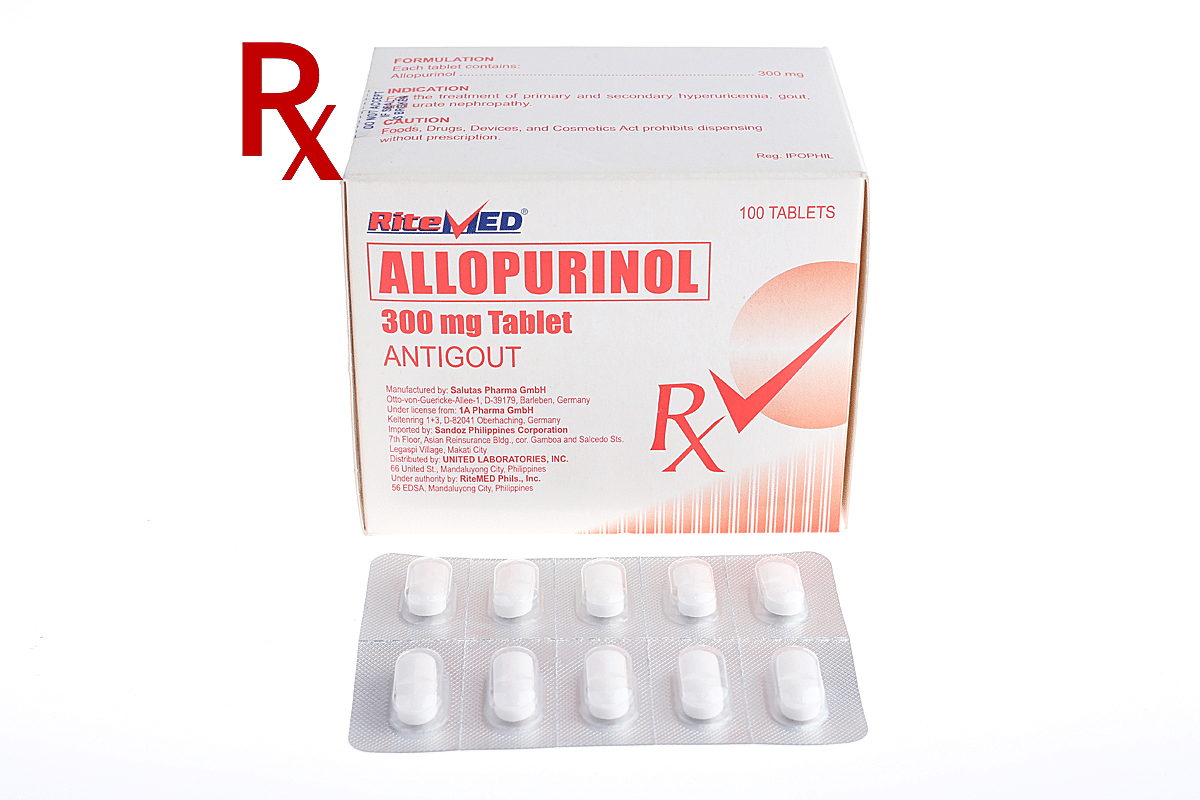
To understand allopurinol’s impact on health, we must first know its purpose and function. Allopurinol is key in managing conditions linked to too much uric acid.
What Is Allopurinol?
Allopurinol is a xanthine oxidase inhibitor that lowers serum and tissue uric acid levels. It’s a long-used medication for treating gout and preventing kidney stones.
How Allopurinol Works in the Body
The drug works by lowering uric acid production in the body. It does this by blocking the enzyme xanthine oxidase, which is important in uric acid formation. By reducing uric acid levels, allopurinol prevents gout attacks and kidney stone formation.
Common Conditions Treated with Allopurinol
Allopurinol is mainly used to treat gout and prevent kidney stones. It’s also used for tumor lysis syndrome, a condition that can happen during cancer treatment. By controlling uric acid levels, allopurinol eases symptoms and prevents complications from these conditions.
Does Allopurinol Shorten Your Life? Examining the Evidence
Looking into if allopurinol shortens life is key for those taking it. We dive into the latest research on allopurinol’s effect on lifespan. This helps us understand if allopurinol really shortens life.
Research Findings on Allopurinol and Mortality
Many studies have looked into allopurinol’s link to death rates. Research shows allopurinol doesn’t raise the risk of death in gout patients. A study in the Journal of Rheumatology found no difference in death rates between those taking allopurinol and those not.
Another study in the Annals of the Rheumatic Diseases found allopurinol helped patients with gout live longer. This was true, even for those with heart problems.
Meta-Analyses Results on Long-Term Safety
Several meta-analyses have checked allopurinol’s long-term safety. A big meta-analysis in Arthritis Research & Therapy showed allopurinol doesn’t increase death risk in gout patients.
Here’s a quick look at what studies say:
|
Study |
Population |
Findings |
|---|---|---|
|
Journal of Rheumatology |
Gout patients |
No increased mortality risk |
|
Annals of the Rheumatic Diseases |
Gout patients with cardiovascular comorbidities |
Improved survival |
|
Arthritis Research & Therapy |
Gout patients on allopurinol |
No association with increased mortality |
Expert Consensus on Allopurinol’s Impact on Lifespan
Doctors agree allopurinol is safe when used right. Guidelines say allopurinol is a top choice for gout treatment. It’s seen as safe and effective.
Though people may react differently to allopurinol, the evidence backs its long-term safety. It’s good for managing gout and other conditions.
The Timeline: How Long Does It Take for Allopurinol to Work?
Allopurinol’s timeline is key for managing gout and preventing kidney stones. Knowing when it starts working is vital for doctors and patients. We’ll look at how long it takes for allopurinol to affect different conditions.
Initial Effects on Uric Acid Levels
Allopurinol starts lowering uric acid levels a few weeks after starting. This early effect is important as it shows the drug is working. Typically, uric acid levels start to decrease within 2-3 weeks, showing the drug’s effectiveness.
Full Effectiveness Timeline for Gout Treatment
The initial effects on uric acid levels are seen in weeks, but allopurinol’s full effect on gout takes months. It’s common for patients to see a delay between starting treatment and when gout symptoms fully resolve. Generally, it can take up to 6 months or more for allopurinol to fully manage gout.
Timeframe for Kidney Stone Prevention
Allopurinol also helps prevent uric acid kidney stones. The time it takes to see a decrease in stone formation risk is similar to when uric acid levels drop. Patients can expect a significant reduction in the risk of forming new stones within a few months of consistent allopurinol therapy.
Rapid Action in Tumor Lysis Syndrome
In cases of tumor lysis syndrome, allopurinol acts quickly to prevent uric acid buildup. The medication starts working within days to reduce uric acid production, playing a critical role in managing this potentially life-threatening condition.
Allopurinol for Gout Management
Gout management has been greatly improved by allopurinol. This medication lowers uric acid levels in the body. It is a key treatment for gout, helping many patients.
Dosage and Administration Guidelines
Allopurinol is taken orally, once a day, after eating. The starting dose is 100 mg. This can be increased by 100 mg every few weeks until the right level is reached.
The dose needed can range from 200 to 600 mg daily. This depends on how severe the gout is and how well the patient responds to treatment.
Key Considerations for Dosage Adjustment:
- Renal function: Dose adjustment may be necessary for patients with impaired renal function.
- Uric acid levels: Regular monitoring of uric acid levels helps guide dosage adjustments.
- Clinical response: The dosage may be adjusted based on the frequency and severity of gout flares.
Expected Outcomes for Gout Patients
Gout patients on allopurinol see a big drop in serum uric acid levels. This leads to fewer gout attacks over time. The drug also helps prevent long-term damage to joints.
How Long Do You Take Allopurinol for Gout?
Allopurinol is often taken for many years by gout patients. The treatment length depends on the gout’s severity, the presence of tophi, and how well the patient responds. Regular check-ups with a healthcare provider are key to ensure the treatment is working and safe.
|
Treatment Duration |
Expected Outcome |
|---|---|
|
0-3 months |
Initial reduction in uric acid levels |
|
3-6 months |
Noticeable decrease in gout flare frequency |
|
1-2 years |
Significant reduction in gout symptoms and prevention of chronic joint damage |
Managing Gout Flares During Initial Treatment
In the first few months of allopurinol treatment, patients might have more gout flares. This is because uric acid levels drop quickly. Doctors often suggest NSAIDs or colchicine to prevent these flares.
It’s also important for patients to learn about lifestyle changes and sticking to their medication. This helps reduce the risk of flares.
By knowing how to use allopurinol, including the right dosage and how to handle flares, patients can better manage their gout. This improves their quality of life.
Allopurinol for Kidney Stone Prevention
Allopurinol is being used more to prevent kidney stones. It’s good for people who keep getting uric acid stones.
Mechanism of Action in Preventing Uric Acid Stones
Allopurinol stops the enzyme xanthine oxidase from making uric acid. This lowers uric acid in the urine. So, it helps prevent uric acid stones from forming.
Key benefits of allopurinol in preventing kidney stones include:
- Effective reduction of uric acid levels
- Prevention of uric acid stone recurrence
- Potential reduction in the size of existing stones
Treatment Duration for Kidney Stone Management
How long you take allopurinol depends on your needs and how bad your stones are. Usually, it’s for a long time, sometimes forever if you keep getting stones.
It’s important to see your doctor often. They will check if the treatment is working and change the dose if needed.
Success Rates in Preventing Recurrence
Research shows allopurinol helps stop uric acid stones from coming back. How well it works can vary. But, it’s shown to greatly lower the chance of getting more stones.
It’s key for patients to stick to their treatment plan. And, they should keep up with doctor visits. This way, they can get the most out of allopurinol therapy.
Key Benefits of Allopurinol Therapy
Allopurinol therapy can greatly improve life for those with gout. It lowers uric acid levels, which helps manage symptoms and more. This makes life better for many people.
Effective Uric Acid Reduction
One key benefit of allopurinol is lowering uric acid in the body. It does this by blocking the enzyme xanthine oxidase. This action reduces uric acid production and blood levels.
This is vital for stopping gout attacks and managing chronic gout.
Prevention of Chronic Joint Damage
Allopurinol also prevents urate crystals in joints. This reduces the chance of long-term joint damage from gout attacks. It helps keep joints working well and moving freely.
Kidney Protection Benefits
High uric acid levels can harm kidneys and cause stones. Allopurinol lowers uric acid, protecting kidneys. This is key for those with kidney disease or at risk.
Potential Cardiovascular Advantages
Some research shows allopurinol may also protect the heart. It might lower the risk of heart problems in gout patients. More studies are needed to confirm this.
In summary, allopurinol therapy offers many benefits. These include lowering uric acid and possibly protecting the heart. Knowing these benefits helps patients and doctors make better treatment plans.
Potential Side Effects and Risks of Allopurinol
It’s important for patients to know about the side effects of Allopurinol. This is to help them make the best choices for their treatment. Allopurinol is usually safe, but it can cause different side effects, from mild to severe.
Common Side Effects
Common side effects include skin rash, diarrhea, and nausea. These are usually mild and may go away as your body gets used to the drug. But, if these problems don’t get better or get worse, you should talk to your doctor.
Rare but Serious Adverse Reactions
Allopurinol can also cause serious problems that need quick medical help. These include liver damage and severe skin reactions like Stevens-Johnson syndrome. Look out for jaundice, severe stomach pain, and skin blisters.
Risk Factors for Adverse Events
Some things can make side effects from Allopurinol more likely. These include kidney function impairment, using other medicines at the same time, and having allergies to Allopurinol. If you have these risk factors, your doctor will keep a close eye on you.
When to Seek Medical Attention
If you have severe or ongoing side effects, get medical help right away. This includes trouble breathing, serious skin issues, or liver problems. Quick action can lessen the harm and keep you safe while taking Allopurinol.
How Long Does Allopurinol Stay in Your System?
Knowing how long allopurinol stays in your system is key to managing your meds. Allopurinol treats gout and high uric acid levels. Its unique way of working in the body affects how long it lasts.
Pharmacokinetics and Half-Life
Allopurinol’s how it works in your body is important. After you take it, it gets into your blood. There, it turns into oxypurinol, its active form. The half-life of allopurinol is short, from 1 to 3 hours.
But, its active form, oxypurinol, stays longer. It has a half-life of 14 to 26 hours in healthy people.
Factors Affecting Elimination
Several things can change how long allopurinol and its metabolites stay in your system. These include:
- Renal function: If your kidneys don’t work well, oxypurinol stays longer.
- Age: Older people might have slower kidneys, making elimination slower.
- Dosage: Taking more allopurinol means it takes longer to get rid of it.
Implications for Missed Doses
Knowing how long allopurinol lasts is important for missed doses. If you miss a dose, take it as soon as you remember. But, if it’s almost time for the next dose, skip it and stick to your schedule.
Key considerations for missed doses:
- Don’t take two doses at once if you miss one.
- Use reminders or a pill box if you forget often.
- Talk to your doctor if you’re unsure about missed doses.
Understanding allopurinol’s pharmacokinetics helps you manage your condition better. It also helps avoid side effects.
Proper Monitoring During Allopurinol Treatment
Managing allopurinol treatment well means watching it closely. This ensures it works right and is safe. We suggest a detailed plan to help patients get the best results and avoid risks.
Recommended Laboratory Tests
Lab tests are key to seeing if allopurinol is working and if there are side effects. The main tests are:
- Uric acid levels: To check if uric acid is going down.
- Liver function tests: To watch for liver problems.
- Kidney function tests: To see how allopurinol affects the kidneys.
- Complete Blood Count (CBC): To check for blood-related issues.
|
Laboratory Test |
Frequency |
Purpose |
|---|---|---|
|
Uric Acid Levels |
Every 2-3 months |
To see if uric acid is going down |
|
Liver Function Tests |
Every 3-6 months |
To check for liver damage |
|
Kidney Function Tests |
Every 3-6 months |
To see how it affects the kidneys |
|
Complete Blood Count (CBC) |
Annually |
To check for blood issues |
Frequency of Medical Check-ups
Regular doctor visits are vital to keep an eye on the patient’s health. We suggest:
- Visits every 2-3 months at the start.
- Every 6-12 months after it settles down.
At these visits, we check how the patient is doing with allopurinol. We also watch for side effects and adjust the treatment if needed.
Adjusting Dosage Based on Results
The dose of allopurinol might change based on lab results and doctor visits. For example, if uric acid is too high, we might increase the dose. If side effects happen, we might lower the dose or try something else.
It’s very important to keep an eye on treatment and make changes as needed for safe and effective allopurinol use.
Lifestyle Considerations While Taking Allopurinol
To get the most out of your allopurinol treatment, consider these key lifestyle factors. They can significantly impact the effectiveness and safety of your medication.
Dietary Recommendations
A balanced diet is essential when taking allopurinol. We recommend limiting foods high in purines. This includes organ meats, certain seafood, and alcohol, as they can counteract the drug’s effects. Instead, focus on consuming:
- Fresh fruits and vegetables
- Whole grains
- Low-fat dairy products
- Lean proteins like poultry and fish
Maintaining a healthy weight is also beneficial. Excess weight can increase uric acid levels. Aim for a gradual weight loss if you’re overweight. Crash diets can temporarily raise uric acid levels.
Hydration and Fluid Intake
Adequate hydration is key for patients taking allopurinol. We recommend drinking enough water to:
- Help your kidneys function properly
- Reduce the risk of kidney stone formation
- Ensure the effective elimination of uric acid from your body
As a general guideline, aim to drink at least 8-10 glasses of water per day. Your specific fluid needs may vary. This depends on factors such as climate, activity level, and individual health conditions.
Exercise and Physical Activity Guidelines
Regular physical activity is important while taking allopurinol. Exercise can help:
- Maintain a healthy weight
- Improve overall cardiovascular health
- Enhance your body’s ability to manage uric acid levels
Moderate exercise such as brisk walking, cycling, or swimming for at least 30 minutes a day is recommended. Avoid excessive exercise that can temporarily raise uric acid levels.
Alcohol Consumption Considerations
While moderate alcohol consumption may not be entirely prohibited, it’s generally advisable to limit or avoid alcohol when taking allopurinol. Alcohol can:
- Increase uric acid production
- Interfere with the effectiveness of allopurinol
- Potentially increase the risk of side effects
If you choose to drink alcohol, do so in moderation. Typically, this means up to one drink per day for women and up to two drinks per day for men.
By incorporating these lifestyle considerations into your daily routine, you can maximize the benefits of allopurinol treatment. This will improve your overall quality of life.
Conclusion: Allopurinol’s Impact on Longevity and Quality of Life
Allopurinol is a key drug for managing gout and preventing kidney stones. It does not shorten life when used right. It can also make life better by reducing gout symptoms and preventing problems.
Studies show allopurinol lowers uric acid levels. It also prevents long-term joint damage and protects the kidneys. It’s important to watch and manage it well to avoid side effects and get the most benefits.
By knowing how allopurinol works and following treatment plans, people can see big improvements in their life quality. Allopurinol does not shorten life when used correctly. It’s a great option for those with gout and related issues.
FAQ
Does allopurinol shorten your life?
No, research shows allopurinol does not shorten life. It actually helps manage gout and prevent kidney stones, improving your quality of life.
How long does it take for allopurinol to work?
Allopurinol’s effects can vary. You might see changes in uric acid levels in a few days. But, it can take weeks to fully treat gout.
What is allopurinol used for?
Allopurinol is mainly for managing gout and preventing kidney stones. It does this by reducing uric acid production in the body.
How long do you take allopurinol for gout?
You usually take allopurinol long-term for gout. The treatment length depends on your needs and how severe your gout is.
Can allopurinol prevent kidney stones?
Yes, allopurinol can prevent uric acid kidney stones. It does this by lowering uric acid levels in your body.
What are the benefits of taking allopurinol?
Allopurinol does more than just lower uric acid levels. It can prevent chronic joint damage, protect your kidneys, and may even offer heart benefits.
How long does allopurinol stay in your system?
Allopurinol’s stay in your system depends on its pharmacokinetics and half-life. It’s usually cleared from your body in a few days.
What are the common side effects of allopurinol?
Common side effects include rash, stomach issues, and liver problems. But, serious side effects like severe skin reactions are rare.
How should I manage gout flares while taking allopurinol?
For gout flares, you might need extra meds like NSAIDs or colchicine. Always follow your doctor’s advice.
Are there any lifestyle changes recommended while taking allopurinol?
Yes, eating healthy, staying hydrated, exercising, and drinking less alcohol can help. These habits make allopurinol more effective and safer.
How often should I have medical check-ups while on allopurinol?
Regular check-ups are key to see if allopurinol is working and to watch for side effects. How often you need them depends on your situation.
Can I stop taking allopurinol if my symptoms improve?
No, it’s not wise to stop allopurinol without talking to your doctor. Stopping can cause symptoms to come back or lead to other problems.
Reference
National Center for Biotechnology Information. Allopurinol and Longevity: Addressing Concerns in Gout Management. Retrieved from https://pmc.ncbi.nlm.nih.gov/articles/PMC8638940/