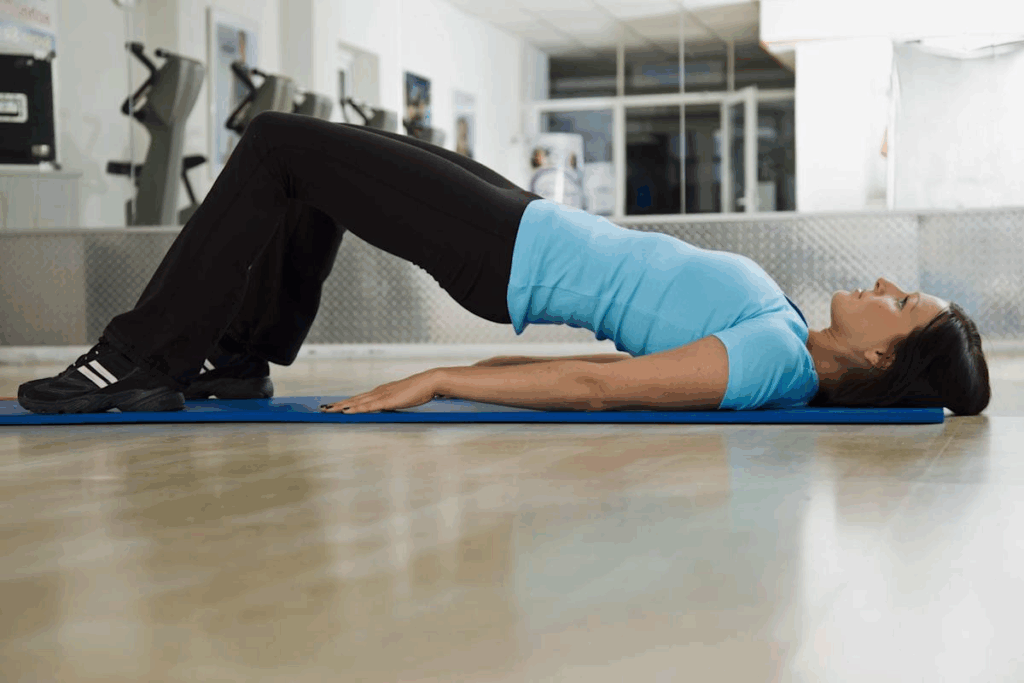
Hip abduction is a key movement that makes the hip stabilizers stronger. It helps keep the pelvic area stable during everyday tasks and sports. The gluteus medius muscle is mainly responsible for this action. It lifts the leg to the side, away from the body’s center. Guide to performing effective exercises for hip abduction to stabilize the pelvis and support gait.
At Liv Hospital, we understand how important pelvic stabilization training is. We add exercises for hip abduction to our rehab plans. This helps fix the muscle weakness that leads to knee pain, hip issues, and poor posture.
Key Takeaways
- Hip abduction exercises strengthen the hip stabilizers.
- The gluteus medius muscle is key in hip abduction movement.
- Pelvic stabilization is vital during daily and athletic activities.
- Comprehensive pelvic stabilization training improves patient outcomes.
- Hip abduction exercises help address proximal muscle weakness.
Understanding Hip Abduction and Pelvic Stability
Hip abduction is key to keeping the pelvis stable. This stability is vital for the lower limbs to function well. The hip abductors, a group of muscles, work together to keep the pelvis stable during activities like walking and standing on one leg.
The Biomechanics of Hip Abduction
Hip abduction involves many muscles working together. Hip abductor muscles, like the gluteus medius and minimus, are key for a stable pelvis during single-leg stance and walking. Studies show that weak hip abductors can lead to poor pelvic stability and higher injury risks.
The hip abductors are vital for keeping the pelvis level during walking and standing on one leg. They help prevent the opposite hip from dropping. This is important for keeping the lower limbs aligned and reducing joint stress.
The Relationship Between Hip Abduction and Pelvic Control
The connection between hip abduction and pelvic control is complex. Good hip abduction is needed for stable pelvic control, which is important during movement. Weak or dysfunctional hip abductors can lead to poor pelvic control, raising injury risks and affecting mobility.
Exercises that strengthen the hip abductors are essential for good pelvic control. By strengthening these muscles and improving coordination, individuals can enhance pelvic stability and lower injury risks.
The Science Behind Hip Stabilization
The science of hip stabilization is about understanding how the pelvis stays stable. It involves many muscles working together and neural pathways.
Hip abductor weakness is a big risk for injuries, mainly in women. Weak or poorly activated abductors can cause bad biomechanics and stress on joints.
Research on Hip Abductor Weakness and Injury Risk
Studies link hip abductor weakness to higher injury risks, like patellofemoral pain and iliotibial band syndrome. The gluteal muscles, like the gluteus medius, are key for hip abduction and stability.
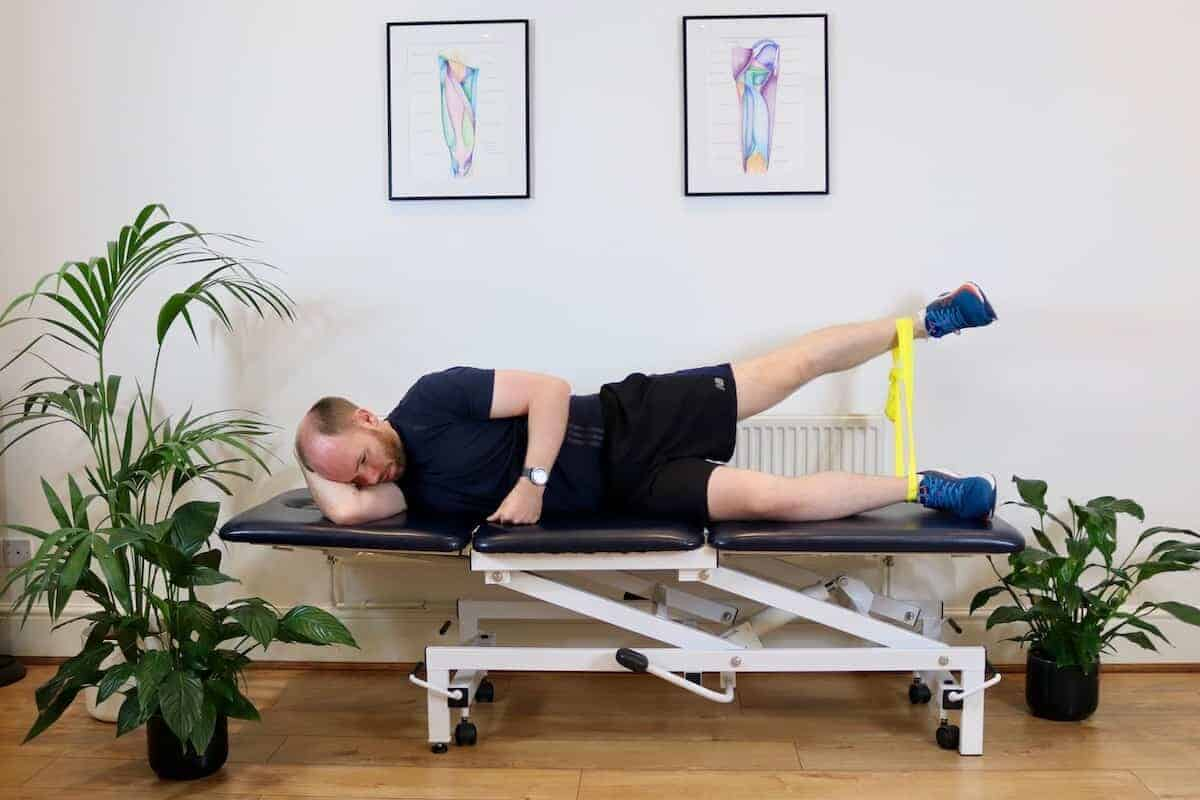
Gluteal muscle strengthening exercises are key for better hip stability and injury prevention. Side-lying hip abduction exercises are great for strengthening the gluteus medius, essential for pelvic control.
Neuromuscular Coordination in Pelvic Stability
Neuromuscular coordination is vital for pelvic stability. It’s about how sensory input and motor output work together for precise hip and pelvis control. Effective exercises for pelvic stability must strengthen and coordinate muscles.
Research shows exercises that challenge the neuromuscular system are important. These include unstable surfaces or movements in multiple planes. They help improve pelvic stability and lower injury risks.
By grasping the science of hip stabilization and using proven exercises, we can boost pelvic stability. This improves lower extremity function overall.
Key Muscles Involved in Hip Abduction
The stability of our hips depends on several key muscles. Hip abduction, or moving the leg away from the body’s midline, is mainly done by these muscles. They work together to keep the pelvis aligned and moving right.
Gluteus Medius and Minimus
The gluteus medius and minimus are key in hip abduction. They start from the ilium and attach to the femur’s greater trochanter. The superior gluteal nerve controls them. These muscles help abduct the hip and stabilize it, preventing injuries.
Tensor Fasciae Latae (TFL)
The Tensor Fasciae Latae (TFL) also plays a big role in hip abduction. It starts at the ASIS and attaches to the iliotibial tract. The TFL helps in abduction and also in hip flexion and internal rotation. It works with the gluteus maximus to stabilize the knee and hip.
Secondary Stabilizers: Piriformis and Gluteus Maximus
The piriformis and gluteus maximus are secondary stabilizers. The piriformis helps in external rotation and stabilizes the hip. The gluteus maximus aids in hip extension and external rotation, adding to stability.
Knowing how these muscles work is key to strengthening the hips and glutes. By focusing on these muscles, people can boost hip stability and lower injury risks.
Assessing Your Hip Abductor Strength
Checking your hip abductor strength can tell you a lot about your pelvic health. Strong hip abductors help keep your pelvis aligned and prevent injuries. Knowing your hip abductor strength helps you find weak spots and create a plan to strengthen them.
Simple Self-Assessment Tests
Try a single-leg stance test to check your hip abductor strength. Stand on one leg, with the other foot in the air. If your pelvis tilts or drops on the other side, you might have weak hip abductors. This test can help you spot issues before they get worse.
Watching how you walk can also tell you about your hip abductors. If your pelvis sways or drops, it might mean your hip abductors are weak. Listening to your body can help you catch problems early.
Signs of Hip Abductor Weakness
Knowing the signs of weak hip abductors is key to preventing and fixing problems. Look out for these signs:
- Pelvic tilt or drop during single-leg stance or walking
- Pain in the hip or lower back
- Poor balance or instability
- Abnormal gait patterns
If you see any of these signs, talk to a healthcare expert. They can help you make a plan that includes pelvic instability exercises and glute activation exercises to strengthen your pelvic stabilization.
Fundamental Exercises for Hip Abduction
To boost hip stability and strength, it’s key to add specific hip abduction exercises to your workout. These exercises focus on the gluteal muscles and other stabilizers. They help improve pelvic stability and lower injury risks.
Side-Lying Hip Abduction with Proper Form
Side-lying hip abduction is great for strengthening the gluteus medius. To do it right, lie on your side with legs together, engage your core, and lift your top leg straight up. Proper form is key to avoid straining other muscles.
Clamshells for Deep Stabilizer Activation
Clamshells target the deep stabilizers of the hip, like the gluteus medius and minimus. Lie on your side with knees bent and feet together, then lift your top knee up. This activates the deeper gluteal muscles without overworking the tensor fasciae latae.
Standing Hip Abduction Technique
Standing hip abduction can be done with or without resistance bands. Stand with feet shoulder-width apart, engage your core, and lift one leg out to the side while keeping it straight. This exercise improves lateral hip strengthening and suits various fitness levels.
Common Form Mistakes to Avoid
When doing hip abduction exercises, it’s vital to avoid common mistakes. These include lifting the leg too high, using momentum, or not engaging the core. Keeping proper form ensures the muscles are strengthened effectively.
Exercise | Primary Muscle Targeted | Secondary Benefits |
Side-Lying Hip Abduction | Gluteus Medius | Improves hip stability and strength |
Clamshells | Gluteus Medius and Minimus | Activates deep stabilizers |
Standing Hip Abduction | Gluteus Medius | Enhances lateral hip strengthening |
Resistance Band Exercises for Hip Abduction
Resistance bands are a great way to strengthen hip abduction muscles. They help improve functional strength and gluteal activation. This is key for hip stability and pelvic control.
Lateral Band Walks for Functional Strength
Lateral band walks target the gluteus medius, a muscle for hip abduction. Doing this exercise boosts functional strength, mainly in the stance limb. It also improves hip stability.
Benefits of Lateral Band Walks:
- Improved gluteus medius activation
- Enhanced hip stability
- Increased functional strength
Monster Walks for Gluteal Activation
Monster walks are great for gluteal activation, focusing on the gluteus medius and minimus. This exercise challenges the muscles in different ways. It’s perfect for a hip stability program.
“Incorporating monster walks into your exercise routine can significantly enhance gluteal activation and overall lower limb stability.”
Banded Clamshells for Progressive Resistance
Banded clamshells provide progressive resistance for deep hip stabilizers. They make it harder for the gluteus medius and minimus. This leads to more strength and better pelvic stability.
Exercise | Primary Muscle Targeted | Benefits |
Lateral Band Walks | Gluteus Medius | Improved hip stability, functional strength |
Monster Walks | Gluteus Medius, Minimus | Gluteal activation, lower limb stability |
Banded Clamshells | Gluteus Medius, Minimus | Progressive resistance, deep hip stabilizer strength |
Adding these resistance band exercises to your workout can greatly improve hip abduction strength. It also boosts pelvic stability and lowers injury risk.
Weight-Bearing Hip Stabilization Exercises
To get the best pelvic stability, you need to do weight-bearing hip exercises. These workouts make the muscles around the hip stronger. They also help keep your lower limbs stable and lower the chance of getting hurt.
Single-Leg Squats for Functional Stability
Single-leg squats are great for making your hips more stable. When you squat on one leg, you work the gluteus medius and maximus muscles. Studies show these muscles get very active during single-leg squats, which is why they’re so good for hip strengthening.
Lateral Step-Ups for Hip Control
Lateral step-ups help control and stabilize your hips. This exercise targets the gluteal muscles and requires balance and coordination. It also works the secondary stabilizers like the piriformis and gluteus maximus, strengthening the hip muscles well.
Side Plank with Hip Abduction for Core Integration
The side plank with hip abduction is a challenging exercise. It works the hip abductors and engages the core muscles. This exercise gets the gluteus medius very active, making it great for strengthening the hip stabilizers and improving core strength.
Exercise | Primary Muscle Activation | Secondary Benefits |
Single-Leg Squats | Gluteus Medius and Maximus | Improved functional stability, balance, and coordination |
Lateral Step-Ups | Gluteus Medius and Maximus, Piriformis | Enhanced hip control, strength, and secondary stabilizer engagement |
Side Plank with Hip Abduction | Gluteus Medius | Core integration, improved core strength, and stability |
Adding these weight-bearing hip exercises to your workout routine can greatly improve your hip stability. It’s important to start with the right form and gradually make the exercises harder as you get better.
Advanced Techniques for Pelvic Stability
Improving pelvic stability can be done by adding exercises that move in different ways. These include multiplanar movements and plyometric drills. They help strengthen the hip stabilizers and improve how well the muscles work together.
Multiplanar Movement Patterns
Exercises that move the body in more than one way are key. They work the hips in various directions, just like in real life. This helps keep the hips stable and strong.
- Examples: Lateral lunges, diagonal step-ups, and rotational exercises like medicine ball throws.
- Benefits: Improved functional strength, enhanced neuromuscular coordination, and better overall pelvic stability.
Unstable Surface Training
Training on unstable surfaces, like balance boards or BOSU balls, is another way to improve stability. It makes the hip stabilizers and core muscles work harder. This leads to better balance and stability in the pelvis.
Examples: Single-leg squats on a BOSU ball, balance boards, or step-ups on a foam pad.
Plyometric Hip Stabilization Drills
Plyometric exercises are fast and powerful. They are great for athletes or anyone who does high-intensity activities. These drills help improve pelvic stability by strengthening the hip stabilizers.
- Examples: Lateral bounds, single-leg hops, and box jumps.
- Benefits: Improved power, enhanced neuromuscular coordination, and better overall pelvic stability.
Adding these advanced techniques to your workout can greatly improve pelvic stability. It’s important to start slowly and focus on doing the exercises correctly. This way, you get the most benefits without risking injury.
Creating a Progressive Program of Exercises for Hip Abduction
To boost hip abduction strength and pelvic stability, a progressive exercise program is key. It should get harder and more complex over time. This challenges the hip abductors and helps you keep getting better.
Beginner Protocol (Weeks 1-4)
For those new to hip abduction exercises, start with low-intensity movements. The beginner protocol builds a strong foundation of strength and endurance.
- Side-lying hip abductions: 3 sets of 12-15 repetitions
- Clamshells: 3 sets of 12-15 repetitions
- Standing hip abductions: 3 sets of 12-15 repetitions
Intermediate Protocol (Weeks 5-8)
As you get stronger, move on to more challenging exercises. The intermediate protocol adds dynamic movements and more resistance.
Exercise | Sets | Repetitions |
Lateral band walks | 3 | 15-20 steps |
Monster walks | 3 | 15-20 steps |
Banded clamshells | 3 | 15-20 repetitions |
Advanced Protocol (Weeks 9-12)
The advanced protocol is for those who have made significant strength gains. It includes complex, functional exercises that challenge the hip abductors in various ways.
“Progressive overload is key to continued strength gains. As you advance, focus on increasing resistance or complexity, not just the number of repetitions.”
- Single-leg squats: 3 sets of 10-12 repetitions per leg
- Lateral step-ups: 3 sets of 10-12 repetitions per leg
- Side plank with hip abduction: 3 sets of 10-12 repetitions per side
Tracking Progress and Adjusting Your Program
It’s important to track your progress regularly. This helps you adjust your program effectively. Watch your strength gains, endurance, and any changes in pain or discomfort.
By following a progressive program of hip abduction exercises, you can greatly improve pelvic stability and lower body strength. Always listen to your body and adjust the program as needed to avoid injury and keep progressing.
Modifications and Precautions
It’s important to adjust hip abduction exercises if you have hip or back pain. This helps keep your pelvis stable and strengthens your lower body. If you feel pain, changing your workout can prevent it from getting worse.
Adapting Exercises for Hip or Back Pain
For those with hip or back pain, some changes can make exercises safer and more comfortable. Reducing the range of motion or using support can help. For instance, if standing hip abduction hurts your back, try doing it while seated or lying down.
Keeping the right form and technique is also key. This avoids putting too much stress on your joints. Make sure to engage your core and keep your posture stable to distribute forces evenly and lower injury risk.
Modifications for Different Fitness Levels
Hip abduction exercises can be adjusted for all fitness levels. Beginners can start with bodyweight exercises or resistance band exercises. As you get stronger, you can try weighted hip abductions or single-leg exercises.
For those who are more advanced, adding unstable surface training or plyometric movements can make it more challenging. This helps improve your pelvic stability and lower body strength.
When to Consult a Healthcare Professional
Even though hip abduction exercises are helpful, sometimes you should talk to a doctor. If you have persistent pain or numbness during or after working out, get medical advice. Also, if you have a pre-existing medical condition or recent injury, check with a doctor before starting any new workout.
By being careful with these adjustments and precautions, you can safely add hip abduction exercises to your routine. This will help keep your pelvis stable and strengthen your lower body.
Conclusion
Adding exercises for hip abduction to your workout can really help. It makes your pelvis more stable and lowers injury risk. Strong hip abductors keep your pelvis in line and stop it from moving too much.
Exercises that work the gluteus medius and minimus are key for lower body strength. They help you move better and stay safe during sports and other activities.
Keeping your hips stable is important for safe movement and avoiding injuries. Try side-lying hip abduction and clamshells to boost your hip stability. This helps control your pelvis better.
Start a program that gets progressively harder with pelvic exercises. This will keep your hip abductors strong. You’ll see better lower body strength and stability overall.
FAQ
What are hip abduction exercises, and how do they contribute to pelvic stability?
Hip abduction exercises target muscles outside the hip, like the gluteus medius. They strengthen hip stabilizers. This helps keep the pelvis stable during activities.
Why is the gluteus medius muscle important for hip abduction and pelvic control?
The gluteus medius muscle is key for hip abduction. It helps stabilize the pelvis during movement. This keeps the pelvis aligned properly, reducing injury risk.
How can hip abductor weakness affect pelvic stability and increase injury risk?
Weak hip abductors can harm pelvic stability. This may lead to poor movement patterns and stress on joints. It raises the risk of injuries, like those in the hips, knees, and lower back.
What are some simple self-assessment tests to evaluate hip abductor strength?
Simple tests include standing on one leg and checking for pelvis tilt. You can also do a single-leg squat. These tests show hip abductor stability and strength.
How can resistance bands be used for hip abduction exercises, and what are their benefits?
Resistance bands are great for exercises like lateral band walks and monster walks. They provide resistance to strengthen hip abductors. This improves functional strength.
What are some weight-bearing exercises that can enhance hip stabilization?
Weight-bearing exercises like single-leg squats and lateral step-ups boost hip stability. Side planks with hip abduction also help. These exercises improve functional stability and core strength.
How can I create a progressive program of hip abduction exercises tailored to my fitness level?
Begin with easy exercises and move to harder ones as you get stronger. Adjust your program based on your progress and fitness goals.
Are there any modifications or precautions I should take when performing hip abduction exercises if I have hip or back pain?
Yes, adjust exercises to fit your fitness level and any pain. Always consult a healthcare professional if pain persists or concerns arise.
What are some advanced techniques for enhanced pelvic stability through hip abduction exercises?
Advanced techniques include exercises on unstable surfaces and plyometric drills. These challenge hip stabilizers and improve coordination.
How often should I perform hip abduction exercises to see improvements in pelvic stability?
Do hip abduction exercises regularly, ideally 2-3 times a week. Consistency leads to noticeable improvements in pelvic stability over time.
References
National Center for Biotechnology Information. Evidence-Based Medical Guidance. Retrieved from https://pmc.ncbi.nlm.nih.gov/articles/PMC12372021/