Starting a career as an interventional radiologist means a big commitment to learning. It’s a long journey, but it’s worth it. These doctors help diagnose and treat many health issues with small procedures.
To start, you need to know about the educational requirements and residency training. It’s a detailed process that takes many years. We’ll look at the steps to become an interventional radiologist. You’ll see what it takes to excel in this field.
Key Takeaways
- Significant education and training are required to become an interventional radiologist.
- The journey involves several years of study and practice.
- Understanding educational requirements and residency training is key.
- Interventional radiologists play a vital role in diagnosing and treating medical conditions.
- Minimally invasive procedures are a key part of their work.
The Path to Becoming an Interventional Radiologist: An Overview
Becoming an interventional radiologist is a long journey. It takes many years of education and training. We’ll walk you through each stage, from starting college to fellowship training. We’ll highlight the important steps and what you need to do.
To become an interventional radiologist, you need to invest a lot in your education. It starts with undergraduate preparation, usually a bachelor’s degree in a science field. This step is key to getting ready for medical school.
Next, you’ll go to medical school for four years. Here, you learn a lot about medicine and start to develop your clinical skills.
After medical school, you’ll do a diagnostic radiology residency. This is where you get hands-on experience with imaging studies and procedures. It lasts four years and is a big part of your training.
If you want to be an interventional radiologist, you need more training. You can get this through a fellowship program in interventional radiology. It teaches you advanced skills in minimally invasive procedures.
Remember, staying focused on your goal is key. By knowing the different stages of interventional radiology training, you can prepare for the challenges and rewards of your career.
What Is Interventional Radiology?
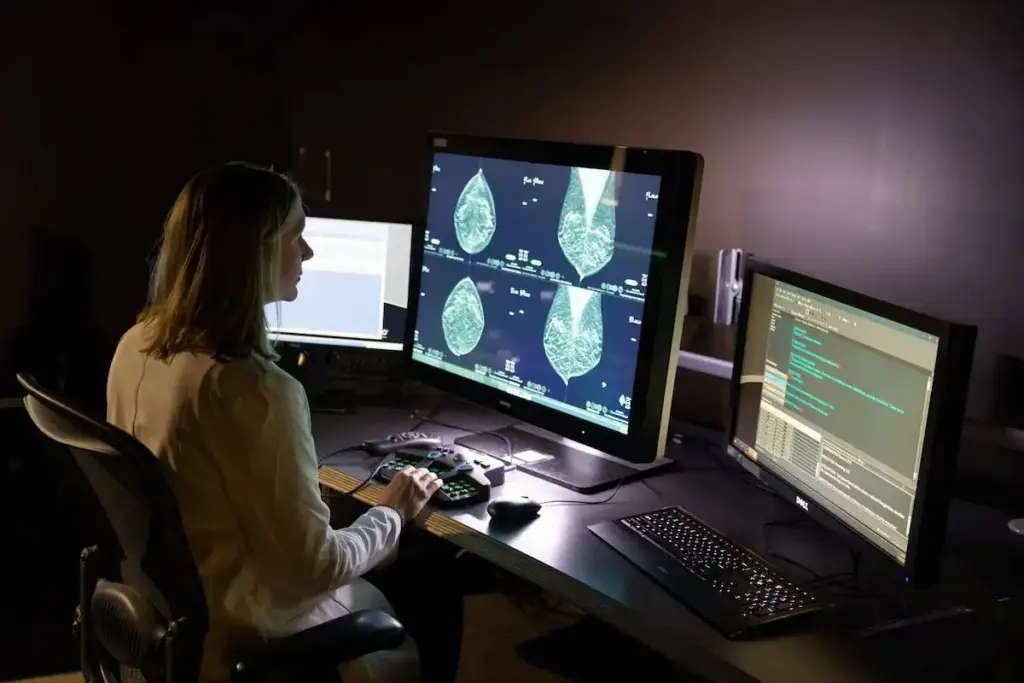
Interventional radiology is a field that has changed how we care for patients. It uses advanced imaging like X-ray and MRI to guide procedures. This makes treatments less invasive than traditional surgery for many.
The Evolution of Interventional Radiology as a Specialty
The field of interventional radiology has grown a lot. It started with just imaging but now includes many treatments. New technology has made it possible to do more and better procedures.
Today, interventional radiologists are key in patient care. They offer treatments that are effective and quick to recover from. This reduces the chance of complications.
As it grows, interventional radiology is becoming more common in medicine. New techniques are being developed. Existing ones are being used for more conditions.
Common Procedures Performed by Interventional Radiologists
Interventional radiologists do many procedures. They do vascular work like angioplasty and stenting. They also treat tumors and perform biopsies and drainages.
These procedures are done with advanced imaging. This helps target the treatment area precisely. It also reduces damage to nearby tissues.
- Vascular interventions: angioplasty, stenting, and embolization.
- Oncological interventions: tumor embolization, chemoembolization, and radioembolization.
- Non-vascular interventions: biopsies, drainages, and percutaneous gastrostomy.
These procedures are a good alternative to surgery. They often make recovery easier for patients. This shows how important interventional radiology training is for medical professionals.
Educational Requirements: The Foundation
Starting a career as an interventional radiologist needs a strong educational base. The path is long and tough. But, with the right start, future radiologists can succeed.
Undergraduate Preparation (Bachelor’s Degree)
To begin, you need a bachelor’s degree in a science field like biology, chemistry, or physics. Your classes should include:
- Pre-med subjects like anatomy, physiology, and biochemistry
- Math and statistics
- Laboratory sciences
Getting good grades is key because medical school is very competitive. Keep a high GPA and get relevant experience outside class to stand out.
|
Course |
Credits |
Importance Level |
|---|---|---|
|
Anatomy |
4 |
High |
|
Biochemistry |
4 |
High |
|
Physiology |
4 |
High |
|
Mathematics |
3 |
Medium |
Medical School Requirements and Admission Process
After your undergrad, you must go to medical school for an MD or DO. The application process includes:
- Taking the Medical College Admission Test (MCAT)
- Applying through ERAS
- Going to interviews
Getting strong recommendations from teachers or mentors is also important. Medical school lasts four years, where you learn a lot and get hands-on experience.
By meeting these educational needs, you can start your journey to become an interventional radiologist. It’s a tough path, but with hard work and the right help, you can make it.
Medical School: The First Four Years
Starting a career in interventional radiology begins with four years of medical school. These years are key for learning and developing skills needed in this field.
Preclinical Years (Years 1-2)
The first two years focus on preclinical studies. Students learn about the sciences that are the base of medicine. Anatomy, biochemistry, and physiology are important subjects. They lay the groundwork for medical knowledge.
Students also get an introduction to radiology and its areas, like interventional radiology. It’s vital to do well in these foundational courses. They prepare students for clinical training later on.
Getting involved in research projects or academic clubs related to radiology can deepen a student’s understanding. It also sparks more interest in the field.
Clinical Rotations (Years 3-4)
The third and fourth years involve clinical rotations. These give students hands-on experience in different medical areas. Radiology rotations are key for those aiming for interventional radiology. They offer a chance to see procedures up close.
Students should be active in these rotations. They should learn from experienced radiologists and ask questions. This is also a good time to start networking with professionals. This could lead to mentorship or research chances.
Preparing for Radiology During Medical School
To prepare for a career in interventional radiology, students should take certain steps. They should look for research opportunities in radiology. Joining radiology clubs or interest groups and taking elective courses in radiology or related fields are also good ideas.
Keeping a strong academic record and gaining relevant clinical experience are also important. This helps students stand out when applying for diagnostic radiology residency programs. This is a key step towards becoming an interventional radiologist.
Diagnostic Radiology Residency: The Next Step
The journey to become an interventional radiologist starts with a diagnostic radiology residency. This is a key step that prepares you for more specialized training.
Structure of a Diagnostic Radiology Residency
A diagnostic radiology residency lasts four years. It gives you a deep dive into diagnostic radiology. You’ll rotate through different areas like neuroradiology and interventional radiology.
You’ll learn about many imaging methods. This helps you understand how to diagnose and care for patients.
Key Skills Developed During Residency
Residents learn important skills for their future. These include image interpretation, patient care, and teamwork. They also stay up-to-date with new radiology technologies.
They learn to read various imaging studies. This includes X-rays, ultrasounds, CT scans, and MRIs. They also focus on patient care, learning to communicate and empathize with patients.
By the end of their residency, trainees are ready for more specialized training. This period is vital for building a strong radiology foundation. It prepares them for the challenges of being an interventional radiologist.
How to Become an Interventional Radiologist: Training Pathways
There are two main ways to become an interventional radiologist. We’ll look at each one closely. This will help you decide which path is right for you.
Traditional Pathway: Fellowship After Diagnostic Radiology
The traditional route involves a fellowship after a diagnostic radiology residency. This path has been the norm for many years.
- Advantages:
- You get a solid base in radiology first
- It lets you try different areas in diagnostic radiology
- Disadvantages:
- It takes longer to finish your training
- You might start specializing later
Integrated Interventional Radiology Residency
The integrated residency is a newer option. It mixes diagnostic radiology with interventional training from the start.
- Advantages:
- You start specializing in interventional radiology early
- It might give you a more focused training
- Disadvantages:
- There are fewer programs available
- It might be harder to change your career path later
When picking a path, think about your career goals and what kind of training you want.
Both paths have good points. The best choice depends on your personal goals and situation. It’s wise to do your homework and talk to experts in the field. This way, you can make the best choice for your future.
Comparing the Two Pathways to Interventional Radiology
There are two main ways to get into interventional radiology. Each has its own benefits and challenges. Knowing these differences helps you choose the right path for your career.
Advantages and Disadvantages of Each Route
The traditional route starts with a diagnostic radiology residency. Then, you do a fellowship in interventional radiology. This path gives a solid base in radiology before you specialize.
Advantages of the Traditional Pathway:
- It builds a strong foundation in diagnostic radiology.
- The training structure is well-established.
- You get to explore different radiology areas before focusing on interventional radiology.
Disadvantages of the Traditional Pathway:
- It takes longer, usually 6-7 years after medical school.
- Getting into fellowship programs is very competitive.
The integrated pathway combines diagnostic and interventional radiology training. It’s a newer option that aims to make training more efficient.
Advantages of the Integrated Pathway:
- It’s shorter, usually 5 years.
- You start learning interventional radiology early.
- Training in interventional techniques can be more focused.
Disadvantages of the Integrated Pathway:
- There are fewer programs available.
- It’s less established than traditional paths.
- You might miss out on broader radiology knowledge.
Application Process Differences
Applying for each pathway has its own way. For the traditional route, you apply for a diagnostic radiology residency through the NRMP. Then, you apply for an interventional radiology fellowship.
The integrated pathway has its own match process, often through the NRMP. But, it has specific requirements for these programs.
Key differences in the application process include:
- Timing: Traditional pathway applications are made earlier, during medical school. Integrated pathway applications may be made at different times.
- Requirements: Integrated programs might need specific things, like research experience or certain coursework.
- Competition: Both paths are competitive. But, the integrated pathway is less established, which might affect the number of applicants.
It’s important to understand these differences. This helps aspiring interventional radiologists make the best choice for their career. By knowing the pros and cons of each path and preparing for applications, you can make a decision that fits your goals and situation.
Board Certification and Licensing Requirements
To become a certified interventional radiologist, one must go through a tough process. This ensures they are skilled in minimally invasive procedures. They need to get the right certifications and licenses to show they are experts in their field.
American Board of Radiology Certification Process
The American Board of Radiology (ABR) is key for radiologists in the U.S. To get certified in interventional radiology, candidates must follow these steps:
- Finish a diagnostic radiology residency program approved by the Accreditation Council for Graduate Medical Education (ACGME).
- Get certified in diagnostic radiology through the ABR.
- Do additional training in interventional radiology through a fellowship program.
- Pass the ABR’s certifying exam in interventional radiology.
Certification in interventional radiology is a big achievement. It shows a doctor’s skill in doing minimally invasive procedures. The certification exam tests their knowledge, skills, and judgment in interventional radiology.
State Licensing and Maintenance of Certification
Interventional radiologists also need a medical license to work. Each state has its own rules, but usually, you need to pass the United States Medical Licensing Examination (USMLE) or the COMLEX series.
To keep their certification, interventional radiologists must follow the ABR’s Maintenance of Certification (MOC) rules. This includes:
|
MOC Component |
Description |
|---|---|
|
Professional Standing |
Keep a valid medical license and professional standing. |
|
Lifelong Learning |
Do continuing medical education (CME) and keep up with new things in interventional radiology. |
|
Self-Assessment |
Do self-assessment activities to check their knowledge and practice. |
|
Practice Assessment |
Take part in practice assessment activities to improve their clinical practice. |
By meeting these requirements, interventional radiologists show they are dedicated to quality patient care. They also stay updated in their field.
The Complete Timeline to Become an Interventional Radiologist
Starting a career as an interventional radiologist takes a lot of time and effort. It involves many steps, from college to specialized training. Knowing the timeline for each step is key for those aiming to be interventional radiologists.
There are two main ways to become an interventional radiologist: the traditional and integrated pathways. Each has its own timeline and needs.
Traditional Pathway Timeline (13-14 Years)
The traditional path takes 13 to 14 years after high school. It includes:
- Undergraduate Studies: 4 years
- Medical School: 4 years
- Diagnostic Radiology Residency: 4 years
- Interventional Radiology Fellowship: 1-2 years
After medical school, you need to do a diagnostic radiology residency. Then, you can get more training in an interventional radiology fellowship.
Integrated Pathway Timeline (11-12 Years)
The integrated path is shorter, lasting 11 to 12 years after high school. Here’s how it breaks down:
- Undergraduate Studies: 4 years
- Integrated Interventional Radiology Residency: 5-6 years (diagnostic and interventional radiology training together)
- Optional Additional Training: 1-2 years for extra subspecialization
This path lets you start an integrated residency right after college. It combines diagnostic and interventional radiology training in one long residency.
Both paths have their benefits and fit different candidates. Knowing these timelines is vital for planning a career as an interventional radiologist.
Challenges During Interventional Radiology Training
Training to be an interventional radiologist is tough. It tests your physical and mental strength. The journey is filled with technical challenges and emotional hurdles.
Work-Life Balance During Training
Keeping a balance between work and life is hard during training. Long hours and high-pressure situations make it hard to step away from work. Yet, finding a balance is vital for your health.
Physical and Mental Demands
Being an interventional radiologist is physically demanding. You’ll stand for hours, be exposed to radiation, and need to be very precise. The mental pressure is also high, with the need to make quick, critical decisions. Understanding these demands helps prepare for this career.
|
Challenge |
Description |
Impact |
|---|---|---|
|
Long Hours |
Extensive time spent in the operating room and on call. |
Fatigue, decreased personal time. |
|
Physical Demands |
Standing for long periods, wearing lead aprons, radiation exposure. |
Physical strain, health risks. |
|
Mental Pressure |
High-stakes decision-making, precision required in procedures. |
Stress, mental fatigue. |
Financial Considerations: Cost of Becoming an Interventional Radiologist
Starting a career in interventional radiology means you need to plan your finances carefully. This is because it takes a lot of education and training. You’ll have to think about medical school debt, what you’ll earn as a resident and fellow, and how to pay off loans.
Loan Repayment Strategies
Managing medical school debt is key for future interventional radiologists. Here are some ways to handle it:
- Income-Driven Repayment Plans: These plans adjust payments based on income and family size, making them more affordable.
- Public Service Loan Forgiveness (PSLF): If you work in public service or non-profits, you might get loan forgiveness after 120 payments.
- Refinancing: Refinancing can lower interest rates and payments, but it might affect forgiveness programs.
- Tax Benefits: Using tax deductions for student loan interest and education expenses can also help reduce debt.
Understanding these financial aspects and planning well can help you succeed in interventional radiology. Good financial planning and informed decisions are essential for financial stability in this field.
Interventional Radiologist Salary and Compensation
Interventional radiology is a specialized field with competitive salaries. These salaries depend on experience, location, and where you work. Knowing what interventional radiologists earn is key for those thinking about this career.
Geographic and Practice Setting Variations
Where you work greatly affects your salary. Cities with high living costs pay more to help with expenses. For example, those in New York or San Francisco earn more than those in smaller towns or rural areas.
The type of practice you work in also matters. Private practice and academic medical centers or hospital settings have different pay structures. Private practice can pay more, but it also means more work and business tasks.
Interventional radiologists are well-paid, showing the value of their training and complex work. As the field grows, it’s important to understand these salary trends for both current and future professionals.
Job Outlook for Interventional Radiologists
The field of interventional radiology is set for big growth. This is thanks to changes in the population and new technologies. We need to look at the current demand and what the future holds for these doctors.
Current Demand and Future Projections
There’s a high demand for interventional radiologists now, and it’s getting higher. This is because more people have chronic diseases that need treatments that don’t cut open the body. Studies show that the need for these doctors will jump a lot in the next ten years.
|
Year |
Projected Demand |
Growth Rate (%) |
|---|---|---|
|
2023 |
1000 |
5 |
|
2025 |
1100 |
10 |
|
2030 |
1400 |
15 |
|
2033 |
1700 |
20 |
Emerging Technologies and Their Impact on the Field
New tech like artificial intelligence (AI), robotics, and better imaging is changing interventional radiology. These advancements make procedures more precise and effective, leading to better results for patients.
AI is making a big splash in interventional radiology. AI can help plan and do complex procedures, making them more accurate and safer.
Practice Settings for Interventional Radiologists
Interventional radiology offers many practice settings. These settings cater to different professional goals and personal preferences. Each environment has its own unique features, benefits, and challenges.
Academic Medical Centers
Academic medical centers are at the edge of innovation and education. They focus on research and teaching. Interventional radiologists here can contribute to their field’s growth. They may work on clinical trials, publish research, and mentor others.
For example, an interventional radiologist might help develop new techniques. This could lead to publications and conference presentations. Such environments encourage ongoing learning and innovation.
Private Practice
Private practice offers unique opportunities and challenges. Professionals here often control their workload and environment. Practices can be small or part of a larger group.
One big plus of private practice is better work-life balance. Doctors here can also shape their patient care and practice management.
Yet, private practice has its hurdles. It requires managing a business and handling administrative tasks. There may also be insurance and billing issues.
Hospital Employment
Hospital employment is common for interventional radiologists. Hospitals offer a team-based environment. This setting includes both emergency and elective procedures, providing a varied workload.
Doctors in hospitals have access to many resources and support staff. This helps with complex procedures and patient care. Hospital jobs often come with predictable income and benefits.
When considering hospital jobs, look at the hospital’s size and services. Also, think about the opportunities for growth and development.
In conclusion, the choice of practice setting depends on personal preferences and career goals. Understanding each setting’s characteristics helps professionals make informed career decisions.
Tips for Success: Becoming a Competitive Applicant
To become a top candidate in interventional radiology, you need a solid plan. You must show off your academic smarts, research skills, and clinical abilities. This mix makes you stand out.
Research Experience and Publications
Research is key to a strong application. It shows you can make a real difference in the field. It also proves your dedication to learning more about medicine.
To boost your research profile, try these:
- Get involved in research projects at school or during residency
- Share your findings in top medical journals
- Show off your work at interventional radiology conferences
Having a solid research background can really help you get into a top program.
Letters of Recommendation and Networking
Getting great letters of recommendation is essential. Build strong relationships with mentors and supervisors. They can talk about your skills and future in interventional radiology.
Networking also helps. It opens doors to mentorship and recommendations.
To get the best letters, do this:
- Work closely with professors or senior doctors
- Show off your skills in research and clinical work
- Ask people who really know you for letters
Interview Preparation
Interview prep is a big deal. Be ready to talk about your research, clinical experiences, and career goals. Practice common questions and prepare thoughtful ones for the interviewers.
To ace interviews, remember:
- Know the program’s details and the faculty
- Practice answering behavioral questions
- Show your passion for the field and the program
By focusing on research, getting great letters, and preparing for interviews, you can boost your chances. This will help you succeed in the application process.
Conclusion: Is Interventional Radiology Right for You?
Thinking about a career as an interventional radiologist? It’s a big decision. You need to understand the good and the tough parts of this job. We’ve looked at what it takes to become one.
To make it in this field, you must be ready for a long journey. It takes 11-14 years of education and training. Getting certified is also key to show you’re serious about your work.
If you like working with technology, helping patients, and solving problems, this might be for you. Take time to think about it. Consider your dreams and what you want from a career.
FAQ
What are the educational requirements to become an interventional radiologist?
First, you need a bachelor’s degree in a science field. Then, you must go to medical school for four years to get an MD or DO.
What is the difference between the traditional and integrated pathways to becoming an interventional radiologist?
The traditional path is a diagnostic radiology residency followed by a fellowship. The integrated path goes straight into an interventional radiology residency after medical school.
How long does it take to become an interventional radiologist through the traditional pathway?
The traditional path takes 13-14 years after high school. This includes four years of undergrad, four years of medical school, five years of residency, and one to two years of fellowship.
What are the certification and licensing requirements for interventional radiologists?
You need to get certified by the American Board of Radiology. You also need a medical license, which varies by state.
What is the job outlook for interventional radiologists?
The job outlook is good due to the growing demand for minimally invasive procedures. Technological advancements and demographic changes also play a role.
How do salaries for interventional radiologists vary?
Salaries vary based on experience, location, and where you work. More experienced doctors usually earn more.
What are the physical and mental demands of being an interventional radiologist?
The job requires standing for long periods and wearing protective gear. It also demands high-stakes decision-making and managing complex cases.
What practice settings are available to interventional radiologists?
You can work in academic centers, private practice, or hospitals. Each setting has its own benefits and characteristics.
How can aspiring interventional radiologists build a competitive application?
To stand out, gain research experience and get strong letters of recommendation. Also, prepare well for interviews.
What financial considerations should be taken into account when pursuing a career in interventional radiology?
Consider medical school debt, resident and fellow salaries, and loan repayment. The cost of becoming an interventional radiologist is high.
References
National Center for Biotechnology Information. Evidence-Based Medical Insight. Retrieved from https://www.ncbi.nlm.nih.gov/pmc/articles/PMC4485607/