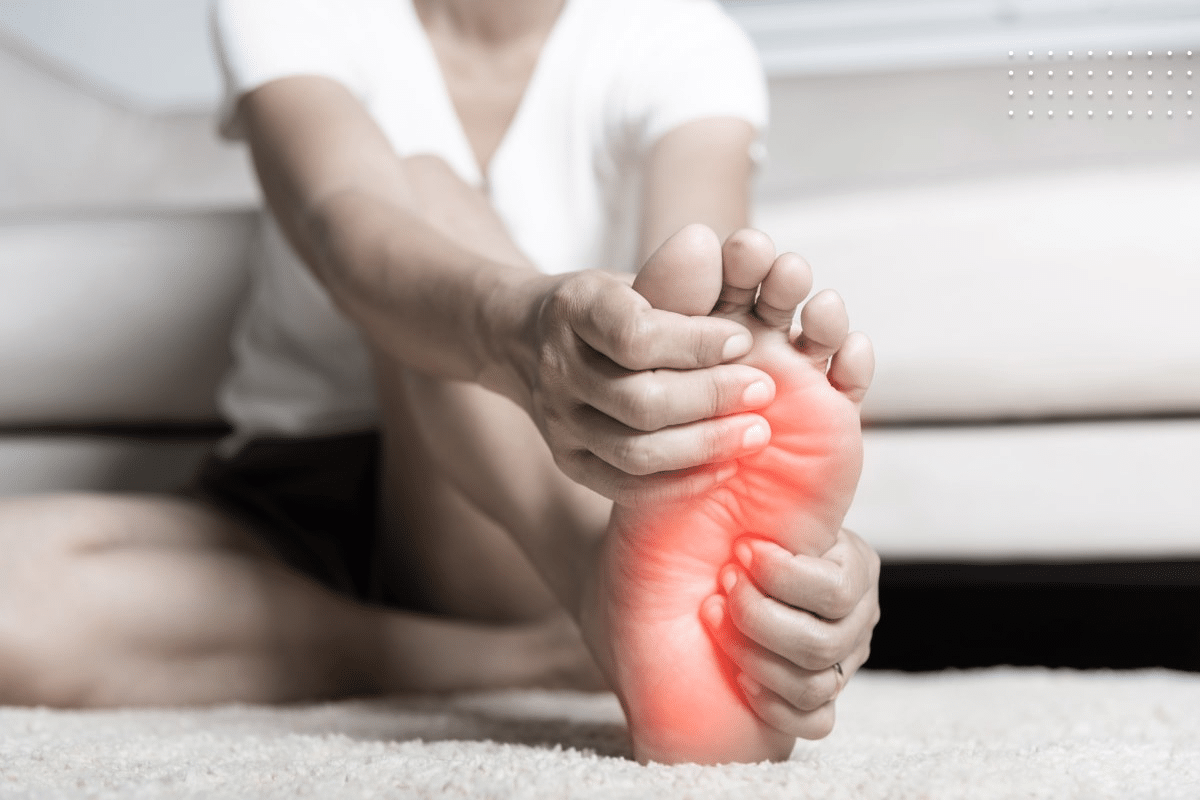
Gout attacks can be very painful and cause inflammation. Colchicine for gout is a well-known treatment that brings quick relief. It comes from the autumn crocus plant and works by reducing inflammation in the joints caused by uric acid crystals how quickly does colchicine work.
We will look into how colchicine works, including its anti-inflammatory mechanisms. We will also talk about the best ways to take it for fast relief. Health organizations have set up colchicine plans based on solid evidence to help patients live better lives.
Key Takeaways
- Colchicine is an effective treatment for gout attacks, providing rapid relief.
- It works by reducing inflammation caused by uric acid crystals in the joints.
- Understanding the anti-inflammatory mechanisms of colchicine is key for its effective use.
- Optimal dosing strategies are essential for achieving quick relief from gout symptoms.
- Evidence-based colchicine protocols can significantly improve patient outcomes.
Understanding Colchicine: A Time-Tested Gout Treatment
Colchicine has been used for centuries to help people with gout. It comes from the autumn crocus plant. Its long history shows why it’s used in medicine today.
The History and Origin of Colchicine
Colchicine’s use goes back to ancient times. It’s mentioned in the Ebers Papyrus, an Egyptian medical text from around 1550 BCE. The Greek physician Pedanius Dioscorides first described its use in the 1st century CE.
For thousands of years, people have used colchicine to treat gout.
Why Colchicine Remains a Go-To Medication for Gout
Even with new treatments, colchicine is a top choice for gout. It works fast to ease gout attacks. This makes it very useful for many patients.
Colchicine is key for managing gout, even for those who don’t respond to other treatments.
It works by stopping the inflammation in gout attacks. This is why it’s so effective.
|
Form |
Description |
Use Case |
|---|---|---|
|
Oral Tablets |
Standard tablet form, often 0.5 or 0.6 mg |
Acute gout attacks or prophylaxis |
|
Oral Solution |
Liquid formulation for those who have difficulty swallowing tablets |
Patients with dysphagia or specific dosing needs |
|
Intravenous |
Administered directly into the vein, typically in a hospital setting |
Severe cases or when oral administration is not feasible |
Different Forms and Preparations Available
Colchicine comes in many forms to meet different needs. The most common are oral tablets and capsules. These usually have 0.5 to 0.6 mg of colchicine. There’s also an oral solution for those who can’t swallow tablets.
Intravenous colchicine is used in hospitals for very severe cases.
Choosing the Right Form of Colchicine is key for managing gout. The right choice depends on the patient’s needs and how severe the gout is.
Always talk to a healthcare professional to find the best form and dosage of colchicine for you.
What is Gout and Why Does It Cause Such Intense Pain?
Gout is a condition that causes sudden, severe pain and inflammation. It’s a type of inflammatory arthritis that affects millions globally. Knowing about gout helps manage it with medicines like colchicine.
The Pathophysiology of Gout
Gout happens when uric acid crystals build up in joints, causing pain and inflammation. This buildup happens when the body can’t get rid of uric acid fast enough. The crystals in the joint fluid start an intense inflammatory response.
“The deposition of monosodium urate crystals within the joint space is the hallmark of gout,” say doctors. This crystal deposition starts a chain of inflammatory events, leading to gout symptoms.
Recognizing Gout Symptoms and Flare Triggers
Gout symptoms can be very painful. They include:
- Sudden, severe pain in the affected joint, often at night
- Redness and swelling around the joint
- Warmth or tenderness to the touch
- Limited range of motion in the affected joint
Gout flare triggers vary but often include diet, certain meds, and health issues. Knowing these triggers is vital for managing gout. By understanding what causes flares, we can lessen their impact.
Exploring colchicine’s role in gout management is important. Recognizing symptoms and triggers helps us see how colchicine offers relief.
How Quickly Does Colchicine Work for Gout Relief?
Knowing how fast colchicine works is key for gout relief. It’s a trusted medicine for gout attacks. Its quick action is a big plus.
Absorption and Peak Concentration Timeframes
Colchicine is absorbed quickly by the body. Peak levels are usually reached in one to two hours after taking it. This fast absorption is key to its effectiveness in treating gout attacks.
“Colchicine’s quick absorption is a big reason it’s effective for gout relief,” say doctors. This fast action helps lessen gout symptoms.
Typical Timeline for Symptom Improvement
How fast symptoms improve can vary. But most people start feeling better a few hours after taking colchicine. It usually takes 2 to 24 hours for symptoms to fully improve. Some may feel better in as little as 30 minutes.
- Within 2 hours: Some patients may start to feel relief.
- Between 2-12 hours: Most patients experience significant improvement.
- Up to 24 hours: Full relief is typically achieved within a day.
Factors Affecting How Fast You’ll Feel Relief
Several things can affect how fast colchicine works. These include the attack’s severity, the dose taken, and individual factors like kidney function and health.
Following the prescribed dose is important for best results. Also, starting treatment early is key for colchicine’s effectiveness.
Understanding these factors helps both patients and doctors manage expectations. It also improves treatment outcomes.
The Science Behind Colchicine’s Anti-Inflammatory Action
Colchicine fights gout by blocking inflammatory pathways. It has been treating gout for centuries. Recent studies have shown how it works.
Microtubule Disruption Mechanism
Colchicine works by messing with microtubules. Microtubules are important for cell division and shape. They are made of tubulin proteins.
Colchicine binds to tubulin, stopping microtubules from growing. This messes up cell functions, mainly in inflammatory cells.
This is why colchicine fights inflammation. It stops cells from doing things that cause inflammation.
How Colchicine Blocks the Inflammatory Cascade
Colchicine stops the inflammatory cascade in gout. This cascade leads to inflammation. It involves pro-inflammatory mediators and inflammatory cells.
- It stops NLRP3 inflammasome activation
- It blocks caspase-1 activation
- It lowers pro-inflammatory cytokines like IL-1β
These actions help reduce inflammation and ease gout symptoms.
Neutrophil Migration Inhibition
Colchicine also stops neutrophils from moving. Neutrophils are key in inflammation, like in gout. By messing with microtubules, colchicine stops neutrophils from getting to the inflammation site.
This is why colchicine is good for treating gout attacks. It shows how the drug targets inflammation.
Proper Dosing Protocol for Acute Gout Attacks
Managing acute gout attacks requires the right dose of colchicine. We’ll show you how to use it effectively during a flare-up.
The “Two-One” Dosing Strategy for Acute Flares
The usual dose for acute gout is two tablets at the start of symptoms, then one tablet an hour later. This “two-one” strategy works well to reduce symptoms while keeping side effects low. It’s key to stick to this plan to get the best from your medicine.
A top doctor says, “The ‘two-one’ dosing is a proven method for treating acute gout with colchicine.”
“This simple regimen helps patients stick to treatment, leading to better results.”
Timing Your First Dose for Maximum Effectiveness
Timing is everything when taking colchicine for gout. Take the first dose as soon as symptoms start. Studies show colchicine works best in the first 12 hours. Waiting too long can make it less effective and prolong your pain.
When to Stop Taking Colchicine During an Attack
Knowing when to stop colchicine is also important. You should keep taking it for 24 hours or until your symptoms lessen, whichever happens first. If your symptoms don’t get better or get worse, talk to your doctor.
By following the right dosing and knowing when to stop, you can manage your gout symptoms well. This helps avoid side effects.
Using Colchicine for Long-Term Gout Prevention
Colchicine is key in managing gout, not just for acute attacks but also for long-term prevention. We’ll look at how it prevents gout attacks. This includes the right dosing and combining it with other prevention methods.
Preventative Dosing Strategies
For long-term prevention, a lower dose of colchicine is used than for acute attacks. The usual dose is 0.5 to 0.6 mg, taken once or twice a day. Always talk to a healthcare provider to find the best dose for you.
Duration of Prophylactic Treatment
The length of time you’ll need colchicine varies. It depends on how often you get gout attacks and how well you tolerate the treatment. Some might need it for a long time or even forever. It’s important to have regular check-ups with your doctor to adjust your treatment as needed.
Comprehensive Gout Prevention
Colchicine works best when used with other prevention methods. This includes making lifestyle changes and taking other medications. Eating right, staying hydrated, and avoiding triggers can help too. A healthcare provider can help create a plan that’s right for you.
|
Measure |
Description |
Benefits |
|---|---|---|
|
Dietary Changes |
Avoid purine-rich foods, stay hydrated |
Reduces uric acid levels |
|
Lifestyle Modifications |
Maintain a healthy weight, exercise regularly |
Improves overall health, reduces gout risk |
|
Colchicine Therapy |
Daily low-dose colchicine |
Prevents gout attacks |
By using colchicine with these other steps, patients can better control their gout symptoms.
Potential Side Effects and How to Manage Them
It’s important to know about the side effects of colchicine for safe gout treatment. Colchicine is helpful for gout but comes with risks.
Common Gastrointestinal Reactions
Gastrointestinal side effects are common with colchicine. These include:
- Nausea and vomiting
- Diarrhea
- Abdominal pain
To lessen these effects, take colchicine with food. If symptoms don’t go away, talk to your doctor.
Serious Side Effects That Require Medical Attention
Though rare, serious side effects can happen. These include:
- Muscle weakness: This could mean rhabdomyolysis.
- Unusual bruising or bleeding: This might be a blood disorder.
- Numbness or tingling in hands or feet
If you have these symptoms, get medical help right away.
Strategies to Minimize Adverse Effects
To keep colchicine treatment safe, try these:
- Dosage adjustment: Your doctor might change your dose to reduce side effects.
- Monitoring: Regular blood tests can catch problems early.
- Lifestyle modifications: Eating well and staying hydrated can lower some side effect risks.
By working with your doctor and knowing about side effects, you can use colchicine safely and effectively.
Important Precautions and Drug Interactions
To use colchicine safely, it’s key to know its precautions and how it interacts with other drugs. Colchicine helps with gout but can be risky if not used right.
Who Should Avoid Taking Colchicine
Some people should not take colchicine because of health risks. This includes those with severe kidney or liver disease. It’s also a concern for people with blood disorders, or those who are pregnant or breastfeeding.
“Colchicine should be used with caution in patients with renal or hepatic impairment,” medical guidelines warn. This shows the importance of choosing patients carefully.
Medications That Interact with Colchicine
Colchicine can react with many drugs, causing bad side effects. This includes statins, certain antibiotics like clarithromycin, and antifungal drugs like ketoconazole. These interactions can make colchicine too strong.
- Statins: May increase the risk of myopathy when combined with colchicine.
- Certain antibiotics: Can significantly increase colchicine levels, potentially leading to toxicity.
- Antifungal medications: May also elevate colchicine levels, necessitating dose adjustments.
It’s important for patients to tell their doctors about all their medications. This helps avoid bad interactions.
Adjusting Dosage for Special Populations
Older people or those with kidney problems might need a different dose of colchicine. The goal is to avoid bad effects while keeping the drug effective.
Dosage adjustments depend on the patient’s kidney and liver health, and other factors that affect how colchicine works.
One study found, “dose adjustment is necessary for patients with impaired renal function to prevent colchicine toxicity.”
Knowing these precautions and interactions helps doctors prescribe colchicine safely and effectively.
Alternative and Complementary Approaches to Gout Management
Gout management is more than just medication. It’s about using a wide range of strategies. Colchicine is good for treating gout, but other treatments and lifestyle changes are also key.
Other Medications for Acute Gout Attacks
There are other medicines for gout attacks, aside from colchicine. NSAIDs (Nonsteroidal Anti-Inflammatory Drugs) help reduce pain and swelling. But, they should be used carefully, mainly for those with certain health issues.
Corticosteroids are another choice for acute gout attacks. They can be taken by mouth or injected into the joint. A study in the Journal of Rheumatology found that injections can quickly ease gout attacks.
“The use of corticosteroids in gout management has been shown to be effective in reducing inflammation and relieving pain.”
— Journal of Rheumatology
Lifestyle Modifications to Reduce Gout Flares
Changing your lifestyle can help lower gout flares. Maintaining a healthy weight is important, as extra weight can raise uric acid levels. Regular activities like walking or swimming help keep a healthy weight.
- Reduce alcohol, like beer and liquor, as it can increase uric acid.
- Drink lots of water to help flush out uric acid.
- Avoid foods high in purines, such as organ meats and certain seafood.
Dietary Changes That Support Gout Treatment
Your diet is key in managing gout. Eating foods low in purines and high in antioxidants can help. This reduces inflammation and uric acid levels.
|
Food Group |
Recommended Foods |
Foods to Avoid |
|---|---|---|
|
Meat and Poultry |
Lean meats like chicken and turkey |
Organ meats like liver and kidney |
|
Seafood |
Low-purine fish like salmon |
High-purine seafood like anchovies and sardines |
|
Dairy |
Low-fat dairy products |
High-fat dairy products |
As shown in the table, choosing the right foods can greatly help manage gout. Cherry consumption has also been linked to fewer gout attacks. More research is needed to confirm this.
By using these alternative and complementary methods with colchicine, patients can create a complete gout management plan. This plan meets their unique needs and improves their life quality.
Conclusion: Creating Your Personalized Colchicine Treatment Plan
Creating a personalized colchicine treatment plan is key to managing gout. It involves knowing the right dosage, possible side effects, and how to mix it with other treatments. This way, you can make a gout management plan that fits your needs.
Building a good colchicine treatment plan means working closely with your doctor. They will help figure out the best plan for you. This includes looking at how often and how bad your gout attacks are, your health history, and any other medicines you take.
Managing gout with colchicine means using medicine, making lifestyle changes, and adjusting your diet. By doing all these, you can make gout attacks less frequent and less severe. This improves your life quality a lot.
To make a treatment plan that’s just for you, talk to your doctor about what you want to achieve. They will help create a plan that meets your specific needs. This way, you can manage your gout better and live a healthier life.
FAQ.
What is colchicine and how does it work for gout?
Colchicine is a drug made from the autumn crocus plant. It stops inflammation by affecting cells and blocking pain signals. This helps ease gout symptoms.
How quickly does colchicine work for gout relief?
Colchicine starts working in 12 to 24 hours. How fast it works depends on the attack’s severity, your body’s response, and the dosage.
What is the proper dosing protocol for acute gout attacks using colchicine?
For acute gout, take two tablets first, then one more after a while. This “two-one” strategy is key for effective relief.
Can colchicine be used for long-term gout prevention?
Yes, colchicine helps prevent gout long-term. The right dose and how long to take it vary. It’s often used with other treatments for better management.
What are the possible side effects of colchicine, and how can they be managed?
Common side effects include stomach issues. Serious ones can happen too. To avoid these, adjust the dose, watch for side effects, and take it with food.
Are there any important precautions or drug interactions to be aware of when taking colchicine?
Yes, some people should not take colchicine. Doses may need to change for certain groups. It can also interact with other drugs, so tell your doctor about all you’re taking.
Can colchicine be used in conjunction with other gout treatments?
Yes, colchicine can be used with other treatments and lifestyle changes. This approach is tailored to each person’s needs.
How does colchicine compare to other gout medications?
Colchicine is one of many gout treatments. Its quick action and unique way of working make it a good choice for acute attacks and preventing future ones.
Is colchicine an anti-inflammatory medication?
Yes, colchicine has anti-inflammatory effects. It reduces inflammation and pain in gout.
What is the role of colchicine in managing gout?
Colchicine is key in managing gout. It relieves acute attacks and prevents future ones when used as a preventative treatment
References
National Center for Biotechnology Information. Evidence-Based Medical Guidance. Retrieved from https://www.ncbi.nlm.nih.gov/pmc/articles/PMC8407279/