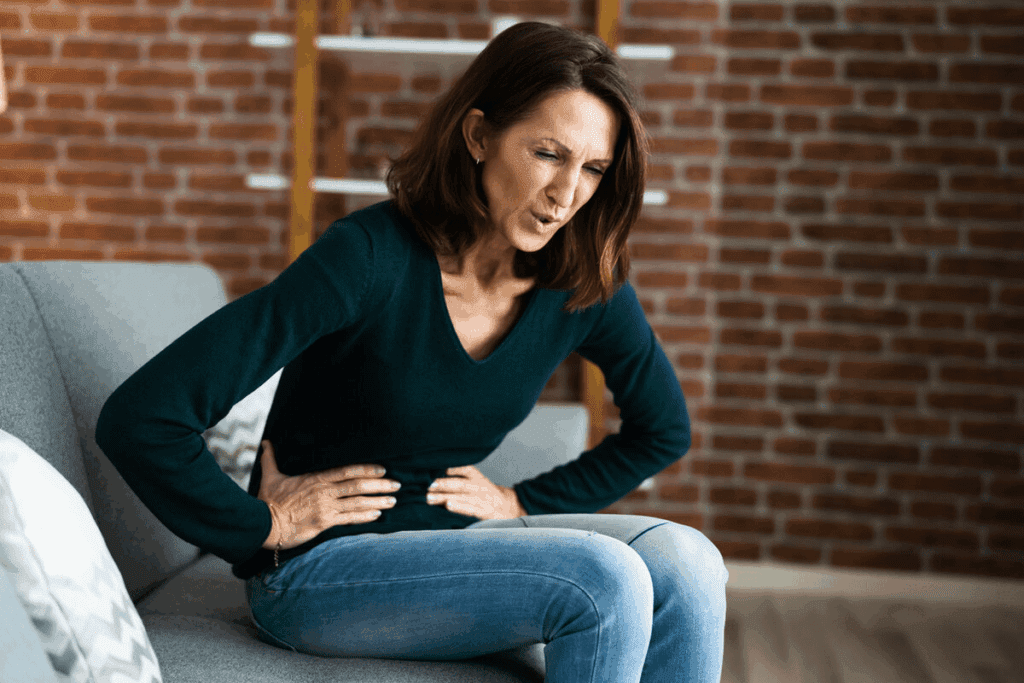
Feeling discomfort or sharp pain in the left ovary area can be scary. Many women go through this during their reproductive years. They might feel throbbing or burning sensations. Common causes for pain in left ovary area and critical symptoms that necessitate immediate medical consultation.
Medical Expert-Moseke says ovary pain is a common issue. But, its causes can differ a lot. It’s important to know why you’re feeling pain to get the right treatment.
At Liv Hospital, we offer caring, evidence-based care. We focus on you, the patient, to diagnose and treat ovarian pain. You’ll get the latest medical care and support from our team.
Key Takeaways
- Left ovary pain is a common experience for many women during their reproductive years.
- The discomfort can manifest in various forms, including sharp pain and throbbing sensations.
- Understanding the causes of ovarian pain is key to getting the right medical care.
- Liv Hospital offers a patient-centered approach to diagnose and treat ovarian pain.
- Seeking medical help is essential for addressing concerns and improving quality of life.
Understanding Ovarian Anatomy and Pain
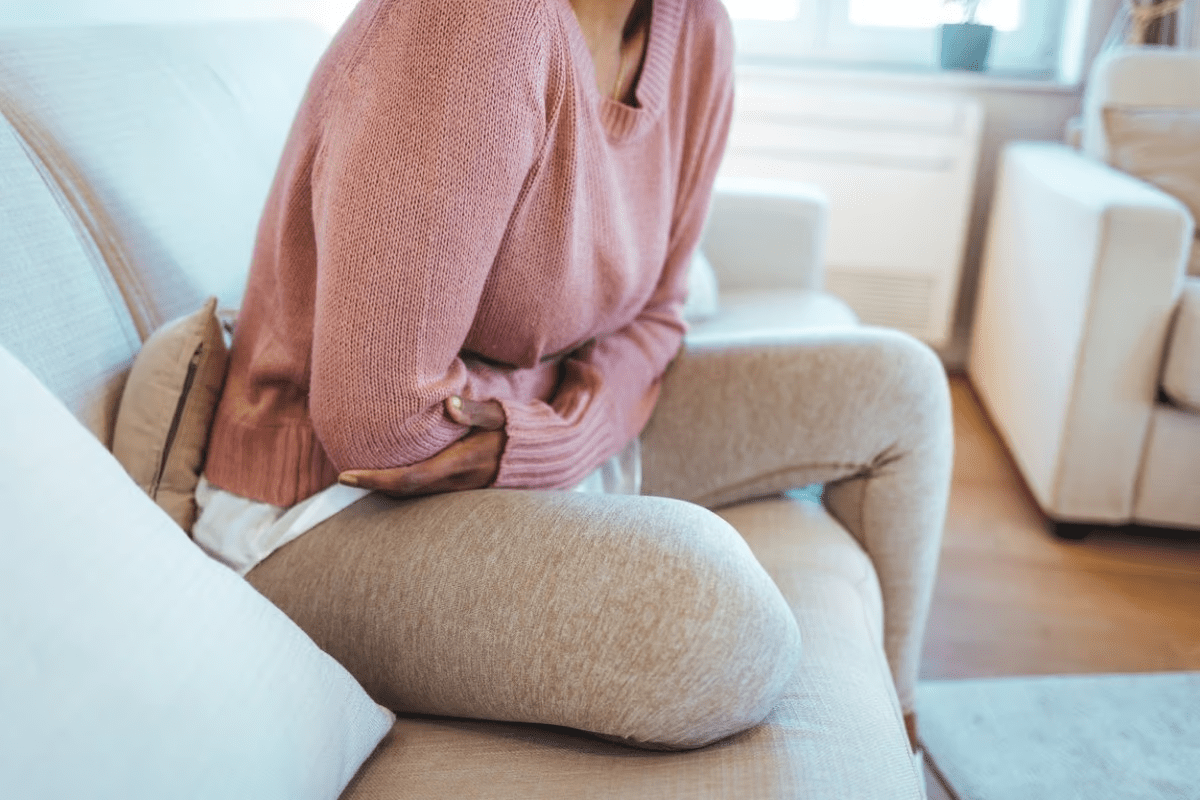
Ovaries are key to female reproductive health. They produce eggs and hormones like estrogen and progesterone. Knowing how they work helps us understand ovary pain.
The Role of Ovaries in Female Reproductive Health
Ovaries make eggs and hormones that control the menstrual cycle. They also support pregnancy and reproductive health. Keeping ovaries healthy is important for fertility and well-being.
How to Identify Pain in Left Ovary Area
Pain in the left ovary area can be identified by its location and type. The ovaries sit on either side of the uterus. Pain in the lower left could mean trouble with the left ovary. This pain can feel sharp, dull, or throbbing.
Difference Between Left and Right Ovary Pain
Left and right ovary pain can have similar causes. But, the side of the pain can hint at different problems. For example, pain on one side might be due to ovulation or a cyst.
Characteristics | Left Ovary Pain | Right Ovary Pain |
Common Causes | Ovulation, ovarian cysts, endometriosis | Ovulation, ovarian cysts, appendicitis |
Pain Location | Lower left abdomen/pelvis | Lower right abdomen/pelvis |
Nature of Pain | Sharp, dull, throbbing | Sharp, dull, throbbing |
Knowing these differences helps in diagnosing and treating ovary pain.
Common Causes of Pain in Left Ovary Area
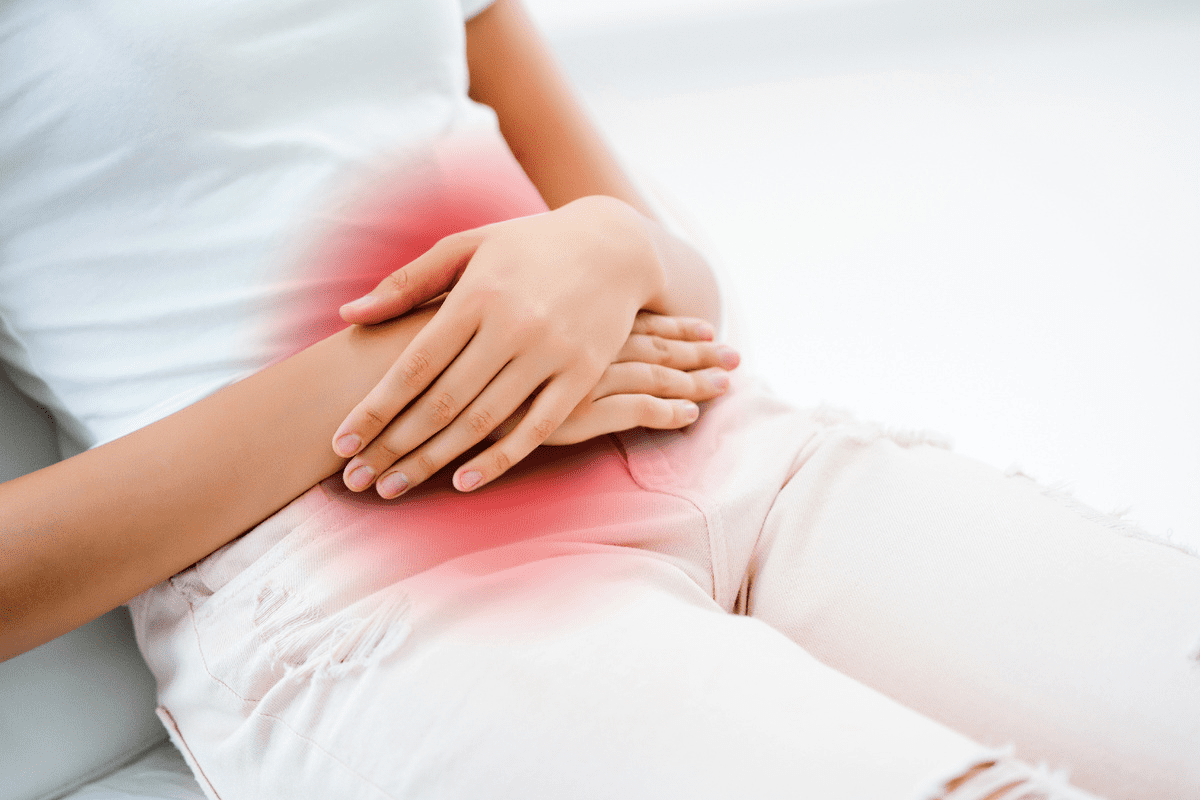
Knowing why the left ovary hurts is key to finding the right treatment. Many things can cause pain in the left ovary. Finding out what’s causing it is important for managing the pain.
Ovulation Pain (Mittelschmerz)
Ovulation pain, or Mittelschmerz, happens when an egg is released. This can cause a sharp pain on one side, usually in the middle of your cycle. The pain is usually mild but can be uncomfortable.
Ovarian Cysts
Ovarian cysts are fluid-filled sacs on the ovaries. They can cause pain if they rupture, twist, or grow too big. The pain can be sharp or dull and may come with other symptoms like bloating or irregular periods.
Endometriosis
Endometriosis is when tissue like the uterus lining grows outside the uterus, often on the ovaries. This can cause inflammation, scarring, and pain, mostly during menstruation. Women with endometriosis often have chronic pelvic pain, including in the left ovary area.
Pelvic Inflammatory Disease (PID)
Pelvic inflammatory disease is an infection of the female reproductive organs, often from sexually transmitted bacteria. It can cause pain in the lower abdomen and pelvis, including the ovary area. If not treated, it can lead to serious problems like infertility and chronic pain.
Condition | Characteristics | Associated Symptoms |
Ovulation Pain (Mittelschmerz) | Brief, sharp pain during ovulation | Mild spotting, increased cervical mucus |
Ovarian Cysts | Sharp or dull pain, potentially severe if ruptured | Bloating, irregular periods, pelvic pressure |
Endometriosis | Chronic pelvic pain, worse during menstruation | Heavy or irregular periods, infertility, painful intercourse |
Pelvic Inflammatory Disease (PID) | Lower abdominal and pelvic pain | Abnormal vaginal discharge, fever, painful urination |
These are some of the main reasons for left ovary pain. Knowing the signs and symptoms can help find the cause and get the right treatment.
Types of Ovary Pain Sensations
Ovary pain can feel sharp, dull, throbbing, or burning. Knowing these types helps find the cause and get the right care.
Sharp Pain in Left Ovary Area
Sharp pain in the left ovary area is sudden and stabbing. It might mean ovarian torsion, a serious issue where the ovary twists. Other causes include ruptured cysts or ectopic pregnancies.
Dull Aching Pain in Ovary Area
Dull aching pain is a mild, ongoing discomfort. It can be from ovarian cysts or endometriosis. The pain might change with your menstrual cycle.
Watch your symptoms and see a doctor if you have dull aching pain.
Throbbing Ovary Pain
Throbbing pain feels like a beat or pulse. It might be from Pelvic Inflammatory Disease (PID) or swollen ovaries.
Burning Ovary Pain
Burning pain feels hot or fiery. It’s often from infections or endometriosis, which gets worse during menstruation.
See a doctor for burning pain to find out why and how to treat it.
Knowing your pain type is key to finding relief. Keep a pain journal to track your symptoms and what helps or hurts.
Ovulation-Related Pain: Why Your Left Ovary Hurts Mid-Cycle
Ovulation pain, or mittelschmerz, affects about 40% of women of childbearing age. It happens mid-cycle, around ovulation time. This pain can be on either side of the lower abdomen, depending on which ovary releases an egg.
The Ovulation Process
Ovulation is key in the female cycle. A mature egg is released from the ovary into the fallopian tube. This happens when luteinizing hormone (LH) surges, usually at the cycle’s midpoint.
Distinguishing Ovulation Pain from Other Conditions
Ovulation pain can be uncomfortable but is usually harmless. It’s important to tell it apart from other pelvic pain causes. Ovulation pain is sharp and crampy, lasting from minutes to hours on one side.
If you feel pain where ovaries are located, look at other symptoms and your medical history. This helps figure out the cause.
Why Pain Alternates Between Left and Right Sides
Ovulation pain can switch sides each month because a different ovary releases an egg. This is normal in the reproductive cycle. Sometimes, one ovary might release two eggs, or ovulation might not be equal on both sides.
Some women might feel pain on one side, like the right, and worry about it. Knowing it’s part of normal ovulation can ease those worries.
Managing Mittelschmerz
Managing mittelschmerz involves lifestyle changes and, if needed, medical help. Over-the-counter pain relievers can ease the discomfort. A warm heating pad on the lower abdomen can also help.
If you have recurring or severe ovulation pain, see a healthcare provider. They can give personalized advice and reassurance.
Ovarian Cysts and Left Ovary Pain
Ovarian cysts are common in women, often during their reproductive years. These fluid-filled masses can grow on the ovaries and are usually not harmful. But, some cysts can cause pain and other issues.
Types of Ovarian Cysts
There are many types of ovarian cysts, each with its own traits. The most common types include:
- Functional Cysts: These are linked to the menstrual cycle. They can be follicular or corpus luteum cysts.
- Dermoid Cysts: Also known as teratomas, these cysts have hair, skin, or teeth inside.
- Cystadenomas: These cysts grow from the ovarian surface and can fill with fluid.
- Endometriomas: These cysts are linked to endometriosis and have endometrial tissue inside.
Symptoms of Ovarian Cysts
Ovarian cysts can cause a range of symptoms. These can be mild or severe. Common symptoms include:
- Pelvic pain, which can be dull or sharp
- Bloating and swelling in the abdomen
- Frequent urination
- Difficulty emptying the bladder
- Changes in menstrual cycle
When Cysts Become Problematic
While most ovarian cysts are harmless, some can cause problems. Issues may arise if a cyst:
- Ruptures, causing severe pain and potentially leading to infection
- Twists, cutting off blood supply to the ovary
- Grows large, causing discomfort and potentially affecting fertility
Treatment Options for Ovarian Cysts
Treatment for ovarian cysts varies based on several factors. These include the type, size, and symptoms, as well as the patient’s age and reproductive plans. Options include:
Treatment | Description |
Watchful Waiting | Monitoring the cyst with regular ultrasounds to see if it resolves on its own. |
Surgical Removal | Removing the cyst or the entire ovary, often done laparoscopically. |
Hormonal Treatments | Using birth control pills to prevent new cysts from forming. |
Understanding ovarian cysts and their impact on health is key. If you’re experiencing persistent or severe left ovary pain, seek a healthcare provider’s advice. They can help determine the cause and the best treatment.
Endometriosis as a Cause of Ovary Pain
Endometriosis is a condition where tissue like the uterine lining grows outside the uterus. It causes severe ovary pain. This chronic condition affects millions of women worldwide, impacting their quality of life.
How Endometriosis Affects the Ovaries
Endometriosis can affect the ovaries in several ways. It can lead to the formation of ovarian endometriomas, also known as “chocolate cysts.” These cysts are filled with old blood and can cause pain and discomfort, worsening during menstruation.
Distinguishing Features of Endometriosis Pain
The pain from endometriosis is often cyclical, getting worse during menstruation. Women may feel sharp, stabbing, or cramping pain in the lower abdomen. This pain can also spread to the lower back or legs. Unlike other pelvic pain, endometriosis pain is often linked with heavy periods and fertility issues.
Diagnosis of Endometriosis
Diagnosing endometriosis can be tough because symptoms can be similar to other conditions. A definitive diagnosis is usually made through laparoscopy, a surgical procedure. This lets a doctor see the endometrial implants. Imaging tests like ultrasound or MRI may also help find ovarian endometriomas.
Treatment Options for Endometriosis
Treatment for endometriosis varies based on symptoms and reproductive goals. Options include hormonal therapies to reduce menstrual flow and pain. There are also pain management medications and surgery to remove endometrial implants or affected organs. Making lifestyle changes, like dietary modifications and stress management, can also help.
Infections and Inflammatory Conditions
Infections and inflammatory conditions are key causes of ovary pain. They can cause a lot of discomfort. If not treated, they can lead to serious problems.
Pelvic Inflammatory Disease
Pelvic Inflammatory Disease (PID) is a serious infection of the female reproductive organs. It’s often caused by sexually transmitted infections like chlamydia or gonorrhea. PID can cause dull, aching pain in the ovaries.
If not treated quickly, it can lead to scarring and fertility issues.
Key Facts About PID:
- Caused by bacteria, often transmitted sexually
- Can lead to infertility if not treated
- Symptoms include pelvic pain, fever, and abnormal discharge
Other Infections Causing Ovary Pain
Other infections can also cause ovary pain. These include:
- Tubo-ovarian abscess: a serious condition where an abscess forms on the ovary or fallopian tube
- Ovarian abscess: a rare but serious infection of the ovary
These conditions need immediate medical attention to prevent complications.
Symptoms That Indicate Infection
It’s important to know the symptoms of an infection causing ovary pain. These include:
- Severe pelvic pain
- Fever or chills
- Abnormal vaginal discharge
- Pain during urination or intercourse
If you have these symptoms, seek medical help right away.
Treatment for Infection-Related Ovary Pain
Treatment for infection-related ovary pain usually involves antibiotics. In severe cases, hospitalization may be needed for intravenous antibiotics or surgery to drain an abscess.
It’s essential to complete the full course of antibiotics as prescribed to ensure the infection is fully cleared.
By understanding the causes and symptoms of infection-related ovary pain, we can manage and treat these conditions effectively.
Ovary Pain When Urinating: Causes and Solutions
Feeling pain in your ovaries when you pee can be really upsetting. This pain can come from many things, like infections or problems with your ovaries. Knowing what’s causing the pain is key to feeling better.
Urinary Tract Infections vs. Ovarian Pain
One big reason for pain when you pee is a urinary tract infection (UTI). UTIs happen when bad bacteria get into your urinary system. This can make you feel like you need to pee a lot, and it hurts.
UTIs and ovarian pain can feel similar because they’re close together. But UTIs are usually about the urinary system, not the ovaries.
When Ovarian Conditions Affect Urination
Some problems with your ovaries can make you feel pain when you pee. For example, big ovarian cysts or endometriosis can cause pain in your pelvic area. This pain might feel worse when you pee.
Endometriosis can also cause pain when you pee, among other symptoms. It happens when tissue from your uterus grows in other places. Knowing if your pain is from a UTI or an ovarian issue is important for treatment.
Relief Strategies for Pain When Peeing
If you think you have a UTI, drinking lots of water and taking pain relievers might help. But, you really need to see a doctor to get the right treatment. UTIs need antibiotics to clear up.
For pain from ovarian problems, treatment depends on the issue. Hormones or surgery might be needed for endometriosis or big cysts. Over-the-counter pain meds and heat can help with the pain for now.
When to See a Doctor About Pain During Urination
If you have constant or really bad pain when you pee, see a doctor right away. This is true if you also have a fever, throw up, or have really bad belly pain. These signs might mean you have a serious problem.
If you’ve had ovarian cysts, endometriosis, or other reproductive issues before, and your symptoms get worse, see your doctor. They can check you out and suggest the best treatment.
Home Remedies and Pain Management Strategies
Managing ovary pain needs a mix of home remedies and strategies. We know that pain can really affect your day. Finding the right treatments can make a big difference.
Over-the-Counter Pain Relief Options
OTC pain relievers are often the first choice for ovary pain. Nonsteroidal anti-inflammatory drugs (NSAIDs) like ibuprofen help reduce pain and swelling. Always talk to a doctor to find the best OTC option for you.
Here’s a comparison of common OTC pain relievers:
Medication | Dosage | Side Effects |
Ibuprofen | 200-400 mg every 4-6 hours | Stomach upset, dizziness |
Acetaminophen | 325-1000 mg every 4-6 hours | Liver damage (with excessive use) |
Aspirin | 325-1000 mg every 4-6 hours | Stomach upset, bleeding risk |
Heat Therapy for Ovarian Pain
Heat therapy is also great for managing ovary pain. A warm heating pad or a warm bath can relax muscles and improve blood flow. This helps reduce pain. Use a heating pad on low for 15-20 minutes to avoid burns.
Lifestyle Changes to Reduce Ovary Pain
Changing your lifestyle can also help with ovary pain. Maintaining a healthy weight, exercising regularly, and practicing stress-reducing techniques like yoga or meditation can help. These should be part of your pain management plan.
- Eat a balanced diet rich in fruits, vegetables, and whole grains
- Stay hydrated by drinking plenty of water
- Engage in regular physical activity to reduce stress and improve overall health
Complementary Approaches to Pain Management
Some women find relief from ovary pain with complementary methods. Acupuncture and herbal supplements are options. But, always talk to a healthcare provider before trying new therapies to make sure they’re safe and work well.
By using these home remedies and strategies, you can better manage ovary pain and improve your life.
When to Seek Medical Help for Left Ovary Pain
Left ovary pain is not something to ignore. Knowing when to get help is important to find the cause. Some pain might go away on its own, but some symptoms need quick medical attention.
Warning Signs That Require Immediate Attention
If you notice any of these signs, get medical help right away:
- Sudden, severe pelvic pain: This could mean a ruptured ovarian cyst or another serious issue.
- Pain with fever: Fever might mean you have an infection, like pelvic inflammatory disease (PID).
- Severe nausea and vomiting: These can cause dehydration and might point to a serious problem.
- Heavy vaginal bleeding: Too much bleeding can cause anemia and needs quick medical care.
- Dizziness or fainting: These signs could mean you’re bleeding inside or have another serious issue.
What to Expect During a Medical Evaluation
When you see your doctor for left ovary pain, expect a thorough check-up. This usually includes:
- Talking about your medical history to understand your symptoms and health.
- A physical exam, like a pelvic exam, to find the pain’s source.
- Talking about your symptoms, like when they started, how bad they are, and what makes them better or worse.
Diagnostic Tests for Ovarian Pain
Your doctor might do different tests to find out why you have left ovary pain. These might include:
- Ultrasound: To see your ovaries and find any problems, like cysts or tumors.
- Blood tests: To check for infections, hormonal issues, or other problems that might be causing your pain.
- Pelvic MRI or CT scan: Sometimes, these tests are used to get more detailed pictures of your ovaries and the area around them.
Questions to Ask Your Healthcare Provider
Ask your doctor these questions to get the best care:
- What do you think is causing my left ovary pain?
- What tests do I need, and what will they show?
- What treatment options are there for my condition?
- Are there any lifestyle changes I can make to help with my symptoms?
- When should I come back to check on my condition or change my treatment plan?
Understanding when to seek medical help and what to expect can help you manage your left ovary pain. It also helps address any underlying issues.
Conclusion: Managing and Preventing Ovary Pain
It’s important to know why ovary pain happens and when to get help. By spotting symptoms and understanding causes, we can ease pain and stop it from coming back.
Going to the gynecologist regularly is key to keeping our reproductive health in check. We suggest seeing a doctor once a year to check on our ovaries and fix any issues right away. Eating well and exercising often can also help lower the chance of ovary pain.
Handling ovary pain means using medicine and taking care of ourselves. By knowing our bodies and acting on odd feelings, we can avoid serious problems and feel better. To stop ovary pain, we need to be active in taking care of our reproductive health and reducing risks.
By following these tips and staying up-to-date, we can handle and prevent ovary pain. This ensures we stay healthy and happy in our reproductive lives.
FAQ
What are the common causes of pain in the left ovary area?
Pain in the left ovary area can be caused by several things. These include ovulation pain, ovarian cysts, endometriosis, and pelvic inflammatory disease. Each condition can cause different types of pain, from sharp to dull.
Why does my left ovary hurt during ovulation?
Pain during ovulation, known as mittelschmerz, happens when the ovary releases an egg. The pain can be on either side, depending on which ovary releases the egg. This pain is usually mild and short-lived.
What are the symptoms of ovarian cysts?
Ovarian cysts can cause pelvic pain, bloating, and discomfort during sex. Some cysts may not show symptoms until they rupture or twist, causing severe pain.
How does endometriosis affect the ovaries?
Endometriosis causes endometrial tissue to grow on the ovaries. This leads to inflammation, scarring, and pain. The pain can be ongoing and may get worse during menstruation.
What is pelvic inflammatory disease, and how does it cause ovary pain?
Pelvic inflammatory disease is an infection of the reproductive organs. It can cause inflammation and pain in the ovaries. If not treated, it can lead to serious problems like infertility.
Why do I experience sharp pain in my left ovary area?
Sharp pain can be due to ovulation, ovarian cysts, or endometriosis. Sometimes, it may signal a more serious issue, like a ruptured cyst or ectopic pregnancy.
What are the treatment options for ovarian cysts?
Treatment for ovarian cysts depends on the cyst’s type and size. Small, benign cysts might go away on their own. But larger or complex cysts might need surgery.
How can I manage ovary pain during urination?
If you feel pain while urinating, it’s important to figure out if it’s a urinary tract infection or an ovarian issue. Relief might include antibiotics, pain meds, or other treatments.
What are some home remedies for ovary pain?
Home remedies include over-the-counter pain relief, heat therapy, and healthy lifestyle choices. These include eating well and exercising. Acupuncture can also help.
When should I seek medical help for left ovary pain?
Get medical help right away if you have severe pain, heavy bleeding, or other warning signs like fever or vomiting. A doctor can find the cause and treat it.
What diagnostic tests are used to evaluate ovarian pain?
Tests for ovarian pain include pelvic exams, ultrasound, and imaging studies like MRI or CT scans. Blood tests might also be ordered to check for infection or other conditions.
How can I prevent ovary pain?
To prevent ovary pain, live a healthy lifestyle, manage stress, and take care of your reproductive health. Regular check-ups with your doctor can also help catch issues early.
Why is my left ovary sore to the touch?
Soreness in the ovary area can be from ovarian cysts, endometriosis, or other conditions. If the soreness is persistent or severe, see your healthcare provider.
Can ovary pain be a sign of a serious condition?
Yes, ovary pain can signal serious conditions like ovarian torsion, ruptured cyst, or ectopic pregnancy. If you have severe or ongoing pain, get medical help quickly.
References
https://my.clevelandclinic.org/health/symptoms/24726-ovary-pain